
Overview
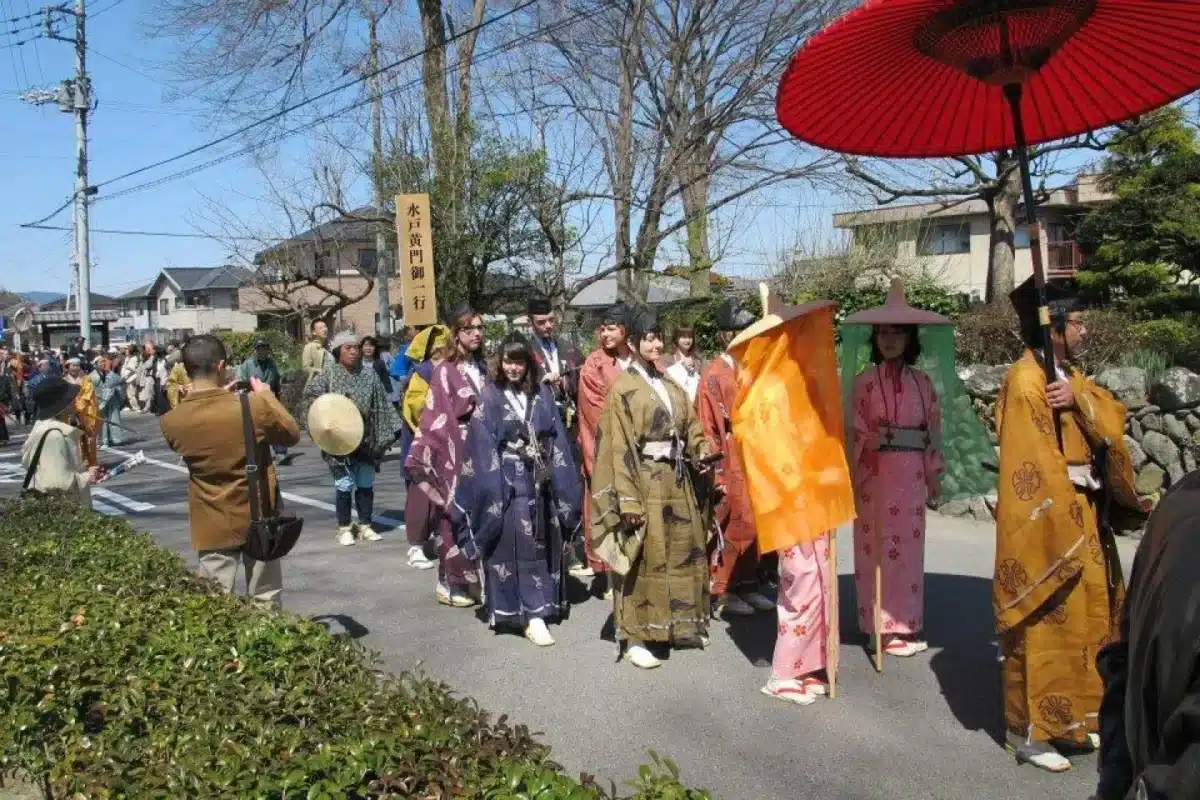
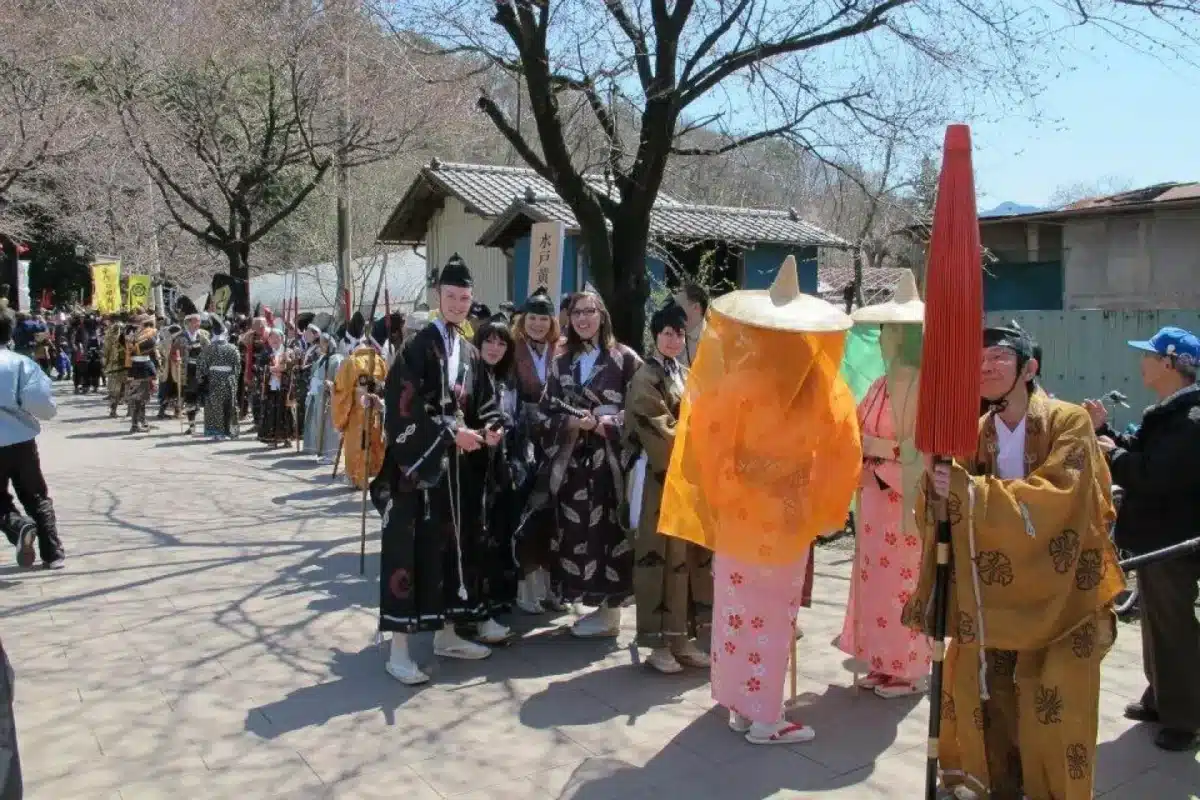
Every year since 1985 the tiny town of Kanra in Gunma prefecture hosts its very own samurai parade. Though most Japanese towns have their matsuris, few involve getting decked out in full, ancient warrior authenticity, complete with sword, and marching through the streets to the applause of delighted onlookers.
Whether you are a samurai aficionado, a history buff, or simply want to admire the spring cherry blossoms in a different setting, Kanra town samurai festival really is a spectacular and unusual day out.
As the long line of people, dressed in the actual relics of days bygone, make their way through the cobbled streets in Obata, it feels a lot like history coming to life. The cavalry on their horses clip clopping through cherry blossom lined streets, the geisha in full kimono with painted faces, and the customary celebrity levitating on a wooden platform. It is like Japan’s very own version of a Disney parade, except completely free.
Enjoy Your Event Stress-Free with Japan Travelo
Do you know? Planning events, festivals, concerts, and cultural experiences in Japan can be overwhelming. Japan Travelo brings everything together in one place, helping you manage your itinerary, transport, and accommodation with ease—so you can enjoy Japan without the stress of planning.
When the walking is done, everyone gathers in the scenic park to witness traditional taiko performances from adorable children wearing miniature happi, and seasoned experts, whose powerful drumming skills leave you envious with awe. Following this, two samurai take to the stage to perform a mesmerizing dance-like battle, thankfully dodging out of the way of one another’s swords, topped off with canons firing into a setting sun and blazing red, spring sky.
Scores of stalls line the edges of the park, selling everything from Gunma’s famous yaki manjuu, grilled bread on a stick covered in a sweet soy sauce, salt flavor ice cream surprisingly nice, yakisoba fried noodles and vegetables kind of like a stir fry, takoyaki octopus inside a batter ball to western food such as fried chicken and fries. If you are the type who wants to sample one of everything, you can lay out on the grass under the sun’s warming rays and sleep it off.
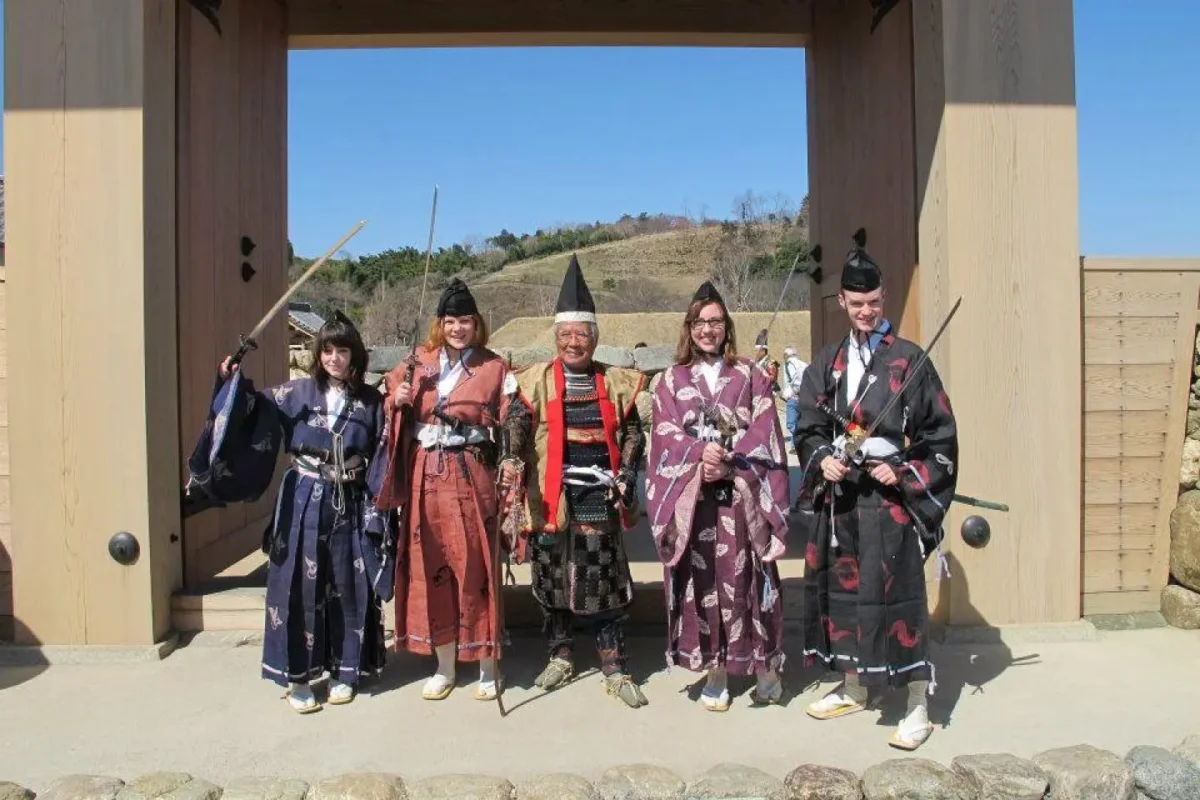
If this sounds up your alley, why not get involved? The town are always keen to include foreigners in the parade. As long as you don’t mind sacrificing your desired role of Japanese princess for savage samurai, weighted down in several hundred layers of cloth, while your friends laugh on the sidelines.
Cultural Significance & Origins
Kanra Samurai Festival is also known as Castle Town Obata Cherry Blossom Festival, celebrating samurai spirit of Obata Domain.
Obata Domain – 300 Years History: The Obata Castle in central Kanra, Gunma Prefecture, was seat of power for ruling Obata Domain for almost 300 years during Sengoku and Edo periods, 15th to 19th centuries. Unfortunately, castle was destroyed and only its clay walls and dry moats remains, but today, more than 150 years after end of Edo period, castle town of Obata retains much of period architecture and samurai spirit.
Obata Domain was feudal domain under Tokugawa shogunate of Edo period Japan, located in Kozuke Province, modern Gunma Prefecture. It was centered on Obata jin’ya in what is now part of town of Kanra, Gunma. Obata was ruled through part of its history by Oda clan, descendants of Oda Nobunaga.
Oda Clan Connection: Obata Castle was castle town with fief of 20,000 koku that continued for over 250 years under Oda and Matsudaira clans during Edo period. Oda clan’s rule lasted 152 years and eight generations, beginning with Nobukatsu, second son of Sengoku period warlord Oda Nobunaga. After Oda clan was transferred due to involvement in Meiwa Incident, Matsudaira clan took over, and it was called Obata Castle during late Edo period.
Revival Since 1985: Every year since 1985 tiny town of Kanra hosts its very own samurai parade, reviving ancient warrior spirit as community event to preserve heritage and welcome visitors.
Cherry Blossom Link: Town was developed along Ogawa-zeki Waterway, considered as one of Japan’s 100 Famous Waters. Local Rakusan-en Park is nationally-renowned landscape garden where visitors can enjoy matcha tea at range of tea houses or simply stroll grounds surrounded by magnificent natural sights. More than 150 years after end of Edo, town retains links.
Warrior Procession Purpose: Local populace fills streets, as force of 400 don authentic Japanese armor and follow leader on horseback through dazzling streets lined with cherry blossom trees. This Warrior Procession celebrates history of area and welcomes non-Japanese residents as well as young children to partake.
Traditions, Rituals & Customs
The festival is living museum of Edo period daimyo procession.
Musha Gyoretsu – Warrior Parade: Local populace fills streets as force of 400 don authentic Japanese armor and follow leader on horseback. As long line of people, dressed in actual relics of days bygone, make their way through cobbled streets in Obata, it feels a lot like history coming to life. Participants wear real armor, some family heirlooms, complete with sword, marching through streets to applause of delighted onlookers.
Cavalry Clip Clop: Cavalry on their horses clip clopping through cherry blossom lined streets, with riders in full armor, leading procession as daimyo lord would have.
Geisha in Full Kimono: Geisha in full kimono with painted faces walk gracefully, adding elegance of castle town culture.
Celebrity Levitating on Wooden Platform: Customary celebrity levitating on wooden platform, representing high-ranking samurai or daimyo carried on palanquin or platform, like Japan’s very own version of Disney parade, except completely free.
Taiko Performances: When walking is done, everyone gathers in scenic park to witness traditional taiko performances from adorable children wearing miniature happi, and seasoned experts whose powerful drumming skills leave you envious with awe.
Dance-like Battle: Following this, two samurai take to stage to perform mesmerizing dance-like battle, thankfully dodging out of way of one another’s swords, topped off with canons firing into setting sun and blazing red, spring sky.
Matchlock Rifle and Sword Demonstrations: Warrior Procession celebrates history and welcomes non-Japanese residents as well as young children to partake in range of uniquely enjoyable activities and attractions, including matchlock rifle teppo and sword demonstrations, drum performances, and open-air tea ceremonies.
Foreigner Inclusion: Town are always keen to include foreigners in parade. As long as you don’t mind sacrificing your desired role of Japanese princess for savage samurai, weighted down in several hundred layers of cloth, while friends laugh on sidelines.
What to Expect at the Festival
Expect spectacular and unusual day out combining samurai authenticity with cherry blossom beauty.
The local populace fills streets, as force of 400 don authentic Japanese armor. From picturesque streets to preserved samurai residences, Obata is filled with enchanting links to Japan’s bygone days. Wandering through these streets, you can imagine daily lives of samurai and their families who lived and worked here for over 250 years under Oda and Matsudaira clans. Overall ambiance is one of quiet dignity and preserved heritage, making Obata-juku compelling destination for those seeking authentic glimpse into Japan’s past.
Cobbled streets lined with cherry blossom trees create tunnel of pink petals as cavalry on horses clip clops through. Geisha in full kimono with painted faces glide along, while celebrity levitates on wooden platform carried by bearers.
After parade through Obata, everyone gathers in scenic park, Rakusan-en Park nationally-renowned landscape garden, to witness traditional taiko performances from adorable children wearing miniature happi and seasoned experts.
Scores of stalls line edges of park, selling everything from Gunma’s famous yaki manjuu grilled bread on stick covered in sweet soy sauce, salt flavor ice cream surprisingly nice, yakisoba fried noodles and vegetables kind of like stir fry, takoyaki octopus inside batter ball to western food such as fried chicken and fries. If you are type who wants to sample one of everything, you can lay out on grass under sun’s warming rays and sleep it off.
Two samurai take to stage to perform mesmerizing dance-like battle, dodging swords, topped off with canons firing into setting sun and blazing red spring sky.
Date & Schedule
Event Dates: Early April 2027 (Dates TBD)
Official Timing: Every year in April, residents revive ancient samurai spirit during Castle Town Obata Cherry Blossom Festival, biggest spring event in Kanra. The local populace fills streets as force of 400 don authentic Japanese armor and follow leader on horseback through dazzling streets lined with cherry blossom trees.
Every year since 1985 tiny town of Kanra in Gunma prefecture hosts its very own samurai parade. Though most Japanese towns have their matsuris, few involve getting decked out in full ancient warrior authenticity, complete with sword, and marching through streets to applause of delighted onlookers. Whether you are samurai aficionado, history buff, or simply want to admire spring cherry blossoms in different setting, Kanra town samurai festival really is spectacular and unusual day out.
Previous Edition Pattern: Based on previous listings, Castle Town Obata Cherry Blossom Festival typically held early to mid April during cherry blossom season in Obata. Event combines cherry blossom viewing with warrior procession.
Typical Daily Schedule Based on Previous Editions:
- Morning: Gathering of 400 participants in authentic armor at Obata Castle area, preparation of horses
- Late Morning: Musha Gyoretsu warrior procession starts through cobbled streets in Obata lined with cherry blossoms, cavalry clip clopping, geisha in kimono, celebrity on wooden platform
- Early Afternoon: Parade arrives at scenic park Rakusan-en Park, opening of food stalls with yaki manjuu, yakisoba, takoyaki, salt ice cream
- Afternoon: Traditional taiko performances from children in miniature happi and seasoned experts, matchlock rifle and sword demonstrations, open-air tea ceremonies
- Late Afternoon: Dance-like samurai battle on stage, dodging swords, canons firing into setting sun and blazing red spring sky
Venue: Obata Castle Town, 747-1 Obata, Kanra-cho, Kanra-gun, Gunma Prefecture, Japan, including Obata streets and Rakusan-en Park
Notice: Dates not yet confirmed for 2027. Please check official event site for latest info.
Visiting this event? Don’t miss out on these amazing activities and local experiences while you’re here.
Main Events & Programme
Programme focuses on warrior procession and stage performances.
Musha Gyoretsu Warrior Procession – 400 Strong: Local populace fills streets as force of 400 don authentic Japanese armor and follow leader on horseback through dazzling streets lined with cherry blossom trees. This Warrior Procession celebrates history of area and welcomes non-Japanese residents as well as young children to partake. Participants dressed in actual relics of days bygone make way through cobbled streets in Obata.
Cavalry Parade: Cavalry on horses clip clopping through cherry blossom lined streets, representing daimyo and high-ranking samurai on horseback.
Geisha Procession: Geisha in full kimono with painted faces add elegance.
Taiko Drum Festival: When walking is done, everyone gathers in scenic park to witness traditional taiko performances from adorable children wearing miniature happi and seasoned experts whose powerful drumming skills leave you envious with awe.
Samurai Sword Battle Performance: Two samurai take to stage to perform mesmerizing dance-like battle, thankfully dodging out of way of one another’s swords, topped off with canons firing into setting sun and blazing red spring sky.
Matchlock Rifle Demonstration: Demonstration of Tanegashima matchlock rifles used in Sengoku period, with loud firing.
Open-Air Tea Ceremony: In Rakusan-en Park nationally-renowned landscape garden, visitors can enjoy matcha tea at range of tea houses or simply stroll grounds surrounded by magnificent natural sights.
Stall Village: Scores of stalls line edges of park selling Gunma foods.
Traditional Dress, Arts & Crafts
Authenticity is key – actual relics, not costumes.
Samurai Armor – Yoroi and Gusoku: Participants don authentic Japanese armor, some family heirlooms, with full ancient warrior authenticity complete with sword. Armor includes kabuto helmets with crests, menpo face masks, do chest plates, kote arm guards, haidate thigh guards, suneate shin guards. Weighted down in several hundred layers of cloth, authentic experience.
Cavalry Attire: Cavalry riders wear high-ranking samurai armor with horse trappings, jinbaori surcoats over armor.
Geisha Kimono: Geisha in full kimono with painted faces, white oshiroi makeup, elaborate kanzashi hairpins, and obi sashes.
Happi Coats for Taiko: Adorable children wearing miniature happi, traditional short coats with festival emblem, for taiko performances. Adults also wear happi.
Matchlock Rifle – Tanegashima: Demonstrators wear ashigaru foot soldier attire with matchlock rifles, representing lower ranking samurai.
Samurai Residences Architecture: From picturesque streets to preserved samurai residences, Obata is filled with enchanting links to Japan’s bygone days. Town developed along Ogawa-zeki Waterway, considered as one of Japan’s 100 Famous Waters.
Rakusan-en Garden Craft: Nationally-renowned landscape garden, surviving gardens of jin’ya of Obata Domain, with Konmei Pond, designed in Edo period.
Craft Sales: Local crafts sold at stalls, including yaki manjuu handmade.
Traditional Food & Local Specialties
Gunma’s famous foods dominate stall offerings.
Gunma Famous Yaki Manjuu: Grilled bread on stick covered in sweet soy sauce, specialty of Gunma, for 2 USD to 4 USD per stick, slightly charred, sweet and savory.
Festival Stall Foods:
- Salt Flavor Ice Cream: Surprisingly nice, for 3 USD to 5 USD, using local salt
- Yakisoba: Fried noodles and vegetables kind of like stir fry, for 4 USD to 7 USD
- Takoyaki: Octopus inside batter ball, for 4 USD to 6 USD per 6 pieces
- Fried Chicken and Fries: Western food for 5 USD to 8 USD
- Yakitori: Grilled chicken skewers for 3 USD to 5 USD
Kanra and Gunma Specialties:
- Konjac Products: Gunma is famous for konjac, konjac sashimi and grilled konjac for 3 USD to 6 USD
- Miso and Soy Sauce: Local miso products
- Cherry Blossom Sweets: Sakura manjuu and sakura tea for 2 USD to 4 USD during festival
Rakusan-en Tea: Visitors can enjoy matcha tea at range of tea houses in park for 4 USD to 6 USD including wagashi sweet.
Nearby Restaurants: Obata Castle town has small soba shops serving handmade soba for 7 USD to 11 USD and local sake.
Location & Festival Areas
Location: Castle Town Obata, Kanra Town, Kanra District, Gunma Prefecture, Japan, 747-1 Obata, Kanra-cho, Kanra-gun, Gunma-ken
Kanra Town: Tiny town in southwestern Gunma prefecture, near border with Nagano, known as castle town that was ruled by Oda and Matsudaira clans for over 250 years, famous for cherry trees and well known as castle town.
Festival Areas:
- Obata Castle Ruins and Jin’ya: Seat of power for ruling Obata Domain for almost 300 years during Sengoku and Edo periods, only clay walls and dry moats remain, but period architecture retained
- Cobbled Streets of Obata: Dazzling streets lined with cherry blossom trees where warrior procession marches, picturesque streets to preserved samurai residences filled with enchanting links to bygone days
- Rakusan-en Park: Nationally-renowned landscape garden where visitors can enjoy matcha tea at range of tea houses or simply stroll grounds surrounded by magnificent natural sights, part of surviving gardens of jin’ya, with Konmei Pond
- Ogawa-zeki Waterway: Considered as one of Japan’s 100 Famous Waters, developed along town
- Scenic Park Gathering Area: Park where taiko performances, sword battles, canons firing, and stalls located
Overall Ambiance: One of quiet dignity and preserved heritage, making Obata-juku compelling destination for those seeking authentic glimpse into Japan’s past.
Getting to the Festival
Kanra is rural but accessible from Takasaki, main city in Gunma.
From Takasaki Station: From Takasaki Station, take Joshin Line to Joshu-Fukushima, 30 minutes, fare about 4 USD to 6 USD, then taxi for 5 minutes to Obata, fare about 7 USD to 10 USD. Joshin Line is private rural line with charming small trains.
From Tokyo: From Tokyo, take JR Joetsu or Hokuriku Shinkansen to Takasaki, about 50 minutes, fare about 30 USD to 45 USD, then Joshin Line to Joshu-Fukushima. Total from Tokyo about 2 hours.
By Car: From Tokyo via Kanetsu Expressway to Fujioka Interchange, then Route 254 to Kanra, about 2 hours, free parking available at festival with signs, but limited.
On Foot in Obata: Castle town is small, walkable, cobbled streets easily explored on foot from station area.
Accessibility: Streets are cobbled in places, may be challenging for wheelchairs, but main park area is flat.
Parking: Free temporary parking lots set up during festival at edge of town, shuttle buses sometimes run.
Where to Stay Nearby
Kanra is tiny town with limited accommodation, most visitors stay in Takasaki or Tomioka.
In Kanra Town:
- Small Ryokan and Minshuku: Few family-run guesthouses in Obata from 50 USD to 90 USD per night, book early
- Business Hotels: None directly in Obata
Takasaki City – 30 minutes away:
- Takasaki Washington Hotel Plaza: Near Takasaki Station, from 70 USD to 110 USD
- Hotel Metropolitan Takasaki: At Takasaki Station, from 90 USD to 160 USD
- APA Hotel Takasaki Ekimae: From 60 USD to 95 USD
Tomioka City – 15 minutes away:
- Tomioka is UNESCO World Heritage Silk Mill town, hotels like Tomioka Grand Hotel from 70 USD to 120 USD
- Guesthouses near silk mill from 50 USD to 80 USD
Karuizawa – 40 minutes away: Resort town with many hotels from 100 USD to 300 USD, popular for combining with Kanra festival.
Camping: Some campsites in Gunma near Kanra, such as Kanra camping ground, for 15 USD to 30 USD per night.
Booking Tip: Tiny town so accommodation limited, book Takasaki or Tomioka early for cherry blossom weekend.
What Visitors Can Participate In
Highly participatory festival, especially keen to include foreigners.
Join Parade as Samurai: Town are always keen to include foreigners in parade. As long as you don’t mind sacrificing your desired role of Japanese princess for savage samurai, weighted down in several hundred layers of cloth, while friends laugh on sidelines. Apply via Kanra Town Office or tourist association website in advance, usually free but requires full day commitment. You get to wear actual relics or high-quality replicas, complete with sword.
Children Participation: Young children can partake in range of uniquely enjoyable activities and attractions, including wearing miniature armor or happi for taiko.
Taiko Experience: Some years, visitors can try taiko drums after main performances.
Open-Air Tea Ceremony: Visitors can enjoy matcha tea at range of tea houses in Rakusan-en Park, participate in tea ceremony for small fee.
Food Sampling: Sample one of everything at stalls lining edges of park, lay out on grass under sun’s warming rays and sleep it off.
Photography: Delighted onlookers applaud, photography allowed everywhere, with cavalry, geisha, celebrity on platform all posing.
Cherry Blossom Viewing: Enjoy cherry blossoms in different setting, under which parade marches.
Things to Do Before or After the Festival
Gunma offers many attractions near Kanra.
Obata Castle Town Exploration: From picturesque streets to preserved samurai residences, Obata is filled with enchanting links to Japan’s bygone days. Walk through preserved samurai houses, some admission 2 USD to 3 USD, imagine daily lives of samurai families who lived and worked here for over 250 years under Oda and Matsudaira clans.
Rakusan-en Park: Nationally-renowned landscape garden where visitors can enjoy matcha tea, stroll grounds surrounded by magnificent natural sights, part of surviving gardens of jin’ya with Konmei Pond.
Ogawa-zeki Waterway: Walk along waterway considered as one of Japan’s 100 Famous Waters, peaceful.
Tomioka Silk Mill: UNESCO World Heritage Site 15 minutes away, first modern silk reeling factory in Japan, entry about 8 USD.
Kusatsu and Ikaho Hot Springs: Famous hot springs in Gunma, 60 to 90 minutes away, perfect after festival.
Takasaki City: Visit Takasaki Daruma Temple, famous for daruma dolls, and Takasaki Castle ruins.
Shimonita and Negi: Nearby town famous for green onions, try local cuisine.
Cherry Blossom Spots: Gunma is famous for cherry blossoms, other spots like Takasaki Park and Akagi Senbonzakura.
Local Food & Restaurants
Kanra area offers rural Gunma cuisine.
Festival Stalls: As described, yaki manjuu 2 USD to 4 USD, salt ice cream 3 USD to 5 USD, yakisoba 4 USD to 7 USD, takoyaki 4 USD to 6 USD, fried chicken and fries 5 USD to 8 USD.
Obata Local Restaurants:
- Soba Shops: Handmade soba using local buckwheat for 7 USD to 11 USD, served cold with tempura
- Yaki Manjuu Shops: Year-round shops selling yaki manjuu, best fresh grilled
- Miso and Konjac Shops: Selling Gunma specialties
Gunma Specialties in Takasaki and Tomioka:
- Okirikomi: Flat noodles in miso soup, specialty of Gunma, for 8 USD to 12 USD
- Yaki Manjuu Restaurants: Dedicated restaurants with many flavors
- Konjac Dishes: Sashimi konjac, dengaku grilled konjac for 4 USD to 7 USD
Cafes in Rakusan-en: Matcha tea houses offering matcha and wagashi for 4 USD to 6 USD, with view of garden.
Sake: Gunma sake breweries like Asama and others offer tasting for 4 USD to 8 USD.
Ticket Information & Access
Price of Admission: FREE
Every year since 1985 tiny town of Kanra hosts its very own samurai parade, completely free. It is like Japan’s very own version of Disney parade, except completely free. Main parade through cobbled streets in Obata is free to watch.
Paid Elements:
- Food Stalls: Yaki manjuu, salt ice cream, yakisoba, takoyaki from 2 USD to 8 USD per item
- Tea Ceremony: Matcha tea at Rakusan-en tea houses for 4 USD to 6 USD including wagashi
- Samurai House Entry: Some preserved samurai residences admission 2 USD to 3 USD, based on 300 yen previous listing
- Parking: Free temporary parking lots, but taxi from Joshu-Fukushima station about 7 USD to 10 USD
- Participation as Samurai: Usually free for foreigners including costume rental, but donation or small fee of 10 USD to 20 USD sometimes requested for cleaning of actual relics
Hours: Based on previous editions, parade typically starts late morning, gathering in scenic park afternoon for taiko performances and sword battles, ending with canons firing into setting sun and blazing red spring sky late afternoon to early evening.
Access: From Takasaki Station, take Joshin Line to Joshu-Fukushima 30 minutes then taxi 5 minutes. From Tokyo, Shinkansen to Takasaki 50 minutes then Joshin Line.
Official Event Information
Event Name: Kanra Samurai Festival 2027 – Japan, also called Castle Town Obata Cherry Blossom Festival, Obata Sakura Matsuri, Musha Gyoretsu
Venue: Obata Castle Town, 747-1 Obata, Kanra-cho, Kanra-gun, Gunma Prefecture, Japan, including cobbled streets in Obata and Rakusan-en Park
Organizer: Kanra Town, Kanra Town Tourist Association, and Obata Castle Town Preservation Society
Official Website: https://en.japantravel.com/gunma/kanra-samurai-festival/3804
Additional Official Site: https://www.japan.travel/en/japans-local-treasures/castle-town-obata-cherry-blossom-festival-2022/ and Kanra Town official site https://www.town.kanra.lg.jp/
Description: Every year since 1985 tiny town of Kanra in Gunma prefecture hosts its very own samurai parade. Though most Japanese towns have their matsuris, few involve getting decked out in full ancient warrior authenticity complete with sword and marching through streets to applause of delighted onlookers. Whether you are samurai aficionado, history buff, or simply want to admire spring cherry blossoms in different setting, Kanra town samurai festival really is spectacular and unusual day out. As long line of people dressed in actual relics of days bygone make way through cobbled streets in Obata, it feels a lot like history coming to life. Cavalry on horses clip clopping through cherry blossom lined streets, geisha in full kimono with painted faces, and customary celebrity levitating on wooden platform. When walking is done, everyone gathers in scenic park to witness traditional taiko performances from adorable children wearing miniature happi and seasoned experts whose powerful drumming skills leave you envious with awe. Following this, two samurai take to stage to perform mesmerizing dance-like battle topped off with canons firing into setting sun and blazing red spring sky.
Contact: Kanra Town Office, 747-1 Obata, Kanra-cho, Kanra-gun, Gunma Prefecture
Video
Location
FAQ
Can foreigners really join the samurai parade?
Yes, town are always keen to include foreigners in parade and welcomes non-Japanese residents as well as young children to partake in range of activities. You need to apply in advance via Kanra Town Office or tourist association website, usually free but requires full day commitment. You will be weighted down in several hundred layers of cloth wearing actual relics or high-quality replicas complete with sword, as organizers prefer samurai roles over princess roles for authenticity. Friends can watch from sidelines and take photos as you march through cherry blossom lined cobbled streets in Obata following leader on horseback.
What is Obata Domain and its connection to Oda Nobunaga?
Obata Domain was feudal domain under Tokugawa shogunate of Edo period Japan located in Kozuke Province modern Gunma Prefecture, centered on Obata jin'ya in Kanra, lasting almost 300 years during Sengoku and Edo periods. Obata was ruled through part of its history by Oda clan descendants of Oda Nobunaga, beginning with Nobukatsu second son of Sengoku warlord Oda Nobunaga, whose rule lasted 152 years and eight generations. After Oda clan transferred due to Meiwa Incident, Matsudaira clan took over. Today more than 150 years after end of Edo period, castle town retains period architecture and samurai spirit with clay walls and dry moats remaining.
What happens after the warrior procession ends?
When walking is done, everyone gathers in scenic Rakusan-en Park nationally-renowned landscape garden where visitors can enjoy matcha tea at tea houses. There you witness traditional taiko performances from adorable children wearing miniature happi and seasoned experts whose powerful drumming leaves you envious with awe. Following this, two samurai take to stage to perform mesmerizing dance-like battle dodging swords, topped off with canons firing into setting sun and blazing red spring sky. Scores of stalls line edges of park selling Gunma's famous yaki manjuu grilled bread on stick with sweet soy sauce, salt ice cream, yakisoba, takoyaki, and western foods where you can lay on grass under sun's warming rays.
Do I need to pay to see the festival?
The festival is completely free to watch, like Japan's very own version of Disney parade except free, with no tickets required for warrior procession through cobbled streets in Obata, cavalry horses clip clopping, geisha in kimono, celebrity on wooden platform, and stage performances including taiko and samurai battle in park. Food stalls charge for items like yaki manjuu and yakisoba, matcha tea in Rakusan-en Park costs small fee, and some preserved samurai residences have admission of about 2 USD to 3 USD. Participation as samurai in parade is usually free including costume but may request donation for cleaning actual relics.
How do I get to tiny Kanra town from Tokyo?
From Tokyo take JR Joetsu or Hokuriku Shinkansen to Takasaki Station about 50 minutes and 30 USD to 45 USD, then take Joshin Line private rural line to Joshu-Fukushima about 30 minutes and 4 USD to 6 USD, then taxi 5 minutes about 7 USD to 10 USD to Obata. Total from Tokyo about 2 hours. By car from Tokyo via Kanetsu Expressway to Fujioka Interchange then Route 254 about 2 hours, with free temporary parking lots set up during festival. Castle town is small and walkable once you arrive at Obata area.

Leave a Reply