
-
November 2, 2026
Event date:
-
November 4, 2026
Event end:
Visitor Safety, Etiquette & Photography
Attending a high-energy, crowded traditional festival requires mindfulness regarding personal safety and local cultural customs. Because multi-ton wooden floats move rapidly through narrow streets without conventional braking systems, maintaining clear buffer zones is critical.
Visitors must strictly obey instructions given by neighborhood staff members and remain behind designated safety ropes at all times. Corners and intersections are particularly hazardous as the massive structures swing wide during turns.
- Float Clearance Zones staying completely clear of moving ropes and massive wooden wheels
- Staff Instruction Compliance following directions from local marshals and security personnel instantly
- Intersection Awareness watching out for wide-swinging float corners where accidents happen easily
- Prohibited Equipment avoiding dangerous items like selfie sticks in dense moving crowds
- Footwear Choices wearing comfortable, sturdy walking shoes suitable for gravel, sand, and asphalt
- Trash Management carrying personal garbage or utilizing designated recycling stations properly
- Respectful Photography asking permission before taking close-up portraits of local participants
- Personal Belonging Security keeping valuables secure in zipped bags amidst heavy crowd congestion
- Child Supervision holding hands tightly with young children in fast-moving pedestrian flows
- Weather Preparedness bringing layers for chilly autumn evenings and rain protection gear
Date & Duration
- Event Date: November 2nd – November 4th 2026
- Event Duration: 3 days
Visiting this event? Don’t miss out on these amazing activities and local experiences while you’re here.
Traditional Music, Drums & Festival Chants
A continuous wall of sound defines the sonic landscape of the festival, driven by powerful percussion and melodic wind instruments. Musicians ride directly atop or immediately alongside the moving floats, maintaining high-energy accompaniment throughout the long processions.
Enjoy Your Event Stress-Free with Japan Travelo
Do you know? Planning events, festivals, concerts, and cultural experiences in Japan can be overwhelming. Japan Travelo brings everything together in one place, helping you manage your itinerary, transport, and accommodation with ease—so you can enjoy Japan without the stress of planning.
The iconic vocal chant of En-ya rings out continuously from thousands of throats, creating an infectious wave of collaborative human energy. This rhythmic shouting binds the pullers together, easing the physical burden of hauling massive wooden frameworks through crowded streets.
Flutes provide a sharp, piercing melodic contrast to the heavy thumping of taiko drums, creating a timeless auditory backdrop. Visitors quickly find themselves humming along to the hypnotic tunes that reverberate against historical wooden storefronts.
- En-ya Chanting echoing rhythmic vocal shouts from the straining neighborhood pull teams
- Taiko Drumming providing deep, resonant percussion beats that dictate forward momentum
- Shinobue Flutes delivering high-pitched traditional melodies soaring above street noise
- On-Board Musicians performing live atop elevated platforms built into the float structures
- Acoustic Resonance bouncing sound waves effectively down narrow traditional merchant streets
- Tempo Variations shifting rhythmic speeds depending on whether floats are turning or resting
- Call and Response exchanging musical phrases between moving floats and stationary crowds
- Children Participation teaching younger generations traditional instrument parts early on
- Continuous Soundscapes maintaining auditory energy from early morning until late night hours
- Festival Anthem Synergy uniting participants through shared rhythmic synchronization and vocal expression
Shinto Rituals & Lion Dance
Deeply rooted in indigenous spiritual traditions, Shinto ceremonies provide the sacred foundation for the secular celebrations taking place outdoors. Priests dressed in traditional white and crimson vestments perform solemn rites at Karatsu Shrine to appease local deities.
Dynamic lion dances form a vital component of these spiritual observances, featuring performers maneuvering detailed mythological costume heads. These dances are believed to ward off evil spirits, cleanse the festival grounds, and bring divine protection to participating neighborhoods.
Offerings of sacred sake, seasonal harvest foods, and purifying salt are presented before the altars during private morning invocations. These rituals maintain an unbroken historical link to the festival’s agricultural thanksgiving origins from centuries past.
Final Day Parade & Float Return
- Extended City Tour parading floats across an 8-kilometer route through urban neighborhoods
- Home District Cheers receiving special local welcomes as floats pass through native streets
- Final Day Energy pushing through physical exhaustion with renewed celebratory passion
- Sunset Procession transitioning from late afternoon light into dramatic evening streetscapes
- Exhibition Hall Return housing the massive floats safely back into permanent storage facilities
- Final Community Toast sharing celebratory drinks among neighborhood association members
- Dismantling Prep removing delicate lanterns and decorative attachments for careful preservation
- Exhaustion and Relief celebrating a safe journey and smooth event execution
- Crowd Farewell Waves bidding emotional goodbyes to the towering works of art
- Post-Festival Cleanup restoring local streets to pristine condition after crowds depart
Ticket Information
- How Tickets Are Sold: Free public event with no advance ticketing required for street viewing
- Admission Type: Free Admission
- Ticket Pricing: Free Admission (Minimum $0.00 to Maximum $0.00)
- Special Seating Options: Unreserved public sidewalk viewing areas along the procession routes
- VIP Options: No official VIP seating or ticketed hospitality packages provided by the organizers
Yoiyama Lantern-Lit Float Parade
The festivities officially ignite on the opening evening with the mesmerizing Yoiyama event, transforming the historic town center into a glowing wonderland. Massive floats emerge from their storage locations and are meticulously decorated with dozens of traditional paper lanterns.
- Evening Lantern Illumination lighting up all fourteen floats with traditional warm paper lanterns
- Neighborhood Gathering bringing residents together in unified festive happi coats and headbands
- Subdued Atmosphere offering a quieter viewing experience compared to the high-energy daytime events
- Float Positioning lining up the massive structures along designated historic street corridors
- Acoustic Warm-Ups featuring early practice beats of traditional taiko drums and flute tunes
- Street Vendor Stalls opening local food stands offering regional snacks and warming beverages
- Photographic Opportunities capturing the golden metallic details reflecting under soft lantern glow
- Community Bonding allowing local families to greet visitors and share historical background stories
- Route Inspection ensuring all overhead clearance paths are clear for safe float navigation
- Opening Ceremonies marking the official commencement of the multi-day cultural celebration
Venue / Location
- City and Country: Karatsu, Japan
- Venue Name: Karatsu Shrine
- Google Maps Address: 3-13 Minamijonai, Karatsu, Saga 847-0013, Japan
Hikikomi & Otabisho Procession
The second day delivers the most dramatic and physically demanding spectacle of the entire festival as the floats journey toward the coastline. Thousands of participants and spectators crowd the route leading down to the flat sands of Nishinohama Beach.
Hauling multi-ton wooden structures across loose sand requires immense physical coordination, raw strength, and synchronization from the local teams. Handlers pull thick hemp ropes while chanting rhythmically, urging the massive wheeled floats through the difficult terrain under the autumn sun.
Reaching the designated Otabisho resting grounds marks a critical ritual milestone where the floats are aligned neatly along the beach shore. This symbolic journey connects the modern city layout directly to ancient coastal purification rites historically performed by shrine priests.
- Nishinohama Beach Trek pulling massive structures across deep sand tracks manually
- Rope Team Coordination synchronizing hundreds of pullers using traditional loud vocal cues
- Wheel Stabilization placing wooden wedges underneath giant wheels to prevent sliding backward
- Otabisho Arrival parking the entire fleet in sequence along the coastal staging zone
- Shrine Priest Blessings conducting sacred purification rituals for safety and good harvest
- Midday Rest Period allowing exhausted pullers to hydrate and share communal bento meals
- Sand Resistance Management adjusting pulling angles to cope with shifting coastal ground conditions
- Massive Crowd Control keeping spectators behind designated safety boundaries on the open beach
- Audio Synchronization matching the pace of the float movement to steady drum rhythms
- Midday Transition preparing the structures for the strenuous return journey inland
Contact Information
- Phone Number: +81 955-74-3355
- Website: https://en.japantravel.com/saga/karatsu-kunchi-festival/32010
14 Hikiyama Floats & Their Stories
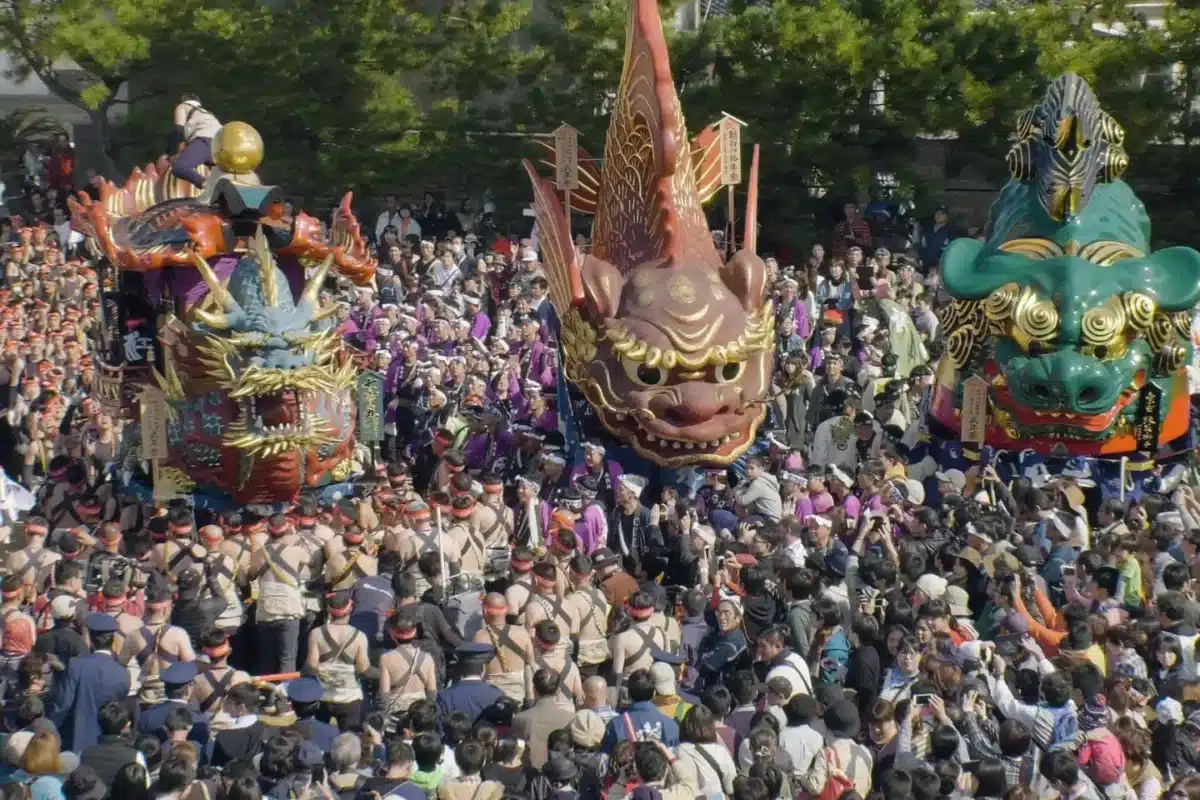
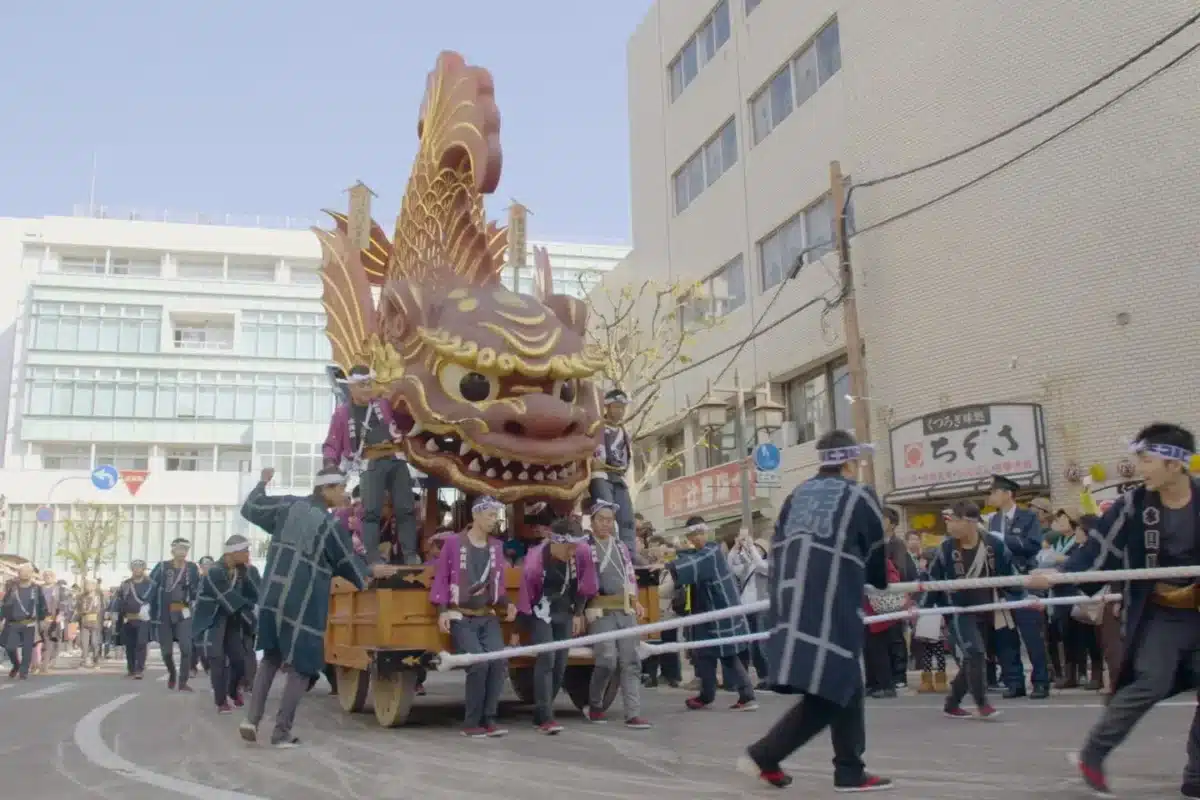
For over 400 years, this autumn festival has been held at Karatsu Shrine and is one of Kyushu’s major festival attractions. Highly decorated giant festival floats, known as hikiyama, are hauled across the sand at Nishinohama Beach to a soundtrack of traditional drums and flutes, during the Otabisho Shinko held on the second day of the festival.
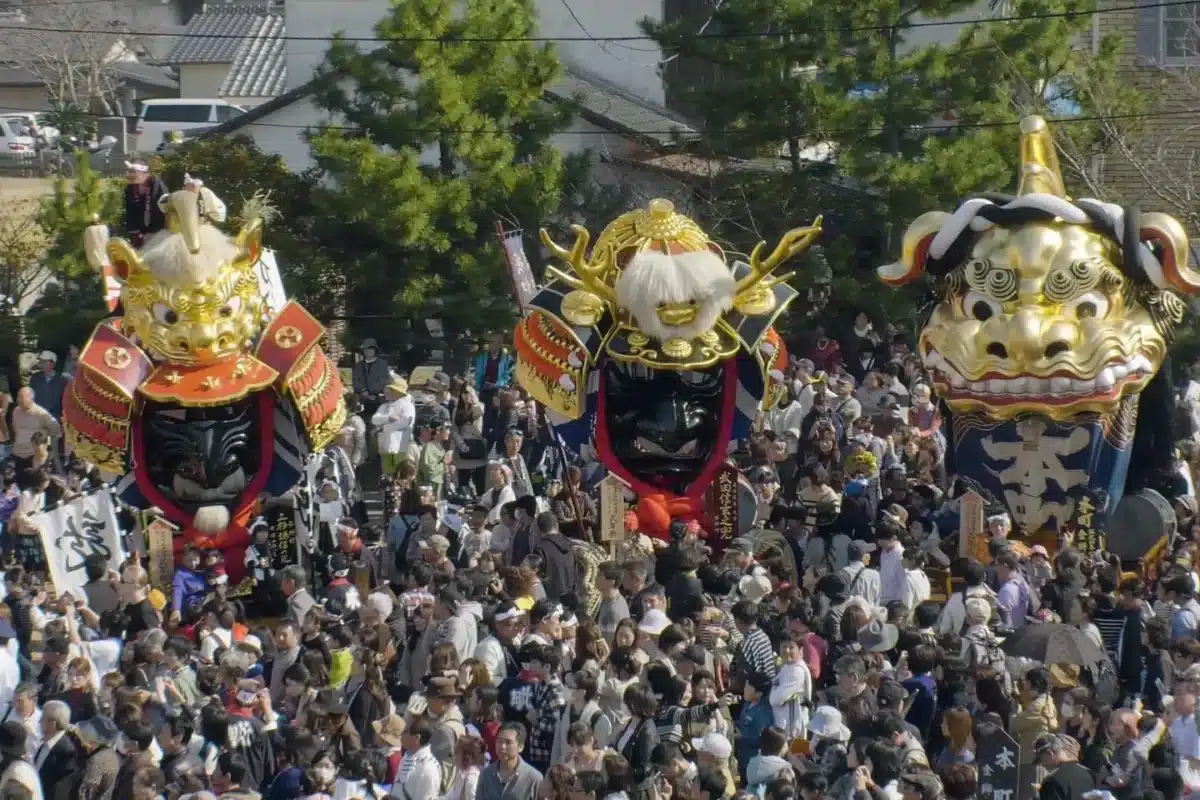
Up to almost 7 meters in height, these works of art are lacquered and finished gold and silver leaf, customised with designs of lions, samurai helmets, flying dragons and more! They typically take 2-3 years to complete, with the oldest, surviving one dating back to 1819. The original creations are usually on display at the Hikiyama Float Exhibition Hall adjacent to the shrine, outside of festival season.
Each of the fourteen active floats represents a distinct neighborhood and carries deep historical or mythical significance tied to Japanese folklore. Generations of local families have maintained these masterpieces, ensuring traditional craft techniques are passed down continuously. The floats feature legendary figures such as Urashima Taro riding a sacred turtle, formidable samurai helmets, and mythical beasts like the red lion.
Viewing these massive structures up close reveals incredible artistic detail, from intricate woodwork to shimmering metallic leaf applications. They serve not only as religious artifacts but also as powerful symbols of civic pride and communal unity for the residents of Karatsu.
- Red Lion representing the first float created in the collection back in 1819
- Blue Lion constructed to showcase contrasting coloration and fierce protective imagery
- Turtle and Urashima Taro depicting the classic Japanese fairy tale hero on a sea creature
- Minamoto Yoshitsune Helmet honoring the legendary medieval warrior commander’s iconic crest
- Tai Sea Bream symbolizing good fortune, prosperity, and celebratory occasions in Japan
- Shingen Takeda Helmet recreating the fierce warlord battle aesthetics of the Sengoku period
- Kenshin Uesugi Helmet honoring the rival tactical genius with distinctive crescent moon hardware
- Golden Dragon twisting dynamically with brilliant metallic leaf finishes and flowing whiskers
- Black Lion representing a fierce guardian spirit reconstructed to maintain neighborhood heritage
- Inherited Treasure Ship loaded with symbolic traditional wealth items and sacred lucky goods
- Phoenix soaring with elaborately carved plumage and brilliant polychromatic lacquer coatings
- First Generation Samurai featuring early armor styles worn during feudal clan conflicts
- Great Carp leaping upward to symbolize perseverance, strength, and successful career advancement
- Demon Queller embodying protective mythological forces warding off malevolent spiritual influences
Traditional Food & Kunchi Hospitality
Local culinary traditions shine brightly throughout the festival as families open their homes and street vendors fire up grills. Neighborhood hospitality is legendary, with residents frequently inviting visiting friends, relatives, and guests into their homes for celebratory feasts.
Regional delicacies dominate the menus, offering authentic tastes of Saga Prefecture and coastal Kyushu gastronomy. Specialty dishes provide essential energy for festival participants navigating the long hours outdoors.
Street food stalls line the walking paths near Karatsu Shrine, serving piping hot local snacks that fill the autumn air with savory aromas. From fresh seafood catches to sweet regional treats, food plays a central role in the social bonding of the event.
- Saw-Edged Perch Dishes serving local coastal fish specialties prized during autumn festivals
- Open-House Hospitality welcoming guests into local neighborhood homes for traditional banquets
- Street Food Stalls operating dozens of open-air food carts along festival walking routes
- Grilled Squid Treats offering freshly caught regional seafood delicacies cooked over charcoal
- Warm Sake Pairings serving locally brewed Saga rice wine to combat chilly autumn evening air
- Sweets and Confectionery selling traditional Japanese sugar treats and festival pastries
- Communal Dining sharing large multi-dish bento meals among exhausted float pull teams
- Pickled Local Produce featuring seasonal vegetables harvested from nearby regional farms
- Quick Energy Snacks providing fast carbohydrates like skewered meats and rice cakes
- Food Hygiene Standards ensuring clean preparation practices across all temporary vendor setups
- Culinary Souvenirs purchasing specialty regional food items packaged nicely for travel
Festival Atmosphere & Local Community
The emotional core of Karatsu Kunchi lies in the fierce loyalty and lifelong dedication of the local neighborhoods. Generations of families work side by side, bonding over the shared responsibility of preserving their district float.
A palpable sense of electric excitement blankets the entire city, turning quiet historic streets into a vibrant cultural amphitheater. Complete strangers are swept up in the welcoming camaraderie, sharing food, drinks, and cheers together.
The event transcends a mere tourist attraction, serving as the cultural heartbeat that defines identity for the people of Karatsu. Children grow up watching their parents pull the ropes, eagerly anticipating the day they join the main teams.
- Intergenerational Bonding connecting grandparents, parents, and children through shared festival duties
- Neighborhood Rivalries displaying friendly competition between districts over float maintenance and presentation
- Welcoming Community Spirit greeting international and domestic visitors with open, warm hospitality
- Festive Street Energy transforming ordinary urban asphalt into a dynamic cultural stage
- Civic Pride Expression showcasing local heritage craftsmanship passed down for centuries
- Shared Emotional Investment experiencing collective highs and physical exhaustion together
- Voluntary Participation relying entirely on dedicated local community labor rather than paid staff
- Cultural Transmission teaching youth traditional values, chants, and cooperative work ethics
Best Viewing Spots & Visitor Tips
Finding the right vantage point can drastically enhance your viewing experience of the dynamic processions and ritual events. Arriving early is essential to secure spots along critical choke points like the narrow merchant street turns and beach entrances.
Experienced attendees recommend exploring the quiet exhibition hall areas a day early to examine the intricate details up close. Public transit options should be planned well in advance due to massive regional crowds heading toward Karatsu Station.
- Nishinohama Beach Slopes securing elevated spots on the sand dunes for the big Tuesday procession
- Shrine Approach Corridors standing along Sannomachi street for classic neighborhood float departures
- Corner Buildings Viewpoints watching floats navigate tight historic urban turns from safe distances
- Early Arrival Strategy reaching viewing areas at least an hour before scheduled procession times
- Public Transportation Usage taking the JR Chikuhi Line to Karatsu Station to avoid traffic jams
- Exhibition Hall Visits touring the indoor float museum outside festival hours for close-up views
- Cash Preparation carrying sufficient Japanese yen since rural street vendors rarely accept cards
- Hydration Planning packing bottled water and snacks to stay energized during long walking stretches
- Local Map Acquisition picking up festival route guides from tourist information booths at the station
- Accommodation Bookings reserving hotels months in advance across Saga Prefecture or Fukuoka City
Video
Location
FAQ
What are the primary dates when Karatsu Kunchi takes place annually?
The festival is held consistently every year from November 2nd through November 4th across the historic center of Karatsu City. This three-day event provides visitors with a comprehensive immersion into centuries-old autumn thanksgiving traditions and deep-rooted community heritage rituals. Travelers can experience different phases of the celebration each day, ranging from the evening lantern lighting to the dramatic coastal beach processions.
How can travelers easily reach the festival venue using public transportation?
Visitors can take a convenient train ride on the JR Chikuhi Line directly to Karatsu Station, which is just a short 10-minute walk from Karatsu Shrine. Regional rail connections from major hubs like Fukuoka make getting to the coastal city straightforward for both domestic and international tourists alike. Planning your transit route ahead of time helps avoid heavy congestion during peak festival arrival hours.
Is it necessary to purchase admission tickets in advance to watch the street parades?
No tickets or reservations are required, as all street viewings and public festival areas are completely open and free for everyone to attend. Spectators can freely walk along designated public sidewalks and open viewing zones to watch the towering floats maneuver through historic streets. Arriving early to secure a good spot along the public viewing corridors is highly recommended for the best sightlines.
What is considered the absolute main highlight day of the three-day celebration?
The second day, November 3rd, features the breathtaking beach procession at Nishinohama where all fourteen giant floats are hauled across the sand. This physically demanding spectacle showcases incredible teamwork and raw human strength as local residents pull multi-ton wooden masterpieces through coastal terrain. It stands out as the most photographed and culturally significant moment of the entire festival schedule.
Are there any specific safety guidelines visitors must follow around the giant floats?
Spectators must strictly stay behind safety ropes, keep clear of moving pull ropes, and listen closely to local marshals because the heavy wooden floats cannot stop quickly. Due to the massive weight and momentum of the structures, maintaining a safe buffer zone during tight neighborhood turns is essential. Following these precautions ensures a secure and enjoyable cultural experience for everyone in attendance.

Leave a Reply