
What to expect in 2026
The Kasama Chrysanthemum Festival, known locally as Kasama Kiku Matsuri, transforms Kasama Inari Shrine and surrounding parts of Kasama into a large seasonal flower exhibition celebrating the beauty, symbolism and cultivation of chrysanthemums. The festival is one of Japan’s longest-running chrysanthemum celebrations and has developed into a citywide autumn attraction combining horticulture, shrine culture, traditional arts, local tourism and community participation. The Kasama Tourism Association describes it as Japan’s oldest chrysanthemum festival, with its origins in the early twentieth century.
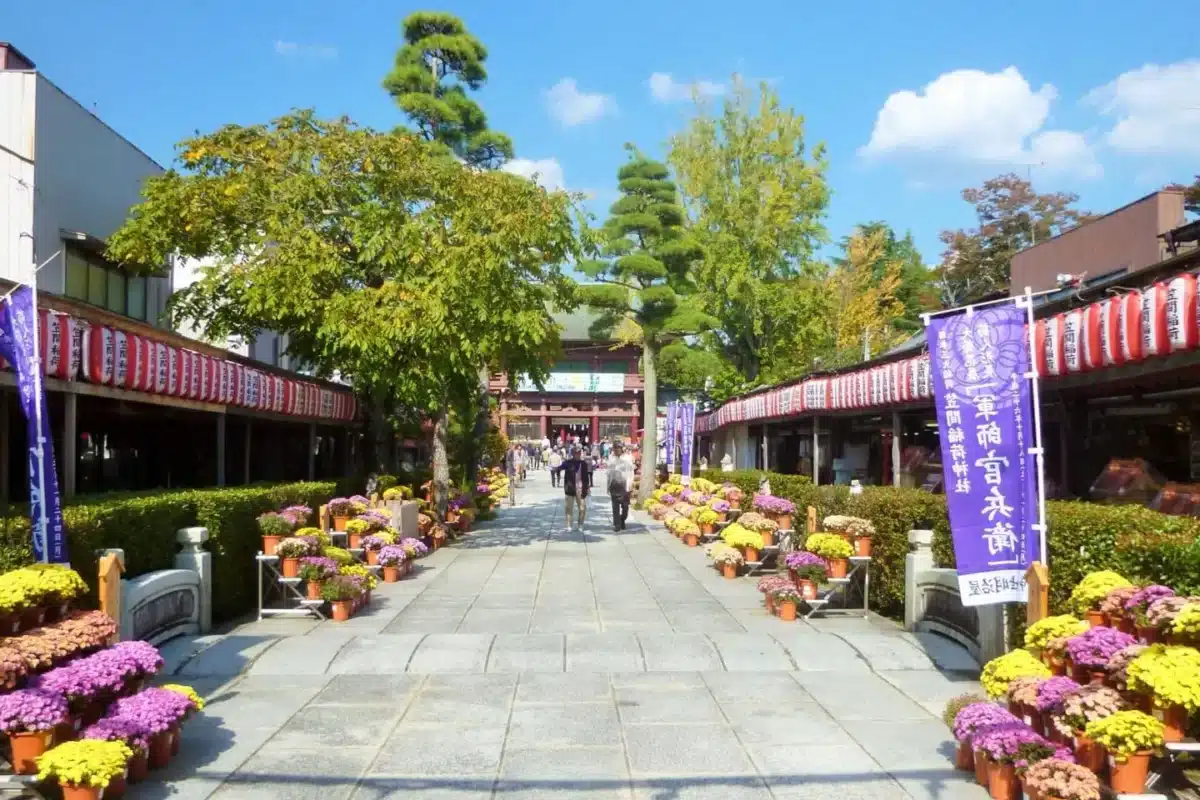
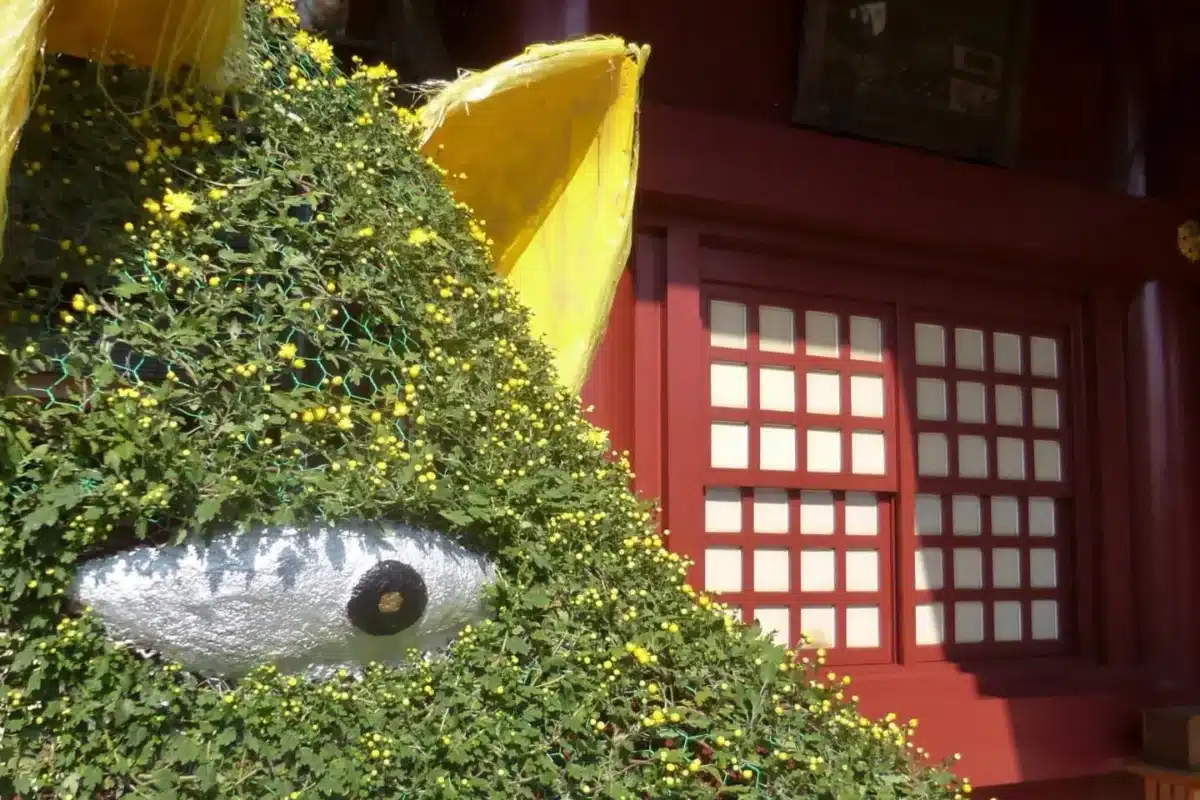
The principal display is centered around Kasama Inari Shrine, where visitors can see large collections of chrysanthemums arranged in formal displays, artistic installations and decorative compositions. JapanTravel reports that thousands of pots are displayed around the shrine grounds and that the wider festival attracts large numbers of visitors each year.
The 2026 edition will be especially suited to visitors interested in Japanese gardening, traditional flower cultivation, shrine architecture, photography and autumn cultural events. Rather than operating like a conventional indoor trade exhibition, the festival functions as an open-air horticultural and cultural exhibition spread around the shrine precinct and nearby city locations.
Enjoy Your Event Stress-Free with Japan Travelo
Do you know? Planning events, festivals, concerts, and cultural experiences in Japan can be overwhelming. Japan Travelo brings everything together in one place, helping you manage your itinerary, transport, and accommodation with ease—so you can enjoy Japan without the stress of planning.
Visitors can expect:
- Large-scale chrysanthemum displays
- Traditional chrysanthemum cultivation
- Artistic flower arrangements
- Chrysanthemum-decorated shrine spaces
- Seasonal exhibitions
- Traditional cultural performances and ceremonies
- Yabusame-related activities
- Martial arts demonstrations
- Local crafts and shopping
- Autumn food and regional specialties
- Kasama pottery and arts experiences
- Walking routes connecting festival locations
Event dates
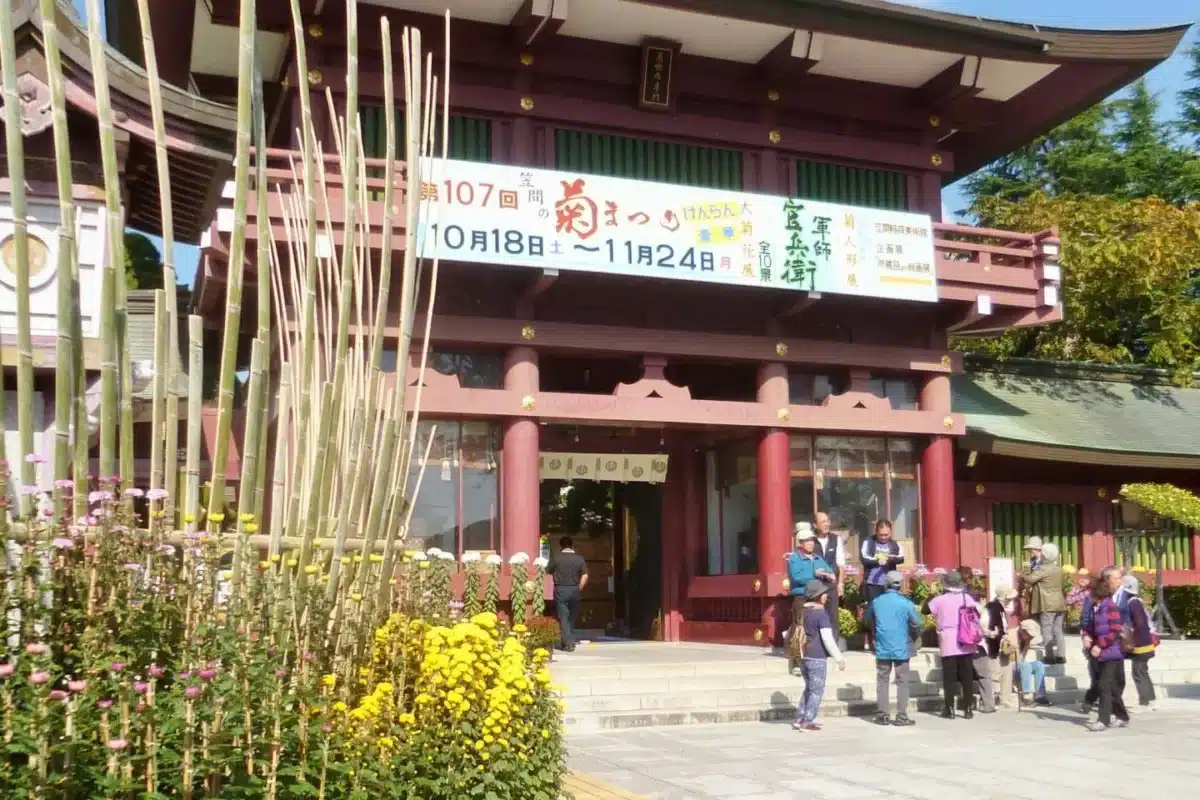
October 24th – November 23rd 2026
The supplied 2026 dates are used for this listing. JapanTravel currently lists the Kasama Chrysanthemum Festival as a late-October to late-November event, while the Kasama Tourism Association describes the festival as an annual autumn event centered on Kasama Inari Shrine.
Festival activities can vary during the season, particularly special ceremonies, performances, demonstrations and temporary exhibitions. Chrysanthemums also bloom at different times depending on variety, and official festival material notes that hundreds of varieties do not necessarily reach peak bloom simultaneously.
For visitors interested primarily in flowers, checking current bloom information before travelling is recommended. The Kasama Tourism Association maintains seasonal chrysanthemum information and updates related to the festival.
Visiting this event? Don’t miss out on these amazing activities and local experiences while you’re here.
Venue & exhibition site
The main exhibition site is Kasama Inari Shrine in Kasama City, Ibaraki Prefecture. The shrine is one of the major Inari shrines in Japan and provides a particularly distinctive setting for the chrysanthemum displays.
Kasama Inari Shrine
The shrine precinct forms the heart of the festival, with chrysanthemums arranged around important shrine structures, pathways and visitor areas. The combination of colorful flowers, traditional architecture and autumn scenery makes the shrine the primary photographic and horticultural attraction.
Shrine approach and shopping street
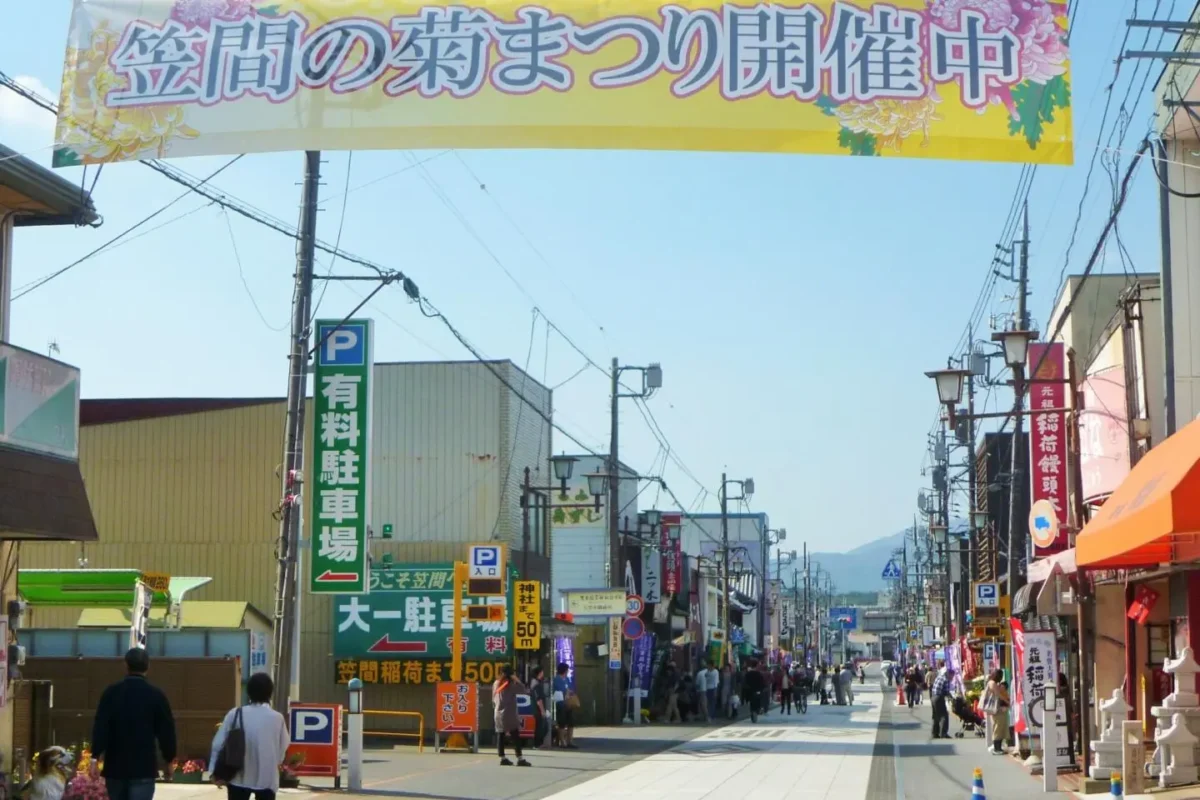
The traditional approach to Kasama Inari Shrine is lined with restaurants, souvenir shops and local businesses. During the festival season, the surrounding area becomes part of the visitor experience, extending the flower displays beyond the shrine grounds.
Kasama Historical Exchange Center Inyako
Kasama Historical Exchange Center Inyako is another important cultural location in the surrounding festival area and has been used for chrysanthemum displays and seasonal decoration.
Monzen Street
The street in front of the shrine is an important festival zone where businesses participate in the broader citywide presentation of chrysanthemums.
Wider Kasama
The festival is not restricted to one exhibition building. Chrysanthemum displays and related attractions extend into the surrounding city, allowing visitors to combine the festival with Kasama pottery, museums, historic sites and local food.
Full event programme
The Kasama Chrysanthemum Festival combines horticultural exhibitions with cultural events and seasonal activities.
The central programme focuses on chrysanthemum displays cultivated and arranged for public viewing. The shrine’s agricultural department has historically played an important role in growing chrysanthemums for the festival, while local organizations, schools, businesses and residents have also participated in the wider event.
The broader programme can include:
- Large chrysanthemum exhibitions
- Formal potted-flower displays
- Chrysanthemum garden arrangements
- Artistic flower installations
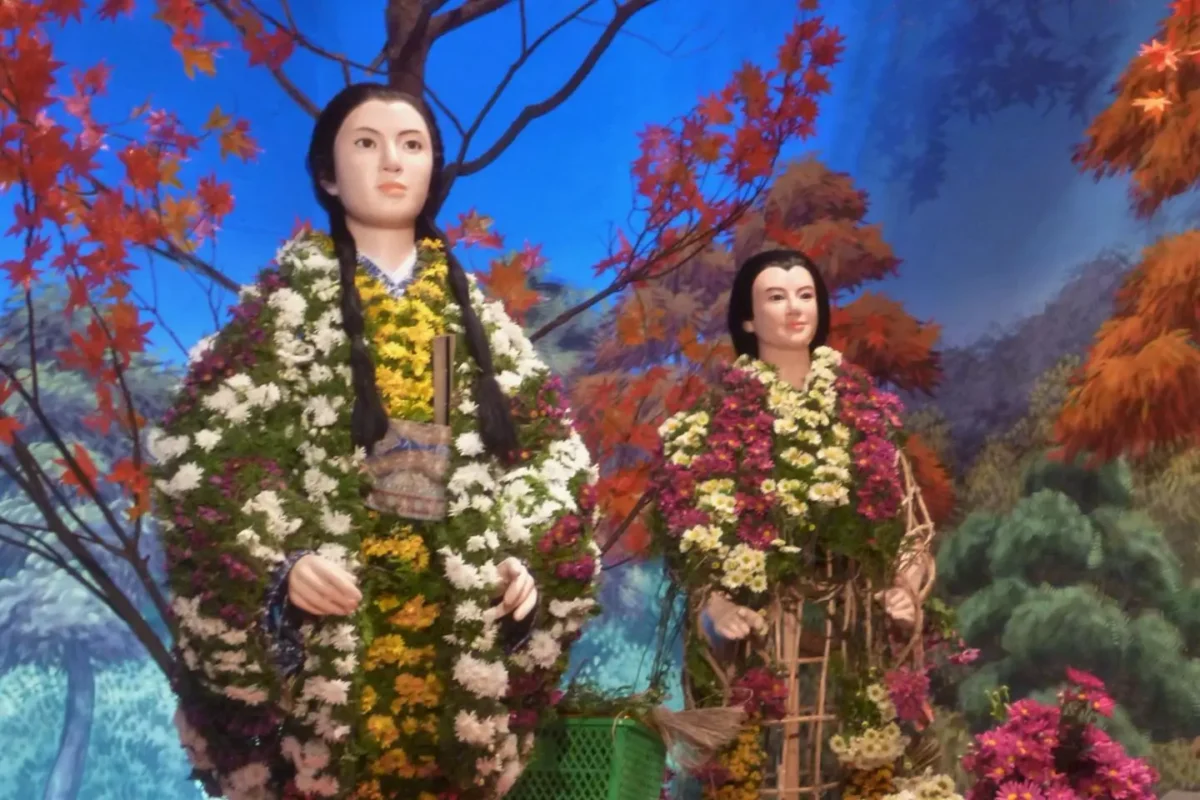
- Chrysanthemum dolls and figures
- Traditional shrine ceremonies
- Yabusame demonstrations
- Japanese martial arts performances
- School and community displays
- Walking and sightseeing programmes
- Local craft and pottery activities
- Seasonal food and shopping
- Special illumination or evening displays when scheduled
One of the festival’s distinctive features is the combination of professional cultivation with community participation. Since the festival was reorganized as a citywide civic event, schools, businesses, community organizations and other groups have contributed to its presentation.
Featured companies & exhibitors
The Kasama Chrysanthemum Festival does not operate as a conventional commercial exhibition with a fixed roster of corporate exhibitors and numbered trade booths. Instead, participating organizations contribute through horticulture, sponsorship, community displays, landscaping, cultural programming and local tourism.
Kasama Inari Shrine
The shrine is the central host location and has historically cultivated chrysanthemums through its agricultural department. Its grounds provide the principal exhibition environment.
Kasama Tourism Association
The tourism association promotes the festival, provides visitor information and connects the event with other attractions and businesses across the city.
Local landscaping companies
Recent official festival materials list several landscaping and horticultural businesses among supporting organizations, reflecting the importance of professional planting, display construction and garden maintenance.
Local businesses
Businesses around the shrine and Monzen Street participate in the seasonal atmosphere through flower displays, food, souvenirs, crafts and tourism services.
Schools and community groups
The festival has developed a strong civic dimension, with educational institutions and community organizations contributing to chrysanthemum cultivation and public displays.
Agriculture & environmental sectors
Chrysanthemum cultivation is the central agricultural theme of the festival. Visitors can see how carefully cultivated plants are trained, shaped and arranged for public exhibition.
Kasama’s festival tradition is particularly connected with specialist horticultural knowledge. The city has recognized the need to preserve chrysanthemum-growing expertise and develop new generations of growers, with municipal initiatives supporting cultivation facilities, training and expansion of growing capacity.
Chrysanthemum cultivation
The festival demonstrates the patience and technical skill required to grow exhibition-quality flowers.
Variety preservation
A wide range of chrysanthemum varieties contributes to the diversity of colors, shapes and growth forms visible across the festival.
Community growing
Schools, organizations, businesses and residents have participated in growing chrysanthemums as part of the festival’s civic character. Past initiatives have distributed plants and growing materials to community groups and businesses.
Landscape management
The festival also creates demand for professional landscaping, display construction and horticultural maintenance.
For visitors interested in sustainable horticulture, the festival provides an opportunity to see how traditional flower cultivation remains connected with community participation and local tourism.
Products, technologies & innovations
Although the festival is not a technology trade show, its horticultural displays demonstrate techniques developed through generations of chrysanthemum cultivation.
Exhibition chrysanthemums
Visitors can compare different flower forms, colors and cultivation styles.
Trained plants
Some exhibition chrysanthemums are carefully cultivated to produce particular shapes and compositions rather than simply being displayed as ordinary garden plants.
Landscape installations
Large flower displays require planning, structural support, planting design and ongoing maintenance.
Chrysanthemum figures
One of the festival’s most recognizable forms of presentation is the use of chrysanthemums to decorate figures and artistic scenes. JapanTravel notes a special indoor exhibition in which full-sized historical figures are presented with blooming chrysanthemums.
Traditional horticultural knowledge
The festival demonstrates that innovation is not limited to modern machinery. Careful plant selection, training, timing and cultivation techniques are essential to achieving high-quality exhibition displays.
Demonstrations & workshops
The festival’s activities are primarily cultural and horticultural rather than commercial training sessions. However, visitors can experience traditional skills through demonstrations and surrounding cultural attractions.
Chrysanthemum displays
Walking through the exhibition provides an informal introduction to Japanese chrysanthemum cultivation and presentation.
Martial arts demonstration
Kasama Shigen-ryu Iaido and other traditional martial arts have been presented as offerings during the festival, providing visitors with an opportunity to see Japanese sword traditions in a formal cultural setting.
Yabusame
The festival’s traditional horseback archery ceremony is one of its most important cultural events. Yabusame combines mounted archery, ceremonial practice and agricultural symbolism and is associated with prayers concerning agricultural harvests.
Pottery experiences
Kasama is famous for its ceramics, and visitors can extend their festival trip with pottery demonstrations, galleries and hands-on ceramic experiences around the city.
Guided cultural walks
Seasonal walking programmes have connected Kasama’s chrysanthemum displays with its pottery district, museums and historic attractions. A previous railway walking programme covered a route of approximately 11 kilometers and combined the festival with Kasama’s ceramic heritage.
Ticket types & registration
The main Kasama Chrysanthemum Festival is primarily a public cultural event rather than a ticketed exhibition.
General festival access
Most of the outdoor festival atmosphere and public chrysanthemum displays around Kasama Inari Shrine can be enjoyed without a general admission ticket.
Special exhibition area
JapanTravel lists an admission fee of ¥800 for a special indoor chrysanthemum exhibition. At an approximate exchange rate, this is about $5.50 USD. The exhibition features large chrysanthemum-covered figures and is separate from ordinary outdoor viewing.
Walking programmes
Past festival walking programmes have been offered without a registration fee, although food, transportation and optional purchases are separate expenses.
Cultural experiences
Individual museums, pottery workshops, restaurants, boat-free sightseeing activities and other attractions may have their own admission or participation charges.
Because 2026 special-event pricing can change, visitors should verify individual paid activities before arrival.
Professional & trade visitor access
The Kasama Chrysanthemum Festival is not a conventional B2B trade exhibition, so there is no separate professional or trade visitor accreditation system.
The festival is open primarily to the general public, horticulture enthusiasts, photographers, cultural travelers, families and visitors interested in Japanese gardening.
Professionals in horticulture, landscaping, gardening, floriculture and tourism may nevertheless find the event useful as an informal cultural and horticultural reference point.
Horticultural professionals
The displays provide examples of Japanese chrysanthemum cultivation, training and presentation.
Landscape professionals
Large public installations demonstrate ways that seasonal flowers can be incorporated into shrine and streetscape design.
Tourism professionals
The festival provides an example of how a historic shrine, local businesses, traditional arts and horticulture can be combined into a citywide tourism programme.
There is no evidence of a separate trade-only opening period or professional badge system for the 2026 festival.
Exhibition halls & floor plan
There is no conventional exhibition hall or indoor trade-show floor plan for the Kasama Chrysanthemum Festival.
Instead, the festival is organized as a collection of outdoor and cultural display areas.
Kasama Inari Shrine grounds
This is the main exhibition zone, where visitors encounter the largest concentration of chrysanthemum displays.
Shrine entrance and approach
Flower decorations extend toward the shrine entrance and surrounding visitor areas.
Monzen Street
The traditional shopping street provides additional seasonal displays and access to restaurants and local businesses.
Historical Exchange Center
This cultural facility can host seasonal chrysanthemum displays and related exhibitions.
Special indoor exhibition
A dedicated indoor area has previously featured large chrysanthemum-covered figures and historical scenes.
Visitors should therefore think of the festival as a walking exhibition rather than an indoor convention center. A comfortable itinerary can combine the shrine, surrounding streets, cultural facilities, pottery attractions and museums.
Sustainability & environmental initiatives
The festival’s environmental dimension is closely connected with horticulture, local participation and the continued preservation of traditional cultivation knowledge.
Local cultivation
Growing chrysanthemums locally reduces the need to treat the festival solely as a temporary imported display and maintains a connection between the event and regional horticultural knowledge.
Community participation
The city has encouraged schools, businesses and community organizations to grow chrysanthemums, making cultivation part of local education and participation.
Long-term horticultural skills
Kasama has identified the shortage of experienced chrysanthemum growers as a challenge and has taken steps to strengthen cultivation capacity and preserve technical knowledge.
Walking tourism
Festival walking routes encourage visitors to explore multiple attractions on foot rather than concentrating solely on one location. Previous programmes connected the shrine with pottery areas, museums and other Kasama attractions.
Local economy
The event also supports local restaurants, accommodation providers, pottery businesses, shops and tourism services by encouraging visitors to spend time throughout the city.
Event rules
Visitors should treat the festival as both a public flower exhibition and an active shrine environment.
Respect shrine grounds
Follow shrine instructions and avoid restricted religious areas.
Do not touch the chrysanthemums
Many displays are carefully cultivated exhibition plants. Visitors should avoid touching flowers, pots, supports or decorative structures.
Photography etiquette
Photography is welcome, but tripods, large equipment and crowded shooting positions should not obstruct pathways or other visitors.
Follow staff instructions
Special ceremonies and demonstrations may require visitors to remain behind designated boundaries.
Protect the displays
Do not step into planted areas or reach into flower arrangements for photographs.
Observe temporary restrictions
Certain shrine areas or surrounding streets may have temporary restrictions during ceremonies, demonstrations or busy periods.
Check weather conditions
The main festival is outdoors, so weather can affect displays and individual activities.
How to get there
Kasama is located in Ibaraki Prefecture and is accessible by rail and road from Mito, Tokyo and other parts of the Kanto region.
From Tokyo
Visitors can travel by Shinkansen toward Oyama and continue by the JR Mito Line to Kasama. JapanTravel also notes a route using a limited express service from Ueno toward Tomobe before continuing to Kasama.
From Kasama Station
Kasama Inari Shrine is approximately a 20-minute walk from Kasama Station, while a short taxi journey is another convenient option.
From Tomobe Station
Tomobe is an important transport hub for visitors arriving through the JR network. Local bus connections can continue toward central Kasama.
By car
The shrine and central festival area can be reached from the North Kanto Expressway. The Kasama Tourism Association lists Tomobe Interchange, Kasama-Nishi Interchange and Iwama Interchange as useful road access points.
Public transport & parking
Public transportation is practical during the festival because central Kasama can become busy.
JR rail
Kasama Station on the JR Mito Line is the closest railway station to Kasama Inari Shrine.
Local buses
A city sightseeing bus can stop near Kasama Inari Shrine, making it useful for visitors who do not want to walk from the station.
Walking
Walking is one of the best ways to experience the festival because displays are spread across the shrine area and nearby streets.
Parking
The Kasama Tourism Association lists approximately 950 parking spaces in surrounding areas, although availability can vary during busy festival periods.
Central parking
Several parking areas are shown on the official Kasama area map, including facilities around Kasama Inari Shrine and nearby cultural attractions. Some parking areas may become paid or restricted depending on the season.
Visitors travelling by car should arrive early during weekends and major ceremony periods.
Accommodation areas
Kasama city centre
Staying in central Kasama places visitors close to Kasama Inari Shrine, restaurants, shops and cultural attractions.
Kasama Station area
The area around Kasama Station is convenient for travelers arriving by JR and provides easy access to the shrine and surrounding sightseeing areas.
Tomobe
Tomobe offers additional accommodation and transport connections and can be useful for visitors combining Kasama with wider Ibaraki sightseeing.
Near Kasama Inari Shrine
Small traditional inns and local accommodation around the shrine provide a more immersive experience, especially for visitors interested in historic streets and local cuisine.
ETOWA KASAMA area
ETOWA KASAMA is among the accommodation options listed in the official Kasama festival material and provides a nature-oriented alternative outside the immediate shrine district.
Accessibility
The festival is spread across shrine grounds, streets and outdoor cultural locations, so accessibility varies between individual areas.
Shrine access
Visitors with mobility limitations should check the latest conditions at Kasama Inari Shrine before travelling, particularly for areas involving steps or uneven surfaces.
Walking routes
Some festival sightseeing routes cover considerable distances. Visitors who require shorter routes can concentrate on the shrine precinct and nearby shopping street.
Parking
Accessible parking spaces are available in the wider Kasama area, with the official area map identifying parking facilities around the shrine and nearby attractions.
Museums and facilities
Individual museums, galleries and restaurants have different accessibility arrangements. It is advisable to contact specific facilities in advance when step-free access is required.
Rest areas
Visitors can build a shorter itinerary around the main shrine displays and use nearby cafés, restaurants and visitor facilities for regular breaks.
Previous year’s highlights
Previous editions have demonstrated why the Kasama Chrysanthemum Festival is regarded as one of Japan’s major traditional chrysanthemum celebrations.
The festival’s defining attraction remains its extensive flower displays around Kasama Inari Shrine. Historical festival materials have documented hundreds of chrysanthemum varieties and thousands of individual pots, creating a large-scale horticultural exhibition rather than a small garden display.
The event has also developed significantly beyond its original shrine-based format. Since the festival was reorganized as a citywide civic event, local government, the shrine, tourism organizations, businesses, schools and community groups have all played roles in maintaining and promoting it.
Chrysanthemum-covered figures
Large flower-covered figures and historical-themed displays have been among the festival’s most recognizable attractions.
Yabusame ceremony
Traditional horseback archery has remained one of the important cultural highlights associated with the festival, combining ceremonial practice with agricultural symbolism.
Martial arts
Traditional sword demonstrations have also formed part of the cultural programme, giving visitors a chance to see Japanese martial arts presented in a formal shrine setting.
Citywide displays
Chrysanthemums have appeared not only inside the shrine grounds but also around Monzen Street and other nearby locations, creating a wider autumn atmosphere across Kasama.
Walking experiences
A previous station-to-station walking programme combined chrysanthemum viewing with pottery districts, museums, historical facilities and other Kasama attractions, demonstrating how easily the festival can be incorporated into a full-day cultural itinerary.
The 2026 edition continues this broader approach, linking traditional chrysanthemum cultivation with Kasama’s shrine heritage, ceramics, food, shopping and autumn tourism.
Video
Location
FAQ
What historical origins are associated with the traditional chrysanthemum festival in Kasama?
The festival first began in 1890, making it the oldest celebration dedicated to chrysanthemums in all of Japan. It was created to honor the cultural and medicinal significance of these autumn flowers imported centuries prior. Over generations, it has evolved into a massive seasonal tradition drawing admirers nationwide.
Are there additional costs required to access all parts of the festival grounds?
General entry to the Kasama Inari Shrine and open-air floral displays is completely free for all attendees. However, viewing the specialized indoor exhibition featuring life-sized chrysanthemum doll mannequins requires a separate ticket fee of $5.02. Exploring the wider shrine courtyards and shopping streets involves no extra admission charges.
What is the most efficient way to travel to Kasama using high-speed rail?
Travelers coming from Tokyo can take the shinkansen from Ueno Station to Oyama Station in approximately 35 minutes. From Oyama, transferring to the JR Mito Line brings passengers directly to Kasama in about 55 minutes. Alternatively, limited express options via Tomobe Station provide smooth connections.
What auxiliary attractions can visitors explore near the shrine area?
Visitors can explore Kasama's famous pottery district to admire handcrafted ceramic artworks and local galleries. The city also features the scenic Sashiroyama Castle Remains Park and the renowned Nichido Museum of Art. Traditional shopping streets lined with local eateries round out a full day of sightseeing.
What weather conditions should travelers expect during the autumn festival window?
Late October and November bring crisp, cool autumn temperatures that make walking the outdoor grounds very pleasant. Visitors should pack comfortable walking shoes and warm layers like light jackets or sweaters for breezy afternoons. Clear autumn skies frequently provide ideal conditions for outdoor photography.

Leave a Reply