

-
September 19, 2026
Event date:
-
September 20, 2026
Event end:
What to expect in 2026
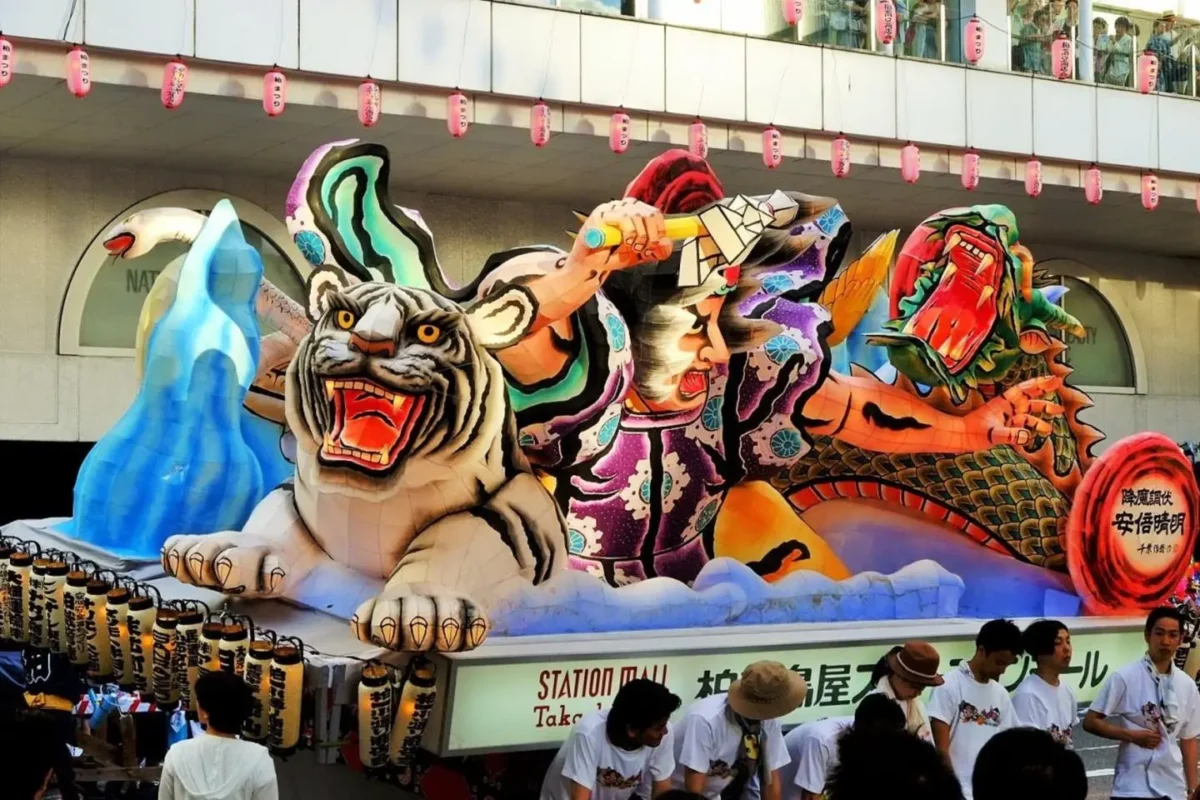
Kashiwa Matsuri 2026 brings the streets around Kashiwa Station to life with traditional Japanese festival culture, community performances, dance, mikoshi processions, food stalls, music and family entertainment. The festival is one of Kashiwa’s major annual city events and traditionally transforms the area around the station’s east and west sides into a large pedestrian-oriented celebration.
The 2026 edition introduces an important change to the festival calendar. Kashiwa Matsuri has traditionally been held during the summer, but from 2026 the event moved to an autumn schedule, with shorter daytime and evening operating hours designed to make the festival more comfortable for visitors of different ages. The official city announcement describes the change as a response to increasingly severe summer heat.
The scheduled 2026 festival period is September 19–20, with the planned festival hours running from 1:00 PM to 7:00 PM. However, the official organizers announced that the second day was cancelled because severe weather associated with an approaching typhoon was expected. The first day remained scheduled at the time of the latest official announcement, although visitors were advised to check for further weather-related changes before traveling.
Enjoy Your Event Stress-Free with Japan Travelo
Do you know? Planning events, festivals, concerts, and cultural experiences in Japan can be overwhelming. Japan Travelo brings everything together in one place, helping you manage your itinerary, transport, and accommodation with ease—so you can enjoy Japan without the stress of planning.
The festival combines long-established Kashiwa traditions with contemporary entertainment. Its best-known elements include Kashiwa Odori, energetic mikoshi processions, stage performances, local food stalls and activities organized by neighborhood associations, businesses and community groups.
The 2026 programme also introduced several distinctive attractions, including:
- Kashiwa Odori: The traditional local dance is one of the central cultural features of the festival.
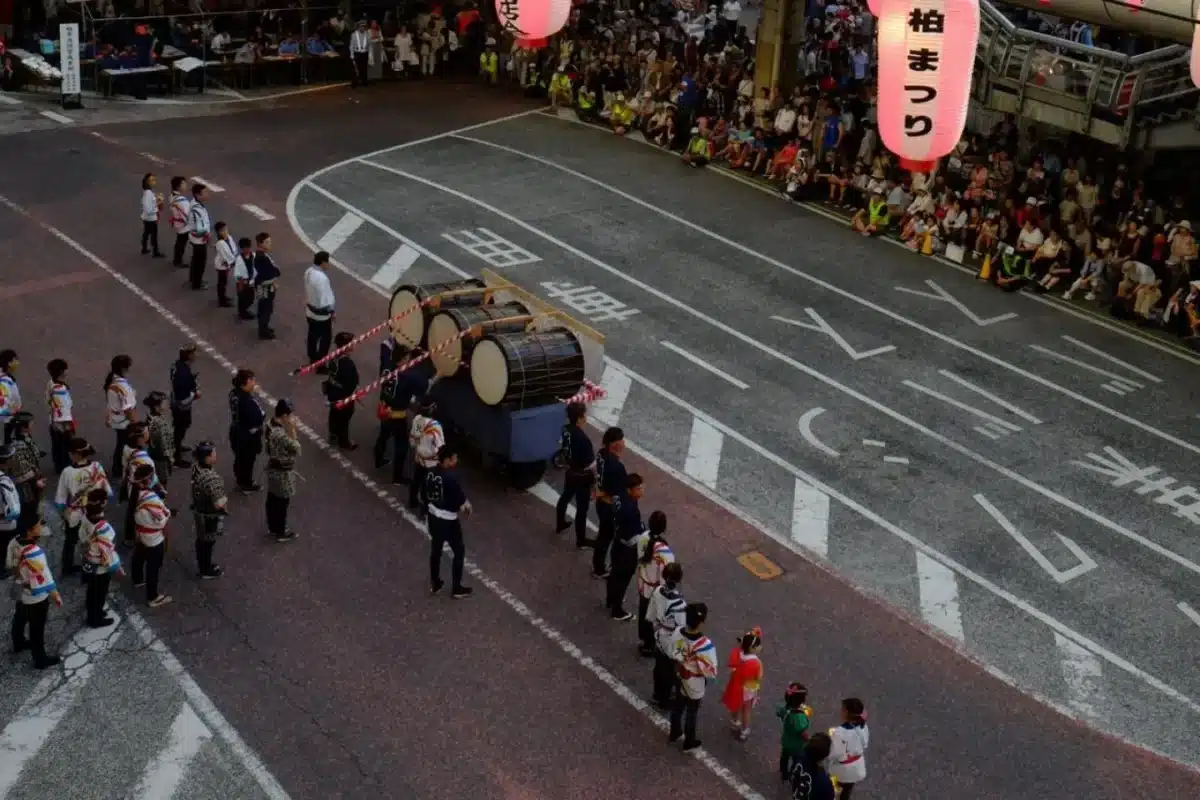
- Mikoshi parade: Portable shrines are carried through the streets around Kashiwa Station.
- Shin Kashiwa Odori: A modern interpretation combining contemporary music with the traditional Kashiwa Odori.
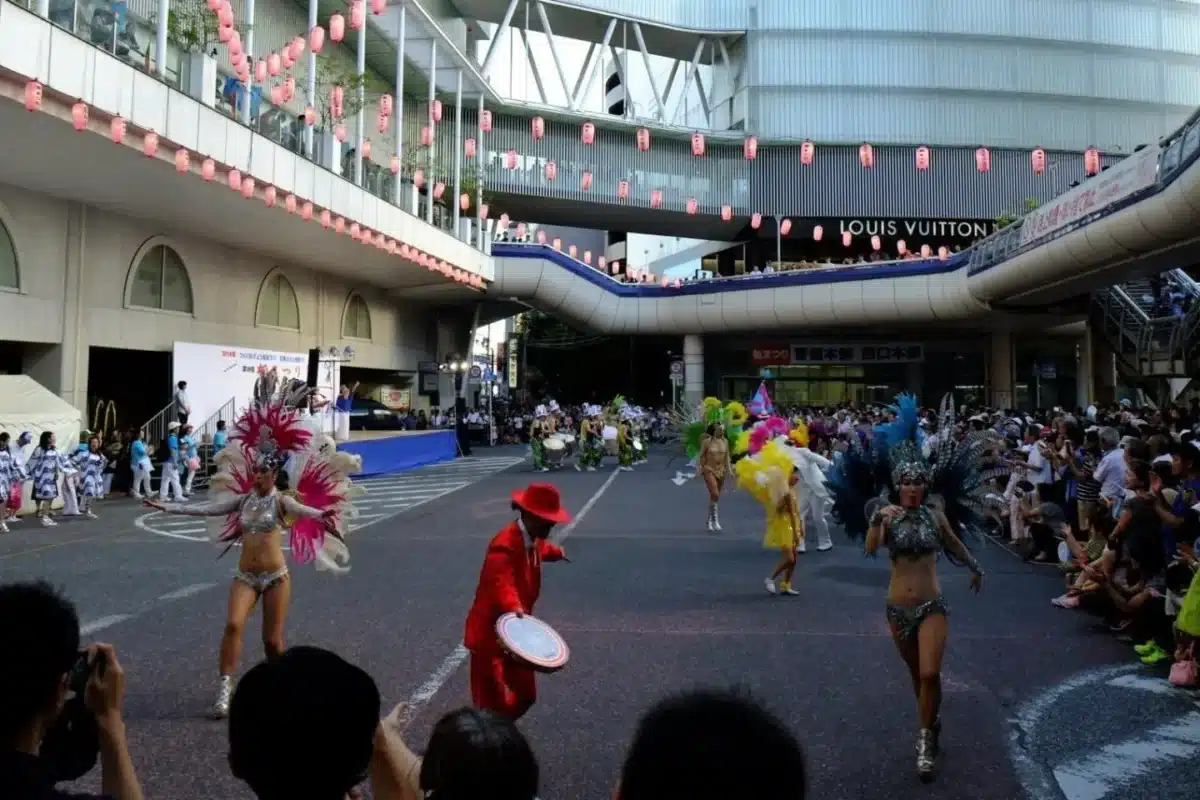
- Stage entertainment: Music, dance, cheerleading, taiko, yosakoi and other performances appear on several stages.
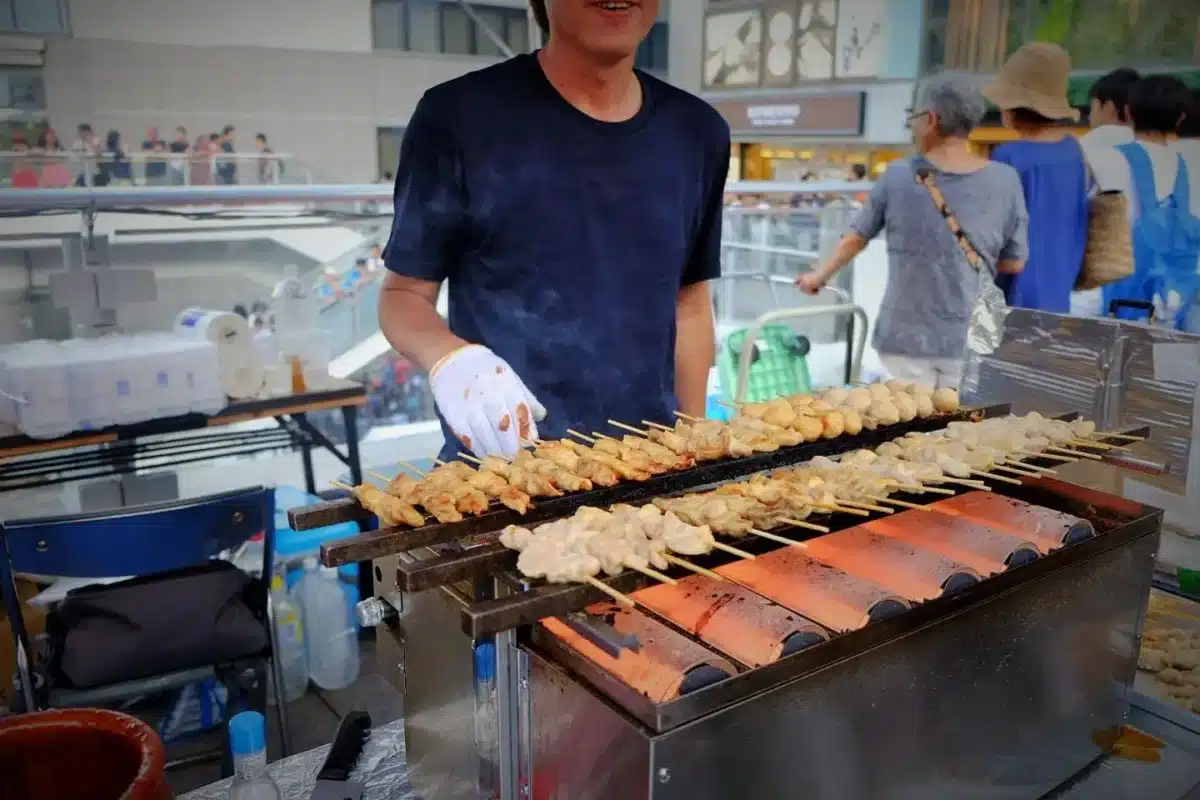
- Local food: Food stalls, restaurant promotions and neighborhood vendors create a large festival dining scene.
- Craft market: The Ten-no-Ichi Street area features handmade products and workshops.
- Children’s activities: Traditional festival games, food and family entertainment are available around the event area.
Event dates
Scheduled event dates: September 19–20, 2026
Planned opening hours: 1:00 PM–7:00 PM
The 2026 edition was scheduled around Kashiwa Station and the surrounding east and west central districts. However, the official organizers announced that the second day was cancelled because of expected severe weather from an approaching typhoon.
The first day remained scheduled at the time of the latest official notice, although organizers stated that further cancellation could occur if weather conditions deteriorated. Visitors should therefore treat the official festival website and Kashiwa City announcements as the authoritative sources for last-minute changes.
The move from summer to autumn is a major change for the festival. Kashiwa City explained that the new season and shorter operating period were introduced partly because of concerns about increasingly intense summer heat. The new format is intended to make the event more comfortable for children, adults and older visitors.
Visiting this event? Don’t miss out on these amazing activities and local experiences while you’re here.
Venues & festival locations
Kashiwa Matsuri is a city-center festival rather than an event confined to one enclosed venue. The principal festival area spreads around the east and west sides of Kashiwa Station.
Main location: Kashiwa Station east and west central districts
Main access point: Kashiwa Station
Railway: JR Joban Line and Tobu Urban Park Line
The official 2026 festival guide identifies the area around Kashiwa Station as the main venue, with activities taking place on both sides of the station.
Important festival areas include:
- Kashiwa Station East Exit: A major concentration of performances, food, shopping and community activities.
- Kashiwa Station West Exit: Home to the West Exit stage and major Kashiwa Odori activities.
- Sansan Street: Used for performances and the planned large-scale Kashiwa Odori participation event.
- YEG Park: A festival area near the east side featuring food, children’s entertainment and a stage.
- Howdy Mall: Hosts traditional-style festival entertainment and the En-nichi Street activities.
- Ten-no-Ichi Street: A craft-oriented area featuring handmade products and workshops.
- Local shopping streets: Individual merchant associations and organizations organize their own activities throughout central Kashiwa.
The exact arrangement of stages and activity areas can change between editions, so visitors should consult the official festival map before attending.
Full cultural programme
Kashiwa Matsuri is built around local community participation. Rather than focusing exclusively on professional performers, the festival gives schools, neighborhood groups, dance organizations, businesses and cultural associations opportunities to perform.
The cultural programme includes traditional Japanese dance, taiko drumming, yosakoi performances, mikoshi processions and community celebrations.
Kashiwa Odori is especially important. The dance has been associated with the city for more than five decades and remains one of the most recognizable cultural traditions connected with the festival. The 2026 programme also introduced a renewed approach through Shin Kashiwa Odori, combining the traditional dance with modern music.
Recent programme elements include:
- Kashiwa Odori: Group dancing performed along festival streets.
- Shin Kashiwa Odori: A contemporary interpretation designed to attract participants across generations.
- Yosakoi: Energetic group dance performances.
- Taiko: Traditional Japanese drumming.
- Mikoshi: Portable shrine processions through central Kashiwa.
- Bon-style dancing: Community participation around the festival stages.
- School performances: Local schools participate in music and dance programmes.
- Community dance: Local groups present choreographed performances.
- Brass band performances: School and community musicians add a strong live-music element.
- Live entertainment: Vocalists, dance teams and other performers appear throughout the festival.
Featured traditions & performances
The most important traditional performance is Kashiwa Odori. Visitors can watch experienced dancers or participate when open dancing is offered.
The festival’s mikoshi procession is another major attraction. Portable shrines are carried through the streets by groups of participants, creating one of the most energetic and visually distinctive parts of the celebration.
The 2026 programme also features Shin Kashiwa Odori, a contemporary version that brings modern music together with traditional dance. The official programme schedules it as an evening activity, with participants encouraged to follow the dancers on stage and join the celebration.
Other performance traditions include:
- Yosakoi dance: Large coordinated groups perform energetic routines.
- Taiko drumming: Powerful percussion performances create a traditional festival atmosphere.
- Bon-style circle dancing: Visitors can join local dancers rather than simply watching.
- Brass bands: Local school and community musicians perform modern and traditional repertoire.
- Cheerleading: Kashiwa-based teams bring a contemporary performance element.
- Street performances: Various dance and music groups perform throughout the festival zone.
Historical & heritage highlights
Kashiwa Matsuri is closely connected with the development of Kashiwa as a major commercial and transportation center in Chiba Prefecture.
The festival has developed into a large community celebration in which local businesses, neighborhood associations, schools and cultural groups participate. Its heritage is reflected particularly strongly through Kashiwa Odori and the mikoshi traditions.
The festival’s character is also shaped by the surrounding shopping streets. Rather than taking place in an isolated festival ground, Kashiwa Matsuri uses the existing city center as its stage. This creates a close connection between local commerce, residents and traditional celebration.
Kashiwa Odori is particularly significant because it has been part of the city’s cultural identity for more than 50 years. The 2026 festival specifically promoted the dance as a tradition that can be enjoyed by multiple generations.
The festival therefore offers visitors an opportunity to experience a modern Japanese city festival while also seeing traditional elements such as mikoshi, taiko, dance and community participation.
Events & activities schedule
The 2026 programme includes multiple stages and activity areas operating around Kashiwa Station.
The official stage programme includes three principal performance locations:
- East Exit Stage: Located around the east side of Kashiwa Station and featuring dance, music, yosakoi, school groups and Kashiwa Odori.
- West Exit Stage: Located around Kashiwa Station West Exit and featuring music, dance, Kashiwa Odori and community entertainment.
- Sansan Street Stage: An additional performance location connected with the central festival area.
The East Exit programme includes yosakoi, cheerleading, dance groups, school performances, vocal performers, taiko and Kashiwa Odori. The West Exit area focuses heavily on music, dance and participation-oriented Kashiwa Odori activities.
The wider event programme includes:
- Mikoshi parade
- Kashiwa Odori
- Shin Kashiwa Odori
- Yosakoi performances
- Brass band concerts
- Dance performances
- Taiko performances
- Children’s activities
- Food stalls
- Craft workshops
- Handmade markets
- Traditional festival games
- Shopping-street events
The schedule can be modified because of weather, safety requirements or other circumstances. The 2026 organizers have already demonstrated this flexibility by changing parts of the programme following the weather-related cancellation of the second festival day.
Ticket types & entry options
Kashiwa Matsuri is primarily a free public street festival. There is no general admission ticket required to enter the main festival districts around Kashiwa Station.
General festival admission: Free
Visitors can freely move through the public festival streets and visit the stages, food areas, shopping streets and many community activities.
Some individual activities, food purchases, workshops or commercial experiences may have their own charges, but the festival itself does not operate as a ticketed admission event.
The free-entry format makes it possible to explore different areas throughout the day without purchasing a festival pass.
Because the event occupies public streets around the station, visitors should follow temporary pedestrian routes, crowd-control measures and instructions from festival staff.
Guided tours & cultural experiences
Kashiwa Matsuri is primarily designed as a self-guided city festival rather than a conventional ticketed cultural tour.
Visitors can create their own cultural route through the festival by following the different activity zones around the station.
Useful experiences include:
- Kashiwa Odori viewing: Watch local groups perform the city’s signature dance.
- Mikoshi procession: Follow the designated parade route and observe the portable shrine traditions.
- Craft exploration: Visit Ten-no-Ichi Street for handmade goods and workshops.
- YEG Park: Combine food, family entertainment and stage performances.
- En-nichi Street: Experience traditional-style festival games and activities.
- Shopping streets: Visit individual merchant areas to see locally organized events.
- Stage hopping: Move between the east and west stages to experience different performers.
Visitors interested in Japanese festival culture can also speak with local vendors and community participants, making the event an informal cultural-learning experience.
Special ceremonies & celebrations
The most important ceremonial-style element is the mikoshi procession. Portable shrines are carried through the central streets by participating groups, creating a strong connection between traditional Japanese festival culture and the modern city.
Kashiwa Odori also functions as a major community celebration. Rather than being performed only by professional dancers, the dance is designed to encourage participation.
The 2026 programme introduced a particularly ambitious Kashiwa Odori project involving a planned attempt at a Japanese record for the largest number of people dancing in Japanese clothing. Participants were encouraged to wear yukata, jinbei or happi-style festival clothing. The event was planned around the East Exit, West Exit and Sansan Street areas.
The weather-related cancellation of the second festival day meant that this particular record attempt was cancelled for 2026.
Festival rules
Because Kashiwa Matsuri occupies busy city streets, visitors should follow festival and traffic-control instructions throughout their visit.
Important considerations include:
- Follow pedestrian routes: Temporary pedestrian arrangements may be introduced.
- Respect performers: Do not enter performance areas unless invited.
- Keep streets clear: Avoid blocking narrow pedestrian routes.
- Follow staff instructions: Security and festival personnel may redirect crowds.
- Do not obstruct emergency routes: Keep designated access areas clear.
- Dispose of rubbish properly: Use designated waste facilities where provided.
- Respect local businesses: Remember that many shops remain open during the festival.
- Be considerate when photographing: Avoid blocking other visitors.
- Watch children carefully: Large crowds can make it easy for children to become separated.
- Check weather notices: Outdoor activities can be changed or cancelled for safety reasons.
Traffic restrictions are implemented around Kashiwa Station during the festival, and vehicles may be unable to enter or leave parking facilities within restricted areas during designated periods.
How to get there
Kashiwa Matsuri is exceptionally convenient for rail travelers because the festival is centered directly around Kashiwa Station.
The official access information identifies two major railway options:
- JR Joban Line: Kashiwa Station.
- Tobu Urban Park Line: Kashiwa Station.
After arriving at Kashiwa Station, visitors can access the festival from either the East Exit or West Exit, depending on the activities they want to see.
The East Exit is particularly useful for reaching YEG Park, Sansan Street, the East Exit Stage and several traditional festival areas.
The West Exit provides access to the West Exit Stage and the West Exit Plaza, including major Kashiwa Odori activities.
Because the festival spreads through the city center, walking is the simplest way to move between individual programme areas.
Public transport & parking
Public transportation is strongly recommended.
The official festival access guide specifically asks visitors to use trains and other public transportation because traffic congestion is expected around Kashiwa Station.
JR: Kashiwa Station is served by the JR Joban Line.
Tobu Railway: Kashiwa Station is also served by the Tobu Urban Park Line.
Local buses: Bus routes continue to operate, but temporary festival traffic restrictions can require changes to normal stops and boarding locations.
Taxis: Temporary taxi stands can be established during the festival period because normal station-side access can be affected by traffic restrictions.
Parking: Driving is not recommended. Traffic restrictions can prevent vehicles from entering or leaving parking facilities located inside the restricted zone during festival hours.
Visitors arriving by car should consider parking outside the central festival zone and continuing by train or walking.
Accommodation areas
Kashiwa itself is the most convenient base for visitors who want to spend substantial time at the festival.
Kashiwa Station area: The most convenient choice, with direct access to both festival zones, restaurants and shopping.
Kashiwa East Exit area: Useful for visitors focusing on the East Exit Stage, YEG Park and nearby food areas.
Kashiwa West Exit area: Convenient for the West Exit Stage and Kashiwa Odori activities.
Central Kashiwa: Provides easy access to the wider network of shopping streets and restaurants.
Matsudo: A nearby alternative for visitors who want another base in the northern Chiba area.
Tokyo: Visitors can also stay in Tokyo and travel to Kashiwa by rail, making the festival suitable as a day trip for travelers already based in the capital.
For the most convenient experience, staying within walking distance of Kashiwa Station reduces the need to navigate crowded transport immediately after the festival.
Food & traditional specialties
Food is a major part of Kashiwa Matsuri, with festival stalls, local restaurants, shopping-street vendors and community food areas operating throughout the event.
The official 2026 programme specifically promotes gourmet food and food stalls as part of the festival experience.
Visitors can expect typical Japanese festival foods such as:
- Yakisoba
- Takoyaki
- Okonomiyaki
- Yakitori
- Karaage
- Grilled corn
- Festival sweets
- Crepes
- Shaved ice
- Japanese soft drinks
- Traditional festival snacks
The festival also provides opportunities to explore Kashiwa’s wider restaurant scene. Visitors who want a sit-down meal can move away from the busiest festival streets and explore restaurants around the station.
The combination of street food and local restaurants makes it easy to turn the festival into a full-day experience.
Accessibility
The festival takes place in a central urban environment with the major railway station immediately beside the event area.
This makes Kashiwa Matsuri relatively straightforward to reach without a car, although the high number of visitors can make movement difficult during the busiest periods.
Visitors with mobility requirements should consider:
- Station access: Use the accessible facilities at Kashiwa Station where required.
- Crowds: Allow additional time for movement through dense pedestrian areas.
- Stage locations: Check the official map before selecting specific performances.
- Rest areas: Identify quieter streets and indoor facilities in advance.
- Weather: Autumn conditions can still vary, so prepare for rain or temperature changes.
- Wheelchair movement: Some temporary festival areas may have different surface conditions from normal sidewalks.
- Assistance: Speak with festival staff if help is required.
Because the festival uses multiple streets and public spaces, accessibility conditions can vary between individual activity areas.
Best cultural experiences
For visitors interested specifically in Japanese culture, several parts of Kashiwa Matsuri deserve particular attention.
Kashiwa Odori: Watch the traditional dance and, where participation is permitted, join the circle.
Mikoshi parade: This is one of the strongest opportunities to observe traditional festival culture in a modern urban setting.
Taiko performances: Japanese drumming adds a powerful traditional element and is especially atmospheric in the busy festival streets.
Yosakoi: The energetic choreography demonstrates how Japanese festivals combine traditional cultural forms with modern performance styles.
Ten-no-Ichi Street: Explore handmade crafts and workshops while speaking with local creators.
En-nichi Street: Experience traditional festival games and activities associated with Japanese summer and community festivals.
Local shopping streets: These areas provide a more neighborhood-focused perspective on the celebration.
Shin Kashiwa Odori: This modern interpretation is useful for understanding how Kashiwa’s traditional dance is being presented to contemporary audiences.
Previous year’s highlights
The 2026 edition marked an important transition for Kashiwa Matsuri because the festival moved from its traditional summer period to an autumn schedule.
The organizers also shortened the official operating period to 1:00 PM–7:00 PM, with the stated aim of creating a more comfortable environment for visitors across different age groups.
Planned highlights included:
- Mikoshi parade: Large portable shrines moving through the city center.
- Kashiwa Odori: Traditional dance and public participation.
- Shin Kashiwa Odori: Modern music combined with traditional dance.
- Yosakoi: Multiple energetic dance groups.
- Three-stage programme: East Exit, West Exit and Sansan Street stages.
- YEG Park: Food, children’s entertainment and stage activities.
- Ten-no-Ichi Street: Handmade crafts and workshops.
- En-nichi Street: Traditional festival-style games.
- Community performances: Schools, local clubs, dance teams and musicians.
- Brass bands: Performances from prominent local school groups.
- Food stalls: A broad selection of festival food and drinks.
The official programme also included a planned Japanese record attempt connected with Kashiwa Odori and an appearance by enka singer Miyoko Otsuki, who is associated with the original Kashiwa Odori song.
However, severe weather led organizers to cancel the second day of the festival. The planned record attempt and some performances were consequently cancelled or rearranged.
Official tickets
Kashiwa Matsuri is a free public city festival and does not normally require a general admission ticket.
General admission: Free
Visitors can enter the public festival streets, stages and activity areas without purchasing a festival-wide ticket.
Individual activities may have separate costs where applicable, particularly food, merchandise, workshops or commercial experiences. However, there is no standard paid admission system for entering Kashiwa Matsuri itself.
The official festival website provides the most current information about programme changes, venue maps, access, traffic restrictions and special activities.
For the 2026 edition, visitors should pay particular attention to official weather announcements because the second scheduled festival day was cancelled due to the approaching typhoon.
Official event website: Kashiwa Matsuri official website https://kashiwa-matsuri.jp/
Video
Location
FAQ
What makes Kashiwa Matsuri different from traditional shrine-based Japanese festivals?
The festival features a modern, international feel that blends ancient floats with global music, Brazilian dancing, and German beer stalls. It was established less than forty years ago, creating a unique urban atmosphere compared to older temple celebrations.
How accessible is the festival location for travelers coming from Tokyo?
Travelers can easily reach the venue from central Tokyo in under an hour by using direct commuter train lines. The main celebrations center immediately around Kashiwa Station, making navigation straightforward for first-time visitors.
Are there any admission fees required to enter the festival grounds?
General street walking, parade viewing, and stage entertainment areas are completely open and accessible to the public at no charge. Attendees only need to pay individual vendors directly if they wish to purchase food, drinks, or festival merchandise.
What kind of food options can visitors expect to find at the event?
The streets feature hundreds of bustling stalls serving classic street food favorites like yakisoba noodles, takoyaki, and grilled yakitori skewers. International food and beverage options are also available alongside traditional Japanese snacks throughout the venue.
Is the festival environment considered safe and suitable for families with children?
The atmosphere remains remarkably safe and friendly, with families, children, and older couples cheerfully mingling together. Security staff and local volunteers maintain an orderly environment despite the high energy and large crowds present.

Leave a Reply