
What to expect in 2027
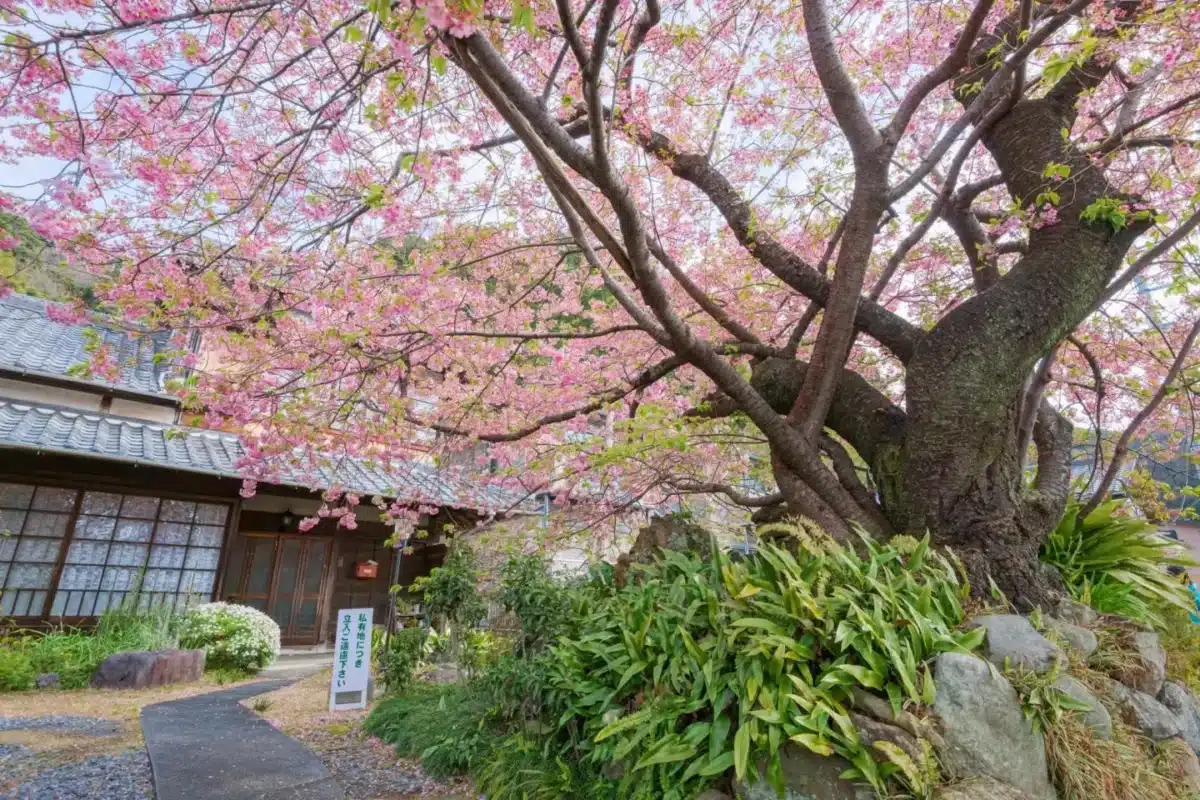
Kawazu Cherry Blossom Festival is one of Japan’s earliest major celebrations of the cherry blossom season, taking place in Kawazu on the Izu Peninsula in Shizuoka Prefecture. The festival is famous for Kawazu-zakura, an early-blooming variety with large petals and vivid pink flowers. Unlike the more familiar cherry blossom season that arrives later across much of Japan, Kawazu’s blossoms provide an opportunity to experience spring color while much of the country is still in winter.
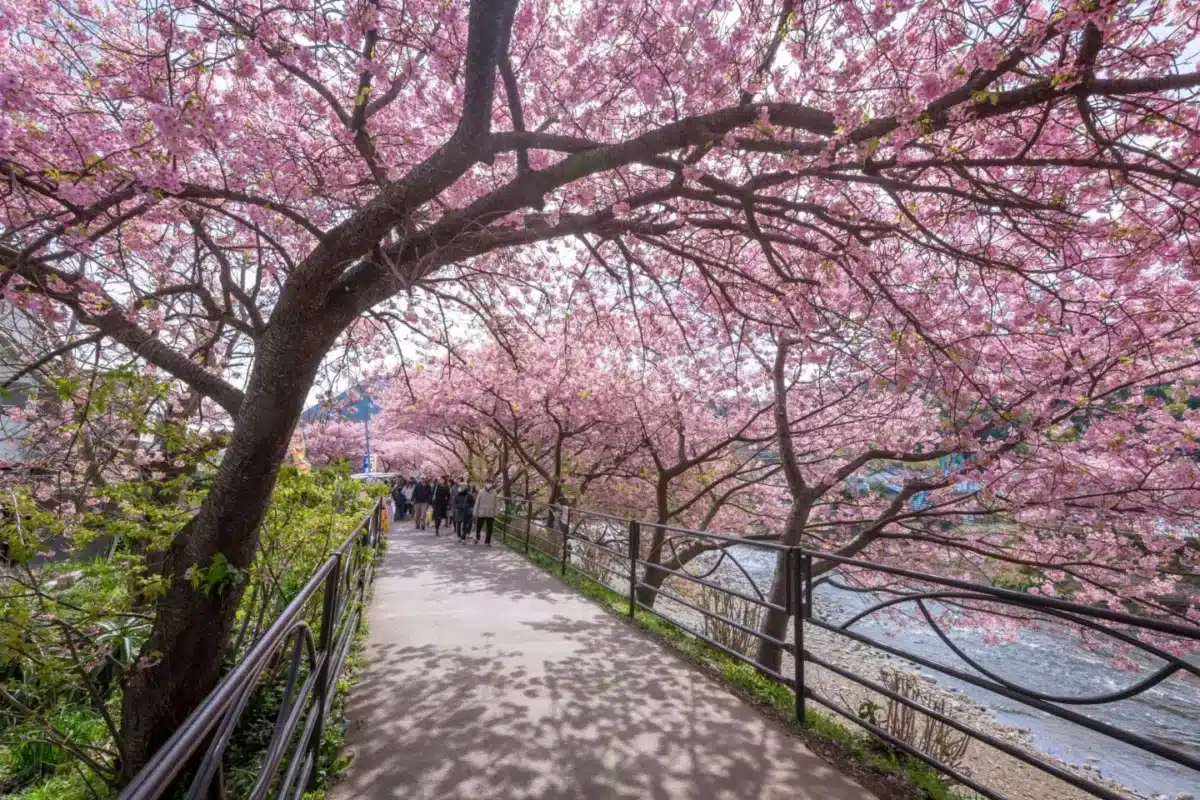
The festival stretches through the town along the Kawazu River, creating a long scenic walking route surrounded by rows of pink cherry trees. Yellow rape flowers growing beneath and alongside the cherry trees create one of the area’s most recognizable seasonal landscapes. The Japan National Tourism Organization describes the festival as a celebration of the early-blooming Kawazu cherry trees, while the Kawazu Tourist Association notes that thousands of these trees can be found throughout the town.
The main festival area is not a single enclosed venue. Instead, visitors move between riverside cherry tree corridors, food stalls, shopping areas, viewpoints and local attractions. This makes the event particularly suitable for walking, photography, sightseeing and sampling seasonal food.
Enjoy Your Event Stress-Free with Japan Travelo
Do you know? Planning events, festivals, concerts, and cultural experiences in Japan can be overwhelming. Japan Travelo brings everything together in one place, helping you manage your itinerary, transport, and accommodation with ease—so you can enjoy Japan without the stress of planning.
Visitors can expect:
- Pink cherry blossom corridors: Long rows of Kawazu-zakura trees line the Kawazu River and create the main visual attraction.
- Yellow rape flowers: Bright yellow flowers provide a contrasting foreground beneath the pink cherry blossoms.
- Riverside food stalls: Temporary vendors sell local foods, snacks, sweets, drinks and seasonal specialties.
- Local shopping: Festival stalls offer souvenirs, agricultural products, crafts and cherry blossom-related goods.
- Night illuminations: Selected cherry trees are illuminated after dark, creating a different atmosphere from the daytime festival.
- Photography opportunities: The combination of blossoms, river scenery and surrounding mountains creates numerous viewpoints.
- Town-wide atmosphere: The celebration extends beyond the river into the surrounding Kawazu community.
- Early spring sightseeing: Visitors can combine the festival with hot springs, coastal scenery and other Izu attractions.
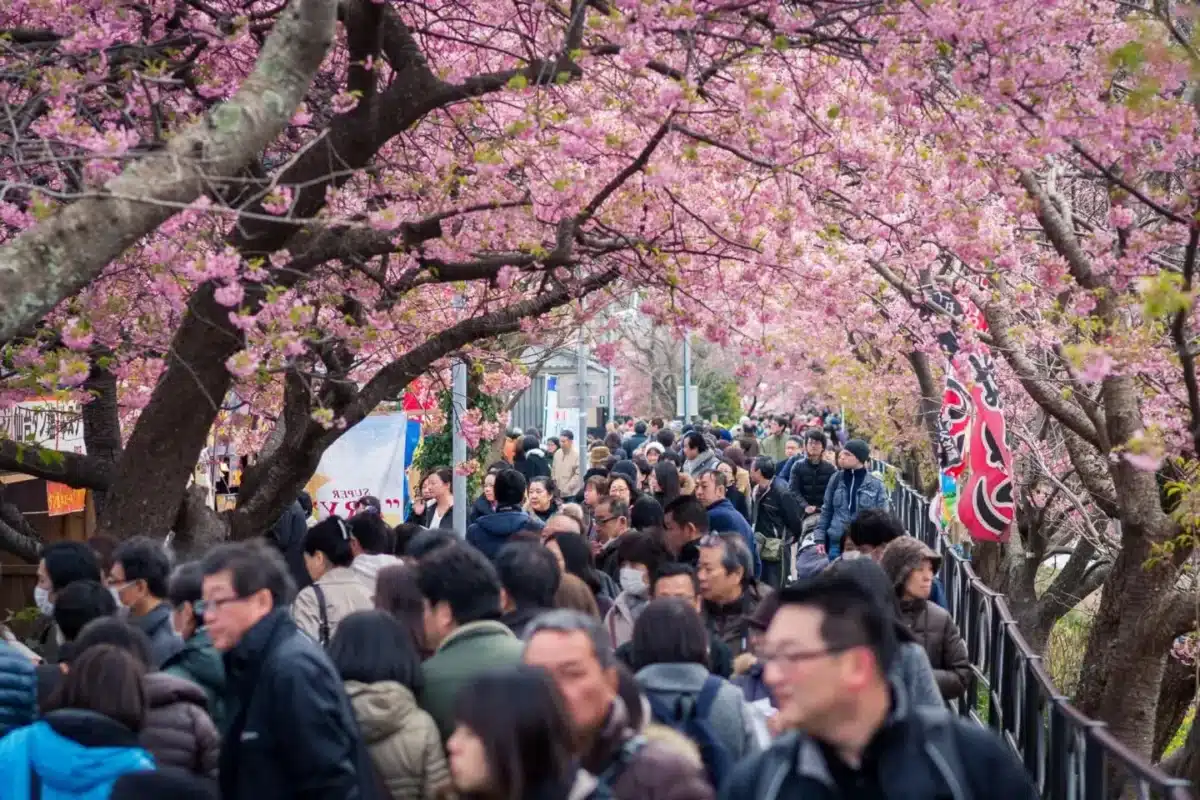
The festival attracts very large crowds, with the Japan National Tourism Organization reporting more than one million visitors annually. The Kawazu Tourist Association also describes the event as a major attraction for Japanese and international visitors.
Event dates
Kawazu Cherry Blossom Festival 2027 is listed for Early Feb – Early March 2027 (Dates TBD).
The festival traditionally takes place during the Kawazu-zakura blooming season, which generally extends from early February into early March. Because flowering depends on weather and temperatures, the most attractive viewing period can vary from one year to another.
The official festival organization monitors blossom conditions and publishes flowering information, including live-camera information and updates on the condition of the trees. Visitors planning their trip specifically around peak bloom should therefore check the official information shortly before traveling.
The festival period is intentionally long enough to accommodate changing blossom conditions. The trees generally begin opening gradually, meaning visitors may encounter different stages of flowering depending on when they arrive.
Visiting this event? Don’t miss out on these amazing activities and local experiences while you’re here.
Venue & event locations
The main festival area follows the Kawazu River in Kawazu, Shizuoka Prefecture. The official tourism information identifies the riverside area as the principal setting, while the wider festival extends through Kawazu town toward Mine Onsen.
Important locations include:
- Kawazu River: The central sightseeing corridor, lined with large numbers of Kawazu-zakura trees.
- Kawazu Station area: One of the main arrival points, with festival stalls and blossom viewing areas close to the station.
- Mine Onsen: The riverside route continues toward this hot spring area, offering a quieter alternative to the busiest central sections.
- Kawazu-zakura original tree: An important landmark connected with the history of the Kawazu-zakura variety.
- Kawazu town centre: Contains restaurants, shops, festival vendors and local services.
- Kawazu Tourist Exchange facilities: Useful for visitor information, local products and festival guidance.
The main riverside walking route is particularly attractive because visitors can experience the blossoms while following the river rather than remaining in a single viewing location.
Full holiday programme
Kawazu Cherry Blossom Festival is primarily a seasonal flower celebration rather than a conventional stage-based holiday festival. Its programme is spread across the town and combines blossom viewing with food, shopping, cultural experiences and evening illumination.
The core programme includes:
Cherry blossom viewing
The main activity is walking beneath the Kawazu-zakura trees along the river. Visitors can stop at different viewpoints, photograph the blossoms and enjoy the contrast between pink flowers, yellow rape blossoms and the surrounding landscape.
Seasonal market
Food and souvenir stalls operate around the festival area. The Japan National Tourism Organization specifically highlights local food, drinks, crafts and souvenirs along the river.
Local product displays
The festival provides opportunities to discover agricultural products and specialty goods from Kawazu and the wider Izu region.
Night illumination
Selected rows of cherry trees are illuminated after dark, allowing visitors to experience the festival after the daytime crowds begin to change.
Cultural and local events
Additional activities can be arranged by local organizers and businesses during the festival period. The precise 2027 programme should be checked through the official festival information as announcements are made.
Main attractions & highlights
Kawazu-zakura trees
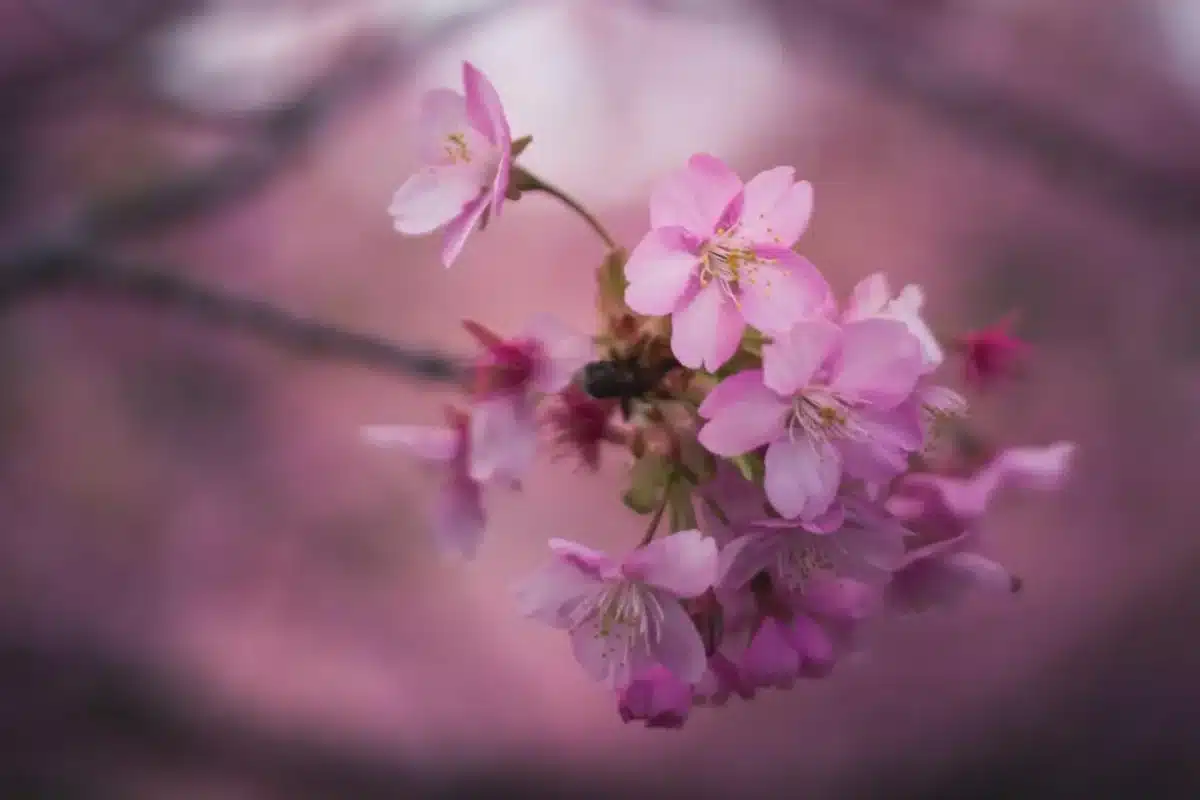
The Kawazu-zakura variety is the main reason for the festival’s popularity. The flowers have comparatively large petals and a strong pink color, making them visually distinctive from many other Japanese cherry varieties.
Kawazu River
The river provides the natural framework for the festival. Visitors can follow the riverbanks while viewing long stretches of flowering trees.
Pink and yellow landscape
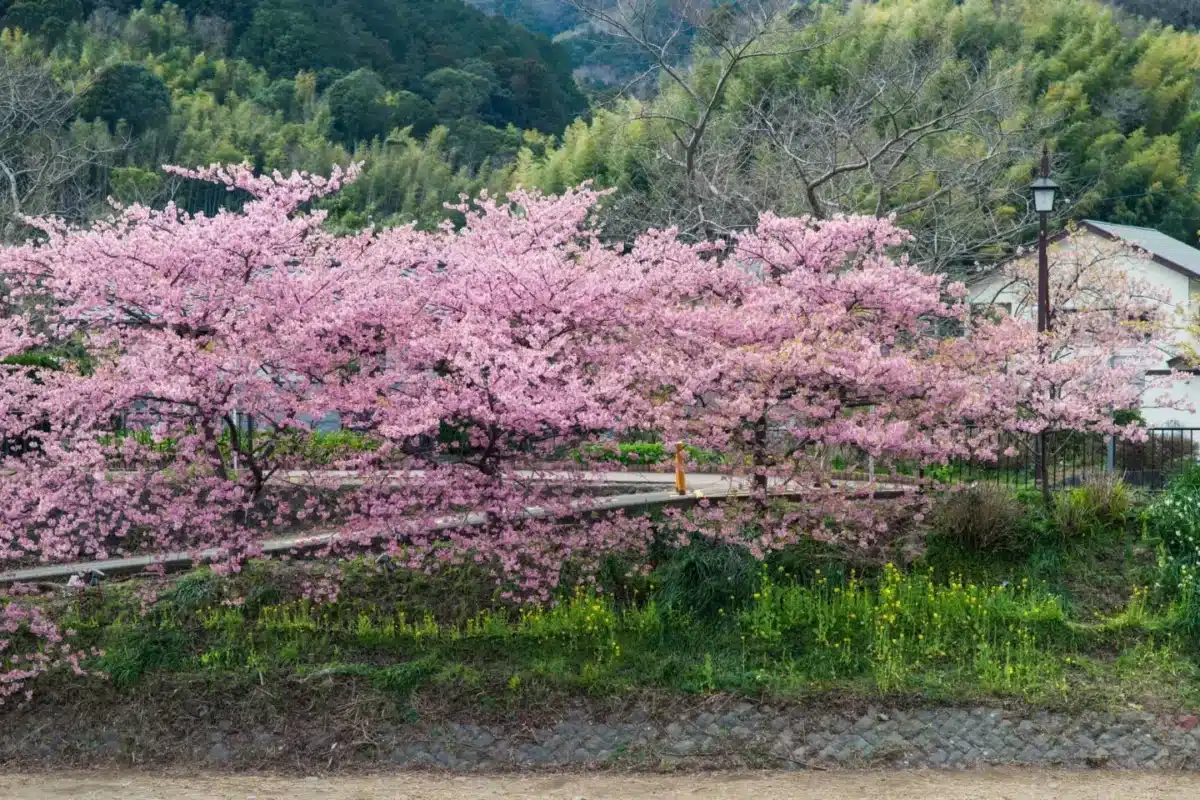
The combination of pink Kawazu-zakura and yellow rape flowers is one of the most recognizable scenes in Kawazu. This contrast is particularly attractive for photography.
Night illumination
Illuminated trees provide an evening experience that is very different from the bright daytime scenery. The lighting emphasizes the branches and blossoms against the darker surroundings.
Food stalls
Festival food is an important part of the experience, with temporary vendors offering regional dishes, snacks, sweets and drinks.
Kawazu-zakura original tree
Visitors can seek out the original Kawazu-zakura tree, which is closely associated with the development and recognition of the variety.
Mine Onsen
Walking farther along the river toward Mine Onsen provides an opportunity to combine blossom viewing with the area’s hot spring atmosphere. The JNTO recommends walking toward Mine Onsen for visitors looking for a somewhat quieter experience away from the busiest station area.
Markets, decorations & themed areas
The festival’s market atmosphere develops naturally along the riverside route.
Cherry blossom market
Temporary stalls sell seasonal food, snacks, drinks and souvenirs. Some vendors specialize in products associated with Kawazu-zakura and the Izu region.
Local produce
Visitors can find locally produced agricultural goods, including seasonal fruits and other regional products.
Cherry blossom products
Festival shopping can include sweets, preserved foods, decorative goods, plants and souvenirs inspired by the Kawazu-zakura.
Food stall areas
The riverside becomes a pedestrian-oriented food and shopping environment during the festival, allowing visitors to stop for refreshments while continuing their blossom walk.
Illuminated areas
Selected riverside sections become evening viewing areas when the cherry trees are illuminated.
Photography locations
The most recognizable themed scenery is created naturally by the rows of cherry trees and rape flowers. Visitors should explore different stretches of the river rather than concentrating only around the station.
Events & entertainment schedule
A complete 2027 daily entertainment timetable has not been published, and the festival is not structured around a fixed concert-style schedule.
Visitors can generally organize their day around the following experience:
Morning
Arrive in Kawazu and begin near the station before following the riverside blossom route. Morning light can be particularly suitable for photography, while arriving early can help avoid the largest crowds.
Late morning
Explore the central riverside areas, browse food stalls and local markets, and visit important blossom landmarks.
Afternoon
Continue toward quieter stretches of the river and Mine Onsen. This is also a good period for combining the festival with local restaurants, shops and sightseeing attractions.
Late afternoon
Return toward the central festival area or select a scenic riverside location for photography as the light changes.
Evening
Experience the illuminated cherry trees and enjoy seasonal food before returning to your accommodation or train station.
The exact illumination areas and additional entertainment can change from one festival edition to another, so visitors should consult the official programme before making a detailed itinerary.
Admission & ticket information
Kawazu Cherry Blossom Festival is generally a free-entry public festival. Visitors do not normally need a general admission ticket to walk along the river and enjoy the cherry blossoms. The event is listed as free by tourism information sources.
General admission
Free. Visitors can access the main outdoor festival areas without purchasing a festival entrance ticket.
Cherry blossom viewing
Free. Walking along the public riverside areas and viewing the flowering trees does not normally require payment.
Food and shopping
Food, drinks, souvenirs and locally produced goods are purchased separately from individual vendors.
Special experiences
Any optional paid experience, restaurant package, tour, activity or accommodation arrangement is separate from festival admission.
Parking
Previous festival parking information lists ordinary-car parking at approximately $7 per vehicle for daytime use, based on a ¥1,000 charge. Motorcycle parking has been listed at approximately $3.50, based on a ¥500 charge. Parking arrangements and fees should be reconfirmed for the 2027 edition.
Special experiences & activities
Riverside blossom walk
The simplest and most rewarding activity is walking the full riverside route. The festival extends across a substantial area, so visitors can experience both busy and quieter sections.
Night cherry blossom viewing
The illuminated trees create a separate evening experience and are especially attractive for photography.
Local food tasting
Visitors can sample regional dishes and seasonal festival snacks while walking between blossom viewing areas.
Hot spring experience
Kawazu is known for hot springs, and the town’s tourism association promotes onsen facilities as one of the area’s year-round attractions.
Photography
The combination of early cherry blossoms, river scenery, mountains and yellow flowers makes Kawazu particularly suitable for landscape photography.
Kawazu Seven Waterfalls
Visitors staying longer can travel beyond the festival area to Kawazu Nanadaru, a group of waterfalls in the surrounding natural landscape.
Local cycling
Kawazu also offers opportunities for cycling and e-bike exploration, allowing visitors to move beyond the central festival area.
Family & children’s activities
Kawazu Cherry Blossom Festival is suitable for families because the main experience takes place outdoors and does not require children to remain seated through a formal programme.
Blossom walks
Children can enjoy walking along the river and seeing the large pink blossoms up close.
Seasonal food
Festival stalls provide opportunities to try Japanese snacks, sweets and other foods that may be unfamiliar to younger international visitors.
Photography
The bright flowers and contrasting yellow rape blossoms provide easy family photography opportunities.
Souvenir shopping
Children can browse small local souvenirs, sweets and seasonal merchandise at the festival stalls.
Nature exploration
The river, flowers, mountains and surrounding countryside provide a broader nature experience beyond the festival stalls.
Families should plan breaks because the central festival area can become crowded, particularly when blossom conditions are attractive. The official parking information also warns of congestion around Kawazu during the festival.
Event rules
Respect the trees
Do not climb, shake, pull or damage the cherry trees. The blossoms are the central attraction and should be enjoyed without disturbing the plants.
Stay on appropriate paths
Follow designated walking routes and avoid entering planted areas unless access is clearly permitted.
Keep the river area clean
Use designated rubbish facilities and avoid leaving food packaging or other waste along the walking route.
Follow traffic instructions
Festival crowds can affect local roads. Follow signs, traffic staff and temporary pedestrian directions.
Respect private property
Some festival routes pass close to residential areas and local businesses. Visitors should avoid entering private land or blocking entrances.
Photography etiquette
Be considerate when photographing local residents, vendors and other visitors. Tripods should not obstruct narrow walking routes.
Follow illumination-area guidance
Evening viewing areas can become crowded. Follow local instructions and do not stop in locations that block pedestrian movement.
How to get there
Kawazu is located on the Izu Peninsula in Shizuoka Prefecture and is accessible by rail from Tokyo and other major destinations.
The easiest arrival point for the central festival area is Kawazu Station on the Izukyu Railway Line. The Japan National Tourism Organization states that the main festival area is located outside Kawazu Station, while the official festival site notes that the riverside cherry blossom area is only a short walk from the station.
Visitors traveling from Tokyo can use the Odoriko limited express service directly to Kawazu. Another option is to travel by Shinkansen to Atami and then continue through the Ito and Izu Kyuko rail network.
Driving is also possible from the Tokyo region and central Shizuoka, although festival congestion should be taken seriously.
Public transport & parking
Train
The Izukyu Railway provides access to Kawazu Station. This is the most convenient option for visitors who want to avoid festival traffic.
From Tokyo
The direct Odoriko limited express provides a convenient connection from Tokyo toward Kawazu.
Via Atami
Visitors can travel by Shinkansen to Atami and continue through the JR Ito Line and Izu Kyuko Railway.
Parking
Official festival information provides several parking areas around Kawazu. Previous information lists ordinary-car parking at approximately $7 during daytime hours, while motorcycle parking has been approximately $3.50. Larger vehicles have higher charges.
Parking reservations are generally not accepted, and congestion is expected during busy blossom periods. The official site also identifies accessible parking spaces for visitors with disabilities.
Park and train
The official information also recommends a park-and-train approach from the Izu Kogen area as one way to avoid some road congestion.
For most visitors, public transport is the more straightforward choice during the busiest festival periods.
Accommodation areas
Kawazu town
Staying in Kawazu provides the most convenient access to the festival. Visitors can walk between accommodation, the river, restaurants and festival areas.
Mine Onsen
Mine Onsen is particularly attractive for travelers who want to combine blossom viewing with a traditional hot spring stay. It also provides access to sections of the river farther from the busiest central area.
Imaihama
Imaihama offers accommodation near the coast and provides another option for visitors who want to combine the festival with seaside scenery.
Izu Peninsula
Visitors staying elsewhere on the Izu Peninsula can make Kawazu a day trip. This is useful for travelers already exploring destinations such as Ito, Shimoda or other Izu hot spring towns.
Tokyo
A Tokyo-based itinerary is possible because Kawazu can be reached by direct rail service, making the festival suitable as a long day trip for travelers who do not want to change hotels.
Food, drinks & seasonal specialties
Festival food is an important part of the Kawazu experience. Temporary stalls line sections of the festival route, while permanent restaurants and cafés operate throughout the town.
Local seafood
Kawazu’s location on the Izu Peninsula means seafood is an important part of the regional food culture. Visitors can look for fresh fish, grilled seafood and other locally prepared dishes.
Citrus products
The festival area can feature locally produced citrus fruits and related foods. Japan Guide notes that locally produced citrus and dried foods are among the products available at festival stalls.
Cherry blossom sweets
Seasonal sweets and snacks inspired by the cherry blossoms are commonly available during the festival.
Street food
Visitors can find grilled foods, snacks, hot dishes and other festival-style refreshments along the riverside.
Japanese drinks
Warm and cold drinks are available from vendors and local establishments, making it easy to take a break during the walking route.
Local souvenirs
Food products, dried goods, fruit and small Kawazu-zakura-related items make popular take-home souvenirs.
Accessibility
The festival is primarily an outdoor walking event, and the main route follows public roads and riverside paths. Conditions can vary between different sections.
The official festival information identifies accessible parking spaces, including designated spaces near the Kawazu Sakura Exchange Hall and another parking area.
Visitors using wheelchairs or mobility aids should consider the following:
- Arrive by train: Kawazu Station provides convenient access to the central festival area.
- Avoid peak congestion: Busy periods can make movement through narrow sections more difficult.
- Plan rest stops: The riverside route covers a considerable area.
- Check parking: Accessible spaces are available, but they are limited.
- Ask locally: Staff and visitor information facilities can provide current information about route conditions.
Because the festival takes place over a large outdoor area, accessibility can differ between the central riverbanks, market areas, side streets and surrounding attractions.
Best days & times to visit
Since you requested that no specific dates be added to the listing, the best time can be described by conditions rather than individual calendar days.
Early morning
Arriving early is useful for visitors who want quieter walking conditions and clearer photography opportunities. The station and central riverside areas can become increasingly busy later in the day.
Peak flowering
The best experience generally occurs when a substantial proportion of the Kawazu-zakura trees are in bloom. Because flowering varies with weather, visitors should check the official flowering reports before traveling.
Weekdays
Weekdays can provide a calmer experience than the busiest weekend periods, although visitor numbers can still be high during peak blossom conditions.
Late afternoon
The later afternoon provides changing light and an opportunity to enjoy the river before moving toward the illumination areas.
Evening
Evening is ideal for visitors who want to experience the illuminated cherry trees. It offers a completely different atmosphere from daytime blossom viewing.
Quieter river sections
Walking farther from Kawazu Station toward Mine Onsen can provide a more relaxed experience than remaining around the central station area. The Japan National Tourism Organization specifically recommends this direction for visitors seeking greater tranquility.
Previous year’s highlights
The previous edition continued the established Kawazu Cherry Blossom Festival format, combining early-blooming Kawazu-zakura with riverside food stalls, local products, walking routes and evening illumination.
One of the key highlights was the scale of the flowering landscape. The official tourism information describes approximately 8,000 Kawazu-zakura trees throughout the town, while the principal riverside area contains hundreds of trees creating long stretches of pink scenery.
The festival also continued to provide a broad market atmosphere, with food, souvenirs, locally produced goods and seasonal products available around the main walking areas. Japan Guide describes stalls selling cooked foods, dried products, citrus fruits, souvenirs and small Kawazu-zakura trees.
Evening illumination remained another major attraction, allowing visitors to return to the riverside after sunset and experience the trees under artificial lighting.
The previous edition also highlighted the importance of checking actual flowering conditions rather than relying only on the festival period. Official blossom updates and live cameras are provided because the timing of peak flowering can change according to weather.
Official event information
The primary source for Kawazu Cherry Blossom Festival information is the official festival website, which provides event information, access guidance, parking details, blossom updates and visitor information.
The Kawazu Tourist Association provides additional destination information covering accommodation, hot springs, attractions, food, local sightseeing and the Kawazu-zakura festival.
The Japan National Tourism Organization also provides an overview of the festival, including the riverside setting, transportation options, blossom characteristics, market atmosphere and evening illumination.
For official planning, visitors should check the festival website shortly before traveling for the latest blossom conditions, parking information, temporary traffic arrangements, illumination details and any changes to the programme.
Location
FAQ
What makes the Kawazu cherry trees different from standard varieties found in Japan?
Kawazu-zakura trees bloom significantly earlier in the year than typical cherry blossoms across Honshu. Their blossoms feature larger, exceptionally vibrant pink petals that open slowly and last much longer. This unique combination allows visitors an extended window of up to a month to enjoy peak spring colors.
How can travelers easily reach the festival venue using train services?
Visitors can take the direct Odoriko Limited Express train from Tokyo Station straight to Kawazu Station. Alternatively, taking the Tokaido Shinkansen to Atami Station and transferring to the local Izukyu Railway line provides smooth access. The main festival walking paths begin immediately outside the station exit.
Are there hot spring facilities available for visitors near the festival grounds?
The surrounding town and nearby resort areas are famous for offering abundant hot spring bathing options. Many traditional inns and bathhouses welcome visitors to soak in soothing mineral waters after exploring the chilly outdoor trails. Footbaths are also conveniently positioned near public areas for quick relaxation.
What weather conditions should travelers anticipate during February and March in Kawazu?
Late winter and early spring on the Izu Peninsula bring crisp daytime temperatures and occasionally brisk coastal winds. Visitors should dress in warm, comfortable layers and sturdy footwear suitable for extensive outdoor walking. Bringing a light jacket ensures a pleasant experience during evening illumination walks.
Can visitors purchase live cherry saplings to grow at home?
Local market stalls frequently sell small potted Kawazu-zakura saplings and gardening accessories to festival attendees. Staff members can provide basic guidance on transporting and planting these special trees successfully. It makes a wonderful, lasting botanical keepsake from the trip.

Leave a Reply