
-
January 4, 2027
Event date:
-
January 4, 2027
Event end:
Overview
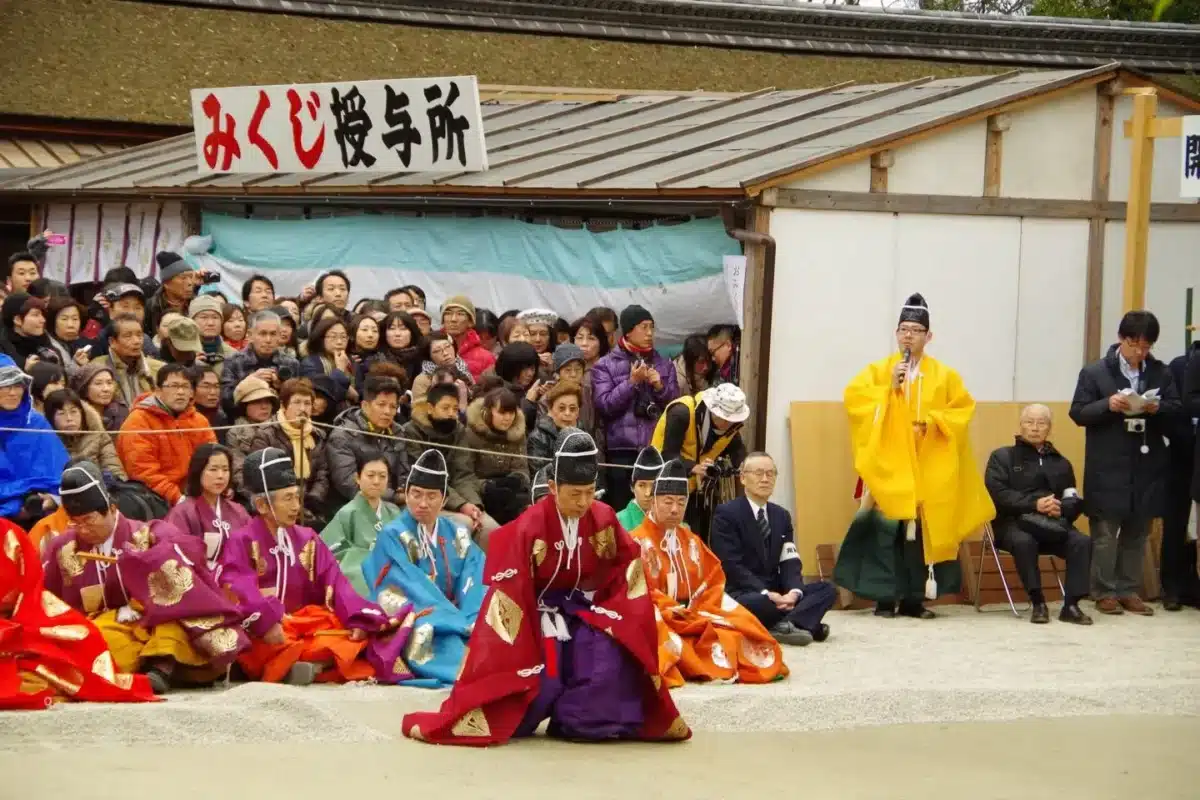
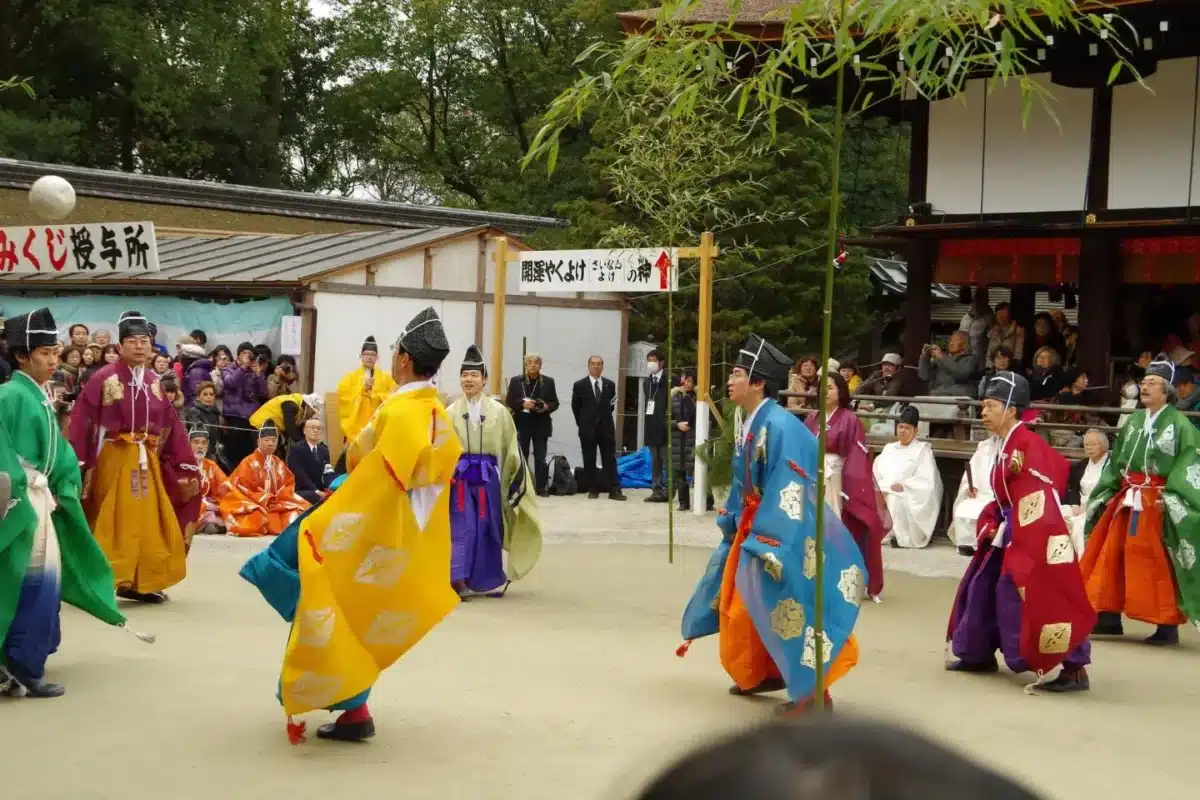
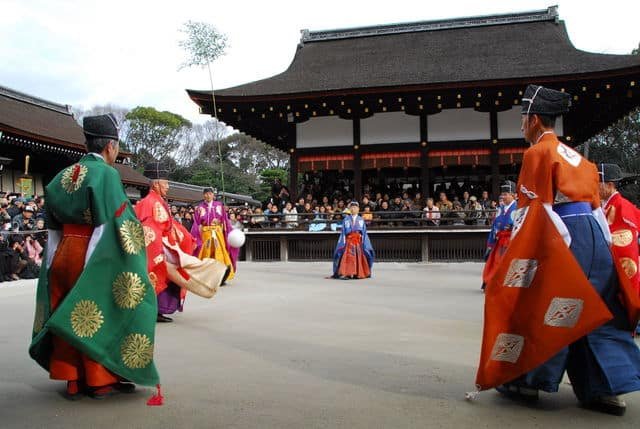
Kemari Hajime is an exceptionally celebrated and vibrant annual ritual that marks the magnificent beginning of the New Year at the historic and culturally profound Shimogamo Shrine in Kyoto. This deeply traditional and revered event features a mesmerizing public demonstration of kemari, an ancient Japanese court ball game that officially dates back over one thousand years to the classical Heian period. Originating directly from the imperial court as a pastime for nobles and aristocrats, the athletic ritual serves as an invaluable bridge to Japan’s rich historical past, inviting local spectators and international travelers alike to witness a meticulously preserved living art form that emphasizes peerless grace, cooperative coordination, and serene community harmony.
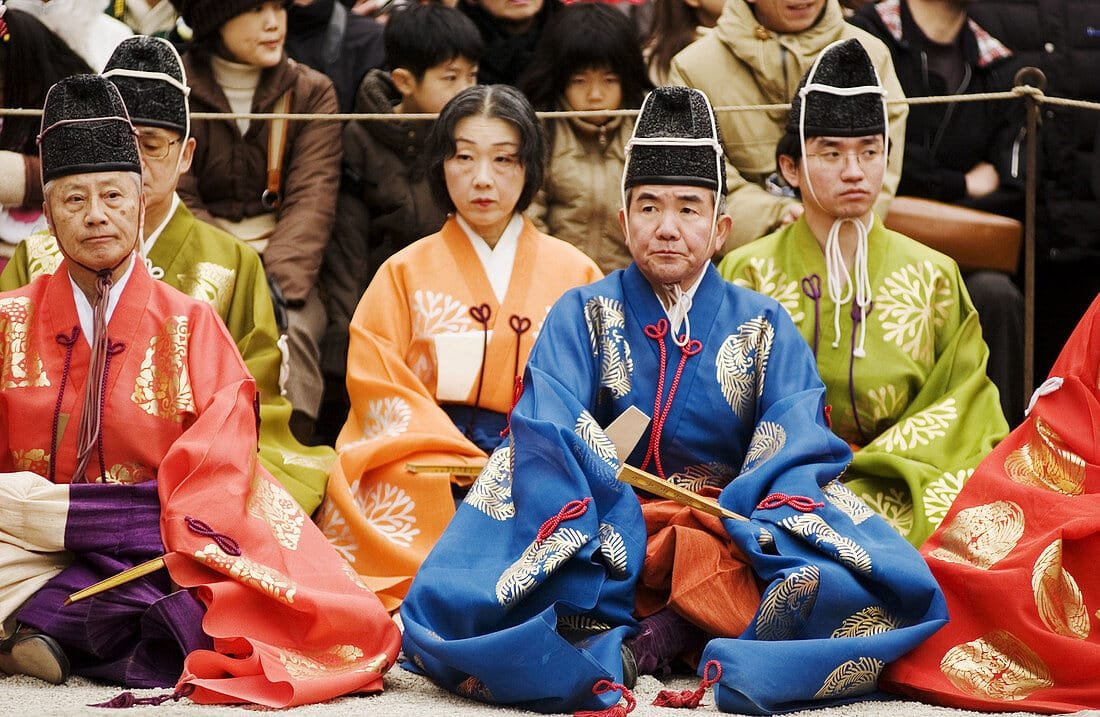
The atmospheric environment enveloping the ancient shrine is profoundly evocative and immersive, as expert participants don exquisitely tailored, authentic Heian-period court costumes to faithfully execute the traditional ceremony. As the specialized ball—crafted entirely from traditional deerskin—soars gracefully through the crisp winter air, the rhythmic and traditional shouts of the players echo softly through the sacred shrine grounds, creating a deeply tranquil yet undeniably lively environment. The event unfolds within the breathtaking and tranquil surroundings of the ancient Tadasu no Mori primeval forest, offering a remarkably peaceful and spiritually grounding start to the calendar year for anyone seeking to connect intimately with deep Japanese heritage.
Beyond the captivating athletic game itself, this extraordinary annual celebration offers a rare and privileged opportunity to observe the meticulous cultural preservation of ancient Japanese traditions firsthand. Highly esteemed members of the official Shukiku Preservation Association lead the ceremonial proceedings with expert dedication, ensuring that every historical technique, physical movement, and traditional court etiquette rule is upheld with absolute precision. It is an exceptionally photogenic and visually stunning cultural display that honors the remarkable longevity and beauty of Japanese traditions, making it an essential cornerstone event for anyone deeply interested in world history, classical performing arts, and the quiet dignity of Kyoto’s most sacred religious sites.
Enjoy Your Event Stress-Free with Japan Travelo
Do you know? Planning events, festivals, concerts, and cultural experiences in Japan can be overwhelming. Japan Travelo brings everything together in one place, helping you manage your itinerary, transport, and accommodation with ease—so you can enjoy Japan without the stress of planning.
Event Highlights
- Watch a traditional 1,000-year-old imperial ball game performed by expert practitioners dressed in historic, colorful Heian-period attire.
- Experience the profound cultural atmosphere of Kyoto’s oldest and most prestigious Shinto shrine during the vibrant New Year period.
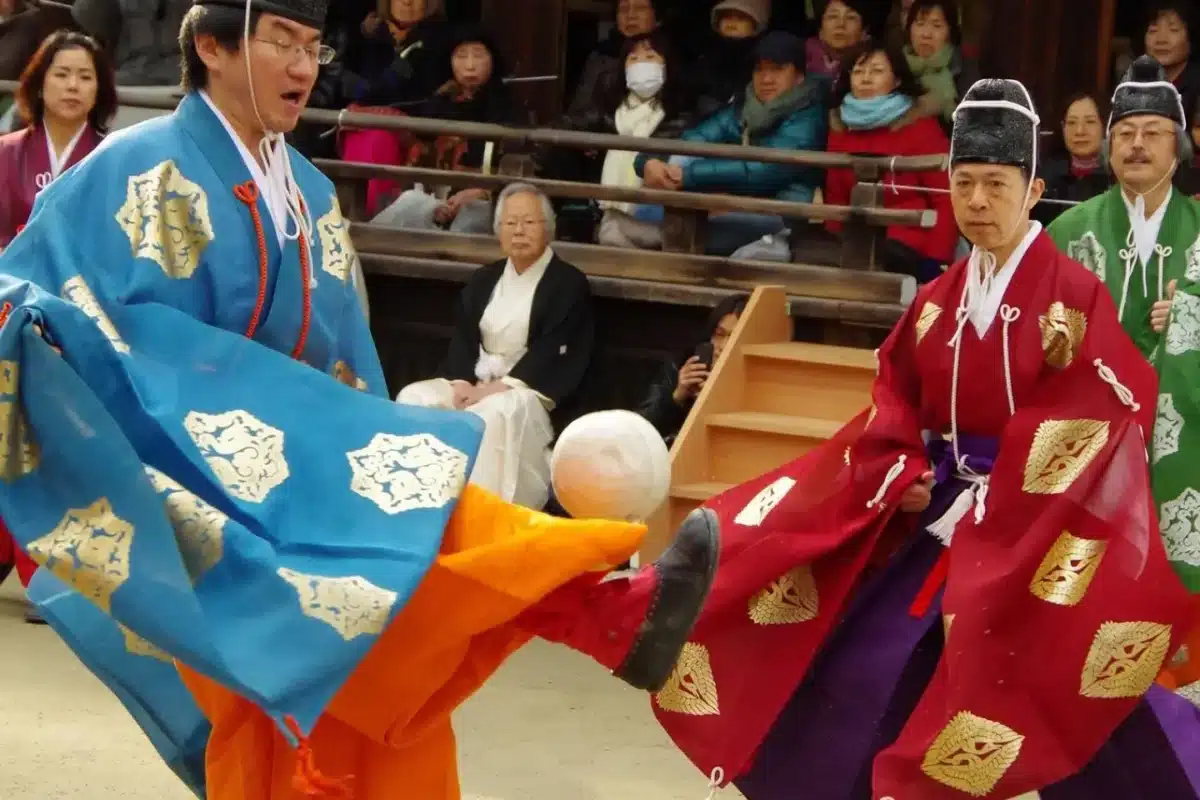
- Observe the delicate, highly skilled technique of kicking a traditional deerskin ball while keeping it entirely airborne in a cooperative display.
- Explore the serene, verdant beauty and towering ancient trees of the protected Tadasu no Mori forest surrounding the historic shrine grounds.
Why Attend
This extraordinary cultural event is exceptionally ideal for passionate art enthusiasts, dedicated history buffs, and curious cultural travelers who want to experience authentic Japanese traditions away from the bustling modern city center. It offers a wonderfully unique and educational window into the aristocratic lifestyle of the ancient Imperial Court, providing an intellectually stimulating and visually captivating experience that is rarely found anywhere else in the modern world. Attending allows you to witness a living history performance that has been carefully passed down through numerous generations of dedicated practitioners.
The tangible benefits of attending extend far beyond the entertaining athletic performance itself, as the visit actively encourages a deeply appreciated moment of quiet reflection in one of Kyoto’s most spiritually powerful and peaceful spaces. Visitors consistently gain a much deeper appreciation for the meticulous preservation of intangible cultural heritage while thoroughly enjoying the quiet, majestic beauty of a designated World Heritage site. It represents an absolute must-see experience and serves as a perfect way to immerse yourself fully in the timeless local customs that uniquely define the authentic Kyoto New Year season.
Date & Duration:
- Event Date: January 4, 2027
- Event Duration: Approximately 1 to 2 hours for the main ceremonial performance
Visiting this event? Don’t miss out on these amazing activities and local experiences while you’re here.
Ticket Information:
- How Tickets Are Sold: No tickets or reservations are required to view this open public ceremony.
- Admission Type: Open public viewing area situated within the open shrine precincts.
- Ticket Pricing: Free Admission for all attending visitors and spectators.
- Special Seating Options: None available, as the event features traditional standing room only within the open shrine courtyards.
- VIP Options: None available, ensuring an equal and traditional viewing experience for all visitors.
Venue / Location:
- City and Country: Kyoto, Japan
- Venue Name: Shimogamo Shrine
- Google Maps Address: Japan, 〒606-0807 Kyoto, Sakyo Ward, Shimogamo Izumikawacho, 59
Contact Information:
- Email: Not publicly listed
- Phone Number: 075-781-0010
- Official Website: https://www.shimogamo-jinja.or.jp/
Accommodation Options:
Kyoto offers an exceptionally wide array of comfortable accommodation options conveniently located near Shimogamo Shrine, ranging from authentic traditional ryokans and modern boutique hotels to cozy, welcoming local guesthouses. Staying in the picturesque Sakyo Ward area provides remarkably convenient access to the shrine grounds while simultaneously placing you within easy reach of Kyoto’s other major cultural landmarks, historic temples, and scenic riverbanks.
Many discerning visitors strongly prefer booking hotels near Demachiyanagi Station, which offers both wonderfully peaceful neighborhood stays and exceptionally fast, seamless access to the city’s comprehensive public transport network. Whether you are actively looking for luxurious contemporary hotel suites with high-end modern amenities or intimate, family-run guesthouses that offer an authentic local feel, the charming neighborhood surrounding the shrine is exceptionally well-equipped to host international travelers and domestic sightseers alike.
Getting There:
- Nearest Airport: Kansai International Airport is approximately 100 kilometers from the venue location.
- Nearest Train/Metro Station: Demachiyanagi Station serviced by the convenient Keihan Main Line and Eizan Electric Railway.
- Bus Routes or Public Transport Options: Kyoto City Bus lines 4 or 205 directly to the Shin-Aoibashi stop.
- Parking Availability: Limited parking spaces are available on-site at the shrine grounds, though public transit is strongly encouraged.
- Directions by Car: Easily accessible via major urban expressway routes and arterial city roads leading toward the Sakyo Ward and the Kamo River basin.
Dining Recommendations:
Breakfast Recommendations:
- Charming local artisan cafes near Demachiyanagi Station offering traditional thick-cut toast and freshly brewed specialty coffee sets.
- Delightful small neighborhood bakeries located throughout the peaceful Sakyo Ward area serving fresh pastries.
- Authentic, beautifully prepared traditional Japanese-style breakfast menus served at nearby historic ryokans.
Lunch Recommendations:
- Classic regional udon and soba noodle specialist shops situated comfortably along the scenic walking paths leading to the shrine.
- Welcoming local eateries near the majestic Kamo River specializing in delicious, wholesome seasonal Kyoto home-style cuisine.
- Casual, high-quality bento box stalls operating conveniently in the immediate vicinity of the historic temple complex grounds.
Dinner Recommendations:
- Refined fine dining establishments located in the central Nakagyo Ward area, easily accessible by a short bus ride.
- Cozy, traditional neighborhood izakayas clustered invitingly near the major Keihan railway transit stations.
- Distinguished traditional kaiseki restaurants offering exquisite, multi-course seasonal culinary masterpieces crafted by master chefs.
Local Specialties to Try:
- Silky smooth yudofu, which is exceptionally comforting boiled tofu served with dipping sauces, representing a signature specialty of Kyoto.
- Handcrafted nama-fu, a traditional and texturally unique wheat gluten delicacy used in various classical dishes.
- Nutritious kyo-yasai, which are celebrated heirloom Kyoto vegetables cultivated using traditional regional agricultural techniques.
What is this event?
Kemari Hajime is an annual ceremonial gathering hosted at Shimogamo Shrine where expert participants perform the ancient Japanese imperial ball game known as kemari. The skilled players don elaborate traditional court costumes and cooperate gracefully to keep a specially constructed leather ball continuously airborne.
This revered ritual is dedicated to the cultural preservation of a one-thousand-year-old pastime that originally flourished within the ancient Imperial Court of Japan. It signifies the auspicious commencement of the New Year while honoring the enduring artistic and historical legacy of the Heian period.
Why is it popular?
The event garners widespread popularity because it grants spectators a remarkably rare opportunity to witness a living, breathing piece of authentic Japanese history in motion. It stands out distinctly from typical tourist attractions through its deep cultural authenticity and commitment to historical accuracy.
Visitors are consistently drawn to the vibrant visual splendor of the colorful traditional court costumes and the serene, meditative atmosphere of the ancient forest setting. It provides an utterly unique and peaceful experience that perfectly captures the timeless cultural spirit of traditional Kyoto.
Tips before you go:
- Arrive at the shrine grounds significantly early to secure an optimal front-row viewing spot, as the popular event areas fill up quickly with spectators.
- Dress very warmly in heavy winter layers, because the open-air ceremony takes place outdoors in January and temperatures can drop considerably.
- Bring a reliable camera or recording device equipped to capture the vibrant, rich colors of the stunning traditional Heian-period attire.
- Ensure all your personal electronic devices and camera batteries are fully charged before departure to thoroughly record the fascinating ceremony.
- Show deep respect for the sacred Shinto shrine grounds by carefully following all posted instructional signs and listening closely to staff guidance.
Tips for First-Time Visitors:
- Wear exceptionally comfortable walking shoes, as you will navigate considerable distances across unpaved paths leading through the sprawling Tadasu no Mori forest.
- Prepare thoroughly for cold winter weather conditions by layering technical thermal clothing underneath your heavy overcoat since standing outdoors requires endurance.
- Dedicate ample extra time to explore the broader shrine complex thoroughly after the main ceremony concludes, discovering many hidden sub-shrines and historic structures.
- Prioritize utilizing public transportation networks, because road traffic around the shrine can be dense and parking is extremely limited during major celebrations.
- Look for detailed informational plaques written in both Japanese and English near the main entrance if you wish to learn deeper historical facts about the shrine.
- Plan your transit itinerary completely ahead of time using updated digital map applications to ensure a seamless journey from your hotel to the shrine gates.
Attendee Experiences:
- Witnessing this ancient imperial game performed with such absolute precision and historical dedication felt like stepping directly back into medieval history.
- The ethereal, peaceful atmosphere within the towering winter forest made the entire ceremonial viewing feel remarkably sacred and profoundly unforgettable.
- Seeing the talented players move gracefully in their vibrant silk garments against the stark winter backdrop was an absolute highlight of my journey to Japan.
Video
Location
FAQ
Is there an entry fee required to attend the Kemari Hajime event?
This traditional celebration is hosted openly within the expansive public shrine grounds and does not charge any admission fees whatsoever. All visitors are warmly welcome to observe the entire ceremonial performance from designated public viewing areas completely free of charge.
What time does the official ceremonial performance usually commence?
The scheduled ritual typically takes place during the afternoon hours on the fourth day of January each year. It is always wise to consult official local schedules or venue notices closer to the exact date to confirm precise timing details.
Am I permitted to take photographs or record video during the performance?
Photography and video recording are generally allowed, provided spectators remain strictly within designated boundaries and do not disrupt the participants. Please remain courteous to surrounding visitors and refrain from using disruptive flash photography during the sacred ritual.
Is the historic shrine complex fully accessible for visitors using wheelchairs?
A significant portion of the historic shrine courtyards and forest paths consists of traditional gravel surfaces, which may present mobility challenges. It is highly recommended to contact the main shrine administrative office in advance to inquire about recommended accessible pathways.
What happens if unfavorable weather conditions occur on the day of the event?
The outdoor ceremony schedule may be subject to modifications, rescheduling, or slight adjustments depending on the severity of inclement weather. Checking official venue announcements online right before your visit is the best method to stay informed of any weather-related updates.

Leave a Reply