
-
September 19, 2026
Event date:
-
September 20, 2026
Event end:
Danjiri Parade & Street Procession Experience
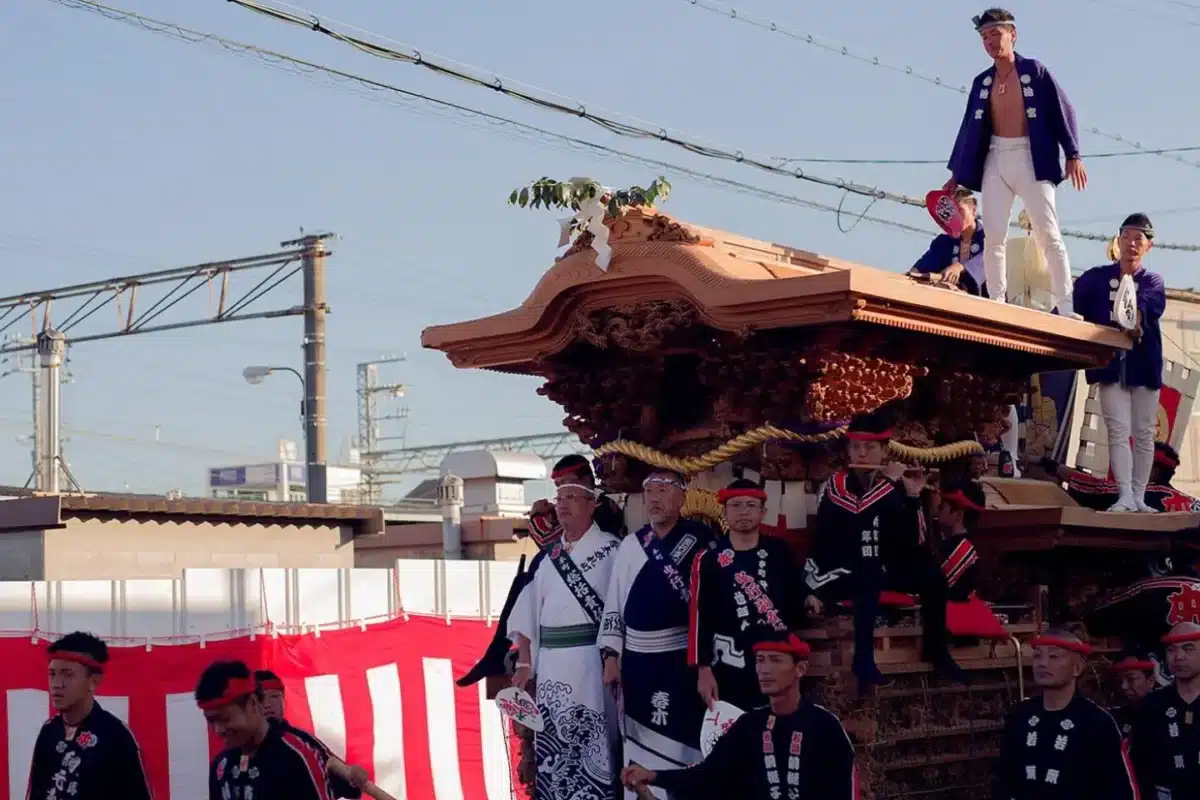
The daytime races transform the historic town into a high-octane theater of motion, where thundering footsteps and chanting crowds drown out everyday life. Parade routes wind through the heart of Kishiwada, flanked by cheering spectators who line the asphalt hours before the processions arrive. Teams of pullers dressed in matching happi coats and traditional headbands sprint with unwavering stamina, pulling heavy ropes under the autumn sun.
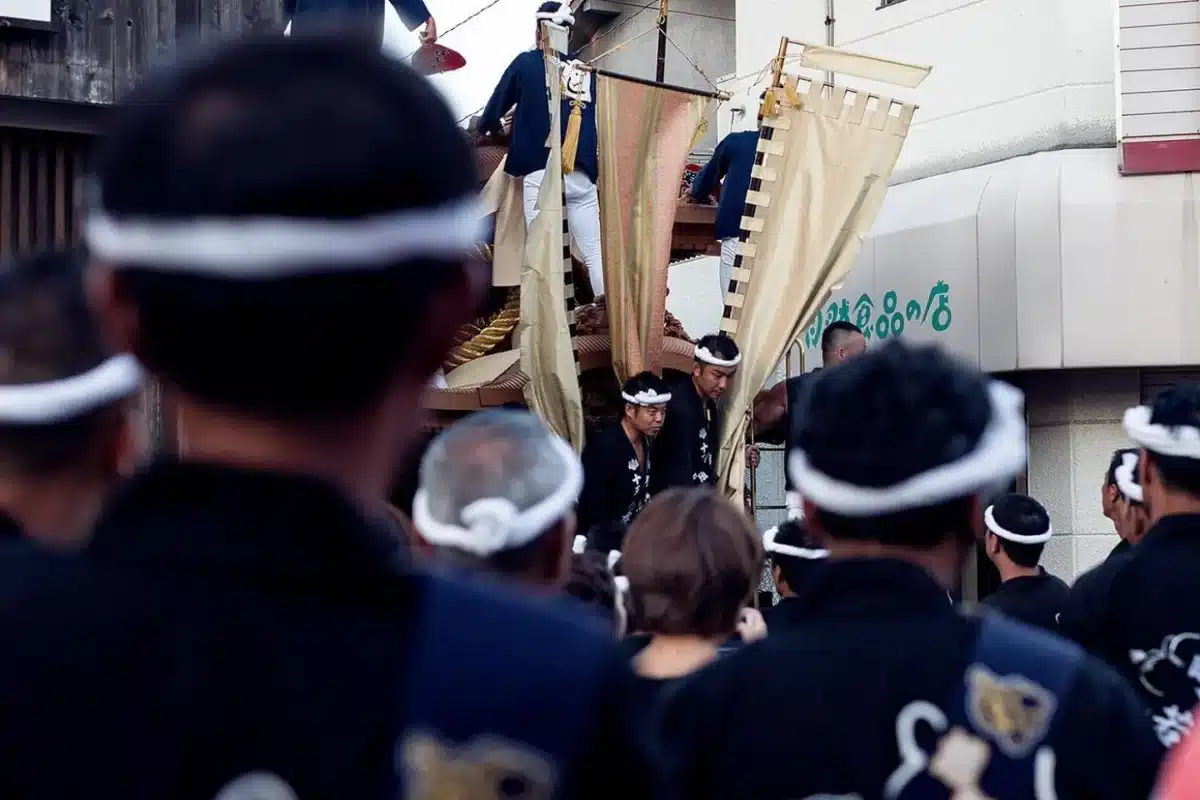
The energy on the streets is palpable, charged with the rhythmic beating of drums and the sharp, piercing notes of traditional flutes echoing off old wooden buildings. Entire neighborhoods march together in absolute unity, turning mundane streetscapes into vibrant corridors of cultural celebration. The air fills with excitement as each successive neighborhood team charges past, displaying unmatched athletic prowess and communal harmony.
As the floats race through the downtown grid, local food stalls and novelty vendors create a festive carnival atmosphere right beside the racing lanes. Visitors can easily immerse themselves in the local culture, tasting regional snacks while watching the non-stop passing parade. This daytime spectacle offers an unfiltered, high-energy look at traditional Japanese festival culture operating at its absolute peak.
Enjoy Your Event Stress-Free with Japan Travelo
Do you know? Planning events, festivals, concerts, and cultural experiences in Japan can be overwhelming. Japan Travelo brings everything together in one place, helping you manage your itinerary, transport, and accommodation with ease—so you can enjoy Japan without the stress of planning.
- High-speed daytime races surging through the historic streets and urban avenues of Kishiwada
- Dynamic parade routes connecting major local landmarks, shrines, and neighborhood hubs
- Hundreds of synchronized pullers clad in colorful, traditional neighborhood happi coats and headbands
- Electric crowd atmospheres filled with roaring cheers, drumbeats, and flute melodies
- Street corridors completely transformed into festive viewing zones flanked by bustling food stalls
- Continuous waves of competing neighborhood teams showcasing elite athletic endurance
- Seamless integration of ancient traditions with modern festival spectator viewing areas
When
- Event Date: September 19th – September 20th 2026
- Event Duration: 2 full days
Visiting this event? Don’t miss out on these amazing activities and local experiences while you’re here.
Entry & Tickets
- How Tickets Are Sold: General public street viewing does not require any tickets or advance reservations.
- Admission Type: Free Admission
- Ticket Pricing: Free Admission (Minimum price range: $0.00 USD, Maximum price range: $0.00 USD)
- Special Seating Options: Open-air public viewing spaces along the streets, near Haruki Station, around Kishiwada Castle, and designated retail viewing zones.
- VIP Options: No commercial VIP ticketing tiers exist, though indoor air-conditioned viewing and parking deck vantage points are available near shopping malls.
Best Viewing Spots, Photography & Visitor Tips
Finding the ideal vantage point is essential for capturing the best views of the high-speed yarimawashi turns while maintaining safe distances from the racing floats. Popular viewing corridors include the wide open spaces near Haruki Station and directly in front of the Kispa La Park department store. Photographers should secure spots early along wide intersections where floats pivot, ensuring they stay well behind safety barriers set up by event organizers.
Crowd management during the festival can be intense due to the massive influx of visitors, so arriving via the Nankai Main Line to Haruki Station is strongly recommended. Visitors can also escape the street-level crush by utilizing air-conditioned viewing areas inside shopping complexes or elevated car parking decks. Respecting local instructions, maintaining clear paths for emergency services, and following safety guidelines ensure a smooth experience for everyone.
Spectators are encouraged to explore Kishiwada’s quieter old town alleys located just a short walk away from the primary race tracks to enjoy authentic local architecture. Packing light, wearing comfortable walking shoes, and staying hydrated will make navigating the sprawling festival grounds much more enjoyable. By approaching the event with cultural respect and patience, visitors can fully appreciate the historic grandeur of this legendary Japanese matsuri.
Where It Takes Place
- City and Country: Osaka, Japan
- Venue Name: Kishiwada (Streets surrounding Kishiwada Station, Haruki Station, and Kishiwada Castle)
- Google Maps Address: Kishiwada City, Osaka Prefecture 596-0000, Japan
Yarimawashi: The Famous High-Speed Corner Turn
- Full-speed sprinting by dozens of pullers hauling a four-tonne wooden float down narrow streets
- Precise team coordination required to execute dangerous 90-degree corner turns without slowing down
- Dramatic centrifugal force that causes the massive floats to tilt sharply toward the outer walls
- Strategic braking techniques using rear ropes to steer and control the immense momentum of the vehicle
- Intense physical exertion and synchronization among the energetic neighborhood teams vying for ultimate glory
- Thrilled spectator crowds packed tightly along street corners holding their breath during each pivot
- High-stakes neighborhood reputation riding on the flawless execution of every single high-speed turn
- Masterful steering oversight by veteran leaders directing the front ropes with split-second precision
Event Contact Details
- Phone Number: +81 72-436-0914 (Kishiwada City Tourism Promotion Association)
- Website: https://www.city.kishiwada.osaka.jp/soshiki/36/danjiri.html
Giant Danjiri Floats & Traditional Wood Carving
At the heart of the festival are the magnificent danjiri floats, massive wooden structures weighing nearly four tonnes that represent centuries of Japanese craftsmanship. Built entirely from heavy timber without the use of modern nails, these towering structures are moving works of art that require extraordinary engineering skill to construct and maneuver. Each float is meticulously assembled to withstand the immense physical stress of high-speed racing through narrow urban streets.
The exterior panels and structural beams of every danjiri are blanketed in intricate, deep-relief wood carvings depicting legendary historical scenes, mythological battles, and traditional folklore. Master craftsmen spend countless months chiseling fine details into the wood, turning raw lumber into breathtaking narratives of samurai valor and ancient Japanese history. These elaborate artistic expressions tell visual stories that honor regional heritage and inspire deep local pride among the residents.
Every single neighborhood in Kishiwada maintains its own distinct danjiri as a priceless cultural treasure, guarded and maintained with fierce devotion throughout the year. The craftsmanship involved is passed down through generations of local woodworkers and carpenters who treat restoration as a sacred duty. When the festival arrives, these wooden masterpieces emerge from their storage storehouses, gleaming with fresh lacquer, polished metals, and vibrant ropes ready for action.
The construction of a single danjiri is a community-defining project that can take years of dedicated labor, utilizing traditional tools and ancient joinery techniques. Master artisans meticulously balance weight distribution to ensure the towering multi-tiered structure remains stable while hurtling around sharp street corners at full speed. This fusion of heavy structural architecture and delicate artistic carving makes each float an irreplaceable cultural monument of Japan.
- Massive wooden structures weighing nearly four tonnes constructed entirely without modern nails
- Intricate deep-relief wood carvings depicting legendary historical battles and Japanese folklore
- Master craftsmanship passed down through generations of local carpenters and woodworkers
- Specialized structural engineering designed to endure high-speed movement and sharp corner turns
- Individual neighborhood ownership, turning each float into a revered local cultural treasure
- Elaborate gold leaf accents, polished metal fittings, and traditional decorative hangings
- Year-round preservation and maintenance carried out by dedicated community preservation societies
Daiku-gata Float Riders & Festival Roles
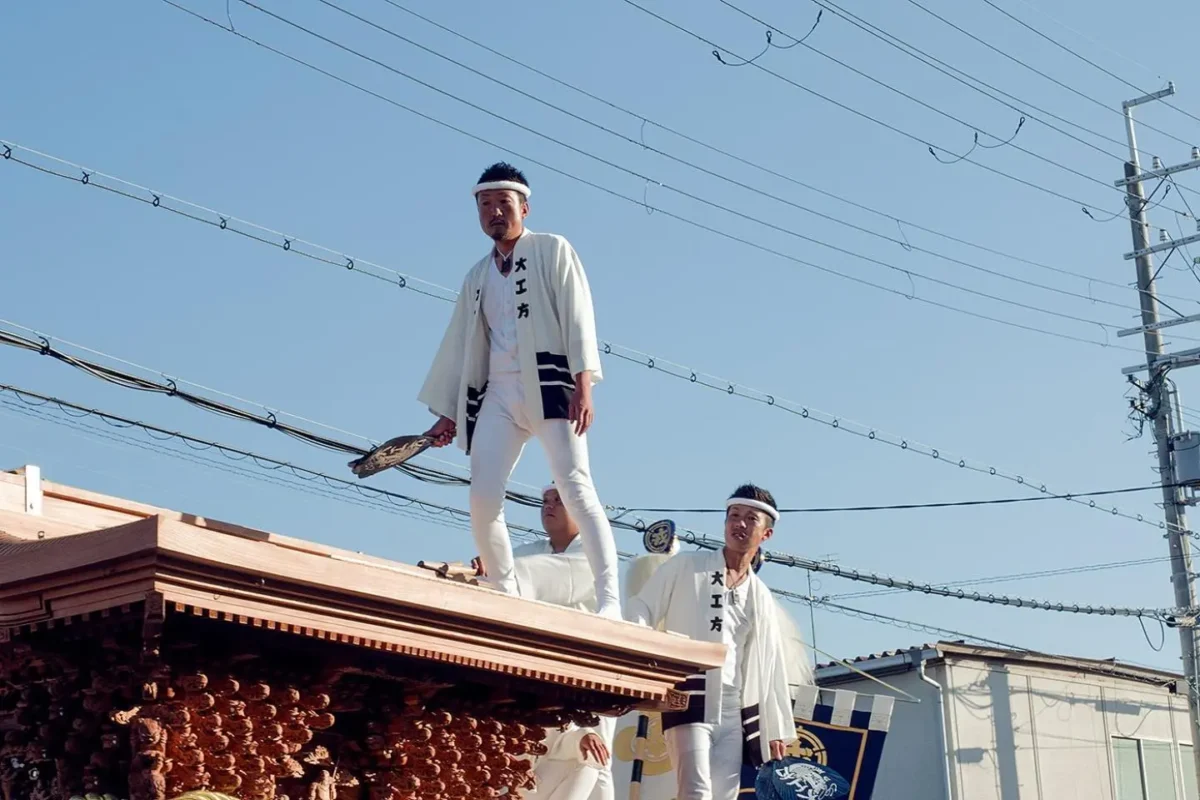
- Daiku-gata master carpenters dancing wildly on the highest tier of the danjiri roof
- Dangerous and highly privileged rooftop balancing acts reserved exclusively for local master carpenters
- The famous Hikokinori or airplane dance performed dynamically atop the swaying wooden structure
- Front rope leaders directing the trajectory and speed of the heavy float during critical moments
- Skilled musicians riding inside the float cabin playing traditional flutes and taiko drums
- Veteran neighborhood elders managing overall logistics, safety, and traditional protocol
- Enthusiastic youth and adult pullers providing the raw physical power to move the massive vehicle
Night Parade, Lanterns & Festival Atmosphere
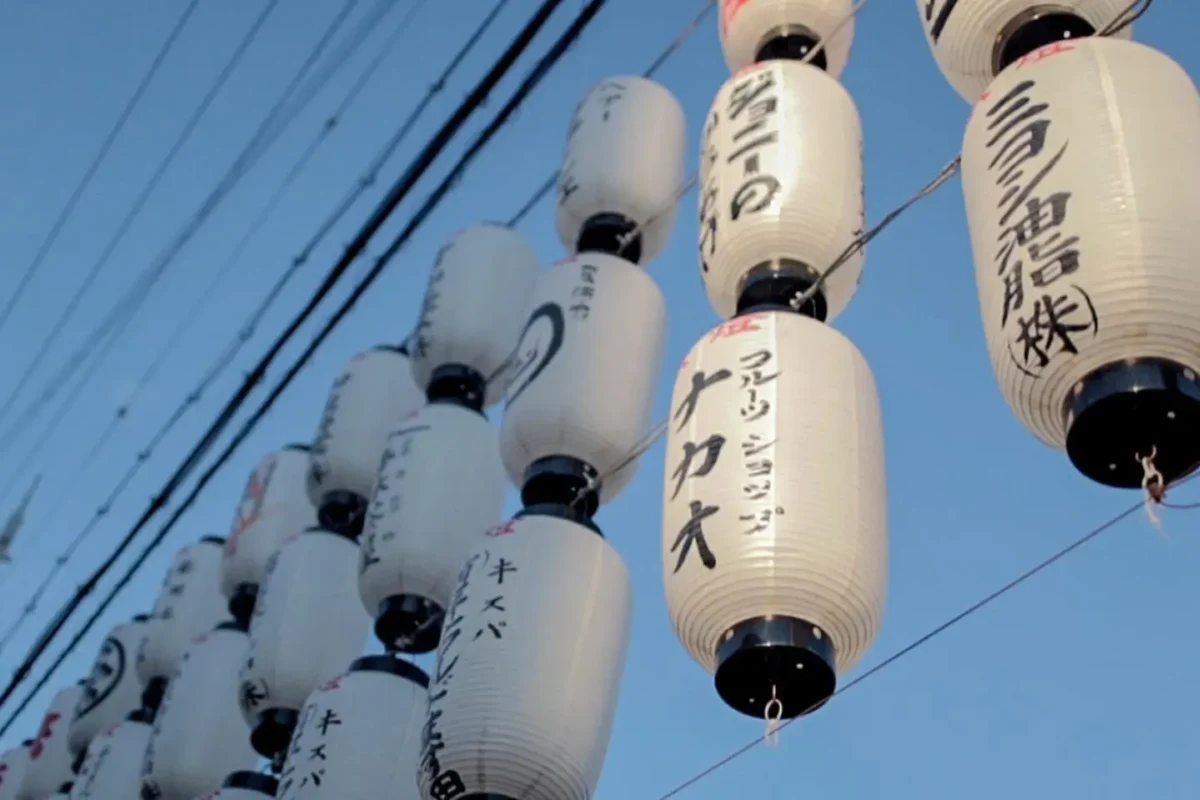
The evening procession offers a stark, magical contrast to the breakneck speed of the daytime races, as night falls over the historic town. Thousands of glowing paper lanterns are mounted onto each danjiri, casting a warm, flickering amber light across the intricate wood carvings. The atmosphere shifts from heart-pounding adrenaline to a serene, enchanted ambiance filled with soft melodic chants.
Floats move at a much slower, more deliberate pace after sunset, allowing spectators to appreciate the architectural details and craftsmanship up close. Traditional drumming and flute music take on a more reflective tone, echoing gently through the cooling evening air. Families and visitors stroll leisurely alongside the illuminated processions, enjoying a peaceful and deeply atmospheric festival experience.
This nighttime transition highlights the dual nature of the matsuri, balancing raw masculine energy with refined artistic beauty under the evening sky. The glowing lanterns reflect off polished metal fixtures and wet pavement, creating stunning visual compositions for evening onlookers. It is a time for quiet appreciation, communal bonding, and celebrating the enduring spirit of Kishiwada’s heritage.
Local Community Participation & Festival Preparation
- Year-round preparation and practice sessions organized by dedicated neighborhood associations
- Active involvement of young children and teenagers learning traditional music and rope handling
- Experienced elders guiding safety protocols, historical preservation, and ritual execution
- Local craftsmen and carpenters maintaining structural integrity of the heavy wooden floats
- Neighborhood musicians practicing taiko drums and flute rhythms for months prior to the event
- Hundreds of volunteers managing crowd control, logistics, and hospitality for visiting guests
- Deep communal bonding that unites multiple generations under a shared heritage and neighborhood pride
Video
Location
FAQ
What makes the Kishiwada Danjiri Matsuri unique among Japanese festivals?
The festival is famous for its high-speed cornering technique called yarimawashi, where teams race four-tonne wooden floats through narrow streets. Acrobatic carpenters dance perilously on the roofs of the speeding floats, creating an unmatched display of speed, danger, and tradition.
How long has this historic float festival been celebrated in Osaka?
The tradition spans over 300 years, having been established originally by the lord of Kishiwada Castle to pray for bountiful harvests. It has grown into one of Japan's largest and most spirited neighborhood float festivals, drawing massive crowds annually.
Where are the recommended locations to watch the float races safely?
Great viewing areas are situated right outside Haruki Station and in front of the Kispa La Park shopping department store. Visitors can also find slightly less crowded viewing angles by exploring the historic old town streets just off the main paths.
Is public transportation convenient for reaching the festival venue?
The event grounds are located directly adjacent to Haruki Station on the Nankai Main Line for seamless visitor travel. This railway connection provides direct transit access straight from Kansai International Airport into the heart of the celebration.
What options are available for visitors who prefer a less crowded viewing experience?
Spectators can watch the live event broadcast on large indoor screens inside the air-conditioned Kispa La Park shopping center. Alternatively, visitors can access the third and fourth-floor parking deck viewing areas or explore quieter historic neighborhood streets.

Leave a Reply