


Overview
Kobe Umi no Bon Odori stands as a quintessential celebration of Japanese summer heritage, hosted within the expansive and picturesque grounds of Meriken Park. This evocative festival serves as a heartfelt homage to ancestral spirits during the Obon season, utilizing the rhythmic pulse of traditional taiko drumming and melodic folk chanting to foster a deep sense of communal unity. Set against the shimmering expanse of the Kobe harbor, the event creates a visually striking contrast between the serene, historic rituals of the past and the vibrant, modern pulse of one of Japan’s most iconic port cities.
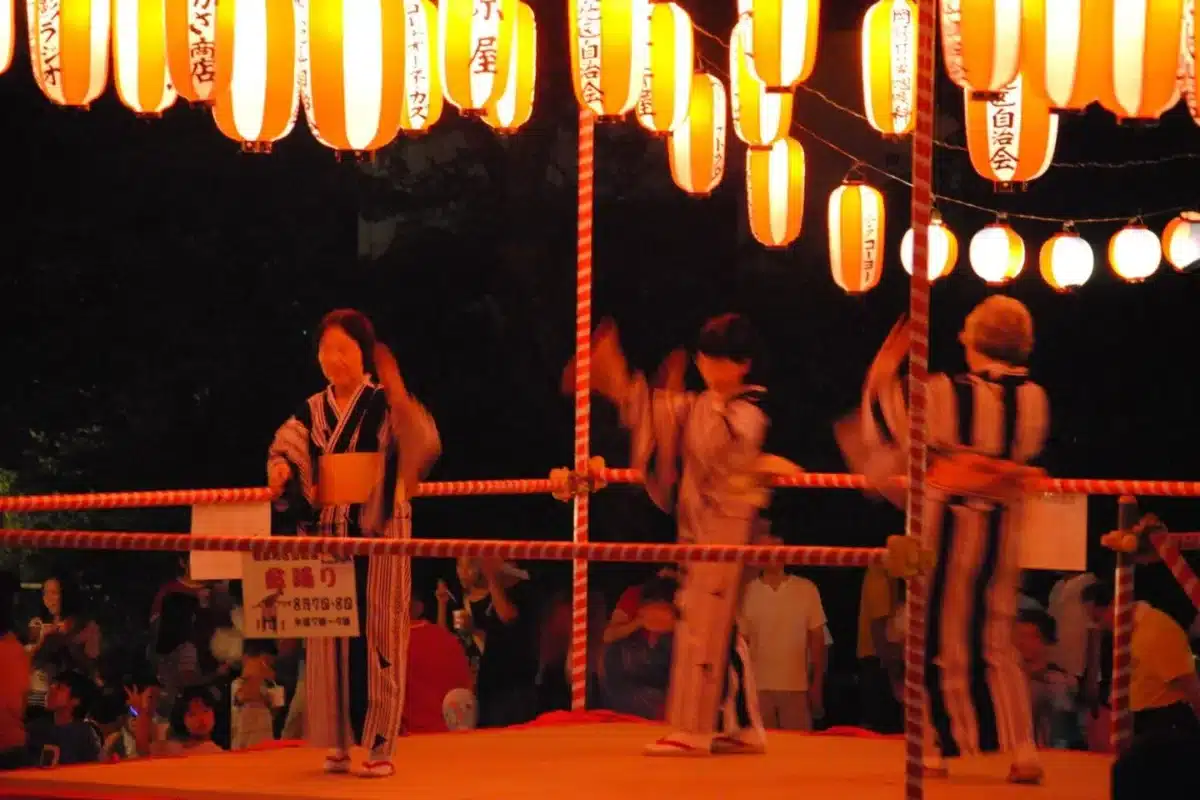
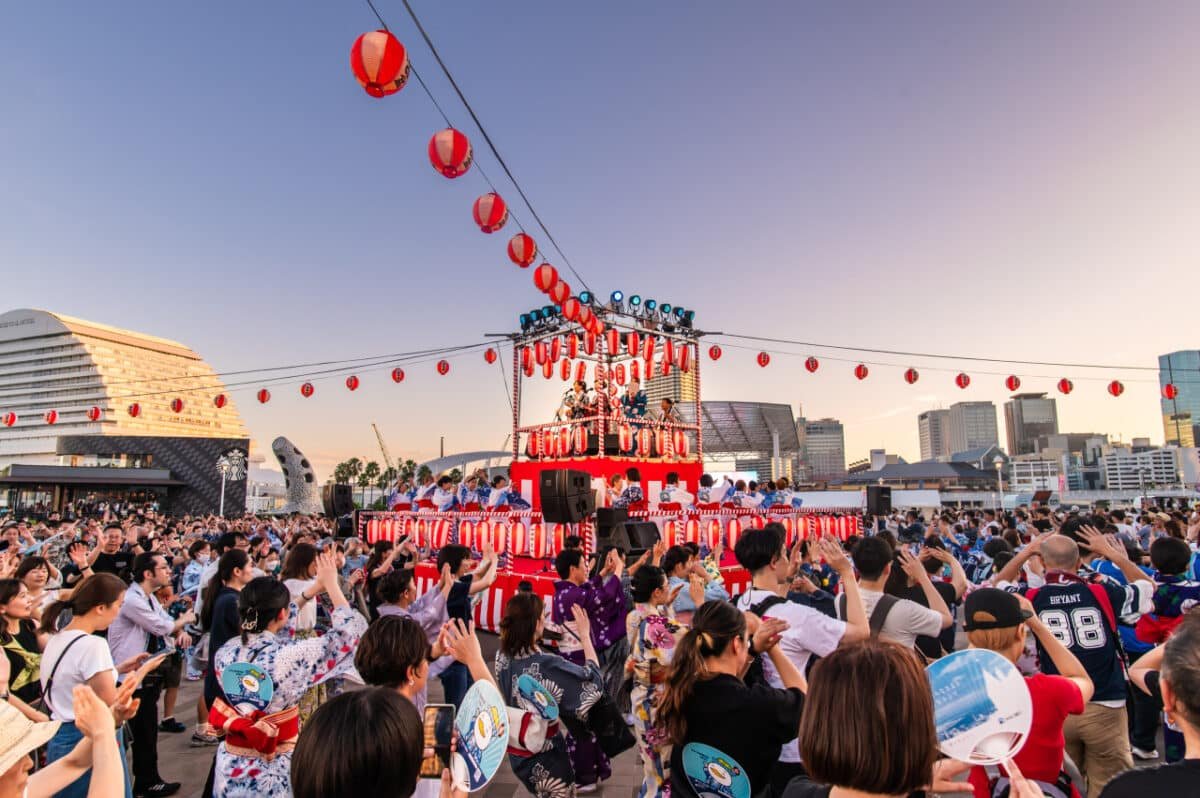
The festival grounds are transformed into an enchanting landscape, anchored by a traditional wooden yagura scaffold that acts as the focal point for the evening’s festivities. As dusk settles, hundreds of delicate paper lanterns are illuminated, casting a warm, nostalgic glow across the waterfront and inviting participants into a circular, hypnotic dance. This mesmerizing spectacle invites attendees to transcend the role of a mere spectator, encouraging them to step into the circle and become an integral part of a living, breathing cultural tapestry that has been woven through generations of Japanese society.
Beyond the dance, the festival offers an immersive sensory experience defined by the cooling sea breezes, the infectious energy of the crowd, and the authentic atmosphere of a classic Japanese matsuri. It is a rare occasion where the grandeur of Kobe’s maritime skyline serves as a backdrop for humble, soulful traditions. For both residents and international visitors, the event offers a profound opportunity to witness the enduring spirit of Kobe, providing a bridge between the quiet reverence of ancestral memory and the exuberant, shared joy of contemporary community life.
Enjoy Your Event Stress-Free with Japan Travelo
Do you know? Planning events, festivals, concerts, and cultural experiences in Japan can be overwhelming. Japan Travelo brings everything together in one place, helping you manage your itinerary, transport, and accommodation with ease—so you can enjoy Japan without the stress of planning.
Event Highlights
- Participate in authentic Bon Odori communal circle dances led by experienced local practitioners who welcome newcomers to join the rhythmic flow.
- Experience the thunderous, heart-pounding live performances of traditional taiko drumming that resonate across the harbor and dictate the evening pace.
- Witness the breathtaking visual spectacle of thousands of glowing paper lanterns reflecting off the dark waters of the port, creating a serene and ethereal nighttime ambiance.
- Immerse yourself in a profoundly inclusive, family-oriented atmosphere that honors the rich, ancestral tapestry of Japanese summer customs and spiritual heritage.
Why Attend
This festival is meticulously curated for those seeking a genuine, unvarnished connection to Japanese culture within an accessible and breathtaking outdoor environment. Attending provides an extraordinary gateway to step away from the conventional sightseeing itinerary and instead participate directly in a centuries-old tradition that prioritizes collective memory, heartfelt gratitude, and the pure, infectious joy of communal movement.
The gathering is ideally suited for families, cultural aficionados, and photographers eager to capture the sublime beauty of a Japanese summer night in a historic port. The myriad benefits of attending include experiencing the legendary hospitality of the Kobe community, enjoying the invigorating harbor air, and gaining a comprehensive, intellectual, and emotional understanding of the significance behind Obon customs through active and joyous participation.
Date & Duration:
- Event Date: Mid August 2026
- Event Duration: One enchanting evening under the stars
Visiting this event? Don’t miss out on these amazing activities and local experiences while you’re here.
Ticket Information:
- How Tickets Are Sold: Admission is entirely open to the public without any requirement for advance registration or formal ticket procurement.
- Admission Type: This is a free-access public event, welcoming all attendees on a spontaneous, first-come, first-served basis throughout the evening.
- Ticket Pricing: Free Admission
- Special Seating Options: There are no designated or reserved seating areas as the event prioritizes the fluid, open movement of the dance circles across the park.
- VIP Options: No VIP packages, exclusive lounges, or premium seating tiers are offered for this authentically communal and grassroots cultural gathering.
Venue / Location:
- City and Country: Kobe, Japan
- Venue Name: Meriken Park
- Google Maps Address: 2-2 Hatobacho, Chuo Ward, Kobe, Hyogo 650-0042, Japan
Contact Information:
- Official Website: https://en.japantravel.com/hyogo/kobe-umi-no-bon-odori/71688
Accommodation Options:
Meriken Park is strategically situated in the pulsating heart of Kobe, offering a diverse spectrum of lodging alternatives, ranging from opulent, world-class harbor-front hotels that boast sweeping panoramic views to efficient, high-comfort business accommodations. Choosing to stay in the immediate vicinity of the waterfront ensures that visitors remain within an effortless walking distance of the festival grounds, granting them the luxury of seamless access to the city’s premier shopping arcades and gastronomic districts.
For travelers who gravitate toward a more tranquil and refined lodging experience, there are an abundance of excellent options nestled within the adjacent Sannomiya and Motomachi districts. These neighborhoods offer sophisticated connectivity to the Meriken Park venue while simultaneously placing guests at the epicenter of the city’s vibrant historical landmarks and flourishing commercial corridors, ensuring a well-rounded and deeply satisfying stay in Kobe.
Getting There:
- Nearest Airport: Kobe Airport is positioned approximately 10 kilometers from the vibrant hub of Meriken Park.
- Nearest Train/Metro Station: Minatomirai Station or the bustling Motomachi Station on the primary JR and Hanshin railway lines.
- Bus Routes or Public Transport Options: A sophisticated network of city loop buses provides convenient, frequent stops directly at or in the immediate proximity of the park entrance.
- Parking Availability: Spacious public parking facilities are situated in the surrounding areas for those arriving by personal or rental vehicle.
- Directions by Car: Accessible via the major Hanshin Expressway Route 3 Kobe Line, with convenient exit access points at Kyobashi or Yanagihara.
Dining Recommendations
Breakfast Recommendations:
- Artisanal bakeries throughout the Motomachi shopping district offer a curated selection of freshly baked pastries and savory goods.
- Refined local cafes surrounding Sannomiya Station specialize in traditional, nutritionally balanced Japanese breakfast sets.
- Elite waterfront hotels feature extensive, lavish morning buffets that pair local ingredients with serene, unobstructed harbor views.
Lunch Recommendations:
- Nankinmachi, one of Japan’s most famous Chinatowns, offers an expansive and dizzying selection of authentic street food and renowned sit-down eateries.
- Numerous boutique cafes situated near the perimeter of Meriken Park specialize in light, gourmet lunches, and meticulously roasted coffee.
- Establishments surrounding the iconic Kobe Port Tower offer casual, high-quality dining experiences paired with breathtaking ocean vistas.
Dinner Recommendations:
- Prestigious steak houses located within the central district are world-renowned for their mastery of premium, melt-in-the-mouth local beef.
- Atmospheric izakaya restaurants in the Sannomiya area provide an authentic, lively social setting with an extensive array of seasonal small plates.
- Elevated waterfront dining options allow guests to enjoy exquisite evening meals while bathed in the romantic, golden glow of the illuminated harbor skyline.
Local Specialties to Try:
- Kobe Beef, an internationally acclaimed delicacy known for its unparalleled tenderness, rich marbling, and intense, buttery flavor profile.
- Akashi-yaki, a distinctively soft, savory dumpling crafted with a rich egg batter and succulent octopus, served with a delicate dashi dipping sauce.
- A diverse range of high-quality, locally produced sake sourced from the historic Nada district, often referred to as the premier brewing region of Japan.
What is this event?
Kobe Umi no Bon Odori is a traditional Japanese summer dance festival hosted in the spacious, open-air environment of Meriken Park. It focuses on the practice of Bon Odori, a rhythmic dance intended to honor and welcome the spirits of ancestors through communal music and coordinated movement.
The festival serves as a vital cultural gathering point where the public can engage directly with centuries of history in a contemporary, accessible setting. It embodies the proud maritime spirit of Kobe while maintaining the deep-seated solemnity and collective joy associated with the Obon holiday season.
Why is it popular?
The event is immensely popular because it offers a rare, accessible opportunity for both international travelers and local residents to participate in a genuine, living Japanese ritual. The dramatic location at the historic Meriken Park provides a stunning, cinematic backdrop that elevates the sensory experience for all who attend.
It is further favored for its deeply inclusive atmosphere that invites people of all cultural backgrounds and dance abilities to seamlessly join the circle. The harmonious combination of traditional music, vibrant community interaction, and the pleasant, cooling climate of a summer night makes it a defining highlight of the seasonal calendar.
Tips before you go
- Wear comfortable, supportive footwear as you will likely be standing and dancing on flat, paved surfaces for extended periods.
- Bring a stylish handheld fan to regulate your body temperature, as August evenings in coastal Kobe can be quite humid and balmy.
- Arrive well before sunset to secure an advantageous spot near the central dance scaffold, ensuring the best possible views of the proceedings.
- Consider dressing in a traditional yukata, a lightweight casual summer kimono, to fully embrace the aesthetic and spirit of the festivities.
- Monitor local weather broadcasts carefully, as outdoor cultural events are subject to adjustment depending on prevailing meteorological conditions.
Tips for First-Time Visitors
- Devote time to observing the seasoned dancers from the periphery before entering the circle, allowing you to absorb the fundamental rhythm and the specific sequence of the movements.
- Release any pressure to achieve perfection, as the true essence of the Bon Odori lies in collective participation, shared laughter, and the joyful celebration of community spirit rather than technical precision.
- Allocate time to leisurely explore the architectural wonders of the surrounding Meriken Park, including the iconic red frame of the Kobe Port Tower and other nearby historical landmarks.
- Do not hesitate to approach local participants or organizers for guidance; you will find that attendees are generally eager to assist newcomers in learning the basic steps and cultural context.
- Carry a lightweight, functional bag for your personal belongings to ensure you remain unencumbered, allowing you to move with freedom and ease while participating in the dance circles.
- Maintain your hydration throughout the lively evening by utilizing the ubiquitous Japanese vending machines or local convenience stores strategically located near the park boundaries.
Attendee Experiences:
- The atmosphere was incredibly welcoming and it was so easy to jump into the dance circle.
- Seeing the lanterns reflected in the water while listening to the taiko drums was magical.
- It was a wonderful way to experience authentic Japanese tradition in a beautiful harbor setting.
Video
Location
FAQ
What is the cultural significance behind the Bon Odori dance?
The Bon Odori is a sacred yet festive dance performed during the Obon season to welcome and honor the returning spirits of ancestors. It acts as a profound act of collective remembrance, emphasizing themes of gratitude, the strengthening of community bonds, and the vibrant preservation of Japanese cultural heritage.
Is prior dance experience required to actively participate?
No specialized training or previous experience is needed to take part in the festivities, as the choreography is designed to be simple, rhythmic, and highly repetitive. Most attendees simply observe the core dancers for a few minutes to grasp the tempo and flow before confidently joining the circle and following the crowd.
What essential items should I consider bringing to the festival?
While there are no strict requirements, bringing a compact portable fan, a reusable water bottle, and wearing breathable, comfortable summer attire is highly recommended. Many participants choose to elevate their experience by wearing traditional cotton yukata, though casual, modest summer clothing is perfectly appropriate for all guests.
How does the event handle potential inclement weather conditions?
Like many traditional outdoor summer festivals across Japan, the event may be subject to cancellation or temporary suspension in the event of severe weather or sustained heavy rainfall. It is strongly advised to monitor the official municipal tourism website or local news feeds on the day of the event for any urgent, real-time schedule announcements.
Is photography permitted during the festival proceedings?
Yes, photography is generally welcomed, and visitors are encouraged to document the visual splendor of the lantern-lit harbor and the graceful energy of the dance performances. Please remain mindful of other participants to ensure your photography does not obstruct the flow of the dancers or diminish the serene, respectful atmosphere for others in the circle.

Leave a Reply