
Overview
The Koishikawa Korakuen Plum Festival is a magnificent, long-running spring celebration deeply nested within the historic heart of urban Tokyo. Originating as a traditional seasonal gathering, this ethereal spectacle transforms one of the city’s oldest surviving Edo-period stroll gardens into an artistic showcase of early blossoms. Dedicated groundskeepers painstakingly preserve the sprawling landscape, allowing the crisp late winter air to fill with the sweet, intoxicating scent of flowering groves that have stood for generations.
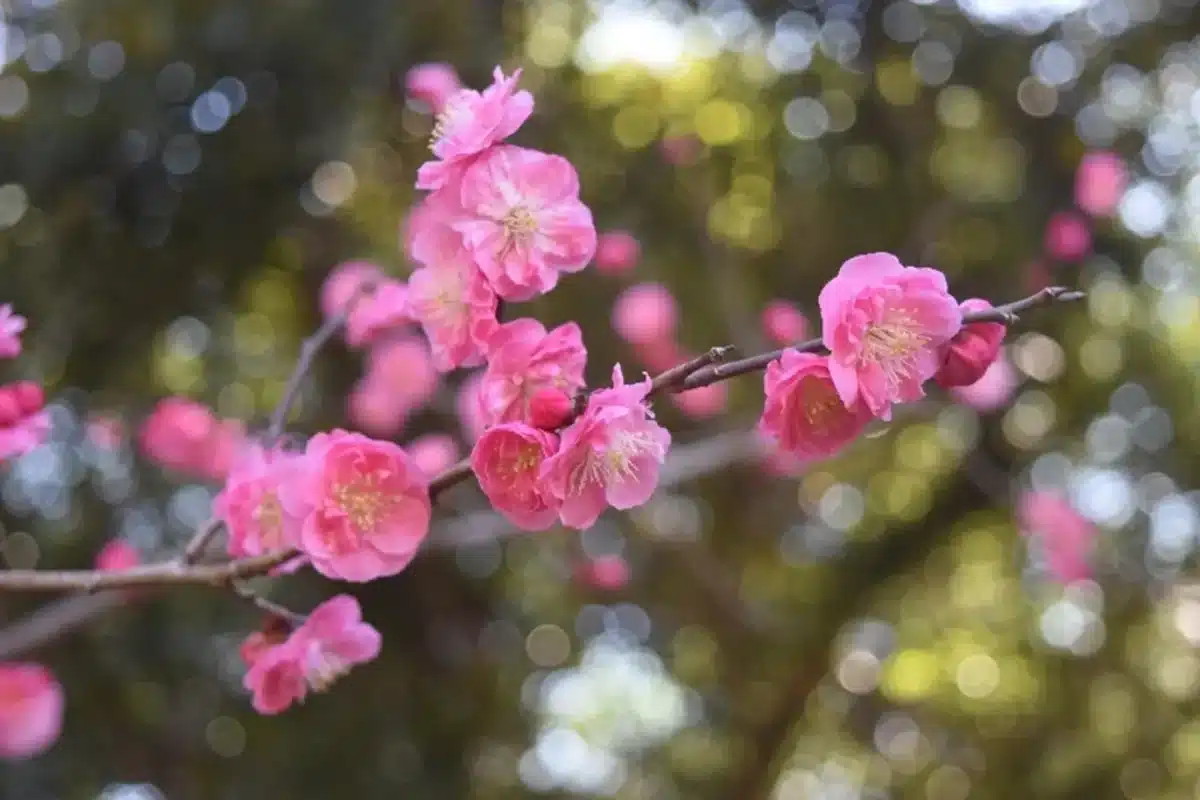
During the daytime, the vibrant pink and pristine white blossoms naturally contrast with the garden’s classic miniature bridges, stone lanterns, and replicate geographical landscapes. The grove features dozens of historic plum cultivars that burst into life, drawing a striking visual line between the delicate petals and the ancient black pine trees surrounding the central pond. This brilliant botanical showcase shifts the silent, manicured wilderness into a glowing winter wonderland, capturing the very first whispers of the changing metropolitan seasons.
The festival blends this sublime environmental art with rich local culture to cultivate warmth and camaraderie among visitors coming out of the cold months. Guests gather along winding gravel pathways to witness authentic regional folk acts, view traditional paper-cutting demonstrations, and participate in open-air tea appreciation gatherings. The entire experience serves as a beautiful cultural bridge, offering travelers a rare look at classic samurai-era aesthetic values preserved directly beside the ultra-modern skyline of modern Tokyo.
Enjoy Your Event Stress-Free with Japan Travelo
Do you know? Planning events, festivals, concerts, and cultural experiences in Japan can be overwhelming. Japan Travelo brings everything together in one place, helping you manage your itinerary, transport, and accommodation with ease—so you can enjoy Japan without the stress of planning.
Event Highlights
- Historic Plum Grove: A sprawling living collection featuring dozens of ancient white and crimson plum trees that fill the air with a rich fragrance.
- Traditional Performing Arts: Special weekend demonstrations of classic Edo-style street artistry, paper-cutting, and formal open-air music acts.
- Samurai Garden Aesthetics: Exquisite architectural features including the famous Engetsu-kyo Full Moon Bridge and deep green manicured hillsides.
- Guided Heritage Tours: Specialized historical walks led by expert docents detailing the botanical selection and imperial design choices of the Tokugawa clan.
Why Attend
This magnificent gathering offers an uncommon opportunity to witness an intricate fusion of classical Japanese horticulture and early seasonal changes, producing a serene refuge that cannot be replicated in modern concrete districts. It provides an intimate, deeply reflective journey into the historic heritage of old Edo, presenting a peaceful alternative to the highly commercialized street festivals found elsewhere in the city.
The event serves as an ideal destination for landscape photographers, cultural history buffs, and slow-paced travelers looking to capture striking, artistic compositions of early spring color. Attendees benefit from entering a completely insulated historical ecosystem while enjoying immediate proximity to major urban transportation hubs, providing a perfectly balanced day of historical exploration and city convenience.
Date & Duration
- Event Date: Early Feb – Early March 2027
- Event Duration: Approximately 3 hours
Visiting this event? Don’t miss out on these amazing activities and local experiences while you’re here.
Ticket Information
- How Tickets Are Sold: General entry access is obtained directly via physical token counters and automated ticketing kiosks located at the main garden gate.
- Admission Type: Paid entry tokens are required for all standard adult visitors, whereas senior citizens receive discounts and young children enter free.
- Ticket Pricing: Standard adult entry is fixed at approximately 2 dollars, senior citizen entry costs 1 dollar, and young children under school age are admitted completely free.
- Special Seating Options: There are no formal grandstands or reserved seats, as the layout is designed for self-guided walking tours along gravel paths.
- VIP Options: Premium upgrades are not available, ensuring all entering patrons share the exact same access to the open walking paths and historic resting pavilions.
Venue / Location
- City and Country: Tokyo, Japan
- Venue Name: Koishikawa Korakuen Gardens
- Google Maps Address: 1 Chome-6-6 Koraku, Bunkyo City, Tokyo 112-0004, Japan
Contact Information
- Email: koishikawa-korakuen.st@tokyo-park.or.jp
- Phone Number: +81 3-3811-3015
- Website: https://en.japantravel.com/tokyo/koishikawa-korakuen-plum-festival/70548
Accommodation Options:
The neighborhood immediately surrounding the gardens features a high concentration of modern high-rise hotels and family-friendly accommodations centered around the bustling Tokyo Dome City complex. Lodging locally within this district grants travelers instant access to expansive entertainment zones, indoor shopping centers, and tranquil green spaces right at their doorstep. These properties are highly sought after by international travelers due to their excellent central location and exceptional English-speaking services.
Alternatively, the nearby Suidobashi and Iidabashi areas host an expansive assortment of cozy business hotels, boutique lodgings, and budget hostels. Choosing a base near these major transit nexuses permits travelers to navigate the city seamlessly via multiple overlapping train and subway lines. Excellent municipal thoroughfares and well-placed taxi queues make traveling from these adjacent neighborhoods out to the quiet garden gates exceptionally quick and hassle-free.
Getting There
- Nearest Airport: Tokyo Haneda Airport is located roughly 25 kilometers away, while Narita International Airport sits approximately 75 kilometers from the destination.
- Nearest Train/Metro Station: Iidabashi Station on the JR Chuo-Sobu Line and Tokyo Metro lines serves as the closest major transit link.
- Bus Routes or Public Transport Options: The Toei Bus network operates regular urban routes stopping at the nearby Korakuen-eki-mae terminal.
- Parking Availability: There is no dedicated guest vehicle parking directly on the garden grounds, so visitors must utilize small paid city garages nearby.
- Directions by Car: Drivers must follow the Shuto Expressway Route 5 Ikebukuro line and take the Iidabashi exit before routing onto local avenues toward the Tokyo Dome perimeter.
Dining Recommendations
Breakfast Recommendations:
- Iidabashi Bakery Café: Offers flaky matcha croissants paired with hot pour-over coffee tailored for early morning walkers.
- Koraku Diner: Features savory breakfast sets showcasing steamed rice, grilled mackerel, and warm miso soup.
- Bunkyo Tea Room: Serves traditional sweet bean pastries alongside bowls of steaming hot green tea.
Lunch Recommendations:
- Kagurazaka Soba: Specializes in chilled buckwheat noodles served with crisp seasonal vegetable tempura and dipping broth.
- Tokyo Dome City Grill: Famous for juicy Japanese-style Hamburg steaks served with sizzling sides on hot iron platters.
- Korakuen Ramen House: Renowned for rich, savory soy-broth ramen bowls topped with tender sliced pork and bamboo shoots.
Dinner Recommendations:
- Kagurazaka Kaiseki: A historic establishment serving exquisite, multi-course seasonal dinners near the garden area.
- Suidobashi Izakaya: Features charcoal-roasted chicken skewers paired with premium locally brewed sake variants.
- Bunkyo Bistro: Offers modern fusion dining options featuring premium domestic beef cuts and roasted seasonal roots.
Local Specialties to Try:
- Ningyo-yaki: Small, sweet sponge cakes shaped like traditional characters filled with smooth sweet red bean paste.
- Tsukudani: Savory seafood or seaweed simmered in soy sauce and mirin, perfect as a topping for hot white rice.
- Edo-mae Sushi: Classic hand-pressed sushi featuring fresh seasonal catches sourced directly from the local regional markets.
What is this event?
The Koishikawa Korakuen Plum Festival is an annual spring botanical display that highlights the blooming of historic plum groves inside a classical Edo-period stroll garden. The exhibition functions as a seasonal celebration where centuries-old landscape architecture serves as the backdrop for early floral colors.
The gathering serves as an educational and cultural showcase where traditional Japanese performing arts and garden preservation can be experienced simultaneously. It operates as a peaceful community event that marks the traditional transition from the winter chill to the warmth of spring.
Why is it popular?
The event is popular because it delivers a dramatic visual contrast between the ancient natural landscape of the garden and the soaring modern skyscrapers of central Tokyo. It offers a whimsical atmosphere that makes visitors feel as though they have stepped backward in time into a historic feudal estate.
Its exceptional central location makes it an easy, accessible stop for both local residents and international tourists during the early spring travel season. The sensory allure of the fragrant plum blossoms combined with rare weekend cultural performances keeps visitors returning year after year.
Tips before you go
- Carry ample physical yen currency because the front gate entry ticket kiosks do not always accept international credit cards.
- Plan your visit for the early morning hours to view the plum groves in tranquil conditions before the tour buses arrive.
- Verify the current year bloom updates via municipal park websites since late winter temperatures heavily dictate when the blossoms peak.
- Wear highly comfortable walking shoes because the traditional paths consist of rough gravel, stone steps, and uneven dirt tracks.
- Bring a quality camera with a dedicated zoom lens to capture detailed close-up images of the delicate plum blossoms without stepping off paths.
Tips for First-Time Visitors
- Dress in Adaptable Layers: Select clothing that can protect you from the lingering winter chill while remaining comfortable during sunny daytime walks.
- Walk Strictly on Gravel Paths: Stay explicitly within the designated stone and gravel walkways to avoid trampling the delicate moss and root systems.
- Explore the Entire Pond Loop: Walk the full perimeter of the central pond to discover hidden viewing angles where the blossoms frame the bridges beautifully.
- Check the Performance Schedule: Coordinate your arrival times with the scheduled weekend cultural acts to catch the paper-cutting and musical shows.
- Utilize the Iidabashi Transit Hub: Arrive via the Iidabashi subway exits rather than driving, as the local metropolitan area experiences heavy traffic congestion.
- Respect the Natural Environment: Refrain from touching, pulling, or shaking the delicate plum branches to ensure the flowers remain intact for everyone.
Attendee Experiences
- Strolling among the fragrant plum trees made me completely forget I was in the middle of a massive city.
- The sight of the pink petals reflecting off the old ponds with the modern buildings behind was incredible.
- Catching the traditional paper-cutting show under the blossoming trees was the highlight of my Tokyo trip.
Video
Location
FAQ
What should I do if the weather turns bad during my garden walk?
Visitors can quickly seek shelter inside the traditional wooden resting pavilions and covered seating structures scattered around the garden loops. Taking a brief break inside these historical shelters allows you to enjoy the view of the rain falling on the blossoms comfortably. Guests can also browse the small indoor visitor center near the main entrance to read about the history of the park.
Are there public restrooms available on the garden grounds?
Yes, modern and fully accessible restroom facilities are maintained for public use near the main entrance gate and along the western path loops. Because this is a meticulously preserved historical site, visitors are encouraged to use these designated spots to ensure a comfortable walk. The inner paths themselves are kept completely free of modern fixtures to preserve the classical Edo-period atmosphere.
Can I take photos and use a tripod on the walking paths?
Handheld photography is enthusiastically welcomed across the entire landscape, but the utilization of tripods or monopods is strictly prohibited by park regulations. The walking paths are narrow and require careful footwork, meaning tripods present a significant safety hazard to other strolling guests. Visitors must remain on the designated pathways at all times when composing their floral photographs.
Is the festival path accessible for strollers or wheelchairs?
The garden layout features traditional stone steps, steep arched bridges, and narrow gravel tracks that present significant barriers for wheeled devices. While a designated accessible route covers the flat areas near the entrance, navigating the deeper historical sections will require assistance. Families with young children may find using front-facing baby carriers much easier than pushing large strollers.
Do I need to make an advanced reservation to see the plum blossoms?
Independent travelers and small family groups do not need to make any advanced bookings or secure online passes to enter the grounds. You simply purchase your entry ticket directly at the front gate kiosks on the day of your chosen visit. Only large commercial tour operators bringing registered charter buses must coordinate with the administration office beforehand.

Leave a Reply