
What to expect
A Living Tribute to the Brush: Every year the usually quiet town of Kumano, located to the east of Hiroshima city, pays thanks to the product that has put it on the map – the fude (brush). The Fude Matsuri dates back to 1935 and is all about the brush. You will find them everywhere, from sacred displays to hands-on workshops.
Scale of Craftsmanship: Kumano’s love affair with the brush began towards the end of the 18th century, when the people of Kumano began to resell fude brushes and sumi ink imported from Nara prefecture to supplement their agricultural income. When, during the mid-19th century, the local ruling Asano clan began a program to encourage the development of crafts in the region, Kumano fude producers began to hone their skills. They have never looked back. Today about 1,500 people are involved in the business of making brushes, and Kumano produces over 80% of Japan’s calligraphy, painting and make-up brushes. In recent years, their high quality brushes have also been well received in the global market.
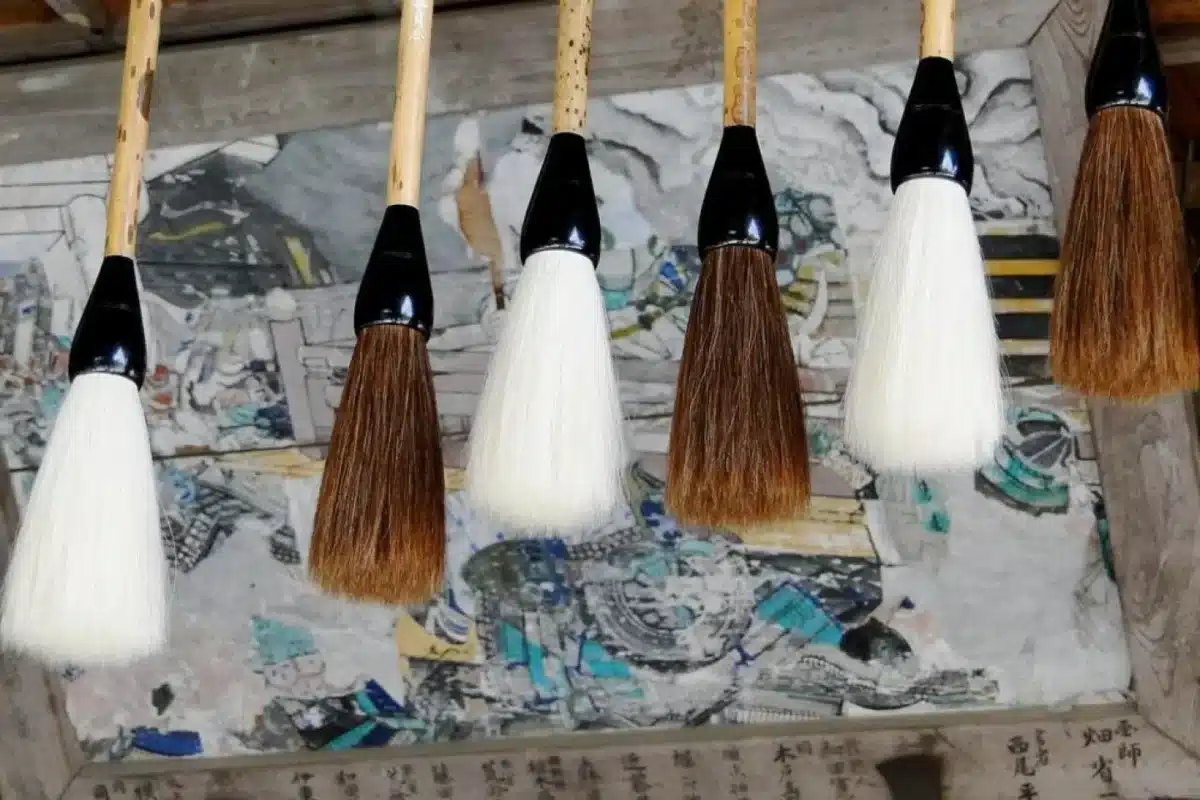
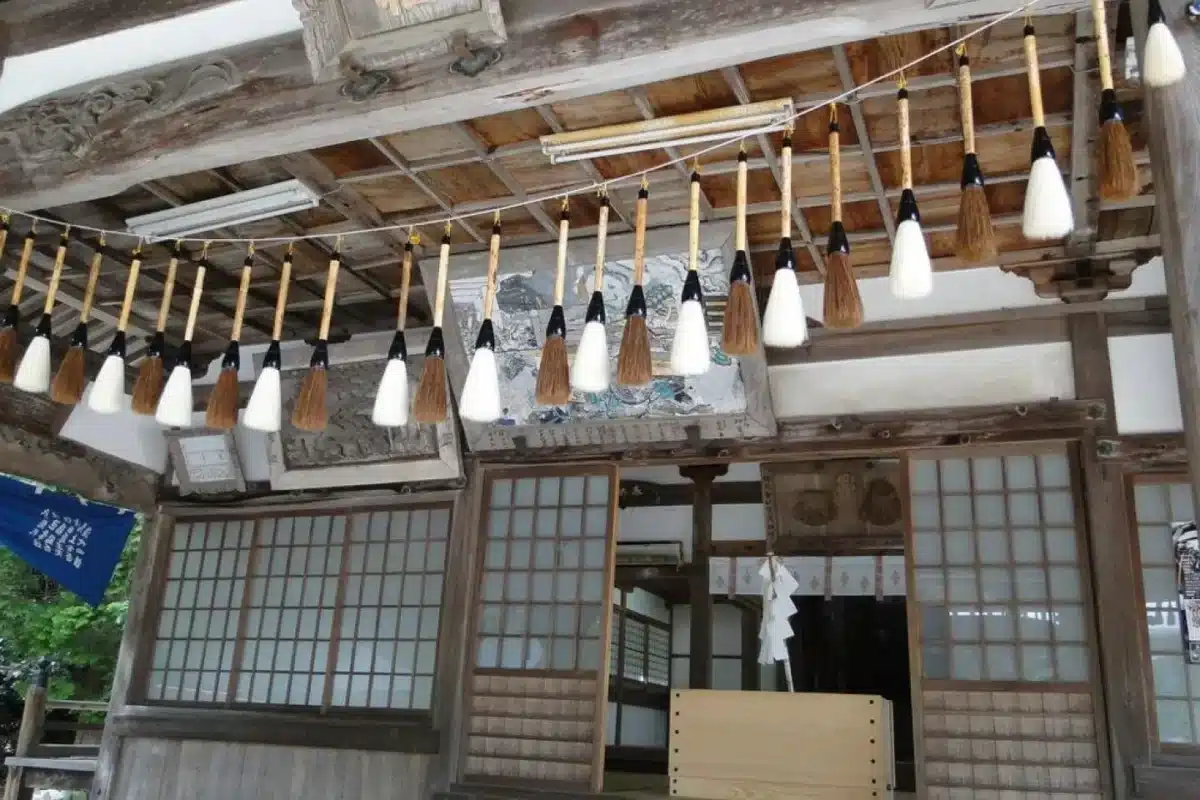
Atmosphere for Everyone: Those interested in calligraphy and the art of brush-making will feel like they are in heaven. That said, even those with only a passing interest in the art of the brush will find more than enough to keep them entertained throughout the day. The town’s 100 or so brush manufacturers set up stalls, streets are lined with hanging brushes, and the entire community participates.
Enjoy Your Event Stress-Free with Japan Travelo
Do you know? Planning events, festivals, concerts, and cultural experiences in Japan can be overwhelming. Japan Travelo brings everything together in one place, helping you manage your itinerary, transport, and accommodation with ease—so you can enjoy Japan without the stress of planning.
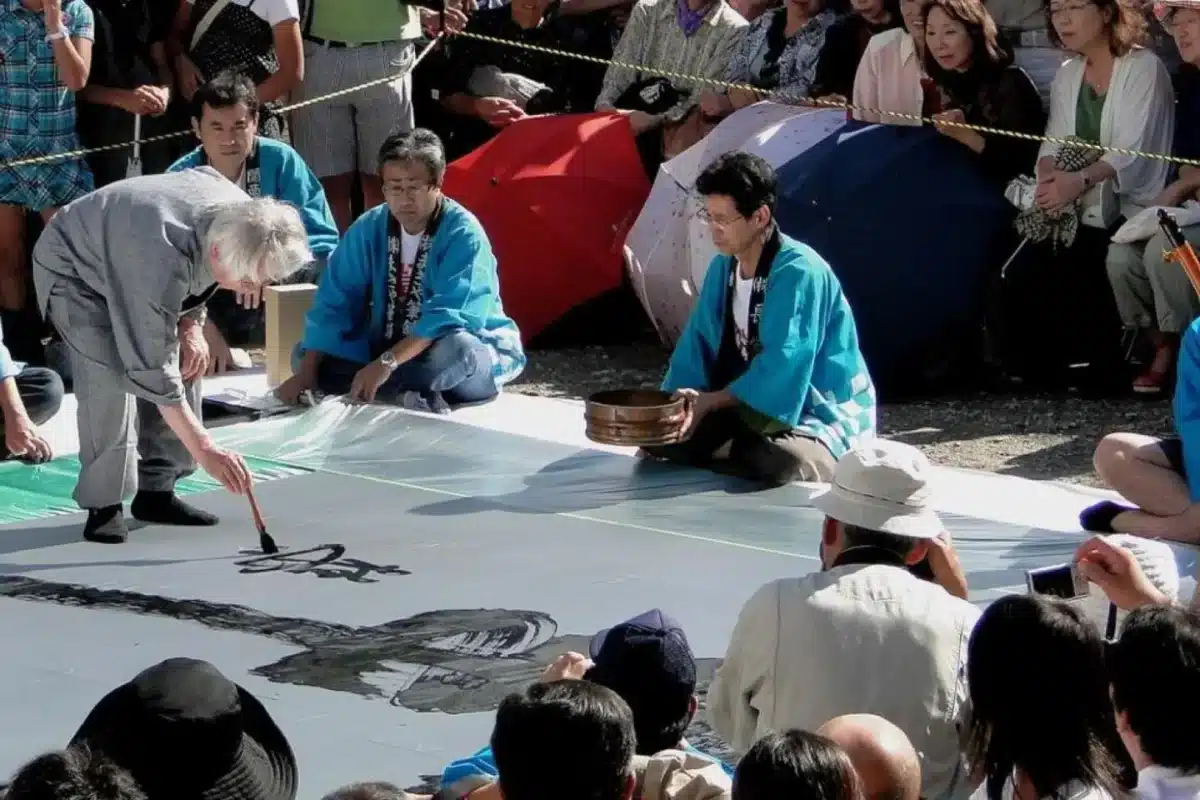
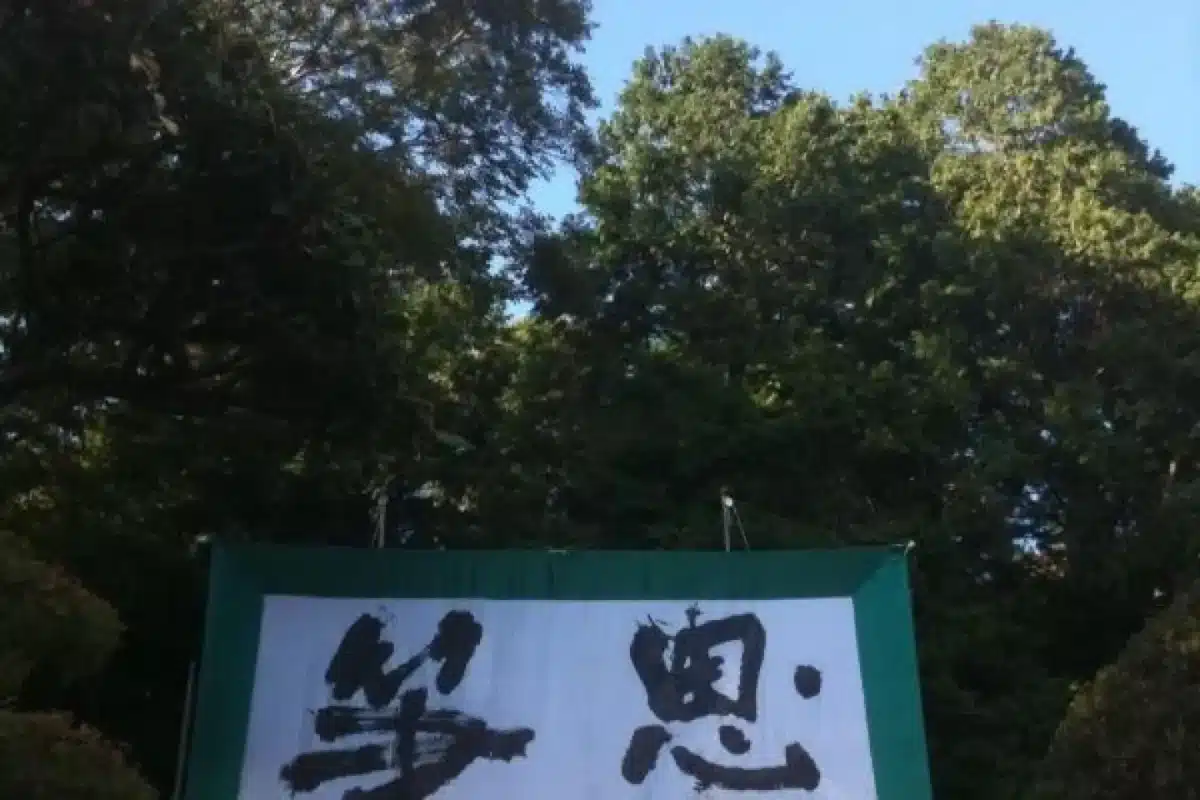
Signature Rituals: The festival starts with a calligraphy performance – written on a huge canvas with a giant brush. A famous calligraphy master gracefully manipulates the brush, smearing ink across the canvas to create meaningful expressions. These masterpieces are quite stunning, and when completed are erected nearby for all to admire. One of the highlights is the dragging of a huge higanbune ship, festooned with decorations, by burly local men in traditional garb up a steep hill into the forecourt of Sakakiyama Shrine. Here the ship is spun vigorously around and around. Locals then crowd around to try to catch lucky mochi rice cakes thrown from the ship.
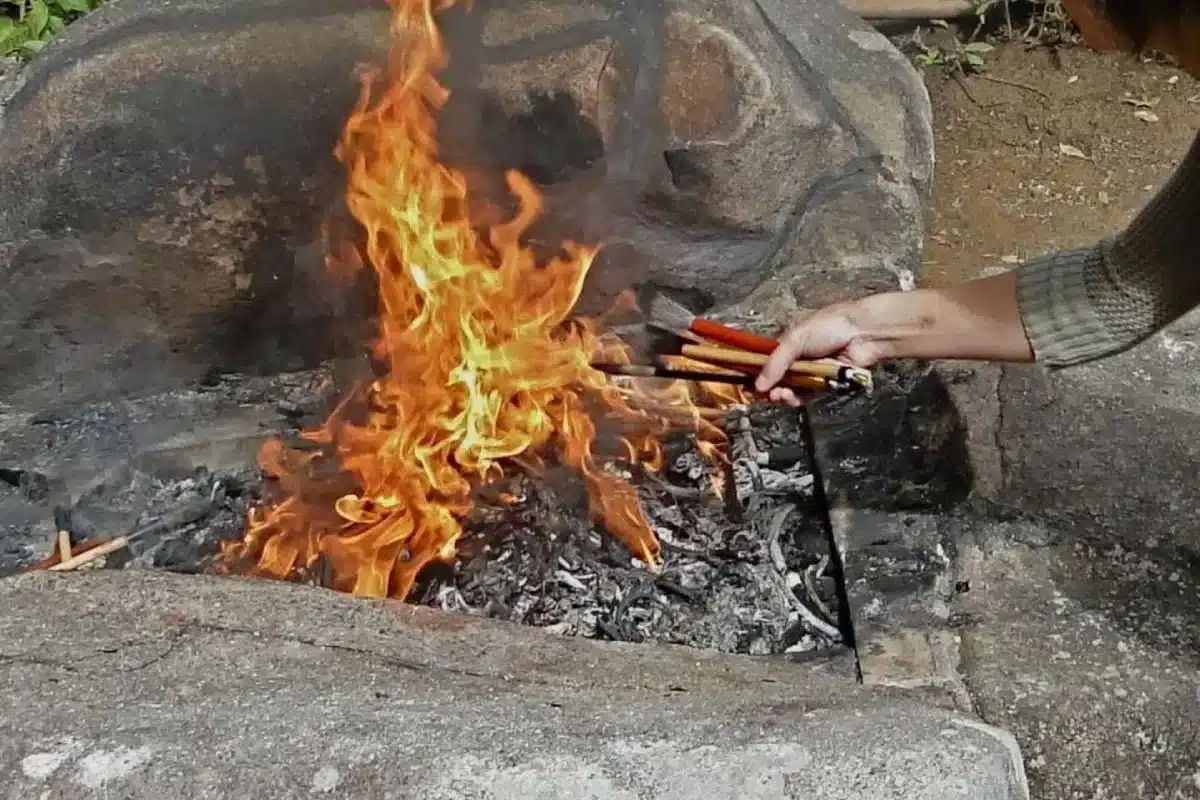
Community Spirit: A charming traditional dance performance by women in hapi-coats holding the famous brushes follows. There are also many food and game stalls in this area around the shrine, as well as a flea market around the back. Back down below, there are performances throughout the day. When things start to wind down taiko drums and other instruments are left out and children are welcome to bang away. You will also see a fire where the ritual burning of used brushes takes place. It is believed that brushes should be burnt each year, and new ones bought to bring the user good luck. Many people bring brushes to dispose of here, but there are also lots of old brushes supplied, so even the casual bystander can take part in the ritual.
Interactive Culture: In a nearby school, there are calligraphy lessons and areas for festival goers to try their hand at the different brush arts. You can also purchase calligraphy art creations or ask get one custom-made. Beyond here is yet another arena, in the schoolyard, where there are lots of food and drink stalls, as well as a stage on which community groups perform one after the other.
Event dates
Festival Dates: Late September 2027 (Dates TBD)
Detailed Timing: Every year on the day of the Autumn Equinox, usually September 22nd or 23rd, the usually quiet town of Kumano, located to the east of Hiroshima city, pays thanks to the product that has put it on the map – the fude (brush). For 2027, the official date is pending confirmation by Kumano Town and Sakakiyama Shrine. The program traditionally runs from 10:00 to 16:30. Check the official Fude Matsuri website at www.fudematsuri.jp for the final announcement closer to the festival.
Duration: The core celebration is a single full-day event. Some brush makers hold open-studio previews in the surrounding days.
Visiting this event? Don’t miss out on these amazing activities and local experiences while you’re here.
Venue & exhibition site
Main Location: Sakakiyama Shrine and its surrounding precincts, Kumano, Aki-gun, Hiroshima Prefecture, address: 5 Chome-1-13 Nakamizo, Kumano, Aki District, Hiroshima 731-4214.
Culture Zone: Around Sakakiyama Shrine. This is the sacred heart where the brush memorial mound Fude-zuka, the ritual burning fire, giant calligraphy stage, Kagura stage, and brush dance area are located.
Community Zone: Around Kumano Junior High School and Kumano Elementary School grounds. This is the lively lower area with food stalls, community stage, flea market, and workshop classrooms.
Brush Avenue: The approach to the shrine lined with thousands of brushes hanging overhead, and streets where manufacturers like Koyudo, Chikuhodo, Kumanofude Select Shop, Shogetudo, and Sanemoriseijitsudou display their work.
Full exhibition programme
Opening Ceremony: Purification rites at Sakakiyama Shrine followed by speeches from town officials and brush association leaders.
Giant Calligraphy Performances: Kumano High School Calligraphy Club and invited master calligrapher, creating large-scale works on canvas using giant fude brushes. Completed works are erected for public viewing.
Higan-bune Ritual: Hauling and spinning of the decorated ship, with mochi throwing for good fortune.
Brush Dance: Traditional dance by local women in hapi-coats holding Kumano brushes.
Ritual Burning: Continuous cremation of brushes that have reached the end of their working lives, from 10:00 to 16:30, to express gratitude for service and as a memorial to animals that provided hair.
Stage Performances: Community groups, taiko drums, local bands, and Kamiishi Kagura Troupe performances.
Children’s Experience: Calligraphy writing experience and competition.
Featured artists & designers
Master Calligraphers: Invited national-level calligraphy masters, such as past participant Artist Taisho Akahira, plus senior members of the Japan Calligraphy Association.
Student Artists: Hiroshima Prefectural Kumano Senior High School Calligraphy Club, known for dynamic large-brush performances.
Brush Artisans: Master brush makers including Koyudo, Chikuhodo Ltd, Kumanofude, Bunkodo, Shogetudo. Demonstrations of neri-maze and bon-maze hair mixing techniques, rice husk ash cleaning, and linen thread binding – part of the 70+ steps still done by hand.
Kagura Performers: Kamiishi Kagura Troupe from Kita-Hiroshima preserving sacred dance.
Local Community Groups: Dance teams, brass bands, and drum groups from Kumano schools.
Galleries & exhibitors
Historic Makers:
- Koyudo: Premium make-up and art brushes with signature saikoho goat hair
- Chikuhodo: Luxury makeup brushes favored globally
- Bunkodo: Four generations of brush-making heritage
Contemporary Studios:
- Kumanofude Select Shop: Curated selection of 100+ local ateliers
- Shogetudo and Sanemoriseijitsudou: Calligraphy and painting brush specialists
Artisan Market: Japanese washi paper making, Akama Suzuri inkstone sculpturing, sumi ink makers, washi craft, and custom seal engravers.
Direct Sales: All exhibitors offer factory-direct pricing. This is the best day of the year to purchase authentic Kumano fude with certification.
Exhibition halls & sections
Sacred Section – Sakakiyama Shrine Forecourt:
- Fude-zuka Brush Mound monument inscribed A brush dances to the wind of the heart
- Ritual fire pit
- Higan-bune arrival and spinning ground
- Kagura and giant calligraphy stage
Craft Demonstration Section:
- Traditional crafts area around shrine with live making of brushes
- Material display: goat, horse, deer, raccoon dog, weasel hair
Education Section – Kumano Elementary School:
- Calligraphy lesson rooms
- Hands-on brush art trial areas
- Exhibition of custom calligraphy art for sale
Market Section – Kumano Junior High School Grounds:
- Community stage 09:30 to 16:30
- Food stalls
- Flea market behind shrine with antique brushes and ceramics
Talks, workshops & special events
Workshops:
- Children’s Calligraphy Competition: Entry fee 500 JPY, judging from 13:30. Open from 09:30
- Brush Making Mini-Experience: Learn neri-maze hair mixing
- Make-up Brush Masterclass: Hosted by top Kumano makeup brush makers, teaching proper handling for flawless application
- Sumi Ink Painting: Try your hand at ink wash painting
Talks:
- History of Kumano Fude: From Edo-period side trade to modern global brand
- What Makes a Brush a Kumano Fude: Authentic certification and 70-step hand process
- Sustainable Craft: Memorial for animal hair and gratitude ritual explained
Special Events:
- Giant Brush Photo Opportunity: Try lifting a 1.5-meter fude
- Open Atelier Tours: Selected factories open for small guided tours
- Kids Taiko Jam: When formal performances end, drums are left out for children
Ticket types
General Admission: Free. The Kumano Brush Festival has traditionally been free of charge with Tickets: 0 JPY, which converts to 0 USD. No ticket required for shrine, street, and schoolyard areas.
Workshop Tickets:
- Children’s Calligraphy Experience: 500 JPY, approximately 3.50 USD
- Adult Hands-On Calligraphy Lesson: 800 JPY to 1000 JPY, approximately 5.50 USD to 7.00 USD
- Makeup Brush Workshop: 1500 JPY to 3000 JPY, approximately 10.00 USD to 20.00 USD when offered by premium brands
Competition Entry: Children’s calligraphy competition included in workshop fee. Prizes include Kumano brush sets.
Factory Tour Pass: Some ateliers charge a nominal 500 JPY, approximately 3.50 USD, to manage group size.
All prices converted to USD at current approximate rate. Final 2027 prices will be confirmed on official site.
VIP & collector access
Collector Early Access: From 09:00, before official opening, registered collectors can access Brush Avenue for first pick of limited editions. Registration via Kumano Brush Association, typically 2000 JPY, approximately 14.00 USD.
Premium Seating: Reserved tarp seating near giant calligraphy stage and Kagura stage, offered to donors and local sponsors. General public stands but has clear views.
Meet the Master: Private 15-minute consultation with master calligrapher to get custom piece created on site. Booking at school exhibition room, fee varies by artist from 3000 JPY to 10000 JPY, approximately 20.00 USD to 70.00 USD.
Atelier VIP Tour: Behind-the-scenes tour of Koyudo or Chikuhodo workshops including quality inspection process. Limited to 10 persons, fee 5000 JPY, approximately 35.00 USD.
Makeup Brush Collector Set: Annual Fude Matsuri limited set, usually 5 to 7 brushes in paulownia box, price from 15000 JPY to 40000 JPY, approximately 100.00 USD to 275.00 USD.
Event rules
Respect the Sacred: Sakakiyama Shrine is an active Shinto shrine. Bow at torii, do not touch ritual objects, follow staff instructions during higan-bune and burning rituals.
Brush Cremation Etiquette: Only place brushes in designated fire area. Staff will provide old brushes if you do not bring your own. Do not throw plastic or synthetic items into the fire.
Photography: Allowed everywhere except inside workshop classrooms during lessons. No flash during Kagura performances. Giant calligraphy performances may be filmed but do not obstruct designated media areas.
Cleanliness: Carry trash or use sorted bins. Kumano is a small town, please take recyclables to marked stations.
Safety: Higan-bune hauling involves heavy ropes and steep hill. Keep clear of path until ship is stationary and mochi throwing begins. Follow marshals.
Pets: Not permitted in shrine forecourt or school buildings. On leash allowed in street market area.
Smoking: Prohibited in shrine grounds and school zones.
How to get there
Location Context: Kumano is in the hills east of Hiroshima city. No train station directly in town, access is by bus.
From Hiroshima Bus Center: Bus bound for Kumano Hagiwara / Kumano Eigyosho from Bus stand #5, approximately 60 minutes. Most convenient for visitors staying in central Hiroshima.
From JR Kaita Station: Bus bound for Kumano Hagiwara / Kumano Eigyosho, approximately 25 minutes.
From JR Kaitaichi Yano Station: Bus bound for Kumano Eigyosho, approximately 15 minutes.
From JR Kure Station: Bus bound for Kumano Danchi from Bus stand #2, approximately 35 minutes.
By Car: Approximately 30 minutes from Hiroshima city center via Route 33. Expect traffic controls on festival day, follow temporary parking signs.
Public transport & parking
Public Transport: Hiroshima’s network is coordinated. On festival day, extra buses are often added. Get a day pass for Hiroshima buses if combining with city sightseeing. IC cards like ICOCA and PASPY accepted.
Frequency: Buses to Kumano run every 15 to 30 minutes on weekdays, slightly less frequent on festival day due to road congestion, allow extra time.
Parking: No parking at shrine. Temporary festival parking lots are set up at Kumano Town Hall, Kumano High School, and near Kumano Danchi. Free shuttle or 10-minute walk to venue. Cost is typically free, donation box for traffic volunteers appreciated.
Accessibility Buses: Low-floor buses operate on Hiroshima Bus Center to Kumano route.
Taxi: From Kaita Station to venue approximately 2500 JPY, approximately 17.00 USD. Rideshare limited in rural area, book early.
Accommodation areas
Kumano Town: Limited ryokan and guesthouses. Book 6 months ahead. Ideal for walking to festival.
Hiroshima City Center: Best choice for most visitors. Wide range of hotels near Hiroshima Bus Center, from business hotels starting at 8000 JPY, approximately 55.00 USD per night, to luxury. Easy bus access.
Kure City: Coastal city with hotels and access via Kure Line buses. Quieter alternative.
Miyajima / Hatsukaichi Area: If combining festival with Miyajima shrine visit, stay here and travel via JR to Kaita.
Onomichi / Higashi-Hiroshima: For visitors exploring broader Hiroshima prefecture craft route.
Food & refreshments
Community Zone Food Stalls: Open 09:30 to 16:30. Classic festival foods: yakisoba, okonomiyaki Hiroshima style, karaage, takoyaki, yakitori, frankfurters, cotton candy, shaved ice.
Shrine Area Stalls: Mochi, dango, amazake, local sake tasting, bento boxes featuring Kumano produce.
Local Specialties:
- Kumano Okonomiyaki: Shops like Okonomiyaki Kagami near venue
- Hiroshima Oysters: Seasonal fried oyster skewers
- Momiji Manju: Maple leaf cakes from Miyajima vendors who attend
Drinks: Vending machines throughout, plus tea ceremony corner offering matcha whisked with Kumano tea brushes.
Seating: Plenty of seating in schoolyard arena with tables. Bring a picnic sheet for shrine hill.
Accessibility
Terrain: Sakakiyama Shrine is on a hill. Approach includes steep slope where higan-bune is hauled. Main shrine forecourt is gravel and can be uneven. Community zone at junior high school is flat and paved.
Wheelchair Access: Accessible route via side road to shrine, ask volunteers. Viewing area for giant calligraphy is on flat ground. School classrooms have ramps.
Restrooms: Accessible restrooms at Kumano Town Office, junior high school, and temporary accessible units near shrine.
Assistance: Volunteers stationed at both zones. English support limited, translation app recommended.
Sensory: Loud taiko drums and crowd noise at higan-bune ritual. Ear protection available for children at information tent.
Must-see exhibitions
Giant Calligraphy: Do not miss both performances – student energy and master precision are completely different. The completed masterpieces erected nearby are stunning photo subjects.
Fude-zuka Memorial: Stone monument with inscription A brush dances to the wind of the heart, surrounded by offerings of old brushes. Emotional center of the festival.
Brush Cremation Fire: A rare Buddhist-Shinto influenced ritual to honor tools. Even casual bystanders can take part with supplied brushes.
Brush Avenue Installation: Hundreds of brushes hanging along shrine approach, creating unique tunnel of craft.
Factory Showcase: Koyudo and Chikuhodo display of makeup brushes using saikoho, hakutotsuho, and other rare hairs, with explanation of mixing methods neri-maze and bon-maze.
Previous year’s highlights
2024-2025 Edition: Held on the equinox holiday, the 89th edition continued tradition with strong attendance. Schedule included cremation of brushes 10:00 to 16:30, giant calligraphy by Kumano High School Club 11:30 to 12:00 and artist Taisho Akahira 14:00 to 14:30, Kagura performances 10:15 to 11:15 and 12:00 to 14:00, higan-bune arrival at 15:00, and brush dances 15:30 to 15:50. Children’s calligraphy competition had record entries.
Community Impact: Despite only less than 10% of town’s 23,000 population now working in brushes, the festival reaffirmed identity as undisputed brush capital, still producing around 80% of Japan’s calligraphy brushes and 90% of its makeup brushes.
Global Attention: Increased international visitors due to coverage of Kumano makeup brushes in beauty media, with collectors traveling specifically for factory sales.
New Initiatives: Introduction of QR codes linking each brush stall to artisan video profiles, and expanded English guidance.
Official tickets
Official Source: The festival itself is free, no ticket needed. Workshop and tour tickets are sold on-site at each venue information desk. For advance bookings of collector sets and VIP tours, use official Fude Matsuri site www.fudematsuri.jp and Kumano Town Official social channels.
Beware of Resellers: No authorized resellers for free entry. If you see paid tickets online claiming general admission, they are unofficial.
Payment: Most stalls accept cash only. Some major brush makers accept credit card and IC payment. Bring yen cash. ATMs at Kumano Town convenience stores.
Price Guarantee: Official tickets sold at face value in JPY, converted here to USD for reference. Previous edition had general admission 0 JPY, workshop 500 JPY.
Video
Location
FAQ
What makes Kumano brushes different from regular brushes and why is there a whole festival for them?
Kumano brushes are certified authentic only when the brush head is produced in Kumano using traditional techniques that include more than 70 hand steps. The town produces about 80 percent of Japan's calligraphy brushes and 90 percent of makeup brushes, so the craft is both cultural heritage and local economy. The festival, held since 1935, thanks the brushes, honors the animals that provided hair, and lets visitors meet the artisans directly.
Is the Kumano Brush Festival suitable for children and visitors who know nothing about calligraphy?
Absolutely, the festival is designed as a community day out, not a trade show. Children can bang taiko drums left out after performances, try calligraphy lessons, join mochi catching during the ship ritual, and enjoy food stalls and games. Adults with no calligraphy background enjoy the dramatic higan-bune hauling, brush dances, Kagura theatre, and shopping for high-quality makeup brushes directly from makers.
Can I buy authentic Kumano fude at the festival and how do I know it is real?
Yes, buying direct from makers is a major highlight, with about 100 local manufacturers setting up stalls along Brush Avenue and around the shrine. Look for the official Kumano Fude brand mark and certificate cards that state the head was made in Kumano. Premium makers like Koyudo, Chikuhodo, and Bunkodo provide hair type labels and care instructions, and festival prices are often lower than department stores.
How crowded does it get and what time should I arrive to see the key rituals?
The shrine forecourt gets very crowded before the higan-bune arrival and brush dance in the afternoon, while mornings are calmer for workshops. Arrive by 10:00 to see the opening purification and secure a good spot for the first giant calligraphy performance at 11:30. If you want to participate in brush burning, you can do so anytime between 10:00 and 16:30, and community stage shows run all day.
Are there English guides, and what should I bring to make the most of the day?
Official English guidance is limited, but the town provides English maps and volunteer students often help with translation. Bring cash in yen, comfortable walking shoes for the hill to the shrine, a hat and water, and your old brushes if you want to include them in the memorial burning. If you plan to buy brushes, bring a protective case or purchase a paulownia box on site to carry them home safely.

Leave a Reply