
-
April 12, 2027
Event date:
-
April 15, 2027
Event end:
Overview
The Kumano Hongu Shrine Spring Festival event stands as a deeply sacred and historic cultural celebration held annually in the mystical mountains of Wakayama Prefecture, honoring centuries of Japanese Shinto heritage. Situated within the revered precincts of Kumano Hongu Taisha, one of the legendary Three Grand Shrines of Kumano and a cornerstone of the UNESCO World Heritage-listed Kumano Kodo pilgrimage routes, this esteemed festival captivates visitors with timeless spiritual traditions. Attendees are immediately enveloped in an ethereal mountain atmosphere where ancient cedar forests and sacred rivers provide a breathtaking backdrop for centuries-old rituals.
Throughout the duration of the grand gathering, the shrine grounds and the monumental torii gate at Oyunohara transform into a living gallery of traditional Shinto rites, ornate ceremonial processions, and hypnotic mountain ascetic performances. This celebration is deeply connected to the ancient pilgrimage history of the Kii Peninsula, establishing an unbroken tradition that preserves the spiritual roots of the region. As visitors wander through the sacred pathways and witness the vibrant outdoor ceremonies, they experience an authentic cultural journey that highlights the profound spiritual bond between humanity and nature in Japan.
This celebrated destination offers a remarkably rare and welcoming gateway for both domestic travelers and global explorers to witness authentic ancient pageantry far off the beaten tourist path. From observing solemn purification ceremonies at Yunomine Onsen to watching majestic portable shrines carried with great pomp across the valley, the festival vividly captures the enduring soul of historical Kumano. It represents an extraordinary convergence of spirituality, natural splendor, and community artistry, delivering an unforgettable exploration into Japan’s timeless mountain traditions.
Enjoy Your Event Stress-Free with Japan Travelo
Do you know? Planning events, festivals, concerts, and cultural experiences in Japan can be overwhelming. Japan Travelo brings everything together in one place, helping you manage your itinerary, transport, and accommodation with ease—so you can enjoy Japan without the stress of planning.
Event Highlights
- Yunobori Shinto Ritual: A magnificent and sacred pilgrimage ritual where fathers carry their young sons over the Dainichi-goe mountain trail following purification in the hot spring waters.
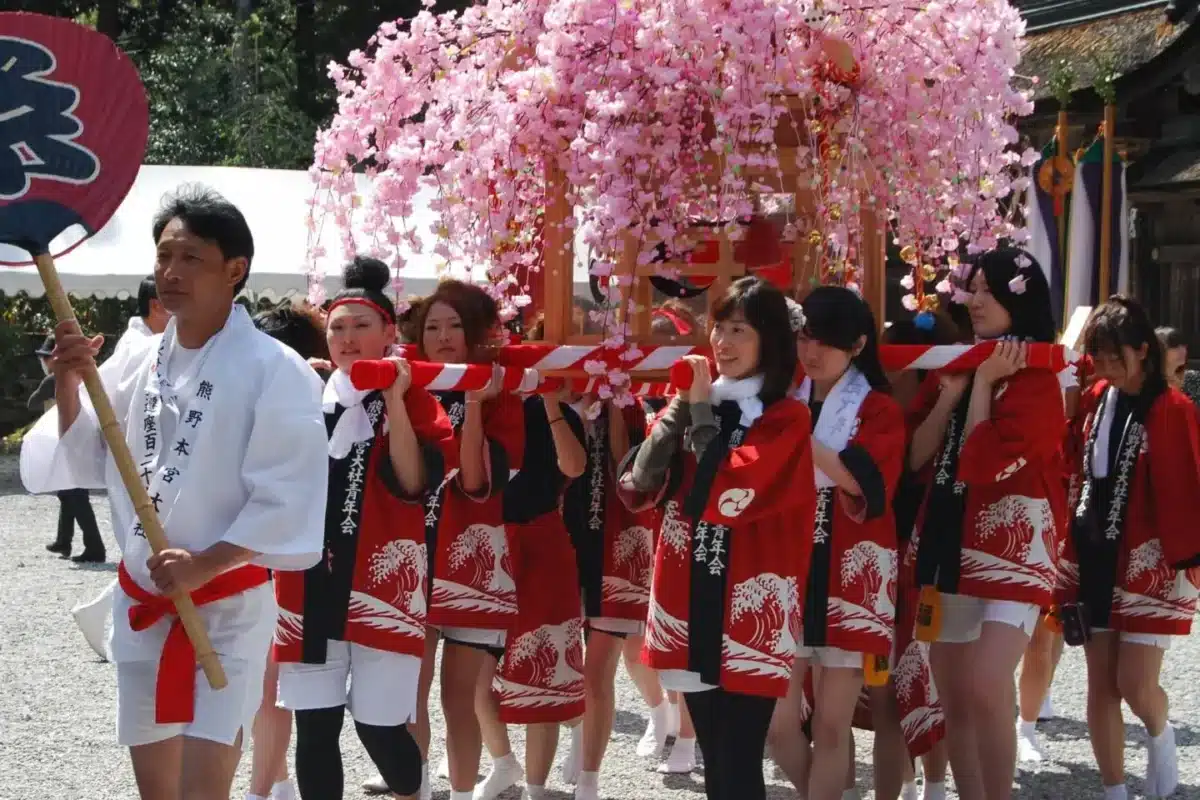
- Portable Shrine Procession: The dramatic main day event where local participants carry the sacred mikoshi shrine through the town, spinning and tossing it to purify the surroundings.
- Shugendo Bonfire Ritual: A mesmerizing fire ceremony performed by Yamabushi mountain ascetics at Oyunohara featuring chanting, sacred flames, and traditional rituals.
- Mochi Rice Cake Scramble: A joyous community celebration where traditional rice cakes are tossed into the gathering crowd to invoke blessings and good fortune.
Why Attend
This remarkable event is ideally suited for devoted culture seekers, spiritual historians, and global travelers eager to experience the genuine, beating heart of traditional mountain pilgrimage culture. Participants gain exclusive access to ancient Shinto and ascetic ceremonies performed within a relaxed, highly authentic community environment rarely replicated in standard urban tourist excursions. Furthermore, the gathering offers an enriching educational encounter, making it an exceptional destination for individuals fascinated by spiritual history, folk traditions, and sacred hiking routes.
Beyond the ceremonial marvels, the festival fosters a profound connection to Kumano’s storied past, empowering guests to explore the breathtaking vistas of the sacred Kii Peninsula while conversing with welcoming local residents. It provides an inspiring opportunity to experience an exquisite fusion of spiritual appreciation, regional tradition, and lively entertainment within one of Japan’s most spiritually vital mountainous regions. Whether you consider yourself an adventurous cultural aficionado or simply a curious voyager, the festival delivers an inviting atmosphere that is simultaneously delightful and intellectually fulfilling.
Date & Duration
- Event Date: April 12th – April 15th 2027
- Event Duration: 9:00 AM to 5:00 PM daily
Visiting this event? Don’t miss out on these amazing activities and local experiences while you’re here.
Ticket Information
- How Tickets Are Sold: No admission tickets or advance reservations are required to enter the festival grounds.
- Admission Type: Free Admission for all domestic and international visitors.
- Ticket Pricing: Free Admission.
- Special Seating Options: Communal viewing zones established near the sacred grounds and ceremonial spaces.
- VIP Options: None available.
Venue / Location
- City and Country: Tanabe, Japan
- Venue Name: Kumano Hongu Taisha
- Google Maps Address: 1110 Hongucho Hongu, Tanabe, Wakayama 647-1731, Japan
Contact Information
- Website: https://en.japantravel.com/wakayama/kumano-hongu-shrine-spring-festival/66566
Accommodation Options:
For visitors organizing an extended mountain getaway, the Hongu and Tanabe regions present a diverse selection of lodging alternatives extending from traditional hot spring ryokans to cozy family-run guesthouses nestled along the river valleys. Securing lodgings within the local vicinity guarantees seamless connectivity to the festival grounds, enabling guests to effortlessly absorb the serene forest panoramas and historic pilgrimage paths at a relaxed pace.
Numerous charming inns positioned throughout the nearby hot spring districts offer soothing mineral baths and stunning vistas overlooking the surrounding verdant peaks while remaining within comfortable reach of the shrine. Residing close to the historical center ensures that participants can comfortably arrive at the festival gates during the morning hours, which is strongly advised for visitors wishing to secure prime viewing spots for the grand processions and engage fully in scheduled cultural activities.
Getting There
- Nearest Airport: Nanki-Shirahama Airport, situated approximately 90 minutes away via regional bus or automobile connection.
- Nearest Train/Metro Station: Shingu Station or Kii-Tanabe Station on the JR Kisei Main Line.
- Bus Routes or Public Transport Options: Board the designated local route bus operated by Ryujin Bus or Kumano Gobo Nankai Bus directly from Kii-Tanabe Station or Shingu Station, disembarking at the Hongu Taisha-mae bus stop.
- Parking Availability: Limited vehicle parking is accessible directly near the venue.
- Directions by Car: Accessible efficiently via well-maintained mountain roadways including Route 311 directing travelers straight into the Hongu district from central Tanabe.
Dining Recommendations
- Breakfast Recommendations:
- Comforting traditional Japanese breakfast sets featuring locally harvested mountain vegetables and fresh rice.
- Warm green tea and nourishing regional dishes served at cozy local guesthouses.
- Steaming bowls of savory noodle soup infused with mountain herbs.
- Lunch Recommendations:
- Delectable regional bento boxes packed with locally gathered specialty ingredients and river fish.
- Freshly prepared festival street food treats available at traditional community stalls.
- Authentic local rice dishes served with savory regional accompaniments.
- Dinner Recommendations:
- Elaborate multi-course traditional hot spring multi-course meals hosted at regional ryokans.
- Savory grilled freshwater fish caught locally in the pristine regional streams.
- Hearty hot pot specialties featuring seasonal mountain vegetables and rich broths.
- Local Specialties to Try:
- Traditional Kumano regional sushi wrapped in fragrant leaves.
- Locally harvested mountain vegetable tempura.
- Sweet and savory regional rice confections.
What is this event?
The Kumano Hongu Shrine Spring Festival is a prestigious annual spiritual celebration hosted within one of Japan’s most revered Shinto sanctuaries. It functions as a magnificent homage to regional deities, the renewal of spring, and the ancient pilgrimage traditions of the Kumano Kodo.
This vibrant gathering anchors itself around sacred rituals, historical mountain processions, and community festivities, where priests and dedicated local residents unite to share their heritage with interested guests. It establishes an authentic, open-air environment that brilliantly highlights the immense spiritual and cultural significance of the Kii Peninsula.
Why is it popular?
The festival achieves widespread acclaim because it provides attendees with the extraordinary and rare opportunity to witness deeply preserved ancient Shinto customs and rare mountain ascetic rites. The thrilling prospect of viewing the dramatic portable shrine processions and the mesmerizing fire rituals draws passionate cultural enthusiasts and global travelers to the mountains each year.
Furthermore, the occasion is celebrated nationwide for its deeply authentic atmosphere and the breathtaking backdrop of sacred cedar groves and ancient pilgrimage sites. Visitors consistently delight in spirited interactions with local residents, the electrifying excitement of the community celebrations, and the fascinating chance to experience traditional mountain hospitality firsthand.
Tips before you go
- Arrive at the shrine grounds during the morning hours to secure the finest viewing vantage points before crowds gather for the main processions.
- Wear supportive, comfortable walking shoes since the sprawling festival footprint covers unpaved shrine pathways and uneven mountain terrain.
- Carry a modest amount of physical currency, as numerous traditional artisans and food vendors operate strictly on a cash-only basis.
- Review local meteorological forecasts beforehand, given that the primary festival activities take place within an open-air mountain environment.
- Prioritize public transit networks or plan your travel early, because vehicle parking stalls near the venue are strictly limited.
Tips for First-Time Visitors
- Dedicate ample time to carefully observe the intricate details of the traditional rituals to fully appreciate the spiritual heritage involved.
- Feel entirely encouraged to converse with friendly venue attendants regarding the history of the pilgrimage, as they possess immense pride in their ancient traditions.
- Ensure you take time to experience the serene ambiance of Oyunohara, the majestic original site of the shrine marked by the towering national flag torii gate.
- Take a leisurely stroll along the surrounding sections of the Kumano Kodo after concluding your festival exploration to admire the tranquil forest scenery.
- Beginners unfamiliar with local customs can quietly observe the sacred ceremonies from respectful distances to appreciate the solemn atmosphere.
- Keep an eager lookout for unique community events and announcements posted around the village during the multi-day celebration.
Attendee Experiences
- Witnessing the sacred procession and the vibrant energy of the portable shrine carrying traditions felt like stepping directly back into ancient Japanese history.
- The overwhelming warmth of the mountain community and the serene beauty of the surrounding sacred forests made the entire shrine visit feel profoundly peaceful and authentic.
- Observing the dedicated mountain ascetics perform their mesmerizing fire rituals granted me an entirely new level of profound respect for traditional Japanese spirituality.
Video
Location
FAQ
What is the historical significance of the Kumano Hongu Shrine Spring Festival?
The annual spring festival serves as the most important religious event at Kumano Hongu Taisha, honoring the guardian deities and celebrating the arrival of spring. Closely tied to the ancient Kumano Kodo pilgrimage network, the festival preserves centuries-old Shinto purification rites and community traditions. Consequently, attending the event offers a rare living connection to the sacred mountain culture of the Kii Peninsula.
Is there an admission fee to enter the festival grounds?
Visitors can enter the Kumano Hongu Taisha shrine grounds and witness the public festival ceremonies completely free of charge. While special viewing areas or certain ceremonial offerings may have specific customs, general admission to the festival grounds and public areas remains entirely open to all guests. This accessible policy welcomes travelers from around the world to partake freely in the seasonal festivities.
Can visitors participate in the walking processions during the festival?
While certain sacred rituals such as the Yunobori Shinto procession are performed by designated participants and families according to strict tradition, visitors are warmly welcomed to observe and follow along respectfully. The main day portable shrine procession welcomes enthusiastic onlookers who gather to witness the vibrant village purification ceremonies. Observers should always follow local signage and guidance from festival organizers.
How can travelers easily reach the shrine using public transportation?
Traveling to the venue from major railway hubs is exceptionally straightforward using regional bus networks connecting to Kii-Tanabe or Shingu stations. Passengers can board direct local buses that navigate scenic mountain routes straight to the shrine entrance. Detailed transit schedules and helpful station staff make navigating the mountain route manageable for international visitors.
Are there family-friendly activities available during the event?
Multi-generational groups will find a welcoming and culturally enriching environment suitable for visitors of all ages. Children and adults alike can marvel at the colorful community processions, vibrant festive food stalls, and traditional celebrations. It provides an inspiring and educational outing that brilliantly showcases the welcoming spirit and deep traditions of the Kumano region.

Leave a Reply