
Overview
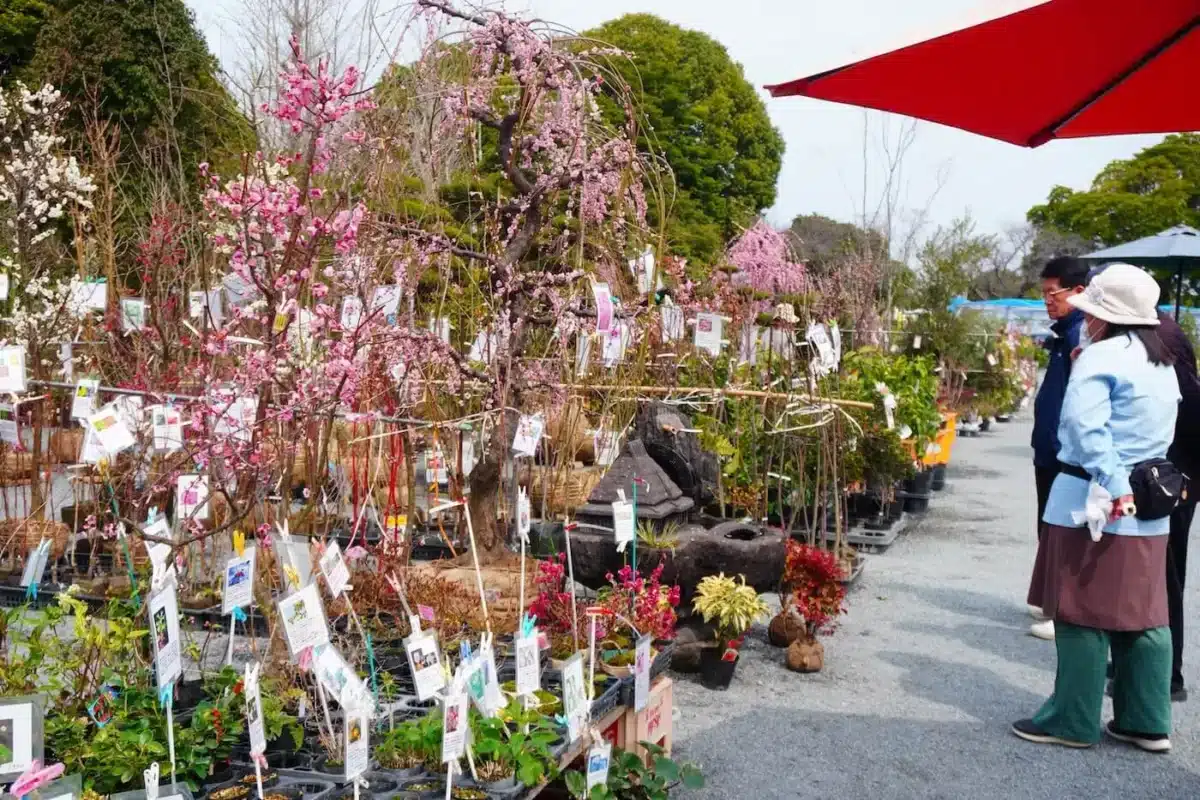
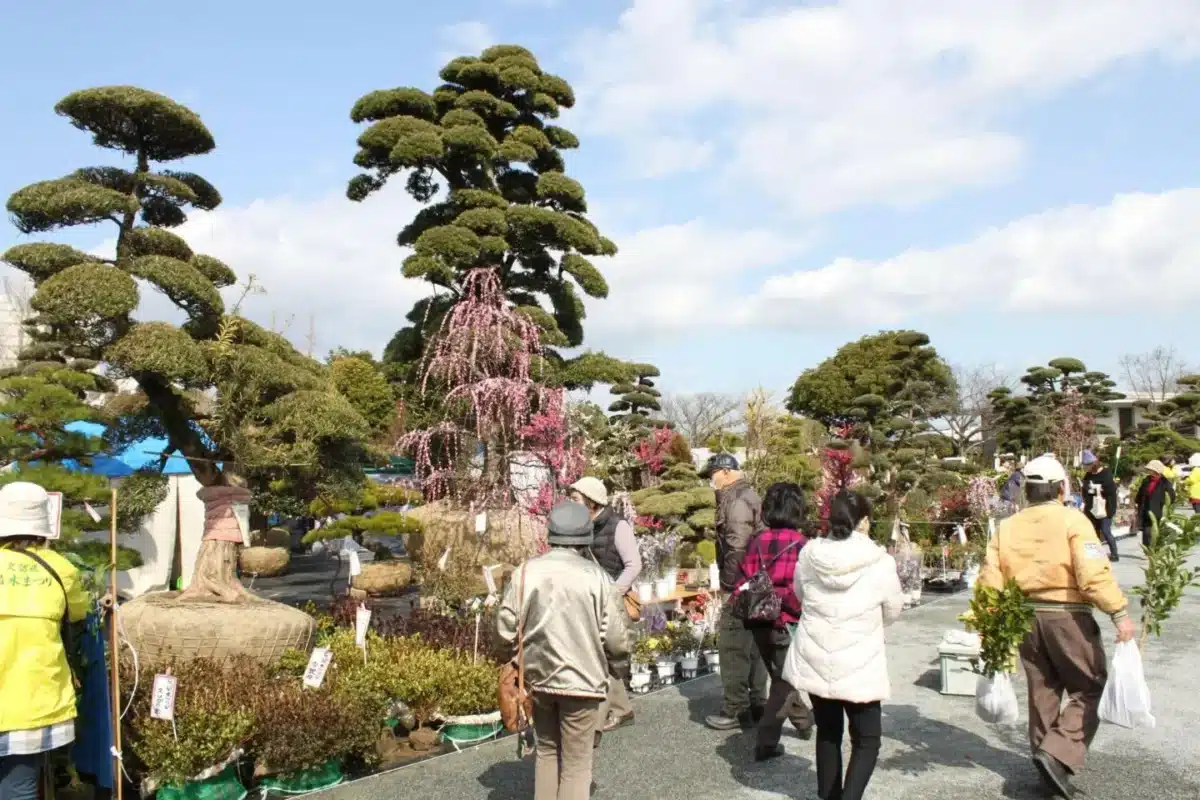
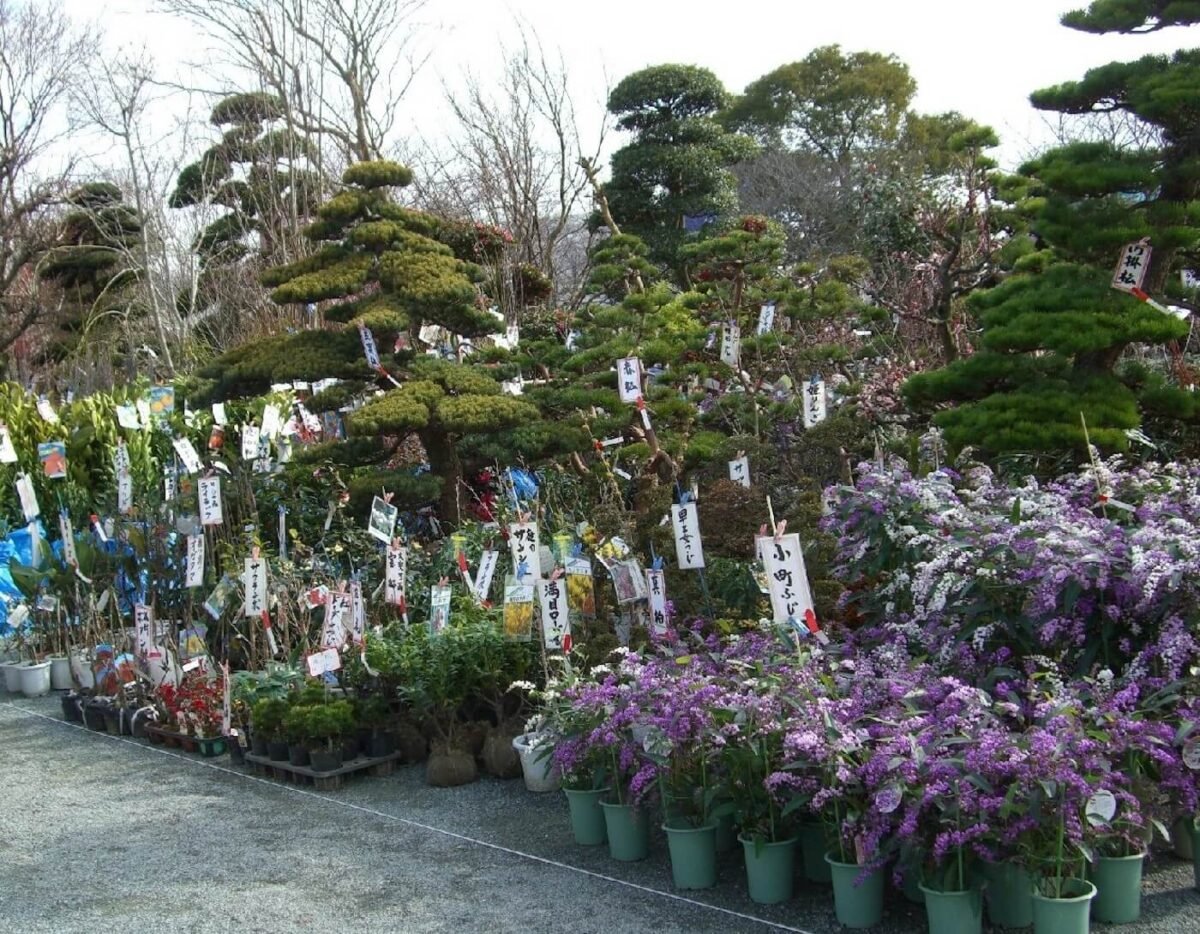
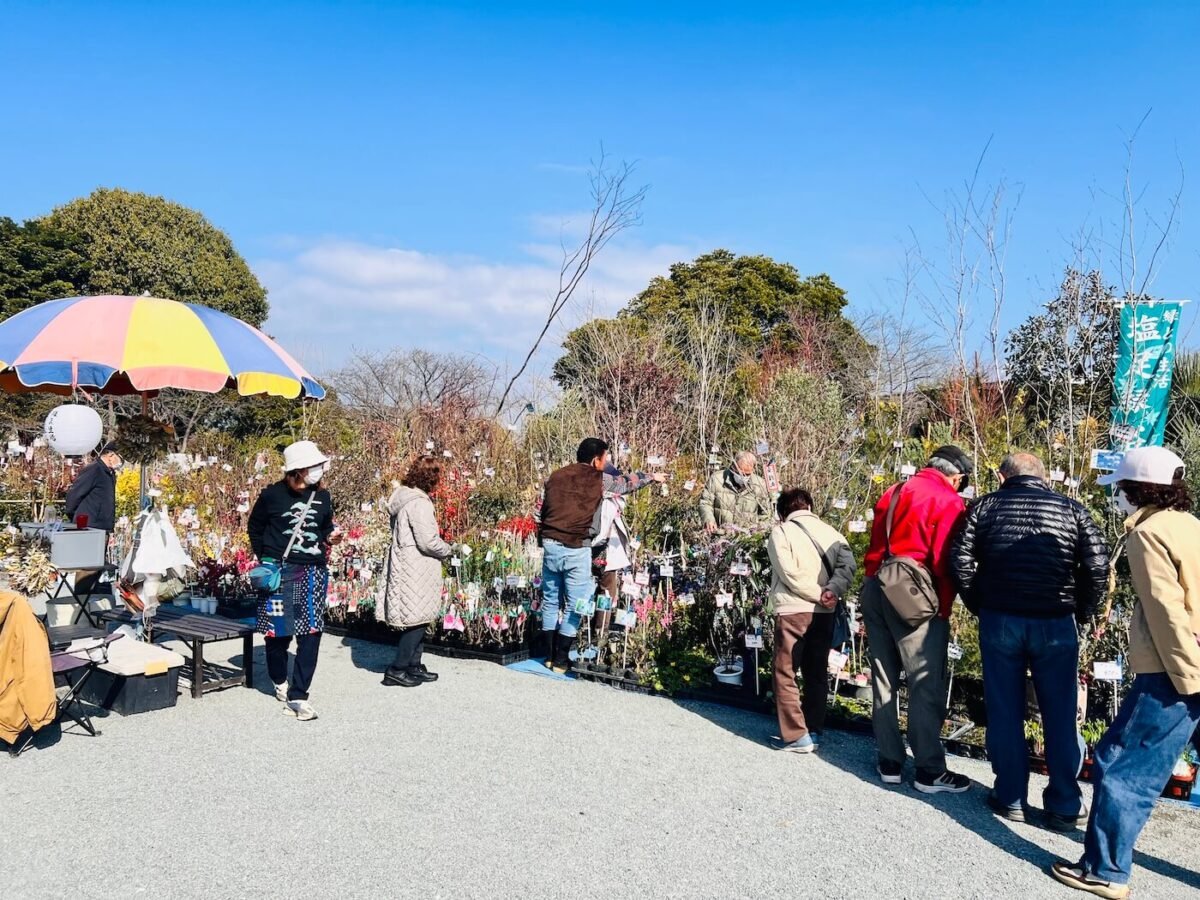
The Kurume Ueki Festival stands as one of Kyushu’s most beloved horticultural celebrations, transforming Kurume Centennial Park into a sprawling open-air marketplace bursting with color, fragrance, and generations of cultivated expertise. Rooted in a horticultural heritage that stretches back over three centuries to the Edo period, this long-running plant fair draws together some of the region’s most respected nurseries, each bringing forward an astonishing collection of roughly one hundred thousand plants spanning nearly a thousand distinct varieties. From the world-famous Kurume azaleas, whose vivid blooms helped put the city on the map, to elegant bonsai specimens, fruit trees, flowering shrubs, and an ever-changing array of seasonal flowers, the festival offers a comprehensive showcase of Japan’s finest plant cultivation traditions.
What sets this event apart is the direct, personal connection it creates between visitors and the growers themselves. Rather than simply browsing finished displays, attendees can speak face-to-face with experienced nursery owners, many of whom represent families that have refined their grafting and breeding techniques across multiple generations. These conversations often turn into informal lessons on plant care, seasonal maintenance, and the subtle artistry behind cultivating a truly exceptional specimen. Hands-on workshops add another layer of engagement, inviting visitors of all skill levels to try their hand at crafts such as kokedama moss-ball arranging, decorative plant swags, and succulent styling, making the festival as much an educational experience as it is a shopping destination.
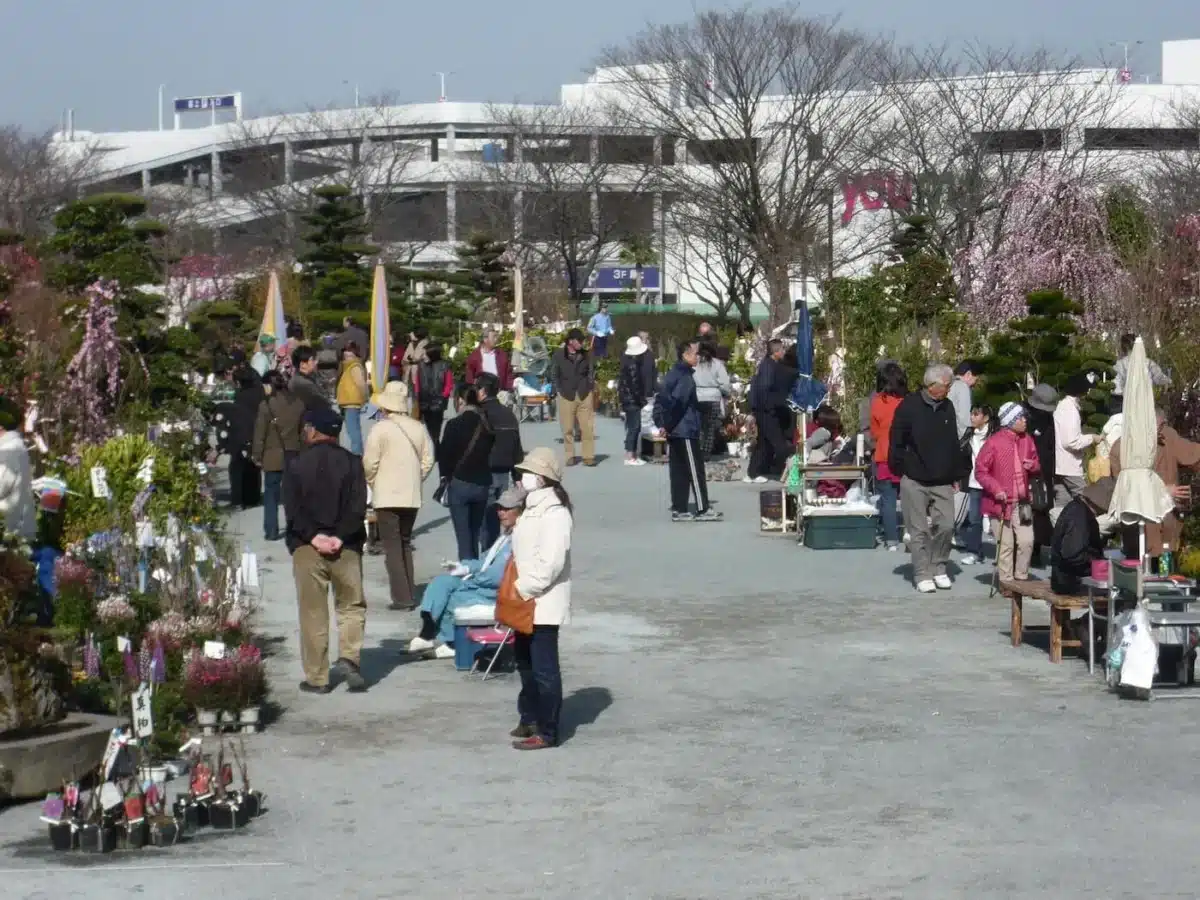
Set within the graceful, expansive grounds of Kurume Centennial Park, with its lush lawns and proximity to the scenic Chikugo River, the festival benefits enormously from its natural surroundings. Cherry blossoms and dense clusters of azaleas frame the event space during their respective seasons, creating a truly immersive backdrop for browsing, learning, and simply enjoying the arrival of spring. Now recognized as Kyushu’s largest plant fair, the Kurume Ueki Festival continues to grow in reputation and scale each year, drawing horticultural enthusiasts, casual garden lovers, and curious travelers alike from across the region and beyond.
Enjoy Your Event Stress-Free with Japan Travelo
Do you know? Planning events, festivals, concerts, and cultural experiences in Japan can be overwhelming. Japan Travelo brings everything together in one place, helping you manage your itinerary, transport, and accommodation with ease—so you can enjoy Japan without the stress of planning.
Event Highlights
- Vast Plant Selection: Around one hundred thousand plants representing nearly one thousand varieties are available, ranging from ornamental garden trees to delicate houseplants and rare specimens.
- Legendary Kurume Azaleas: Visitors can explore the world-renowned Kurume azalea varieties, whose vibrant blooms trace their origins to pioneering local cultivation techniques developed in the 1920s.
- Hands-On Workshops: Beginner-friendly sessions cover crafts such as kokedama moss-ball making, decorative plant swags, and succulent arranging, offering a wonderfully creative and interactive experience.
- Live Plant Auction: A rare and exciting professional plant auction gives visitors an authentic glimpse into the trading practices used by seasoned growers and industry insiders.
Why Attend
The Kurume Ueki Festival is an outstanding destination for gardening enthusiasts, plant collectors, and anyone drawn to the quiet beauty of nature and horticultural craftsmanship. Because the event brings together so many established nurseries in a single expansive setting, visitors gain rare direct access to premium-quality plants sourced straight from the growers themselves, along with the invaluable opportunity to ask questions and receive personalized care advice. Whether searching for a rare bonsai specimen, a flowering shrub for a home garden, or simply hoping to learn more about Japan’s rich plant cultivation heritage, the festival offers something meaningful for visitors at every level of experience.
Attending also means immersing yourself in the natural charm of Kurume Centennial Park, surrounded by seasonal blooms, open lawns, and scenic river views that enhance the overall atmosphere of the event. The inclusion of engaging workshops and a lively plant auction adds an extra layer of entertainment beyond simple browsing, making the festival ideal for families, hobbyist gardeners, and travelers seeking an authentic, culturally rich experience in the Fukuoka region. Its long-standing reputation as one of Kyushu’s premier plant fairs makes it a highly rewarding stop for anyone visiting the area during the spring season.
Date & Duration
- Event Date: Early February to late March 2027
- Event Duration: Several weeks
Visiting this event? Don’t miss out on these amazing activities and local experiences while you’re here.
Ticket Information
- How Tickets Are Sold: No ticket purchase is required for entry; individual plants and workshop sessions are purchased separately at the festival grounds.
- Admission Type: Open general admission is available to all visitors throughout the entire duration of the festival.
- Ticket Pricing: Free Admission
- Special Seating Options: No reserved seating is offered, though open lawn areas and general walking paths accommodate visitors comfortably throughout the event.
- VIP Options: No VIP passes or exclusive experience packages are offered for this event.
Venue / Location
- City and Country: Kurume, Japan
- Venue Name: Kurume Centennial Park
- Google Maps Address: 1-2432-1 Hyakunenkoen, Kurume, Fukuoka 839-0864, Japan
Contact Information
- Website: https://en.japantravel.com/fukuoka/kurume-ueki-festival/70500
Accommodation Options
Travelers attending the Kurume Ueki Festival will find a wide variety of accommodation options throughout Kurume City, ranging from comfortable business hotels near the main train stations to charming, family-run guesthouses tucked into quieter residential neighborhoods. Staying near JR Kurume Station or Nishitetsu Kurume Station offers excellent convenience, with easy access to both the festival grounds and the wider attractions of central Kurume.
For visitors seeking a more relaxed, nature-immersed stay, accommodations near the Chikugo River or closer to Kurume Centennial Park itself provide a quieter alternative, often surrounded by scenic greenery. Those planning a longer visit to the region may also consider staying slightly further afield in nearby Fukuoka City, which offers a broader range of hotels and easy train access back to Kurume for day-trip visits to the festival.
Getting There
- Nearest Airport: Fukuoka Airport, located approximately 25 kilometers from the festival venue.
- Nearest Train/Metro Station: JR Kurume Station and Nishitetsu Kurume Station, both offering onward connections toward the park.
- Bus Routes or Public Transport Options: Local buses run from central Kurume Station toward stops near Kurume Centennial Park.
- Parking Availability: On-site parking areas are available directly within the park grounds for visitors arriving by car.
- Directions by Car: The venue is accessible via the Kyushu Expressway, with local roads connecting directly to the park from central Kurume City.
Dining Recommendations
Breakfast Recommendations:
- Traditional Japanese breakfast cafes near JR Kurume Station
- Cozy coffee shops offering light pastries close to the park entrance
- Local bakeries serving fresh morning bread and rice ball sets
Lunch Recommendations:
- Renowned Kurume ramen shops serving the city’s signature tonkotsu-style broth
- Casual family restaurants near the Nishitetsu Kurume Station area
- Food stalls and vendors set up conveniently within the festival grounds
Dinner Recommendations:
- Lively izakaya restaurants scattered throughout central Kurume
- Yakitori grill houses offering skewers paired with local craft beverages
- Riverside restaurants along the Chikugo River offering scenic evening dining
Local Specialties to Try:
- Kurume-style tonkotsu ramen, famous throughout Japan
- Fresh seasonal fruit, including grapes and figs grown in the surrounding region
- Locally brewed sake from the Chikugo area’s celebrated breweries
What is this event?
The Kurume Ueki Festival is a long-standing horticultural celebration that transforms Kurume Centennial Park into a vibrant marketplace of plants, flowers, and gardening expertise. Rooted in the city’s centuries-old reputation as a premier plant-growing region, the festival brings together leading local nurseries to showcase and sell an enormous variety of specimens.
Beyond simple plant sales, the event includes engaging hands-on workshops and a live auction, giving visitors a genuinely interactive way to connect with Kurume’s rich horticultural traditions. Set against the scenic backdrop of the park’s seasonal blooms, it offers a memorable blend of shopping, learning, and natural beauty.
Why is it popular?
The festival’s enduring popularity stems largely from Kurume’s legendary status as one of Japan’s top plant-cultivation regions, particularly renowned for the development of the celebrated Kurume azalea varieties. Visitors are drawn by the rare opportunity to access premium plants directly from experienced growers at highly competitive value.
Its free admission, engaging workshops, and lively plant auction further enhance its appeal, creating a well-rounded event suitable for serious collectors and casual visitors alike. The scenic park setting, combined with generations of horticultural expertise on display, has helped the festival grow into one of Kyushu’s most cherished springtime traditions.
Tips before you go
- Arrive early on weekends, as the festival tends to draw larger crowds during peak azalea and cherry blossom season.
- Bring cash, as many smaller nursery stalls may not accept card payments for plant purchases.
- Wear comfortable walking shoes, since the festival grounds are extensive and involve considerable walking.
- Bring a sturdy bag or box if planning to purchase plants, to transport them safely afterward.
- Check the schedule in advance if interested in workshops or the live auction, as these often occur on specific dates and times.
Tips for First-Time Visitors
- Plan your visit around the peak azalea blooming period if possible, as this is when Kurume Centennial Park looks its most spectacular and the festival atmosphere feels most vibrant.
- Take time to speak directly with the nursery growers rather than simply browsing, since many are happy to share valuable care tips and personalized recommendations for whichever plants catch your eye.
- If you’re interested in trying a workshop such as kokedama moss-ball making, arrive early, as sessions are beginner-friendly and tend to fill up quickly during busy periods.
- Consider setting aside time to watch the live plant auction, even if you don’t plan to bid, as it offers a fascinating and rarely seen glimpse into professional plant trading practices.
- Pack layers of clothing, since early spring weather in Kurume can shift quickly between cool mornings and warmer afternoons.
- If purchasing larger plants or trees, plan your transportation in advance, as some specimens can be bulky and may require a car or taxi rather than public transit.
Attendee Experiences
- The sheer number of azaleas in bloom was honestly more beautiful than I expected.
- Talking to the growers directly made all the difference, learned so much about plant care.
- Ended up buying way more plants than planned, but the quality was worth it.
Video
Location
FAQ
Is the Kurume Ueki Festival free to attend?
Yes, general admission into the festival grounds is completely free for all visitors throughout its entire multi-week run. Guests only pay for specific plant purchases made directly from individual nursery stalls, along with any optional workshop sessions they choose to join. This approach makes the festival highly accessible, allowing visitors to browse extensively without any pressure tied to an entry fee.
Do I need to register in advance to attend the festival?
No advance registration or ticket purchase is required simply to enter and explore the festival grounds. Visitors can arrive at Kurume Centennial Park at any point during the event's extended run and begin browsing the nursery stalls immediately. However, those interested in specific workshops may want to arrive early, as popular sessions can occasionally reach capacity during busy periods.
What kinds of plants can visitors expect to find at the festival?
The festival features an incredibly diverse selection of roughly one hundred thousand plants representing close to one thousand distinct varieties. This includes the world-famous Kurume azaleas, elegant bonsai specimens, fruit-bearing trees, flowering shrubs, and a rotating assortment of seasonal flowers suited to early spring planting. The sheer range ensures that both experienced gardeners and casual plant lovers can find something suited to their interests.
Are the workshops suitable for complete beginners?
Yes, the hands-on workshops offered throughout the festival, including kokedama moss-ball making, decorative plant swags, and succulent arranging, are specifically designed to welcome participants with little to no prior experience. Experienced instructors guide attendees step by step through each technique, making these sessions an approachable and enjoyable way to learn a new horticultural skill. They are especially popular among families and first-time visitors looking for a hands-on activity.
What is the significance of the live plant auction held during the festival?
The live plant auction offers visitors a rare and genuinely fascinating look into how professional growers and nursery representatives trade high-value plant specimens among themselves. Held on a specific day during the festival, it draws considerable interest from both industry insiders and curious onlookers eager to witness the process firsthand. Even for visitors not planning to participate directly, watching the auction unfold provides valuable insight into the deeper commercial side of Japan's plant cultivation industry.

Leave a Reply