
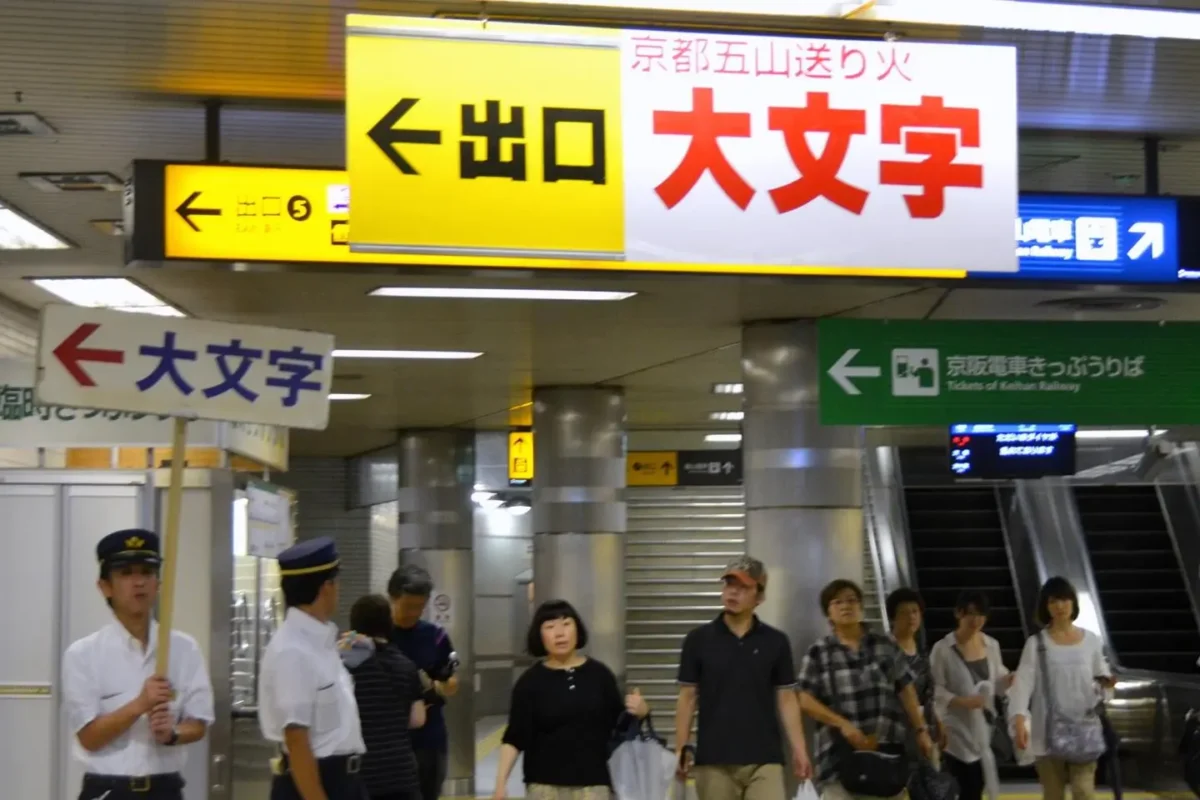
History & Spiritual Meaning of Gozan Okuribi
Believed to date back to the 13th century, Gozan no Okuribi is an annual traditional event that takes place annually to mark the end of the Obon Festival, also known as the Festival of the Ancestors. The event places emphasis on setting giant bonfires on each of the five mountains that surround Kyoto, creating a powerful visual spectacle visible across the entire basin. This centuries-old ceremony has deep roots in Buddhist practices and local folklore, symbolizing a poignant farewell to the spirits of family ancestors who returned to visit their living relatives during the summer season.
The ritual serves as a bridge between the physical and spiritual realms, anchored by the profound belief that the blazing mountain fires light the return path for ancestral spirits back to the spirit world beyond. On each mountain, the fire takes the form of kanji characters or sacred symbols carefully structured to maximize visibility from the urban center below. This solemn duty has been meticulously preserved across generations by dedicated Kyoto communities, preservation associations, and temple keepers who ensure that every traditional step of preparation and lighting is faithfully executed year after year.
Beyond its striking visual impact, the ceremony evokes deep emotional resonance among participants and local residents who gather to pay their respects. As the fires illuminate the summer night sky, viewers reflect on impermanence, gratitude, and familial bonds. The shared experience transforms the city into a cathedral of remembrance, where ancient customs continue to provide comfort, cultural continuity, and spiritual closure for thousands of people gathered beneath the mountains.
Enjoy Your Event Stress-Free with Japan Travelo
Do you know? Planning events, festivals, concerts, and cultural experiences in Japan can be overwhelming. Japan Travelo brings everything together in one place, helping you manage your itinerary, transport, and accommodation with ease—so you can enjoy Japan without the stress of planning.
When & How Long
- Event Date: Mid August 2027 (Dates TBD)
- Event Duration: Approximately one hour on the evening of the event, with individual bonfires burning for about 30 minutes starting sequentially from 8:00 PM.
Visiting this event? Don’t miss out on these amazing activities and local experiences while you’re here.
Best Viewing Spots & Nighttime Kyoto Experience
Finding the ideal vantage point is essential for experiencing the full scope of the Kyoto Gozan Okuribi, as different neighborhoods offer unique perspectives of the five mountain symbols. While some locations provide a panoramic vista encompassing multiple characters, others offer an intimate view of a single blazing slope. The entire city transforms during the event, with streets, bridges, and open squares filling with anticipatory crowds eager to witness the illumination against the darkening summer backdrop.
- Kamo River Banks: Offers expansive open views stretching between Marutamachi and Shijo bridges toward the eastern mountains.
- Imperial Palace Gardens: Provides wide, unobstructed sightlines looking directly toward the primary Daimonji mountain.
- Bridge Overpasses: Popular elevated vantage points like Demachiyanagi Bridge for capturing river reflections and mountain fires.
- Department Store Rooftops: Select commercial buildings open upper-level observation decks for ticketed or public viewing.
- Philosopher’s Path: Atmospheric walking route near the base of Mount Nyoigatake for close-range mountain perspectives.
- Demachiyanagi Intersection: Busy urban node where crowds gather to catch sight of multiple intersecting valley angles.
- Hotel Observation Areas: High-rise accommodations provide comfortable, elevated panoramic perspectives away from dense crowds.
- North-South Avenues: Wide streets running parallel to mountain axes offering clear distant alignments.
Entry & Tickets
- How Tickets Are Sold: General viewing locations are entirely public spaces, streets, and riverbanks, requiring no ticket purchase for roadside observation.
- Admission Type: Free Admission for all standard public viewing areas throughout Kyoto City.
- Ticket Pricing: Free Admission across open public spaces, though specialized charity or rooftop viewing packages organized by private venues may vary.
- Special Seating Options: Open public standing and sitting areas along riverbanks and selected bridges with unrestricted access.
- VIP Options: Limited private hospitality packages or hotel rooftop reservations offered independently by local hospitality providers.
Photography, Visitor Etiquette & Safety Tips
Capturing the beauty of Gozan Okuribi requires careful preparation, as shooting nighttime bonfires from a distance presents unique technical and logistical challenges. Photographers should equip themselves with sturdy tripods, telephoto lenses, and appropriate shutter settings to record the burning symbols clearly against the dark sky without excessive blur. Arriving at viewing locations well before sunset is crucial for securing stable camera positions amidst the large crowds that gather along popular vantage points.
Respectful behavior and strict adherence to safety guidelines are paramount for all attendees participating in this sacred cultural event. Mountain access is strictly restricted to authorized volunteers on the night of the festival due to severe fire hazards and rugged terrain, meaning all spectators must view the fires from designated urban areas. Planning transportation routes in advance and exercising patience during peak crowd dispersal will ensure a smooth, meaningful, and safe experience for everyone involved.
Where It Takes Place
- City and Country: Kyoto, Japan
- Venue Name: Kyoto City’s Mountains and Surrounding Public Viewing Areas
- Google Maps Address: Kyoto City, Kyoto Prefecture, Japan
Obon Tradition & Ancestor Memorial Ceremony
The Gozan Okuribi ceremony is inextricably linked with the broader Obon Festival, a major Japanese Buddhist custom dedicated to honoring the spirits of one’s ancestors. Throughout the Obon period, families clean household altars, welcome returning spirits with offerings, and perform local dances known as Bon Odori. The mountain bonfires act as the final ceremonial send-off, providing clear illumination so that the visiting souls do not lose their way on their journey back to the spiritual realm.
- Spiritual Connection: Directly marks the conclusion of the Obon season by guiding ancestral spirits back to the beyond.
- Ritual Purity: Utilizes consecrated gomagi prayer sticks inscribed with personal wishes and ancestral names.
- Buddhist Foundation: Reflects core tenets of ancestor worship, mindfulness, and the cyclical nature of life.
- Solemn Atmosphere: Encourages quiet contemplation, emotional release, and respectful remembrance over loud festivity.
- Generational Continuity: Passes down traditional grief-processing customs and familial respect to younger generations.
Event Contact
- Website: https://en.japantravel.com/kyoto/gozan-okuribi/14588
The Five Mountain Fires & Their Symbols
The illumination of the five mountain fires unfolds in a precise, counter-clockwise sequence starting promptly at 8:00 PM, creating an awe-inspiring panorama across the night sky of Kyoto. Each glowing emblem holds distinct cultural, historical, and religious significance, transforming the darkened slopes into blazing calligraphy that commands the attention of the entire city. Understanding these individual symbols enriches the viewing experience, turning a simple display of fire into a profound cultural journey through centuries of Japanese tradition.
The preparation of these symbols relies heavily on sacred wooden strips known as gomagi, upon which worshippers write their names, prayers, or personal concerns. These strips are collected from the public in front of several local temples on the day prior to the event, and they are subsequently used to construct the massive bonfires on the mountain slopes. The synchronized lighting schedule creates a mesmerizing rhythm of fire that connects disparate neighborhoods in a unified moment of shared contemplation and ancestral reverence.
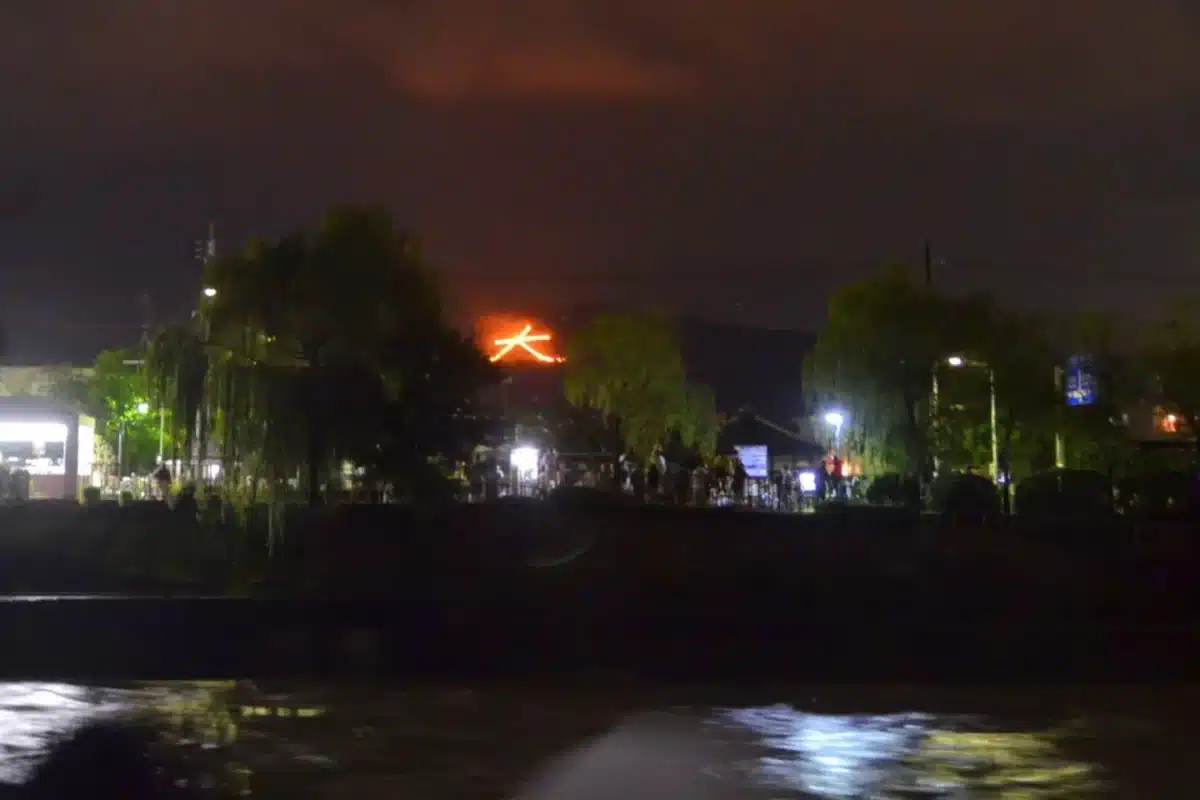
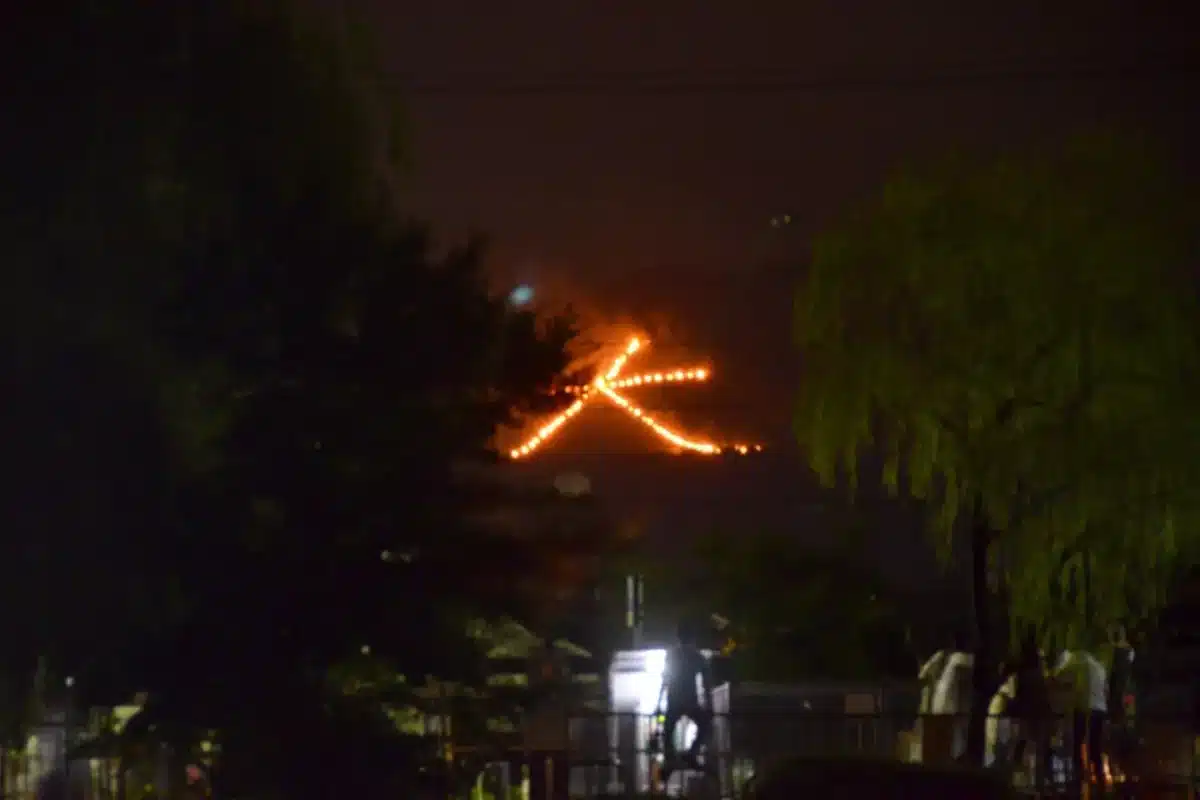
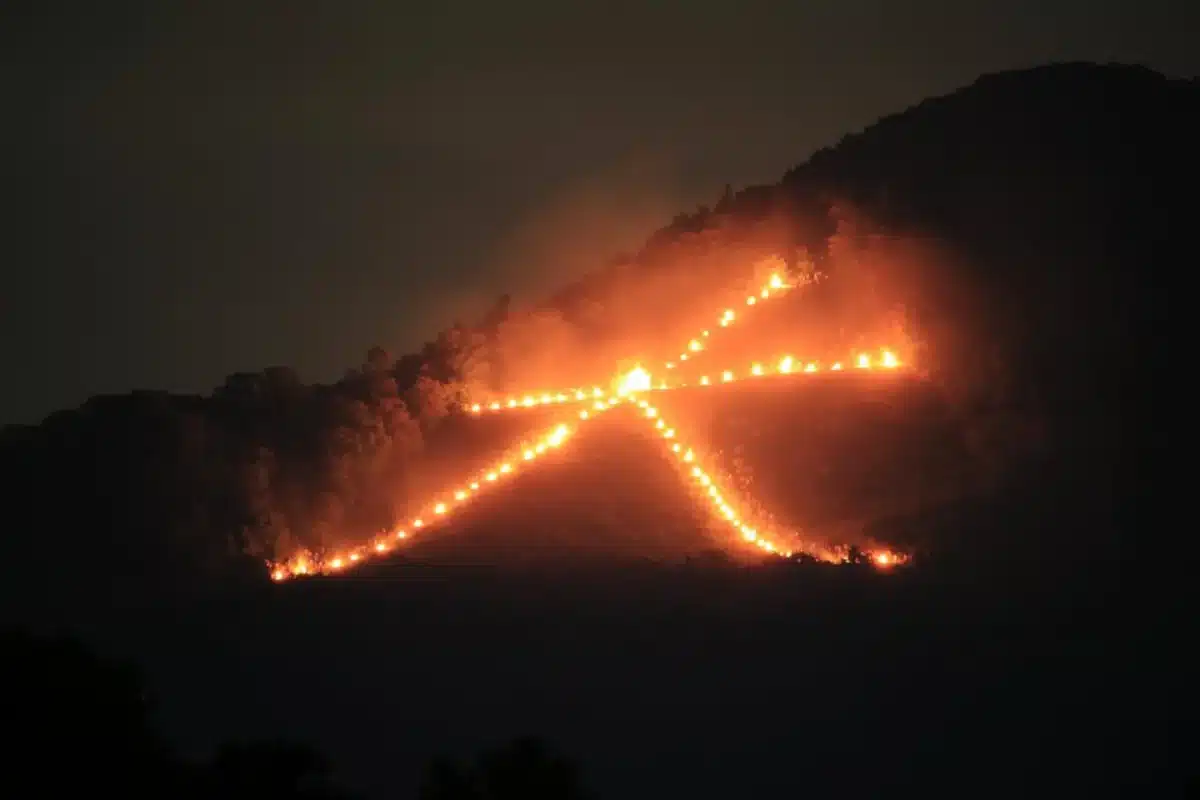
- Daimonji (大): Ignited first at 8:00 PM on Mount Nyoigatake, this iconic character means large or great and serves as the primary focal point of the entire festival.
- Myo-ho (妙法): Lit at 8:05 PM across two separate mountains in Sakyo Ward, these characters represent the mystic law of Buddhist teachings and spiritual awakening.
- Funagata (船形 / ship): Glowing at 8:10 PM on Mount West Funayama, this boat-shaped fire symbolizes the vessel that carries ancestral spirits safely across the cosmic ocean.
- Hidari Daimonji (左大文字): Flaring at 8:15 PM on Mount Hidari-Daimonji, this second large character is positioned to the left and complements the opening fire.
- Toriigata (鳥居形 / shrine gate): The final fire lit at 8:20 PM on Mount Mandarayama, forming a sacred Shinto shrine gate that signifies the boundary between worlds.
Community Participation & Preservation Efforts
The annual execution of Gozan Okuribi relies entirely on the dedication of local preservation societies, neighborhood volunteers, and temple communities who shoulder the heavy burden of preparation. Months before August 16th, volunteers clear brush, transport heavy firewood up steep mountain tracks, and meticulously assemble the complex structures that form each kanji symbol. This labor-intensive process demands physical endurance and unwavering commitment to safeguarding centuries-old heritage against the pressures of modern urban development.
- Volunteer Labor: Local residents and preservation society members carry firewood and construct structures on steep mountain slopes.
- Temple Collaboration: Buddhist temples manage the collection, blessing, and organization of sacred gomagi prayer logs.
- Generational Training: Senior artisans mentor younger community members in traditional lighting and maintenance techniques.
- Environmental Stewardship: Volunteers clear mountain trails and ensure complete cleanup of ash and remnants post-event.
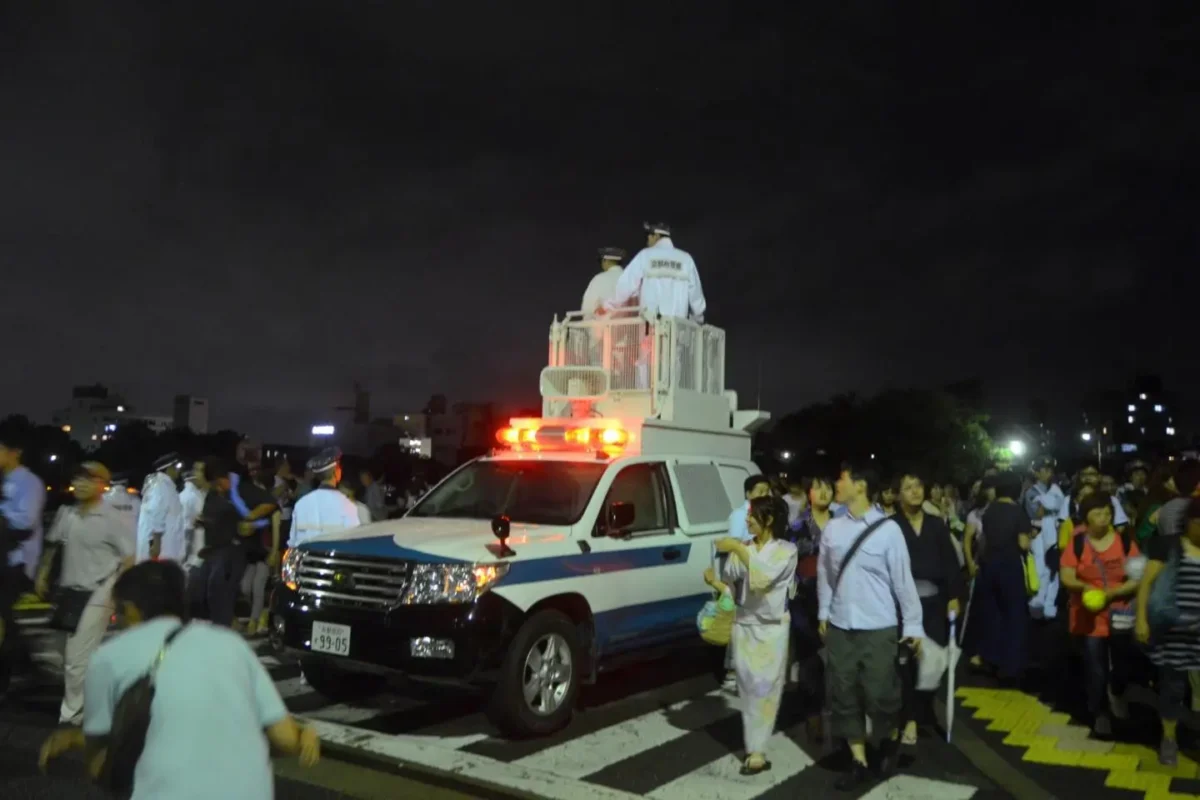
- Municipal Support: City agencies coordinate crowd control, traffic restriction, and safety protocols around viewing zones.
These collaborative preservation efforts foster a strong sense of civic pride and mutual responsibility among Kyoto residents. By actively participating in the physical labor and spiritual preparation required for the event, younger generations internalize the cultural value of ancestor remembrance. This living heritage survives not in glass museum cases, but on the rugged mountainsides and in the collective hearts of the local community.
Video
Location
FAQ
What is the primary spiritual purpose of the Kyoto Gozan Okuribi festival?
The festival serves as a solemn Buddhist memorial ritual marking the conclusion of the Obon season, utilizing massive mountain bonfires to light and guide the returning spirits of deceased ancestors back to the spiritual realm after their temporary visit to the living world.
Are members of the general public allowed to climb the mountain slopes during the event?
No, public access to the mountain slopes is strictly prohibited on the night of the festival due to extreme fire safety hazards, steep terrain, and the need to preserve the sacred sites for authorized community volunteers managing the flames.
How long do the individual mountain bonfires typically burn after being ignited?
Each separate mountain bonfire burns steadily for approximately thirty minutes, glowing brilliantly against the dark summer sky before gradually fading into embers as the sequence concludes across the five designated peaks surrounding the city basin.
What are gomagi and what role do they play in the festival preparation?
Gomagi are sacred cedarwood prayer strips upon which participants write their names, personal wishes, or concerns, which are then collected by local temples and transported up the mountains to serve as the foundational firewood for the ceremonial blazes.
Where are the most effective urban locations in Kyoto to view multiple mountain symbols?
Open public spaces such as the banks of the Kamo River, wide elevated bridges like Demachiyanagi, and designated city plazas offer expansive sightlines that allow spectators to witness several distinct kanji characters and symbols light up sequentially across the horizon.
How does Gozan Okuribi differ culturally from standard modern fireworks celebrations?
Unlike festive fireworks designed purely for vibrant public entertainment and noisy celebration, Gozan Okuribi is approached with deep reverence, quiet reflection, and gentle melancholy as a religious send-off honoring ancestors and processing the emotional weight of parting.
What logistical preparations should first-time visitors make before attending the event?
Visitors should plan their public transportation routes in advance, expect heavy pedestrian congestion around major riverbanks and bridge overpasses, arrive well before sunset to secure viewing positions, and carry portable hydration and waste disposal bags.

Leave a Reply