

-
August 15, 2027
Event date:
-
August 15, 2027
Event end:
Overview
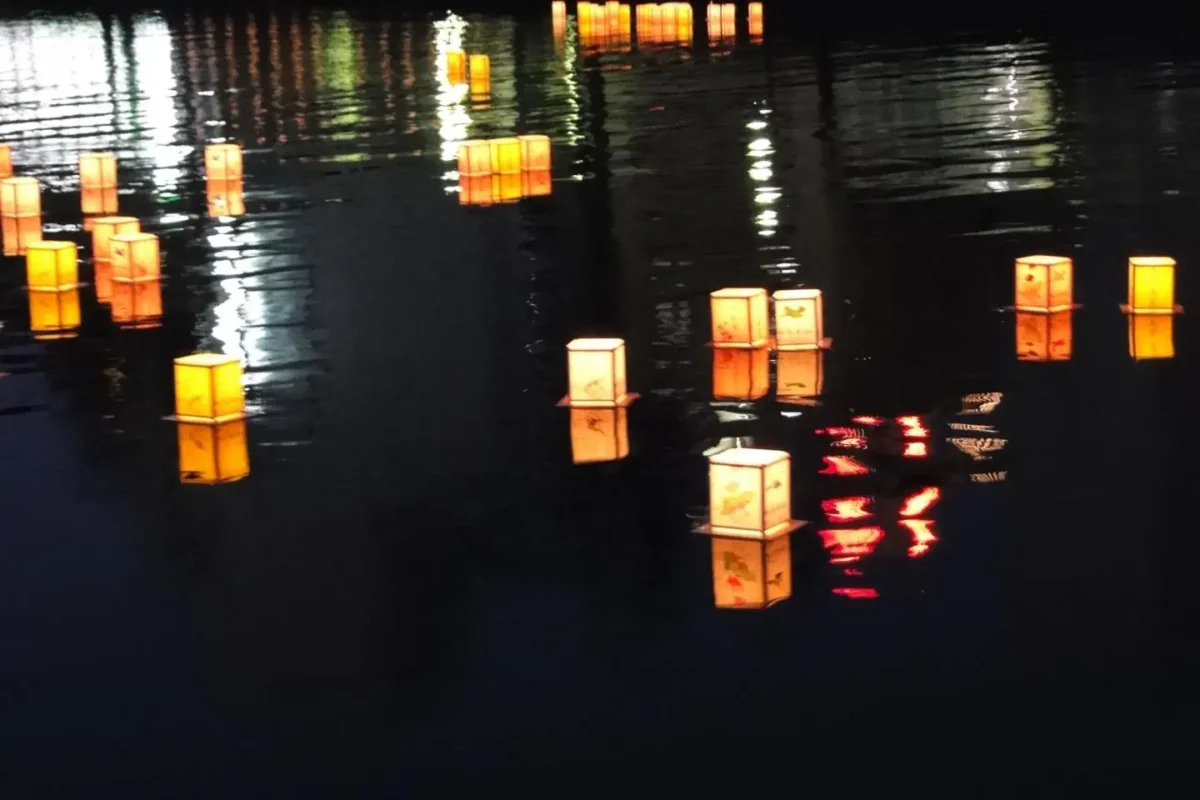
What it is: Mantoro Nagashi in Sasebo, often written as Toro Nagashi or Mantoronagashi, is the deeply moving lantern floating ceremony that marks the close of Obon in Sasebo City, Nagasaki Prefecture. On this evening, hundreds of paper lanterns bearing flames are set adrift on the Sasebo River beside Sasebo Park in the city center, creating a slow river of light that guides ancestral spirits back to the other world.
The atmosphere: Obon in Sasebo is punctuated by the sound of firecrackers and the glow of lanterns that are floated down the Sasebo River on an evening. The lanterns are blessed by priests and passed hand over hand to be placed into the lazy current of the river that runs next to Sasebo Park in the city center. The sight of these vessels weaving their way slowly downstream as they shepherd the souls of the city’s departed spirits back to the afterlife is magical.
Why it is special: While Toro Nagashi is held across Japan, Sasebo’s version is known for its intimacy and community focus. Volunteers line the Albuquerque Bridge and riverbanks, illuminated by the bridge lights, carefully placing each candlelit lantern into the water. Families watch in quiet reflection, wearing light yukata, as the lights drift beneath the bridges toward the harbor.
Enjoy Your Event Stress-Free with Japan Travelo
Do you know? Planning events, festivals, concerts, and cultural experiences in Japan can be overwhelming. Japan Travelo brings everything together in one place, helping you manage your itinerary, transport, and accommodation with ease—so you can enjoy Japan without the stress of planning.
Who it is for: This is a spiritual, family-oriented festival rather than a loud street party. It is ideal for travelers seeking authentic Japanese Buddhist tradition, photographers seeking atmospheric river light, and anyone wishing to participate respectfully in a ceremony of remembrance.
Cultural Significance & Origins
Obon and Okuribon: Obon honors the spirits of ancestors who are believed to return to visit their living relatives. In most of Japan, lights and fires are lit to welcome them home, and at the end of Obon, lanterns are floated to send them back. This sending-off is called Okuribon, and Toro Nagashi is its most poetic form.
Ancient roots: The custom of floating offerings on water dates back to ancient times in Japan, linked to Buddhist beliefs about guiding spirits across water to the pure land. The word toro means lantern and nagashi means flowing, together describing lantern offerings on water to express gratitude, love, and remembrance.
Nagasaki’s Obon culture: Nagasaki Prefecture has some of the most distinctive Obon customs in Japan. While the prefecture is famous for Shoro Nagashi, where elaborate spirit boats are paraded, Sasebo preserves the quieter river tradition of Mantoro Nagashi. It reflects the city’s identity as a port town where rivers meet the sea, a natural pathway for spirits.
Post-war remembrance: Like many Toro Nagashi events, Sasebo’s ceremony gained renewed importance after World War II as a way to console the souls of those lost and to offer communal healing. Today it continues as both a Buddhist rite and a civic moment of collective memory.
Traditions, Rituals & Customs
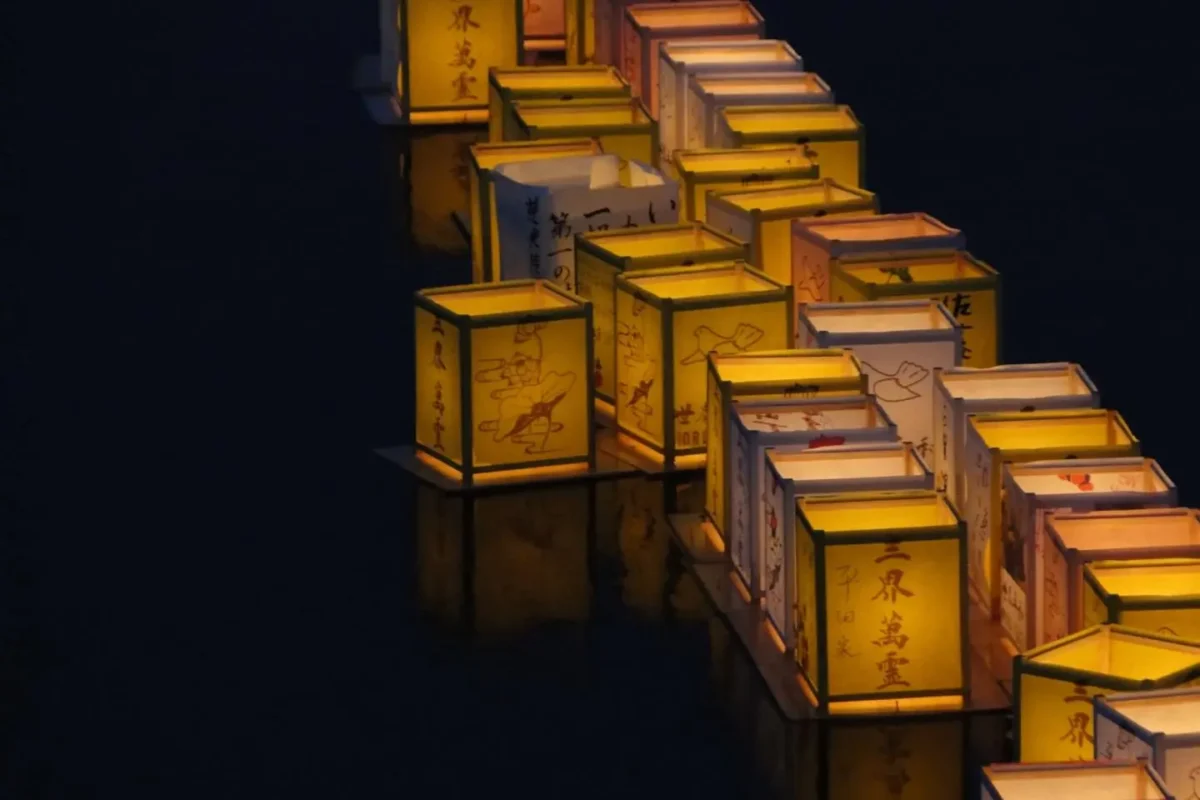
Blessing by priests: Before floating, lanterns are blessed by Buddhist priests. Prayers are chanted, incense is offered, and families inscribe names of departed loved ones, messages of gratitude, or wishes for peace on the paper sides of the lanterns.
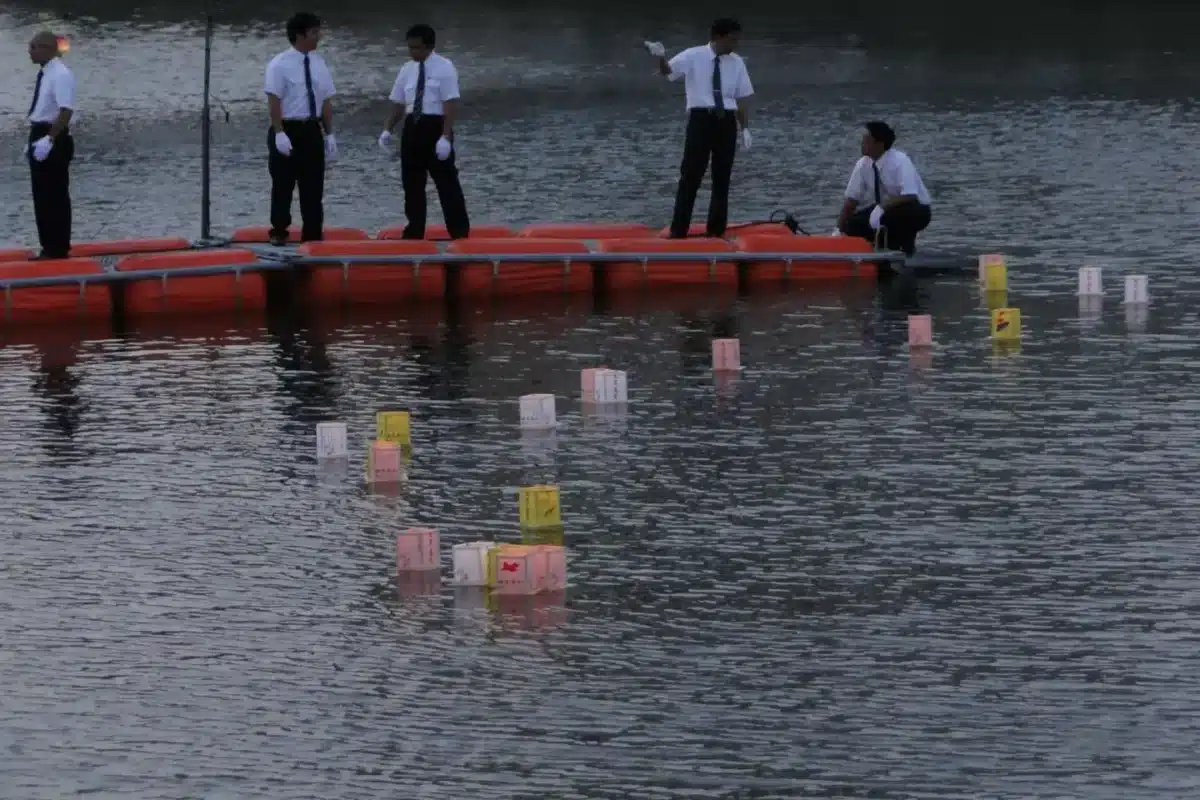
Hand-to-hand passing: A distinctive element in Sasebo is the human chain. Lanterns are passed hand over hand from volunteers on the riverbank down to those at the water’s edge, who gently place them into the current. This act symbolizes community support in guiding spirits.
Yukata and quiet observance: Attendees often wear summer yukata, light cotton kimono. Unlike Bon Odori dance festivals, Mantoro Nagashi is observed in near silence, broken only by soft chanting, the crackle of firecrackers traditional to Nagasaki Obon, and the murmuring of the river.
Release and collection: The lanterns drift slowly downstream under the illuminated bridges. Downriver, volunteers in small boats collect the lanterns to prevent pollution and to respectfully dispose of them after the ceremony, maintaining the river’s cleanliness while preserving the ritual’s dignity.
What to Expect at the Festival
Visual spectacle: Expect a river transformed. As dusk falls, the Sasebo River glows with hundreds of warm lights reflecting on the water surface. The lights move in clusters, sometimes spinning gently, creating patterns that photographers describe as a floating galaxy.
Crowd and seating: Crowds gather along both banks of Sasebo Park and on Albuquerque Bridge. People bring small mats or stand along railings. The atmosphere is calm and respectful, not crowded like a music festival. You can hear children whispering as they watch their family’s lantern float away.
Sounds of Nagasaki Obon: Nagasaki Obon is unique for its use of firecrackers to welcome spirits. You may hear distant pops from nearby cemeteries earlier in the day, a tradition where families light fireworks at graves. By evening, the river ceremony is quieter, focused on water and light.
Food stalls and yukata: Small yatai stalls appear near the park offering simple summer foods and drinks. Many locals stroll in yukata before and after the floating, enjoying the summer evening. It is a local neighborhood festival, not a large commercial event, which adds to its authenticity.
Date & Schedule
Event timing: August 15, 2027
Typical schedule based on previous editions:
Late afternoon: Families gather at Sasebo Park and nearby temple areas for blessings. Priests begin sutra chanting and lantern inscription tables open near the riverbank.
Evening – Lantern preparation: Around sunset, volunteers organize lanterns, check candles, and form human chains along the river. Participants write dedications and offer incense.
Main ceremony – Floating: The official Toro Nagashi begins after dark, usually around 7:00 PM to 8:30 PM, when lanterns are released into the Sasebo River next to Sasebo Park in the city center. The floating continues for approximately 90 minutes as hundreds of lanterns make their way downstream.
Closing: Volunteers collect lanterns downstream, and families disperse quietly. Some continue to nearby shrines for final prayers.
Visiting this event? Don’t miss out on these amazing activities and local experiences while you’re here.
Main Events & Programme
Lantern inscription: Tables are set up near Sasebo Park where visitors can purchase a simple white or colored paper lantern and write a message with a brush pen. Prices from previous years ranged from 3 USD to 5 USD per lantern, with proceeds supporting local temple activities.
Buddhist blessing ceremony: Led by local priests, this short ceremony includes chanting, ringing of bells, and dedication of the lanterns. Visitors may observe or join with hands in prayer.
Human chain floating: The core event where volunteers illuminated by Albuquerque Bridge lights place candlelit lanterns into the Sasebo River. Spectators watch from the park, bridge, and opposite bank as the river fills with light.
Memorial display: Some years include a small display in Sasebo Park explaining Obon traditions, showing different styles of Obon chochin lanterns and offering English explanations of the meaning of Toro Nagashi.
Evening stroll: After floating, many families take a quiet walk along the river to follow their lantern as far as possible before it is collected, a personal moment of farewell.
Traditional Dress, Arts & Crafts
Yukata: The traditional dress for Mantoro Nagashi is summer yukata, light cotton kimono with floral or geometric patterns. Women often wear simple obi and geta sandals, men wear dark indigo or checkered yukata. Wearing yukata is not required but enhances the experience and is common among locals.
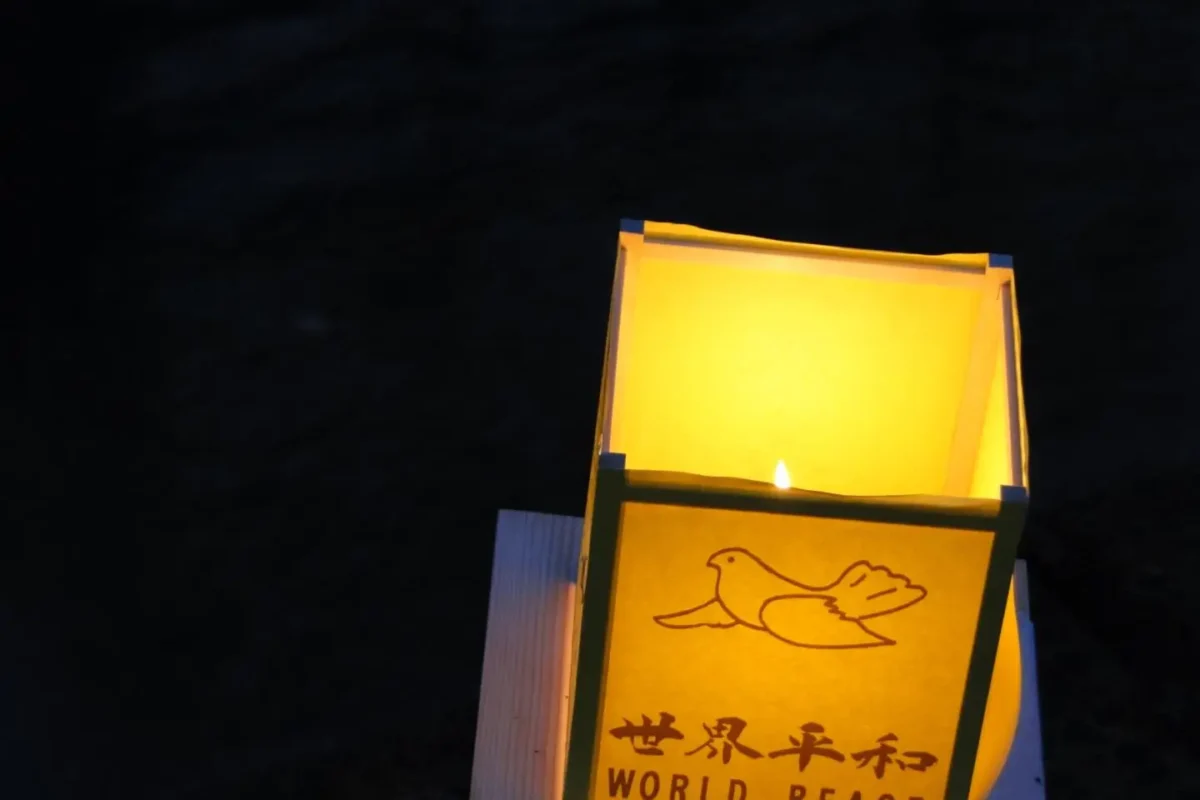
Chochin lantern craft: The lanterns themselves are traditional crafts. Made from washi paper stretched over a bamboo or wire frame, with a small candle holder inside. The Sasebo lanterns are often simple white or soft pastel, allowing the candlelight to glow warmly. Some feature hand-painted motifs or family crests.
Calligraphy: Writing on the lanterns is itself an art. Brush calligraphy with sumi ink is used to write names of ancestors, phrases like Arigatou or Yasuraka ni, and wishes for peace. Volunteers can help translate a short message if needed.
Bridge illumination: Albuquerque Bridge, named for Sasebo’s sister city relationship, is illuminated for the event and serves as both vantage point and artistic frame for the floating lights.
Traditional Food & Local Specialties
Summer festival foods: Near Sasebo Park, small stalls offer classic summer matsuri foods. While Mantoro Nagashi is solemn, food is part of Obon family gatherings earlier in the day.
What to try:
Sasebo Burger: The city’s most famous specialty, a large, made-to-order burger developed from American naval base influence. Juicy patty with local ingredients, typically priced from 6 USD to 10 USD in shops.
Kakigori shaved ice: Essential for humid evenings, flavored with Sasebo lemon or local strawberry, priced around 3 USD to 5 USD.
Yakitori and yakisoba: Grilled skewers and fried noodles served from yatai, easy to eat while standing, priced from 3 USD to 6 USD.
Cold tea and Ramune: Iced Sayama-style tea and marble soda Ramune are popular, around 2 USD to 3 USD.
Location & Festival Areas
City setting: Sasebo is a port city in Nagasaki Prefecture on Kyushu Island, with a population around 240,000. It is known for its naval history, Kujukushima islands, and Huis Ten Bosch theme park.
Main venue: Sasebo River next to Sasebo Park in the city center. The river runs through the urban core, with Sasebo Park providing green space on its bank. Albuquerque Bridge crosses the river at the heart of the viewing area and is illuminated during the ceremony.
Viewing spots:
Sasebo Park riverbank: Primary family viewing area, with grass and pathways close to water level.
Albuquerque Bridge: Elevated view looking downriver as lanterns pass underneath, popular with photographers.
Opposite bank near city center: Less crowded, with direct access to shops and food stalls.
Facilities: The park has public toilets, vending machines, and benches. The area is flat and accessible.
Getting to the Festival
By train: Sasebo Station is the terminus of the JR Sasebo Line from Nagasaki and Haiki. From Nagasaki City, the journey takes about 90 minutes by limited express and costs approximately 15 USD to 20 USD one way based on previous fares. From Hakata Station in Fukuoka, take the Midori and Huis Ten Bosch limited express to Sasebo, about 2 hours, approximately 25 USD to 35 USD.
On foot from station: Sasebo Park and Sasebo River are about a 10 to 15 minute walk from JR Sasebo Station through the central shopping arcade. Follow signs to Sasebo Park or Albuquerque Bridge.
By bus: Local buses from Sasebo Station Bus Center to Sasebo Park stop frequently. Fare is around 2 USD.
By car: Driving is possible but parking near the park is limited on festival evening. Use municipal parking lots near Sasebo Station and walk. Expressway access via Nishi-Kyushu Expressway to Sasebo-Chuo Interchange.
Accessibility: The riverbank paths are paved and accessible for wheelchairs and strollers. Bridge access has steps but also ramp access from park side.
Where to Stay Nearby
Central Sasebo: Business hotels near Sasebo Station such as Sasebo Washington Hotel and Hotel Resol Sasebo offer rates from 50 USD to 90 USD per night based on previous seasons. Walking distance to the river.
Port area: Hotels near Sasebo Port with harbor views range from 70 USD to 120 USD per night, offering quiet after the ceremony.
Huis Ten Bosch area: For resort-style stays, hotels in and around Huis Ten Bosch theme park, about 15 minutes by train, range from 100 USD to 250 USD per night. Good for combining with theme park visit.
Booking tip: Obon is peak domestic travel period in Japan. Hotels fill early. Book at least two to three months in advance. Many visitors stay in Nagasaki City or Fukuoka and make a day trip, as train connections are good.
What Visitors Can Participate In
Purchase and float a lantern: Visitors can buy a lantern at the inscription tables and write a dedication. Volunteers will ensure it is blessed and floated. This is the most meaningful participation and is open to all.
Join the human chain: Volunteers are sometimes needed to help pass lanterns. Ask at the volunteer tent near the park entrance if you wish to help. No Japanese required, as gestures guide the process.
Offer incense and prayer: At the blessing area, you may offer incense and a brief prayer for your ancestors or for peace. Staff will demonstrate proper etiquette.
Wear yukata: Rental shops in Sasebo city offer yukata rental for around 25 USD to 40 USD for the evening, including dressing assistance. Wearing yukata adds to the cultural immersion and is welcomed.
Quiet observation: The most important participation is respectful watching. Silence during floating, no flash photography that disturbs the ceremony, and staying behind barriers near water.
Things to Do Before or After the Festival
Kujukushima Islands: Take a Pearl Sea Resort cruise to see the 208 islands that make up Kujukushima, one of Japan’s most scenic archipelagos. Cruises start around 12 USD per person.
Huis Ten Bosch: Europe-themed theme park near Sasebo with Dutch architecture, seasonal illuminations, and rides. Day tickets from 35 USD to 50 USD based on previous pricing.
Sasebo Naval Port Cruise: A short cruise viewing Japan Maritime Self-Defense Force and US Navy ships in Sasebo Port, departing from near Sasebo Station. Approximately 10 USD to 15 USD.
Tenkaiho Observatory: Hilltop observatory offering panoramic views of Kujukushima Islands, especially beautiful at sunset before the evening ceremony.
Yumihari Park Observation Deck: Night views of Sasebo city and harbor, popular after the festival for reflection.
Local Food & Restaurants
Sasebo Burger street: The area around Sasebo Station and the Ginza shopping arcade has numerous Sasebo Burger shops. Each shop has its own style, from classic American to Japanese-influenced with teriyaki. Recommended shops include Big Man and Sasebo Burger Hon-ten.
Lemon steak: A Nagasaki specialty where thinly sliced beef is grilled with lemon, often served sizzling. Found in yoshoku western-style restaurants near the port, priced 10 USD to 18 USD.
Seafood: Sasebo Port offers fresh seafood, including Kujukushima oysters and local fish. Sushi and izakaya restaurants near the port offer sets from 12 USD to 25 USD.
Cafes and bars: American influence from the naval base means Sasebo has many casual bars and cafes with English menus near the base area. Good for a quiet drink after the ceremony.
Convenience for Obon: Many families gather for Obon meals at home, but restaurants remain open. Reservations recommended during Obon week.
Ticket Information & Access
Admission: The Mantoro Nagashi Festival itself is free to watch. No ticket is required to view from Sasebo Park or Albuquerque Bridge.
Lantern participation: If you wish to float a lantern, a small contribution is requested for materials. Based on previous editions, white lanterns cost around 3 USD to 5 USD, larger or colored lanterns up to 8 USD. Payment at the inscription table.
Access: The venue is public park and riverbank, open access. No restricted seating areas. Arrive at least 60 minutes before floating for best viewing spot on bridge or park bank.
Weather contingency: The ceremony is held rain or shine but may be delayed or canceled in case of typhoon or heavy rain affecting river levels. Check local tourist information center inside JR Sasebo Station for updates.
Transport cost reference: Round trip from Nagasaki to Sasebo approximately 30 USD to 40 USD. Local bus fares around 2 USD. Food stall items 3 USD to 10 USD.
Official Event Information
Event name: Mantoro Nagashi Festival 2027 – Sasebo, Japan
Location: Sasebo River next to Sasebo Park, Sasebo City, Nagasaki Prefecture
Organizer: Sasebo City Tourism Division and local Buddhist temple association
Contact: Sasebo Tourist Information Center inside JR Sasebo Station
Official website text: en.japantravel.com/nagasaki/mantoronagashi-in-sasebo/6083
Access: 10 to 15 minute walk from JR Sasebo Station, Sasebo Line. Bus to Sasebo Park stop.
Facilities: Public toilets in Sasebo Park, volunteer information tent, lantern inscription tables, food yatai near park entrance
Location
FAQ
What is the meaning behind floating lanterns in Sasebo?
Floating lanterns in Sasebo is a form of Toro Nagashi that symbolizes guiding ancestral spirits back to the other world at the end of Obon. Each flame represents a soul being shepherded gently down the river toward the sea. Families inscribe names and messages to express gratitude and to ensure their loved ones find their way safely, making it a deeply personal act of remembrance.
Can foreign visitors participate and float their own lantern?
Yes, visitors are welcome to participate by purchasing a lantern at the tables near Sasebo Park and writing a dedication with help from volunteers. The lantern will be blessed by priests along with all others and then placed into the river by the volunteer chain. It is a respectful and inclusive ceremony that does not require Japanese language or Buddhist affiliation, only quiet respect for the tradition.
Where is the best place to view the lanterns?
The most atmospheric views are from Sasebo Park riverbank at water level where you can see the human chain passing lanterns hand over hand, and from Albuquerque Bridge looking downstream as hundreds of lights drift beneath you. The park side is better for close-up experience and participation, while the bridge offers the iconic photograph of the river filled with glowing lanterns reflecting on the water.
Is it similar to Nagasaki's famous Shoro Nagashi spirit boat festival?
No, although both occur during Obon in Nagasaki Prefecture, they are distinct traditions. Shoro Nagashi features large, elaborate illuminated boats paraded through streets with loud drums and firecrackers to send off spirits. Mantoro Nagashi in Sasebo is quieter and river-focused, with small individual paper lanterns floated on water, emphasizing stillness, reflection, and the gentle flow of the river rather than procession.
What should I wear and bring to the ceremony?
Light, comfortable summer clothing is fine, but wearing a yukata adds to the cultural experience and many locals do so. Bring insect repellent for the riverside evening, a small towel, and cash for lantern purchase and food stalls. Avoid bright flash photography and loud conversation during the floating, as the ceremony is solemn and families are in quiet remembrance of their ancestors.

Leave a Reply