


Main Taiko Performances at Matsumoto Castle
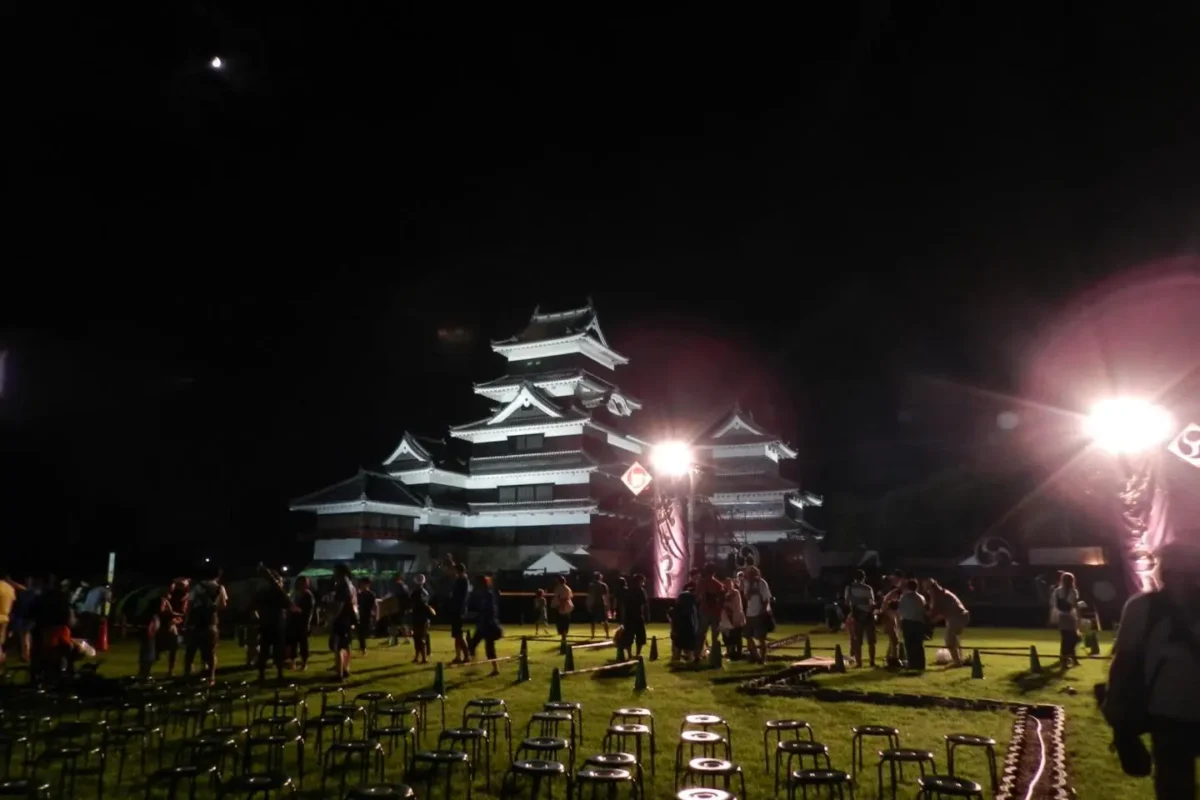
As the afternoon transitions into evening, the festival focal point shifts directly to the magnificent grounds of Matsumoto Castle, where a grand raised stage is constructed in the shadow of the historic keep. Surrounded by ancient moats and white-and-black walls, the main arena comes alive at 5:30 PM with a series of powerful individual group showcases. The performances build progressively in scale and intensity, captivating the gathered spectators who sit mesmerized on the surrounding castle lawn.
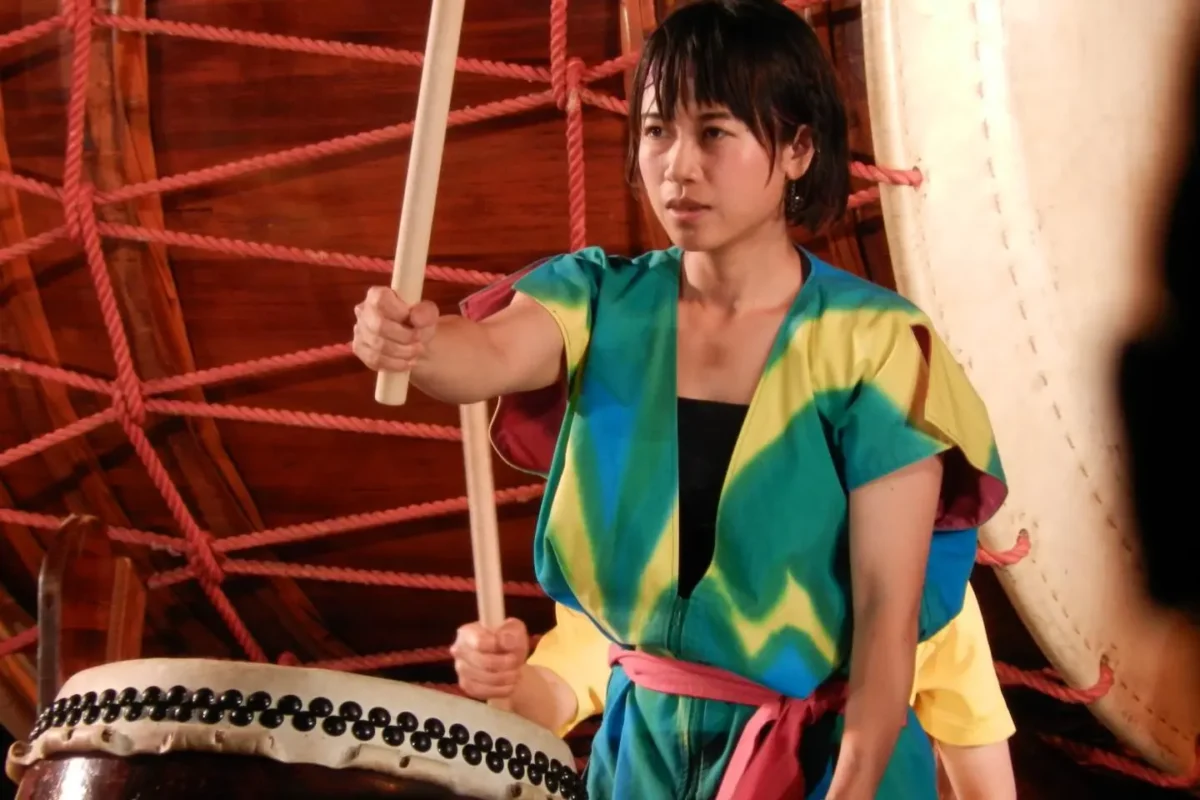
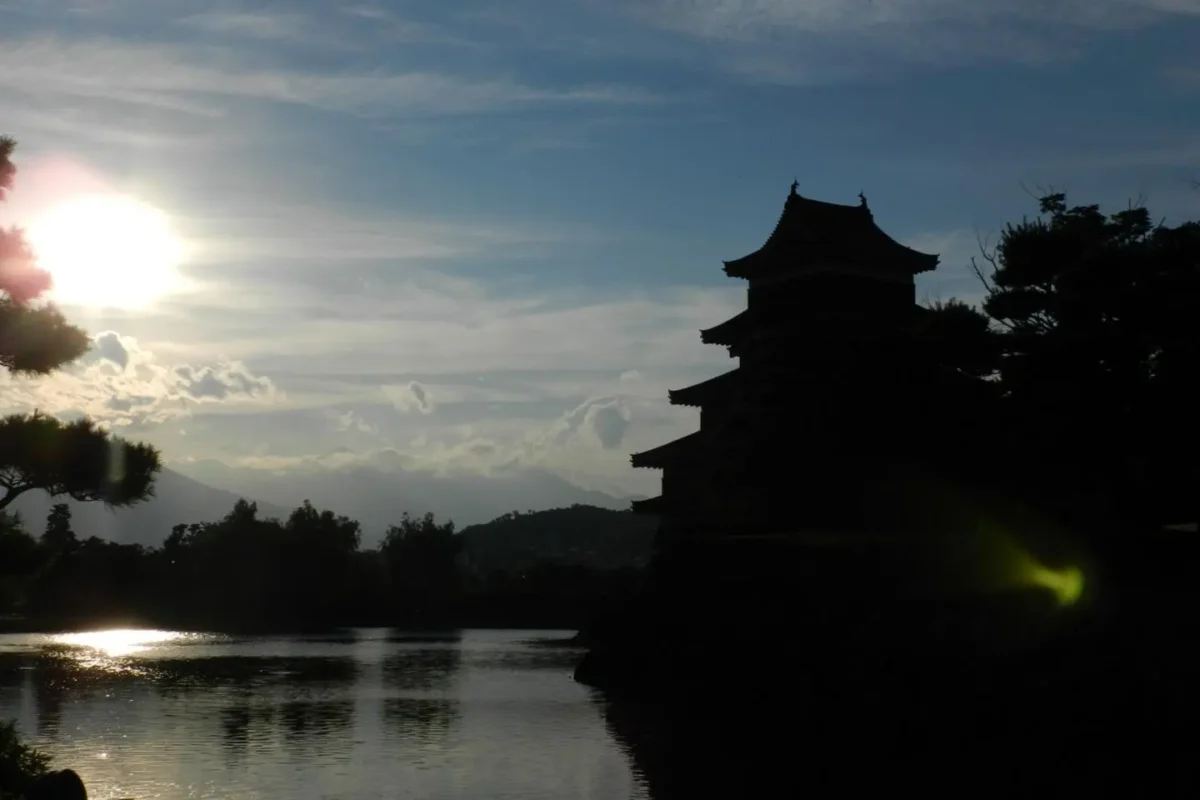
The artistic presentations often incorporate strong theatrical elements, blending thunderous percussion with dramatic choreography, storytelling, and melodic singing. Even the youngest performers, including primary school students, execute complex routines with striking poise, poise, and immense commitment. Against the backdrop of a setting summer sun casting pastel reds and oranges across the sky, the visual synthesis of architecture, nature, and sound creates an unforgettable atmosphere.
This dynamic evening program continues until approximately 9:00 PM, offering a continuous stream of rhythmic mastery that honors the historical weight of Japan’s second oldest extant castle. Spectators experience an immersive sensory journey where the deep resonance of large barrels and stretched cowhide heads reverberates off ancient stone ramparts. The careful curation of the evening ensures a seamless flow from traditional folk numbers to contemporary multi-drum arrangements.
Enjoy Your Event Stress-Free with Japan Travelo
Do you know? Planning events, festivals, concerts, and cultural experiences in Japan can be overwhelming. Japan Travelo brings everything together in one place, helping you manage your itinerary, transport, and accommodation with ease—so you can enjoy Japan without the stress of planning.
- Historic Setting: Performances take place on a specially constructed stage within the iconic Matsumoto Castle complex.
- Evening Schedule: Main events run daily from 5:30 PM until approximately 9:00 PM as daylight fades.
- Progressive Program: Individual groups execute two-to-three-piece sets that escalate in power as the night progresses.
- Theatrical Elements: Acts frequently blend complex drumming patterns with dramatic acting, folk singing, and dance.
- Youth Participation: Young primary-school-aged artists demonstrate exceptional focus and physical stamina on stage.
- Sunset Lighting: Natural evening hues reflect vividly against the contrasting white and black exterior walls of the castle.
- Aural Resonance: The open-air castle courtyard allows heavy bass frequencies to carry cleanly across the grounds.
Regional Taiko Styles & Performance Techniques
The festival serves as a living museum of percussion, highlighting the vast differences in regional taiko styles found throughout the Japanese archipelago. Ensembles from northern snow country exhibit different physical postures and pacing compared to groups hailing from southern island traditions. These variations are rooted in local historical contexts, agricultural festivals, and regional climate adaptations, resulting in a fascinating study of cultural expression through rhythm.
Performance techniques span a wide spectrum, from the refined, minimalist choreography of classical temple drumming to the athletic, high-octane striking methods of modern arena groups. Performers utilize various types of bachi, or wooden sticks, crafted from durable hardwoods like oak or Japanese white birch, wielding them with absolute precision. The physical mechanics involve foot placement, hip rotation, and fluid arm extensions designed to maximize power while minimizing physical fatigue over grueling multi-minute compositions.
Audience members have a rare opportunity to observe how different groups configure their battery of drums, mixing deep-pitched odaiko with smaller, sharp-sounding shime-daiko. This technical juxtaposition creates complex polyrhythms that challenge standard expectations of percussion music. The intricate interplay between heavy low-end pulses and rapid-fire high notes demonstrates the advanced compositional sophistication present in contemporary taiko art.
- Geographic Variations: Ensembles display unique rhythmic structures originating from distinct prefectural and rural traditions.
- Stance Dynamics: Performers alter their physical footing and center of gravity based on regional school teachings.
- Bachi Craftsmanship: Drummers utilize specialized wooden sticks tailored in thickness and weight to specific drum sizes.
- Odaiko Integration: Massive central barrel drums are deployed to anchor the foundational low-frequency soundscape.
- Shime-Daiko Counterpoint: Tightly roped smaller drums provide rapid, crisp rhythmic layers above the heavy bass.
- Physical Mechanics: Artists rely on precise hip alignment and rotational energy rather than raw arm strength alone.
- Polyrhythmic Structures: Complex overlapping beat patterns showcase advanced mastery of timing and group listening.
When & How Long
- Event Date: Late July 2027 (Dates TBD)
- Event Duration: Two days and nights
Visiting this event? Don’t miss out on these amazing activities and local experiences while you’re here.
Grand Finale & Joint Taiko Performance
The climax of each evening arrives with a breathtaking grand finale that brings every single participating group onto the stage simultaneously for a massive joint performance. This collective exhibition of raw power and unbridled energy pushes past all conventional expectations, filling the castle grounds with an overwhelming wall of synchronized sound. Hundreds of hands and drumsticks blur in motion from start to finish as the performers unite in a display of fierce passion and technical rigor.
As the final pieces reach their peak, the artists exhaust themselves completely in a shared wave of physical exertion and euphoric triumph. This communal effort leaves the audience in an equally breathless state of awe, recognizing the monumental physical output required to sustain such intensity. Spontaneous cheers erupt across the lawn as the barrier between individual ensembles dissolves into a single, unified organism of rhythm and spirit.
To cap off this extraordinary evening spectacle, lucky visitors occasionally catch glimpses of seasonal summer fireworks blooming softly in the distant night sky. This celestial addition provides a picturesque punctuation mark to an already magical cultural celebration. The joint finale remains the defining emotional memory of the festival, sealing bonds of friendship among the participating artists from across the nation.
Entry & Tickets
- How Tickets Are Sold: No tickets or reservations are required for entry to the festival events and performances.
- Admission Type: Free Admission
- Ticket Pricing: Free Admission ($0.00 minimum to $0.00 maximum range)
- Special Seating Options: Free-seating areas are available on the lawn approximately 25 meters from the front of the stage.
- VIP Options: Individual outdoor chairs are organized into a gallery section beyond the lawn seating for those who have difficulty sitting on the floor.
Matsumoto Castle Nighttime Atmosphere
- Illuminated Architecture: Floodlights illuminate the ancient wooden keep, creating a striking contrast against the dark night sky.
- Cozy Lawn Seating: Spectators relax comfortably on the grassy courtyard surrounded by centuries-old stone foundations.
- Cool Evening Breezes: Late July nights provide pleasant relief from daytime summer heat in the Nagano mountain basin.
- Acoustic Echoes: Enclosed castle moats bounce crisp drum frequencies back toward the viewing audience.
- Communal Energy: A shared sense of wonder unites diverse crowds of families, elders, and young travelers alike.
- Visual Framing: Traditional curved gates and bridge structures frame the performance area in historic authenticity.
Best Viewing & Photography Opportunities
Capturing the essence of the festival requires strategic positioning around the castle grounds and awareness of changing natural light conditions. Photographers benefit greatly from arriving during the late afternoon slots when golden hour sunlight hits the white-and-black plaster walls of the castle keep. As the sun dips lower, capturing wide-angle shots that incorporate both the raised performance stage and the towering feudal architecture yields stunning visual compositions.
For close-up action photography, securing a spot near the front edge of the lawn areas allows for dynamic framing of drummers in mid-strike, capturing flying sweat and blurred drumsticks. Viewers using smartphones or professional DSLR cameras should utilize high-shutter-speed modes to freeze fast arm movements under stage lighting. Respecting designated seating boundaries ensures that all attendees maintain an unobstructed line of sight while capturing their memories.
Visitor Experience, Tips & What to Bring
Attending the Matsumoto Grand Taiko Festival is an accessible, highly rewarding cultural outing, though proper preparation enhances comfort throughout the long summer evenings. Because seating on the castle lawn relies on open ground spaces, arriving early helps secure a prime viewing spot close to the stage. The event maintains an easygoing, community-centric environment where foreign visitors are welcomed warmly by local staff and enthusiastic residents.
To make the most of the outdoor festival experience, participants should pack light layers to accommodate temperature drops after sunset in the mountainous Nagano region. Bringing a waterproof ground mat or picnic blanket ensures comfortable seating on potentially dewy grass. Staying hydrated and respecting local waste disposal guidelines keeps the historic castle grounds clean and preserves the pristine environment for future generations.
- Arrive Early: Secure ideal lawn seating by showing up well before evening performances commence.
- Picnic Blanket: Bring a comfortable mat or portable sheet for sitting on the castle lawn.
- Light Jacket: Pack a light sweater or windbreaker for cooler mountain evening temperatures.
- Hydration: Carry bottled water to stay refreshed during warm afternoon downtown showcases.
- Camera Gear: Equip cameras with extra batteries and high-speed memory cards for action shots.
- Insect Repellent: Apply bug spray to remain comfortable during outdoor evening seating.
- Cash Yen: Keep physical Japanese yen on hand for local food stalls and festival snacks.
- Trash Bags: Bring small bags to carry out personal trash and maintain park cleanliness.
- Comfortable Footwear: Wear walking shoes suitable for exploring castle gravel paths and streets.
Where It Takes Place
- City and Country: Matsumoto, Nagano Prefecture, Japan
- Venue Name: Matsumoto Castle and designated open-air areas throughout the city
- Google Maps Address: 4-1 Marunouchi, Matsumoto, Nagano 390-0873, Japan
National & Local Taiko Groups
Taiko ensembles travel from various regions across Japan to converge on the historic city of Matsumoto, transforming the urban landscape into a vibrant hub of traditional percussion. These participants range from highly disciplined, professional-level touring teams to passionate community groups composed of multi-generational members, including children, parents, and grandparents. Each troupe brings its own distinct cultural flavor, local rhythm patterns, and artistic interpretations to the stages set up across the city.
The diversity among the participating groups highlights the rich tapestry of Japanese folk traditions, where regional variations in drum construction, striking posture, and vocal exclamations create a multifaceted auditory experience. While some ensembles focus on high-speed synchronized choreography, others emphasize deep, resonant foundational beats that echo traditional festival roots. This cross-pollination of styles allows audiences to witness the broad evolutionary spectrum of taiko performance art in a single weekend.
Despite differences in age, background, or level of formal experience, every single performer approaches the stage with an extraordinary degree of precision, physical grace, and emotional intensity. The local and national groups receive heartfelt applause and words of congratulation from an appreciative audience, establishing a warm reciprocal bond between the artists and the community. This collaborative atmosphere reinforces taiko’s role as a living, breathing expression of Japanese cultural heritage.
- Diverse Origins: Ensembles arrive from numerous prefectures across Japan to showcase unique local drumming styles.
- Multi-Generational Teams: Performers span all ages, featuring dedicated youth squads alongside seasoned veteran masters.
- Community Ensembles: Local grassroots groups share the spotlight with highly drilled national touring professionals.
- Regional Techniques: Each group displays distinct stick-handling methods, body movements, and striking formations.
- Vibrant Costumes: Troupes wear striking traditional garments and festival happi coats unique to their home regions.
- Vocal Exclamations: Performers incorporate traditional shouts and calls to synchronize rhythm and elevate energy levels.
- Shared Passion: Every participant demonstrates deep commitment, discipline, and respect for the art form.
Professional Guest Performances
- Featured Artists: Renowned touring professionals such as the legendary group Kodō take center stage during the evening lineup.
- Crowd Interaction: Professional acts incorporate dynamic showmanship that intentionally breaks boundaries to engage directly with spectators.
- Masterclass Execution: Exceptional technical speed, flawless synchronization, and artistic maturity set guest performances apart.
- Immersive Scale: Touring masters utilize custom-built oversized instruments that project unmatched acoustic volume.
- Theatrical Flourishes: Guest groups integrate advanced lighting, costume changes, and dramatic spatial movement into their sets.
- Inspirational Impact: Professional appearances elevate the overall energy of the festival and inspire participating local student groups.
Downtown Taiko Performances
During the daytime hours, the festival extends far beyond the castle walls into designated open-air public spaces distributed throughout downtown Matsumoto. These urban street venues allow local shoppers, passing tourists, and dedicated fans to experience intimate acoustic presentations up close. Starting from early afternoon, the city streets pulse with vibrant beats, reinforcing Matsumoto’s reputation as a premier destination for music lovers.
The daytime rotation ensures that groups who performed on the main castle stage the previous evening swap locations to play downtown, giving every ensemble a chance to perform in diverse environments. This format creates an interactive street festival atmosphere where merchants, families, and travelers can freely wander from one performance pocket to another. The close proximity to the artists allows viewers to appreciate the sweat, concentration, and intricate handwork involved in every strike.
- Urban Venues: Multiple open-air public plazas across downtown Matsumoto host afternoon performances.
- Afternoon Schedule: City events commence daily starting from 1:30 PM prior to the evening castle shift.
- Rotating Lineups: Ensembles alternate venues daily between the main castle stage and urban areas.
- Close Proximity: Spectators can view technical footwork and facial expressions from only a few feet away.
- Community Integration: Downtown shows blend seamlessly with local shopping districts and neighborhood foot traffic.
- Casual Access: Visitors can drop in freely between sightseeing stops without dealing with crowd gates.
Contact Details
- Email: info@matsumoto-travel.com
- Phone Number: +81 263-34-3000
- Website: https://en.japantravel.com/nagano/matsumoto-grand-taiko-festival/22535
Location
FAQ
Where do the daytime and evening taiko performances take place across the city?
The afternoon sessions unfold in various open-air public plazas scattered throughout downtown Matsumoto to engage shoppers and pedestrians, while evening events center on a grand raised stage constructed directly inside the historic grounds of Matsumoto Castle.
Do visitors need to purchase advance tickets or secure reservations to attend?
All festival performances held both in the urban areas and within the castle courtyard are completely open to the public without requiring any advance booking, registration documents, or monetary payment for entry.
What specific arrangements exist for attendees who struggle with floor seating?
While most spectators settle directly onto the grassy lawn surrounding the castle stage, organizers provide a dedicated gallery section equipped with individual outdoor chairs specifically designated for visitors who experience difficulty sitting on the ground.
How do the participating ensembles alternate their venues between days?
The festival schedule operates on a rotating system where troupes performing on the main castle stage during the first night swap locations to play the open-air downtown spaces on the subsequent day to ensure diverse audience experiences.
What provisions or items should travelers bring to ensure a comfortable evening?
Attendees should pack a portable waterproof ground mat for the grass, a warm jacket or sweater to guard against mountain temperature drops after sunset, and basic personal items like insect repellent and drinking water.

Leave a Reply