
What to expect
Matsushima is a popular travel destination for many all year round, but it is not widely known that Matsushima’s Entsuin has exquisite fall illumination in their Zen Garden.
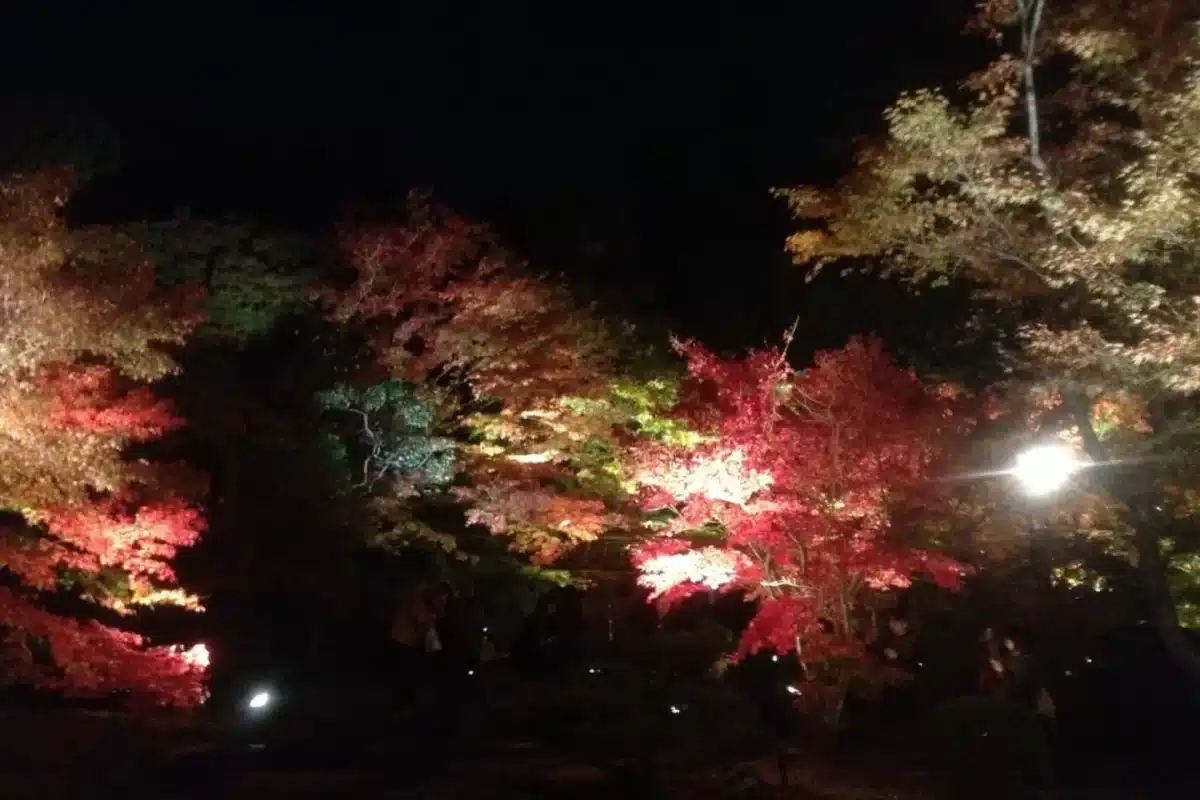
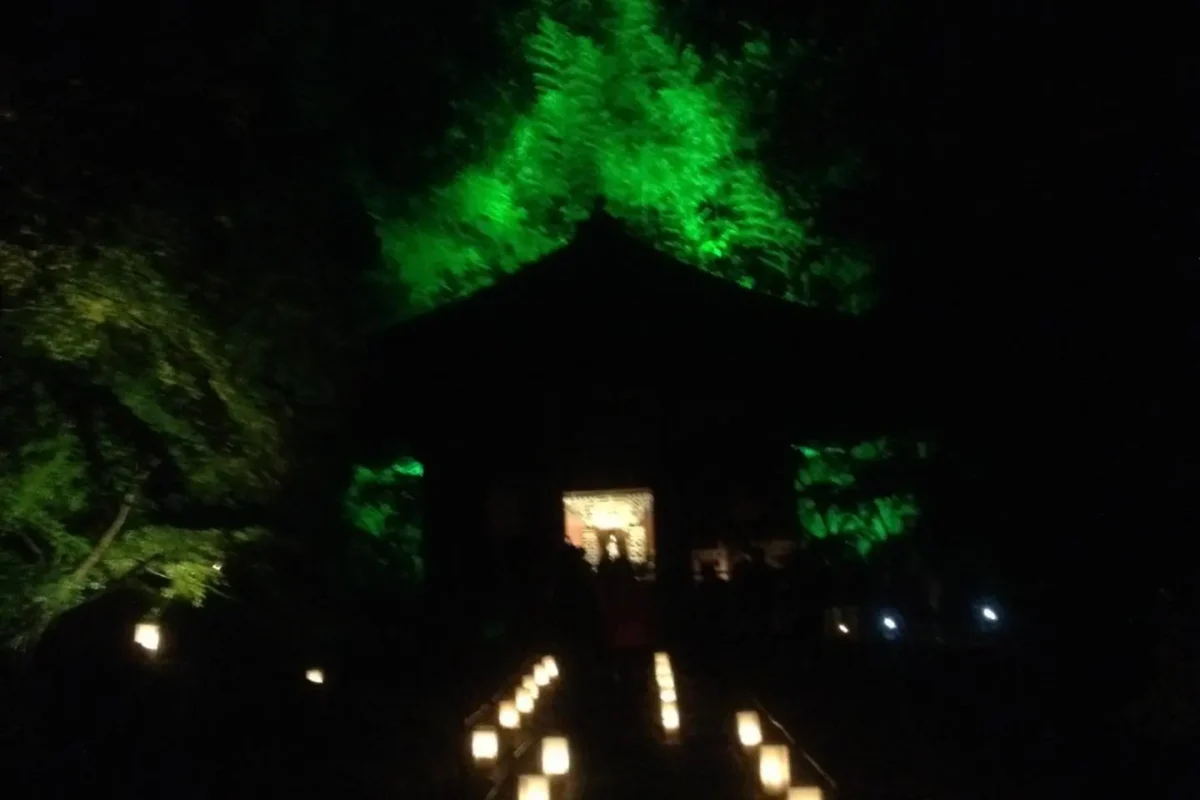
What’s fall illumination, you may ask? Well, it’s when the maple trees are lit up at night with various colors; yellow, white, or green! It’s not very common in the rest of Japan, so Entsuin may be the only place you can see this kind of event. While bordering on romantic, serene, and even a little spooky, the fall color illumination is sure to be a sight that you’ll remember from your visit!
The light-up itself comprises of a wide area. Visitors to the Matsushima Bay Area in the daytime should be familiar with picturesque Entsuin Zen Garden, which is a peaceful sight at any time of the year. The Light Up in the famous garden, however, casts another shade of splendor into what is normally a lovely stroll. The surrounding Sanseido, Kanrantei and the Hiyokutsuka Cave are other places that can be seen illuminated during the Light Up. The graves in the cave in darkness give a particularly eerie feel that is enough to delight anyone who likes scary stories.
Enjoy Your Event Stress-Free with Japan Travelo
Do you know? Planning events, festivals, concerts, and cultural experiences in Japan can be overwhelming. Japan Travelo brings everything together in one place, helping you manage your itinerary, transport, and accommodation with ease—so you can enjoy Japan without the stress of planning.
You can expect a deeply atmospheric experience centered on Entsuin Temple, one of Matsushima’s most cherished temples. The temple is known for its four distinct gardens, including a karesansui dry landscape garden that reflects the famous Matsushima scenery and a rare Western baroque-style rose garden dedicated to a historical figure. During the illumination, the gardens are transformed by carefully placed spotlights that paint the maple leaves in warm colors. The highlight that most visitors photograph is Shinji Pond, a heart-shaped pond that creates a mirror-like reflection of the foliage, making it appear as if the trees are floating both above and below.
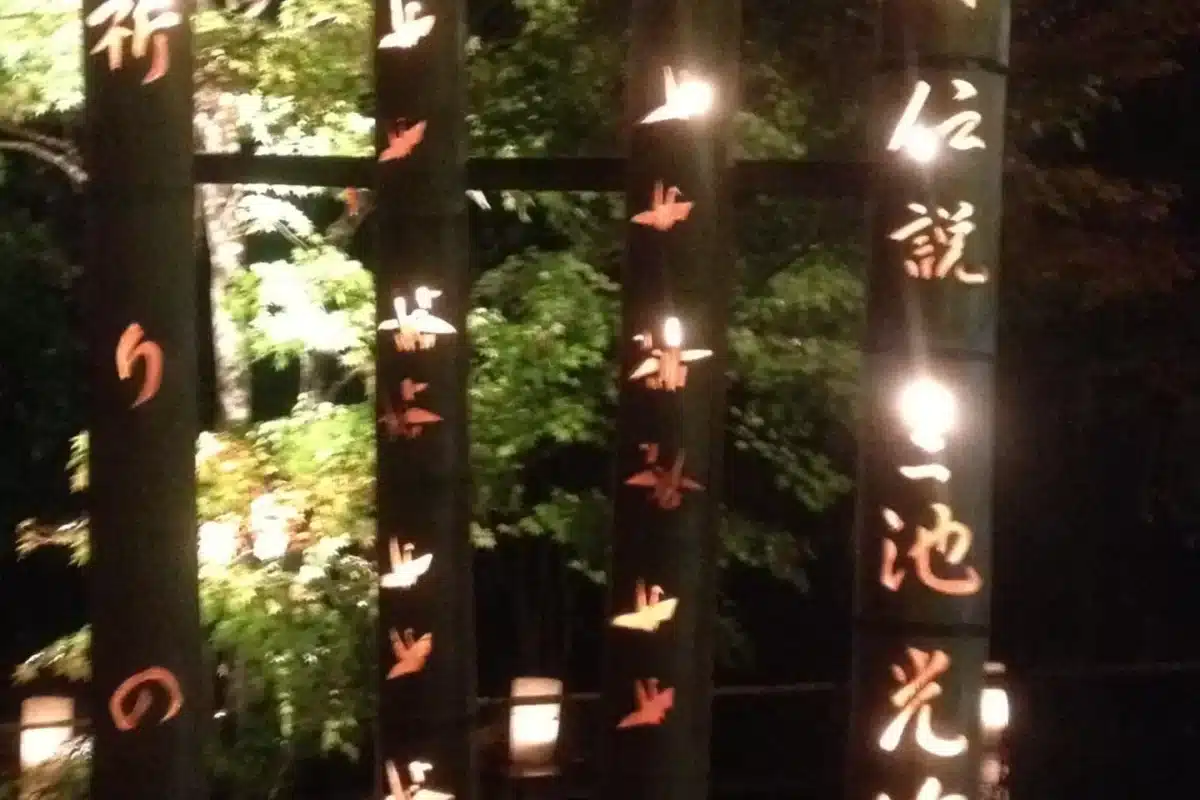
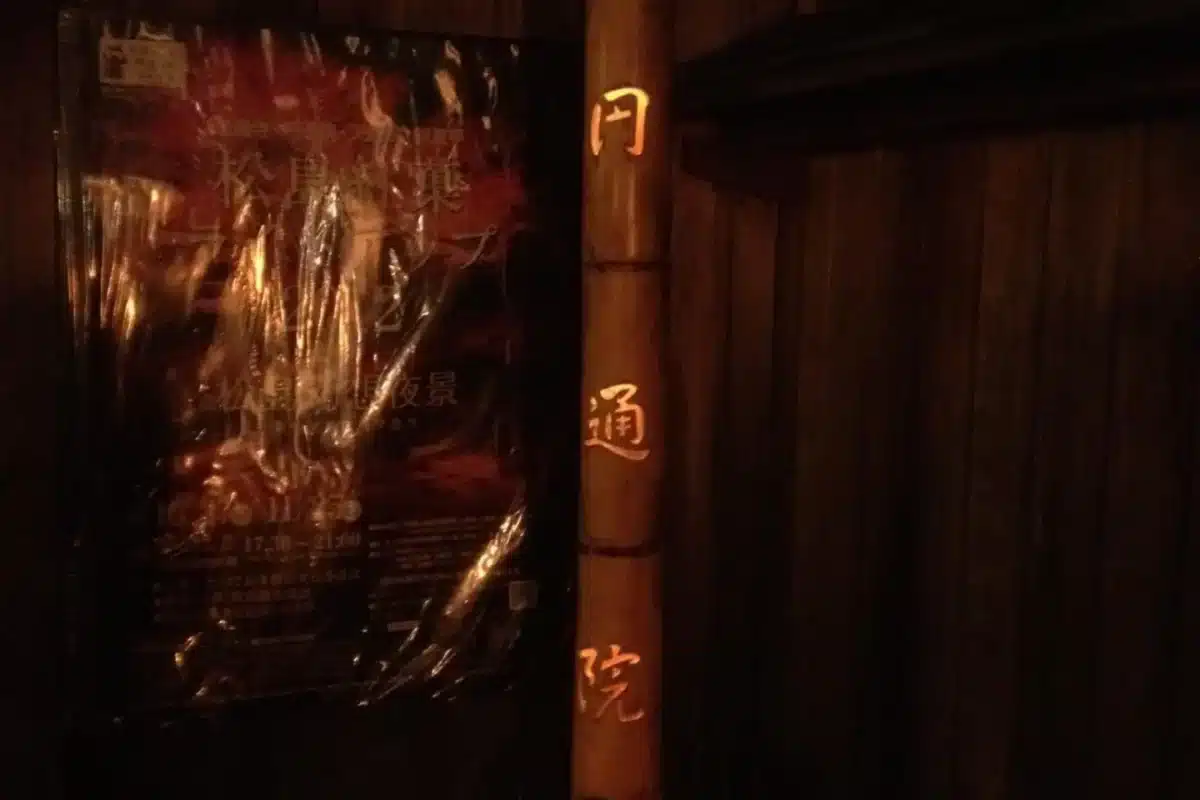
The atmosphere is enhanced by live musical performances, torches lining the approach from the station, and curious bamboo-shaped lanterns with messages carved into them that change design each year. Even returning visitors see something new each time.
Event dates
Event Dates: Late Oct – Late November 2026
The Matsushima Foliage Light Up is held annually in autumn at Entsuin Temple in Matsushima, Miyagi Prefecture, one of Japan’s three most scenic spots. The event typically runs from the last week of October through late November, with nightly illuminations from sunset into the evening.
For reference, recent editions were held from October 25 to November 24, 2025, with light-up hours from 5:30 PM to 9:00 PM and last admission at 8:45 PM. The 2024 edition was held from October 26 to November 17. The 2026 edition is expected to follow a similar month-long schedule, but official dates are to be announced by Entsuin Temple.
All daytime foliage viewing at surrounding parks such as Ougidani and Saigyo Modoshi no Matsu Park can be enjoyed before the light-up begins. The evening event requires a separate light-up ticket.
Visiting this event? Don’t miss out on these amazing activities and local experiences while you’re here.
Venue & event locations
Main Venue: Entsuin Temple, Matsushima, Miyagi Prefecture
Address: 67 Chonaichi, Matsushima, Miyagi-gun, Miyagi 981-0213 Japan
Key Locations Within the Event:
- Entsuin Temple Main Garden: The central location for the illumination. Visitors pay entrance fee at the main gate and wind their way around inside the garden along a designated night path. The route includes stairs and stone paths that can be slippery from wet leaves, but are well lit with ground lights and torches.
- Shinji Pond: Located within Entsuin, famous for its perfect mirror reflection of illuminated maples. This is the most photographed spot and often has a small queue for photos.
- Karesansui Dry Landscape Garden: Features rocks arranged to represent Matsushima Bay islands, surrounded by illuminated maples floating in quiet darkness.
- Sanseido Hall: The mausoleum for Date Mitsumune, grandson of Date Masamune, housing ornate Momoyama-style decoration. Illuminated at night, adding a solemn and elegant backdrop.
- Kanrantei Tea House: Originally from Fushimi Castle in Kyoto, relocated to Matsushima. This historic tea house overlooking the bay is lit and visible as part of the broader bay area illumination walk.
- Hiyokutsuka Cave: A small cave containing memorials and graves covered in moss, with soot-blackened rock. When illuminated, the graves in darkness give a particularly eerie feel that delights visitors who enjoy slightly spooky atmospheres.
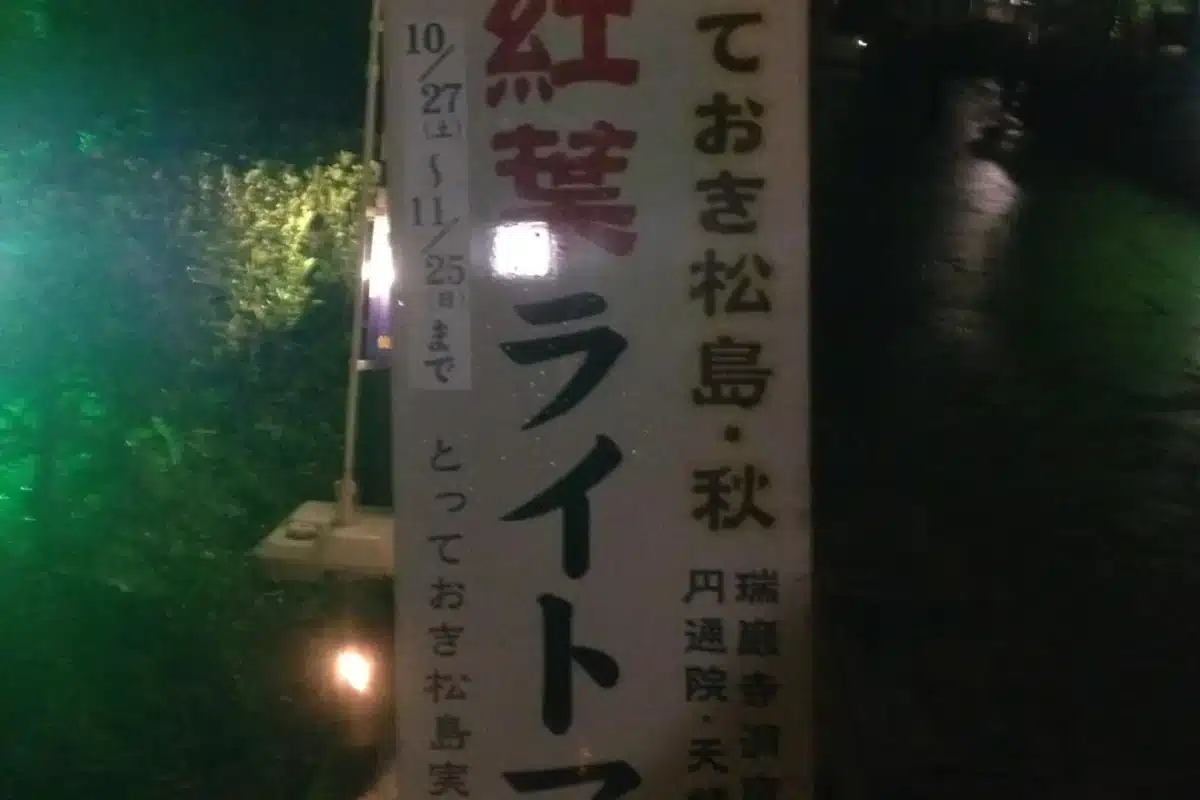
- Approach Path: Entsuin is a 5 to 7 minute walk from Matsushima-kaigan Station. There are torches and signs that light your way from the station to the temple, creating a welcoming approach.
Full holiday programme
The full holiday programme of Matsushima during autumn illumination season extends beyond just Entsuin Temple, forming a town-wide seasonal festival.
Daytime Programme:
- Matsushima Bay Cruise: Sightseeing boats operate during daylight, cruising among the 260 pine-covered islands that make Matsushima one of Japan’s three most scenic views.
- Zuiganji Temple Visit: The Zen temple founded by Date Masamune, with its main hall and museum of treasures, open for daytime visits.
- Matsushima Fish Market and Shopping Streets: Local shops selling oysters, kamaboko fish cakes, and crafts.
Evening Programme at Entsuin:
- Garden Illumination Walk: The main evening event with illuminated maples in multiple colors including yellow, white, green, and deep red.
- Live Music Performances: Various artists perform every day inside the garden during illumination hours. Previous editions have included singer-songwriters, classical guitar, bamboo flute, and piano performances with ghostly, romantic tones that enhance the atmosphere.
- Bamboo Lantern Exhibition: Curious bamboo-shaped lanterns with various messages and poems carved in them line the paths. These lamps are redesigned every year.
- Extended Temple Openings: Zuiganji, Kanrantei, and Entsuin Rose Garden have extended hours during peak foliage periods.
Special Weekend Events: On weekends, local tea ceremony demonstrations are sometimes held at Kanrantei, and cultural talks about Date clan history are organized at Matsushima Rikyu.
Main attractions & highlights
Shinji Pond Mirror Reflection: The absolute highlight of the light-up. The heart-shaped pond perfectly reflects the illuminated maple canopy, creating a symmetrical image that appears to double the foliage. The reflection is clearest on windless evenings.
Color-Changing Illumination: Unlike standard illuminations that use only white light, Entsuin uses various colors to highlight different tree species. Iroha-momiji turns brilliant red, while other maples glow yellow or green under specific lighting. The effect borders on romantic, serene, and even a little spooky.
Rose Garden Contrast: Entsuin’s Western-style rose garden, unusual for a Japanese temple, offers a different atmosphere with late-blooming autumn roses under soft lighting, representing a memorial to a young Christian girl from the Date family.
Sanseido Mausoleum: The ornate mausoleum with gold leaf and vibrant paintings of the West’s exotic imagery, lit against the dark night, creates a powerful cultural contrast between Japanese Zen simplicity and Momoyama opulence.
Photographic Opportunities: The gardens are incredibly photogenic, especially the arching maple branches over stone paths, moss-covered lanterns, and the reflection shots at the pond. Tripods, monopods, selfie sticks, and drones are prohibited to preserve the experience for all visitors.
Markets, decorations & themed areas
While Matsushima Foliage Light Up is not a market-heavy event like a Christmas market, it has distinctive decorative elements.
Bamboo Lantern Art: The primary decoration is hundreds of small bamboo cylinders with hand-carved messages, poems about autumn, and wishes. Light from candles or LEDs inside projects the carved characters onto surrounding moss and stone. Each year’s messages are unique and created by local residents and school children.
Torch and Stone Lantern Lighting: The path from Matsushima-kaigan Station to Entsuin is lined with real torches and traditional ishi-doro stone lanterns, creating a historical approach that feels like Edo period travel.
Moss and Maple Carpet: Natural decoration includes the temple’s extensive moss gardens and fallen maple leaves deliberately left to create a red carpet effect. The combination of wet leaves, moss, and light creates a glistening ground texture.
Rose Garden Themed Area: The Western rose garden area maintains its own theme with European-style trellises, stone statues, and different lighting tone that is softer and more romantic than the dramatic maple illumination.
Kanrantei Tea House Area: Decorated with hanging persimmon-colored noren curtains and small tea service setups, offering a view of Matsushima Bay’s night lights.
Events & entertainment schedule
Entertainment during the light-up is designed to be ambient and reflective, matching the Zen garden setting.
Daily Live Performances: Inside Entsuin Garden, a small stage area near the pond hosts rotating artists. Performances are typically 20 to 30 minutes each, starting at early evening and continuing until near closing. Genres have included:
- Acoustic singer-songwriter sets with ghostly, ethereal vocals
- Shakuhachi bamboo flute and koto harp duets
- Classical guitar and piano solos
The music is kept at low volume to not disturb the contemplative atmosphere.
Bamboo Lantern Message Ceremony: At the start of each evening, temple staff light the bamboo lanterns along the path, a quiet ritual that visitors can observe.
Special Collaboration Nights: Some years include collaborations with Matsushima Bay’s sightseeing boats offering night cruises that coincide with the illumination, allowing visitors to see the temple lights from the water.
No Loud Festival Elements: Unlike summer festivals, there are no taiko drum battles or fireworks. The focus is on quiet appreciation, making it suitable for couples and those seeking tranquility.
Admission & ticket information
Current Pricing Based on Previous Editions: Pricing has evolved due to increased popularity and maintenance costs.
- Weekday Rate from older editions: 500 JPY which is approximately 3.35 USD
- Weekend and Holiday Rate from older editions: 800 JPY which is approximately 5.35 USD
- 2025 Official Rate: Adults junior high school students and older 1,300 JPY which is approximately 8.70 USD, elementary school students and younger free. This rate is expected to continue for 2026.
What Ticket Includes: Entry to Entsuin Temple’s four gardens during illumination hours, including Shinji Pond, karesansui garden, rose garden, and Sanseido Hall exterior viewing. Does not include Zuiganji Temple or Kanrantei which have separate admission.
Where to Buy: Tickets are purchased at the gate on arrival. No advance online booking is required for general admission. For groups over 20 persons, prior contact with Entsuin Temple at 022-354-3206 is recommended.
Free Areas: The approach path with torches, the exterior of Kanrantei from the street, and Matsushima Bay viewpoints are free to enjoy without ticket.
Payment: Cash is preferred. Some years accept IC cards and credit cards at the main gate, but carrying cash ensures entry.
Special experiences & activities
Night Reflection Photography: The opportunity to capture the perfect mirror image at Shinji Pond is a special experience unique to Entsuin. The temple staff sometimes place small wooden platforms to help visitors find the best angle.
Tea Ceremony at Kanrantei: During illumination season, Kanrantei offers matcha tea service with a view of the bay. Visitors sit on tatami and drink tea while looking at moon and temple lights. Cost is around 4 USD to 6 USD including sweet.
Moss Garden Contemplation: Entsuin’s moss gardens are particularly beautiful after rain. The night illumination makes the moss glow emerald, and visitors are encouraged to sit on designated stones for meditation.
Date Clan History Walk: Entsuin is intimately connected to the Date clan of Sendai. The mausoleum of Date Mitsumune, who died at age 19, contains unique Namban art depicting Westerners, crosses, and roses, reflecting early Christian influence in Japan. Night guides explain these historical details.
Bamboo Lantern Wish Writing: Some years, visitors can purchase a small bamboo lantern for around 3 USD and carve or write their own wish, which is then displayed in the garden for the remainder of the season.
Family & children’s activities
The illumination is suitable for families, but with some considerations due to stairs and darkness.
Children’s Free Admission: Elementary school students and younger are free, making it affordable for families.
Educational Value: Children can learn about Zen garden design, maple species, and Date clan history. The temple provides simple English pamphlets explaining the gardens.
Safe Path Design: The garden path is generally lit well enough to not have to worry about slipping, though there is a bit of a hike with stairs involved. Parents should hold small children’s hands as some areas are uneven and leaves can be slippery when wet.
Rose Garden Appeal: The Western rose garden with its small statues and open space is more appealing to children who may find the dark maple gardens slightly spooky.
Nearby Family Attractions: Matsushima Aquarium and sightseeing boat rides operate during daytime, providing family activities before evening illumination. Matsushima Rikyu, a modern facility with foot baths and restaurants, is family-friendly and offers views of the bay.
Stroller Policy: Strollers are allowed but difficult to maneuver on stone steps and moss paths. Baby carriers are recommended.
Event rules
To preserve the temple and ensure safety, visitors must follow temple rules.
Prohibited Items and Actions:
- Tripods, monopods, selfie sticks, and drones are prohibited inside Entsuin Temple during illumination.
- Flash photography is discouraged as it disturbs other visitors and does not capture illumination well. Natural low-light photography is recommended.
- Do not touch moss, trees, or lanterns. The gardens are fragile and historically significant.
- No smoking, eating, or drinking inside the garden paths. Food and drinks can be consumed outside temple gates.
- Keep voices low. The temple is a place of worship and contemplation, especially during evening hours with live music.
- Stay on designated paths. Do not enter closed garden areas or climb rocks.
Clothing Recommendation: Wear non-slip shoes as stone steps and wooden walkways can be wet from rain or dew. Bring warm layers as Matsushima Bay evenings become cold, with temperatures often dropping to 5 to 10 degrees Celsius. The path involves stairs, so avoid high heels.
Pet Policy: Pets are not allowed inside Entsuin Temple gardens, even in carriers.
How to get there
General Access: Matsushima is located in Miyagi Prefecture, approximately 25 kilometers northeast of Sendai City. It is one of Japan’s three most scenic views along with Amanohashidate and Miyajima.
From Tokyo:
- Shinkansen: Take Tohoku Shinkansen Hayabusa from Tokyo Station to Sendai Station, approximately 90 minutes, then transfer to local lines to Matsushima. Total cost approximately 110 USD to 150 USD one way.
- Highway Bus: Direct buses from Tokyo to Matsushima are less common; most travelers go via Sendai.
From Sendai:
- JR Senseki Line: From Sendai Station to Matsushima-kaigan Station, approximately 40 minutes, cost around 4 USD. This is the most direct and scenic route, with views of the bay approaching Matsushima.
- JR Tohoku Main Line: From Sendai Station to Matsushima Station, then 15 minute walk or bus to Entsuin. Slightly longer but less crowded.
From Matsushima Stations:
- From Matsushima-kaigan Station: Entsuin is a 5 minute walk. Exit station, follow signs and torches along the main street toward Zuiganji Temple, Entsuin is next to Zuiganji.
- From Matsushima Station: About 15 minute walk or short taxi.
Public transport & parking
Public Transport Within Matsushima:
- Local Buses: Miyakoh Bus operates loop buses around Matsushima town connecting Matsushima-kaigan Station, Matsushima Station, Zuiganji, and Matsushima Rikyu.
- Sightseeing Boats: Daytime boats cruise Matsushima Bay from Matsushima-kaigan pier.
Parking:
- Temple Parking: No parking available at Entsuin Temple itself. The temple explicitly states no parking, pay parking is available nearby.
- Nearby Pay Parking: Several private pay parking lots exist around Matsushima-kaigan Station and Zuiganji Temple area. Cost typically 3 USD to 7 USD per day, but during illumination season they fill early, especially on weekends.
- Matsushima Rikyu Parking: Large public parking at Matsushima Rikyu complex, approximately 7 minute walk to Entsuin, cost around 2 USD to 4 USD per hour.
- Recommendation: Use public transport. Traffic congestion around Matsushima during autumn foliage weekends is severe, with Route 45 often backed up. JR Senseki Line avoids traffic.
Evening Transport: Last trains from Matsushima-kaigan Station to Sendai depart around 9:30 PM to 10:00 PM, so visitors attending illumination until 9:00 PM should check return times. Taxis are available but limited at night, best to book in advance.
Accommodation areas
Staying overnight allows you to enjoy both daytime bay views and nighttime illumination without rushing for last trains.
Matsushima Town Ryokan and Hotels:
- Matsushima Ichinobo: Luxury ryokan with hot spring baths overlooking Matsushima Bay, rooms from 200 USD to 400 USD per night including dinner and breakfast.
- Hotel Taikanso: Large resort hotel with bay-view rooms and onsen, rooms from 120 USD to 250 USD per night.
- Komatsu-kan Kofu-tei: Historic ryokan near Zuiganji, rooms from 100 USD to 180 USD per night.
Sendai City Hotels: For more options and lower prices, stay in Sendai City near Sendai Station. Business hotels such as Dormy Inn Sendai, Richmond Hotel, and JR Mets start from 50 USD to 120 USD per night. Access to Matsushima is easy via JR Senseki Line for evening events.
Akiu Onsen Area: If combining with other Miyagi autumn illuminations such as Tenshukaku Nature Park and Rairaikyo Gorge, staying at Akiu Onsen hot spring ryokan offers foot baths and mountain scenery, rooms from 150 USD to 300 USD per night.
Booking Advice: Autumn foliage season is peak season for Matsushima. Book 3 to 6 months ahead, especially for weekend dates. Many ryokan require two-person minimum.
Food, drinks & seasonal specialties
Matsushima is famous for seafood from Matsushima Bay, particularly oysters and eel.
Local Specialties:
- Matsushima Oysters – Kaki: The bay is famous for oysters, best in autumn and winter. Grilled, raw, or in oyster bowls called kaki meshi. Price from 8 USD to 15 USD per serving.
- Conger Eel – Anago: Local anago is softer than eel, served grilled over rice. Anago meshi bento boxes cost around 10 USD to 18 USD.
- Sasa Kamaboko: Bamboo-leaf shaped fish cake, a Sendai specialty sold in Matsushima shops, grilled and served with mayonnaise, from 1 USD to 3 USD per piece.
- Matsushima Sweets: Maple leaf shaped manju cakes, oyster-shaped monaka wafers, and zunda mochi made from edamame.
Restaurants Near Entsuin:
- Shops along Matsushima-kaigan-dori: Row of restaurants selling oyster burgers, grilled scallops, and soft cream with zunda.
- Matsushima Rikyu Food Court: Modern facility with bay views, serving seafood bowls, ramen, and sake tasting from local breweries.
- Kanrantei Tea House: Offers matcha and Japanese sweets with bay view, around 5 USD.
Drinks: Local sake from Urakasumi Brewery in Shiogama, one of Miyagi’s most famous sake breweries, available in restaurants. Hot amazake sweet sake is popular on cold illumination evenings.
Accessibility
Physical Accessibility: Entsuin Temple has limitations due to its historic nature.
- Stairs: There is a bit of a hike with stairs involved to navigate the garden’s upper and lower levels. Some areas have 10 to 15 stone steps without handrails.
- Paths: Stone and gravel paths, moss areas, and wooden steps can be slippery from wet leaves. The temple states it is generally lit well enough to not worry, but caution is needed.
- Wheelchair Access: Partially accessible. The lower garden and rose garden area are accessible with assistance, but the upper garden and Shinji Pond reflection spot require stairs. Temple staff can advise alternative viewing spots.
- Visual and Hearing: The illumination is primarily visual. Live music performances are acoustic and can be heard from most areas. No special hearing assistance devices.
Facilities: Accessible toilets are available at Matsushima-kaigan Station and Matsushima Rikyu, but not inside Entsuin Temple itself. The temple has standard toilets near entrance.
Children and Elderly: Elderly visitors should take time and use handrails where available. Children should be supervised near ponds and stairs.
Best days & times to visit
Best Viewing Conditions:
- Time of Night: The illumination is most beautiful shortly after sunset when sky retains deep blue color, providing contrast to illuminated maples. Arrive at opening time around 5:30 PM to see transition from twilight to full darkness.
- Weather: Clear, windless nights produce the best mirror reflection on Shinji Pond. Rainy nights create glistening leaves and moss but make paths slippery. Light rain often results in fewer crowds.
- Peak Foliage: In Matsushima, peak autumn colors typically occur from late October to mid November for maples, with some late varieties lasting until late November.
Crowd Levels:
- Weekdays are significantly less crowded than weekends and holidays. If possible, visit Monday to Thursday.
- Early Evening: 5:30 PM to 6:30 PM tends to be less crowded than 7:00 PM to 8:00 PM when local visitors arrive after work.
- Last Week: The final week of illumination often has fewer visitors but foliage may be past peak with more fallen leaves, which still creates a beautiful carpet effect.
Combination Tip: Visit Matsushima Bay during daytime for bay cruise and Zuiganji, then have early dinner of oysters, then enter Entsuin illumination at opening to enjoy both twilight and full darkness in one visit.
Previous year’s highlights
2025 Edition Highlights: The 2025 illumination ran from October 25 to November 24 with theme emphasizing heart-shaped pond reflection and live music every day. Adults admission was 1,300 JPY or approximately 8.70 USD. The temple reported vibrant foliage at peak around early to mid November. Live performances included classical guitar and singer-songwriter sets that enhanced romantic atmosphere. Bamboo lanterns featured new messages from local school children about peace and nature.
2024 Edition Highlights: Held from October 26 to November 17, 2024. The event was noted for particularly vivid red colors due to favorable temperature differences. Photography of Shinji Pond reflection went viral on social media. The surrounding Kanrantei and Entsuin Rose Garden were also illuminated, creating a wider town illumination network.
Unique Annual Change: The bamboo-shaped lanterns with various messages carved in them change every year, so even returning visitors can see something new each time. Past years have included poems by Matsuo Basho who visited Matsushima, and messages from children.
Visitor Feedback: Previous visitors consistently mention the ghostly sounding singer-songwriter performance enhancing atmosphere, the eerie feel of Hiyokutsuka Cave graves in darkness delighting those who like slightly mysterious stories, and the torches lighting the way from station as memorable elements.
Official event information
Event Name: Matsushima Foliage Light Up – Entsuin Temple Autumn Illumination
Organizer: Entsuin Temple with cooperation from Matsushima Town and Matsushima Tourism Association
Venue: Entsuin Temple, 67 Chonaichi, Matsushima, Miyagi-gun, Miyagi 981-0213 Japan
Access: 5 min walk from JR Matsushima-kaigan Station, Senseki Line. Torches and signs light your way during event period.
Official Website URL as text: www.entuuin.or.jp/lightup/2025/ and en.japantravel.com/miyagi/matsushima-foliage-light-up/12976 and visitmiyagi.com/feature/autumn-leaves-at-night/
Contact: Entsuin Temple Phone 022-354-3206. Matsushima Tourist Information Center near Matsushima-kaigan Station.
Notes: Admission is based on previous editions at 500 JPY weekdays or approximately 3.35 USD and 800 JPY weekends or approximately 5.35 USD in older editions, and 1,300 JPY or approximately 8.70 USD for adults in 2025 edition with elementary school and younger free. Pricing for 2026 will be announced closer to event. Event will take place rain or shine but may be canceled in case of severe weather. Please check official website for updates. Tripods and drones prohibited.
Location
FAQ
Is Matsushima Foliage Light Up at Entsuin Temple suitable for photography?
The gardens are incredibly photogenic, especially during autumn with red leaves and the mirror reflection on Shinji Pond. Photography is allowed for personal use without tripods, monopods, selfie sticks, or drones. Low-light handheld photography is recommended with higher ISO settings. Flash is discouraged as it ruins the ambient lighting effect and disturbs others. The temple staff may designate specific photo spots to manage crowds.
How long does it take to walk through the illumination?
Most visitors spend 45 minutes to 90 minutes inside Entsuin Temple during illumination. The main loop around the gardens takes about 30 minutes at a slow pace, but many people stop for a long time at Shinji Pond to photograph reflections and to listen to live musical performances. Including time to walk from the station and view surrounding areas like Kanrantei, plan for about 2 hours total in Matsushima in the evening.
Are there food and drink options available during the evening light-up?
There is no food or drink sold inside Entsuin Temple garden itself during illumination to protect the gardens. However, the streets leading from Matsushima-kaigan Station to the temple have many shops, restaurants, and stalls selling oysters, grilled fish cakes, sweets, and hot drinks that remain open during illumination hours. Matsushima Rikyu nearby has a food court and sake tasting open until evening. It is recommended to eat before or after entering the temple.
Is the event crowded and do I need to buy tickets in advance?
The event can become crowded on weekends and holidays, especially around 7 PM to 8 PM, with queues forming at Shinji Pond viewpoint and at the entrance gate. Weekdays are much less crowded. Tickets are sold at the gate on arrival and advance booking is generally not required for individual visitors. For groups or for those who want to guarantee entry during peak weekends, contacting Entsuin Temple in advance is advisable. The temple limits entry if gardens become too crowded for safety.
What makes Entsuin's illumination different from other autumn light-ups in Japan?
Entsuin's illumination is unique because it combines a historic Zen garden, a Western rose garden, and a bay view in one temple complex, with varied lighting colors including yellow, white, and green rather than just white spotlights. The mirror reflection on the heart-shaped Shinji Pond is considered one of the most beautiful in Japan. Additionally, the surrounding sites like Sanseido mausoleum, Kanrantei tea house, and the eerie Hiyokutsuka Cave graves illuminated in darkness create a broader atmospheric area that is more romantic, serene, and slightly spooky than typical single-garden illuminations.

Leave a Reply