
-
April 17, 2027
Event date:
-
April 18, 2027
Event end:
Blessing of Zuigan-ji Temple
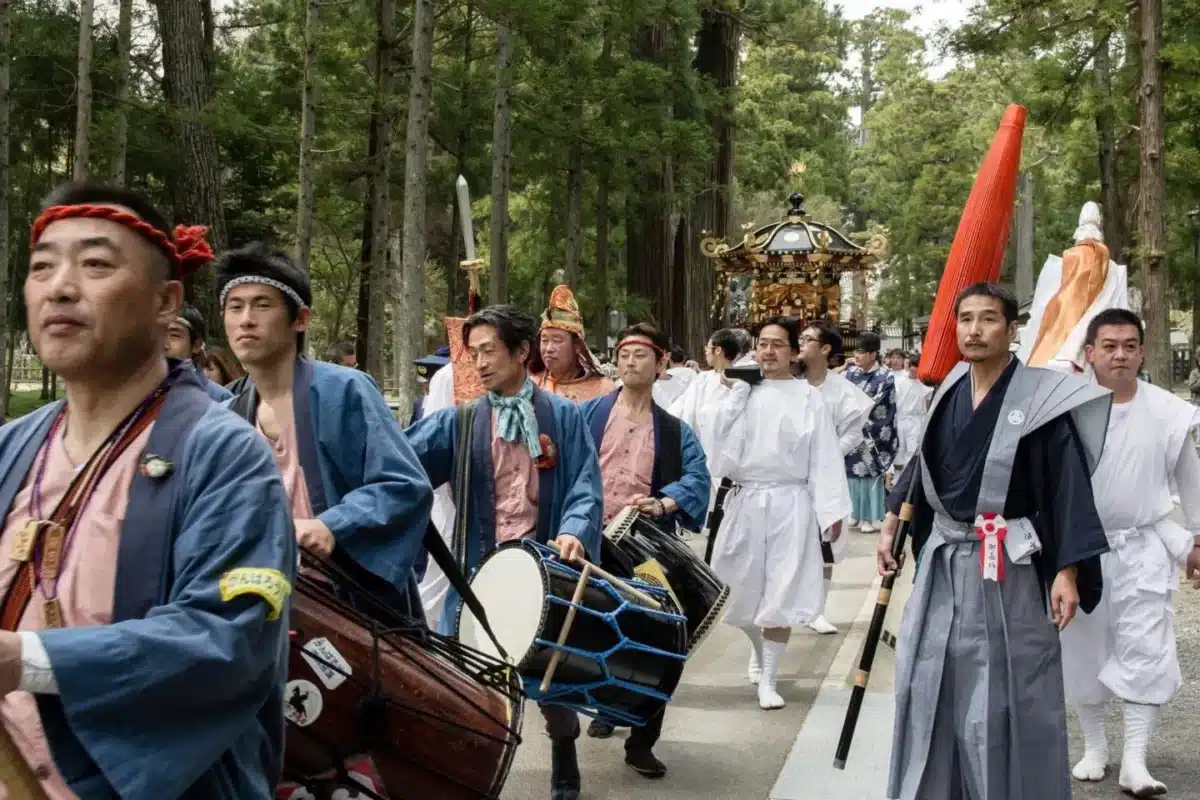
A defining highlight of the festival involves the sacred procession approaching the hallowed gates of Zuigan-ji Temple to bestow divine protection. As one of the most prominent Zen temples in the Tohoku region, Zuigan-ji holds immense historical and architectural significance. The convergence of Shinto ritual participants onto Buddhist temple grounds exemplifies Japan’s fluid interfaith traditions.
Priests and festival participants offer solemn prayers at the temple entrance, invoking peace, safety, and prosperity for the coming year. The solemn architecture of the Momoyama-style temple provides a majestic, serene backdrop to the high-energy Shinto proceedings. This respectful exchange reinforces the spiritual alignment between local shrine deities and temple guardians.
Observers witness a living testament to historical unity where religious boundaries dissolve in shared devotion and cultural pride. The quiet dignity of the temple grounds contrasts beautifully with the spirited pageantry of the approaching procession. This profound ritual moment anchors the festive revelry in deep sacred meaning.
Enjoy Your Event Stress-Free with Japan Travelo
Do you know? Planning events, festivals, concerts, and cultural experiences in Japan can be overwhelming. Japan Travelo brings everything together in one place, helping you manage your itinerary, transport, and accommodation with ease—so you can enjoy Japan without the stress of planning.
- Sacred ceremonial visits directed toward the historic gates of Zuigan-ji Temple
- Interfaith blessings uniting Shinto celebratory rites with Buddhist temple sanctuary spaces
- Solemn prayers offered by participants for regional safety and agricultural abundance
- Architectural harmony pairing vibrant procession colors with ancient wooden temple aesthetics
- Community leaders and priests guiding the sacred rites with traditional decorum
- Peaceful moments of reflection bridging lively street parades with serene temple grounds
When & How Long
- Event Date: April 17th – April 18th 2027
- Event Duration: A vibrant weekend celebration spanning two immersive days of traditional processions and cultural rituals
Visiting this event? Don’t miss out on these amazing activities and local experiences while you’re here.
Local Community & Traditional Festival Roles
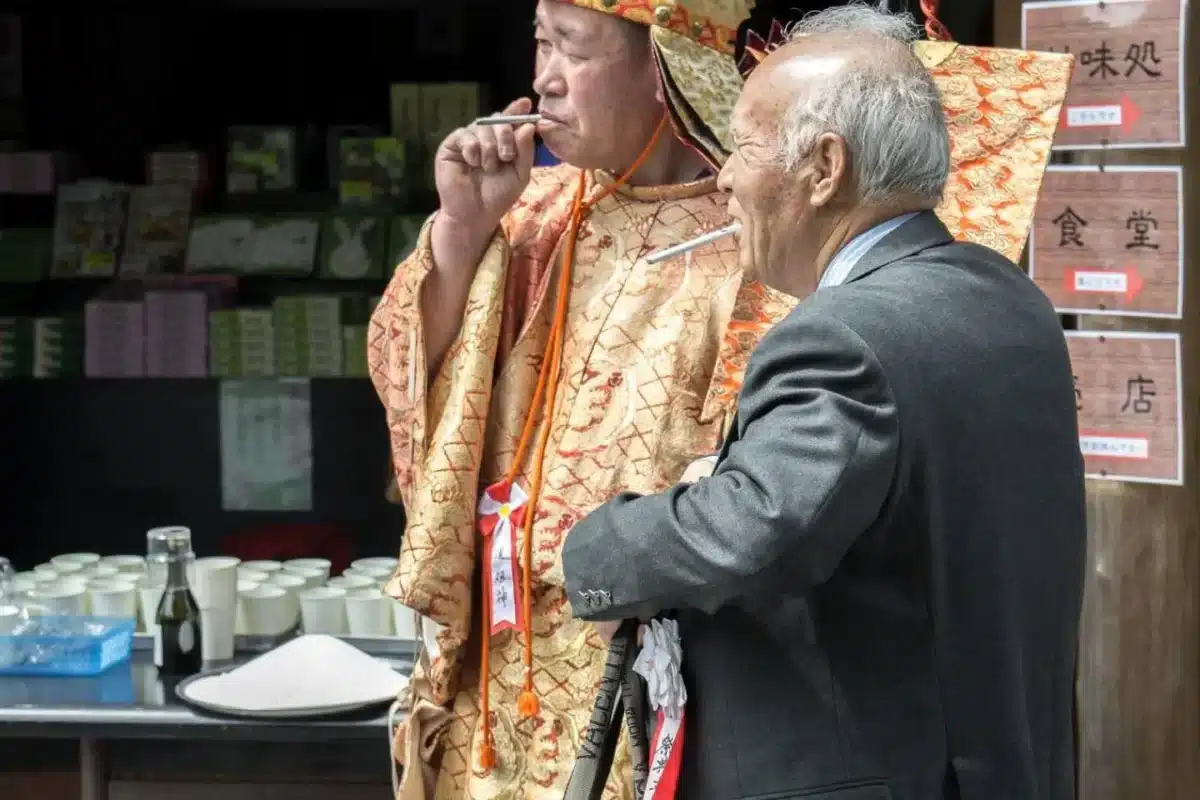
The festival relies entirely on the deep commitment and collaborative spirit of Matsushima’s local residents and neighborhood associations. Generational roles are carefully maintained, with elders guiding younger participants in the proper execution of ancient rituals. Families work side-by-side to prepare ceremonial garments, maintain festival equipment, and manage route logistics.
This grassroots involvement ensures that the festival remains an authentic expression of community identity rather than a commercialized tourist show. Children, youth, and seniors all share specific responsibilities, reinforcing social cohesion and mutual respect. Visitors benefit immensely from this welcoming environment, where local pride is generously shared with outsiders.
- Multi-generational community involvement uniting neighborhood families and local businesses
- Senior residents mentoring youth in traditional customs, chants, and handling duties
- Cooperative volunteer efforts managing parade logistics, safety, and hospitality
- Preservation of hyper-local customs unique to the Matsushima and Sendai regions
- Warm welcoming attitudes toward international travelers and domestic tourists alike
- Shared communal meals and post-festival gatherings celebrating collective hard work
Entry & Tickets
- How Tickets Are Sold: General admission is completely open to the public without requiring advance ticket purchases, bookings, or registrations
- Admission Type: Free Admission
- Ticket Pricing: Free Admission
- Special Seating Options: Open-air public viewing spaces along the downtown streets and shrine grounds available on a first-come, first-served basis
- VIP Options: No VIP tier options, exclusive passes, or paid reserved seating sections are offered for this community festival
Where It Takes Place
- City and Country: Matsushima, Miyagi Prefecture, Japan
- Venue Name: Hiyoshi Sanno Jinja Shrine
- Google Maps Address: Chonai-4 Matsushima, 松島町 Matsushima, Miyagi District, Miyagi 981-0213, Japan
Mikoshi Procession Through Matsushima
The rhythmic sound of drums and chanting guides visitors straight to the heart of the bustling festival route winding through downtown Matsushima. Men dressed in pristine traditional white attire take turns shouldering the heavy portable shrine, moving with intense synchronized energy. Their spirited shouts echo across the coastal air as they navigate the winding streets with powerful momentum.
The mikoshi is dramatically whirled and lurched through the town center, demanding immense physical strength and precise teamwork from the bearers. Spectators line the curbs closely, cheering enthusiastically as the sacred palanquin surges past storefronts and pine-lined pathways. This dynamic procession breathes vibrant life into the historic resort town, creating an electric atmosphere of communal celebration.
- Vigorous portable shrine processions winding through downtown Matsushima streets
- Bearers dressed in traditional white ceremonial garments executing dynamic movements
- Dramatic lurching and spinning of the mikoshi showcasing exceptional physical endurance
- Resounding festival chants and rhythmic coordination driving the group forward
- Street-side crowds joining in the excitement and capturing the action on camera
- Stops at designated sacred waypoints to offer prayers for community protection
- Seamless integration of the moving shrine parade with local commercial districts
Event Contact
- Website: https://en.japantravel.com/miyagi/matsushima-hiyoshi-sanno-festival/20037
Festival History & Shinto-Buddhist Cultural Significance
The Matsushima Hiyoshi Sanno Festival stands as a deeply cherished annual celebration rooted in centuries of regional spiritual heritage. Held each year on the third Sunday of April, the event bridges ancient customs with the vibrant life of coastal Miyagi Prefecture. Its longevity highlights the enduring devotion of local residents who strive to preserve their ancestral traditions for modern generations.
It is an unusual festival because it functions as a Shinto festival dedicated to blessing and protecting the historic Buddhist Zuigan-ji Temple. In Japan’s rich cultural landscape, the lines between Shinto and Buddhism have historically flowed together in harmonious syncretism rather than strict separation. This unique interfaith alliance is vividly mirrored in the festival’s daily rituals, where Shinto deities are invoked to safeguard Buddhist sacred grounds.
Witnessing this harmonious blending offers travelers a rare window into the syncretic soul of traditional Japanese spirituality. The festival reinforces communal bonds, connects past epochs with the present, and reminds onlookers of the cooperative ethos that defines local religious life. Every rite performed deepens the spiritual resonance of Matsushima beyond its world-famous scenic beauty.
Sparrow Dancers & Traditional Performances
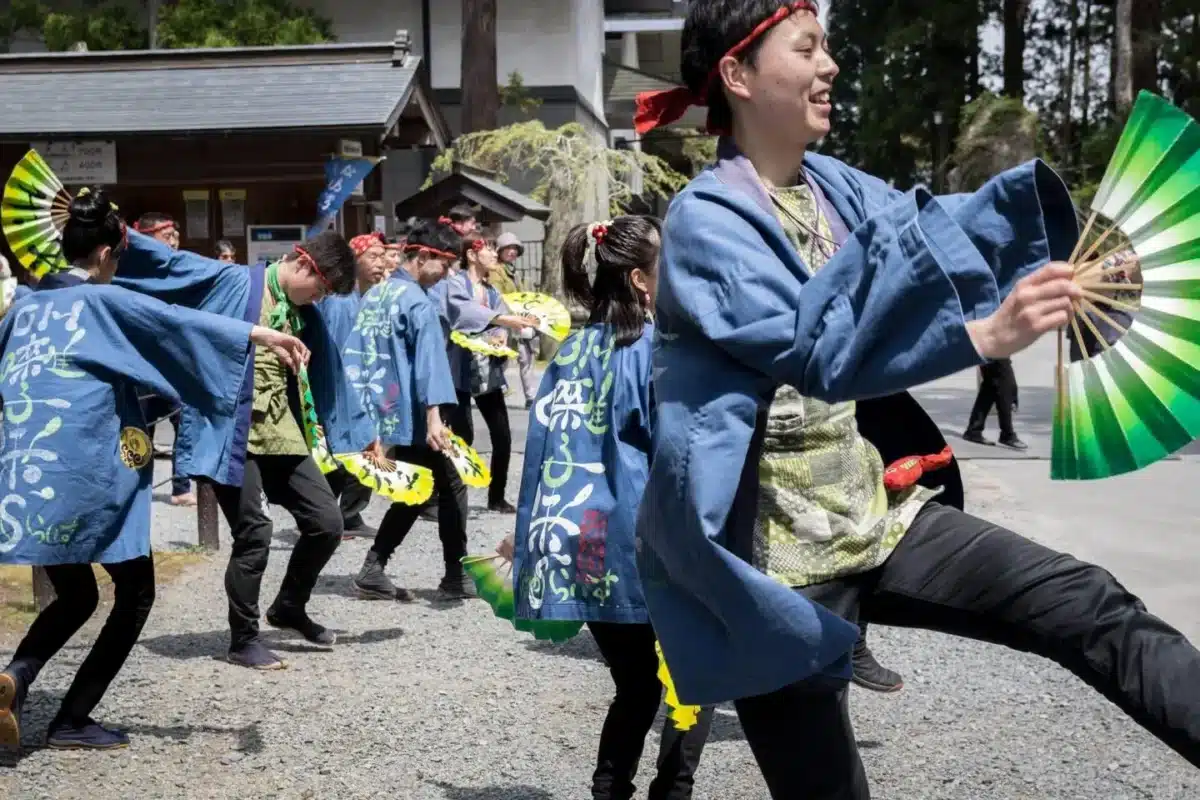
- Energetic performances of the famous Sendai sparrow dance adding joyful color to the streets
- Dancers executing nimble, fluttering hand movements that mimic the flight of sparrows
- Elaborate traditional costumes featuring folding fans and vibrant festival happi coats
- Accompaniment by lively flute melodies and brisk percussive rhythms
- Intergenerational casts of performers demonstrating lifelong dedication to regional folk arts
- Street-side presentation spaces allowing up-close viewing of intricate choreography
- Joyful audience interaction inviting smiles and spontaneous applause from onlookers
Taiko Drums, Chants & Festival Music
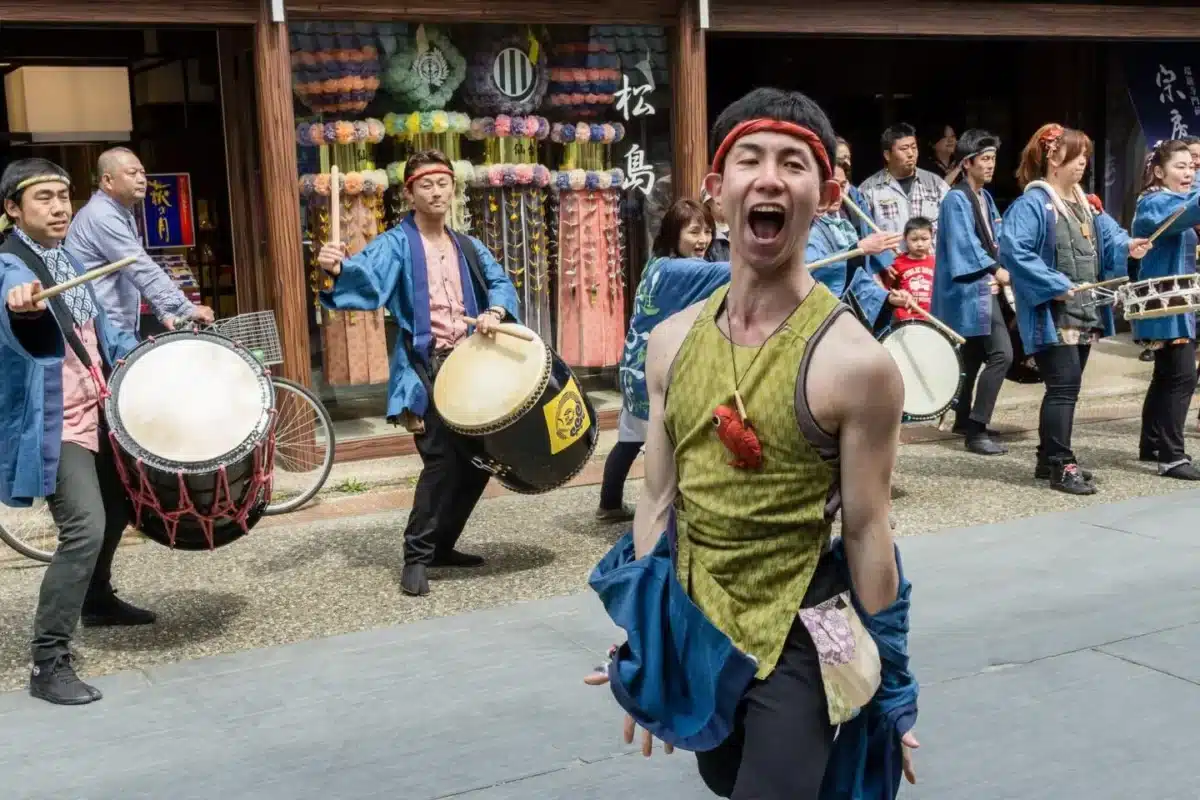
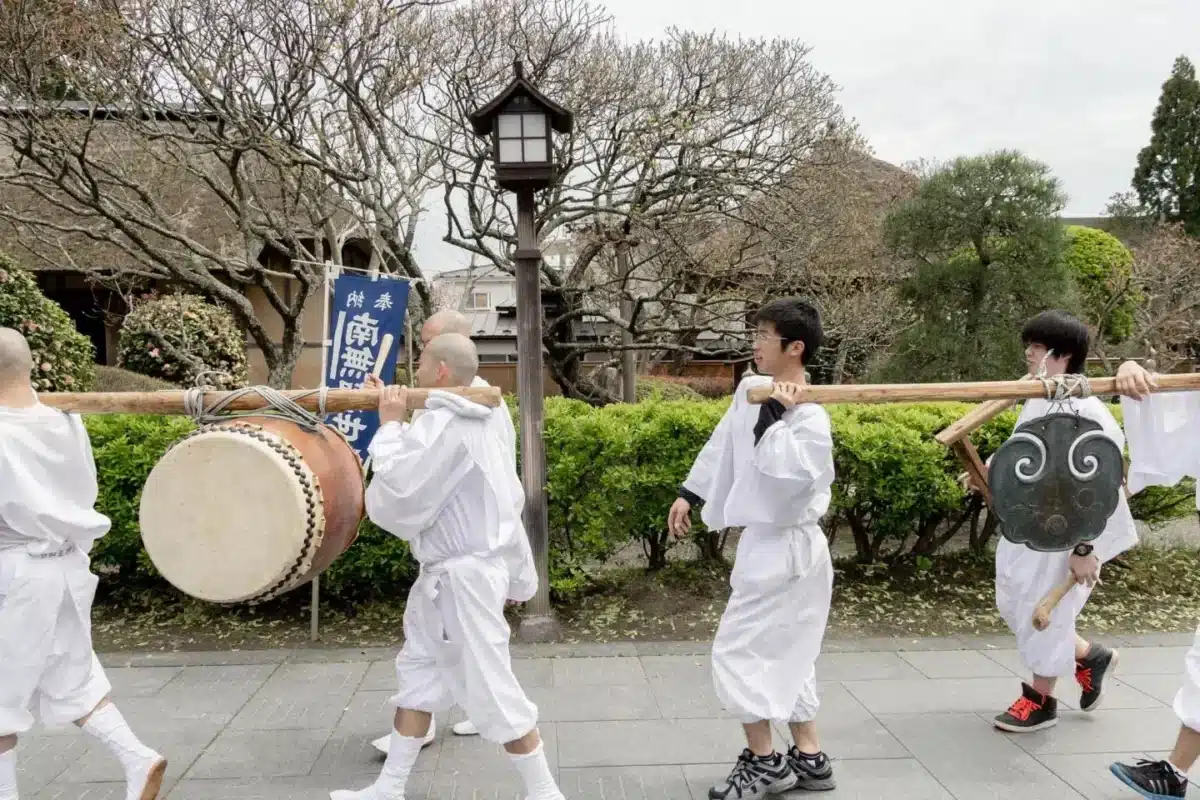
The auditory landscape of the festival is defined by thunderous taiko drumbeats and resonant group chants that echo across Matsushima Bay. Skilled percussionists strike the taut leather heads with intense passion, setting a relentless pulse for the marching parade. These powerful rhythms reverberate through the chest of every spectator standing nearby.
Interwoven with the drumming are traditional vocal chants passed down through generations of local residents. The call-and-response shouting between shrine bearers and parade marshals builds an infectious wave of collective energy. This dynamic acoustic tapestry transforms the quiet coastal town into a pulsating arena of sound.
As the procession moves from the shrine grounds into the commercial lanes, the music swells in volume and intensity. The combination of ringing flutes, heavy drum strikes, and deep voices creates a deeply hypnotic sensory experience. Visitors find themselves completely swept up in the auditory passion of the spring celebration.
- Rhythmic taiko drum performances driving the forward motion of the festival
- Traditional call-and-response vocal chants echoing through downtown streets
- Piercing bamboo flute tunes accentuating the heavy percussive beats
- Acoustic resonance bouncing off coastal buildings and pine-covered hills
- Synchronized musical timing matching the energetic steps of the mikoshi bearers
- Immersive soundscapes drawing curious travelers from distant corners of the town
Best Viewing Spots, Atmosphere & Photography
Securing an ideal vantage point along the bustling parade route allows visitors to capture incredible close-up views of the procession. The streets near Hiyoshi Sanno Shrine and the approach to Zuigan-ji Temple offer dramatic framing options. Photographers can easily frame dynamic shots featuring traditional white garments against historic wooden architecture.
The spring atmosphere in Matsushima is exceptionally crisp, featuring blooming cherry blossoms and gentle coastal breezes off the bay. The juxtaposition of solemn religious rituals and joyous street dancing creates endless photographic opportunities. Respecting participant boundaries ensures a smooth, unobtrusive creative experience for all shutterbugs.
Early arrival helps visitors claim prime sidewalk viewing spots before the midday crowds swell along the narrow lanes. Capturing the dancers mid-motion or freezing the energetic lurch of the portable shrine yields stunning visual keepsakes. The vibrant colors of festival attire pop brilliantly under soft spring sunlight.
- Strategic sidewalk viewing angles near Hiyoshi Sanno Shrine and Zuigan-ji
- Dynamic action photography opportunities capturing fast-moving mikoshi bearers
- Beautiful spring backdrops featuring coastal pines and seasonal floral blooms
- Close-up framing of colorful sparrow dancer costumes and expressive faces
- Natural lighting conditions enhancing outdoor portraits and street scenes
- Unobstructed sightlines along wide public zones in the downtown district
Location
FAQ
What is the easiest way to travel to Matsushima from Sendai Station?
Travelers can take a direct train via the JR Senseki Line straight from Sendai Station to Matsushima-Kaigan Station. Alternatively, the JR Tohoku Line provides frequent service to Matsushima Station, which sits a short walk from the waterfront. The smooth rail journey takes approximately forty minutes.
Are visitors allowed to participate in carrying the portable shrine?
Active participation in shouldering the heavy mikoshi is traditionally reserved for local association members and community residents. General visitors can best support the procession by cheering enthusiastically and maintaining safe viewing distances. Spectators are warmly welcomed to follow along the parade route as it moves through town.
Is there any admission charge to view the festival processions and rituals?
General viewing of the street parades, shrine events, and public dances is entirely free for all attendees. Visitors only need to pay standard entry rates if they choose to tour the interior buildings of Zuigan-ji Temple. All outdoor festival activities require no tickets whatsoever.
What weather conditions should travelers expect in Matsushima during April?
Mid-spring weather in Miyagi Prefecture brings crisp daytime temperatures that typically require light jackets or layers. Sudden coastal breezes off Matsushima Bay can occasionally make the air feel cooler than expected. Packing portable windbreakers ensures comfort throughout outdoor festival viewing hours.
Are English language resources available for international visitors on-site?
Basic maps and directional signage are posted around the main station and major tourist landmarks in Matsushima. While formal guided tours in English may be limited during local rituals, local tourism staff are exceptionally helpful. Digital translation tools and regional travel websites offer great supplementary context.

Leave a Reply