
Overview
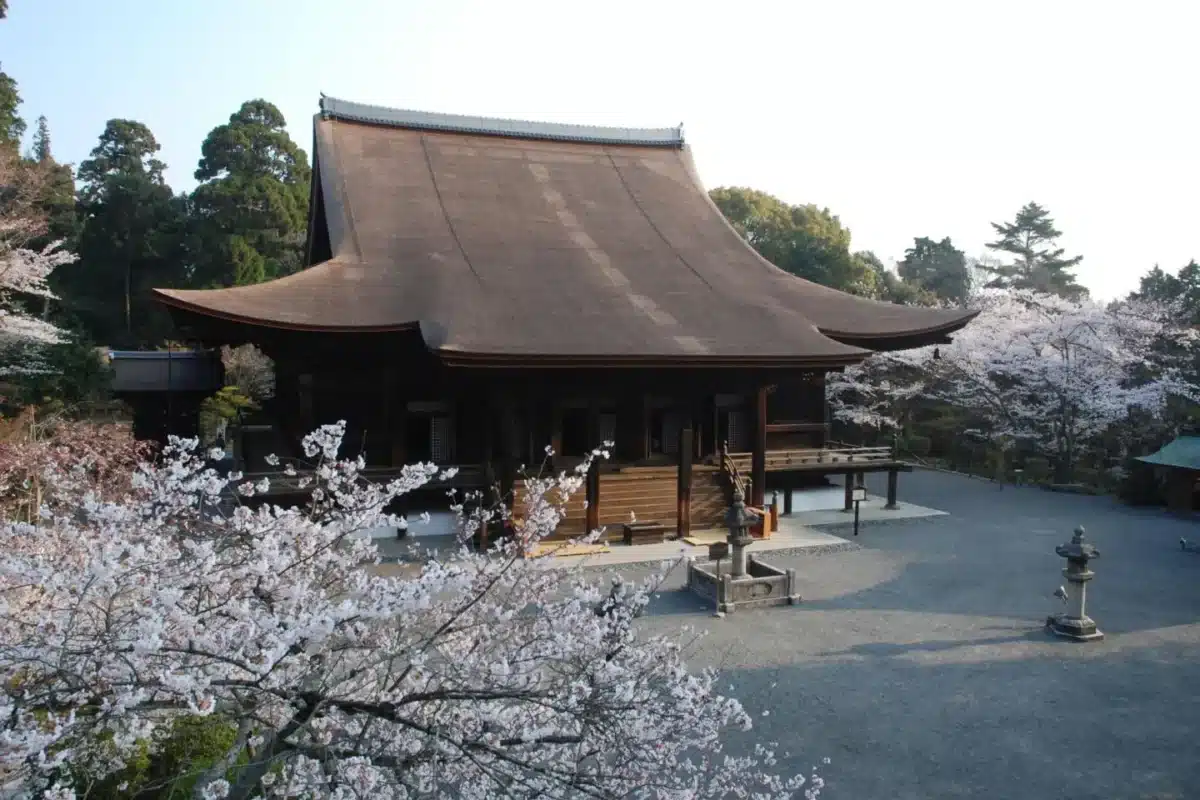
The Mii-dera Cherry Blossom Festival is a profound and visually spectacular celebration held at the historic Mii-dera Temple, a site of immense cultural and spiritual significance perched upon the slopes of Mount Nagara in Otsu, Shiga Prefecture. This 1,200-year-old temple, officially known as Nagarasan Onjoji-ji, serves as the head temple of the Tendai Jimon sect and transforms each spring into an ethereal sanctuary awash in the soft, delicate hues of over 1,000 blooming cherry trees. The convergence of ancient architecture, such as the Momoyama-period Golden Hall and the legendary bell tower, with the transient beauty of Somei Yoshino, weeping cherry, and mountain cherry trees creates an atmosphere of timeless tranquility.
During the festival, the expansive grounds offer visitors a rare opportunity to engage in the time-honored tradition of hanami, where the interplay of light and shadow among the historic wooden structures and the vibrant floral canopy provides a deeply moving experience. The temple grounds, which are dotted with over 100 national treasures and important cultural properties, become a living canvas as the cherry blossoms peak. Whether wandering through the ancient Niomon Gate or contemplating the serene vistas of Lake Biwa from the temple slopes, attendees are immersed in a landscape where nature and history exist in perfect harmony.
As the sun sets, the festival undergoes a mesmerizing metamorphosis through special night illuminations. The structures, including the temple’s prized cultural properties and the cherry trees themselves, are artfully lit, casting a mysterious and enchanting glow across the grounds. This nocturnal transformation allows visitors to appreciate the intricate beauty of the cherry blossoms in a completely different light, making an evening stroll through this sacred space a truly unforgettable highlight of the spring season in Japan.
Enjoy Your Event Stress-Free with Japan Travelo
Do you know? Planning events, festivals, concerts, and cultural experiences in Japan can be overwhelming. Japan Travelo brings everything together in one place, helping you manage your itinerary, transport, and accommodation with ease—so you can enjoy Japan without the stress of planning.
Event Highlights
- The spectacular blooming of over 1,000 cherry trees, including rare weeping and mountain cherry varieties, across the historic temple complex.
- Magical nighttime illuminations that cast an ethereal, luminous glow over the National Treasure buildings and the floral canopy.
- Immersion in a 1,200-year-old sacred environment featuring over 100 officially designated national treasures and cultural properties.
- Stunning panoramic views of Lake Biwa from the temple grounds, offering a unique backdrop for cherry blossom photography.
Why Attend
Attending this festival is an unparalleled way to experience the spiritual and natural majesty of Shiga Prefecture, offering a peaceful alternative to the heavily crowded blossom spots in neighboring Kyoto. It is an ideal destination for history enthusiasts, cultural travelers, and photographers who wish to capture the interplay between delicate sakura and Japan’s rich architectural heritage.
Beyond the visual splendor, visitors benefit from the profound sense of serenity found within one of Japan’s most significant Buddhist sites. The opportunity to explore centuries-old halls, listen to the legendary “Evening Bell of Mii,” and walk the same grounds once patronized by emperors makes this an deeply meaningful cultural excursion.
Date & Duration
- Event Date: Early April 2027
- Event Duration: The festival typically spans several weeks during the peak bloom period, including evening illuminations.
Visiting this event? Don’t miss out on these amazing activities and local experiences while you’re here.
Ticket Information
- How Tickets Are Sold: Tickets are generally available for purchase at the temple entrance upon arrival.
- Admission Type: General admission is required for all visitors to access the historic grounds.
- Ticket Pricing: Please note that fees apply; while subject to change, standard adult admission is typically around 600 USD (equivalent).
- Special Seating Options: No formal seating is provided for general viewing, though visitors often enjoy quiet moments in the temple gardens or at local tea shops.
- VIP Options: Private exhibition or reception spaces within historic buildings like the Kangakuin Kyakuden may be available for special group events, though these are typically separate from general festival access.
Venue / Location
- City and Country: Otsu, Japan
- Venue Name: Mii-dera Head Temple (Onjoji Temple)
- Google Maps Address: 246 Onjojicho, Otsu, Shiga 520-0036, Japan.
Contact Information
- Phone Number: +81-77-522-2238.
- Official Website: https://shiga-miidera.or.jp/translation/eng.html.
Accommodation Options:
The city of Otsu offers a range of sophisticated accommodations, including lakeside hotels such as the Biwako Hotel, which provide easy access to the temple and stunning views of the region’s namesake lake. Staying in Otsu allows for a more relaxed pace compared to nearby Kyoto, making it a perfect base for exploring both the Mii-dera grounds and the wider Shiga region.
For a different experience, travelers may choose modern business hotels located near the primary train lines, which facilitate seamless travel between the temple and the surrounding cities. It is highly recommended to book well in advance for the spring season, as this is a popular time for visitors flocking to the cherry blossom sites.
Getting There
- Nearest Airport: Kansai International Airport (KIX) is the major hub, with train connections reaching Otsu in approximately 90 minutes.
- Nearest Train/Metro Station: A 7 to 10-minute walk from Miidera Station on the Keihan Ishiyama-Sakamoto Line.
- Bus Routes or Public Transport Options: Keihan buses operate routes from JR Otsu Station or JR Otsukyo Station, with a stop directly at “Mitsui-dera”.
- Parking Availability: The temple provides a large parking area capable of accommodating hundreds of standard vehicles.
- Directions by Car: Accessible via the Otsu Interchange on the Meishin Expressway or from National Route 1.
Dining Recommendations
Breakfast Recommendations:
- Traditional Japanese breakfast sets at local Otsu hotels featuring local Omi rice and seasonal vegetables.
- Artisanal cafes near the Keihan line stations serving fresh pastries and locally roasted coffee.
- Convenience store selections offering high-quality, seasonal breakfast bento boxes.
Lunch Recommendations:
- Long-established restaurants near the temple serving regional specialties such as freshwater eel (unagi).
- Small shops within the Mii-dera grounds offering traditional dango and light tea refreshments.
- Casual dining spots near Otsu Station featuring local Omi beef dishes.
Dinner Recommendations:
- Upscale hotel restaurants overlooking Lake Biwa for a premium evening dining experience.
- Local izakayas in central Otsu serving duck hot pot and other regional delicacies.
- Sushi and seafood bars specializing in fresh catches from the nearby lake and regional waters.
Local Specialties to Try:
- Premium Omi beef, highly regarded for its marbling and flavor.
- Traditional dango and seasonal wagashi sweets found throughout the temple district.
- Comforting duck hot pot, a local specialty often enjoyed during the cooler spring evenings.
What is this event?
The Mii-dera Cherry Blossom Festival is a seasonal celebration at one of Japan’s most historic temple complexes. It marks the spring peak when over 1,000 cherry trees transform the sacred grounds into a pink-hued landscape.
Visitors gather to admire the blossoms against the backdrop of ancient National Treasure buildings. It is a time-honored tradition that blends spiritual reverence with the widespread appreciation of nature’s ephemeral beauty.
Why is it popular?
The event’s popularity stems from its authentic atmosphere and its location in a historic temple that feels worlds away from modern city life. The contrast between ancient architecture and delicate spring petals is exceptionally photogenic.
Additionally, the special night illuminations create a magical, almost mystical experience for those who visit after dark. It is widely considered one of the most beautiful and culturally significant cherry blossom viewing spots in the Kansai region.
Tips before you go
- Check the official temple website for the most accurate bloom forecasts and special event schedules.
- Wear comfortable walking shoes, as the temple grounds are expansive and involve inclines on Mount Nagara.
- Bring a jacket, as temperatures near the lake can be cooler, especially during the evening light-up events.
- Prepare for moderate crowds by visiting on a weekday morning if you prefer a more quiet, contemplative experience.
- Ensure your camera or mobile device is fully charged to capture the stunning illuminated architecture at night.
Tips for First-Time Visitors
- Plan your route to arrive at Miidera Station on the Keihan Line to enjoy the pleasant walk up to the temple entrance.
- Take time to explore beyond the main hall to discover smaller, quieter gardens and hidden statues tucked away in the forest.
- Listen closely for the sound of the “Evening Bell of Mii,” a famous cultural soundscape that resonates across the lake.
- Try the local sweets at the small shops on the temple grounds, which provide a perfect pause during your exploration.
- Check for combined transit passes that include temple admission to potentially save on overall travel and entry costs.
- Be mindful of temple etiquette, keeping voices low and respecting the sacred nature of the halls and statues you encounter.
Attendee Experiences
- Walking under the illuminated blossoms at night was a highlight of my entire trip to Japan.
- The view of Lake Biwa framed by the cherry trees from the temple slopes is absolutely breathtaking.
- It felt so much more peaceful and authentic than the crowded parks in the middle of Kyoto.
Location
FAQ
What is the history behind the name Mii-dera?
The name Mii-dera, or Temple of the Three Wells, originates from a sacred spring found within the temple grounds. Legend holds that this water was used for the first baths of three prominent Japanese emperors.
Are the cherry blossoms accessible for photographers?
Yes, the grounds are extremely photogenic, featuring a diverse array of cherry varieties set against historic architecture. Photographers often find the combination of national treasures and blooming petals offers endless opportunities for unique compositions.
How does the night illumination differ from daytime viewing?
While daytime viewing emphasizes the vibrant color of the blossoms, the night illumination highlights the textures of the temple buildings. The soft lighting creates a mysterious and serene ambiance that is distinct from the bright, airy feel of the day.
Can I reach the temple easily from Kyoto?
Yes, the temple is quite accessible from Kyoto, typically taking about 20 to 30 minutes by train. This makes it an ideal choice for a day trip for those staying in the heart of the Kansai region.
Are there any special events during the festival?
During the peak blossom season, the temple holds special night viewings and often hosts various small-scale cultural events. It is recommended to check the official temple schedule closer to April 2027 for the latest announcements.

Leave a Reply