
Overview
The Mino Festival is an expansive and deeply revered cultural celebration held annually in the historic city of Mino, nestled within Gifu Prefecture, Japan. Set against the remarkably preserved backdrop of the town’s ancient, retro streets, the festival serves as a grand homage to the region’s centuries-old legacy and its world-renowned artisanal washi paper craft. Visitors travel from far and wide to witness a picturesque community completely transformed by vibrant artistic expression, deep historical pride, and bustling seasonal festivity.
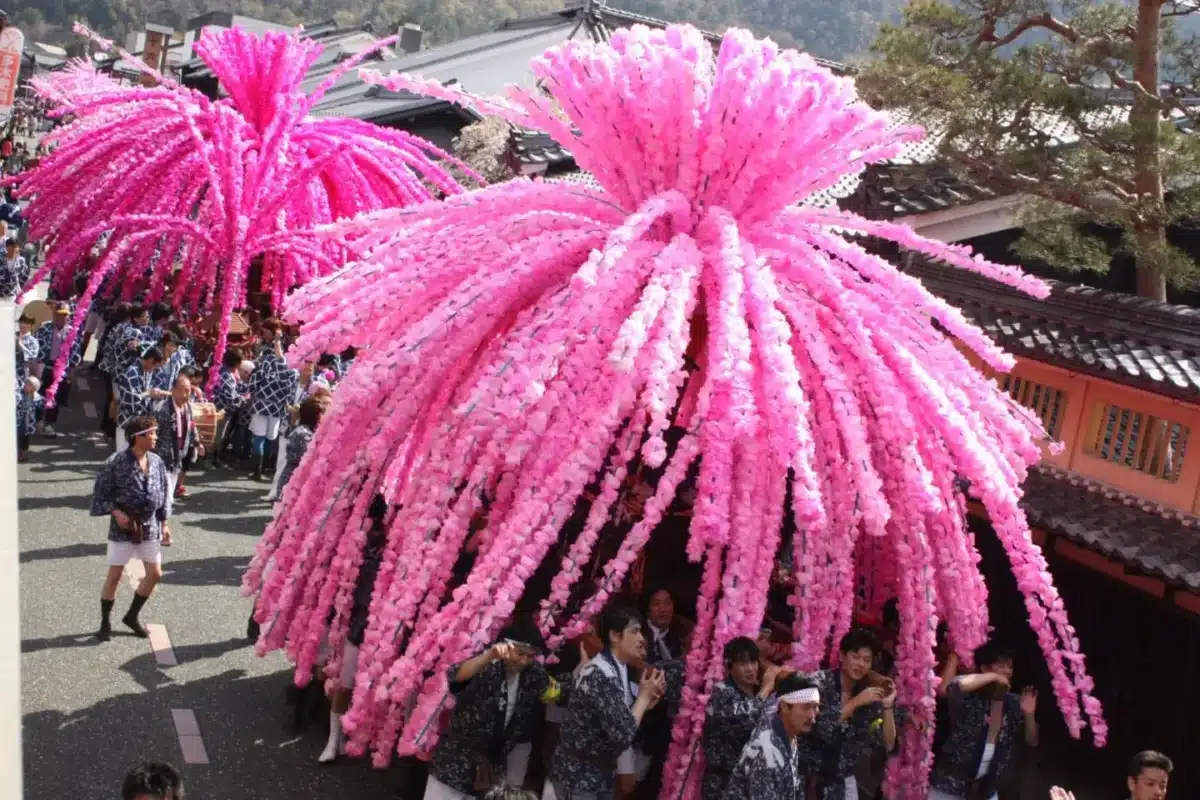
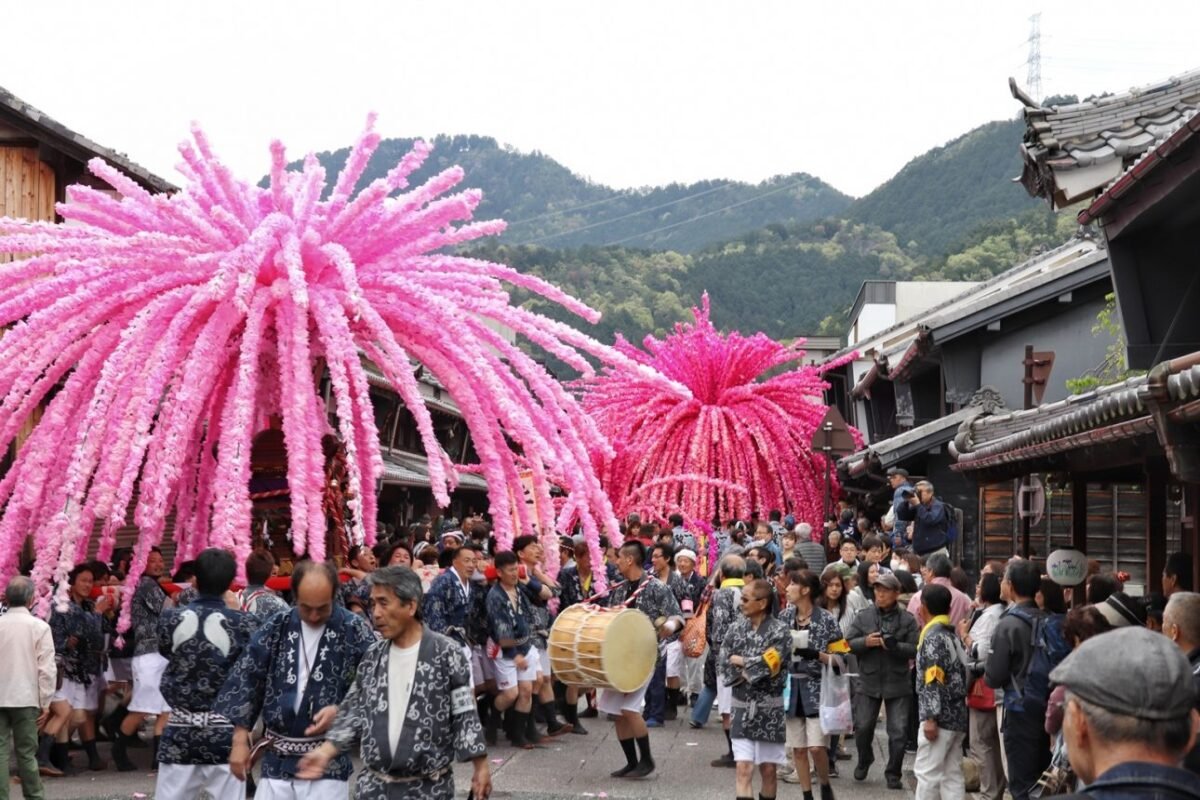
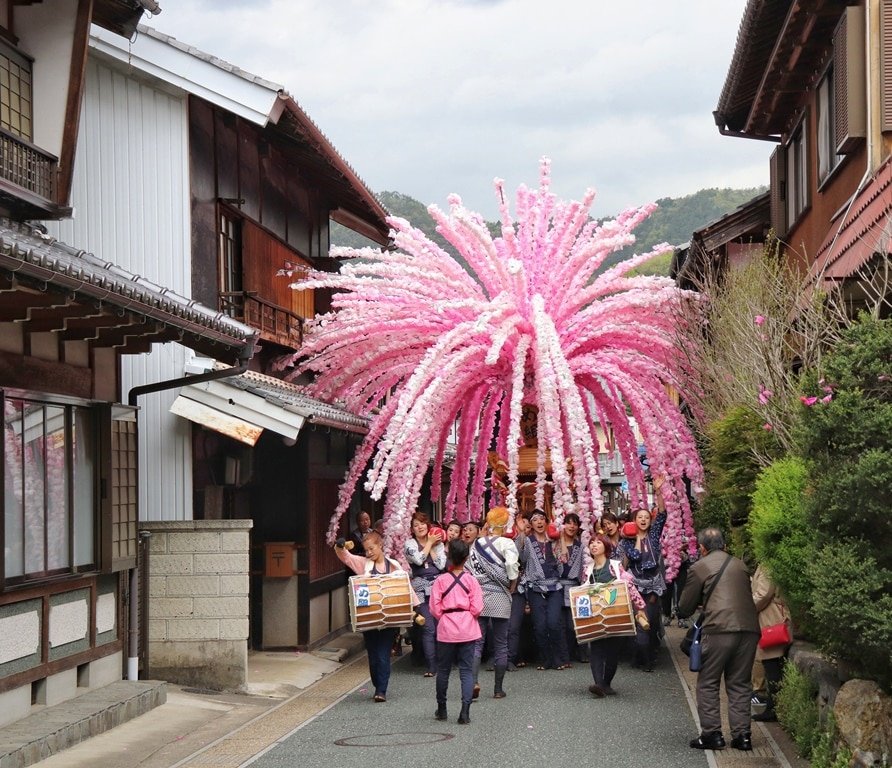
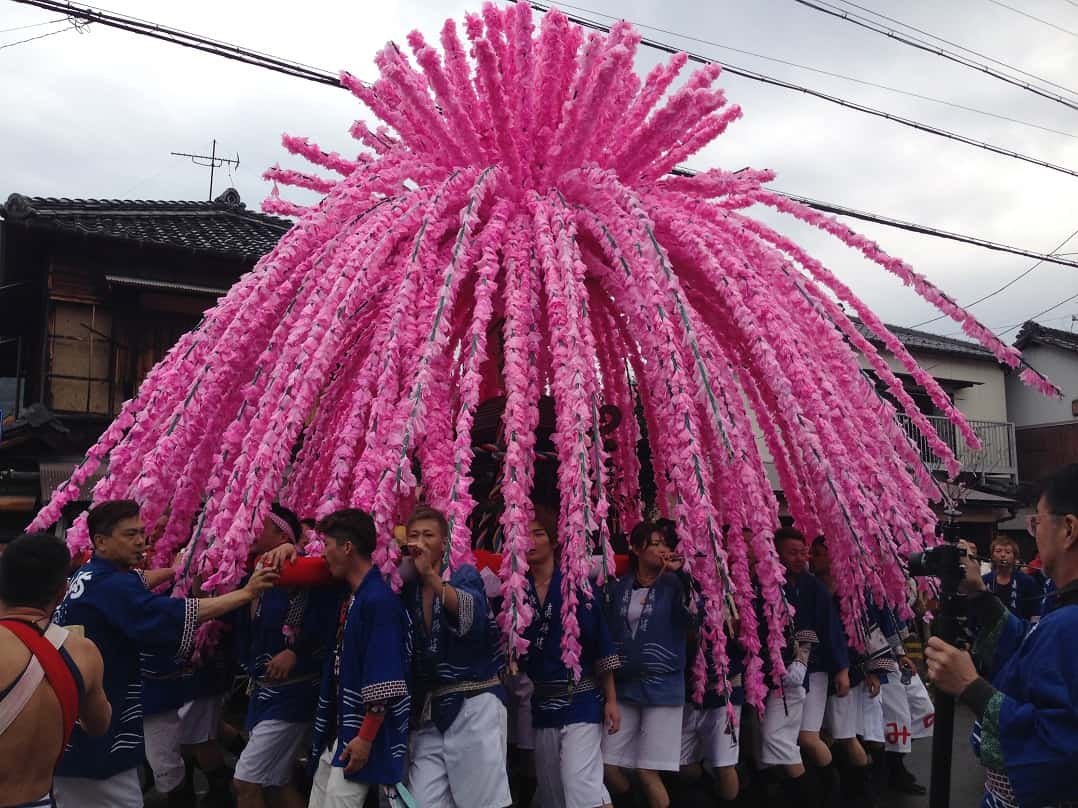
The festival is globally renowned for its breathtaking centerpiece, the legendary Flower Mikoshi Parade. Portable shrines, known locally as mikoshi, are meticulously and laboriously adorned with thousands of delicate, cherry blossom-inspired paper flowers handcrafted from authentic Mino washi. As these extraordinarily colorful shrines are paraded through the historic thoroughfares by enthusiastic local carriers, the visual effect is nothing short of magical, creating the vivid illusion of giant, glowing cherry blossoms floating effortlessly amidst the joyful crowds.
Beyond the stunning visual spectacle of the handmade paper flowers, the festival acts as a living testament to the enduring traditions of Mino’s master craftsmen. The multi-day event seamlessly integrates solemn Shinto rituals with spontaneous local comedic performances and community artistry, offering an immersive glimpse into the beating heart of traditional Japanese heritage. It is a profoundly celebratory time when generations of residents unite to honor their ancestral past while warmly inviting global travelers to share in the vibrant spirit of the changing spring season.
Enjoy Your Event Stress-Free with Japan Travelo
Do you know? Planning events, festivals, concerts, and cultural experiences in Japan can be overwhelming. Japan Travelo brings everything together in one place, helping you manage your itinerary, transport, and accommodation with ease—so you can enjoy Japan without the stress of planning.
Event Highlights
- The magnificent Flower Mikoshi Parade, showcasing enormous portable shrines intricately decorated with thousands of handmade washi paper cherry blossoms that capture the essence of spring.
- Highly entertaining, impromptu comedic street skits and traditional performances executed by local residents, filling the ancient alleys with infectious laughter and dynamic energy throughout both evenings.
- The exceptional opportunity to explore the meticulously preserved Udatsu Wall-Style historical preservation district of Mino, famous for its rows of traditional wooden merchant houses and ancient paper-making workshops.
- A deeply immersive community atmosphere where centuries-old Shinto shrine traditions harmonize with the contemporary artistry and relentless dedication of local paper artisans.
Why Attend
This grand cultural event is exceptionally ideal for international travelers, culture enthusiasts, and photography aficionados who deeply appreciate the intricate intersection of traditional Japanese crafts, living history, and communal festive spirit. It is particularly well-suited for families seeking an authentic cultural exposure and art lovers wishing to witness the ephemeral beauty of elaborate paper-craft installations against the genuine backdrop of a preserved Edo-period townscape.
Attending the Mino Festival offers the profound benefit of experiencing an intangible cultural heritage craft actively celebrated by its creators. By participating in these festivities, visitors not only support the vital preservation of fragile local traditions but also gain a comprehensive, hands-on appreciation for the immense skill and patience involved in authentic washi paper production, an ancient technique honored globally for its cultural significance.
Date & Duration
- Event Date: Early – Mid April 2027.
- Event Duration: Two full, uninterrupted days of vibrant daytime parades, evening performances, and community celebrations running from early morning until late evening.
Visiting this event? Don’t miss out on these amazing activities and local experiences while you’re here.
Ticket Information
- How Tickets Are Sold: Most festival activities, street parades, and public viewing areas are entirely open to the general public without any requirement for pre-purchased tickets or advance reservations.
- Admission Type: Free Admission.
- Ticket Pricing: Free Admission.
- Special Seating Options: No formal reserved seating arrangements are provided, as the festival is an open, dynamic street-based parade event designed for viewing along the historic route.
- VIP Options: No VIP packages, exclusive hospitality lounges, or paid priority seating sections are offered for this deeply authentic, community-led cultural celebration.
Venue / Location
- City and Country: Mino, Japan.
- Venue Name: Hachiman Shrine and the surrounding historic preservation streets of Mino.
- Google Maps Address: Japan, 〒501-3743 Gifu, Mino, 上条1238.
Contact Information
- Website: https://en.japantravel.com/gifu/mino-festival/69720
Accommodation Options
Accommodation choices within Mino primarily consist of charming, traditional Japanese ryokans, minshuku guesthouses, and heritage inns thoughtfully situated inside the historic district. Residing in one of these beautifully restored merchant houses allows guests to remain completely immersed in the festive ambiance while directly experiencing the rich architectural heritage and warm hospitality characteristic of the Gifu region.
Alternatively, a wider array of larger contemporary hotels, business accommodations, and modern lodging facilities can be readily found in neighboring urban centers such as Gifu City or Seki. These alternative bases provide comfortable, amenity-rich environments for travelers who prefer modern conveniences while remaining within a short, efficient commuting distance from the active festival grounds.
Getting There
- Nearest Airport: Chubu Centrair International Airport in Nagoya, situated approximately 90 kilometers away from Mino city center.
- Nearest Train/Metro Station: Mino-shi Station, conveniently located on the scenic Nagaragawa Railway Etsumi-Nan Line.
- Bus Routes or Public Transport Options: Frequent regional bus services and local transit connections link major surrounding railway hubs directly to the central Mino area and Hachiman Shrine zone.
- Parking Availability: Designated public parking lots and temporary event spaces are made available throughout the city outskirts for visitors arriving by private vehicle.
- Directions by Car: Easily accessible via the Tokai-Hokuriku Expressway, with the primary festival venue located just a short, direct drive from the Mino Interchange exit.
Dining Recommendations
Breakfast Recommendations:
- Cozy local bakeries offering freshly baked artisanal bread and locally roasted coffee within the historic merchant district.
- Authentic traditional Japanese breakfast sets featuring grilled fish, steamed rice, and miso soup served at historical ryokans.
- Specialized morning cafes serving seasonal pastry items crafted from regionally sourced agricultural ingredients.
Lunch Recommendations:
- Bustling festival food stalls offering savory yakisoba noodles and seasonal street snacks directly along the primary parade path.
- Charming local noodle houses serving piping-hot handmade udon and traditional soba dishes with rich dashi broths.
- Historic family-run bistros offering meticulously prepared bento boxes highlighting regional flavors and seasonal garden vegetables.
Dinner Recommendations:
- Distinguished traditional restaurants serving exquisite multi-course seasonal kaiseki meals inside lovingly renovated heritage buildings.
- Lively local izakayas providing an extensive variety of delectable small plates, grilled skewers, and premium regional sake.
- Welcoming family-style dining establishments located conveniently near the main commercial thoroughfare of the city.
Local Specialties to Try:
- Intricately molded Mino Washi-themed artistic confectioneries and sweets shaped to resemble traditional paper crafts and seasonal blossoms.
- Freshly caught and grilled sweetfish from the pristine waters of the nearby Nagara River, prepared as a local culinary delicacy.
- Exceptional regional sake varieties masterfully brewed by historic fermentation houses operating across Gifu Prefecture.
What is this event?
The Mino Festival is a grand annual cultural celebration anchored in the historic city of Mino, Japan, an area globally celebrated for its heritage production of authentic washi paper. It features a stunning, world-famous parade of towering portable shrines meticulously decorated with thousands of handcrafted paper flowers.
It serves as both an essential community-binding tradition and a dynamic showcase for local master craftsmanship. By brilliantly blending solemn religious ceremonies with exuberant artistic woodworking and paper artistry, the event provides a distinct, unforgettable cultural experience unique to the Mino region.
Why is it popular?
The festival achieves widespread acclaim primarily due to the breathtaking visual impact of its flower-covered mikoshi shrines, which vividly mimic the ephemeral beauty of bursting cherry blossoms. It offers a remarkably rare opportunity for global visitors to experience a profoundly authentic Japanese matsuri that remains entirely untainted by commercialization.
It is additionally cherished for its welcoming, intimate community atmosphere, inviting travelers to stroll freely through wonderfully preserved Edo-period streets. The harmonious convergence of ancient architecture, peerless local craftsmanship, and lively festive performances creates an enduring cultural spectacle.
Tips before you go
- Plan your itinerary to arrive early in the morning to secure an optimal viewing vantage point along the narrow, winding historic streets before large crowds gather.
- Wear comfortable, sturdy walking shoes, as the vast majority of festival activities, shrine processions, and sightseeing tours take place entirely within a pedestrian-only old town zone.
- Check the local Gifu weather forecast thoroughly in advance, as spring mountain weather in April can occasionally be variable and subject to sudden temperature shifts.
- Pack a high-quality camera or smartphone equipped with extra storage to capture the striking, vivid colors of the paper-adorned shrines and historical streetscapes.
- Consider learning a few polite, fundamental Japanese conversational phrases to significantly enhance your interpersonal exchanges with local performers, artisans, and welcoming residents.
Tips for First-Time Visitors
- Remain constantly mindful of dense local crowds and faithfully follow the directional guidance of festival security staff when the massive shrine procession navigates tight alleyways.
- Take time to explore the quiet side streets situated safely away from the main parade route to discover hidden artisan shops, small museums, and tranquil gardens.
- Maintain deep respect for the sacred spiritual sanctity of the Hachiman Shrine grounds and strictly observe appropriate traditional etiquette when approaching temple altars.
- Organize your transit arrangements well in advance, as local railway lines and regional bus networks experience significantly higher passenger volumes during the two-day festival.
- Actively engage with friendly local market vendors to learn more about the fascinating historical legacy of Mino washi papercraft production firsthand.
- Carry a compact daypack for your personal belongings, keeping in mind that public storage lockers and trash receptacles can be exceptionally limited within the heritage district.
Attendee Experiences
- The mesmerizing sight of those delicate paper flowers shimmering on the grand shrines is utterly unforgettable, especially when natural spring sunlight illuminates them.
- You can tangibly feel the profound, living history of the town while wandering through these magnificent preserved wooden streets during the lively afternoon parade.
- It was an absolute privilege to witness a local community unite with such infectious joy, mutual support, and intense pride in their ancestral heritage.
Video
Location
FAQ
What makes the Mino Festival unique compared to other traditional Japanese festivals?
The festival is globally distinguished by its exclusive tradition of utilizing handcrafted washi paper flowers to decorate massive portable shrines. This distinct artistic practice directly honors the city's centuries-old paper-making heritage, creating a visual masterpiece found nowhere else in Japan.
Is the festival suitable for international visitors who do not speak Japanese?
Yes, the celebration is exceptionally welcoming to travelers from around the world. While formal announcements are primarily in Japanese, the universal visual splendor of the parades and the incredible warmth of the locals make it entirely accessible and enjoyable.
Can visitors actively participate in making the washi paper flowers?
Various local cultural workshops, community centers, and specialized paper museums in Mino offer interactive craft experiences. Visitors interested in hands-on paper crafting are encouraged to inquire directly with local heritage centers upon arrival.
Are there quality accommodations located within walking distance of the Hachiman Shrine?
Yes, there are multiple traditional Japanese inns, family-run minshuku, and heritage guesthouses situated conveniently within the historical district. Residing in this central zone guarantees optimal access to both the festival core and surrounding cultural landmarks.
Does the festival proceed as scheduled regardless of prevailing weather conditions?
The celebration generally runs as planned across its scheduled dates, though minor schedule adjustments may occasionally occur in response to severe weather events. It is always wise to verify final announcements through local tourist information centers on the day of the event.

Leave a Reply