
Overview
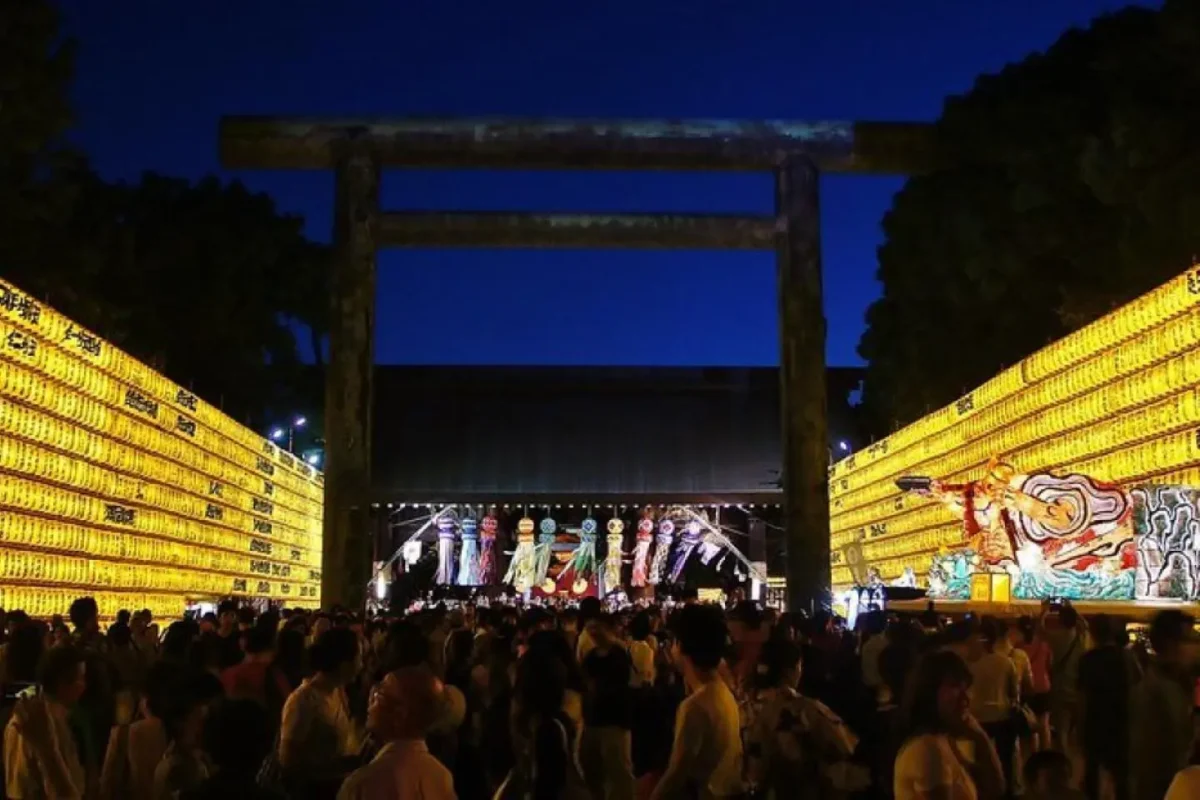
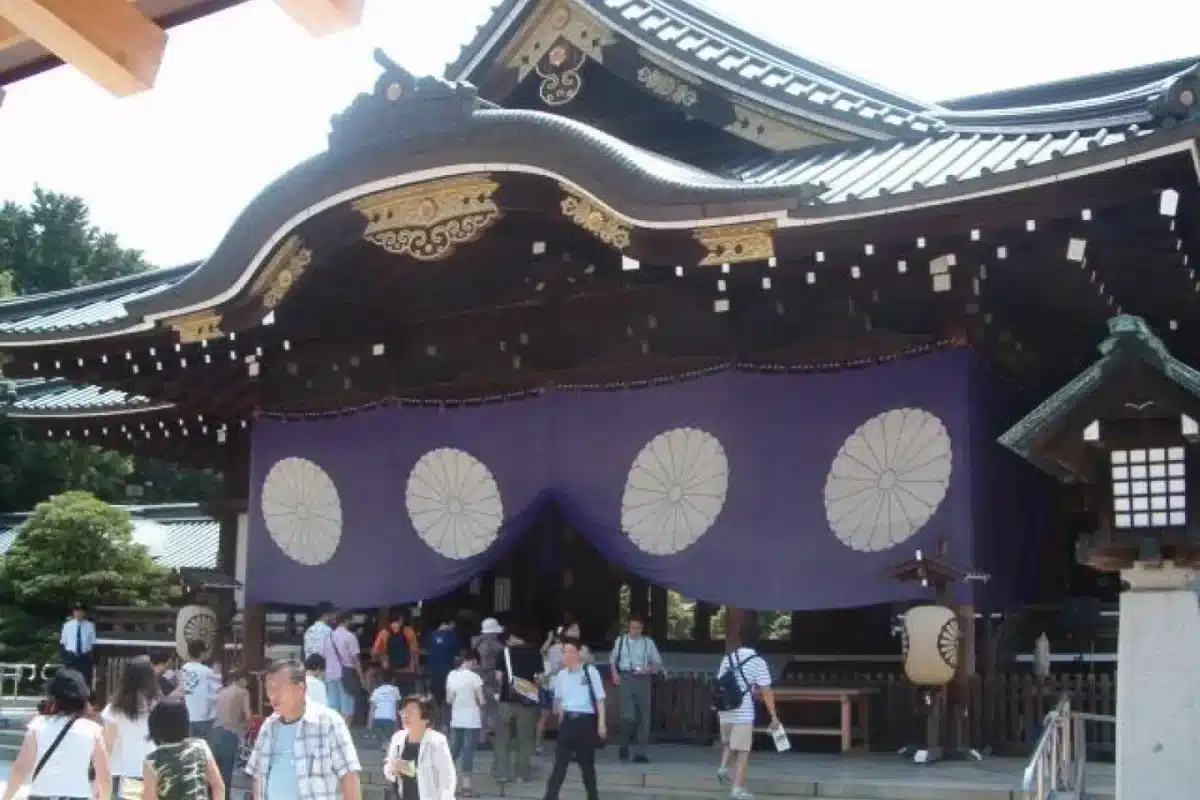
The Mitama Festival at Yasukuni Shrine, known in Japanese as Mitama Matsuri, is one of Tokyo’s most atmospheric and visually stunning summer festivals. Held at Yasukuni Shrine in Chiyoda Ward, central Tokyo, the festival transforms the shrine’s long, tree-lined approach into a tunnel of light created by more than 30,000 glowing yellow lanterns.
The word Mitama is a respectful term meaning the soul of a dead person in Japanese. This Soul Festival honors the souls of those who gave their lives to defend Japan. Yasukuni Shrine is dedicated to enshrining the souls of approximately 2.4 to 2.5 million men, women, and children who died in service to Japan from the Meiji Restoration onward. The Mitama Festival is an early step towards the Japanese holiday season of Obon, during which Japanese people honor their deceased ancestors.
The festival began in 1947 and remains one of Tokyo’s biggest Obon celebrations, attracting at least 300,000 visitors over four days. During the day, there are numerous performances on a stage set up in the shrine area, including dancers, taiko drumming, Nebuta and Awa Odori troupes. There are also many staples of Japanese festivals, such as a long line of food stands, which many visitors note is more comprehensive than at most other festivals, carnival-style games for prizes, and even a haunted house. A team of dancers leads the audience in a simple Bon Odori dance around a circular stage.
Enjoy Your Event Stress-Free with Japan Travelo
Do you know? Planning events, festivals, concerts, and cultural experiences in Japan can be overwhelming. Japan Travelo brings everything together in one place, helping you manage your itinerary, transport, and accommodation with ease—so you can enjoy Japan without the stress of planning.
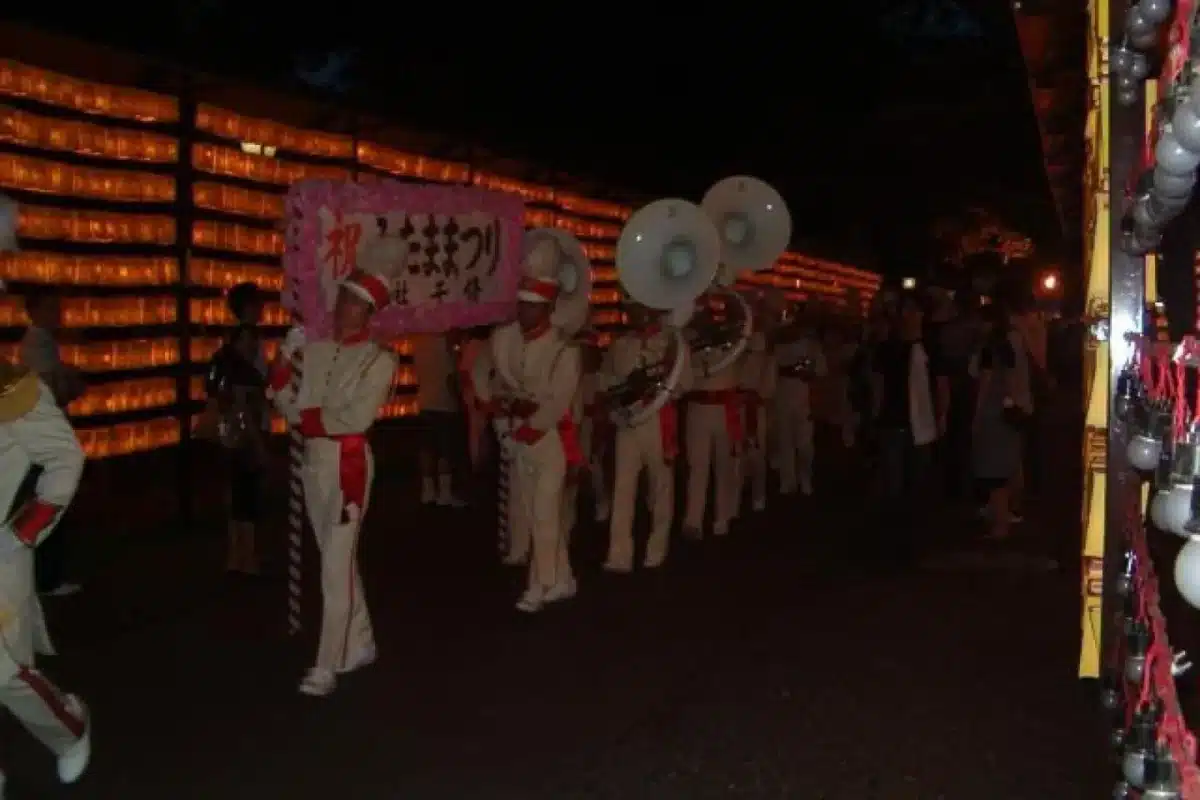
The best part comes alive at night, however, when the more than 30,000 lanterns lining the main road of the shrine are lit up in spectacular fashion, creating a feeling as if you were walking in a dream. Teams carry portable Shinto shrines called mikoshi through dense crowds, chanting and cheering. A marching band performs stirring renditions, and at the height of excitement, two spotlights form a criss-cross through the large torii gate at the shrine’s entrance. There is a very unique feeling at this event that combines intense pride, respect, and festive celebration.
Cultural Significance & Origins
Yasukuni Shrine holds a complex place in Japanese history and is notable for many things: its history, its purpose, and the intense political controversy surrounding it. Founded in 1869 by Emperor Meiji, the shrine was created to honor those who died in the Boshin War and later expanded to include all who died in wars involving Japan. It is a Shinto shrine, and its main deity is comprised of the collective souls of the enshrined.
The Mitama Festival was first held in 1947, just two years after the end of World War II, at a time when Japan was grappling with loss, reconstruction, and remembrance. The festival was conceived as a way to comfort the souls of the war dead and to provide a communal space for mourning families to honor their loved ones. In the immediate post-war period, with many families unable to visit distant battlefields, the lanterns became a symbolic light to guide spirits home.
The festival’s timing aligns with Tokyo’s Obon season. In Tokyo, Obon is observed in mid-summer, a period when it is believed the spirits of ancestors return to visit their families. While Obon is typically a Buddhist tradition, Yasukuni’s Shinto-based Mitama Matsuri shares the theme of welcoming and honoring ancestors. The lanterns serve a dual purpose: they are both offerings to the Mitama and practical guides for spirits finding their way.
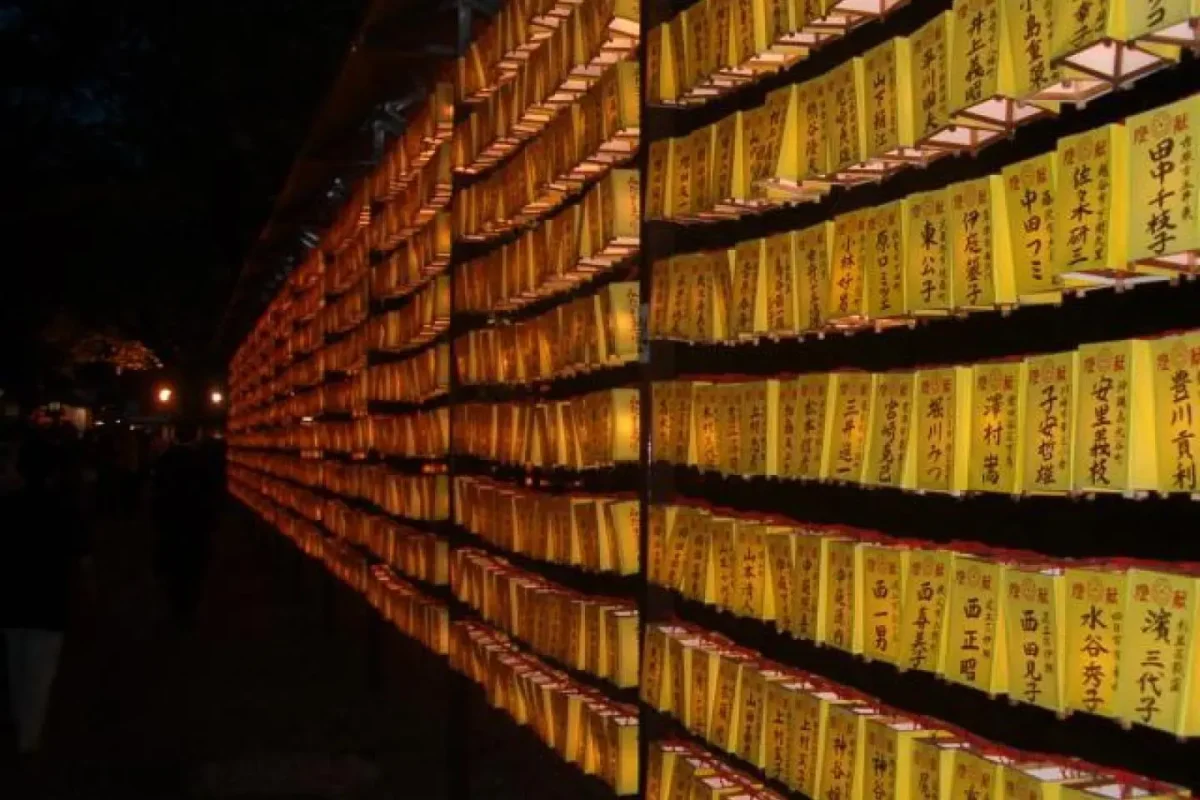
Each lantern bears the name of a donor or a dedication, and many feature paintings and calligraphy by celebrities, artists, politicians, and ordinary citizens. The act of dedicating a lantern is itself a prayer for peace and remembrance. The festival therefore functions as both a religious ceremony and a massive community art installation, where personal memories are displayed publicly in light.
Traditions, Rituals & Customs
The festival preserves several distinct ritual traditions that blend Shinto solemnity with folk celebration.
Chochin Lantern Dedication: The central ritual is the hanging and lighting of more than 30,000 chochin paper lanterns along the main approach from the large first torii gate to the inner shrine. The lanterns are of two types: small yellow chochin that create a uniform tunnel of light, and larger painted bonbori lanterns featuring hand-painted images, calligraphy, and messages dedicated by well-known figures from sports, entertainment, politics, and culture. Each lantern is inscribed with a dedication to a soul. At nightfall, all are lit simultaneously, creating a sea of warm light.
Mikoshi Togyo Procession: Teams of shrine parishioners and local volunteers carry portable Shinto shrines called mikoshi through the dense crowds, chanting traditional calls. The mikoshi sways and bounces as carriers shout in unison, energizing the crowd. This is believed to delight the kami and share their blessings with attendees.
Bon Odori Circle Dance: A circular stage called a yagura is erected in the shrine grounds. A team of professional dancers in yukata leads the audience in simple, repetitive Bon Odori dances that anyone can join. The dances are performed to live folk music and are intended to welcome and comfort ancestral spirits.
Dedication Performances: On a main stage near the shrine’s inner courtyard, continuous performances include taiko drumming groups, Tsugaru shamisen, Aomori Nebuta dance troupes, Tokushima Awa Odori dancers, and folk singers. These are offered as geino hono, artistic dedications to the enshrined souls.
Spotlight Ritual: At the peak of nighttime excitement, two powerful spotlights are set up to criss-cross through the large torii gate at the shrine’s entrance, symbolizing a bridge between the human and spirit worlds.
Kuyo Prayer: Shinto priests conduct formal Kuyo memorial prayers inside the main hall throughout the festival period, offering sake, rice, and sacred branches to the Mitama.
What to Expect at the Festival
Visitors should expect a festival that is simultaneously festive and deeply meaningful, with a unique atmosphere unlike any other Tokyo matsuri.
During daylight hours, the shrine grounds are lively and family-oriented. The long line of food stands offers takoyaki, yakisoba, yakitori, kakigori shaved ice, and regional specialties. Carnival-style games such as yo-yo fishing, ring toss, and shooting galleries offer prizes. A haunted house attraction, or obake yashiki, is a classic summer tradition in Japan and is particularly popular with teenagers.
Stage performances run continuously, and you can join the Bon Odori circle dance even as a beginner. The atmosphere is casual, with many visitors wearing light yukata summer kimono.
As sunset approaches, the crowd thickens significantly as people arrive to see the lanterns illuminated. The moment when the 30,000 lanterns are lit is breathtaking. The entire 200-meter approach glows golden yellow, with painted lanterns providing colorful accents. Walking through this tunnel feels dreamlike, with soft light reflecting off the faces of visitors.
Nighttime brings heightened energy. The mikoshi processions push through dense crowds, the marching band plays, and spotlights sweep the sky. Despite the crowds of up to 80,000 people per night, the atmosphere remains respectful. Many visitors pause to read the inscriptions on lanterns, photograph the painted ones, and bow before the main hall.
There is a very unique feeling at this event of intense pride and respect for the people and country of Japan, combined with summer nostalgia.
Date & Schedule
Event Dates: Mid-July 2027 (Dates TBD)
Typical Four-Day Program Based on Previous Editions:
Daily Daytime: Shrine grounds open in morning. Food stalls, carnival games, and haunted house operate from late morning until evening. Dedication stage performances including taiko drumming, folk dance, Nebuta and Awa Odori begin early afternoon and continue until evening. Bon Odori circle dance sessions held periodically in afternoon and evening, led by dance team on yagura stage.
Daily Nighttime: Lantern illumination begins at sunset and continues until approximately 9:30 PM to 10:00 PM. More than 30,000 yellow chochin and painted bonbori lanterns line the main approach from the first torii gate to the main shrine, creating a spectacular tunnel of light. Mikoshi portable shrine processions through dense crowds in evening. Marching band performances and spotlight criss-cross through large torii gate at peak hours.
Four-Day Structure: The festival is held yearly over four consecutive days, which can be somewhat problematic when those dates fail to fall on a weekend as crowds are heaviest on weekends. The program repeats daily with some variation in performing groups.
Closing: Final lantern illumination and closing ceremony on last night with final prayers.
Please note final schedule and illumination times are announced by Yasukuni Shrine closer to event.
Visiting this event? Don’t miss out on these amazing activities and local experiences while you’re here.
Main Events & Programme
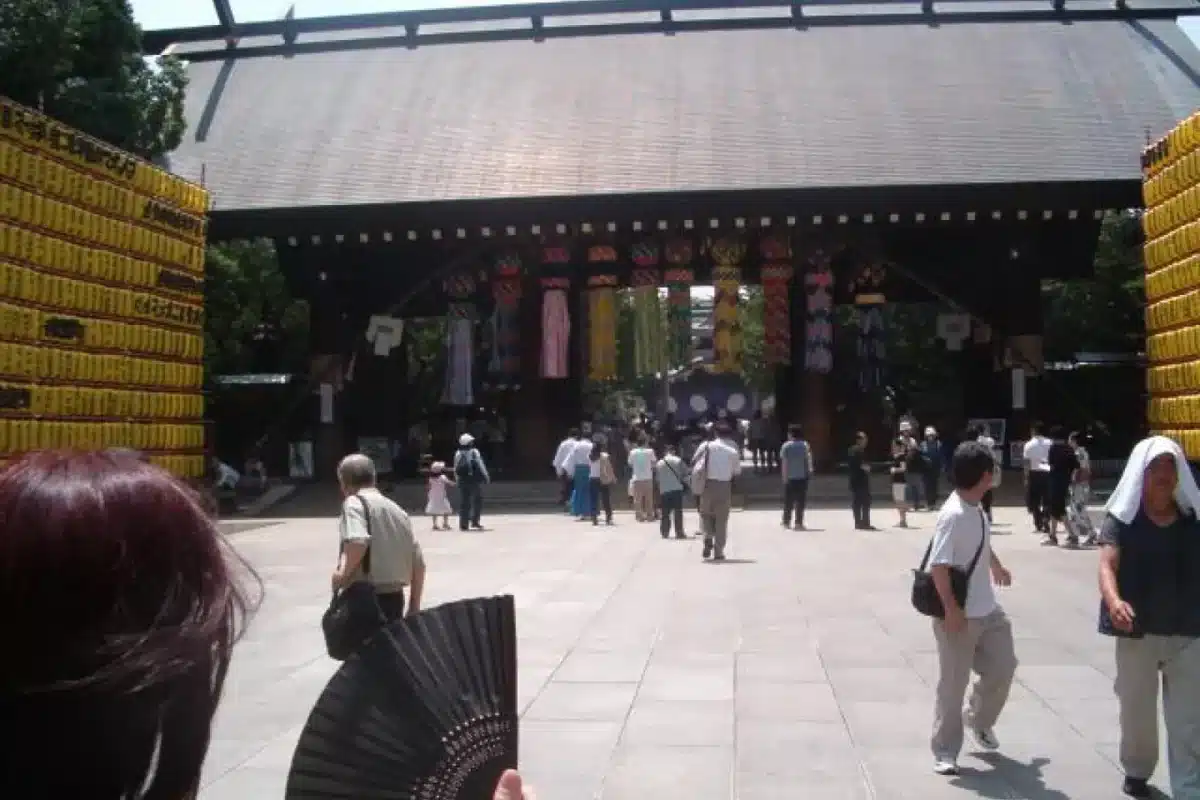
30,000 Lantern Display: The headline attraction. More than 30,000 yellow paper chochin lanterns plus several hundred large painted andon lanterns featuring artwork and calligraphy by celebrities line the main sando approach. The display stretches from the Daiichi Torii first gate through the shrine grounds. The lanterns create a tunnel of light considered one of Tokyo’s most beautiful summer illuminations.
Bon Odori Dance: Held around a central yagura tower, professional dancers lead the audience in simple, repetitive dances. The dances are easy to learn and participation is encouraged. Live shamisen and taiko accompany the dancing.
Dedication Stage Performances: Continuous performances on a dedicated stage include Aomori Nebuta Bayashi drumming, Tokushima Awa Odori dancing, Okinawan Eisa drumming, folk singers, and local school bands. These are offered as cultural dedications to the enshrined souls.
Mikoshi Processions: Teams of carriers in matching happi coats carry portable shrines through the shrine grounds and along the lantern-lined approach, chanting and cheering. The mikoshi are heavy and ornate, decorated with gold fittings.
Haunted House: A traditional summer obake yashiki haunted house is set up in the shrine grounds, offering a cooling scare for visitors, as ghost stories are traditionally told in summer to create chills.
Carnival Games: Yo-yo tsuri fishing, super ball scooping, ring toss, and shooting galleries line the approach to the shrine.
Spotlight and Marching Band: Evening spotlight display forming a criss-cross through the large torii gate and marching band performances including renditions of traditional pieces.
Traditional Dress, Arts & Crafts
Yukata Summer Kimono: Many visitors and performers wear yukata, light cotton summer kimono, in indigo, white, and colorful patterns. The Bon Odori dancers wear matching yukata with wide obi sashes and geta wooden sandals.
Chochin Craftsmanship: The lanterns themselves are traditional crafts. The small yellow chochin are made from washi paper stretched over bamboo frames with candles or electric bulbs inside. The large painted bonbori lanterns are hand-painted by artists, featuring images of landscapes, kabuki actors, sumo wrestlers, and calligraphy. These painted lanterns are collector’s items and are auctioned or preserved after the festival.
Happi Coats: Mikoshi carriers wear happi coats bearing the Yasukuni Shrine crest and their neighborhood association name.
Ema and Omamori: The shrine sells wooden ema plaques where visitors write prayers for peace and remembrance, and omamori amulets for protection and safe travel, decorated with lantern motifs during the festival period for approximately 4 USD to 8 USD.
Calligraphy Display: Many of the large lanterns feature calligraphy by famous sumo wrestlers, actors, and politicians, showcasing traditional brush writing.
Traditional Food & Local Specialties
The food stall area at Mitama Festival is noted for being more comprehensive than at most other festivals.
Classic Matsuri Foods: Stalls line the approach selling takoyaki octmodel balls for approximately 4 USD to 5 USD, yakisoba fried noodles for approximately 5 USD to 6 USD, yakitori chicken skewers for approximately 3 USD to 4 USD, okonomiyaki savory pancakes for approximately 6 USD, and ikayaki grilled squid for approximately 5 USD.
Summer Specialties: Kakigori shaved ice flavored with strawberry, melon, and Blue Hawaii syrup for approximately 3 USD to 4 USD, ramune marble soda for approximately 2 USD, and cold beer for approximately 4 USD to 5 USD.
Regional Foods: Vendors sell regional specialties from across Japan including Hiroshima okonomiyaki, Osaka takoyaki, and Hokkaido corn.
Sweets: Candy apples, chocolate bananas, cotton candy, and taiyaki fish-shaped cakes filled with sweet bean paste for approximately 2 USD to 3 USD.
Shrine Area Dining: Inside the shrine grounds, eating and drinking alcohol is not allowed in certain sacred areas, but designated food areas outside the inner shrine allow consumption. Nearby Yasukuni Kaikan hall has a restaurant serving set meals for approximately 10 USD to 15 USD.
Location & Festival Areas
Main Location: Yasukuni Shrine, 3-1-1 Kudan Kita, Chiyoda Ward, Tokyo 102-8246, Japan. Located near Kudanshita Station, in central Tokyo close to the Imperial Palace and Budokan.
Festival Zones:
Main Sando Approach: The 200-meter approach from the large first torii gate to the second torii gate, lined with 30,000 lanterns. This is the primary viewing area and becomes extremely crowded at night.
Inner Shrine Grounds: Area around the main hall and Kagura hall where formal prayers are held. The dedication stage is located here.
Bon Odori Area: Open plaza with yagura tower for circle dancing, located in the central courtyard.
Food Stall Alley: Long line of food stands and carnival games stretching along the outer approach and side paths.
Haunted House Area: Temporary structure set up near the south side of the grounds.
Ema Display Area: Where visitors can view and hang wooden prayer plaques.
Best Viewing Points: The first torii gate for the full tunnel view, the middle of the sando for immersive lantern experience, and the elevated area near the main hall for overview of crowds.
Getting to the Festival
By Subway: The most convenient access. Take the Tozai Line, Hanzomon Line, or Shinjuku Line to Kudanshita Station, Exit 1, approximately 5 minutes walk to Yasukuni Shrine’s first torii gate. Alternatively, Ichigaya Station on JR Sobu Line and subway lines is approximately 10 minutes walk. Iidabashi Station is approximately 10 minutes walk.
By Train: JR Iidabashi and Ichigaya stations are closest JR stations. From Tokyo Station, take JR Sobu Line to Iidabashi or Ichigaya, total approximately 10 minutes, cost approximately 1 USD to 2 USD.
By Bus: Toei Bus and other city buses stop at Kudanshita and Kudan Ue stops.
By Car: Driving to central Tokyo during festival is strongly discouraged due to road closures around the shrine and extreme congestion. Parking is not available at the shrine. Use public transport. Coin parking in Chiyoda Ward costs approximately 10 USD to 15 USD per hour.
On Foot: The shrine is walkable from Jimbocho book town area and Takebashi area, approximately 15 minutes.
Accessibility: The main approach is paved and relatively flat, suitable for wheelchairs, though it becomes extremely crowded at night. The inner shrine grounds have some gravel areas. Accessible restrooms are available.
Where to Stay Nearby
The festival area is central Tokyo, offering extensive accommodation options.
Kudanshita and Jimbocho Area: Business hotels such as APA Hotel Kudanshita, Hotel Grand Palace, and Villa Fontaine Kudanshita offer rooms for approximately 70 USD to 120 USD per night, within 5 minutes walk to the shrine.
Tokyo Station and Otemachi Area: Luxury and business hotels including The Peninsula Tokyo, Palace Hotel Tokyo, and Marunouchi Hotel range from 150 USD to 400 USD per night, with subway access to Kudanshita in approximately 10 minutes.
Iidabashi and Kagurazaka Area: Hotels such as Hotel Metropolitan Edmont, Hotel Chinzanso Tokyo, and APA Hotel Iidabashi charge approximately 80 USD to 150 USD per night, with French-Japanese dining areas.
Budget Options: Hostels and capsule hotels in Jimbocho and Akihabara areas such as K’s House Tokyo Oasis and First Cabin charge approximately 25 USD to 50 USD per night.
Family Hotels: Mitsui Garden Hotels and Daiwa Roynet Hotels in the area offer family rooms for approximately 100 USD to 180 USD.
Early booking is recommended as festival nights coincide with summer travel season.
What Visitors Can Participate In
Bon Odori Dancing: Join the circle dance around the yagura. No registration or experience required. The dance team leads simple steps that can be learned in minutes. Yukata wearing is encouraged but not required.
Lantern Dedication: Visitors can dedicate a small lantern by making a donation at the shrine office. Donation amounts for a small chochin are approximately 10 USD to 20 USD, with name inscribed. Large painted lanterns are reserved for sponsors and celebrities.
Ema Writing: Purchase a wooden ema plaque for approximately 4 USD to 6 USD, write a prayer for peace, remembrance, or family safety, and hang it on the designated rack.
Omamori Purchase: Purchase amulets for safe travel, good health, and protection, blessed during the festival period.
Mikoshi Viewing and Cheering: Follow the mikoshi processions, cheer carriers, and experience the energetic chanting.
Food and Games: Participate in festival games such as yo-yo fishing and ring toss, and enjoy the extensive food stall offerings.
Photography: Photography of lanterns is allowed and encouraged, though tripods are discouraged in crowded areas. The painted lanterns are particularly photogenic.
Things to Do Before or After the Festival
Chidorigafuchi Moat: Adjacent to Yasukuni Shrine, this moat of the former Edo Castle offers boat rentals for approximately 7 USD to 10 USD per 30 minutes and is famous for cherry blossoms and evening illumination.
Imperial Palace East Gardens: Located a short walk from Yasukuni, these gardens are open free of charge and offer quiet walks among historic castle ruins.
Nippon Budokan: The famous martial arts hall located inside Kitanomaru Park next to Yasukuni Shrine, hosting martial arts events and concerts.
Jimbocho Book Town: Tokyo’s famous used book district, located one subway stop away, with over 170 bookstores selling rare Japanese books, ukiyo-e prints, and academic texts.
Kagurazaka District: A historic geisha district with French and Japanese restaurants, cobblestone streets, and small shrines, located near Iidabashi Station.
Yasukuni Yushukan Museum: The war museum located on shrine grounds displaying artifacts, letters, and historical exhibits related to the enshrined souls. Admission is approximately 7 USD to 8 USD. Note that the museum presents a particular historical perspective.
Local Food & Restaurants
Festival Food Stalls: The most immediate dining option during festival hours. Budget approximately 15 USD to 25 USD for a full evening of street foods and drinks.
Kudanshita Area Restaurants: The area around Kudanshita Station offers many restaurants including ramen shops such as Mendokoro Hanada, soba shops, and izakaya. Average lunch costs approximately 7 USD to 12 USD.
Jimbocho Curry District: Jimbocho is famous for curry rice, with legendary shops such as Bondy and CoCo Ichibanya serving curry for approximately 7 USD to 10 USD.
Kagurazaka French-Japanese: This district offers upscale French-Japanese fusion restaurants and traditional kaiseki for approximately 20 USD to 50 USD.
Imperial Palace Area: Hotels around the palace offer refined dining with views.
Convenience Stores: Lawson, FamilyMart, and 7-Eleven near Kudanshita Station provide cold drinks, onigiri for approximately 1 USD to 2 USD, and ice cream.
Ticket Information & Access
Festival Admission: The Mitama Festival is free to enter. No ticket is required to view the 30,000 lanterns, watch stage performances, or join Bon Odori dancing. This free admission has been maintained since the festival began in 1947 and contributes to its large attendance of 300,000 visitors.
Lantern Dedication Fee: Dedicating a small yellow chochin lantern costs approximately 10 USD to 20 USD per lantern, with name inscribed. Large painted lanterns are by invitation or sponsorship and cost significantly more.
Haunted House: The obake yashiki haunted house charges a small admission fee of approximately 4 USD to 6 USD per person based on previous editions.
Carnival Games: Games such as yo-yo fishing and shooting galleries cost approximately 2 USD to 4 USD per play.
Yushukan Museum: Separate admission to the war museum on shrine grounds costs approximately 7 USD to 8 USD for adults and 4 USD for students.
Food and Drinks: Budget approximately 15 USD to 25 USD for food stall dining.
Transportation: Subway fare to Kudanshita Station from central Tokyo is approximately 1 USD to 3 USD.
Official Event Information
The festival is organized by Yasukuni Shrine and the Yasukuni Shrine Reverent Association.
Official Website URL as text: https://en.japantravel.com/tokyo/mitama-festival-at-yasukuni-shrine/2016
Yasukuni Shrine Official Website URL as text: https://www.yasukuni.or.jp/english/
Yasukuni Shrine Address as text: 3-1-1 Kudan Kita, Chiyoda-ku, Tokyo 102-8246, Japan
Phone Number as text: 03-3261-8326
Access Information: 5 minutes walk from Kudanshita Station Exit 1 on Tozai Line, Hanzomon Line, Shinjuku Line. 10 minutes walk from Ichigaya Station and Iidabashi Station.
Tourist Information: Tokyo Tourist Information Center in Shinjuku Bus Terminal and at Tokyo Station provide maps and festival schedules.
Video
Location
FAQ
Is the Mitama Festival free to enter and do I need to book tickets in advance?
The festival is completely free to enter with no tickets required to view the thirty thousand lanterns, watch stage performances, or join Bon Odori dancing, maintaining free access since nineteen forty seven. No advance booking is needed for general viewing, though dedicating a lantern requires a donation at the shrine office. Arrive early on weekends as crowds can reach eighty thousand per night.
What is the best time to see the lanterns illuminated and avoid the heaviest crowds?
The lanterns are lit at sunset and remain illuminated until around nine thirty to ten at night, with the most magical moment being just after sunset when the sky is dark blue. Weekday evenings are significantly less crowded than weekends, and early in the four day period tends to be quieter than the final weekend nights. If you must visit on a weekend, arrive before sunset to secure a good viewing spot along the main approach.
Can international visitors participate in Bon Odori dancing and how difficult is it?
Anyone can join the Bon Odori circle dance around the yagura tower with no registration, experience, or Japanese language ability required. The dances are simple, repetitive movements led by professional dancers on stage that can be learned in a few minutes by copying neighbors. Wearing yukata is encouraged for atmosphere but casual summer clothes are perfectly acceptable.
Is photography allowed of the lanterns and are there any restricted areas inside the shrine?
Photography of the thirty thousand lanterns and painted lanterns is allowed and encouraged, though tripods that block crowded paths are discouraged. Inside certain sacred areas of the shrine, such as the main hall interior and some prayer areas, photography and eating or drinking alcohol are not permitted. Follow signage and staff instructions regarding restricted zones.
How is the Mitama Festival connected to Obon and what is the meaning of Mitama?
Mitama is a respectful term meaning the soul of a deceased person, and the festival honors the souls enshrined at Yasukuni Shrine, making it an early step toward the Obon season when Japanese honor ancestors. While Obon is traditionally Buddhist, Mitama Matsuri is a Shinto festival that shares the theme of welcoming and comforting ancestral spirits through light, dance, and offerings. The lanterns serve as lights to guide spirits and as prayers for peace.

Leave a Reply