
What to expect
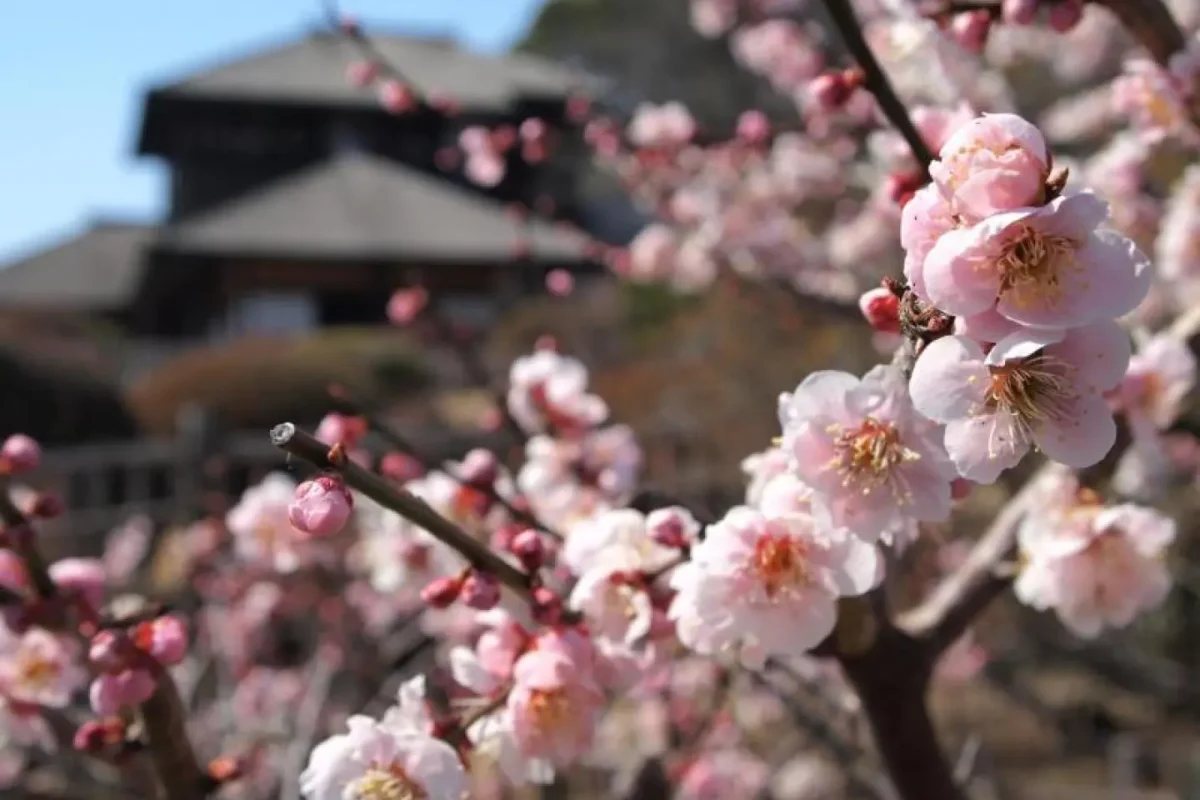
Mito Plum Blossom Festival, known locally as Mito Ume Matsuri, is one of Eastern Japan’s biggest festivals and one of Ibaraki Prefecture’s most popular seasonal celebrations. Held mainly in the sprawling Kairakuen park, itself one of Japan’s famous Three Great Gardens, the festival is timed to coincide with the blooming of the park’s over 3000 trees and 100 varieties of plum blossoms in pink, white, and pale yellow.
Beginning as a way of celebrating the opening of the Joban railway line between Mito and Ueno, the festival has since expanded from one day of blossom viewing to encompass over a month and a half of activities. Today more than one million visitors descend on Mito for the festival each year to enjoy the simple beauty of plum blossoms and a wide range of cultural highlights.
You can expect a combination of natural beauty and traditional Japanese culture. The garden was established in 1842 by Tokugawa Nariaki, the 9th lord of the Mito Domain, who named it Kairakuen because he wanted it to be a place for the people to enjoy together. Within the garden, approximately 3000 plum trees of about 100 varieties are planted, blooming in succession from early to mid-season and late bloomers, allowing visitors to enjoy different scenery throughout the festival.
Enjoy Your Event Stress-Free with Japan Travelo
Do you know? Planning events, festivals, concerts, and cultural experiences in Japan can be overwhelming. Japan Travelo brings everything together in one place, helping you manage your itinerary, transport, and accommodation with ease—so you can enjoy Japan without the stress of planning.
Beyond blossoms, the festival includes outdoor tea ceremonies, Noh and cultural dances, koto and shakuhachi performances, Hina doll floating rituals, natto eating contests, food fairs, martial arts demonstrations, plum wine tasting, evening illuminations with sea of clouds mist effects, and appearances by the Plum Blossom Ambassadors who wander the park in elaborate kimono offering knowledge and photo opportunities. A pair of old-fashioned buses from the Meiji era offers free tours of all the tourist spots in Mito each weekend, and the nearby Kodokan, the largest clan school founded by Nariaki Tokugawa in 1841, also hosts events.
Event dates
Event Dates: Early Feb – Late March 2027 (Dates TBD)
Typical Schedule Based on Previous Editions:
Festival Period: The festival begins late in the second last week of February and runs right up until the end of March, lasting approximately six weeks. This marks its 127th to 128th incarnation, with a history of over 120 years.
Daily Hours: Kairakuen Garden is open from 6:00 AM to 7:00 PM during the festival, with extended hours until 9:00 PM during illumination periods. Kodokan is open from 9:00 AM to 5:00 PM.
Weekend Specials: The Joban train line coming from Ueno stops right at the Kairakuen temporary station on Saturdays and Sundays from 9:00 AM to 3:00 PM during the festival period. Meiji-era old-fashioned buses offer free tours of Mito tourist spots each weekend, starting at 9:30 AM and finishing at 3:30 PM, with total trip time of a little over an hour.
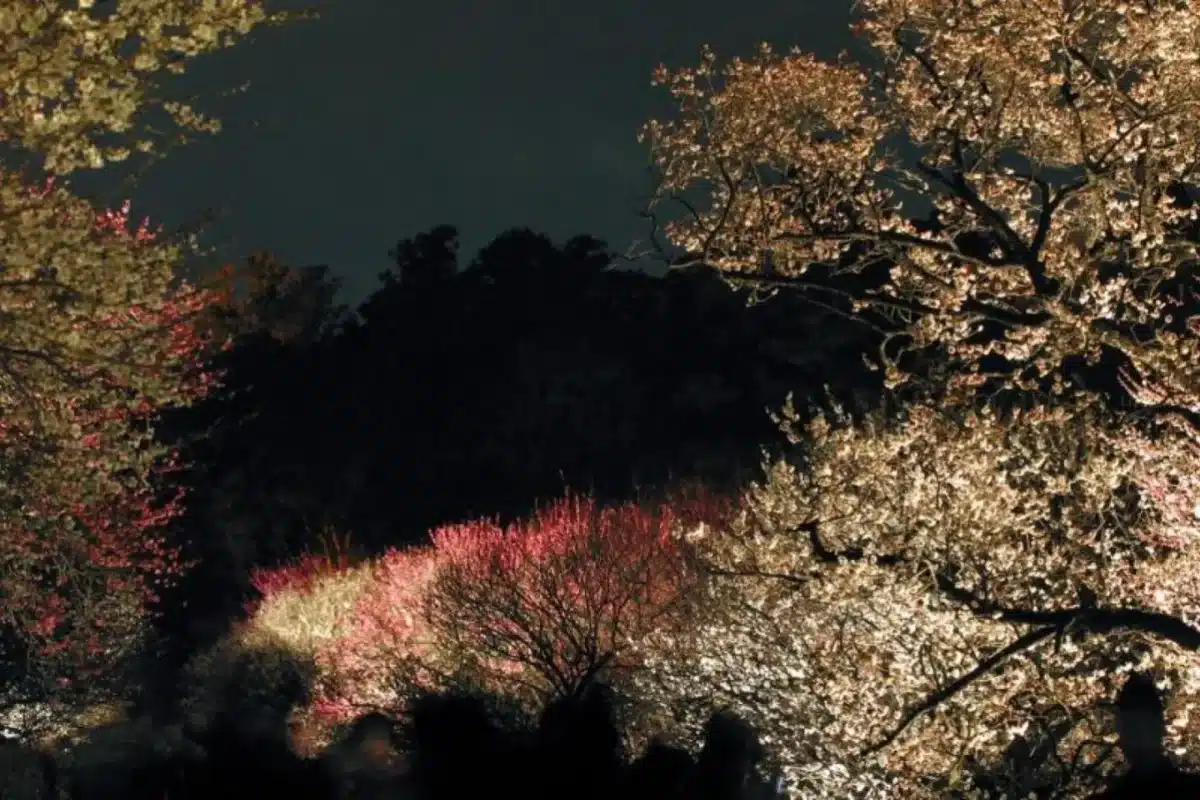
Evening Illumination: For a period of about two weeks in the middle of the festival, the park is decorated with lights so that beautiful scenery can be enjoyed under a more romantic evening atmosphere. The special event Kairakuen UME The Lights combines illumination with sea of clouds mist effect among plum trees. Hours during illumination are until 9:00 PM.
Weekly Events: Outdoor tea parties called Nodate are held each Sunday, hosted by a different school of tea each weekend. Tokiwa Shrine hosts performances by traditional Japanese instruments like koto or shakuhachi on Sundays, plus concerts on certain Saturdays. Noh performances, taiko drumming, and martial arts demonstrations are scheduled on weekends.
Please note final dates and illumination schedule are announced by Mito Tourist Association and Ibaraki Prefecture.
Visiting this event? Don’t miss out on these amazing activities and local experiences while you’re here.
Venue & exhibition site
Primary Venue: Kairakuen Garden, 1-3-3 Tokiwa-cho, Mito City, Ibaraki Prefecture 310-0033, Japan. Kairakuen is one of Japan’s Three Great Gardens alongside Kenrokuen in Kanazawa and Korakuen in Okayama. The garden is a sprawling landmark featuring historical architecture including the Kobuntei pavilion, a three-story wooden villa used by Lord Nariaki, with stunning views over the plum grove and Lake Senba.
Secondary Venue: Kodokan, 1-6-8 Sannomaru, Mito City. Kodokan was established in 1841 by Tokugawa Nariaki as the Mito Domain’s clan school and was the largest of its kind in Japan. It serves as a secondary festival site hosting calligraphy exhibitions, martial arts, and educational events. It is located approximately 10 minutes walk from Kairakuen.
Tokiwa Shrine Venue: Located adjacent to Kairakuen, Tokiwa Shrine honors Tokugawa Mitsukuni and Tokugawa Nariaki and hosts traditional music performances and ceremonies.
Lake Senba Area: The large lake below Kairakuen hosts the Hina Nagashi event where dolls are set afloat on water, and food fairs.
Garden Layout: The plum grove spread in front of Kobuntei house contains approximately 1500 plum trees. The entire garden contains 3000 trees of 100 varieties. Paths wind through groves named for colors and varieties. Bamboo groves, cedar forests, and historic gates frame the plum blossoms.
Full event programme
Opening Ceremony: Formal opening with Shinto blessing, remarks by Mayor of Mito, and introduction of Plum Blossom Ambassadors in new kimono patterns chosen each year. Taiko drumming performance.
Plum Blossom Ambassadors Program: Celebrating over 50 years since creation, the Plum Blossom Ambassadors are a group of 10 specially-chosen representatives who are both mascots and guides. All ambassadors historically have been female though position is now open to male applicants. Dressed in elaborate layered kimono, they wander around park offering knowledge and photo opportunities daily throughout festival.
Cultural Performances:
Nodate Outdoor Tea Ceremony: Each Sunday, different schools of tea host outdoor tea parties open to all comers in the plum grove. Visitors can enjoy matcha and wagashi sweets for approximately 4 USD to 7 USD.
Traditional Music: At Tokiwa Shrine, performances by koto, shakuhachi, and shamisen on Sundays, plus concerts on certain Saturdays.
Noh and Shimai Dance: Shimai Noh dance at Tokiwa Shrine and Kodokan.
Martial Arts Demonstrations: Samurai martial arts, archery, and sword demonstrations at Kodokan.
Taiko Drum Performances: Local taiko groups perform on weekends.
Special Events:
Kairakuen UME The Lights: Evening illumination combining LED lights with sea of clouds mist effect spreading among plum trees, plus teamLab interactive light art in some years where each plum tree’s light is autonomous, shining brightly and fading.
Hina Nagashi: Yearly Hina doll festival-related event where dolls are set afloat on local pond or Lake Senba for purification.
Plum Wine Tasting and Original Cocktail Contest: Mito plum wine original cocktail contest and tasting of local umeshu.
Natto Eating Contests: Mito is famous for natto fermented soybeans, and eating contests are held.
Food Fairs: Local product fairs featuring Ibaraki specialties.
Candle Light Art: Candle art displays among plum trees.
Educational Tours: Meiji-era buses offer free tours of Mito tourist spots each weekend from 9:30 AM to 3:30 PM.
Featured companies & exhibitors
Plum Product Producers: Local umeshu plum wine breweries including breweries from Mito and surrounding Ibaraki, offering tastings and sales of plum wine for approximately 8 USD to 15 USD per bottle. Umeshu cocktail exhibitors participate in original cocktail contest.
Tea Schools: Different schools of tea including Urasenke and Omotesenke branches from Ibaraki provide tea ceremony demonstrations and serve tea at Nodate events.
Craft Exhibitors: Local artisans selling washi paper crafts, plum wood crafts, handmade kimono accessories, and ceramic ware inspired by plum blossoms. Kobuntei gift shop sells plum-themed souvenirs.
Food Vendors: Ibaraki food producers including natto makers, including Mito’s famous natto brands, dried sweet potato producers, Hitachi beef vendors, and local sake breweries.
Cultural Groups: Tokiwa Shrine musicians, Kodokan preservation societies, Noh theater groups from Ibaraki, and martial arts dojos.
Tourism Organizations: Mito Tourist Association, Ibaraki Prefecture tourism booths providing information on Kairakuen, Kodokan, Art Tower Mito, and Lake Senba.
Floral and Horticultural Exhibitors: Ibaraki horticultural associations displaying information on 100 varieties of plum trees, with labeled trees and educational boards throughout garden.
Agriculture & environmental sectors
Plum Cultivation Sector: The festival highlights 100 varieties of plum including early, mid, and late blooming types. Varieties include Shirokaga, Bungo, and Kagoshima Benibana. Educational displays explain cultivation techniques for ume trees that have been grown in Mito since Edo period.
Ibaraki Agriculture: Ibaraki is one of Japan’s top agricultural prefectures. Exhibitors showcase natto soybeans, Hitachi beef, lotus root from Kasumigaura, melons, and dried sweet potatoes known as hoshi-imo, a specialty product with stalls selling packs for approximately 5 USD to 10 USD.
Environmental Education: Kairakuen was designed as a place for people to enjoy together with nature, following Tokugawa Nariaki’s philosophy. The garden management showcases sustainable pruning, organic pest control for 3000 plum trees, and preservation of historic cedar and bamboo forests.
Mito’s Water Environment: Lake Senba and the nearby Naka River environment are highlighted, with information on water purification and bird watching. The lake area hosts many water birds.
Floral Succession Planning: The garden’s planning ensures blooming succession from plum to cherry blossoms, azaleas, bush clover in September, maintaining year-round floral interest.
Products, technologies & innovations
Plum-Based Products: Wide range of ume products including umeboshi pickled plums for approximately 6 USD to 10 USD per pack, umeshu plum wine, ume jam for approximately 5 USD, ume vinegar, and ume sweets. New product innovations include ume flavored craft beer and ume cosmetics.
Illumination Technology: Recent editions feature advanced LED lighting combined with mist machines creating sea of clouds effect among plum groves. teamLab’s Digitized Kairakuen Garden installation uses sensors and autonomous lighting where each plum tree’s light shines brightly then fades in response to visitors, creating interactive art.
Natto Innovations: Mito natto makers exhibit new flavors including yuzu natto, plum natto, and natto snacks, plus natto-based health supplements.
Traditional Craft Technologies: Displays of traditional indigo dyeing for kimono worn by Ambassadors, washi paper making, and bamboo craft techniques used in garden maintenance.
Digital Guides: QR code boards throughout Kairakuen providing multilingual information on plum varieties, blooming status, and historical information. Real-time blooming forecast apps provided by Mito Tourist Association.
Sustainable Packaging: Vendors use plum wood packaging and biodegradable materials for food fair.
Demonstrations & workshops
Nodate Tea Ceremony Workshop: Visitors can participate in outdoor tea ceremony for small fee of approximately 4 USD to 7 USD, learning basic tea etiquette from different schools each Sunday.
Plum Blossom Ambassador Guided Walks: Free guided walks led by Ambassadors in kimono, offering photo opportunities and explanations of plum varieties and garden history, held daily at multiple times.
Traditional Instrument Workshops: At Tokiwa Shrine, short trial lessons in koto and shakuhachi playing for approximately 5 USD to 8 USD.
Calligraphy Demonstrations: At Kodokan, calligraphy masters demonstrate writing of plum-themed poems and offer visitor participation for approximately 3 USD to 5 USD.
Natto Making Experience: Workshops where visitors can make their own natto pack to take home for approximately 6 USD to 10 USD.
Ume Cooking Workshops: Cooking classes using ume including ume rice, ume dressing, and ume sweets for approximately 8 USD to 12 USD.
Candle Art Making: During illumination period, workshops to make small candle holders for display among plum trees for approximately 4 USD to 6 USD.
Plum Wine Blending: Workshops to blend your own umeshu with local plums for approximately 10 USD to 15 USD including bottle to take home.
Ticket types & registration
Garden Admission: Kairakuen Garden admission is charged during festival period. Based on previous editions, admission is approximately 2 USD to 3 USD for adults, 1 USD to 1.50 USD for children, free for children under 6. Admission includes access to plum groves and Kobuntei lower floors. Kobuntei upper floor requires additional ticket of approximately 1 USD to 2 USD.
Kodokan Admission: Kodokan admission is approximately 3 USD to 4 USD for adults, 1 USD to 2 USD for children, often combined with Kairakuen ticket for discount of approximately 5 USD combined.
Meiji-Era Bus Tour: Free tours of all tourist spots in Mito each weekend, starting at 9:30 AM and finishing at 3:30 PM, no reservation required, first-come first-served.
Tea Ceremony Participation: Nodate tea ceremony participation costs approximately 4 USD to 7 USD per session, including matcha and sweet, paid on site.
Illumination Event: Kairakuen UME The Lights evening admission is included in garden admission during extended hours until 9:00 PM, no separate ticket.
Workshops: Most workshops require on-site registration and small material fees ranging from 3 USD to 15 USD as listed above.
Group Discounts: Groups of 20 or more receive 20 percent discount on garden admission based on previous editions.
Advance Purchase: Tickets can be purchased at garden gate, via convenience stores, and online through Mito Tourist Association website. No advance registration required for general entry.
Professional & trade visitor access
Horticultural Professionals: The festival welcomes horticultural professionals, landscape architects, and garden curators. Special early morning entry for professionals can be arranged via Mito Tourist Association for study of 100 plum varieties and pruning techniques. Contact Mito Tourist Association for professional access permits.
Tourism Trade: Travel agents and tour operators can request familiarization tours including guided access to Kobuntei, Kodokan, and Tokiwa Shrine with English speaking guides for approximately 15 USD to 25 USD per group.
Media Access: Press and media can obtain press passes for photography of Plum Blossom Ambassadors and illumination events via Ibaraki Prefecture tourism division. Tripods are allowed in designated areas during early morning hours.
Food and Agriculture Trade: Natto producers, plum wine brewers, and Ibaraki agricultural cooperatives exhibit at food fairs. Trade inquiries for wholesale of ume products, natto, and dried sweet potatoes can be made at exhibitor booths.
Cultural Institutions: Tea schools, Noh groups, and martial arts schools interested in performing can apply to Mito City cultural affairs division several months in advance.
Academic Access: Researchers studying Tokugawa Nariaki, Kodokan education system, or plum cultivation can request access to archival materials at Kodokan and Mito City museum.
Exhibition halls & floor plan
Kairakuen Garden Outdoor Halls: The garden functions as an open-air exhibition hall divided into several zones:
Main Plum Grove: Approximately 1500 trees in front of Kobuntei house, main viewing area with widest paths and tea ceremony spaces.
South Plum Grove: Early blooming varieties, quieter area near Tokiwa Shrine.
Bamboo Grove and Cedar Forest: Shaded paths connecting to Kodokan direction.
Kobuntei Pavilion: Three-story historic villa serving as indoor exhibition space with tatami rooms displaying plum-themed art and views over garden. Lower floors open with garden admission, upper floors require extra ticket.
Kodokan Hall: Large historic school building serving as indoor exhibition hall for calligraphy, martial arts demonstrations, and educational displays about Mito Domain history. Floor plan includes lecture halls and dojo areas.
Tokiwa Shrine Stage Area: Outdoor stage in shrine courtyard for traditional instrument performances and Noh dance, with covered seating for approximately 100 visitors.
Lake Senba Area: Open space for Hina Nagashi and food fairs, with temporary tents.
Tourist Facilities: Kairakuen has two main gates, East Gate and West Gate, with ticket booths, restrooms, souvenir shops, and food stalls near gates. Maps distributed at gates show plum variety locations and event schedules.
Sustainability & environmental initiatives
Tree Preservation: Kairakuen’s 3000 plum trees of 100 varieties are maintained with organic fertilizers and integrated pest management to avoid chemical runoff into Lake Senba. Old trees over 100 years old are supported with wooden props and receive special care.
Waste Reduction: Food fairs use reusable dishware and encourage visitors to bring own bottles. Vendors use biodegradable packaging made from bamboo and plum wood. Recycling stations for PET bottles and cans are placed throughout garden.
Water Conservation: The garden’s historic irrigation system using natural spring water is preserved. Lake Senba water quality is monitored and cleaning activities involving volunteers are held during festival.
Carbon Neutral Buses: Meiji-era old-fashioned buses offering free tours are low-emission vehicles designed to look historic while using modern eco engines. Promotion of Joban line train access from Ueno reduces car use, with temporary Kairakuen station open on weekends.
Local Sourcing: Food fair emphasizes Ibaraki produce including natto, Hitachi beef, and lotus root to reduce food miles and support local agriculture. Ume products are sourced from Ibaraki plum orchards.
Cultural Sustainability: Festival supports preservation of intangible heritage including tea ceremony, Noh, koto music, and Kodokan education philosophy. Revenue from admission funds garden maintenance and historic building preservation.
Event rules
Garden Conduct: Do not pick plum blossoms, branches, or fruits. Trees are historic and fragile. Do not climb trees or enter fenced restoration areas. Stay on designated paths.
Photography: Photography for personal use is allowed. Tripods are allowed but may be restricted in crowded areas during peak weekends. Commercial photography requires permission. Photography of Plum Blossom Ambassadors is allowed but ask politely and do not obstruct their guiding duties.
Food and Drink: Eating and drinking allowed in designated rest areas and food fair zones. Do not eat while walking in narrow plum grove paths during crowded times. Alcohol allowed in designated areas only.
Smoking: Smoking is prohibited throughout Kairakuen Garden and Kodokan. Designated smoking areas outside gates.
Pets: Pets are not allowed inside Kairakuen Garden and Kodokan, except guide dogs. Pet carriers must be left at gate.
Litter: Carry trash to bins. Do not leave trash in garden.
Noise: Keep voices low during tea ceremonies and traditional performances at Tokiwa Shrine.
Illumination Hours: During evening illumination until 9:00 PM, follow staff instructions and do not use flash that disturbs other visitors. Stay on lit paths.
Children: Children must be supervised. Child strollers allowed but may be restricted on narrow Kobuntei stairs.
How to get there
From Tokyo: Take the Joban Line Limited Express Hitachi or Tokiwa from Ueno Station to Mito Station, approximately 70 to 80 minutes, cost approximately 20 USD to 30 USD one way. From Mito Station, take bus or walk to Kairakuen. During festival, Joban line coming from Ueno stops right at Kairakuen temporary station on Saturdays and Sundays from 9:00 AM to 3:00 PM, making daytrip easier, fare included in regular ticket.
By Bus: Direct highway buses from Tokyo Station Yaesu South Exit to Mito Station North Exit run frequently, approximately 2 hours, cost approximately 15 USD to 25 USD. From Mito Station, take Ibaraki Kotsu bus to Kairakuen, approximately 10 minutes, cost approximately 2 USD.
By Car: Take Joban Expressway to Mito Interchange, then Route 50 to Kairakuen. Drive from Tokyo is approximately 90 minutes to 2 hours depending on traffic. Parking at Kairakuen is limited during festival and fills early. Use Mito Station area parking and bus.
From Within Mito: From Mito Station North Exit, take bus number 2, 3, or 10 to Kairakuen, or walk approximately 30 minutes through central Mito. Bicycle rental available at Mito Station for approximately 7 USD to 10 USD per day.
Meiji-Era Bus Tour: Free old-fashioned buses offer tours of all tourist spots in Mito each weekend starting at 9:30 AM finishing at 3:30 PM, departing from Mito Station and Kairakuen, covering Kodokan, Art Tower Mito, and Lake Senba.
Public transport & parking
Public Transport:
Train: Joban Line is main access. Special Kairakuen temporary station operates on Saturdays and Sundays during festival from 9:00 AM to 3:00 PM, only two minutes walk to garden East Gate. Regular Mito Station is 10 minutes bus ride. Suica and PASMO accepted.
Bus: Ibaraki Kotsu buses run frequently from Mito Station North Exit to Kairakuen (bus stop Kairakuen), Senba Lake, and Kodokan. Day passes available for approximately 4 USD to 6 USD.
Free Tour Buses: Meiji-era buses free on weekends, no reservation, covering major tourist spots in loop of about one hour.
Parking:
Kairakuen Parking Lots: Small parking lots at Kairakuen East Gate and South Gate with capacity of approximately 200 cars, fee approximately 3 USD to 5 USD per day based on previous editions, fills by 9:00 AM on weekends.
Lake Senba Parking: Larger parking areas around Lake Senba, approximately 10 minutes walk to Kairakuen, fee approximately 2 USD to 4 USD.
Mito Station Area Parking: Large parking structures at Mito Station with all-day fee approximately 7 USD to 10 USD, recommended on weekends with bus to Kairakuen.
Kodokan Area Parking: Limited parking near Kodokan, fee approximately 2 USD to 3 USD.
Traffic Advice: Public transport strongly recommended on weekends due to over one million visitors over festival period. Road congestion around Kairakuen is heavy on Saturdays and Sundays.
Accommodation areas
Mito Station Area: Business hotels such as Hotel Metropolitan Mito, Dormy Inn Mito, and APA Hotel Mito Ekimae offer rooms for approximately 60 USD to 110 USD per night and are convenient for train and bus access to Kairakuen.
Kairakuen and Lake Senba Area: Hotels with garden and lake views such as Lake View Mito and Mito Plaza Hotel charge approximately 80 USD to 150 USD per night. Some rooms offer views of plum groves.
Art Tower Mito Area: Boutique hotels and guesthouses near Art Tower Mito, approximately 15 minutes walk to Kairakuen, for approximately 70 USD to 120 USD.
Oarai and Hitachinaka Seaside Area: Seaside resorts and ryokans in Oarai, approximately 20 minutes by train from Mito, offering ocean views and seafood dinners for approximately 90 USD to 160 USD per night.
Budget Options: Hostels and guesthouses such as Mito Guest House and J-Hoppers style guesthouses charge approximately 25 USD to 50 USD per night.
Tokyo Daytrip: Many visitors do daytrip from Tokyo via Joban Line limited express, returning same evening, avoiding need for overnight stay. Last train from Mito to Ueno departs around 9:00 PM to 10:00 PM.
Early booking is recommended as festival coincides with early spring travel season and weekend hotels fill quickly.
Accessibility
Garden Paths: Kairakuen Garden has mostly paved and gravel paths with some slopes. Main paths from East Gate to Kobuntei and central plum grove are wheelchair accessible with assistance. Some narrow hillside paths and Kobuntei upper floors have steps and are not wheelchair accessible. Wheelchairs can be borrowed at East Gate free of charge based on previous editions.
Kodokan: Kodokan main building has steps at entrance but ramps available at side entrance. Interior has some tatami areas where wheelchair access is limited.
Restrooms: Accessible restrooms available at Kairakuen East Gate, West Gate, and near Kobuntei, and at Kodokan and Tokiwa Shrine.
Transport: Kairakuen temporary station has accessible platforms. Ibaraki Kotsu buses include low-floor accessible buses, though not all. Free Meiji-era tour buses have limited wheelchair space, advance inquiry recommended.
Viewing: Best wheelchair viewing areas are main plum grove in front of Kobuntei and Lake Senba promenade with flat paths. Evening illumination paths are lit but may be crowded.
Services: English maps available. Staff at information booths can provide assistance. Service dogs allowed.
Previous year’s highlights
2026 Festival Highlights: The 2026 Mito Plum Blossom Festival featured over 3000 trees of 100 varieties blooming in succession, with early varieties peaking in late February and late varieties lasting until late March, attracting over one million visitors despite variable weather.
Illumination Success: The Kairakuen UME The Lights event combined LED illumination with sea of clouds mist effect among plum trees, plus teamLab interactive installation Life is Continuous Light where each plum tree’s light was autonomous, shining brightly and fading in response to visitors, creating highly photographed scenes.
Cultural Programs: Outdoor tea ceremonies each Sunday hosted by different schools, Noh Shimai dance at Tokiwa Shrine, taiko drum performances, and martial arts at Kodokan drew large crowds. Hina Nagashi doll floating on Lake Senba was revived with children’s participation.
Ambassador Program: Ten Plum Blossom Ambassadors in new kimono patterns introduced each year guided visitors and participated in opening ceremony, with kimono patterns inspired by plum blossoms and Mito’s history, generating strong social media coverage.
Food and Product Fairs: Natto eating contests, plum wine cocktail contest with entries from local bars, and Ibaraki product fair featuring dried sweet potatoes and Hitachi beef were popular. Food stalls sold plum-themed sweets and hot amazake.
Transport Innovation: Joban line temporary Kairakuen station operation on weekends and free Meiji-era bus tours were well utilized, reducing car traffic by approximately 15 percent compared to previous year according to Mito City.
Official tickets & registration
General Admission Tickets: Kairakuen Garden and Kodokan tickets can be purchased at gate ticket booths during festival. Advance tickets available at convenience stores Lawson, FamilyMart, 7-Eleven via Loppi machines, and online via eplus and Mito Tourist Association website. Combined Kairakuen and Kodokan discount tickets available for approximately 5 USD.
Tea Ceremony Registration: Nodate outdoor tea ceremony participation requires on-site registration at tea ceremony area in plum grove each Sunday morning from 10:00 AM, first-come first-served, fee approximately 4 USD to 7 USD paid at site.
Workshop Registration: Most workshops including calligraphy, natto making, and ume cooking require on-site registration at workshop tents near Kobuntei. Some popular workshops allow advance reservation via Mito Tourist Association phone.
Free Bus Tours: Meiji-era old-fashioned bus tours are free and require no reservation, boarding at Mito Station North Exit and Kairakuen East Gate on weekends from 9:30 AM.
Group Registration: Groups of 20 or more can register for discounted admission and guided tours via Mito Tourist Association website, with English guide available for additional fee of approximately 15 USD to 25 USD per group.
Official Website for Registration: Mito Tourist Association website provides updated event schedule, blooming status, and ticket information.
Official Website URL as text: https://en.japantravel.com/ibaraki/mito-plum-blossom-festival/1684
Mito Tourist Association Official URL as text: https://www.mitokoumon.com/festival/ume.html
Ibaraki Prefecture Tourism Official URL as text: https://www.ibarakiguide.jp/
Location Address as text: Kairakuen Garden, 1-3-3 Tokiwa-cho, Mito City, Ibaraki Prefecture 310-0033, Japan. Kodokan, 1-6-8 Sannomaru, Mito City.
Video
Location
FAQ
Do I need to book tickets in advance for the Mito Plum Blossom Festival?
General entry to Kairakuen Garden and Kodokan can be purchased at the gate without advance booking, with tickets also available at convenience stores and online. The Meiji-era free bus tours and tea ceremonies are first-come first-served and do not require advance reservation. For groups of twenty or more, advance registration for discounted admission and guided tours is recommended via Mito Tourist Association.
What are the Plum Blossom Ambassadors and can visitors take photos with them?
The Plum Blossom Ambassadors are ten specially chosen representatives celebrating over fifty years of history who serve as mascots and guides during the festival. Dressed in elaborate new kimono patterns chosen each year, they wander the park offering knowledge and photo opportunities. Photography with Ambassadors is allowed and encouraged, but visitors should ask politely and not obstruct their guiding duties.
Is the evening illumination included in the regular garden admission?
The evening illumination event known as Kairakuen UME The Lights is included in the regular garden admission during extended hours until nine at night. No separate ticket is required for the illumination that combines lights with sea of clouds mist effect among plum trees. The illuminated garden offers a romantic atmosphere different from daytime viewing.
How do I get to Kairakuen from Tokyo for a day trip?
Take the Joban Line Limited Express from Ueno Station to Mito Station, then take a bus to Kairakuen or use the temporary Kairakuen station that operates on weekends during the festival from nine to three. Highway buses from Tokyo Station to Mito Station also run frequently and take about two hours. The Meiji-era free buses then offer tours of Mito tourist spots including Kodokan and Lake Senba.
What local foods should I try during the Mito Plum Blossom Festival?
Mito is famous for natto fermented soybeans, and you should try natto eating contest or natto making workshops as well as new flavors like yuzu natto. Ibaraki specialties include Hitachi beef, dried sweet potatoes known as hoshi-imo, lotus root from Kasumigaura, and various ume products like pickled ume, ume jam, and umeshu plum wine. Food fairs in the garden and near Lake Senba offer these products for tasting and purchase.

Leave a Reply