
Overview
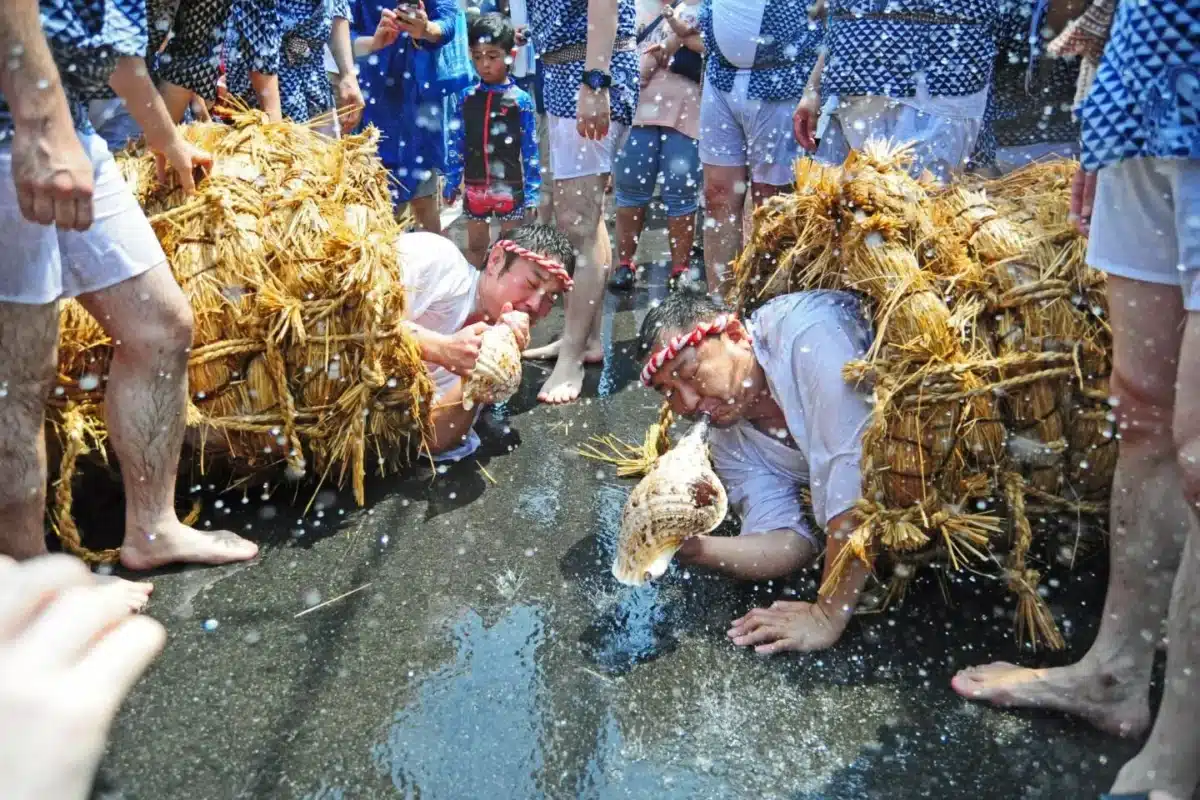
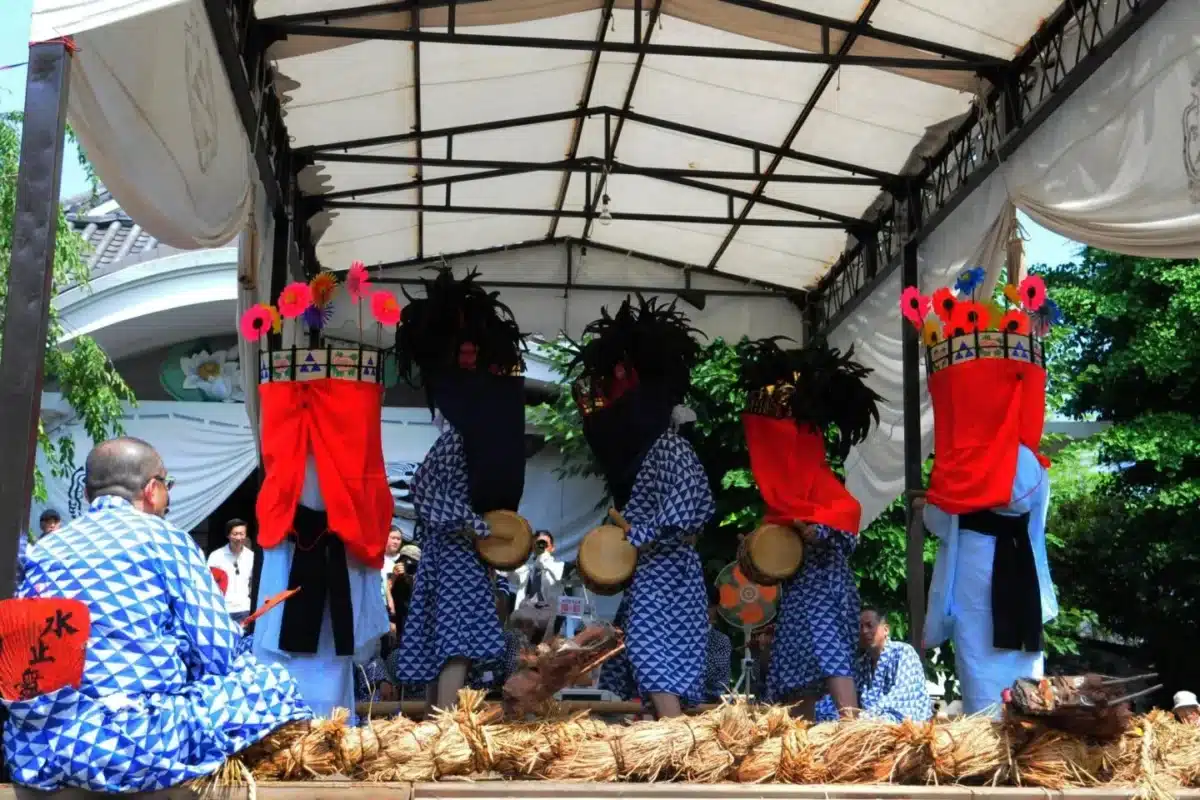
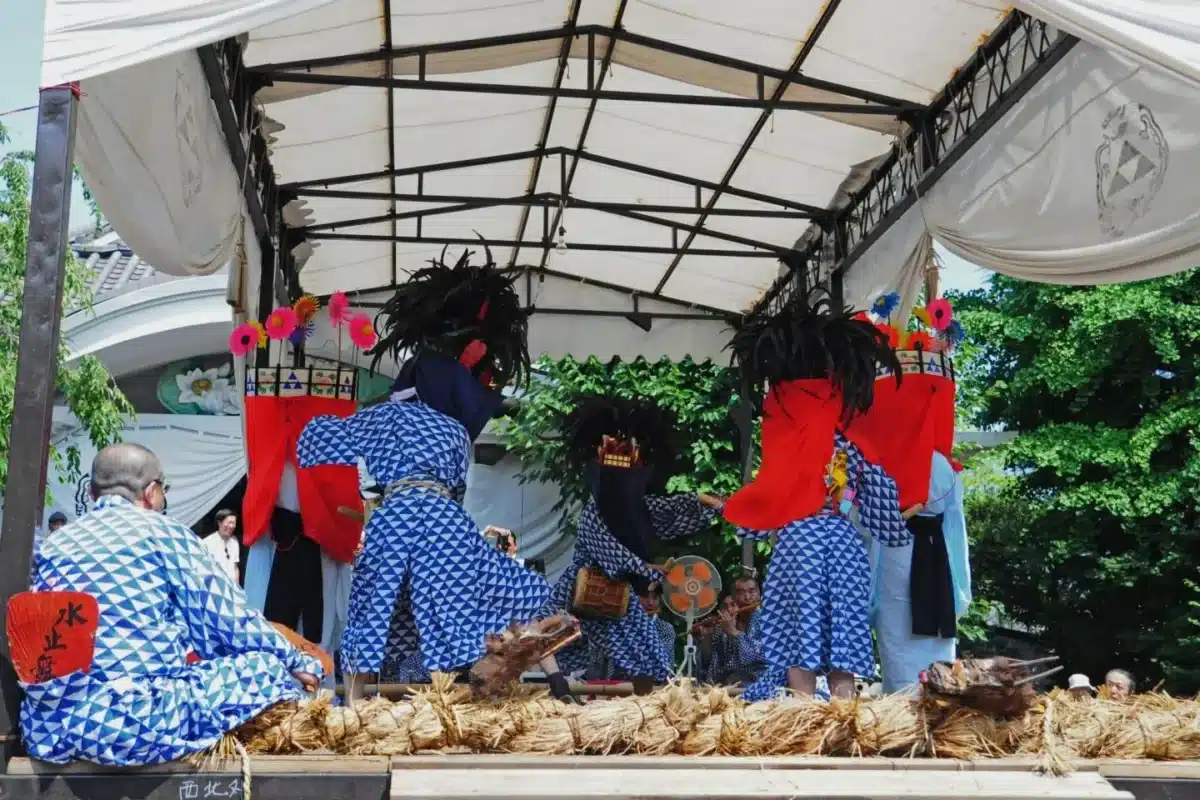
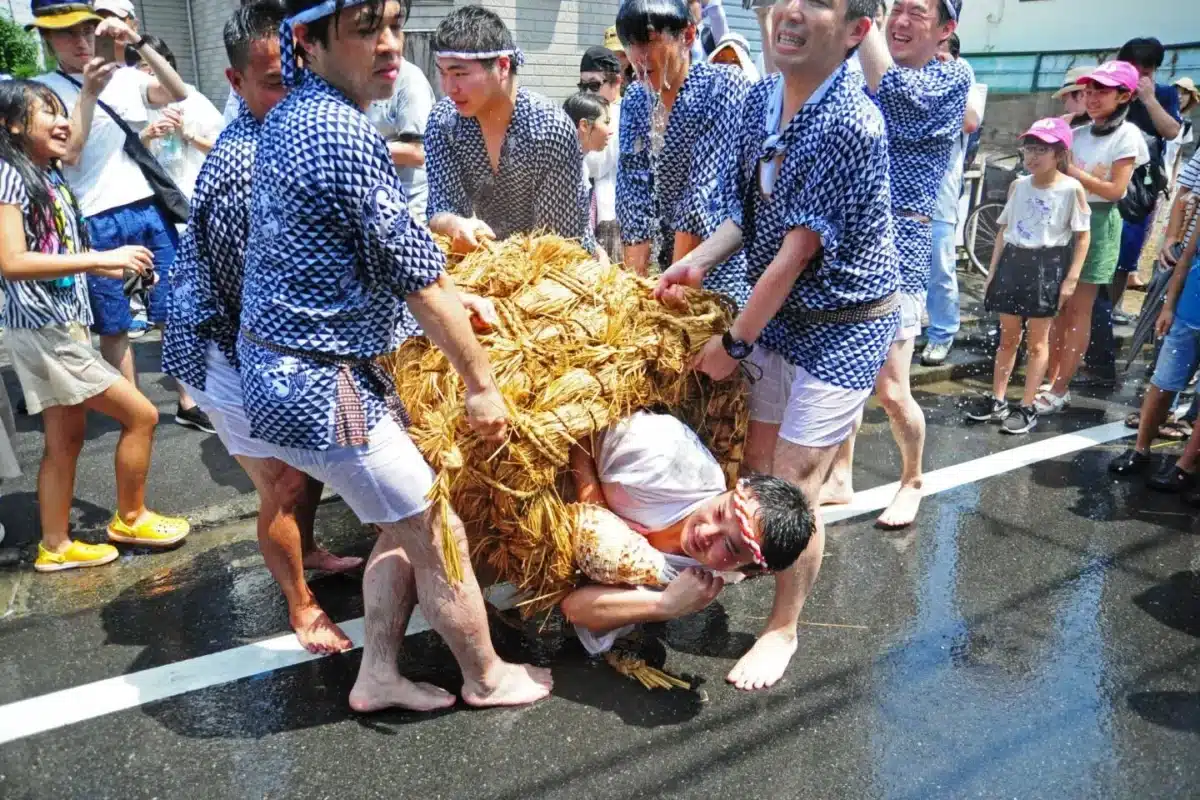
The Mizudome no Mai is an extraordinary and deeply sacred traditional folk performance held annually at Gonshoji Temple in Tokyo, Japan. This historic ritual dates back centuries and is traditionally performed to pray for rain during times of drought or to express gratitude for bountiful agricultural harvests. Spectators are treated to a mesmerizing display of ancient theatrical arts, where performers wear elaborate traditional costumes and striking masks to enact mystical folkloric tales passed down through generations.
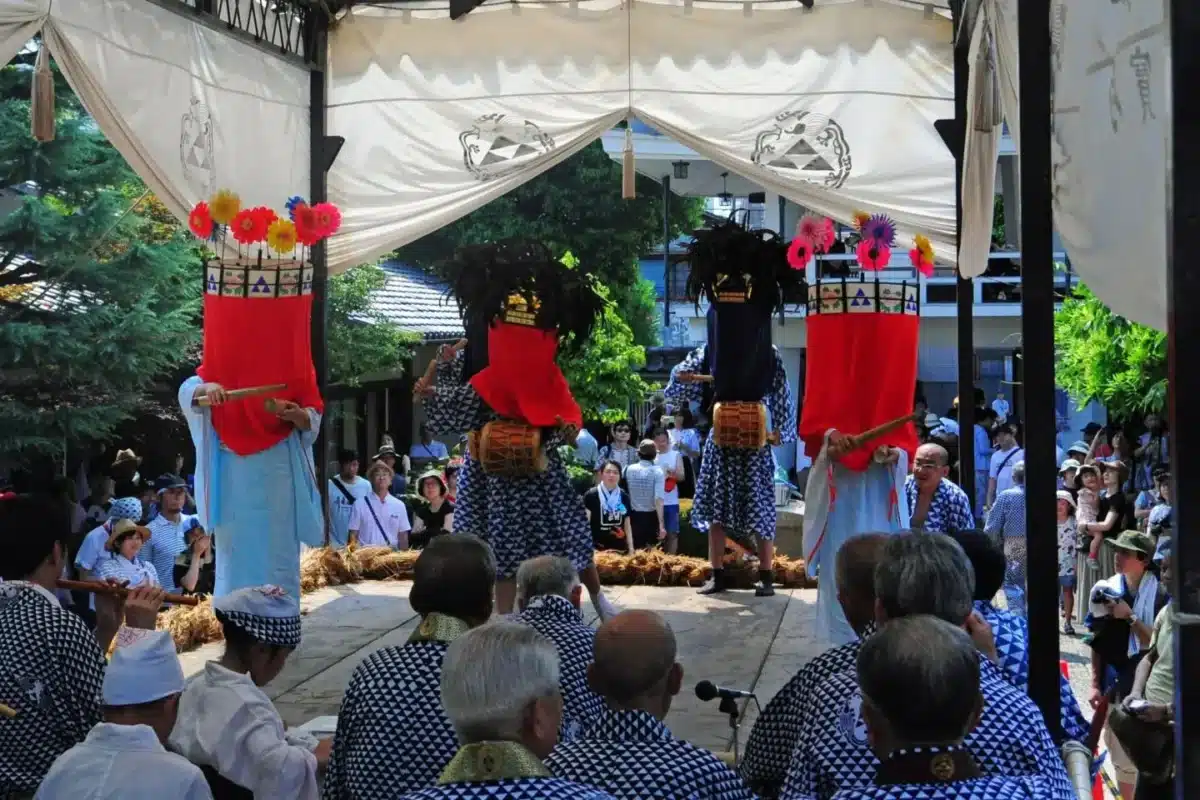
The temple grounds create a profoundly spiritual and atmospheric backdrop as the rhythmic beating of traditional drums and flutes fills the summer air. Performers execute precise, symbolic movements that reflect the deep connection between ancient Japanese farming communities and the natural elements. Every element of the ritual, from the ornate attire to the solemn expressions of the performers, preserves an invaluable piece of intangible cultural heritage that continues to thrive in modern Tokyo.
As the performance unfolds within the serene precincts of Gonshoji Temple, attendees are transported to a bygone era of myth and devotion. The festival offers a rare window into regional folk traditions that are rarely witnessed outside of their authentic temple settings. Whether you are a dedicated researcher of Japanese folklore or a curious traveler seeking profound cultural experiences, the Mizudome no Mai provides an unforgettable journey into traditional spirituality.
Enjoy Your Event Stress-Free with Japan Travelo
Do you know? Planning events, festivals, concerts, and cultural experiences in Japan can be overwhelming. Japan Travelo brings everything together in one place, helping you manage your itinerary, transport, and accommodation with ease—so you can enjoy Japan without the stress of planning.
Event Highlights
- Witness the rare and sacred Mizudome no Mai folk dance performed within the authentic precincts of historic Gonshoji Temple.
- Observe performers wearing striking traditional masks and ornate historical costumes that bring ancient agricultural legends to life.
- Experience the resonant sounds of classical temple drums and flutes accompanying the mesmerizing ritualistic choreography.
- Explore the peaceful temple grounds and immerse yourself in a centuries-old spiritual tradition preserved by local preservation societies.
Why Attend
This traditional event is exceptionally suited for cultural explorers, folklore enthusiasts, and travelers seeking an authentic connection to historical Japanese spiritual practices away from mainstream tourist hubs. Attending live allows you to absorb the solemn and reverent atmosphere of the temple ritual, offering a profound appreciation for community-preserved heritage.
Visitors gain unique insights into the agricultural rituals that shaped Japanese society, as every facet of the performance tells a compelling story of devotion to nature. It represents an essential destination for anyone wishing to experience the hidden spiritual heartbeat of traditional Tokyo within an intimate and sacred setting.
Date & Duration:
- Event Date: Mid July 2027 (Dates TBD)
- Event Duration: 1 day special ritual performance period
Visiting this event? Don’t miss out on these amazing activities and local experiences while you’re here.
Ticket Information:
- How Tickets Are Sold: Admission to the temple grounds for the ritual performance is open to the public without requiring formal advance ticket purchases.
- Admission Type: General temple access grants visitors open entry to the viewing areas surrounding the performance space within the temple grounds.
- Ticket Pricing: Free Admission
- Special Seating Options: Traditional open-air spectator spaces and standing viewing zones are arranged around the main temple courtyard for optimal observation.
- VIP Options: Standard general open entry applies to all attending visitors without separate VIP tier reservations required for the temple ritual.
Venue / Location:
- City and Country: Tokyo, Japan
- Venue Name: Gonshoji Temple
- Google Maps Address: 3 Chome-7-27 Omorihigashi, Ota City, Tokyo 143-0012, Japan
Contact Information:
- Email: info@mizudome.info
- Phone Number: 080-4931-4321
- Website: https://en.japantravel.com/tokyo/mizudome-no-mai/58002
Accommodation Options
Tokyo provides an extensive selection of high-quality lodging choices, ranging from luxurious urban hotels situated in central districts to convenient business accommodations positioned adjacent to major transportation hubs. Securing lodgings within the metropolitan area guarantees seamless transit connectivity to the temple venue via the municipal subway and train networks, while numerous properties offer exceptional contemporary amenities to ensure a restful stay amidst the warm summer climate.
For visitors seeking a deeply immersive cultural itinerary, boutique properties located near historical neighborhoods offer both charming aesthetics and close geographic proximity to traditional sites. Making reservations well in advance remains highly recommended, as summer festival events consistently attract cultural enthusiasts and local participants, frequently resulting in limited room availability across prime central locations.
Getting There:
- Nearest Airport: Haneda Airport, positioned approximately 30 kilometers away from the regional temple venue with direct train connections.
- Nearest Train/Metro Station: Local municipal train and subway stations serve as the closest transit hubs, situated within walking distance of the temple entrance.
- Bus Routes or Public Transport Options: Regional bus services operating in the local district provide convenient secondary transit connections directly to the vicinity of the temple.
- Parking Availability: Public vehicle parking capacity near the temple complex remains extremely limited, prompting local transit authorities to strongly advise utilizing the comprehensive city rail infrastructure.
- Directions by Car: The venue is reachable via regional roadways, with motorists advised to utilize local municipal navigation routes for the most direct access.
Dining Recommendations
Breakfast Recommendations:
- Traditional morning coffee houses located throughout the local district serving classic Japanese breakfast sets featuring grilled fish and steamed rice.
- Comprehensive hotel buffet spreads offering a diverse selection of nourishing continental and authentic local culinary choices.
- Established artisan bakery outlets positioned near transit stations providing convenient pastries and hot beverages for an efficient morning departure.
Lunch Recommendations:
- Renowned local noodle establishments celebrated for preparing authentic hand-crafted soba and udon dishes.
- Inviting neighborhood dining spots situated within comfortable walking distance of the temple complex.
- Bustling regional restaurants offering varied midday lunch sets featuring wholesome, flavor-packed seasonal dishes.
Dinner Recommendations:
- Celebrated local eateries specializing in traditional Japanese cuisine and regional culinary specialties.
- Sophisticated dining venues located within central Tokyo offering refined modern gastronomy.
- Traditional grill houses expertly preparing premium cuts of locally sourced cuisine.
Local Specialties to Try:
- Edomae-style sushi, featuring exceptionally fresh seafood prepared according to traditional Tokyo culinary heritage.
- Monjayaki, a savory pan-fried batter specialty unique to the broader Tokyo region.
- Traditional regional sweets and confectioneries celebrating the timeless culinary heritage of local artisan bakers.
What is this event?
The Mizudome no Mai is an official traditional folk performance held annually at Gonshoji Temple to enact ancient rain-praying rituals. It serves as a vital cultural event where local preservation groups maintain the historical integrity of centuries-old sacred dances.
This historic event functions as an extraordinary platform for community members to demonstrate traditional choreography, musical accompaniment, and spiritual devotion. Deeply anchored in rural Japanese customs, the ritual strictly preserves time-honored practices passed down across generations.
Why is it popular?
The ritual enjoys immense renown among folklore enthusiasts because it vividly brings rare, authentic religious traditions of rural Japan into a Tokyo temple setting. Observers travel from various regions to witness sacred folk dances performed at their traditional seasonal timing.
Its widespread appeal is further sustained by the captivating cultural mystique surrounding temple folk arts, including carved wooden masks and hypnotic drum rhythms. The unmatched spiritual atmosphere generated inside the temple courtyard during the performance establishes the event as a treasured cultural landmark.
Tips before you go
- Confirm the exact schedule and timing of the ritual performance in advance through official contact channels, as dates can be subject to traditional temple calendars.
- Select breathable, lightweight clothing, as the temple courtyard atmosphere can become quite warm during the peak summer climate of July.
- Plan an early arrival to secure a clear viewing position around the temple performance area before local crowds gather.
- Familiarize yourself beforehand with respectful temple etiquette, such as maintaining quiet contemplation and observing photography restrictions during sacred segments.
- Carry essential personal hydration items to maintain comfort while attending outdoor temple ceremonies during the warm summer season.
Tips for First-Time Visitors
- Allocate ample time to stroll leisurely around the tranquil grounds of Gonshoji Temple before the ritual commences to absorb the serene environment.
- Observe the intricate ritual preparations with careful attention, as these moments offer a fascinating glimpse into traditional Japanese religious organization.
- Maintain deep respect for the sacred sanctity of the temple grounds by refraining from touching ceremonial props or disturbing performers.
- Explore the surrounding neighborhood historical sites to enrich your itinerary and maximize your cultural exploration of the district.
- Utilize the available informational guides provided by temple staff or organizers to deepen your knowledge of the history behind the Mizudome no Mai.
Attendee Experiences
- The hypnotic sound of the temple drums echoing through the courtyard created a deeply moving and unforgettable spiritual atmosphere.
- Witnessing such an ancient folk ritual preserved with absolute dedication provided a rare and authentic connection to historical Japanese culture.
- You can feel the profound reverence and cultural pride of the local performers throughout every moment of the sacred dance.
Video
Location
FAQ
What is the historical origin of the Mizudome no Mai ritual?
The Mizudome no Mai originated centuries ago as an agricultural folk prayer ritual performed by local communities to petition for rain during dry spells or give thanks for successful harvests. It combines Shinto and Buddhist spiritual elements passed down through generations of temple custodians and village performers.
Are spectators permitted to capture photographs of the folk dancers?
Personal photography is generally permitted from designated spectator areas provided you avoid using electronic flash and respect the solemnity of the sacred ritual. Visitors must always remain mindful of the performers' focus and refrain from blocking pathways during the ceremony.
Is there a formal dress code enforced for attending events at Gonshoji Temple?
There is no rigid or mandatory dress code enforced for visitors, though neat, modest, and comfortable casual attire is strongly recommended for temple grounds. Dressing respectfully honors the sacred religious environment of the active Buddhist temple.
How long does the Mizudome no Mai performance typically last?
The special ritual performance usually spans a focused portion of the day, with ceremonial dances and musical accompaniments scheduled according to traditional temple observance times. Attendees are advised to arrive early to experience the complete sequence of events.
Are English-language informational resources available for international visitors?
While the ritual is conducted in a traditional Japanese temple context, basic informational materials or event coordinators can provide guidance for international guests. The highly visual and auditory nature of the folk performance ensures that visitors can deeply appreciate the artistic presentation regardless of language barriers.

Leave a Reply