
-
October 14, 2026
Event date:
-
February 11, 2027
Event end:
What to expect
The Museum of Modern Art, Wakayama, known as MOMAW, presents its major winter season exhibition program as a comprehensive exploration of modern and contemporary art rooted in Wakayama and connected to the world. As Japan’s fifth national public modern art museum, MOMAW has built a reputation for thoughtful collection displays and focused special exhibitions that balance local heritage with international perspectives.
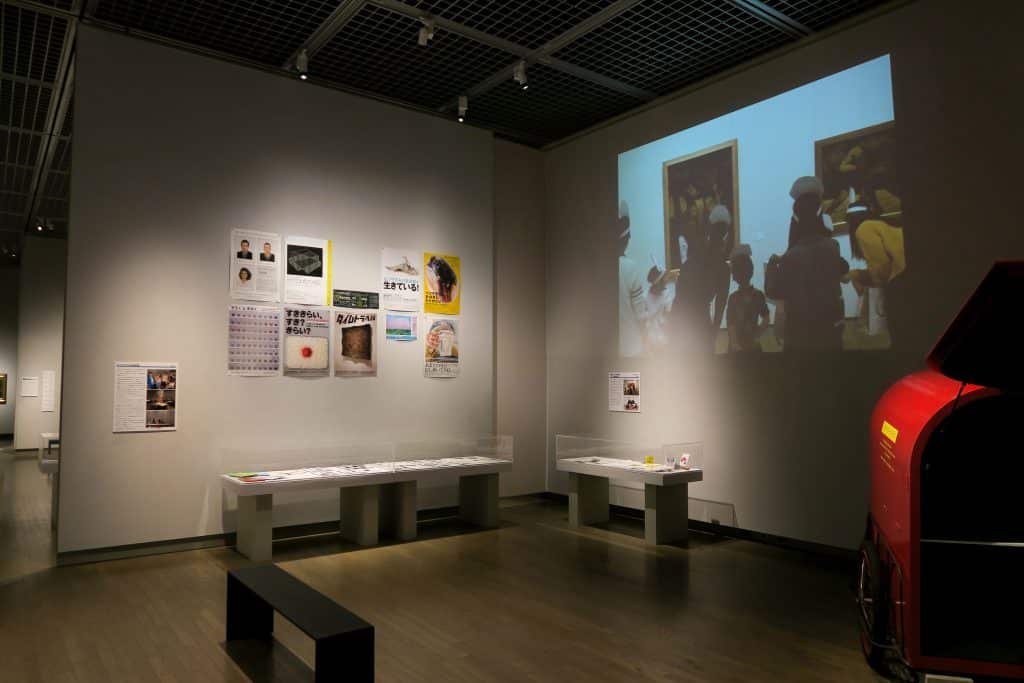
What to expect for the 2026-2027 season is a dual structure that defines MOMAW’s identity. The Collection Exhibition rotates seasonally across four galleries, presenting over 10,000 works from the museum’s holdings, with special emphasis on artists associated with Wakayama after the Meiji Restoration, including Kigai Kawaguchi, Banka Nonagase, and print pioneers from the Kansai region, alongside works by overseas artists such as Pablo Picasso and Odilon Redon. Alongside this, the Special Exhibition for this period brings a thematic focus that examines how art interacts with place, time, and nature, a recurring curatorial interest seen in past exhibitions such as Human/Nature: Four Perspectives and The Time of the Museum.
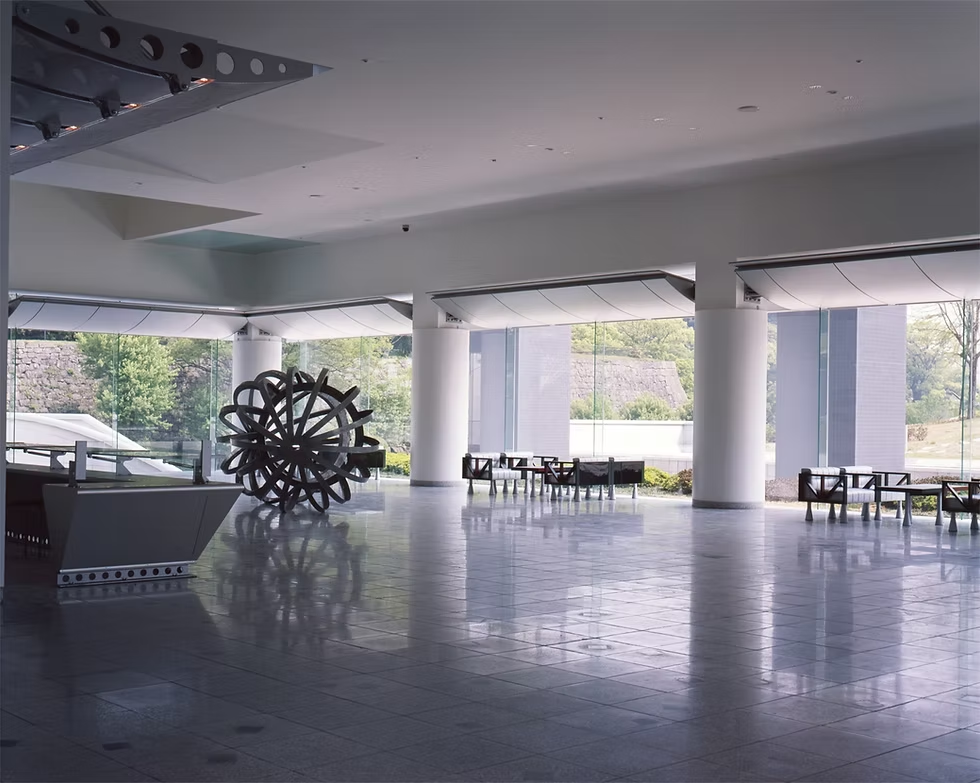
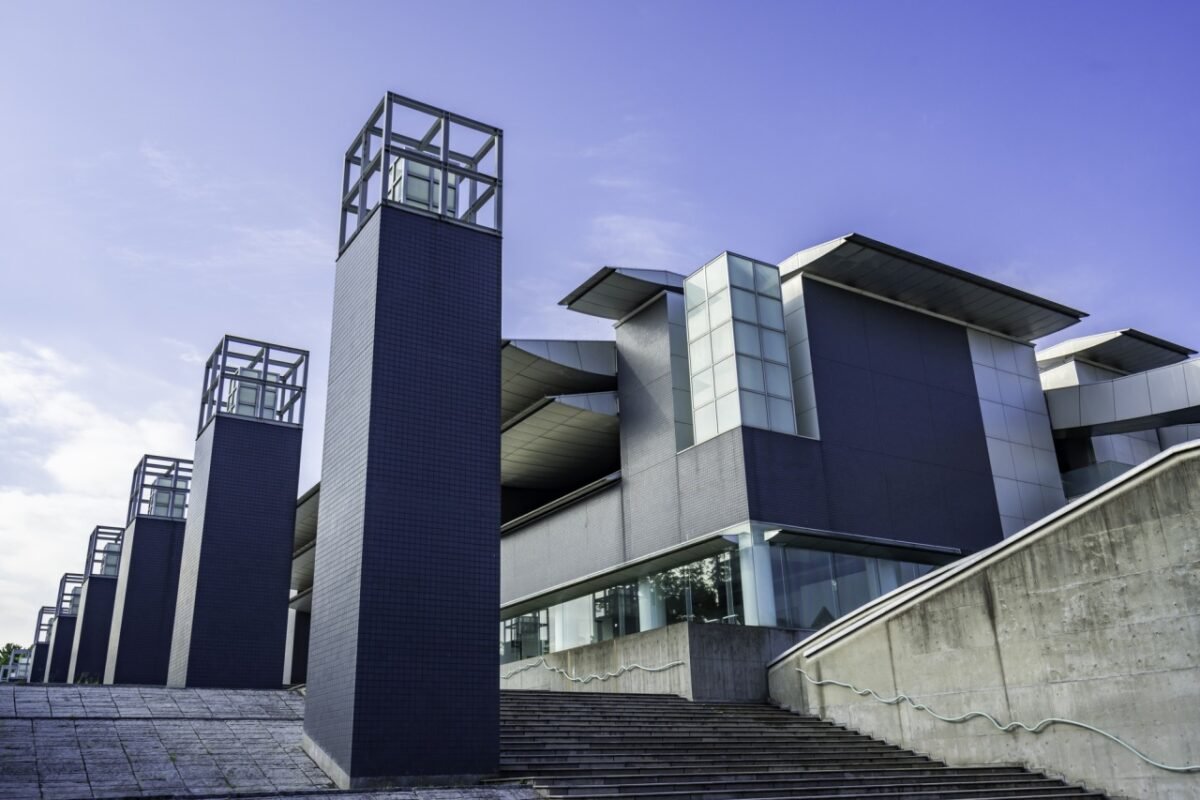
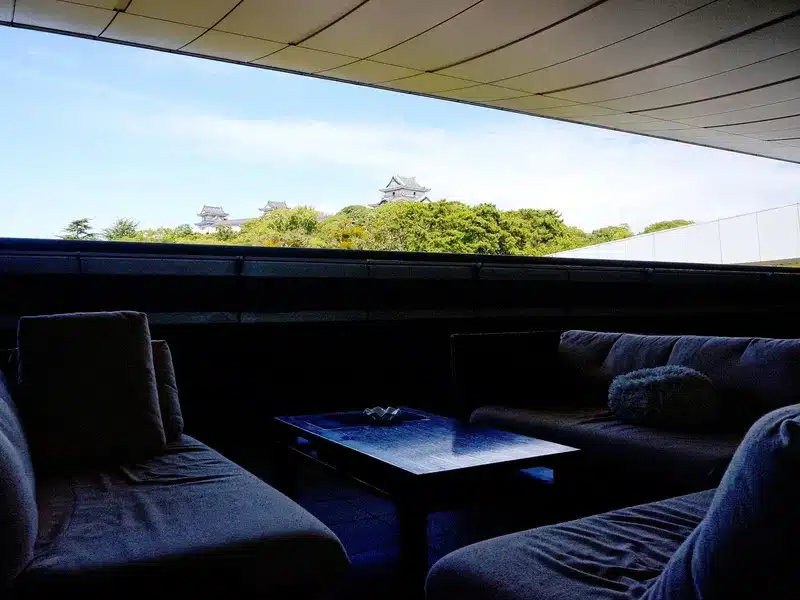
Visitors can expect a calm, architecturally striking experience. The current building, designed by renowned architect Kisho Kurokawa and opened in 1994 after the museum’s origins in Wakayama Castle grounds in 1963 and the Prefectural Cultural Hall in 1970, presents a beautiful contrast with the traditional architecture of Wakayama Castle nearby. The museum offers both indoor and outdoor exhibits, a spacious public hall, and a focus on accessibility including tactile artworks for visually impaired visitors. Exhibitions are curated to be educational and approachable, with Japanese and English information, and seasonal rotations ensure that even repeat visitors encounter new narratives.
Enjoy Your Event Stress-Free with Japan Travelo
Do you know? Planning events, festivals, concerts, and cultural experiences in Japan can be overwhelming. Japan Travelo brings everything together in one place, helping you manage your itinerary, transport, and accommodation with ease—so you can enjoy Japan without the stress of planning.
Event dates
Exhibition Period: October 14, 2026 – February 11, 2027
Opening Hours: 9:30 AM – 5:00 PM, last admission at 4:30 PM
Closed Days: Mondays, except when Monday is a public holiday in which case the museum is open and closed the following Tuesday. Also closed during New Year Holiday from December 29 to January 3 and during periods of display reorganization. Every fourth Saturday hosts the Kiyo cultural program with extended activities.
Visiting this event? Don’t miss out on these amazing activities and local experiences while you’re here.
Venue & exhibition site
Venue Name: The Museum of Modern Art, Wakayama (Wakayama Kenritsu Kindai Bijutsukan)
Address: 1-4-14 Fukiage, Wakayama City, Wakayama Prefecture 640-8137, Japan
Location Context: Situated in the Fukiage district, immediately south of Wakayama Castle and across from the Wakayama Prefecture Office intersection known as Kencho-mae. The museum shares a campus with the adjacent Wakayama Prefectural Museum, forming a cultural complex surrounded by urban greenery and castle views.
Access Details: A two-minute walk from Kencho-mae bus stop, which is served by Wakayama City bus routes from JR Wakayama Station and Nankai Wakayama-shi Station. The unique building designed by Kisho Kurokawa features a modernist roofline and spacious galleries with natural light control. The museum includes collection galleries, special exhibition halls, a museum shop, and a cafe space currently under renewal. Wi-Fi is available inside the museum building.
Full exhibition programme
Collection Exhibition 2026-2027 Winter Edition: The core program showcases the museum’s permanent collection with seasonal rotation. This edition is organized into four sections: Artists from Wakayama and Modern Art, Dissolving Boundaries – Prints and Creative Movements, Postwar Art from Kansai, and International Dialogues. The collection exhibition changes every season, allowing the museum to present different aspects of its more than 10,000 works.
Special Exhibition: The special exhibition for this period follows MOMAW’s tradition of thematic inquiry. Past examples include exhibitions on Hiroshima and artistic responses, traveling art, small and good things, and explorations of nature and humanity. The special exhibition typically occupies the large temporary exhibition hall and includes loans from other institutions alongside works from MOMAW’s collection.
Related Programs: Artist talks, gallery talks by curators, workshops for families, tactile art experiences, and the Kiyo cultural program held on every fourth Saturday. Educational programs for school groups and guided tours for visitors are available with advance reservation.
Outdoor Exhibition Area: Sculpture and installation works are placed in the exterior plaza, visible even without entering the paid galleries, providing a free encounter with modern art against the backdrop of Wakayama Castle.
Featured artists & designers
Wakayama Associated Artists: The collection emphasizes hometown artists who shaped modern Japanese art. Kigai Kawaguchi and Banka Nonagase represent the pioneering generation, with extensive holdings of their paintings, prints, and calligraphic works. Additional local figures include modern oil painters, Nanga style reformers, and contemporary artists from Wakayama who have exhibited nationally.
Print and Kansai Region Artists: MOMAW holds one of the region’s richest collections of creative prints and postwar Kansai art, including works by Toshio Ohie and other printmakers who expanded printmaking as a fine art form in the 20th century.
International Artists: The international holdings include works by Pablo Picasso, Odilon Redon, and other European modernists, providing a comparative context for Japanese modernism. These works are integrated into thematic displays rather than isolated as foreign art.
Architectural Designer: Kisho Kurokawa, architect of the current building completed in 1994, is himself a featured creative figure. His design philosophy of symbiosis and metabolism informs the museum’s spatial experience, with flowing public spaces and carefully controlled gallery lighting.
Galleries & exhibitors
Collection Galleries: Four permanent galleries dedicated to rotating collection displays, each with thematic focus and seasonal change. The galleries are located on the second floor and include climate-controlled spaces for works on paper.
Special Exhibition Gallery: A large, flexible hall for temporary exhibitions with adjustable partition walls and professional lighting, capable of hosting both historical and contemporary shows.
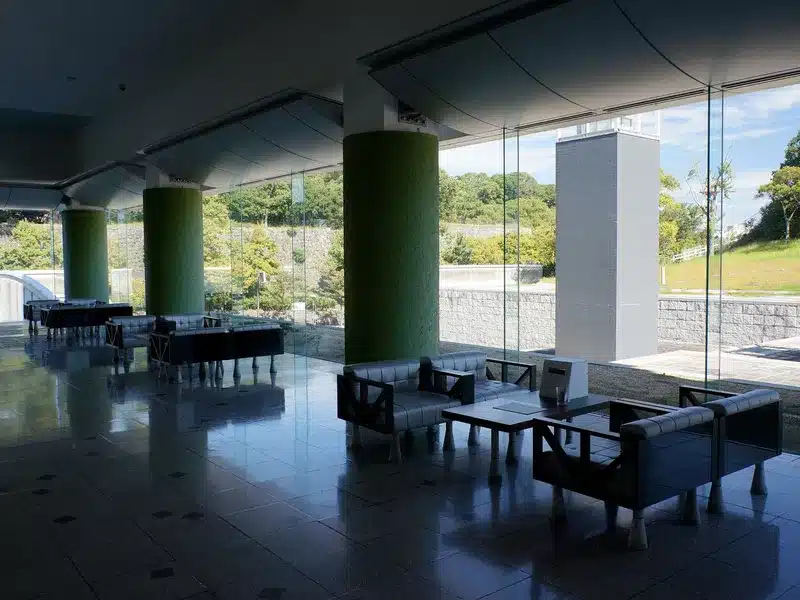
Outdoor Galleries and Lobby: The entrance lobby and outdoor plaza function as free exhibition zones for sculpture and large-scale installations.
Exhibitors and Lenders: For the special exhibition period, MOMAW collaborates with other prefectural museums, private collectors, and university art collections across Japan. The museum does not operate as a commercial gallery but as a public institution exhibiting its own collection and borrowed works.
Museum Shop and Publishing: The shop offers exhibition catalogues, postcards, and books on Wakayama artists, including past catalogue titles on Nanga, modern printmaking, and artist retrospectives.
Exhibition halls & sections
Permanent Exhibition Section: General admission covers access to all collection galleries. This section is the most extensive, presenting the historical narrative from Meiji-era modernization through postwar innovation. Visitors can trace the development of Japanese-style painting, Western-style painting, sculpture, and printmaking through Wakayama-connected artists.
Special Exhibition Section: A ticketed section with separate admission that also includes the permanent exhibition fee. This section presents the seasonal thematic exhibition with curated loans and special installations.
Free Zone Section: The entrance hall, outdoor sculpture court, and parts of the ground floor are accessible without a ticket, allowing casual visitors to experience art and architecture.
Educational Section: Dedicated spaces for workshops, tactile art experiences for visually impaired visitors, and family learning corners with art books and materials.
Archive and Research Section: Though not a public gallery, the museum maintains an archive of Wakayama artists’ documents and prints that informs the exhibition program and occasional small displays.
Talks, workshops & special events
Gallery Talks: Curators lead regular gallery talks in the collection and special exhibition halls, explaining curatorial choices and artist backgrounds. These talks are free with admission and conducted in Japanese with printed English summaries available.
Kiyo Cultural Program: Held on every fourth Saturday, this program includes extended workshops, lectures, and family activities that connect museum collections with local cultural practices.
Tactile Art Experiences: MOMAW is noted for its inclusive approach, offering tactile artworks for visually impaired visitors and guided touch tours by appointment, demonstrating a considerate approach to accessibility.
Workshops for Children and Families: Seasonal workshops include printmaking, collage, and nature-inspired art-making linked to current exhibitions, often free for participants with admission.
School and Group Programs: Educational programs for elementary to university students include guided tours and pre-visit materials. Advance booking is required for groups larger than twenty.
Special Lectures: Invited artists and scholars give lectures related to the special exhibition theme, typically held in the museum’s lecture hall with seating for approximately one hundred attendees.
Ticket types
All pricing converted to USD based on official MOMAW fee structure. Prices in brackets indicate group rate for twenty or more visitors. Special Exhibition ticket includes fee for Permanent Exhibition.
Permanent Exhibition – General: $2.40 ($2.00 group). Applies to general public adults.
Permanent Exhibition – University Students: $1.60 ($1.30 group). Requires presentation of valid student ID.
Special Exhibition – General: $3.40 ($2.70 group). Recent special exhibitions have ranged from $3.40 to $3.50 for adults, including recent shows priced at 510 yen for adults and 410 yen for groups.
Special Exhibition – Students: $1.50 to $2.70 depending on exhibition scale. University and high school students are typically $2.00 to $2.70 for special exhibitions, with group rate $1.80 to $2.20.
Collection Exhibition Small-Scale: $2.30 ($1.80 group) for adults and $1.50 ($1.20 group) for students, as seen in focused collection shows.
Free Admission Categories: High school students and younger, senior citizens aged 65 and over, people with disability plus one accompanying caregiver, exchange students and foreign students living in Wakayama, for both Permanent and Special Exhibitions. A free admission ticket must still be obtained at the information desk upon showing relevant ID such as student ID, disability certificate, or proof of age.
Discount and Fee Waiver: Group discounts for twenty or more visitors, and fee waivers for educational groups by prior application. Details available at the museum information desk and official website.
VIP & collector access
Private Group Tours: MOMAW offers guided tours for groups with advance reservation, led by museum curators or trained volunteer guides. These tours can be tailored to focus on Wakayama artists, print collections, or architectural highlights.
Collector and Researcher Access: Researchers and collectors may request access to the museum archive and print storage by appointment, subject to conservation requirements. The museum holds over 10,000 works and maintains detailed documentation on Wakayama-associated artists.
Patron Programs: As a prefectural public museum, MOMAW does not operate a commercial VIP membership, but offers supporting association membership that provides newsletters, invitation to opening events, and priority booking for lectures.
Opening Events: Invitation-only previews for special exhibitions are held for press, lenders, supporting association members, and educational partners.
Museum Shop Collector Items: Limited edition prints, exhibition catalogues, and original merchandise related to Wakayama artists are available for purchase, with early access for supporting members.
Event rules
Admission and Re-entry: Admission tickets are valid for one entry only on the day of purchase. Re-entry is not permitted unless authorized by staff due to special circumstances.
Photography and Recording: Photography of collection galleries is generally prohibited to protect artworks, except where specifically marked as allowed. Photography in special exhibitions is typically prohibited. No flash, tripods, selfie sticks, or video recording inside galleries.
Food and Drink: Eating and drinking are not allowed inside exhibition galleries. Bottled water must be stored in bags.
Mobile Phones: Please set mobile phones to silent mode and avoid phone calls inside galleries.
Large Items and Bags: Large backpacks, umbrellas, and bulky items must be left in lockers at the entrance lobby.
Touching Artworks: Do not touch artworks, frames, or display cases, except for designated tactile artworks during guided programs.
Children: Children must be accompanied by adults. High school and younger visitors receive free admission but must obtain a free ticket at the desk.
Behavior in Galleries: Maintain quiet conversation, avoid blocking pathways, and follow staff instructions. Sketching with pencil is permitted in some galleries with prior permission, but ink and easels are prohibited.
How to get there
Address for Navigation: 1-4-14 Fukiage, Wakayama City, Wakayama Prefecture 640-8137, Japan.
From JR Wakayama Station: Take Wakayama City bus to Kencho-mae bus stop, approximately fifteen minutes ride, then two minutes walk south of Wakayama Castle across the Prefecture Office intersection.
From Nankai Wakayama-shi Station: Take Wakayama City bus or walk approximately twenty minutes via the castle park.
From Osaka and Kansai International Airport: From Kansai International Airport, take JR Kansai Airport Line to Hineno, transfer to JR Wakayama Line to JR Wakayama Station, approximately ninety minutes. From Osaka Station, take JR Kuroshio Limited Express to JR Wakayama Station, approximately seventy minutes.
By Car: Approximately five minutes from Wakayama Interchange on the Hanwa Expressway. The museum is located south of Wakayama Castle, clearly signed from the prefectural office area.
Public transport & parking
Public Transport: The primary access is by Wakayama City bus to Kencho-mae stop. Buses run frequently from both JR Wakayama Station and Nankai Wakayama-shi Station. A one-day bus pass is available for unlimited rides within the city. Taxis from JR Wakayama Station take approximately ten minutes and cost around $7 to $9.
Parking: Museum parking lot is available for visitors with limited spaces, including accessible spaces. During peak exhibition periods and weekends, the lot may become full, and visitors are encouraged to use public transport. Nearby coin parking lots are available around the prefectural office area.
Bicycle and Walking: The museum is walkable from Wakayama Castle, which is a major tourist attraction, and bicycle parking is available near the entrance.
Accessibility of Transport: Low-floor buses serve the Kencho-mae route, and the museum entrance is level with the parking area, providing barrier-free access from bus stop to building.
Accommodation areas
Wakayama City Center: Business hotels and city hotels within ten minutes bus ride from the museum, with rates typically ranging from $50 to $120 per night. Convenient for museum visits and for exploring Wakayama Castle and downtown dining.
Wakayama Castle Area: Boutique guesthouses and traditional accommodations within walking distance of the museum, offering castle views and easy access to the cultural complex.
Wakayama Marina City and Wakanoura: Resort hotels approximately twenty minutes by bus or car, offering coastal scenery and hot spring facilities, suitable for visitors combining museum visits with leisure travel.
Osaka Day Trip Option: Many visitors stay in Osaka and visit Wakayama as a day trip via JR Kuroshio or Nankai Railway, with travel time around one hour each way.
Partner Information: The museum information desk provides accommodation brochures and can assist with general travel information about Wakayama Prefecture, including access to Mount Koya and Kumano Kodo pilgrimage routes.
Food & refreshments
Museum Cafe: The museum operates a cafe space that has undergone renovation, offering light meals, coffee, and seasonal sweets with views of the castle park. The cafe is accessible without museum admission and serves as a rest area for visitors.
Nearby Dining: The Kencho-mae and castle surroundings offer a variety of dining options, including Japanese set meals, ramen shops, cafes, and traditional Wakayama ramen and seafood restaurants. Average lunch prices range from $6 to $12.
Castle Park Area: Within Wakayama Castle park, tea houses and small eateries offer refreshments, particularly popular during cherry blossom and autumn foliage seasons.
Convenience: Convenience stores and vending machines are located within two minutes walk of the museum entrance. Food and drinks are not permitted inside exhibition galleries.
Local Specialties: Wakayama is known for its ramen, umeboshi plum products, and fresh seafood from Wakaura Bay, which can be enjoyed in restaurants near the museum and in the city center.
Accessibility
Building Accessibility: The Kisho Kurokawa-designed building is fully barrier-free with elevator access to all floors, accessible restrooms, and level entrances from the parking area and bus stop.
Tactile Art Program: MOMAW is recognized for its inclusive approach, including tactile artworks for visually impaired visitors and guided touch tours that allow direct engagement with selected works under staff supervision.
Wheelchair Services: Wheelchairs are available for loan at the entrance lobby free of charge. All galleries are wheelchair accessible.
Visual and Hearing Support: Large-print guides and written exhibition summaries are available at the information desk. Staff can provide written communication support for hearing-impaired visitors.
Free Admission for Support Needs: People with disabilities plus one accompanying caregiver receive free admission to both permanent and special exhibitions upon presentation of a disability certificate.
Service Animals: Guide dogs and service dogs are permitted inside the museum.
Family Accessibility: Nursing room and baby stroller access are available, and strollers can be used inside galleries with care or stored at the lobby.
Must-see exhibitions
Collection Highlights Gallery: Do not miss the dedicated rooms for Kigai Kawaguchi and Banka Nonagase, which present the core identity of MOMAW and showcase the evolution of modern Japanese painting through Wakayama artists. These galleries include works that are designated as important cultural assets of the prefecture.
Print Collection Focus: The print collection, including creative prints and postwar Kansai prints, is a distinctive strength of MOMAW. Special features such as All for the Books and other thematic displays reveal the diversity of printmaking as an expressive medium.
Outdoor Sculpture Court: The exterior plaza features modern sculpture works that can be viewed for free and offer excellent photo opportunities with the Kurokawa building and Wakayama Castle in the background.
Special Exhibition Thematic Hall: The seasonal special exhibition provides a focused curatorial narrative, often linking local artists with broader national and international contexts, and includes detailed explanatory panels in Japanese and English.
Castle View Corridor: The corridor connecting collection galleries offers framed views of Wakayama Castle and the surrounding park, integrating architecture, landscape and art into a single experience.
Previous year’s highlights
Collection Exhibition Series: In the previous year, MOMAW continued its acclaimed seasonal rotation, with spring and summer editions featuring special features such as Traveling Art and Small and Good Things, They Exist, which highlighted intimate-scale works and artist books from the collection.
Special Exhibitions: Past special exhibitions have included explorations of the legacy of world expos, reflections on demolition and regeneration, and thematic shows on Hiroshima as an artistic theme, demonstrating MOMAW’s commitment to historically grounded curating.
Educational Impact: The museum’s collection exhibition press releases emphasized its history from the Wakayama Prefectural Museum founded in 1963 to its current Kurokawa building in 1994, and its growth to over 10,000 works, attracting researchers and students from across Kansai.
Accessibility Initiatives: Recent years have highlighted MOMAW’s tactile art program and free admission policies for students and seniors, reinforcing its role as an inclusive public museum.
Community Programs: The Kiyo cultural program on every fourth Saturday and family workshops have been consistently popular, drawing local families and exchange students living in Wakayama who receive free admission.
Official tickets
Purchase Location: All tickets are sold at the museum information desk at 1-4-14 Fukiage, Wakayama City. Special exhibition tickets include permanent exhibition access.
Online Information: Official website at https://www.momaw.jp/ provides current exhibition details, admission fees, group rates, and discount information. No advance online ticketing is required for collection exhibitions; tickets are purchased on site.
Ticket Types: Permanent Exhibition general and university student tickets, Special Exhibition general and student tickets, group rates for twenty or more visitors, and free admission tickets for eligible categories including high school and younger, seniors over 65, people with disabilities and caregivers, and foreign students living in Wakayama.
Payment Methods: Cash and major IC cards accepted at the desk. Group bookings should contact the museum in advance via phone at 073-436-8690.
Hours and Validity: Tickets are valid only for the day of purchase and for one entry. Last admission is thirty minutes before closing at 4:30 PM.
Location
FAQ
Is the special exhibition ticket different from the collection exhibition ticket and what does it include?
The special exhibition ticket includes admission to both the special exhibition hall and all collection galleries, so you can view the entire museum with one ticket during special exhibition periods. The collection exhibition ticket covers only the permanent collection galleries. If you visit during a special exhibition period, purchasing the special exhibition ticket provides full access and represents the best value.
Who can receive free admission and do they still need to get a ticket at the entrance?
Free admission applies to high school students and younger, senior citizens aged 65 and older, people with disabilities plus one accompanying caregiver, and exchange or foreign students living in Wakayama, for both permanent and special exhibitions. Even with free admission, you must obtain a free admission ticket at the information desk by showing relevant identification such as student ID, disability certificate, or proof of age and residency.
How long should I plan for a visit and is it possible to see Wakayama Castle on the same day?
Most visitors spend ninety minutes to two hours viewing the collection galleries and special exhibition, plus additional time for the outdoor sculpture court and museum shop. Because the museum is located immediately south of Wakayama Castle and only a two-minute walk from Kencho-mae bus stop, it is very easy to combine both attractions in a single morning or afternoon. Many visitors enjoy the castle park first and then enter the museum for a comprehensive cultural half-day.
What facilities are available for families and visitors with accessibility needs?
The museum offers barrier-free access with elevators, accessible restrooms, wheelchair loan, baby stroller access, and a nursing room, making it comfortable for families and visitors with mobility needs. A distinctive feature is the tactile art program for visually impaired visitors, with guided touch tours available by appointment. Staff can provide large-print guides and written summaries to support visitors with visual or hearing needs.
How do I get to MOMAW from JR Wakayama Station and is parking available?
From JR Wakayama Station, take a Wakayama City bus to Kencho-mae bus stop, which takes about fifteen minutes, then walk two minutes south across the prefecture office intersection to the museum at 1-4-14 Fukiage. Taxis take about ten minutes from the station. The museum has its own parking lot with limited spaces including accessible spaces, but during weekends and peak periods it may be full, so public transport is recommended.

Leave a Reply