
-
January 20, 2027
Event date:
-
January 20, 2027
Event end:
Overview
The ritual firing of the first arrow of the year takes place at Omoto Shrine on Miyajima every year on January 20.
Omoto Shrine, just beyond the location of Itsukushima Shrine one of the oldest shrines on Miyajima, actually predating its famous neighbor.
Every year, on January 20th, a firing of the first arrow ritual known as oyumi-shinji, takes place in front of Omoto Shrine. Similar rituals are performed around the prefecture at the start of the new year to ward off evil spirits, bountiful harvests and as a means of weather divination. This particular ritual, however, is said to symbolize a determination to live the year without conflict.
Enjoy Your Event Stress-Free with Japan Travelo
Do you know? Planning events, festivals, concerts, and cultural experiences in Japan can be overwhelming. Japan Travelo brings everything together in one place, helping you manage your itinerary, transport, and accommodation with ease—so you can enjoy Japan without the stress of planning.
The ritual performed today is a combination of two separate rituals held on the island in years gone by. That at Omoto Shrine used to involve 100 archers shooting 200 arrows, which must have been quite a spectacle. There are also records of a new year’s archery event held annually on January 7 below Senjyokaku, at which archers shot at a target on which the character oni which means oni, or demon to symbolize the wish for a peaceful year. The two events were combined and scaled down in the first year of the Meiji Era 1868 as part of the new regime’s regulations on religious practices. The name of the event momote-sai, Hyakute-sai, comes from the Omoto Shrine ritual, with the first and second characters meaning a hundred Hyaku hands Te or archers.
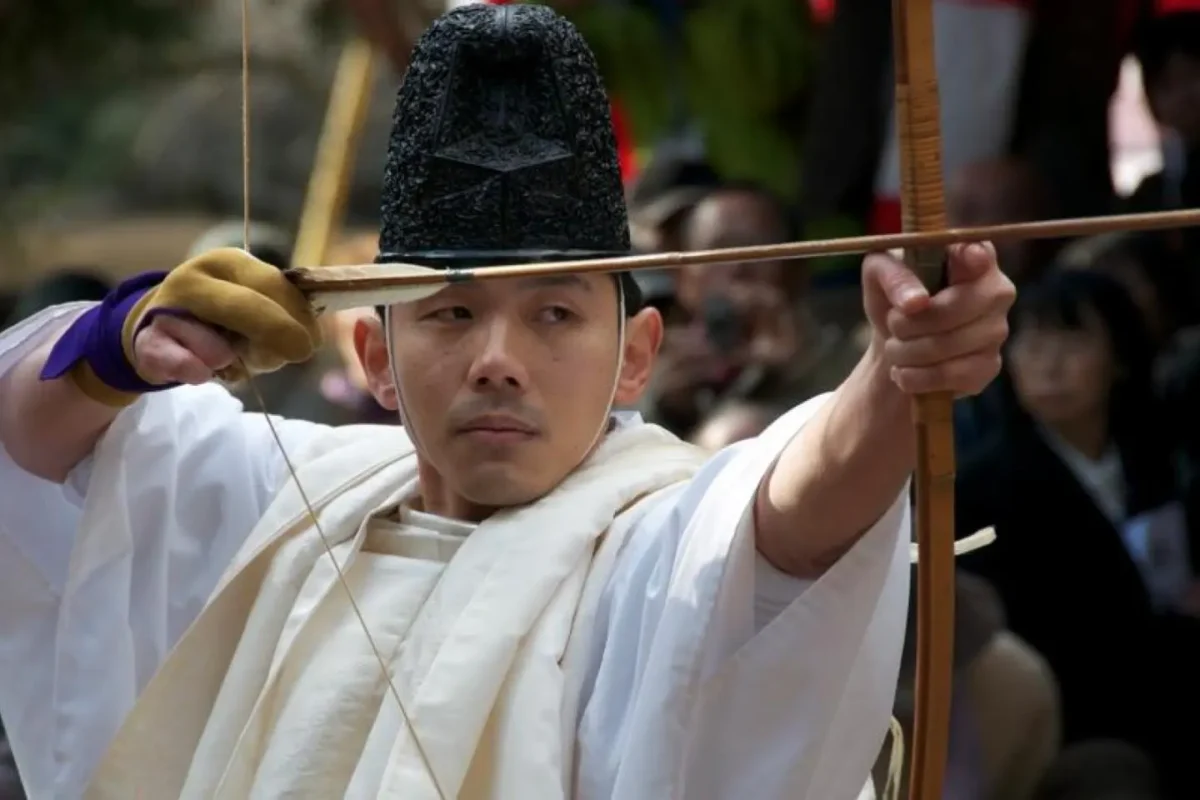
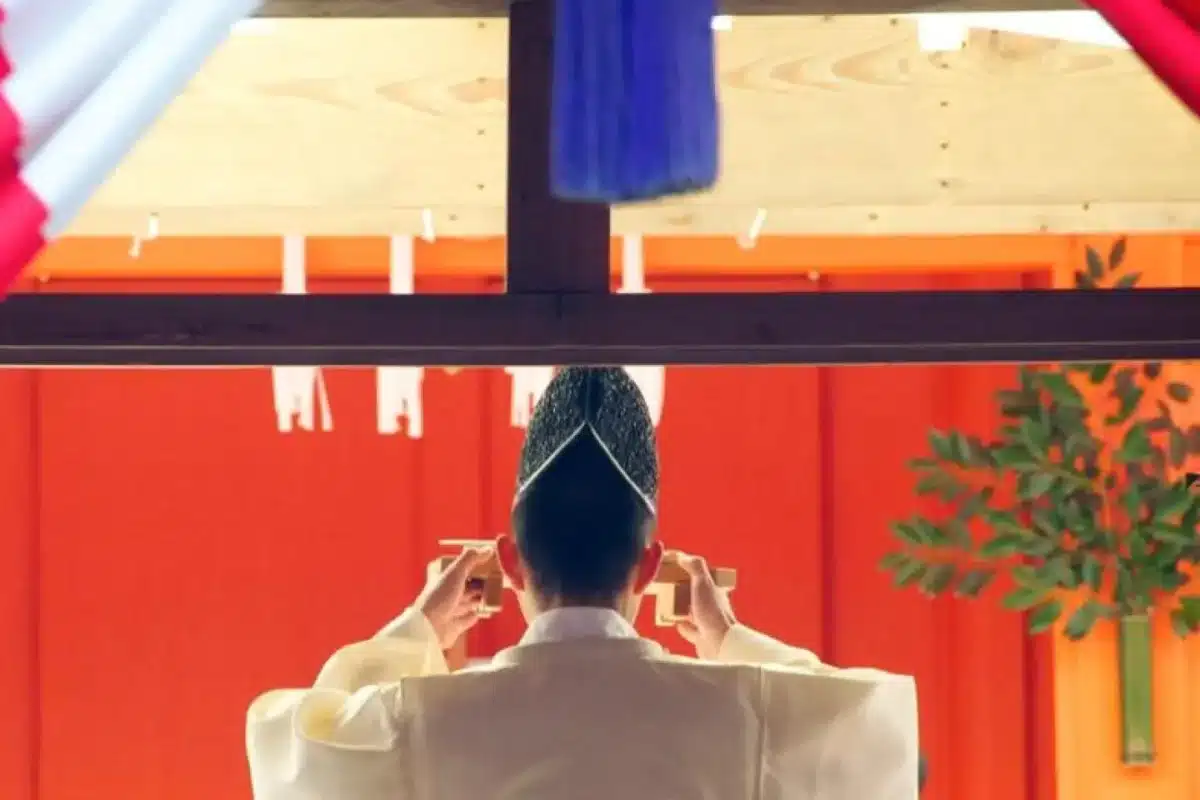
Nowadays, after various rituals within the shrine building performed by about 10 Shinto priests, one priest the archer accompanied by an assistant who carries the arrows steps out into the precinct in front of the shrine building and, watched by many onlookers, fires arrows towards heaven, the earth, left and right.
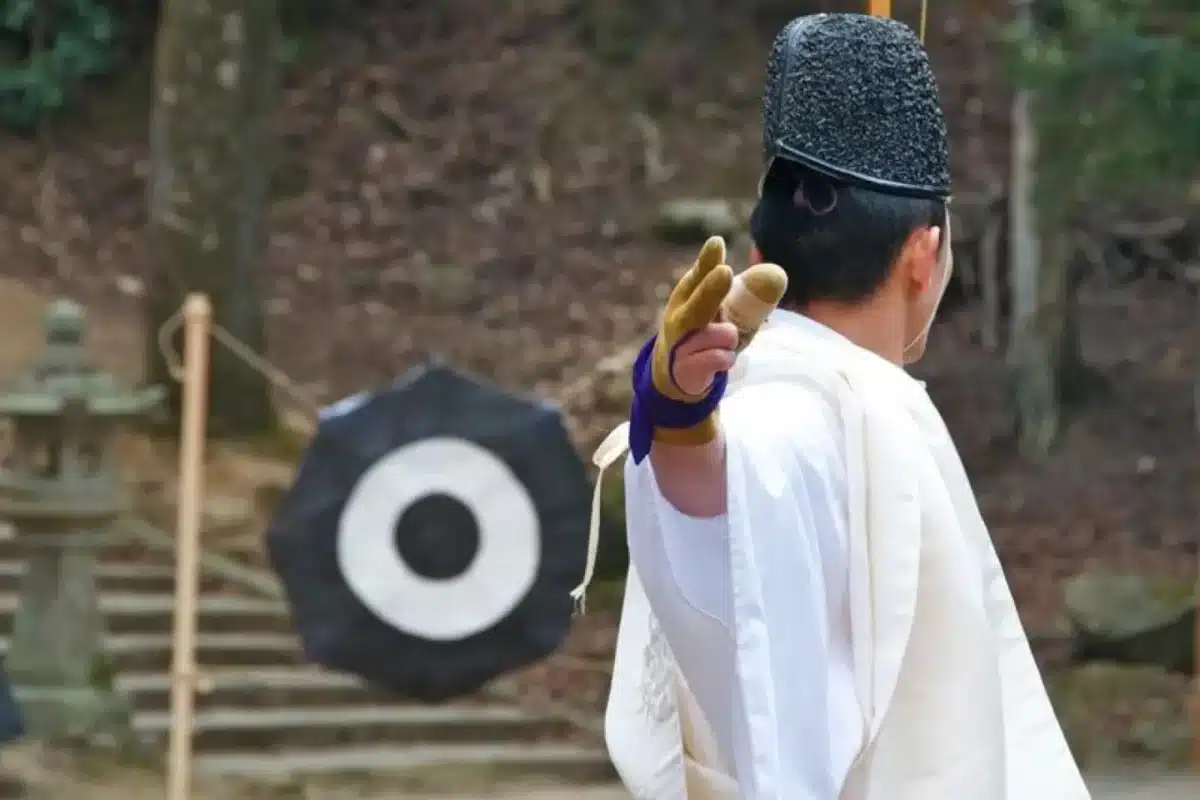
He then shoots at a target, 20 paces away, with the character oni demon painted on the back. Finally, he shoots towards heaven, the earth, left and right once more.
After the ritual, onlookers hang around and line up to receive shrine blessings and be served sacred sake.
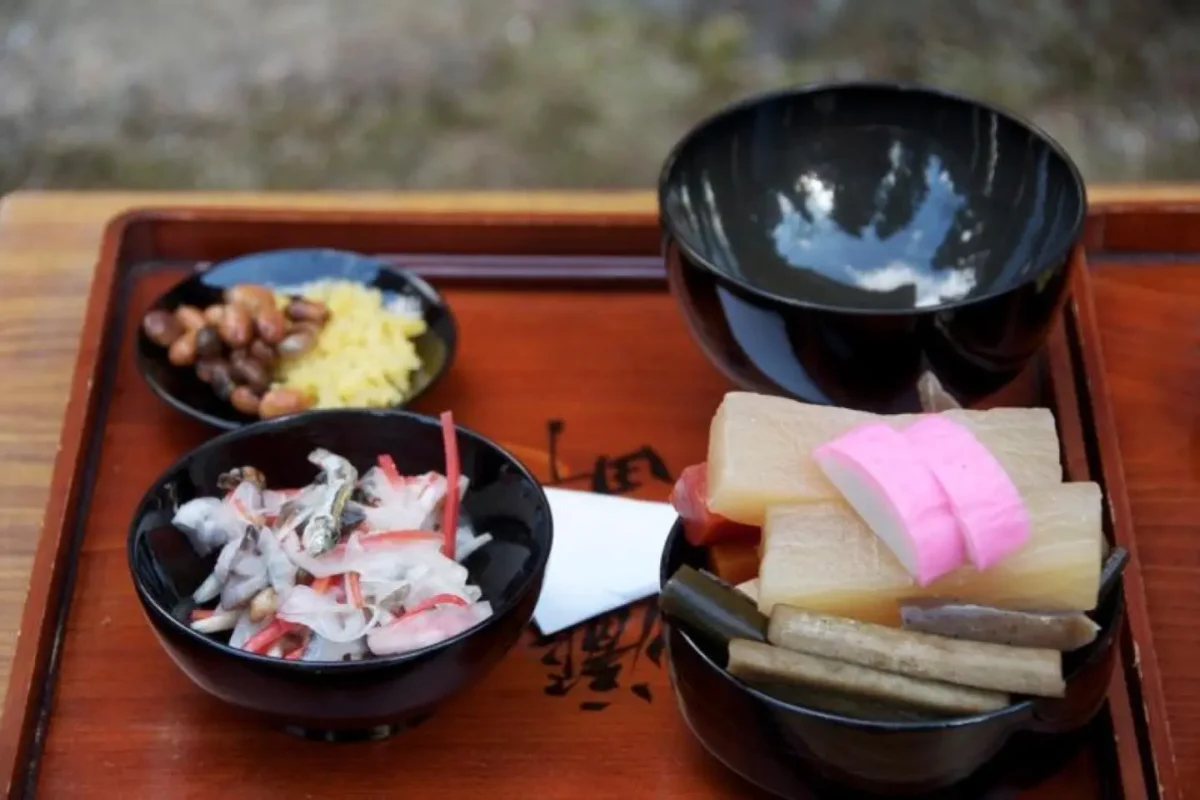
A dish called hohan is also served. This is a dish of rice topped with various, carefully arranged, boiled vegetables and soup. It is said to be similar to a common food that soldiers in the warring states period would have once eaten.
The event ends on a fun note when the arrows used in the ritual are given out to lucky visitors by drawing lots.
Cultural Significance & Origins
Momotesai is one of Miyajima’s oldest New Year purification rituals, symbolizing peace.
Oldest Shrine on Miyajima: Omoto Shrine, just beyond location of Itsukushima Shrine one of oldest shrines on Miyajima, actually predating its famous neighbor. According to legend, establishment of Omoto Shrine was earlier than Itsukushima Shrine. The shingle roofs of shrine are only existing one today. Saeki-no Kuramoto is one of deities. An old shrine that is said to have been built before Itsukushima Shrine, located at entrance to Omoto Park, features six-layered three-tiered roof, only remaining building with shingle roof. Roof of main hall constructed in Omoto style, unique style not seen anywhere else. Rebuilt in 1523, current building rebuilt after being destroyed by fire in middle of Warring States period.
Two Rituals Combined: Ritual performed today is combination of two separate rituals held on island in years gone by. That at Omoto Shrine used to involve 100 archers shooting 200 arrows, 100 hands shooting two arrows each, currently 8, to ritually fire 200 arrows, which must have been quite spectacle. There are also records of new year’s archery event held annually on January 7 below Senjyokaku, at which archers shot at target on which character oni which means oni, or demon to symbolize wish for peaceful year. Two events were combined and scaled down in first year of Meiji Era 1868 as part of new regime’s regulations on religious practices.
Name Meaning: Name of event momote-sai Hyakute-sai comes from Omoto Shrine ritual, with first and second characters meaning a hundred Hyaku hands Te or archers. Momote written with characters for one hundred and hands, meaning 100 archers.
Determination to Live Without Conflict: Similar rituals are performed around prefecture at start of new year to ward off evil spirits, bountiful harvests and as means of weather divination. This particular ritual, however, is said to symbolize determination to live year without conflict. Oni target symbolizes evil spirits and conflict to be driven away.
Miyajima Sacred Island Context: Itsukushima Shrine built in 12th century with money donated by warlord Taira-no Kiyomori, for many years island considered so special that ordinary people not allowed near, later visitors required to pass under Torii as act of purification before setting foot on shore, even today no births or deaths allowed on Miyajima. Momotesai continues purification tradition.
Traditions, Rituals & Customs
Ritual is quiet but precise archery ceremony in forest before Omoto Shrine.
Oyumi-Shinji – First Arrow Ritual: Firing of first arrow ritual known as oyumi-shinji takes place in front of Omoto Shrine. This ritual archery festival takes place in forest in front of Omoto Shrine, quiet but very interesting festival, still quite off radar.
100 Archers Tradition: Festival is combination of two different rituals, symbolic firing of first arrow of year on Itsukushima Island, and Omoto Shrine’s Motote arrow target shooting ritual. As ritual’s name suggests momote written with characters for one hundred and hands, 100 hands 100 archers will shoot two arrows each currently 8 to ritually fire 200 arrows. Nowadays scaled to one archer priest.
Shinto Priest Preparation: After various rituals within shrine building performed by about 10 Shinto priests, one priest archer accompanied by assistant who carries arrows steps out into precinct in front of shrine building and, watched by many onlookers, fires arrows towards heaven, earth, left and right. They arrows plop to ground rather than shoot through air, symbolic firing.
Oni Target Shooting: He then shoots at target, 20 paces away, with character oni demon painted on back. He shoots two arrows at target, 20 paces away, which has characters Ko 甲, Otsu 乙, and Nashi ム combined to form character that resembles that for Oni or demon 鬼 on back. Character is to symbolize wish for peaceful start to new year. Shooting at oni symbolizes driving away evil spirits and desire for peaceful year.
Four Directions Purification: Finally, priest shoots once more towards heaven, earth, left and right. Initial and final four-direction shooting symbolizes purification of all directions, warding off evil from heaven, earth, left, right.
Sacred Sake and Hohan: After ritual, onlookers hang around and line up to receive shrine blessings and be served sacred sake. A dish called hohan is also served. This is dish of rice topped with various, carefully arranged, boiled vegetables and soup. It is said to be similar to common food that soldiers in warring states period would have once eaten.
Arrow Lottery: Event ends on fun note when arrows used in ritual are given out to lucky visitors by drawing lots, believed to bring protection.
What to Expect at the Festival
Expect serene, intimate ceremony in forest, unlike crowded Itsukushima Shrine events.
This ritual archery festival on Miyajima takes place in forest in front of Omoto Shrine. Quiet, but very interesting festival, that is still quite off radar. Omoto Shrine, just beyond location of Itsukushima Shrine one of oldest shrines on Miyajima, actually predating its famous neighbor, located at entrance to Omoto Park which is full of beautiful trees and nature.
About 10 Shinto priests perform rituals within shrine building, then one priest archer accompanied by assistant steps out into precinct in front of shrine building. Watched by many onlookers, fires arrows towards heaven, earth, left and right, arrows plop to ground rather than shoot through air.
He then shoots two arrows at target 20 paces away with oni demon character painted on back, formed by characters Ko, Otsu, Nashi combined to resemble oni. Finally shoots towards heaven, earth, left and right once more.
After ritual, onlookers hang around and line up to receive shrine blessings and be served sacred sake. A dish called hohan served, rice topped with various carefully arranged boiled vegetables and soup, said to be similar to common food soldiers in warring states period would have once eaten.
Event ends when arrows used in ritual given out to lucky visitors by drawing lots.
Atmosphere is quiet, spiritual, with forest backdrop, fewer tourists than Itsukushima Shrine’s famous floating torii, allowing close viewing.
Date & Schedule
Event Dates: Wednesday – January 20th 2027
Venue: Omoto Shrine, Miyajima, Hiroshima
Contact: 0829-44-2020
Official Timing: The ritual firing of the first arrow of the year takes place at Omoto Shrine on Miyajima every year on January 20. Every year, on January 20th, a firing of the first arrow ritual known as oyumi-shinji, takes place in front of Omoto Shrine. Similar rituals are performed around prefecture at start of new year to ward off evil spirits, bountiful harvests and as means of weather divination. This particular ritual, however, is said to symbolize determination to live year without conflict.
Momotesai is held every year on January 20 at Omoto Shrine on Miyajima, starting at 11am.
Historical Schedule: That at Omoto Shrine used to involve 100 archers shooting 200 arrows. Records of new year’s archery event held annually on January 7 below Senjyokaku, at which archers shot at target with character oni. Two events combined and scaled down in first year of Meiji Era 1868 as part of new regime’s regulations on religious practices.
Typical Daily Schedule Based on Previous Editions:
- 11:00: Various rituals within shrine building performed by about 10 Shinto priests
- 11:30: Priest archer accompanied by assistant who carries arrows steps out into precinct in front of shrine building, fires arrows towards heaven, earth, left and right
- 11:35: Shoots two arrows at target 20 paces away with oni demon character painted on back, character Ko, Otsu, Nashi combined to resemble oni
- 11:40: Final shooting towards heaven, earth, left and right once more
- 11:45 onwards: Onlookers line up to receive shrine blessings and be served sacred sake, hohan dish served, rice topped with various carefully arranged boiled vegetables and soup
- End: Arrows used in ritual given out to lucky visitors by drawing lots
Note: Miyajima January events include Goshin-I Kenjo Shiki + Saitansai Itsukushima Shrine January 1, Futsukasai + Omatsubayashi Shin Noh Performance January 2, Genshisai January 3, Chikyusai January 5, Momotesai Omoto Shrine January 20, Setsubun warding-off Evil Ritual Daisho-in Temple February 3.
Visiting this event? Don’t miss out on these amazing activities and local experiences while you’re here.
Main Events & Programme
Single ritual programme lasting about one hour, with communal feast after.
Priestly Purification Inside Shrine: Various rituals within shrine building performed by about 10 Shinto priests, purification and prayers for new year, not visible to public but audible.
Four Directions Archery – Heaven, Earth, Left, Right: One priest archer accompanied by assistant steps out into precinct, fires arrows towards heaven, earth, left and right. Arrows plop to ground rather than shoot through air, symbolic firing to purify directions.
Oni Target Shooting: He then shoots at target 20 paces away with character oni demon painted on back, shoots two arrows at target which has characters Ko, Otsu, Nashi combined to form character resembling oni. Symbolizes wish for peaceful year, driving away demons and conflict.
Final Four Directions Shooting: Finally, he shoots towards heaven, earth, left and right once more, completing purification.
Blessings and Sacred Sake: After ritual, onlookers hang around and line up to receive shrine blessings and be served sacred sake, omiki, blessed sake served in small cups.
Hohan Serving: A dish called hohan also served, dish of rice topped with various carefully arranged boiled vegetables and soup, said to be similar to common food soldiers in warring states period would have once eaten. Served in Omoto Park area, communal eating.
Arrow Lottery: Event ends on fun note when arrows used in ritual given out to lucky visitors by drawing lots, arrows believed to bring protection against evil and conflict.
Traditional Dress, Arts & Crafts
Attire and crafts reflect Heian period shrine tradition.
Priest Attire: About 10 Shinto priests wear traditional Shinto attire, joue white robes, eboshi black hats, and hakama, with archer priest wearing more elaborate hunting attire kariginu and eboshi, with bow and arrows.
Assistant Attire: Assistant who carries arrows wears similar priestly attire, carrying arrows in quiver.
Shrine Architecture – Omoto Style: Roof of main hall constructed in Omoto style, unique style not seen anywhere else, six-layered three-tiered roof, only remaining building with shingle roof, not thatched or tiled but wooden shingles, called kokera-buki. Old shrine said to have been built before Itsukushima Shrine.
Bow and Arrows: Traditional Japanese longbow yumi and arrows ya used, made by local craftsmen, with bamboo shafts and feather fletching.
Oni Target Craft: Target with character oni painted on back, with characters Ko, Otsu, Nashi combined to form character resembling oni, hand-painted on washi paper mounted on straw target.
Hohan Dish Craft: Dish of rice topped with various carefully arranged boiled vegetables and soup, carefully arranged, colorful, resembling soldiers’ field food from Warring States period, served in lacquer bowls.
Miyajima Crafts: Miyajima famous for shakushi rice scoops, wooden crafts, sold as souvenirs near Itsukushima Shrine.
Traditional Food & Local Specialties
Food includes sacred sake and historic soldiers’ dish.
Hohan: Dish called hohan also served, dish of rice topped with various carefully arranged boiled vegetables and soup, said to be similar to common food soldiers in warring states period would have once eaten. Boiled vegetables include carrots, shiitake, bamboo shoots, arranged on rice with clear soup.
Sacred Sake – Omiki: After ritual, onlookers line up to receive shrine blessings and be served sacred sake, blessed sake from shrine, believed to bring good health.
Miyajima Local Specialties:
- Anago-meshi: Conger eel rice, specialty of Miyajima, for 10 USD to 18 USD
- Oysters: Grilled oysters from Hiroshima Bay for 6 USD to 12 USD, winter peak season
- Momiji Manju: Maple leaf shaped cakes filled with bean paste for 2 USD to 4 USD each
- Shakushi: Wooden rice scoops not food but craft, but symbol of Miyajima
Winter Foods on Miyajima: Warm oden for 4 USD to 8 USD, oyster chowder for 6 USD to 10 USD, available at stalls near Itsukushima Shrine.
Tea: Matcha tea served at nearby tea houses for 4 USD to 6 USD.
Location & Festival Areas
Location: Omoto Shrine, Miyajima Island, Hatsukaichi City, Hiroshima Prefecture, Japan
Shrine Position: Omoto Shrine, just beyond location of Itsukushima Shrine one of oldest shrines on Miyajima, actually predating its famous neighbor. Located at entrance to Omoto Park, and features six-layered three-tiered roof, only remaining building with shingle roof. This stands in corner of Omoto Park which is full of beautiful trees and nature.
Omoto Park: Park full of beautiful trees and nature, behind Itsukushima Shrine, forest setting for ritual. Park has walking paths, maple trees, quiet compared to main shrine.
Miyajima Island Context: Sacred island where even today no births or deaths allowed, pregnant women and terminally ill required to cross to mainland. Itsukushima Shrine built in 12th century with money donated by warlord Taira-no Kiyomori, for many years island considered so special ordinary people not allowed near, later visitors required to pass under Torii as act of purification before setting foot on shore.
Other Shrines on Miyajima: Kiyomori Shrine built 1954 to commemorate 770th anniversary of Taira-no Kiyomori death, Daisho-in Temple, Senjyokaku hall below which New Year archery event held January 7 historically.
Access to Shrine: 10 minute walk from Itsukushima Shrine through park, signposted, forest path.
Getting to the Festival
Miyajima is accessible from Hiroshima City by train and ferry.
From Hiroshima to Miyajima: Take JR Sanyo Line from Hiroshima Station to Miyajimaguchi Station, 25 minutes fare about 4 USD, then JR ferry to Miyajima Island, 10 minutes fare about 2 USD, or Matsudai ferry. Ferry arrives at pier near Itsukushima Shrine.
On Island to Omoto Shrine: From ferry pier, walk 15 minutes to Itsukushima Shrine, then further 5 to 10 minutes beyond to Omoto Shrine at entrance to Omoto Park. Follow signs to Omoto Shrine, forest path.
From Miyajima Hotels: Many ryokan on island within walking distance.
By Car: Drive to Miyajimaguchi, park at Miyajimaguchi parking lots for 8 USD to 12 USD per day, then ferry, cars not allowed on island.
Timing for 11am Start: Momotesai held every year on January 20 at Omoto Shrine, starting at 11am. Arrive early to see priestly rituals inside shrine building.
Winter Conditions: January in Hiroshima cold, about 5 to 10 degrees Celsius, bring warm clothing, island may be less crowded than summer.
Contact: Omoto Shrine, Phone 0829-44-2020, Miyajima Tourist Association for details.
Where to Stay Nearby
Miyajima offers traditional ryokan with views of floating torii.
On Miyajima Island:
- Miyajima Grand Hotel Arimoto: Near Itsukushima Shrine, with onsen and view of torii, from 150 USD to 300 USD per night including dinner and breakfast
- Iwaso Ryokan: Traditional ryokan in Momijidani Park, from 120 USD to 250 USD, historic, where prime ministers stayed
- Jukeiso Ryokan: Near Omoto Shrine area, quieter, from 80 USD to 160 USD
- Guesthouses: K’s House Miyajima and others from 40 USD to 80 USD per night, dorm from 25 USD to 40 USD
In Hatsukaichi and Miyajimaguchi:
- Miyajima Seaside Hotel: On mainland near ferry terminal, from 70 USD to 120 USD
- Business Hotels in Hatsukaichi: From 60 USD to 90 USD
In Hiroshima City:
- Rihga Royal Hotel Hiroshima: Near Peace Park, from 100 USD to 180 USD, 45 minutes to Miyajima via train and ferry
- Hotel Granvia Hiroshima: At Hiroshima Station, from 120 USD to 220 USD
- APA Hotel Hiroshima Ekimae: From 60 USD to 95 USD
Booking Tip: January 20 is off-season for Miyajima, so accommodation readily available, unlike summer or cherry blossom season. Staying on island allows early morning viewing of torii before day trippers arrive.
What Visitors Can Participate In
Intimate festival with participatory blessings.
Watch Archery Ritual: Watched by many onlookers, fires arrows towards heaven, earth, left and right, then shoots at target 20 paces away with oni character. Watch from forest precinct in front of shrine building, close viewing possible as festival still quite off radar.
Receive Blessings and Sacred Sake: After ritual, onlookers hang around and line up to receive shrine blessings and be served sacred sake. Line up to receive omamori charm and cup of omiki.
Eat Hohan: A dish called hohan also served, rice topped with various carefully arranged boiled vegetables and soup, similar to common food soldiers in warring states period would have once eaten. Served to visitors, communal eating.
Arrow Lottery: Event ends on fun note when arrows used in ritual given out to lucky visitors by drawing lots. Participate in lottery to receive arrow believed to bring protection and determination to live year without conflict.
Bring Kakizome: Though not required, some visitors bring first calligraphy to have blessed, similar to other New Year rituals.
Photography: Photography allowed in precinct, but not inside shrine building during priestly rituals. Capture archer priest shooting towards heaven, earth, left and right, and oni target.
Forest Walk: Explore Omoto Park full of beautiful trees and nature after ceremony.
Things to Do Before or After the Festival
Miyajima offers many shrines and natural beauty.
Itsukushima Shrine: Just beyond Omoto Shrine location, Itsukushima Shrine is one of oldest shrines on Miyajima, famous floating torii, UNESCO World Heritage Site, entry about 3 USD. Walk to torii at low tide.
Omoto Park: Explore Omoto Park full of beautiful trees and nature, maple trees, walking paths.
Senjyokaku Hall: Below which New Year archery event held annually January 7 historically, large hall with 1000 tatami mats, near Toyokuni Shrine.
Daisho-in Temple: Setsubun warding-off Evil Ritual held February 3, with many statues, near Mount Misen ropeway base.
Mount Misen: Highest peak on Miyajima, 535 meters, with ropeway and hiking trails, observatory with views of Seto Inland Sea.
Miyajima January Events: Before Momotesai, Goshin-I Kenjo Shiki + Saitansai Itsukushima Shrine January 1, Futsukasai + Omatsubayashi Shin Noh Performance January 2, Genshisai January 3, Chikyusai January 5, Momotesai Omoto Shrine January 20.
Oyster and Anago: Try Miyajima specialties anago-meshi conger eel rice and grilled oysters.
Shakushi Craft: Buy wooden rice scoop souvenirs.
Local Food & Restaurants
Miyajima food focuses on seafood and maple sweets.
At Festival:
- Hohan: Rice topped with various carefully arranged boiled vegetables and soup, served to visitors after ritual, free or small donation
- Sacred Sake: Omiki blessed sake served free to those lining up for blessings
Miyajima Restaurants:
- Anago-meshi: Conger eel rice specialty for 10 USD to 18 USD at restaurants like Ueno
- Oysters: Grilled oysters from Hiroshima Bay for 6 USD to 12 USD, winter peak, served at oyster huts near pier
- Momiji Manju: Maple leaf shaped cakes for 2 USD to 4 USD each, various flavors like bean paste, custard, chocolate, at shops along Omotesando shopping street
- Oyster Curry and Oyster Chowder: For 7 USD to 12 USD
- Anago and Oyster Set Meals: For 15 USD to 25 USD
Near Omoto Shrine: Few tea houses in Omoto Park area serving matcha and sweets for 4 USD to 6 USD.
Hiroshima City Foods: If returning to Hiroshima, okonomiyaki for 8 USD to 13 USD, Hiroshima ramen for 7 USD to 11 USD.
Ticket Information & Access
Price of Admission: FREE
The ritual firing of first arrow of year takes place at Omoto Shrine on Miyajima every year on January 20. Momotesai is free to watch, with free shrine blessings, sacred sake, hohan dish, and arrow lottery.
Costs Based on Previous Editions:
- General Viewing: Free, in forest in front of Omoto Shrine, quiet but very interesting festival still quite off radar
- Ferry to Miyajima: JR ferry round trip about 4 USD, from Miyajimaguchi to island
- Itsukushima Shrine Entry: About 3 USD for adults, 2 USD for children, if visiting before or after Momotesai, not required for Momotesai itself
- Blessings and Sake: Free sacred sake served after ritual, shrine blessings free, optional omamori charms for 4 USD to 8 USD
- Hohan: Dish served free to visitors, rice topped with vegetables and soup
- Arrow Lottery: Free to participate, arrows given out to lucky visitors by drawing lots
Hours: Momotesai held every year on January 20 at Omoto Shrine, starting at 11am. Ritual itself about 30 to 40 minutes, followed by blessings, sake, hohan serving, and lottery until early afternoon.
Access: 10 minute walk beyond Itsukushima Shrine to Omoto Shrine at entrance to Omoto Park. From Miyajimaguchi Station 25 minutes by JR Sanyo Line from Hiroshima, fare 4 USD, plus 10 minute ferry 2 USD. 15 minute walk from ferry pier to Itsukushima Shrine, plus 5 to 10 minutes to Omoto Shrine.
Contact: Omoto Shrine Phone 0829-44-2020, Miyajima Tourist Association.
Official Event Information
Event Name: Momotesai on Miyajima 2027 – Hiroshima, Japan, also called Momote-sai Festival, Hyakute-sai, Omoto Shrine First Arrow Ritual, Oyumi-Shinji
Venue: Omoto Shrine, Miyajima, Hiroshima, Japan, just beyond location of Itsukushima Shrine one of oldest shrines on Miyajima, actually predating its famous neighbor, at entrance to Omoto Park, six-layered three-tiered roof, only remaining building with shingle roof. Address: Miyajima, Hatsukaichi City, Hiroshima.
Organizer: Omoto Shrine, subsidiary shrine of Itsukushima Shrine, and Miyajima Tourist Association, Phone 0829-44-2020
Official Website: https://en.japantravel.com/hiroshima/momotesai-on-miyajima/3643 – Actually Momotesai listing
Additional Official Sites: https://gethiroshima.com/features/momote-sai-ritual-archery-festival/ and https://dive-hiroshima.com spot Omoto Shrine
Description: Ritual firing of first arrow of year takes place at Omoto Shrine on Miyajima every year on January 20. Omoto Shrine, just beyond location of Itsukushima Shrine one of oldest shrines on Miyajima, actually predating its famous neighbor. Every year firing of first arrow ritual known as oyumi-shinji takes place in front of Omoto Shrine. Similar rituals performed around prefecture at start of new year to ward off evil spirits, bountiful harvests and as means of weather divination. This particular ritual however is said to symbolize determination to live year without conflict. Ritual performed today is combination of two separate rituals held on island in years gone by. That at Omoto Shrine used to involve 100 archers shooting 200 arrows, which must have been quite spectacle. There are also records of new year’s archery event held annually on January 7 below Senjyokaku, at which archers shot at target on which character oni which means oni, or demon to symbolize wish for peaceful year.
Two events combined and scaled down in first year of Meiji Era 1868 as part of new regime’s regulations on religious practices. Name momote-sai comes from Omoto Shrine ritual, with first and second characters meaning a hundred hands or archers. Nowadays after various rituals within shrine building performed by about 10 Shinto priests, one priest archer accompanied by assistant who carries arrows steps out into precinct in front of shrine building and, watched by many onlookers, fires arrows towards heaven, earth, left and right. He then shoots at target 20 paces away with character oni demon painted on back. Finally he shoots towards heaven, earth, left and right once more. After ritual, onlookers hang around and line up to receive shrine blessings and be served sacred sake. Dish called hohan also served. Event ends on fun notes when arrows used in ritual given out to lucky visitors by drawing lots.
Contact: 0829-44-2020, Omoto Shrine
Location
FAQ
What does Momotesai mean and why are 100 archers mentioned?
Name momote-sai Hyakute-sai comes from Omoto Shrine ritual with first and second characters meaning a hundred Hyaku hands Te or archers, as festival is combination of two different rituals, symbolic firing of first arrow and Omoto Shrine's Motote arrow target shooting ritual. As ritual's name suggests momote written with characters for one hundred and hands, 100 hands 100 archers will shoot two arrows each currently 8 to ritually fire 200 arrows, which must have been quite spectacle in past. Today scaled down to one priest archer due to Meiji Era 1868 regulations on religious practices, but name retains memory of 100 archers tradition.
What is the significance of shooting at the oni demon target?
He then shoots at target 20 paces away with character oni demon painted on back, formed by characters Ko, Otsu, Nashi combined to resemble oni, to symbolize wish for peaceful year and peaceful start to new year. Similar rituals performed around prefecture at start of new year to ward off evil spirits, bountiful harvests and weather divination, but this particular ritual is said to symbolize determination to live year without conflict, driving away demons representing conflict and evil. Shooting at oni target also reflects records of new year's archery event held annually on January 7 below Senjyokaku where archers shot at target with oni character to wish for peaceful year.
Where is Omoto Shrine and how old is it?
Omoto Shrine just beyond location of Itsukushima Shrine one of oldest shrines on Miyajima actually predating its famous neighbor, according to legend establishment earlier than Itsukushima Shrine. Located at entrance to Omoto Park full of beautiful trees and nature, features six-layered three-tiered roof only remaining building with shingle roof, roof of main hall constructed in Omoto style unique style not seen anywhere else. Rebuilt in 1523 after being destroyed by fire in middle of Warring States period, old shrine said to have been built before Itsukushima Shrine which was built in 12th century with money donated by warlord Taira-no Kiyomori.
What happens after the archery ritual ends?
After ritual onlookers hang around and line up to receive shrine blessings and be served sacred sake omiki, believed to bring good health and protection. A dish called hohan also served, dish of rice topped with various carefully arranged boiled vegetables and soup, said to be similar to common food soldiers in warring states period would have once eaten, served communally. Event ends on fun note when arrows used in ritual given out to lucky visitors by drawing lots, arrows believed to bring protection and determination to live year without conflict, making intimate participatory ending to quiet off radar festival.
Do I need tickets and how crowded is Momotesai?
Momotesai is quiet but very interesting festival still quite off radar, free to watch in forest in front of Omoto Shrine, not crowded like Itsukushima Shrine's famous floating torii, allowing close viewing by many onlookers. No tickets required, with free shrine blessings, sacred sake, hohan dish, and arrow lottery, though ferry to Miyajima costs about 4 USD round trip and Itsukushima Shrine entry about 3 USD if visiting. Ritual takes place every year on January 20 starting at 11am, with priestly rituals inside shrine building performed by about 10 Shinto priests before archer steps out to fire arrows towards heaven earth left and right, then at oni target 20 paces away, finally again towards four directions.

Leave a Reply