

-
October 29, 2026
Event date:
-
October 29, 2026
Event end:
Film Story, Themes & Real-Life Inspiration
The compelling dramatic feature Erika 38 delves into the dark and chilling underbelly of deception, following the life of a woman who orchestrates a massive financial fraud scheme. Based on astonishing real-life events that shocked Japanese society, the narrative exposes how a seemingly ordinary individual managed to swindle millions of yen by exploiting human trust. The film meticulously charts her descent into criminality, highlighting the seductive allure of wealth and the devastating consequences of living a lie.
At its core, the story explores universal themes of isolation, elderly vulnerability, greed, and the desperate human need for validation in a superficial society. As the protagonist assumes false identities and manipulates those around her, the movie paints a haunting portrait of moral decay and psychological detachment. It forces viewers to confront uncomfortable truths about how easily societal guardrails can be bypassed when personal ambition supersedes ethical boundaries.
The real-life inspiration behind the film draws from a notorious scam case involving an elderly woman who used her age and fabricated status to deceive victims across multiple prefectures. By translating this sensational headline into a character-driven cinematic study, the production transcends standard true-crime storytelling to offer profound social commentary. Director Yuichi Hibi captures the chilling banality of evil, demonstrating how extraordinary crimes are often committed by ordinary faces hidden in plain sight.
Enjoy Your Event Stress-Free with Japan Travelo
Do you know? Planning events, festivals, concerts, and cultural experiences in Japan can be overwhelming. Japan Travelo brings everything together in one place, helping you manage your itinerary, transport, and accommodation with ease—so you can enjoy Japan without the stress of planning.
The film’s exploration of deception extends beyond financial fraud, touching upon how individuals construct elaborate psychological defenses to mask deep-seated insecurities. Erika’s journey becomes a cautionary tale of self-delusion, where every fabricated luxury item and false promise pulls her deeper into an inescapable trap. Through stark framing and restrained pacing, the movie ensures that audiences remain emotionally gripped by the psychological suspense until the final credits roll.
- Based on shocking real-life financial scam incidents widely covered in Japanese media headlines
- Examines the psychological mechanics behind widespread fraud and manipulation of elderly victims
- Explores the dangerous pursuit of false status and material wealth in modern society
- Highlights the chilling banality of criminal behavior hidden behind an ordinary exterior
- Features meticulous character studies depicting the steady moral erosion of the protagonist
- Serves as a scathing critique of systemic vulnerabilities exploited by predatory fraudsters
- Integrates true-crime elements with deep philosophical questioning regarding human isolation
Event Schedule
- Event Date: October 29, 2026 (Thursday)
- Event Duration: Approximately 150 minutes featuring the full film screening followed by the live director talk event
Visiting this event? Don’t miss out on these amazing activities and local experiences while you’re here.
Post-Screening Talk with Director Yuichi Hibi
Following the screening of Erika 38, attendees are treated to an exclusive, in-depth discussion featuring director Yuichi Hibi in person. This post-screening segment offers a rare platform to explore the meticulous creative decisions, casting choices, and logistical challenges encountered during production. Audience members gain first-hand insights into how the sensational real-life inspiration was translated into a cohesive cinematic script.
A major highlight of the talk event includes Director Hibi introducing the foundational conceptual framework for his acclaimed Nagoya-set film trilogy. Having previously directed Nameless Day and The Beginning Day, he sheds light on how Erika 38 fits into his broader thematic exploration of human behavior and regional landscapes. This exclusive preview provides cinephiles with a comprehensive understanding of his overarching artistic vision.
The interactive dialogue allows fans and film scholars to pose questions directly to the director, uncovering behind-the-scenes anecdotes and personal motivations. Hibi shares candid reflections on independent filmmaking in Japan, discussing the importance of maintaining creative integrity while tackling sensitive social taboos. These thoughtful exchanges foster a warm, intellectually stimulating environment that enriches the overall theatrical outing.
- In-person appearance and moderated discussion session led by director Yuichi Hibi
- Exclusive behind-the-scenes revelations regarding the adaptation of real-life crime events
- Special presentation introducing the conceptual roadmap for his Nagoya-set film trilogy
- Direct audience question-and-answer segment exploring character motivations and thematic choices
- Critical reflections on the state of independent cinema and storytelling challenges in Japan
- Connecting thematic elements of Erika 38 with his previous works like Nameless Day
Getting to the Venue
- City and Country: Nagoya, Aichi Prefecture, Japan
- Venue Name: Nagoya City Atsuta Cultural Small Theater
- Google Maps Address: Japan, 〒456-0031 Aichi, Nagoya, Atsuta Ward, Jingu, 3 Chome−1−15 名古屋市熱田文化小劇場
Miyoko Asada & Character Performances
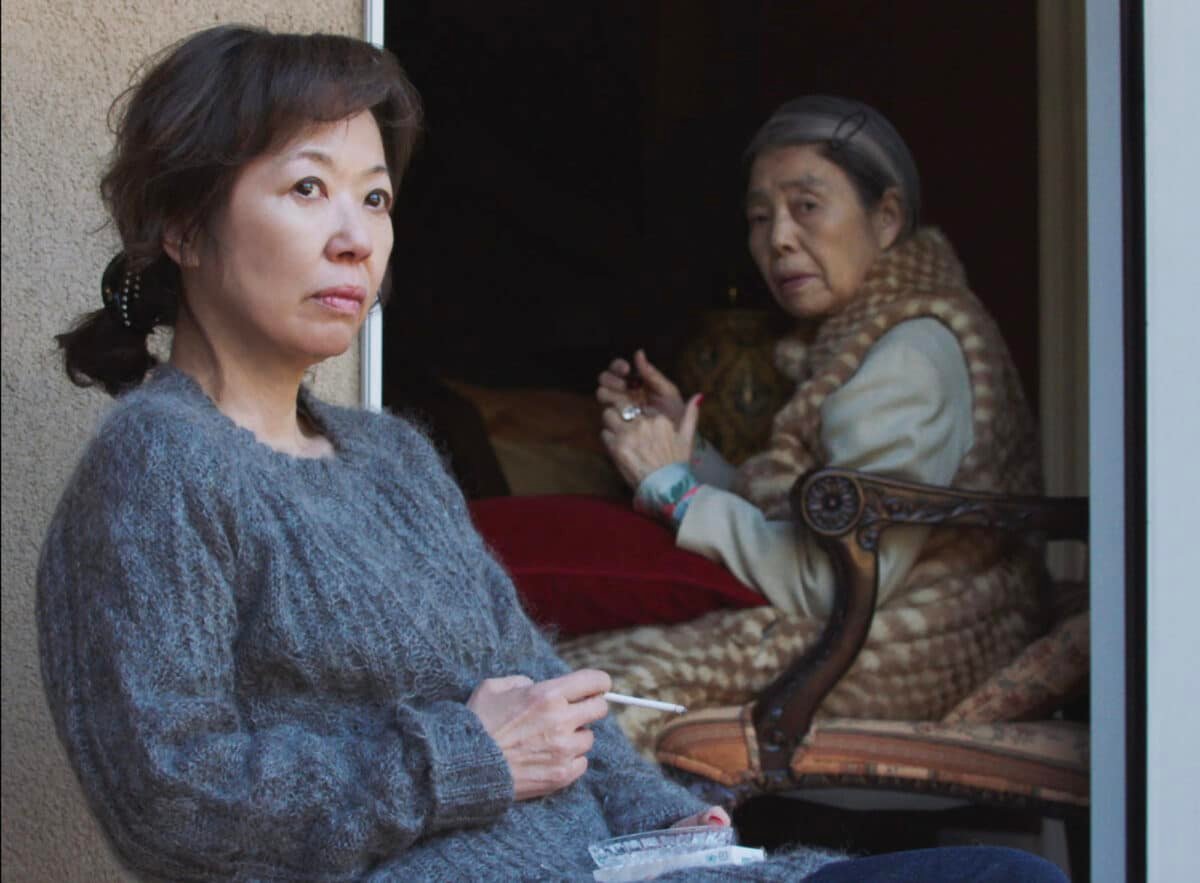
- Miyoko Asada delivers a career-defining, fearless lead performance as the titular fraudulent protagonist Erika
- Transitions effortlessly from a seemingly harmless older woman to a calculating, cold-hearted swindler
- Captures the subtle layers of desperation and vanity driving the character’s relentless deception
- Utilizes micro-expressions and restrained vocal delivery to build quiet psychological suspense on screen
- Supported by a stellar ensemble cast portraying gullible victims, accomplices, and suspicious investigators
- Grounds the sensational true-crime narrative in authentic, grounded human emotional reality
Yuichi Hibi’s Direction & Filmmaking Style
Director Yuichi Hibi employs a deliberate, minimalist visual style that strips away melodramatic tropes in favor of stark realism and psychological depth. His background as a photographer heavily influences the film’s composition, utilizing natural lighting, muted color palettes, and lingering static frames to evoke profound emotional isolation. This visual restraint forces the audience to focus entirely on the complex nuances of the performances and the chilling moral implications of the plot.
Rather than resorting to sensationalized action sequences, Hibi builds tension through pacing, unsettling spatial framing, and precise sound design that heightens the psychological claustrophobia. His empathetic yet uncompromising lens refuses to excuse the protagonist’s actions, choosing instead to dissect the environment that allowed such manipulation to thrive. This directorial approach establishes Hibi as a distinct auteur capable of transforming dark true-crime material into high art.
The seamless integration of regional Japanese textures further elevates the cinematic atmosphere, tying the narrative directly into the fabric of local communities. By allowing scenes to breathe organically, Hibi creates an immersive viewing experience that lingers in the viewer’s mind long after the theater lights return. His unique aesthetic signature bridges independent art-house sensibilities with gripping narrative engagement.
Kiki Kirin’s Role & Final Film Legacy
- Features a deeply memorable, poignant supporting performance by legendary Japanese actress Kiki Kirin
- Represents one of her final cinematic appearances, adding immense historical and emotional weight to the project
- Brings effortless gravitas, authenticity, and emotional anchor to the surrounding dramatic chaos
- Showcases her peerless ability to convey profound wisdom through minimalist, naturalistic acting choices
- Serves as a touching testament to her enduring legacy as a titan of Japanese independent cinema
- Interacts seamlessly with Miyoko Asada, creating some of the film’s most emotionally resonant dialogue scenes
Crime, Deception & Human Psychology
The narrative mechanics of the film rely heavily on dissecting the complex web of human psychology that enables financial predators to operate unchecked. Erika succeeds not through brute force, but by masterfully identifying and exploiting the emotional voids, loneliness, and trusting nature of her victims. The script illustrates how isolation makes individuals susceptible to elaborate falsehoods, turning basic human empathy into a weapon against them.
Event Information
- Email: support@pia.co.jp
- Phone Number: 052-671-3301
- Ticketing Link: https://t.pia.jp/pia/event/event.do?eventCd=2632591
Japanese Independent Cinema & Social Themes
- Exemplifies the bold, risk-taking storytelling championed within contemporary Japanese independent cinema circles
- Tackles uncomfortable social taboos surrounding elderly isolation, financial vulnerability, and systemic oversight
- Demonstrates how regional film productions capture authentic local nuances missing from mainstream blockbusters
- Provides a critical platform for veteran actors to showcase mature, complex dramatic talent
- Explores systemic loopholes that allow white-collar fraud to proliferate unchecked in modern society
- Inspires vital public discourse regarding consumer protection, senior safety, and community awareness
Audience Discussion & Film Appreciation Experience
- Fosters vibrant post-screening conversations among attendees regarding the ethical complexities of the plot
- Offers an immersive cinematic journey enhanced by the intimate architecture of the Atsuta Cultural Small Theater
- Encourages critical media literacy by analyzing how true-crime events are adapted for dramatic cinema
- Unites local cinephiles and independent film enthusiasts in a shared cultural celebration
- Provides direct access to creative leadership through the scheduled live director talk segment
- Leaves a lasting intellectual and emotional impact through its unflinching examination of human nature
Ticket Prices
- How Tickets Are Sold: Tickets are distributed via primary online ticketing services including Ticket Pia with advance reservations strongly recommended due to limited seating.
- Admission Type: Reserved seating admission granting entry to the theater hall for the designated single screening date.
- Ticket Pricing: Ticket prices range from a minimum of $20.00 up to a maximum of $35.00 depending on advance or standard purchase tier selections.
- Special Seating Options: General theater seating configurations offer clear sightlines toward the screen with accessible wheelchair spaces available upon request.
- VIP Options: Standard admission includes entry to the post-screening talk event with director Yuichi Hibi and special trilogy concept introductions.
Location
FAQ
What real-life events inspired the narrative framework of the film Erika 38?
The movie is based on a sensational true-crime financial fraud case involving an elderly Japanese woman who deceived numerous victims. Her ability to operate a massive scam using false identities and social manipulation shocked the public and inspired this character study.
What additional topics will director Yuichi Hibi discuss during the post-screening talk?
Alongside discussing the production of Erika 38, the director will introduce the overarching concept for his connected Nagoya-set film trilogy. Attendees can expect exclusive insights into his creative vision, artistic background, and previous works like Nameless Day.
Are tickets available for purchase at the venue doors on the event day?
Event seating is strictly limited, and advance purchase through authorized online ticketing platforms like Ticket Pia is strongly recommended. Relying on same-day door sales risks unavailability due to high local demand.
What specific precautions should attendees note regarding the venue location?
Visitors should head to the Nagoya City Atsuta Cultural Small Theater located within Atsuta Ward, Aichi Prefecture. Checking transit schedules ahead of time ensures prompt arrival before the scheduled screening start time.
What role did the legendary actress Kiki Kirin play in this production?
Kiki Kirin delivers a powerful, memorable supporting performance that stands as one of her final cinematic works. Her naturalistic acting style adds significant emotional depth and historic prestige to the independent film project.
How long does the entire scheduled event program last from start to finish?
The complete program runs for approximately 150 minutes, encompassing both the full-length feature film screening and the post-film director talk. This timeframe allows fans to experience the complete artistic presentation without feeling rushed.

Leave a Reply