
Overview
The Moving of the Seto Canal Carp is a heartwarming and vital seasonal tradition held in the picturesque town of Hida-Furukawa, near Takayama. Each year, as the seasons shift, the local community comes together to ensure the safety and well-being of the vibrant koi carp that inhabit the historic Setogawa Canal. This event is not merely a logistical necessity but a deep-seated community ritual that underscores the town’s enduring commitment to preserving its natural environment and living heritage.
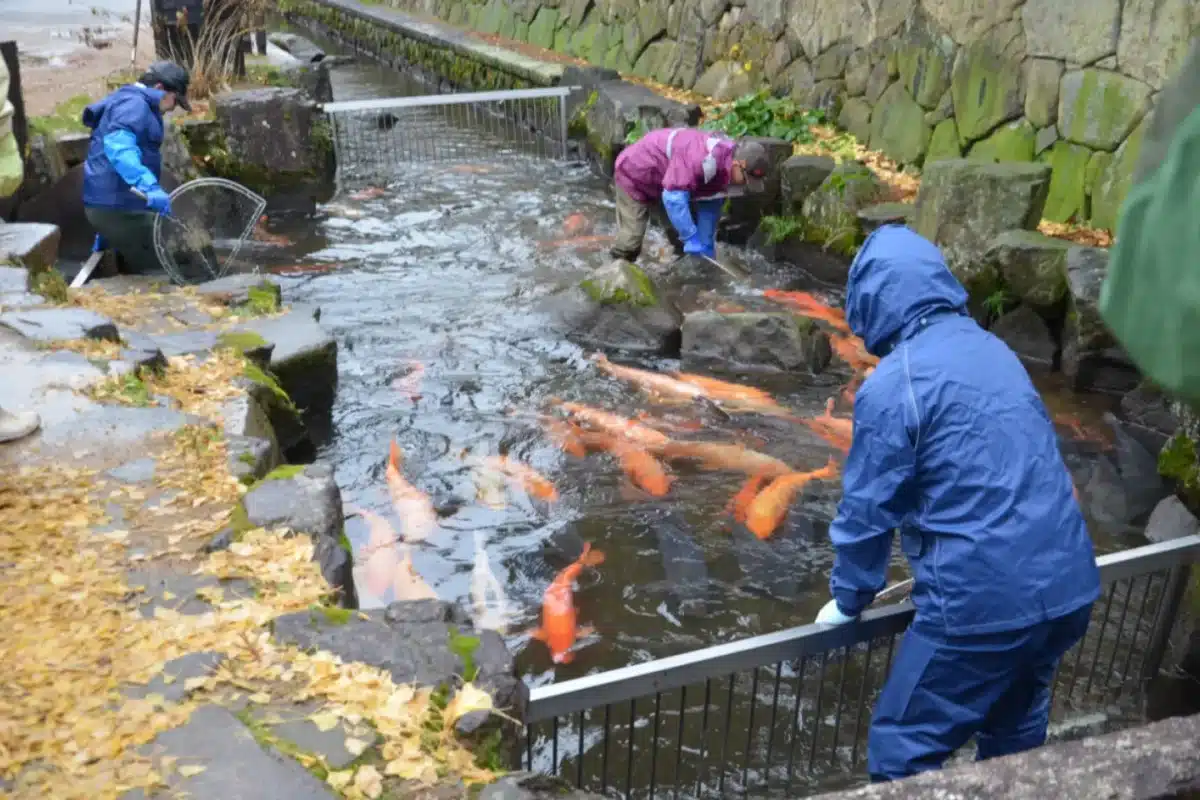
During the late autumn months, volunteers from across the region gather to carefully relocate the koi from the shallow waters of the Setogawa Canal to the deeper, temperature-controlled environment of the nearby Tenjin Pond. This protected winter home, located in the moat of the Masushima Castle ruins, shields the fish from the harsh, freezing temperatures of the Hida region’s winter. The process is a remarkable display of cooperation, as locals of all ages wade into the water to hand-catch and safely transport hundreds of these majestic fish.
The event serves as a poignant reminder of the symbiotic relationship between the townspeople and the nature that defines their home. As the volunteers navigate the canal, they celebrate a cycle of care that has been maintained for generations. Visitors fortunate enough to witness this migration are granted a rare glimpse into the authentic soul of rural Japan, where ancient traditions remain an integral part of modern daily life and community identity.
Enjoy Your Event Stress-Free with Japan Travelo
Do you know? Planning events, festivals, concerts, and cultural experiences in Japan can be overwhelming. Japan Travelo brings everything together in one place, helping you manage your itinerary, transport, and accommodation with ease—so you can enjoy Japan without the stress of planning.
Event Highlights
- Witness the extraordinary community effort as hundreds of volunteers work together to safely catch and transport over 1,000 koi carp.
- Observe the unique architectural charm of the Shirakabe Dozogai Street, featuring historic white-walled storehouses that line the canal.
- Participate in a genuine Japanese seasonal ritual that highlights the local culture’s profound respect for nature and wildlife.
- Experience the serene and nostalgic atmosphere of Hida-Furukawa, a hidden gem often overshadowed by the larger nearby city of Takayama.
Why Attend
This event is ideal for travelers who seek an intimate, authentic connection with Japanese culture away from the crowded tourist trails. It is perfect for families, environmental enthusiasts, and those with an interest in traditional Japanese town life, offering a rare opportunity to see a community-led conservation effort in action within a beautifully preserved historical setting.
Attending this event allows visitors to appreciate the slow, deliberate pace of life in Hida and the deep bond between the residents and their environment. It provides a unique perspective on the care required to maintain a living cultural asset, ensuring that the iconic scenery of the Setogawa Canal survives the winter. By visiting, guests support the preservation of a tradition that has sustained the town’s character for decades.
Date & Duration
- Event Date: Mid October 2026
- Event Duration: One day of community-led relocation
Visiting this event? Don’t miss out on these amazing activities and local experiences while you’re here.
Ticket Information
- How Tickets Are Sold: This is a community event hosted by local residents; no tickets are sold.
- Admission Type: Open to the public.
- Ticket Pricing: Free Admission.
- Special Seating Options: No special seating is provided as this is a town-wide volunteer activity.
- VIP Options: There are no VIP options available for this communal event.
Venue / Location
- City and Country: Hida-Furukawa, Japan
- Venue Name: Setogawa and Shirakabe Dozou Street
- Google Maps Address: 8-5 Furukawacho Tonomachi, Hida, Gifu 509-4224, Japan
Contact Information
- Phone Number: +81-577-73-2111
- Official Website: www.hida.travel
Accommodation Options:
Hida-Furukawa offers a delightful range of traditional ryokans and modern boutique guesthouses that reflect the town’s historic charm. Staying locally provides guests with the chance to experience authentic Japanese hospitality, often featuring locally sourced seasonal meals and traditional architectural designs that complement the surrounding storehouse district.
For those who prefer a broader selection of high-end hotels, many visitors choose to stay in nearby Takayama, which is just a short train ride away. This provides the best of both worlds: the convenience of larger city amenities and proximity to the tranquil, rustic atmosphere of Furukawa’s canal area.
Getting There
- Nearest Airport: Toyama Airport (TOY) is approximately 35 miles from the Hida-Furukawa area.
- Nearest Train/Metro Station: Hida-Furukawa Station on the JR Takayama Main Line.
- Bus Routes or Public Transport Options: Local community buses connect the station area to the various historic districts within the town.
- Parking Availability: Limited public parking is available near the town center; please follow local signage for designated areas.
- Directions by Car: Accessible via Route 41 from Takayama; follow signs for Hida-Furukawa and the historic Old Town area.
Dining Recommendations
Breakfast Recommendations:
- Local coffee shops near the station serving traditional morning sets with rice and miso.
- Seasonal bakery cafes in the Old Town offering fresh, house-made bread and local fruit preserves.
- Hotel-provided traditional Japanese breakfasts featuring Hida-grown ingredients.
Lunch Recommendations:
- Establishments along the Setogawa Canal offering Hida beef bowls, a regional culinary specialty.
- Traditional noodle shops serving handmade soba, renowned for the quality of local mountain water.
- Small, family-run diners specializing in seasonal wild vegetable tempura and local tofu dishes.
Dinner Recommendations:
- Upscale restaurants specializing in A5-grade Hida Beef, grilled over charcoal for an authentic local experience.
- Izakayas in the historic district that serve a variety of regional sake paired with local fish and mountain herbs.
- Intimate, reservation-only eateries that focus on kaiseki-style multi-course meals showcasing the bounty of the Gifu prefecture.
Local Specialties to Try:
- Hida Beef, highly marbled and considered among the best in Japan.
- Regional sake brewed in Hida’s traditional breweries, famous for its crisp and clean profile.
- Mitarashi dango, a local version of rice dumplings grilled with a savory soy-based sauce rather than a sweet one.
What is this event?
The Moving of the Seto Canal Carp is a seasonal tradition where the town’s iconic koi fish are relocated from the canal to a winter pond. It is a vital conservation effort managed by local volunteers to keep the fish safe from freezing water.
This event showcases the community spirit and the historical preservation of the Setogawa Canal. It allows residents and visitors alike to participate in a ritual that has defined the town’s peaceful atmosphere for generations.
Why is it popular?
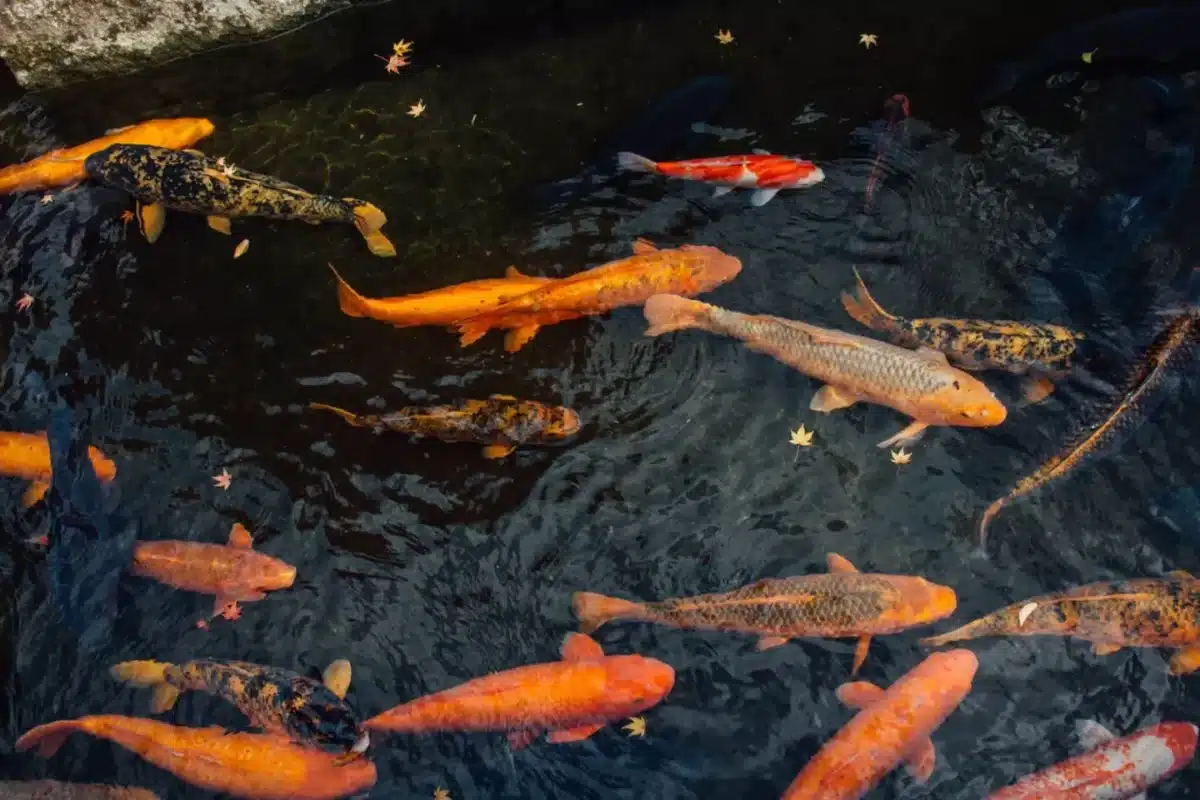
The event is popular because it offers a rare, heartwarming look at the close relationship between a small town and its natural environment. Tourists are drawn to the aesthetic beauty of the white-walled storehouses and the sight of local volunteers carefully tending to the colorful koi.
It provides a unique, authentic experience that goes beyond typical sightseeing. The combination of beautiful seasonal scenery and the active participation of the locals makes it a highlight for anyone visiting the Hida region during the autumn transition.
Tips before you go
- Dress in layers, as the Hida region experiences significant temperature drops during the autumn months.
- Bring a camera to capture the stunning contrast of the brightly colored koi against the traditional black-and-white architecture of the storehouses.
- Plan to spend time exploring the town’s many craft workshops and sake breweries after viewing the canal activities.
- Check with the local tourism office upon arrival, as the specific day for the move can shift slightly depending on the weather and water temperatures.
- Respect the volunteers and keep a safe distance from the canal edges during the transfer to ensure the safety of both the fish and yourself.
Tips for First-Time Visitors
- The Hida-Furukawa area is very walkable; ensure you wear comfortable footwear for navigating the stone-paved streets and riverside paths.
- Download a translation app, as some of the smaller, family-run shops in the historic district may have limited English signage.
- Take the train from Takayama to Hida-Furukawa, as the scenic rail journey through the mountain valleys is a highlight of the trip itself.
- Visit the Takumikan Craft Museum located near the canal to learn more about the masterful woodworking traditions that built the local storehouses.
- Be prepared to embrace the slow pace of the town; the best way to enjoy Hida-Furukawa is to sit by the canal and simply observe the serene flow of the water and fish.
- If you find yourself enjoying the local sake, consider visiting the historic breweries in the downtown area to learn about the traditional fermentation process.
Attendee Experiences
- Helping the locals move the massive, vibrant koi was an unforgettable and deeply grounding experience I will treasure forever.
- Watching the fish being safely tucked away for winter against the backdrop of those beautiful old storehouses felt like stepping back in time.
- The warmth and kindness of the Hida-Furukawa community made this simple, traditional event the absolute highlight of my entire trip to Japan.
Location
FAQ
Why must the koi be moved from the canal during the winter season?
The Setogawa Canal is relatively shallow, which means the water temperature drops to freezing levels during the harsh Hida winter. Moving the fish to the deeper Tenjin Pond, which acts as a thermal buffer, is essential to prevent them from freezing and ensures their survival.
Are spectators allowed to participate in the actual handling of the fish?
While the main relocation is a coordinated effort by local community volunteers who have the necessary expertise, spectators are warmly welcomed to watch, learn, and document the process. It is a wonderful educational experience to observe how the town manages this complex logistical task.
What makes the Setogawa Canal environment so special for the koi?
The canal is fed by clean mountain water and is lined by historic white-walled storehouses, creating a unique micro-environment that is both beautiful and healthy for the fish. The care provided by the locals, including regular feeding and cleaning, ensures the canal remains a thriving habitat.
Is there a specific time of day when the relocation happens?
The event typically begins in the morning to allow volunteers enough daylight to complete the labor-intensive process safely and carefully. Visitors are encouraged to arrive early to ensure they do not miss the start of the transfer, as it is a highly coordinated community operation.
Can I visit the koi in their winter home at Tenjin Pond?
Yes, the Tenjin Pond is located near the Masushima Castle ruins and is open to the public throughout the winter months. It is quite a serene experience to see the fish resting in their protected environment while the rest of the town is covered in snow.

Leave a Reply