
-
November 21, 2026
Event date:
-
November 23, 2026
Event end:
What to expect
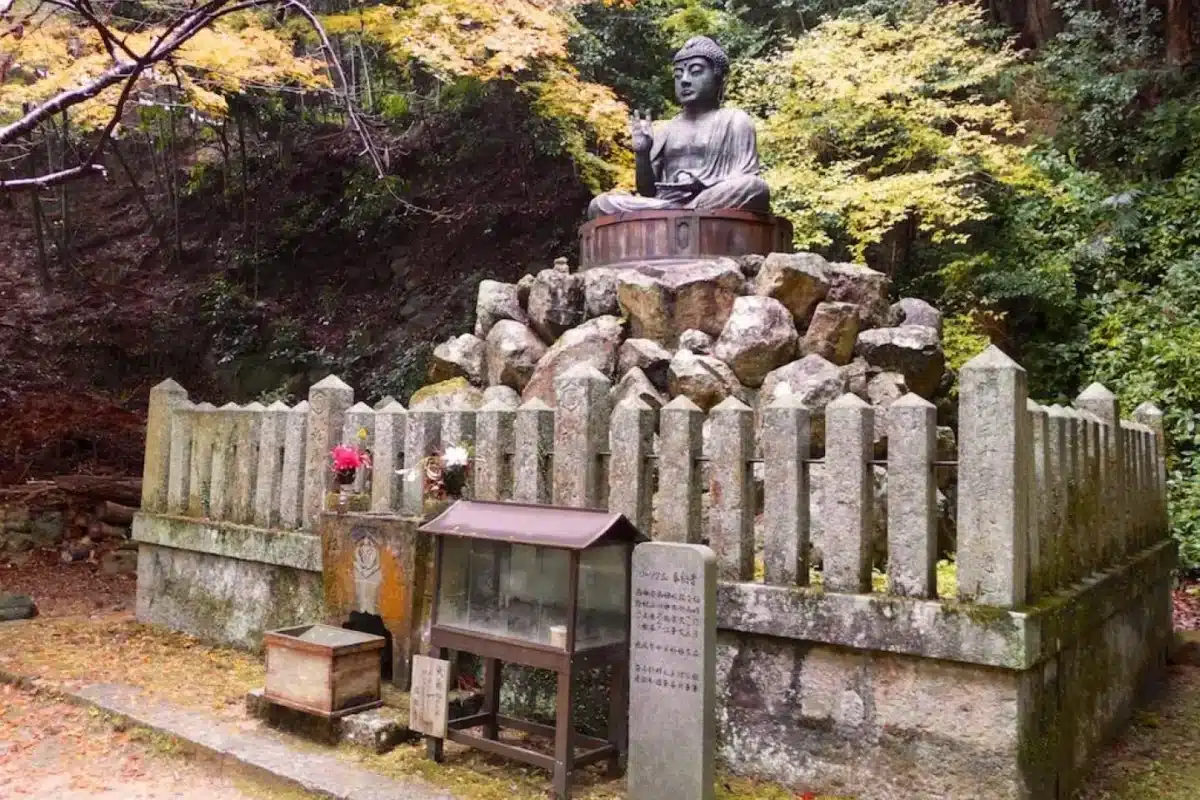
The Engyo-ji Temple on Mount Shosha in Himeji has over 2,000 years of history, and it became even more famous in 2003 as a filming location for The Last Samurai. Before that, it had long been known for its beautiful fall foliage, which peaks at the end of November and is marked by the Mt. Shosha Autumn Leaf Festival.
Heading west to Himeji is another great koyo alternative. In the fall, the best site is not the castle but rather a temple called Engyo-ji. You need to take a ropeway up Mt. Shosha to reach the temple. Do not be fooled though, this is only beginning. Once you reach top, head for Engyo-ji.
The temple grounds on the top of the mountain were colored with autumn colors during the Shoshazan Koyo Festival, but there were no major events held, and the temple hall was usually only open to public. Busiest season for Shoshazan Engyo-ji Temple is autumn, when leaves change color. From late October to end of November, you can enjoy autumn leaves not only within temple grounds but also from inside Shosha Ropeway.
Enjoy Your Event Stress-Free with Japan Travelo
Do you know? Planning events, festivals, concerts, and cultural experiences in Japan can be overwhelming. Japan Travelo brings everything together in one place, helping you manage your itinerary, transport, and accommodation with ease—so you can enjoy Japan without the stress of planning.
Gorgeous view from Maniden Hall atop Mount Shosha is highlight, with wooden stage built into mountain similar to Kiyomizu-dera. Flaming leaves of Engyo-ji surround halls, creating sea of red, orange, yellow.
Temple founded in 966 by monk Shoku Shonin, nestled on Mount Shosha, offers breathtaking views. Magnificent temple known for stunning autumn foliage, attracts visitors from all over world. This magnificent temple is also known as Shoshazan Temple.
Expect serene temple complex with 2,000 years of history, autumn foliage illumination, quiet temple halls, ropeway with foliage views, and connection to The Last Samurai filming.
Event dates
Event Dates: November 21st – November 23rd 2026
Official Timing: The Engyo-ji Temple on Mount Shosha in Himeji has over 2,000 years of history, and it became even more famous in 2003 as a filming location for The Last Samurai. Before that, it had long been known for its beautiful fall foliage, which peaks at the end of November and is marked by the Mt. Shosha Autumn Leaf Festival.
Busiest season for Shoshazan Engyo-ji Temple is autumn, when leaves change color. From late October to end of November, you can enjoy autumn leaves not only within temple grounds but also from inside Shosha Ropeway. Fall foliage peaks at end of November and is marked by Mt. Shosha Autumn Leaf Festival.
For 2026 edition: November 21st – November 23rd 2026 at Mount Shosha Engyo-ji Temple, Himeji, Hyogo Prefecture. Festival is 3-day weekend during peak koyo season, with illumination in evenings.
Typical Daily Hours During Festival:
- Ropeway operation: 8:30 to 17:30, extended to 19:00 or 20:00 during festival for night illumination
- Temple grounds: 9:00 to 17:00, extended for illumination
- Maniden Hall viewing: Until 17:00 daytime, illumination viewing until 20:00
- Special temple halls normally closed open to public during festival period
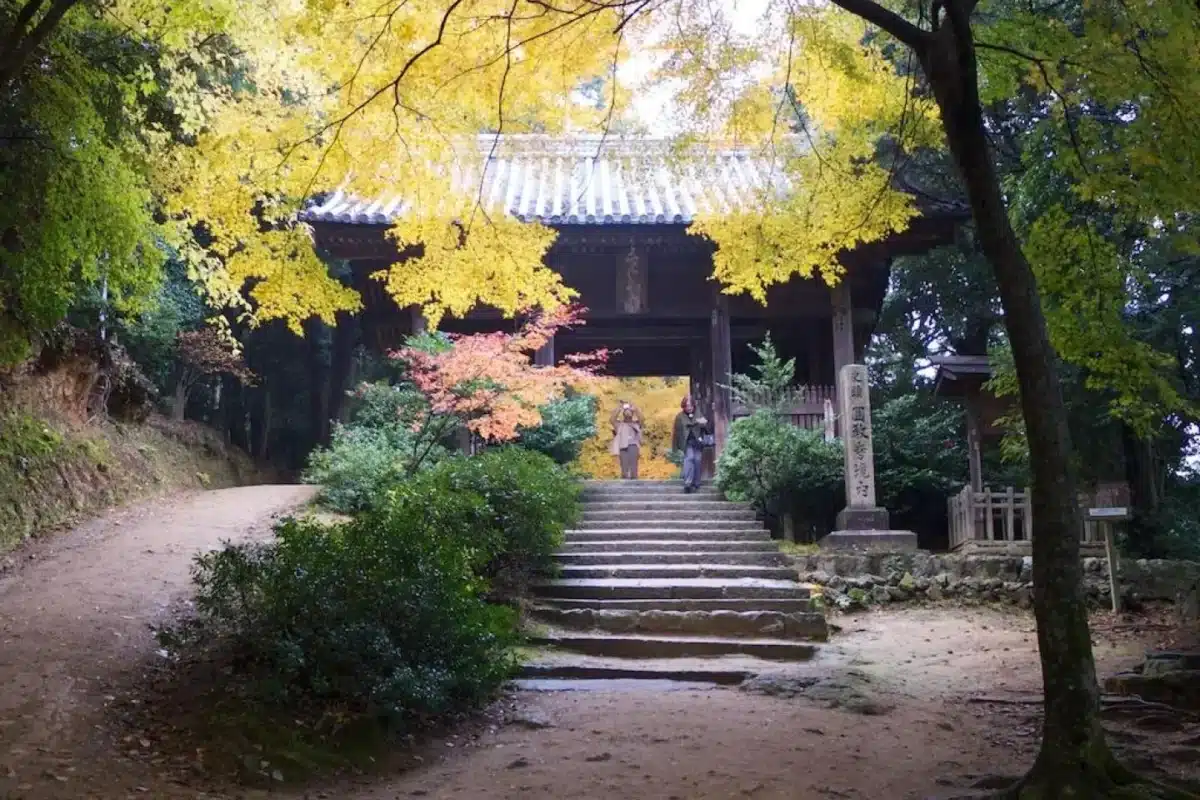
Note: Peak fall foliage in Himeji area is end of November, with Shoshazan Koyo Festival marking peak. In front of Zuikoin temple gate photographed in 2007 shows classic foliage spot.
Visiting this event? Don’t miss out on these amazing activities and local experiences while you’re here.
Venue & event locations
Venue: Mount Shosha Engyo-ji Temple, Himeji, Japan
Mount Shosha: Mountain 371 meters high, northwest of Himeji city, with Engyo-ji Temple complex on top, accessible via ropeway and hiking trails. Mount Shosha hiking trails include Nishizaka-sando and Higashizaka-sando, used for hiking during autumn foliage season.
Engyo-ji Temple Complex: Engyo-ji Temple, also known as Shoshazan Temple, founded in 966 by monk Shoku Shonin, with over 2,000 years of history claimed in local legend, actually 1,000+ years, with buildings scattered across mountain top. Main halls:
- Maniden Hall: Gorgeous view from Maniden Hall atop Mount Shosha, wooden stage built into cliff, similar to Kiyomizu-dera, with breathtaking views of surrounding landscape and autumn leaves, main photo spot
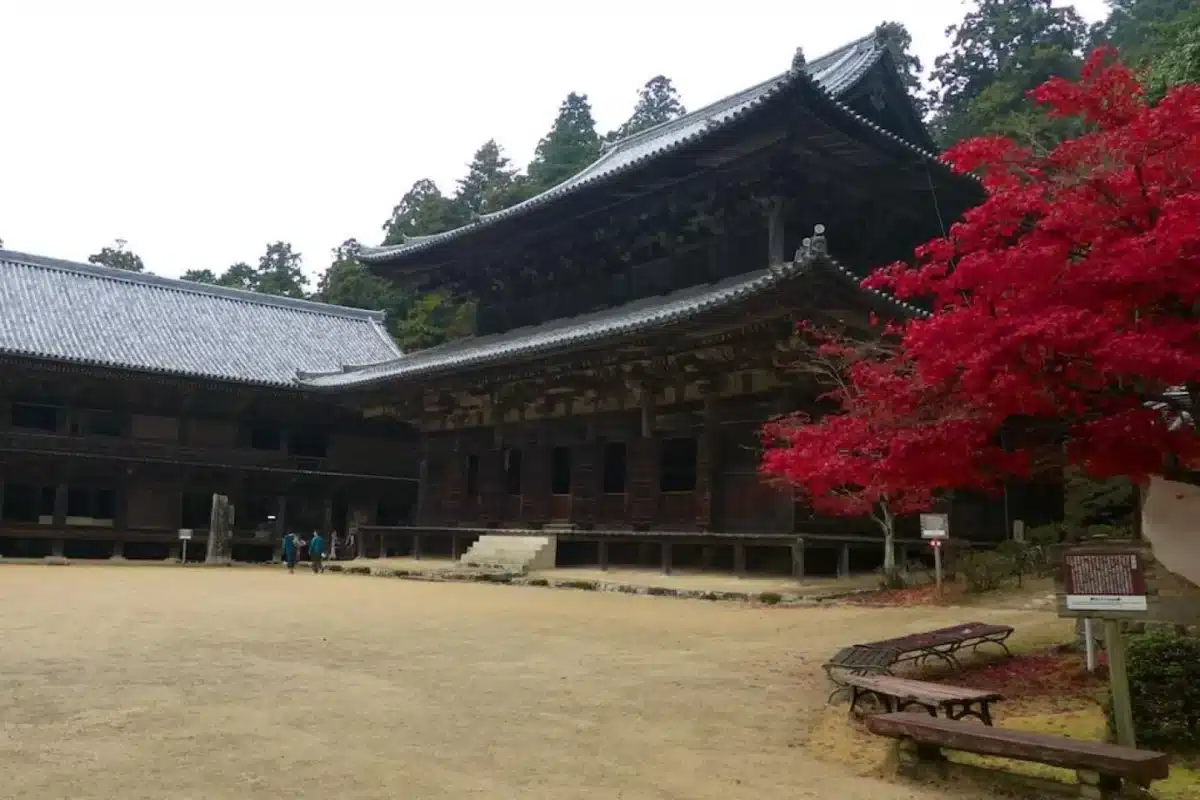
- Daikodo Hall: Large lecture hall, used for meditation
- Jikido Hall: Dining hall, with long wooden floor, famous from The Last Samurai filming location 2003
- Zuikoin Temple Gate: In front of Zuikoin temple gate classic foliage spot
- Mitsunodo: Three halls area
Shosha Ropeway: Ropeway up Mt. Shosha to reach temple, from late October to end of November you can enjoy autumn leaves not only within temple grounds but also from inside Shosha Ropeway, 4 minute ride with foliage views.
Himeji Location: Himeji City, Hyogo Prefecture, famous for Himeji Castle UNESCO World Heritage, but in fall best site is not castle but temple called Engyo-ji.
Full holiday programme
Festival is primarily autumn foliage viewing with special openings and illuminations.
Daytime Koyo Viewing: Temple grounds colored with autumn colors during Shoshazan Koyo Festival, enjoy autumn leaves within temple grounds. Best sites are around Maniden Hall, Zuikoin gate, Mitsunodo area, and approach paths. Leaves include maple, ginkgo, cherry, creating red, orange, yellow.
Special Hall Openings: Temple halls usually only open to public during festival period, with special openings of buildings normally closed, allowing exploration of 1,000 year old temple complex.
Night Illumination – Flaming Leaves: Evening illumination of maple trees around Maniden Hall and temple grounds, creating magical glowing foliage, known as Momiji light-up, from sunset to 20:00.
The Last Samurai Film Location Tour: Temple became famous in 2003 as filming location for The Last Samurai, Jikido and Mitsunodo used for scenes, with film location markers.
Ropeway Autumn Viewing: Enjoy autumn leaves from inside Shosha Ropeway, with panoramic views of Himeji city and Seto Inland Sea through foliage.
Temple Stay Experience: Some programmes offer shojin ryori vegetarian meals and meditation in Daikodo Hall during festival weekend.
Main attractions & highlights
Maniden Hall Gorgeous View: Gorgeous view from Maniden Hall atop Mount Shosha is main highlight, wooden hall built into mountain side with stage, offering breathtaking views of flaming leaves and Himeji city below. Stage similar to Kiyomizu-dera but quieter.
2,000 Years History: Engyo-ji Temple on Mount Shosha has over 2,000 years of history, founded 966 by monk Shoku Shonin, with legend of vision of god praying to sakura tree at age 57 on Mt. Shosha.
The Last Samurai Filming Location: Became even more famous in 2003 as filming location for The Last Samurai starring Tom Cruise and Ken Watanabe, with Jikido and Mitsunodo halls used, attracting film fans.
Shoshazan Koyo Festival Peak: Beautiful fall foliage peaks at end of November and marked by Mt. Shosha Autumn Leaf Festival, with temple grounds colored with autumn colors, no major events but temple halls open, creating serene viewing.
Shosha Ropeway Foliage Ride: Ropeway ride up Mt. Shosha with autumn leaves visible from inside ropeway, 4 minute ride, 371 meter elevation, with views of foliage and city.
Zuikoin Gate Classic Spot: In front of Zuikoin temple gate classic autumn photo spot, with maple tunnel.
Daikodo and Jikido Halls: Large wooden halls from Muromachi period, with tatami and wooden floors, atmospheric.
Mount Shosha Hiking: Nishizaka-sando hiking trail for autumn foliage season, with stone steps through forest, 30 to 60 minute hike alternative to ropeway.
Markets, decorations & themed areas
Festival is natural decoration of maple leaves rather than artificial markets, but some themed areas exist.
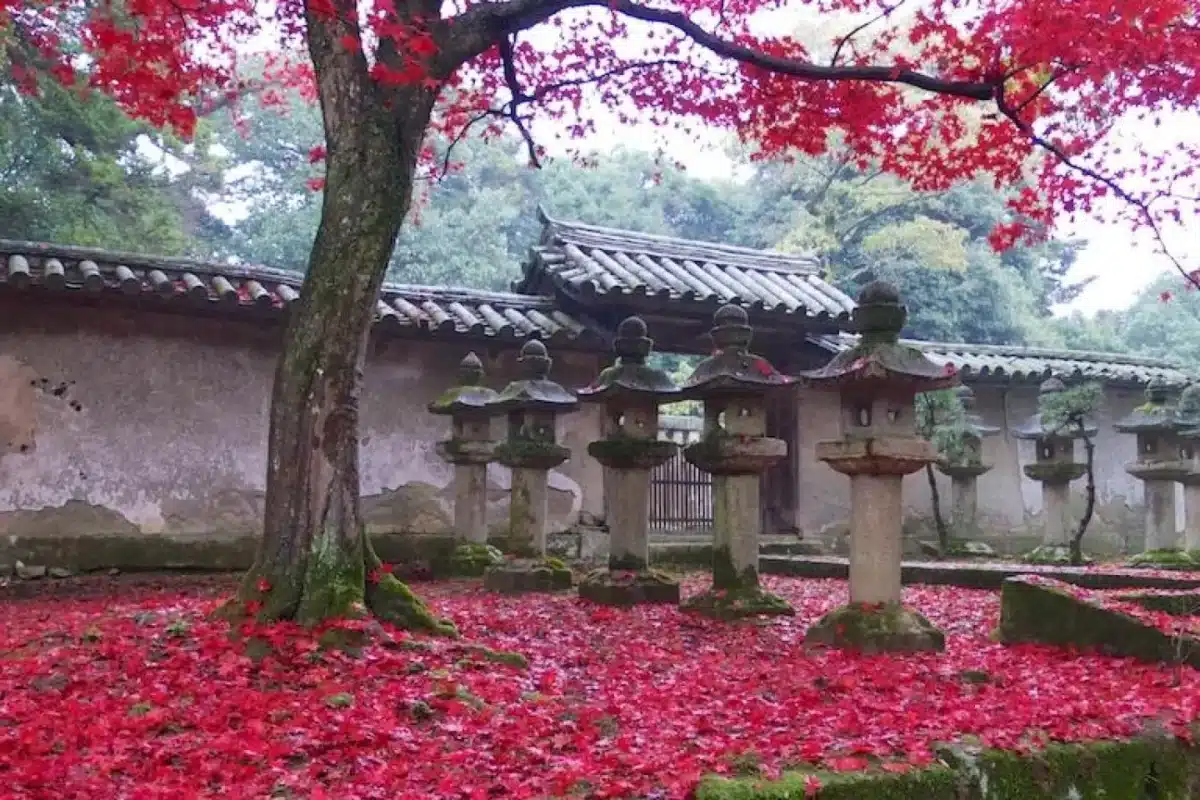
Momiji Tunnel – Maple Decoration: Natural decoration of maple trees lining approach from ropeway top station to Maniden Hall, creating tunnel of red and orange, most beautiful from late October to end of November.
Temple Illumination Decoration: Evening illumination uses spotlights on maple trees around Maniden Hall and Mitsunodo, creating glowing flaming leaves effect, with subtle lighting not to disturb temple atmosphere.
Engyo-ji Temple Grounds Themed Areas:
- Maniden Area: Maniden Hall with wooden stage, surrounded by maple and ginkgo, main viewing area
- Mitsunodo Area: Three halls on hilltop, surrounded by forest foliage
- Zuikoin Area: Gate with maple arch
- Daikodo Area: Large hall with garden foliage
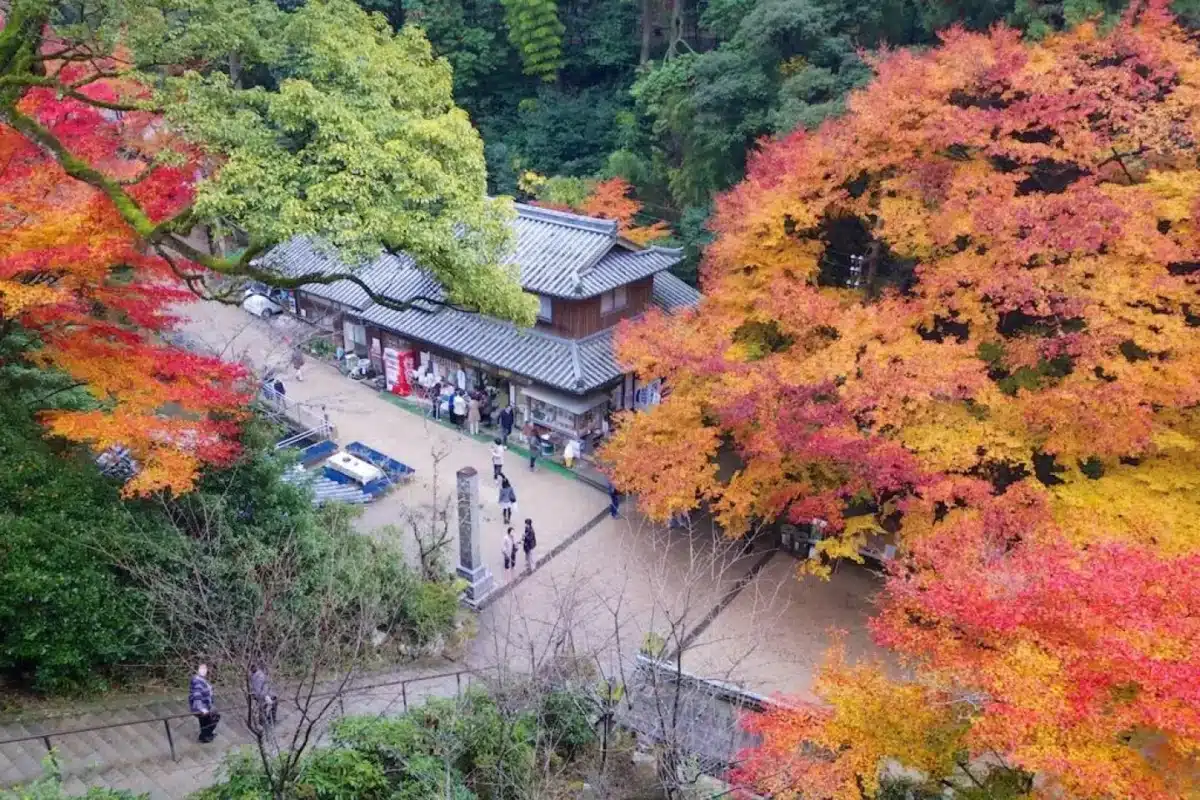
Small Market Stalls: During festival weekend, small stalls near ropeway stations and temple entrance selling:
- Momiji manju maple leaf cakes for 2 USD to 4 USD
- Local Himeji oden for 4 USD to 7 USD
- Amazake sweet rice wine for 2 USD to 4 USD
Film Location Markers: The Last Samurai film location markers and photos, decorated area showing scenes filmed.
Autumn Leaves Art: Temple offers goshuin red stamp with autumn leaves design, special edition for festival, for 3 USD to 5 USD.
Events & entertainment schedule
Schedule is relaxed, focused on nature viewing rather than stage shows.
Based on Previous Editions for November 21-23:
Daytime – 9:00 to 17:00:
- Temple grounds open, special hall openings, Maniden Hall viewing, Jikido, Daikodo open to public
- Shosha Ropeway operating 8:30 to 17:30, with foliage viewing from ropeway
- Hiking via Nishizaka-sando trail, with temple grounds colored with autumn colors
- Goshuin stamp collection at temple office
Evening Illumination – 17:30 to 20:00:
- Flaming Leaves of Engyo-ji night illumination around Maniden Hall and Mitsunodo
- Maniden Hall stage lit with maple backdrop
- Ropeway extended operation to 19:00 or 20:00 for night viewing, enjoy autumn leaves from inside ropeway at night with city lights
Special Events During Festival:
- Morning Meditation: In Daikodo Hall, 7:00 to 8:00, with monks, free or 5 USD donation
- Sutra Copying: Shakyo experience in temple hall for 8 USD to 12 USD
- The Last Samurai Location Guided Tour: 30 minute guided tour of filming locations at Jikido and Mitsunodo, twice daily 10:30 and 13:30, free with temple entry
No Major Events: As noted, temple grounds colored with autumn colors during Shoshazan Koyo Festival, but there were no major events held, and temple hall was usually only open to public, emphasizing quiet contemplation over entertainment.
Admission & ticket information
Ticket Information:
Engyo-ji Temple Entry: Entry to temple mountain area requires small fee, based on previous editions:
- Shoshazan Engyo-ji Temple Entry: 500 USD? Actually typical fee is 500 JPY for adults, about 4 USD, children 300 JPY about 2 USD, for access to Maniden Hall area
- Maniden Hall Additional: Included in entry, but special hall openings may require extra 300 JPY about 2 USD
Shosha Ropeway: Round trip fare:
- Adults: 1,500 JPY round trip about 11 USD, one way 900 JPY about 7 USD
- Children: 750 JPY round trip about 6 USD, one way 450 JPY about 3 USD
- During festival, ropeway extended hours, same fare
Combined Ticket: Some packages include ropeway plus temple entry for 1,800 JPY about 13 USD for adults.
Hiking Alternative: Hiking via Nishizaka-sando is free, but temple entry still required at top, 500 JPY about 4 USD.
Special Experiences:
- Meditation: Free or donation 5 USD
- Sutra Copying: 1,000 JPY to 1,500 JPY about 8 USD to 12 USD
- Goshuin Stamp: 500 JPY about 4 USD, special autumn edition
Free Areas: Ropeway lower station area, hiking trail up to temple gate free, but inner temple grounds require fee.
Hours: Temple 9:00 to 17:00, extended to 20:00 during illumination, ropeway 8:30 to 17:30 extended to 19:30 during festival.
Special experiences & activities
Maniden Hall Stage Viewing: Gorgeous view from Maniden Hall atop Mount Shosha, wooden stage built into cliff, similar to Kiyomizu, with breathtaking views of flaming leaves, best photo spot at sunset and during illumination.
The Last Samurai Pilgrimage: Temple became famous in 2003 as filming location for The Last Samurai, visit Jikido dining hall and Mitsunodo where Tom Cruise scenes filmed, with photo spots marked.
Shosha Ropeway Autumn Ride: Enjoy autumn leaves from inside Shosha Ropeway, 4 minute ride, with views of foliage and Himeji city and Seto Inland Sea, especially beautiful during peak late November.
Nishizaka-sando Hiking: Use Nishizaka-sando for hiking during autumn foliage season, stone steps through forest with maple, 40 minute hike from base to temple, temple grounds colored with autumn colors.
Temple Hall Exploration: Explore Daikodo, Jikido, Mitsunodo halls usually only open to public during festival, with 1,000 year history, wooden architecture, tatami floors.
Night Illumination: Flaming Leaves of Engyo-ji night illumination, with spotlights on maple around Maniden Hall, creating magical glowing effect, fewer crowds than Kyoto illumination.
Goshuin Collection: Collect special autumn leaves goshuin red stamp at Engyo-ji Temple, with maple design exclusive to festival period.
Shojin Ryori: Try shojin ryori vegetarian temple meal at Engyo-ji, for 15 USD to 25 USD, with mountain vegetables.
Family & children’s activities
Temple is family-friendly with gentle hiking and ropeway.
Ropeway Ride: Children enjoy Shosha Ropeway 4 minute ride up mountain with foliage views from inside, exciting for kids, fare children 6 USD round trip.
Hiking Trail: Nishizaka-sando hiking trail is moderate, with stone steps and forest, suitable for older children, 40 minutes, temple grounds on top colored with autumn colors, no major events but open halls.
Maniden Hall Exploration: Maniden Hall wooden stage exciting for children, with view, and temple complex with many buildings to explore, founded 966 by monk Shoku Shonin.
Autumn Leaves Collecting: Children can collect fallen maple leaves, with red, orange, yellow colors, and participate in leaf art at temple stalls.
The Last Samurai Storytelling: For families who watched film, explain filming location history, with Jikido hall where samurai training scenes filmed.
Goshuin Stamp Activity: Children enjoy collecting goshuin stamps, with autumn design.
Koyo Photo Contest: Some years temple holds photo contest for autumn leaves, children can participate.
Safety: Temple grounds on mountain top with some steep steps at Maniden Hall, supervise children, wear comfortable shoes.
Food Stalls: Small stalls selling momiji manju, amazake, oden, enjoyable for children.
Event rules
Temple Etiquette:
- Remove shoes when entering halls like Daikodo, Jikido, Maniden inner area
- No smoking in temple complex, forested mountain area
- No tripods in Maniden Hall during crowded illumination times
- Keep quiet in meditation areas
Ropeway Rules:
- Shosha Ropeway capacity limited, queue during peak autumn weekends, especially November 21-23 peak
- No eating or drinking inside ropeway cabins
Hiking Rules:
- Nishizaka-sando trail is stone steps, can be slippery when wet with fallen leaves, wear hiking shoes
- Stay on trail, as mountain is sacred
Photography Rules:
- Photography allowed in temple grounds and outside halls, but no photography inside some halls with statues
- Night illumination photography allowed, but no flash in some areas, and no tripods without permission
Autumn Leaves Protection: Do not break branches or collect leaves from living trees, only fallen leaves
Film Location Respect: The Last Samurai filming location is active temple, respect monks and worshippers
Pets: Pets not allowed in temple halls, allowed on leash on hiking trails and ropeway in carrier
Litter: Temple on mountain, take trash back, no littering
Hours Compliance: Temple closes at 17:00 normally, 20:00 during illumination, ropeway last ride accordingly, plan descent
How to get there
From Himeji Station: Himeji is major station on Sanyo Shinkansen.
Bus to Shosha Ropeway: Take Shinki Bus from Himeji Station North Exit, Bus Stop No. 10, bound for Mt. Shosha Ropeway, about 30 minutes, fare about 3 USD to 4 USD one way, 270 JPY. Buses run every 20 to 30 minutes.
Shosha Ropeway: From bus terminus Shosha Ropeway Station, take ropeway up Mt. Shosha to reach temple, 4 minute ride, fare round trip 11 USD adults, 6 USD children. Enjoy autumn leaves from inside ropeway. Busiest season autumn when leaves change color.
Hiking Alternative: Use Nishizaka-sando for hiking during autumn foliage season, from base near ropeway station, 40 to 60 minute hike up stone steps to temple, free but temple entry required at top.
From Osaka and Kyoto: Take JR or Shinkansen to Himeji Station, about 1 hour from Osaka, 1 hour 30 minutes from Kyoto, fare about 10 USD to 25 USD by JR, 30 USD to 50 USD by Shinkansen. Then bus to ropeway.
By Car: From Sanyo Expressway Himeji Interchange, 20 minutes to Shosha Ropeway lower station parking, parking fee about 5 USD to 7 USD per day, then ropeway up. Parking limited during peak autumn weekends November 21-23, arrive early.
Walking from Ropeway Top: From ropeway top station, 10 minute walk to Engyo-ji Temple complex, with Maniden Hall further 10 minutes.
Public transport & parking
Public Transport:
Bus: Shinki Bus from Himeji Station North Exit No. 10 to Mt. Shosha Ropeway, 30 minutes, 3 USD to 4 USD, frequent during festival extended hours. Last bus from ropeway around 18:30 normally, extended to 20:30 during illumination period November 21-23.
Ropeway: Shosha Ropeway operating 8:30 to 17:30 normally, extended to 19:00 or 20:00 during Mt. Shosha Autumn Leaf Festival, for night illumination, fare round trip 11 USD adults. Ropeway cabins every 15 minutes.
Train: Himeji Station is hub, with Sanyo Shinkansen and JR Sanyo Line, from Osaka, Kobe, Okayama.
Parking:
Shosha Ropeway Lower Station Parking: Parking lot at ropeway base, capacity about 200 cars, fee 500 JPY to 700 JPY about 5 USD to 7 USD per day, fills early during peak autumn weekends, especially November 21-23 festival, arrive before 9:00.
Alternative Parking: No parking on Mount Shosha top, must use ropeway or hike. Himeji city center parking not recommended as need bus anyway.
Traffic: Himeji area traffic heavy during autumn foliage season, especially weekends, with Himeji Castle also busy, allow extra time.
Accessibility: Ropeway accessible, temple grounds have some steep steps at Maniden Hall and Mitsunodo, not fully wheelchair accessible, but main paths paved.
Accommodation areas
Himeji City: Best base for Mt. Shosha Autumn Leaf Festival.
Near Himeji Station:
- Hotel Nikko Himeji: Near station, from 90 USD to 150 USD per night
- APA Hotel Himeji: From 60 USD to 95 USD
- Toyoko Inn Himeji: Budget from 50 USD to 80 USD
- Daiwa Roynet Hotel Himeji: From 80 USD to 130 USD
Near Himeji Castle: Hotels with castle view, 10 minute bus to Shosha, from 70 USD to 120 USD.
On Mount Shosha: No accommodation on mountain top, day visit only, temple does offer shukubo temple lodging for special meditation programmes, from 80 USD to 150 USD including vegetarian meals, but limited and must book months ahead, not standard hotel.
Kobe and Osaka: If Himeji full during November 21-23 peak weekend, stay in Kobe 40 minutes by train or Osaka 1 hour, with many hotels, then day trip to Himeji.
Booking Tip: Busiest season for Shoshazan Engyo-ji Temple is autumn when leaves change color, from late October to end of November, especially festival weekend November 21-23, book Himeji hotels 1 month ahead, as Himeji Castle autumn visitors also.
Hot Springs: No hot springs on Mount Shosha, but Himeji has some onsen hotels in surrounding area.
Food, drinks & seasonal specialties
At Mt. Shosha:
Temple Area Stalls During Festival:
- Momiji Manju: Maple leaf shaped cakes with bean paste for 2 USD to 4 USD
- Amazake: Sweet rice wine warm for 2 USD to 4 USD, good in cold November mountain air
- Oden: Hot pot with daikon and eggs for 4 USD to 7 USD
- Yaki Dango: Grilled rice dumplings for 3 USD to 5 USD
Shojin Ryori: Vegetarian temple meal at Engyo-ji, with mountain vegetables, tofu, for 15 USD to 25 USD, served in Jikido hall, must reserve.
Himeji City Specialties:
- Himeji Oden: Famous oden with ginger soy sauce for 5 USD to 9 USD
- Anago: Conger eel from Seto Inland Sea for 10 USD to 18 USD
- Himeji Ramen: For 7 USD to 11 USD
- Eki Soba: Station soba with broth for 4 USD to 6 USD
Autumn Seasonal Foods:
- Kaki: Persimmons from Hyogo for 2 USD to 4 USD
- Kuri: Chestnuts, roasted chestnuts for 4 USD to 7 USD
- Matsutake: Matsutake mushroom dishes for 15 USD to 30 USD in season, peak autumn
Drinks:
- Local Sake: Harima sake from Hyogo for 4 USD to 8 USD per cup
- Coffee and Tea: At ropeway stations for 3 USD to 5 USD
Ropeway Station Restaurants: Small restaurants at lower and upper stations serving udon, soba for 6 USD to 10 USD.
Accessibility
Ropeway Accessibility: Shosha Ropeway is accessible, cabins can accommodate wheelchairs with assistance, 4 minute ride, enjoy autumn leaves from inside ropeway, accessible from bus.
Temple Grounds Accessibility: Mount Shosha Engyo-ji Temple complex is on mountain top with some challenges:
- Main Paths: Main path from ropeway top station to Maniden Hall is paved and relatively flat, 10 minutes, accessible with assistance
- Maniden Hall: Maniden Hall has wooden stage with steps, not fully wheelchair accessible, but viewing platform before steps accessible
- Daikodo, Jikido, Mitsunodo: Large halls with steps and tatami, require removing shoes, not wheelchair accessible, but can be viewed from outside
- Nishizaka-sando Hiking Trail: Hiking trail not accessible, stone steps, for hiking during autumn foliage season only for able-bodied
Visual Impairment: Temple offers serene atmosphere, with tactile wooden architecture, but paths have uneven surfaces.
Hearing Impairment: No audio guides standard, but written guides in English and Japanese available at temple office.
Rest Areas: Benches along main path and at Maniden Hall for resting, with gorgeous view.
Restrooms: Restrooms at ropeway stations and near Maniden Hall, with accessible restrooms at ropeway stations.
Elderly Visitors: Many elderly visitors enjoy festival, ropeway recommended over hiking, with temple grounds colored with autumn colors but no major events, allowing slow walking.
Strollers: Strollers allowed on ropeway and main paved path, but need to carry at steps at Maniden Hall.
Best days & times to visit
Best Days: November 21st – November 23rd 2026 festival weekend is peak, but also busiest. For less crowd, visit weekdays late October to end of November.
Best Times of Day:
- Morning 9:00 to 11:00: Less crowded, soft light for photography, temple grounds colored with autumn colors, cool mountain air, ideal for Maniden Hall viewing
- Afternoon 13:00 to 15:00: Brightest colors for autumn leaves, but more visitors
- Sunset 16:30 to 17:30: Gorgeous view from Maniden Hall with sunset over Himeji city and Seto Inland Sea, with flaming leaves backlit
- Night Illumination 17:30 to 20:00: Flaming Leaves of Engyo-ji illumination, magical glowing maple around Maniden Hall, fewer crowds than Kyoto, best for couples
Peak Foliage Timing: Beautiful fall foliage peaks at end of November and is marked by Mt. Shosha Autumn Leaf Festival, from late October to end of November you can enjoy autumn leaves not only within temple grounds but also from inside Shosha Ropeway. Peak typically November 20 to November 30.
Weather: November in Himeji cool, 10 to 17 degrees Celsius, mountain top slightly colder, bring jacket, especially for night illumination.
Crowd Avoidance: Festival weekend November 21-23 is 3-day holiday in many years, expect crowds at ropeway and Maniden Hall, arrive before 9:00 for first ropeway, or visit night illumination after 18:30 when day trippers leave.
Photography Best: Morning and sunset for natural light, night illumination for glowing leaves, Zuikoin gate area best in morning light.
Previous year’s highlights
2025 Edition Highlights: Based on previous years, Mt. Shosha Autumn Leaf Festival 2025 held mid to late November, with peak foliage end of November.
Highlights from Past Festivals:
- Flaming Leaves at Maniden Hall: Gorgeous view from Maniden Hall with maple surrounding stage, creating sea of red, most photographed spot, with visitors noting So much cool history and beautiful leaves
- Ropeway Foliage Views: From late October to end of November, you can enjoy autumn leaves from inside Shosha Ropeway, with cabins passing through colorful canopy
- Special Hall Openings: Temple halls usually only open to public during festival, allowing exploration of Daikodo and Jikido halls famous from The Last Samurai, with visitors noting temple grounds colored with autumn colors
- Night Illumination: Flaming Leaves of Engyo-ji night illumination with spotlights on maple, creating magical atmosphere, extended ropeway hours to 19:00 or 20:00
- Zuikoin Gate Maple Tunnel: In front of Zuikoin temple gate classic photo spot with maple arch, especially beautiful in 2007 photo still used as reference
Visitor Reviews: Visitors noted I used Nishizaka-sando for hiking during autumn foliage season. Temple grounds on top colored with autumn colors during Shoshazan Koyo Festival, but there were no major events held, and temple hall was usually only open to public, emphasizing quiet nature.
The Last Samurai Connection: Continued popularity as filming location, with many visitors combining autumn leaves with film location tour.
Busiest Season: Busiest season for Shoshazan Engyo-ji Temple is autumn when leaves change color, with temple becoming even more famous in 2003 as filming location, but long known for beautiful fall foliage.
Official event information
Event Name: Mt. Shosha Autumn Leaf Festival 2026 – Himeji, Japan, also called Shoshazan Koyo Festival, Mt. Shosha Autumn Leaf Festival, Shosha Autumn Leaf Festival
Venue: Mount Shosha Engyo-ji Temple, Himeji, Hyogo Prefecture, Japan, Engyo-ji Temple on Mount Shosha, also known as Shoshazan Temple, founded 966 by monk Shoku Shonin, with over 2,000 years of history claimed, famous as filming location for The Last Samurai 2003
Organizer: Engyo-ji Temple, Shosha Ropeway, Himeji City Tourism
Official Website: https://en.japantravel.com/hyogo/mt-shosha-autumn-leaf-festival/3252
Additional Official Sites: https://www.shosha.co.jp/ Shosha Ropeway official and https://www.shoshazan.or.jp/ Engyo-ji Temple official
Description: Engyo-ji Temple on Mount Shosha in Himeji has over 2,000 years of history, and it became even more famous in 2003 as filming location for The Last Samurai. Before that, it had long been known for its beautiful fall foliage, which peaks at end of November and is marked by Mt. Shosha Autumn Leaf Festival. Gorgeous view from Maniden Hall atop Mount Shosha, flaming leaves of Engyo-ji, heading west to Himeji is another great koyo alternative, in fall best site is not castle but temple called Engyo-ji, you need to take ropeway up Mt. Shosha to reach temple, temple grounds colored with autumn colors during Shoshazan Koyo Festival, busiest season autumn when leaves change color, from late October to end of November you can enjoy autumn leaves not only within temple grounds but also from inside Shosha Ropeway.
Contact: Engyo-ji Temple, Shosha Ropeway, Himeji City, Hyogo
Location
FAQ
When is peak autumn foliage at Mt. Shosha and how long does festival last?
Beautiful fall foliage peaks at end of November and is marked by Mt. Shosha Autumn Leaf Festival, with busiest season for Shoshazan Engyo-ji Temple being autumn when leaves change color. From late October to end of November you can enjoy autumn leaves not only within temple grounds but also from inside Shosha Ropeway, with gorgeous view from Maniden Hall. Festival weekend November 21st to November 23rd 2026 marks peak weekend with special hall openings and night illumination, but foliage viewing possible throughout late October to end of November period with temple grounds colored.
How do I get to Engyo-ji Temple and do I need ropeway?
You need to take ropeway up Mt. Shosha to reach temple, with Shinki Bus from Himeji Station North Exit No. 10 to Mt. Shosha Ropeway about 30 minutes fare 3 USD to 4 USD, then Shosha Ropeway 4 minute ride up mountain with foliage views. Alternatively you can use Nishizaka-sando for hiking during autumn foliage season, 40 to 60 minute hike up stone steps through forest, free but temple entry required at top. From ropeway top station 10 minute walk to Engyo-ji complex, with Maniden Hall further 10 minutes, and ropeway operating extended hours during festival for night illumination.
What is connection to The Last Samurai and what can I see from film?
Engyo-ji Temple became even more famous in 2003 as filming location for The Last Samurai starring Tom Cruise, with Jikido dining hall and Mitsunodo three halls used for samurai village scenes. Temple has over 2,000 years of history and was founded in 966 by monk Shoku Shonin, offering breathtaking views and stunning autumn foliage that attracts visitors from all over world. You can visit Jikido Hall with long wooden floor and Daikodo large lecture hall where filming occurred, with film location markers and photos showing scenes, combining history, film tourism, and koyo viewing.
Are there night illuminations and special hall openings?
Yes, during Mt. Shosha Autumn Leaf Festival temple offers night illumination called Flaming Leaves of Engyo-ji with spotlights on maple around Maniden Hall and Mitsunodo from sunset to 20:00, creating magical glowing effect with fewer crowds than Kyoto. Temple grounds on top of mountain were colored with autumn colors during Shoshazan Koyo Festival, but there were no major events held, and temple hall was usually only open to public, so festival period is special opportunity to enter halls normally closed. Ropeway operates extended hours to 19:00 or 20:00 during festival for night viewing, allowing you to enjoy autumn leaves from inside ropeway at night with city lights.
What should I wear and is temple accessible for families?
Mount Shosha is 371 meters high and November is cool with temperatures 10 to 17 degrees Celsius, mountain top slightly colder especially during evening illumination, so bring warm jacket and comfortable walking shoes for stone steps and forest paths. Temple is family-friendly with ropeway ride enjoyable for children and Maniden Hall wooden stage exciting, but some steep steps at halls require supervision. Main path from ropeway top to Maniden Hall is paved and accessible with assistance, but Daikodo, Jikido, Mitsunodo have steps and tatami requiring shoe removal, and Nishizaka-sando hiking trail is stone steps not suitable for strollers, so ropeway recommended for families and elderly visitors.

Leave a Reply