
Overview
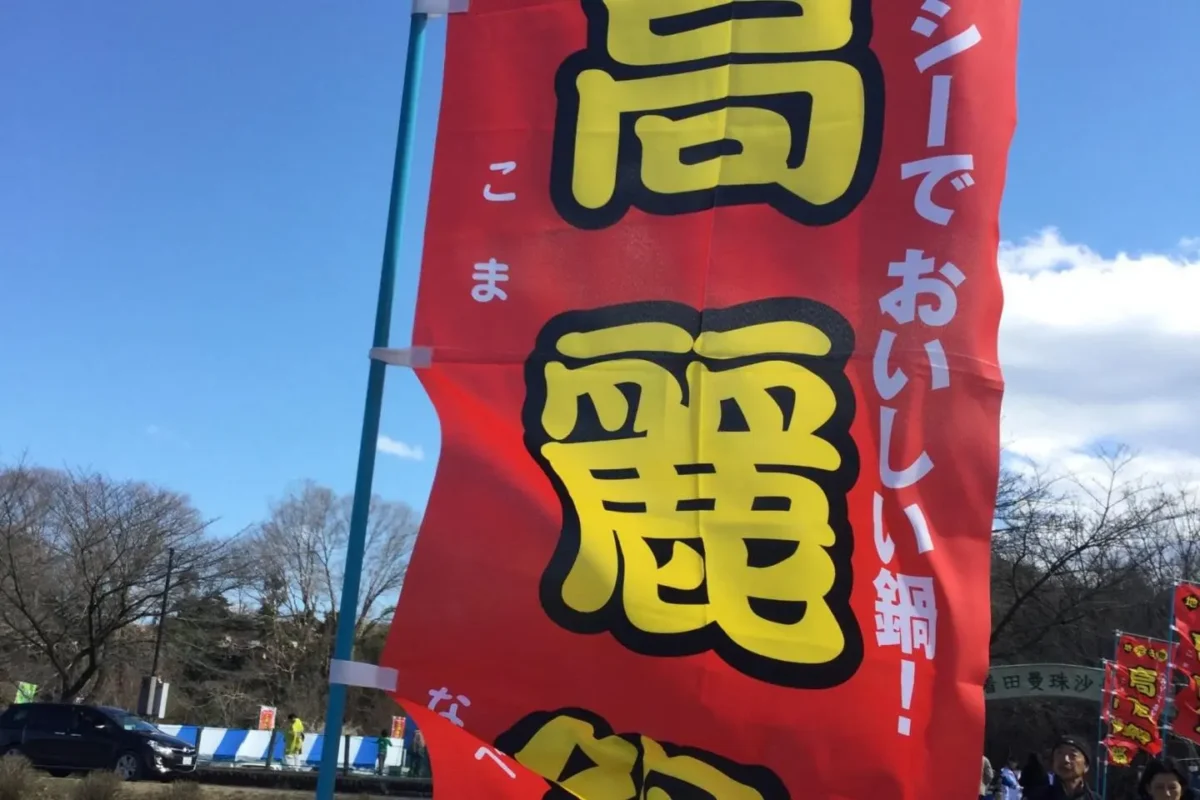
Piping hot hearty soups called nabe are a Japanese staple in the winter, which warms you from the inside. Hanno and Hidaka take their love for nabe to the next level with the Nabe Matsuri. There will be over twenty booths and all soups, nabe, will be sold at ¥300 per bowl. This is the chance to try the Koma Nabe, a soup that celebrates the influences of the Korean immigrants who settled in the area more than 1300 years ago.
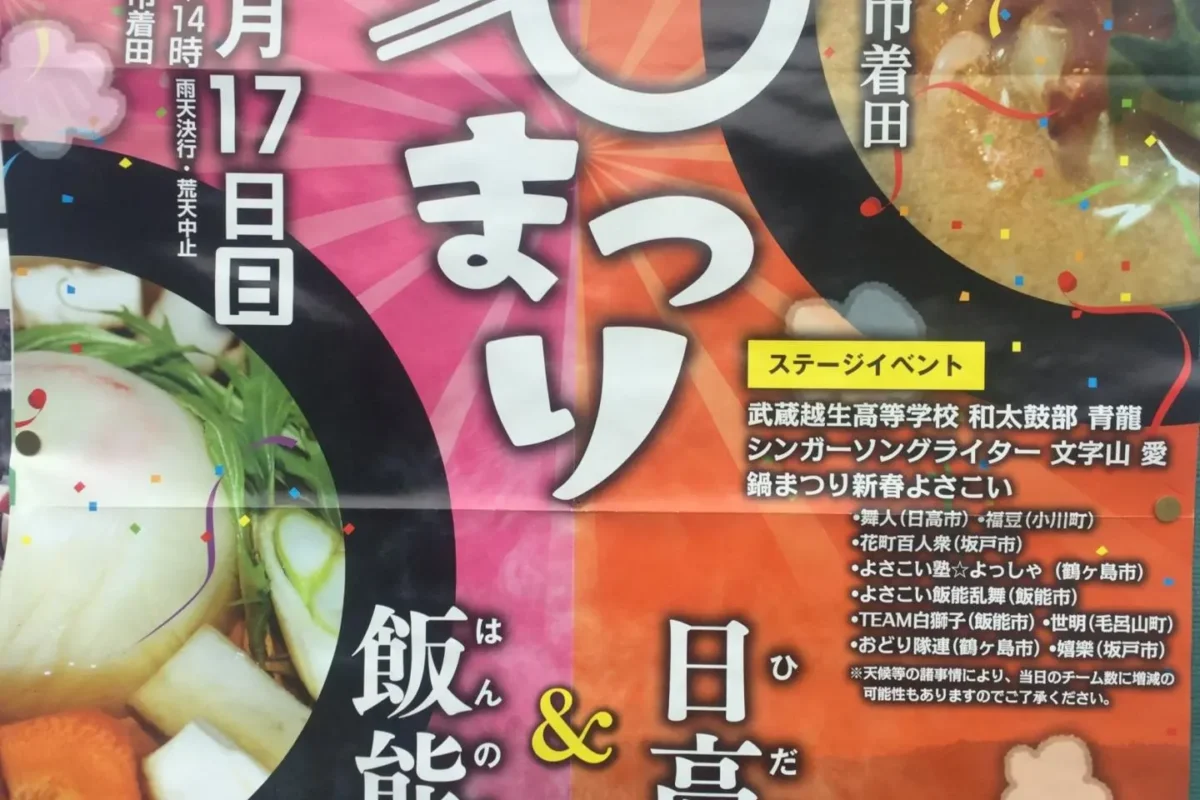
Koma Nabe won the Grand Prix at the local B-class gourmet competition and includes kimchi, Korean ginseng, and fresh local vegetables. Stage events will entertain the crowd and performances include Taiko drums, yosakoi traditional dance, and others.
The festival is held at Kinchakuda, a purse-shaped open field, which is a famous natural site in Hidaka City, Saitama Prefecture. In Hidaka, you can witness a dreamlike scene. From September to October, about five million red spider lilies bloom in Kinchakuda along the Komagawa River. This is Japan’s largest cluster of these flowers. The 22-hectare area is shaped like a traditional drawstring pouch, kinchaku, giving the site its name. The field was shaped over a long period of time by the meandering Koma River, and it came to be called Kinchakuda because its shape resembles the shape of Kinchaku. In winter, the same field becomes a warm gathering place for nabe lovers.
Enjoy Your Event Stress-Free with Japan Travelo
Do you know? Planning events, festivals, concerts, and cultural experiences in Japan can be overwhelming. Japan Travelo brings everything together in one place, helping you manage your itinerary, transport, and accommodation with ease—so you can enjoy Japan without the stress of planning.
Hanno and Hidaka are located just an hour away from central Tokyo, making it a perfect day trip for those seeking an escape from the hustle and bustle of the city while enjoying hearty winter food.
What Makes This Food Event Special
What makes Nabe Matsuri Hanno and Hidaka special is its combination of ancient history, local pride, and ultra-affordable tasting format.
Koma Nabe with 1300 Years of History: This is the chance to try the Koma Nabe, a soup that celebrates the influences of the Korean immigrants who settled in the area more than 1300 years ago. In 716, Korean immigrants from Goguryeo, called Koma in Japanese, settled in this area and established Komagun. Their food culture mixing with Japanese ingredients created Koma Nabe. It includes kimchi, Korean ginseng, and fresh local vegetables, representing a fusion that predates modern Korean-Japanese fusion by over a millennium.
Grand Prix Winner B-Class Gourmet: Koma Nabe won the Grand Prix at the local B-class gourmet competition. B-class gourmet refers to affordable, local comfort foods that are loved by locals. Winning Grand Prix means it was voted best local dish among many competitors, so you are tasting a certified local champion.
Over Twenty Booths at ¥300 per Bowl: There will be over twenty booths and all soups will be sold at ¥300 per bowl, approximately $2.00 per bowl. This ultra-affordable pricing allows you to try many different nabe types in one visit, from Koma Nabe to pork miso nabe, chicken paitan nabe, and vegetable nabe. It is one of the cheapest food festivals near Tokyo.
Purse-Shaped Field Venue: Kinchakuda is a purse-shaped open field, a unique geographical area shaped like a drawstring pouch and surrounded by the Koma River. It is located on a piece of land shaped like a drawstring bag, created by the meandering Koma River, and is known as one of Japan’s largest clusters of manjushage red spider lilies. Eating hot nabe in this open field with river on both sides is a special experience.
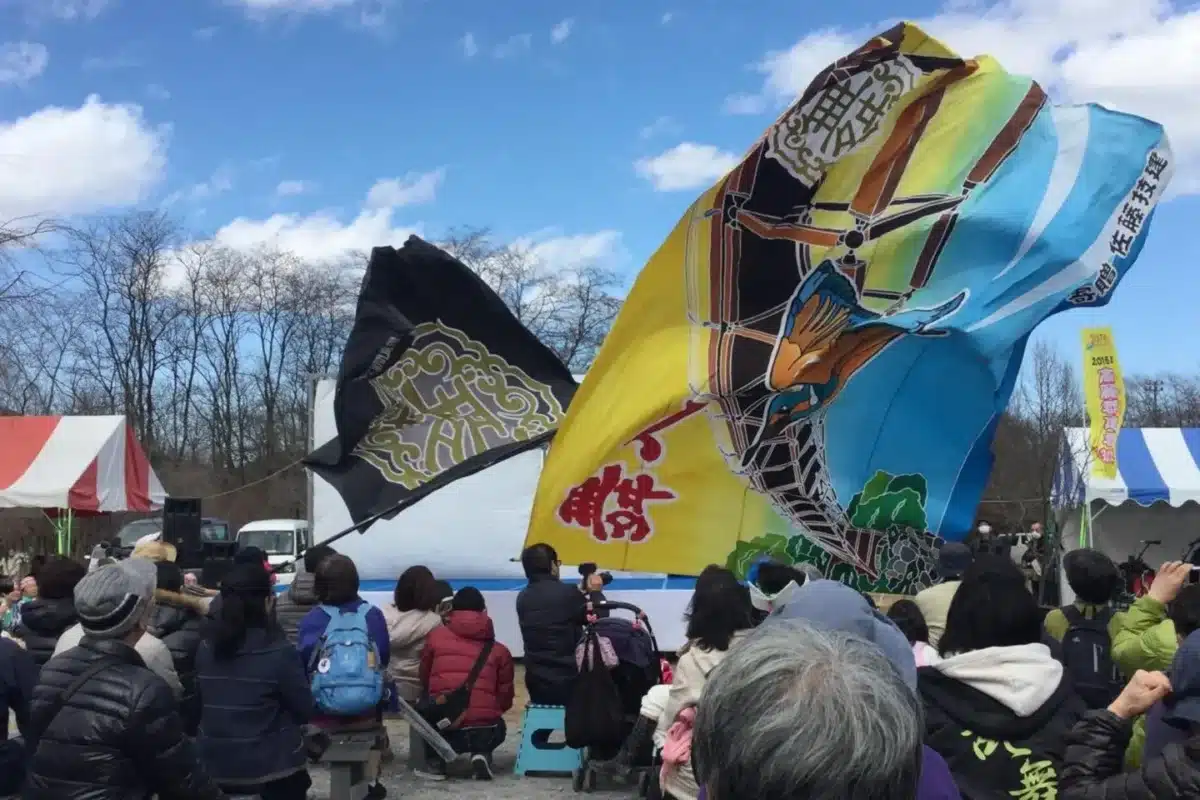
Stage Events with Taiko and Yosakoi: Stage events will entertain the crowd and performances include Taiko drums, yosakoi traditional dance, and others. Taiko drumming reverberates across the open field, and yosakoi dance with colorful costumes adds festive energy while you eat.
Food, Cuisine & Specialties
The cuisine is nabe, Japanese hot pot, in many regional and creative forms.
Koma Nabe: The star dish. Koma Nabe celebrates influences of Korean immigrants who settled in area more than 1300 years ago. Recipe includes 120g of Chinese kimchi, 160g of chopped pork, a small cup of sweet sake, a big cup of soy sauce, half big cup of miso, 2 big cups of Koma sauce, 6 pieces of rice cake, Korean ginseng, and fresh local vegetables such as cabbage, carrots, daikon, mushrooms, and negi green onions. Kimchi nabe is one of most famous types of nabe in Japan, extremely popular with young women due to healthy ingredients. It is considered wonderful winter dish because spicy kimchi and hot soup are perfect combination when chilly outside. In Japan, nabe with hot kimchi soup is called Chige-nabe.
Other Nabe Varieties: With over twenty booths, you can find many types:
Pork Miso Nabe: Rich miso broth with pork slices, cabbage, and root vegetables, warming and hearty.
Chicken Paitan Nabe: Creamy white chicken broth with collagen, chicken meatballs, and vegetables.
Vegetable Nabe: Featuring fresh local vegetables from Hidaka and Hanno, including negi, carrots, and mushrooms grown in Saitama.
Kimchi Udon Nabe: Some booths offer kimchi udon nabe with pork or tonkatsu chicken, and kimchi udon nabe cream cheese with pork, combining noodles with nabe.
Mizkan-Style Kimchi Nabe: Some booths use soup base similar to Mizkan Hot-Pot Soup Base Kimchi Nabe with ingredients like miso, garlic, red pepper, sesame oil, chili soybean paste, and dried small sardines powder.
Ingredients: All nabe use fresh local vegetables from Saitama farms, local pork and chicken, and some use Saitama-grown rice cakes mochi.
Chefs, Restaurants & Food Vendors
The vendors are local community groups, restaurants, and agricultural cooperatives.
Hanno and Hidaka Local Groups: Over twenty booths are run by local community groups, neighborhood associations, farmers, and local restaurants from Hanno City and Hidaka City. Each group brings its own family recipe for nabe, competing for visitors’ favor.
Koma Nabe Specialists: Specific booths specialize in Koma Nabe, often run by groups from Komahongo area who have preserved the 1300-year-old Korean immigrant heritage. They use authentic Korean ginseng and kimchi made locally.
Saitama Agricultural Cooperatives: JA Saitama groups bring fresh local vegetables, pork, and miso, selling both nabe and fresh produce.
B-Class Gourmet Champions: Previous Grand Prix winners from local B-class gourmet competitions return to serve their award-winning nabe.
Stage Food Vendors: In addition to nabe, some vendors sell side dishes like onigiri rice balls, yakitori, and amazake sweet sake to accompany nabe.
Food Experience
The food experience is communal, warming, and outdoors.
¥300 Tasting Adventure: All soups will be sold at ¥300 per bowl, so you can afford to try 5 to 10 different nabe in one visit. Each bowl is served in small disposable bowls with spoon and chopsticks, perfect for tasting and moving to next booth. The low price encourages sharing and comparison.
Piping Hot in Cold Air: Nabe is pottery pot and we share food in pot with family and friends. At festival, nabe is served piping hot from large iron pots simmering over gas burners. Steam rises into cold winter air, and eating hot soup warms you from inside. It is a satisfying dish that has been enjoyed in Japan for generations.
Open Field Picnic: Kinchakuda is a purse-shaped open field with barbecue and camping area, making it beloved leisure spot. During festival, visitors sit on benches, tarps, or standing tables around field, with Koma River meandering around. In winter, field is brown and open, different from red carpet of spider lilies in fall, but still beautiful with surrounding mountains.
Stage Entertainment: While eating, you watch Taiko drums, yosakoi traditional dance, and other performances on stage. The sound of drums and dance music mixes with calls of vendors.
Rain Cancellation Note: In event of rain, the nabe matsuri will be canceled, as it is fully outdoor event in open field. Checking weather forecast is important.
Community Feel: The festival has strong community feel with local volunteers, families, and elderly residents participating, creating warm atmosphere despite cold weather.
Date & Schedule
Location: Komahongo, Hidaka, Saitama Prefecture 350-1251, Japan
Official Period: Mid-February 2027 (Dates TBD)
Piping hot hearty soups called nabe are a Japanese staple in the winter, and the festival is held in mid-February when winter cold is still strong and nabe is most appreciated.
Typical Schedule Based on Previous Editions:
Duration: The Nabe Matsuri is typically a one-day event held on a Sunday in mid-February, though some editions have been held on Saturday.
Daily Hours: Festival generally runs from 10:00 AM to 3:00 PM. Booths open at 10:00 AM and serve nabe continuously until sold out, often by 2:30 PM due to popularity. Stage events run from 10:30 AM to 2:30 PM.
Stage Schedule: Taiko drum performances typically open festival around 10:30 AM, followed by yosakoi traditional dance around 11:30 AM and 1:00 PM, with other local performances including folk dance and band performances in between.
Peak Times: Noon is busiest, with queues at popular Koma Nabe booths. Arriving at opening time 10:00 AM is recommended for shorter queues and to ensure you get to try all varieties before they sell out.
Rain Policy: In the event of rain, the nabe matsuri will be canceled. Decision is usually made early morning and posted on city websites and social media.
Visiting this event? Don’t miss out on these amazing activities and local experiences while you’re here.
Location & Venue
The venue is a famous natural landmark in Saitama.
Kinchakuda – Purse-Shaped Open Field: Kinchakuda is a purse-shaped open field 15 minutes away on foot from Koma Station on Seibu Chichibu Line. Address is 125-2 Koraihongo, Hidaka City, Saitama Prefecture 350-1251, Japan, also listed as Komahongo, Hidaka, Saitama Prefecture 350-1251, Japan, and 125-2 Komahongo, Hidaka. Kinchakuda Manjushage Park is located in Hidaka City, Saitama Prefecture, just an hour away from central Tokyo.
Geography: Kinchakuda is located on a piece of land shaped like a drawstring bag, created by the meandering Koma River, and is known as one of Japan’s largest clusters of manjushage red spider lilies, where approximately 5 million manjushage bloom in fall, creating red carpet. The 22-hectare area is shaped like traditional drawstring pouch, kinchaku, giving site its name. The place has circle-shaped field surrounded by Koma River, shape resembles round-shaped coin purse.
Facilities: Kinchakuda offers barbecue and camping area, making it beloved leisure spot. During Nabe Matsuri, additional tents, tables, benches, and portable toilets are set up. There are permanent restrooms and parking areas.
Surrounding Nature: The Koma River that circles the field is perfect place to cool off with swim in summer and to enjoy barbecue. In winter, river flows calmly around field with mountains in background.
Atmosphere: Have you ever seen vast field of bright red flowers? In Hidaka, you can witness dreamlike scene. In winter, field is brown and open, with crisp air and views of surrounding hills.
Getting to the Event
Getting to Kinchakuda is easy from Tokyo via Seibu line.
By Train: Kinchakuda is a purse-shaped open field 15 minutes away on foot from Koma Station, Seibu Chichibu Line. From Ikebukuro Station in Tokyo, take Seibu Ikebukuro Line to Hanno Station, transfer to Seibu Chichibu Line to Koma Station, total about 70 to 80 minutes. From Koma Station, walk 15 minutes following signs to Kinchakuda Manjushage Park, along Komagawa River.
Alternative via JR: From Tokyo, take JR to Hachioji, transfer to Hachioji Line, but Seibu line is more direct.
By Car: Parking spots are available at Kinchakuda parking lots. From Kan-Etsu Expressway, take Sayama Hidaka Interchange and follow Route 299 to Hidaka, then to Kinchakuda. Parking at Kinchakuda is usually free during Nabe Matsuri, though some lots may charge small fee around $3.00 per vehicle. Spaces fill quickly, so arriving early or using train is advised.
By Bicycle: Kinchakuda is popular for cycling along Komagawa River cycling road from Hanno.
Accessibility: The path from Koma Station to Kinchakuda is paved and relatively flat, suitable for wheelchairs, though field itself is grassy and may be soft after rain. Accessible toilets available at park.
Where to Stay Nearby
Hanno and Hidaka offer nature lodges, business hotels, and camping.
Near Kinchakuda: There are no large hotels right at Kinchakuda, but nearby Hanno City has business hotels like Hotel Route Inn Hanno, Toyoko Inn Hanno-eki, and local guesthouses. Prices $60.00 to $90.00 per night. Camping and barbecue area at Kinchakuda itself is available for those who want to stay outdoors, though winter camping requires proper gear.
In Hanno and Hidaka: Hanno offers Hotel Heritage Hanno and other local hotels near Hanno Station. Hidaka has small inns and minshuku guesthouses.
In Saitama and Tokyo: Many visitors come as day trip from Tokyo, as Kinchakuda is just an hour away from central Tokyo. Staying in Ikebukuro area provides easy Seibu line access. Hotels in Ikebukuro range $70.00 to $150.00 per night.
Booking Tips: Mid-February is not peak tourist season, so booking a few days ahead is sufficient. However, if combining with other Saitama events, booking a week ahead is recommended.
Things to Do Before or After the Event
Combine Nabe Matsuri with Hidaka’s historical and natural attractions.
Koma Shrine and Korean Heritage: Visit Koma Shrine, which honors the Korean immigrants who settled in area more than 1300 years ago. The shrine is near Kinchakuda and has historical exhibits about Koma County established in 716.
Kinchakuda in Other Seasons: Kinchakuda is famous for red spider lilies from September to October, with about five million blooming, creating dreamlike red carpet. It is also known for nanohana rapeseed flowers in spring backdropped by light pink sakura cherry blossoms, and summer views where Koma River is perfect for swimming and barbecue.
Hanno and Hidaka Hiking: Hanno is known for hiking trails including Mount Hiwada, Mount Tenran, and Moomin Valley Park area. Hidaka has trails along Komagawa River.
Saitama’s Other Nabe and Food: Try Saitama’s other winter foods like Saitama’s famous sweet potato, Sayama tea, and local miso.
Moomin Valley Park: In Hanno, Moomin Valley Park is a theme park based on Finnish Moomin characters, popular for families, near Hanno Station.
Seibu Chichibu Line Day Trip: Extend trip to Chichibu area for Chichibu Shrine, Hitsujiyama Park, and hot springs.
Restaurants & Local Food to Try
Beyond nabe, Hidaka and Hanno offer local specialties.
Koma Nabe at Local Restaurants: Some local restaurants in Hidaka serve Koma Nabe year-round, especially in winter, with kimchi, Korean ginseng, and fresh local vegetables. Try at restaurants near Koma Station for $8.00 to $12.00 per serving.
Saitama Local Foods: Try Saitama’s famous dishes: Saitama’s pork miso, Sayama tea, and Kawagoe sweet potato dishes.
Hanno’s Craft Beer and Sake: Hanno has craft breweries and sake breweries using local water.
Barbecue at Kinchakuda: Kinchakuda offers barbecue area where you can bring your own food and grill along Koma River. Many locals enjoy barbecue in summer.
Japanese Nabe Variations at Home: After festival, try making nabe at home with recipes similar to Mizkan Hot-Pot Soup Base Kimchi Nabe, using miso, garlic, red pepper, sesame oil, chili soybean paste, and dried small sardines powder.
Dietary & Food Allergy Information
Nabe is generally allergen-friendly but contains common allergens.
Allergen Information: Most nabe contains pork, chicken, and vegetables. Koma Nabe contains kimchi which contains chili, garlic, and may contain shrimp paste. Some nabe contains miso which contains soy, and soy sauce which contains wheat and soy. Pork kimchi and other meat nabe contain meat. Some contain fish sauce and dried small sardines powder.
Gluten: Many nabe broths contain soy sauce which contains wheat, and miso may contain barley. Some nabe contains udon noodles which contain wheat. Gluten-free options may be limited. Ask vendors.
Vegetarian and Vegan: Most nabe contains pork or chicken stock, so vegetarian options are limited. Some vegetable nabe may be vegetarian but often contains animal-based stock. Vegan options rare. Vegetable nabe with kombu kelp broth may be closer to vegan.
Halal: Halal-certified nabe is not typically available as most contain pork and sake. Some vegetable nabe may be halal-friendly but check.
Kimchi Spiciness: Koma Nabe includes kimchi which is spicy. Those sensitive to spicy foods should ask for milder version or try other nabe varieties.
Language Support: Menus primarily in Japanese with pictures. Staff are local volunteers who speak basic English. Translation apps help.
Ticket Information
The Nabe Matsuri is free to enter with ultra-affordable nabe bowls.
Admission: Tickets are 0 JPY, free entry to Kinchakuda field and festival. No entrance fee.
Nabe Pricing Based on Previous Editions: There will be over twenty booths and all soups will be sold at ¥300 per bowl, approximately $2.00 per bowl based on 300 yen. This pricing has been consistent across 5th edition and other editions.
Cost for Full Experience: With over twenty booths at $2.00 per bowl, you can try 10 different nabe for $20.00, making it one of cheapest food festivals in Japan. Even trying all 20 booths would cost only $40.00.
Side Dishes: Onigiri rice balls $1.00 to $2.00, amazake sweet sake $2.00, yakitori $2.00 to $3.00.
Parking: Parking spots are available at Kinchakuda, usually free during festival, though some lots may charge $3.00.
Payment: All booths cash only, as run by local community groups. Bring cash in small coins and bills. Many vendors appreciate exact change of 300 yen.
No Reservation Needed: No reservation needed. Simply arrive, buy nabe tickets or pay directly at each booth, and enjoy.
Official Event Information
Event Name: Nabe Matsuri Hanno and Hidaka, also known as The 5th Nabe Matsuri Hanno Hidaka and Nabe Festival
Location: Komahongo, Hidaka, Saitama Prefecture 350-1251, Japan, specifically Kinchakuda purse-shaped open field, 125-2 Koraihongo, Hidaka City, Saitama Prefecture 350-1251, and 125-2 Komahongo, Hidaka. Also listed as Kinchakuda 巾着田
Access: Kinchakuda is purse-shaped open field 15 minutes away on foot from Koma Station Seibu Chichibu Line. Parking spots available.
Format: One-day outdoor winter nabe festival with over twenty booths selling soups at ¥300 per bowl, stage events with Taiko drums, yosakoi traditional dance, and others. In event of rain, nabe matsuri will be canceled.
Organizer: Hanno City, Hidaka City, Kinchakuda Management, and local community groups
Official Website URL as Text: en.japantravel.com/saitama/the-5th-nabe-matsuri-hanno-hidaka/56977
Additional Official Information as Text: Hidaka City official site city.hidaka.lg.jp and Kinchakuda Manjushage Park site for updates and rain cancellation notice
Contact: Hidaka City Tourism Division and Kinchakuda Management Office via official site
Location
FAQ
What is Nabe Matsuri Hanno and Hidaka?
Piping hot hearty soups called nabe are a Japanese staple in the winter, which warms you from the inside, and Hanno and Hidaka take their love for nabe to next level with Nabe Matsuri featuring over twenty booths and all soups sold at ¥300 per bowl. This is chance to try Koma Nabe, a soup that celebrates influences of Korean immigrants who settled in area more than 1300 years ago, which won Grand Prix at local B-class gourmet competition.
What is Koma Nabe and why is it special?
Koma Nabe is a soup that celebrates influences of Korean immigrants who settled in area more than 1300 years ago when Korean immigrants from Goguryeo called Koma settled and established Komagun in 716. It includes kimchi, Korean ginseng, and fresh local vegetables, blending Korean and Japanese food culture, and it won Grand Prix at local B-class gourmet competition for affordable local comfort foods, making it certified best local dish.
Where is Kinchakuda and why is it called purse-shaped?
Kinchakuda is a purse-shaped open field 15 minutes away on foot from Koma Station on Seibu Chichibu Line, located at Komahongo Hidaka Saitama Prefecture 350-1251, and it is located on piece of land shaped like drawstring bag created by meandering Koma River. The 22-hectare area is shaped like traditional drawstring pouch kinchaku, giving site its name, and it is famous as Japan's largest cluster of red spider lilies where about five million bloom from September to October.
Is there an entry fee and how much is nabe?
There will be over twenty booths and all soups will be sold at ¥300 per bowl, which is approximately $2.00 per bowl, and admission to Kinchakuda field and festival is free with 0 JPY tickets. This ultra-affordable pricing allows you to try many different nabe types in one visit, with total cost for trying 10 different nabe only $20.00, making it one of cheapest food festivals near Tokyo.
What happens if it rains and what entertainment is there?
In the event of rain, the nabe matsuri will be canceled as it is fully outdoor event in open field, so checking weather forecast and city websites on morning of event is important. Stage events will entertain crowd and performances include Taiko drums, yosakoi traditional dance, and others, with Taiko drumming reverberating across open field and yosakoi dance with colorful costumes adding festive energy while you eat hot nabe.

Leave a Reply