
Overview
The Nagaoka Hodare Festival stands out as one of the most uniquely vibrant and culturally fascinating spring traditions in the Niigata Prefecture of Japan. Held within the rural district of Tochio in Nagaoka City, this lively annual event is dedicated to celebrating fertility, agricultural abundance, and hopes for family prosperity. Centered around a massive cedar wood deity known as the hodare, the festival brings together local residents and curious travelers for a day filled with unique folkloric rituals, joyful communal energy, and festive cheer.
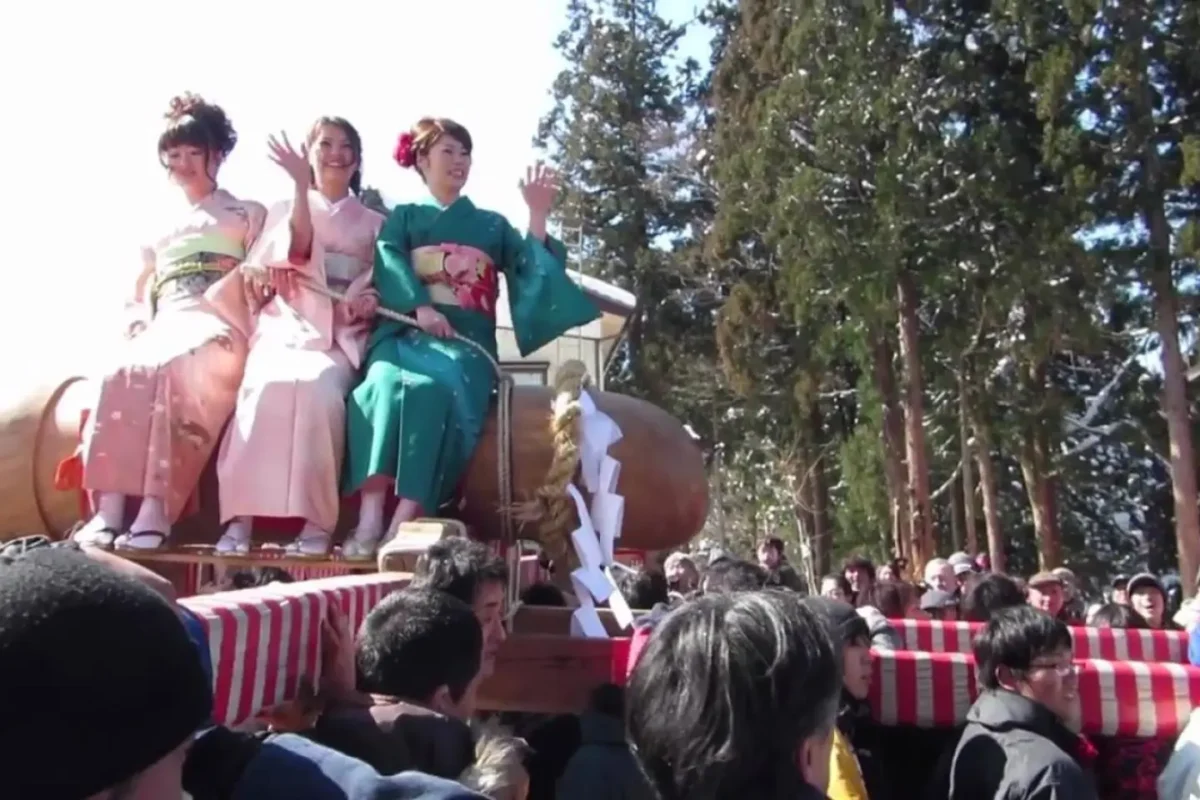
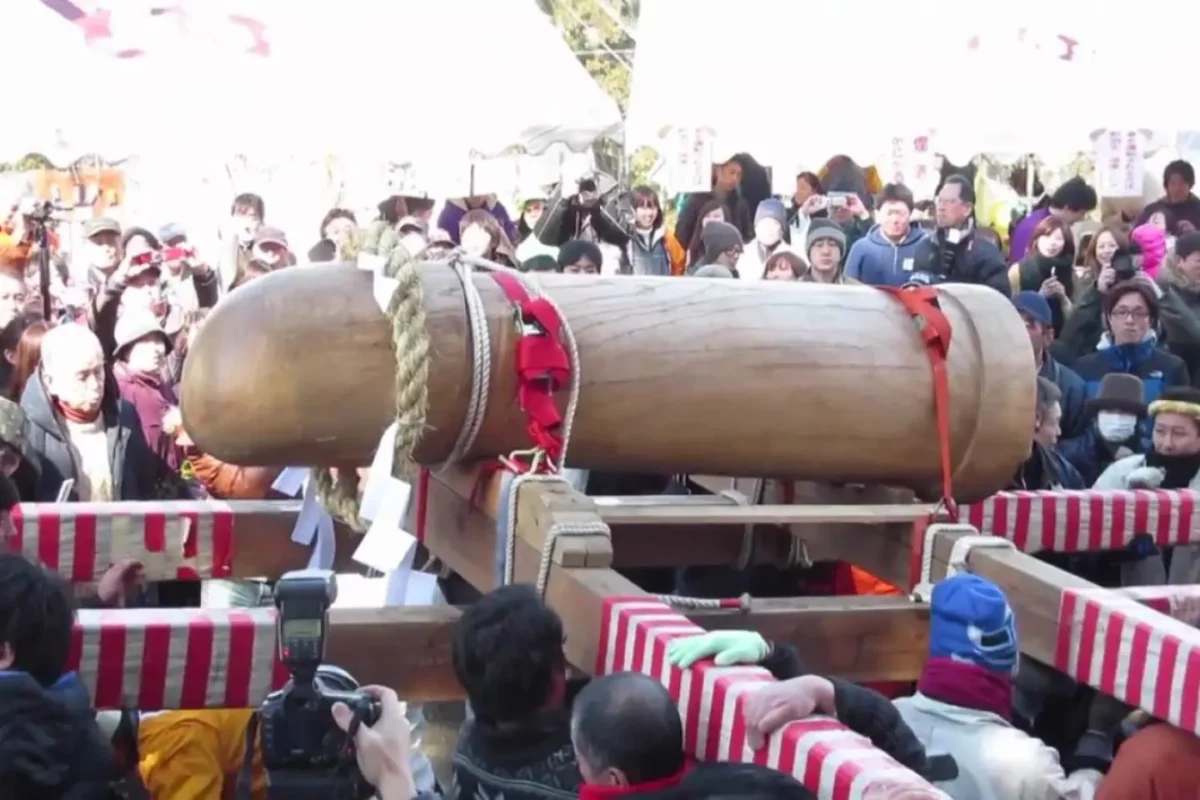
The main spectacle of the celebration revolves around a colossal, intricately carved cedar phallic emblem measuring over two meters in length and weighing approximately six hundred kilograms. According to local tradition, touching or sitting atop this sacred object is believed to bring good fortune, bountiful harvests, and blessings for fertility and healthy children. Newlywed brides, often referred to as the first wives of the year, take part in traditional processions, riding atop the giant object of worship as it is paraded through the snowy landscape by teams of spirited local participants.
The festival’s origins trace back centuries to legends surrounding local shrines and the agricultural needs of mountain farming communities. Over generations, what began as a localized prayer for crop growth and community well-being has transformed into a globally recognized cultural curiosity. Visitors are treated to an authentic, welcoming atmosphere where ancient customs are preserved with humor, warmth, and profound local pride, marking the joyous arrival of spring in the snowy Echigo region.
Enjoy Your Event Stress-Free with Japan Travelo
Do you know? Planning events, festivals, concerts, and cultural experiences in Japan can be overwhelming. Japan Travelo brings everything together in one place, helping you manage your itinerary, transport, and accommodation with ease—so you can enjoy Japan without the stress of planning.
Event Highlights
- The grand procession featuring the massive six-hundred-kilogram cedar hodare carried through the festive streets by dedicated local teams.
- Traditional rituals where newlywed brides ride atop the giant sacred object to receive blessings for prosperity and happiness.
- Lively ceremonial offerings including sacred sake tasting and the traditional distribution of auspicious candies and lucky coins.
- Bustling local market stalls offering regional snacks, hot seasonal soups, and unique fertility-themed souvenirs.
Why Attend
This exceptional event is ideally suited for culturally curious travelers, anthropology enthusiasts, and visitors eager to experience rare, authentic Japanese folk traditions far off the standard tourist path. It provides an extraordinary opportunity to witness a living community festival that blends ancient agricultural rituals with joyful celebration. Attending allows international guests to immerse themselves in the genuine customs of rural Niigata and experience the unmatched warmth of its people.
Beyond the unique cultural spectacle, the festival offers the enriching benefit of stepping into a festive winter-spring landscape untouched by mass tourism. The combination of snowy mountain backdrops, resonant drums, and playful community traditions creates memories that last a lifetime. Visitors depart with a profound appreciation for Japan’s diverse folkloric heritage and the vibrant spirit of rural mountain communities.
Date & Duration
- Event Date: Early March 2027 (Dates TBD)
- Event Duration: A single day of vibrant daytime rituals and festive street processions
Visiting this event? Don’t miss out on these amazing activities and local experiences while you’re here.
Ticket Information
- How Tickets Are Sold: Public viewing of the outdoor street processions, shrine grounds, and festival activities is entirely free and accessible to all visitors.
- Admission Type: General admission applies universally to all open-air viewing areas surrounding the shrine and parade routes.
- Ticket Pricing: Free Admission.
- Special Seating Options: No formal reserved seating is available, as the event is structured as an open-air community gathering and street parade.
- VIP Options: None available, as the festival is fundamentally a community-driven cultural celebration welcoming all spectators equally.
Venue / Location
- City and Country: Nagaoka, Japan
- Venue Name: Hodare Shrine and surrounding Shigeraiden district in Tochio
- Google Maps Address: Tochio, Nagaoka-shi, Niigata, Japan
Contact Information
- Phone Number: 0258-51-1195
- Website: https://en.japantravel.com/niigata/nagaoka-hodare-festival/56981
Accommodation Options:
Accommodation choices across Nagaoka and the surrounding Tochio area range from cozy local minshukus and traditional Japanese ryokans to comfortable business hotels situated near major transit nodes. Securing reservations well in advance is highly recommended because rooms fill up quickly during the peak spring festival season.
Staying closer to the central transportation hubs allows travelers to enjoy seamless rail connections and convenient local transit access to the festival grounds. These welcoming lodgings provide a comfortable sanctuary for visitors looking to explore both the snowy mountain scenery and regional culinary spots.
Getting There:
- Nearest Airport: Niigata Airport, located approximately ninety minutes away via express train and regional highway connections.
- Nearest Train/Metro Station: JR Nagaoka Station, serving as the central regional railway hub along the Joetsu Shinkansen line.
- Bus Routes or Public Transport Options: Dedicated local bus services and seasonal shuttle options connect Nagaoka Station directly to the Tochio area and festival zones.
- Parking Availability: Designated public parking areas are established near the venue, though availability remains limited during peak festival hours.
- Directions by Car: Accessible via regional roadways and highway links leading directly toward the Tochio district in Niigata Prefecture.
Dining Recommendations
Breakfast Recommendations:
- Charming local cafes situated near Nagaoka Station offering comforting Japanese breakfast sets and hot coffee.
- Traditional neighborhood bakeries providing freshly baked artisanal pastries and light morning snacks.
- Established hotels featuring hearty breakfast buffets incorporating both Western favorites and regional specialties.
Lunch Recommendations:
- Local eateries renowned for serving steaming bowls of Niigata-style shoyu ramen with rich savory broths.
- Bustling festival food stalls offering delicious hot regional soups, grilled skewers, and seasonal street delicacies.
- Cozy downtown restaurants featuring comforting noodle dishes and satisfying local set meals.
Dinner Recommendations:
- Authentic local izakayas delivering a lively evening atmosphere with small plates and regional sake varieties.
- Specialized dining spots focusing on premium Niigata Koshihikari rice, grilled delicacies, and seasonal hot dishes.
- Family-friendly restaurants located throughout the city center offering satisfying comfort foods.
Local Specialties to Try:
- Niigata Koshihikari rice, celebrated nationwide for its exceptional sweetness, gloss, and sticky texture.
- Local mountain vegetable tempura showcasing fresh spring harvests from the surrounding snow country.
- Traditional festival candies and artisanal sweets crafted specifically in commemoration of the seasonal event.
What is this event?
The Nagaoka Hodare Festival stands as a magnificent traditional spring celebration held annually in Niigata, Japan, uniquely centered around fertility prayers and agricultural abundance. It brilliantly combines ancient Shinto folk customs, resonant festival music, and vibrant community spirit to unite residents in joyous anticipation of spring.
This annual cultural gathering serves as an essential regional tradition wherein participants honor a massive sacred cedar phallus to invoke blessings for crops and families. The festival features dynamic street processions, newlywed bride blessings, and powerful rituals showcasing rich local heritage.
Why is it popular?
The festival is universally beloved for its wonderfully unique and lighthearted approach to ancient fertility traditions that effortlessly captivates international spectators. It fosters a remarkably powerful sense of community solidarity and contagious excitement rarely found in standard urban celebrations.
Visitors journey from far and wide to witness the iconic giant wooden deity procession and savor the distinct culinary delights characteristic of the snowy Niigata region. It represents a truly rare and cherished opportunity to experience authentic, centuries-old folk customs within a welcoming environment.
Tips before you go
- Wear sturdy, warm winter boots as the festival location and surrounding paths may still feature lingering snow and slush during early March.
- Dress warmly in layered winter clothing to comfortably manage the crisp mountain air and lingering snow country chill.
- Stay properly hydrated throughout the day by purchasing refreshing beverages from the numerous street stalls or nearby local vendors.
- Arrive early along the shrine paths to secure an optimal vantage point for watching the magnificent Hodare procession.
- Respect cherished local customs at all times and attentively follow the helpful instructions provided by festival staff during bustling gatherings.
Tips for First-Time Visitors
- Listen closely to the traditional chants and drum rhythms to anticipate the movements of the celebratory procession teams.
- Research the transit schedules in advance, as shuttle buses and local connections to the mountain shrine operate on specific event timetables.
- Sample renowned local Niigata sake and regional delicacies at nearby shops to fully appreciate the area’s culinary identity.
- Prepare yourself mentally for enthusiastic crowds gathered around the shrine grounds to witness the unique fertility rituals.
- Modest cash preparation is recommended, as traditional street vendors and smaller food stalls may not accept electronic card payments.
- Dedicate time to explore the historic Hodare Shrine grounds and surrounding cedar forests associated with the legendary site.
Attendee Experiences
- Seeing the massive six-hundred-kilogram cedar deity being paraded through the snowy mountain landscape was an unforgettable and surreal cultural experience.
- The joyful laughter and welcoming warmth of the local villagers made the freezing early spring weather feel completely insignificant.
- The festival felt wonderfully authentic, delightfully unique, and stands out as the undisputed highlight of my entire journey through Niigata.
Location
FAQ
What is the deep cultural significance of the giant cedar phallus during the festival?
The monumental wooden object represents a sacred Shinto deity associated with the protection of agriculture, bountiful rice harvests, and blessings for human fertility and healthy offspring. Throughout the festival, the respectful rituals performed around it symbolize the community's profound gratitude to nature and prayers for future prosperity.
Can international visitors actively participate in the lively festival processions?
While specific ritual roles like carrying the main deity are organized by local community members, visitors are enthusiastically welcomed to watch, cheer, and participate in the surrounding festivities and shrine prayers. Many international travelers find the open and friendly atmosphere makes them feel completely included in the joyous communal celebration.
How can visitors easily navigate to the mountain shrine grounds from the main railway station?
The festival venue in the Tochio district is accessible from Nagaoka Station via dedicated local bus routes and seasonal event shuttle services. Travelers can easily follow directional event signage and staff guidance at the station to reach the mountain celebration site smoothly.
What major ceremonial events take place specifically during the single-day celebration?
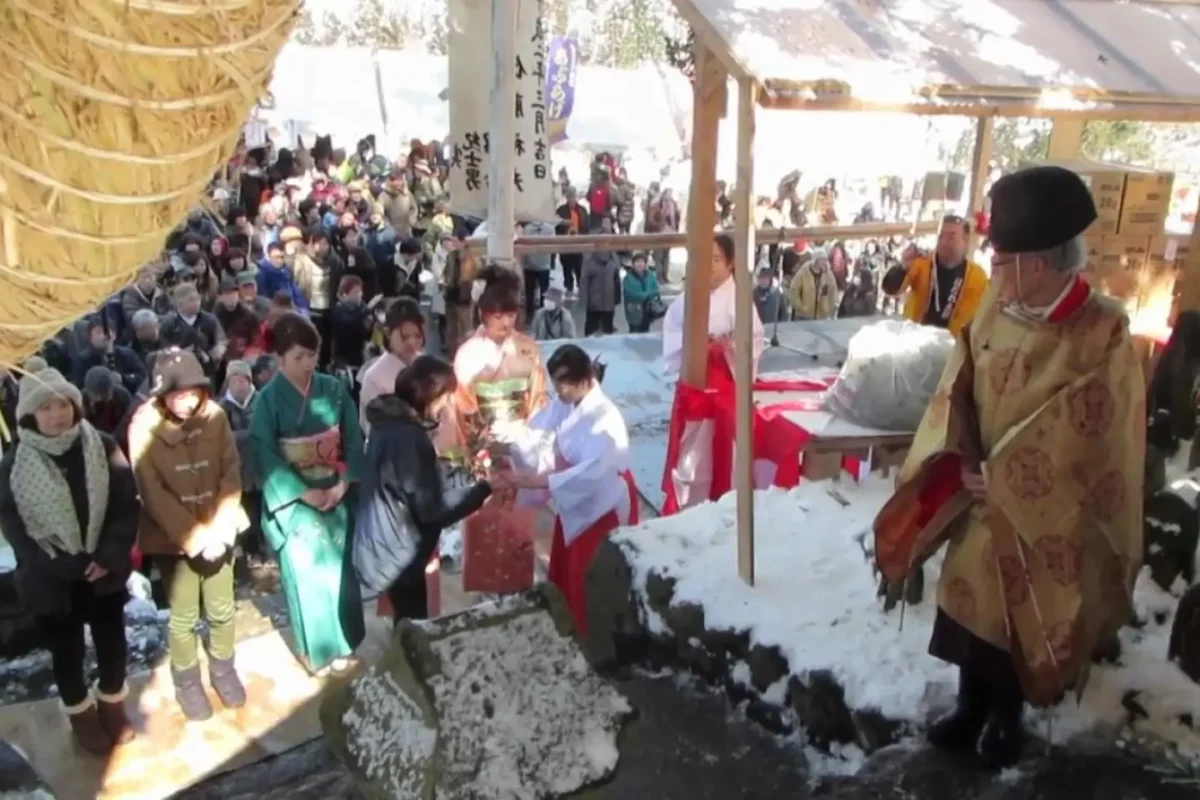
The schedule features remarkable highlights including Shinto shrine prayers, the blessing of newlywed brides, the grand procession of the massive wooden deity, and lively public distributions of auspicious candies and sake. Each moment offers unique cultural spectacles set against a scenic mountain backdrop.
Are there any specific behavioral traditions or etiquette rules that visitors should carefully observe?
It remains vital to observe the dynamic street processions respectfully from designated spectator zones and maintain courteous behavior around the sacred shrine grounds. Because the festival involves deep-rooted local religious customs, approaching the unique rituals with an open mind and respect ensures a wonderful experience for everyone.

Leave a Reply