

-
October 7, 2026
Event date:
-
October 9, 2026
Event end:
Overview
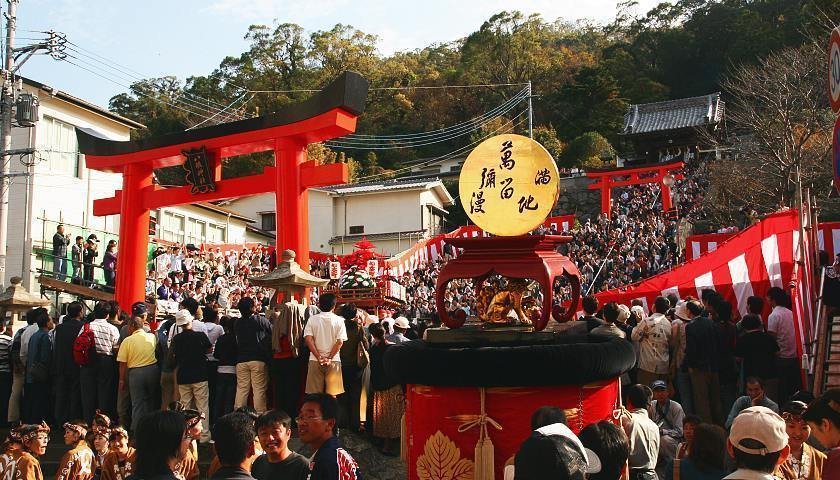
The Nagasaki Kunchi Festival stands as a magnificent testament to Nagasaki’s unique history as Japan’s gateway to the world. Originating in 1634 as a harvest celebration at Suwa Shrine, this three-day event has evolved into a vibrant cultural tapestry that seamlessly blends traditional Japanese Shinto rituals with striking influences from Chinese and Dutch cultures. For nearly four centuries, the festival has served as the heartbeat of the city, acting as a profound expression of communal gratitude and a spiritual petition for continued prosperity.
During the festival, the streets of Nagasaki ignite with a whirlwind of color, rhythm, and heritage. Neighborhood groups, known as odori-cho, dedicate months of preparation to choreographing mesmerizing performances that feature elaborate floats, known as kasaboko, and energetic displays such as the iconic dragon dance. The festival is more than just a public spectacle; it is a living, breathing heritage that showcases the indomitable spirit of Nagasaki, transforming the city into a stage where history and modern life coexist in dynamic harmony.
Witnessing the Nagasaki Kunchi is a transformative experience, offering an intimate look at the dedication required to maintain such an intricate and cherished tradition. Visitors are afforded the privilege of observing a dedicated community that preserves these customs with unwavering faith and pride. It is an immersive cultural encounter that challenges one’s perceptions of tradition, leaving an indelible mark on all who witness the raw beauty of human spirit set against the backdrop of one of Japan’s most historic port cities.
Enjoy Your Event Stress-Free with Japan Travelo
Do you know? Planning events, festivals, concerts, and cultural experiences in Japan can be overwhelming. Japan Travelo brings everything together in one place, helping you manage your itinerary, transport, and accommodation with ease—so you can enjoy Japan without the stress of planning.
Event Highlights
- The mesmerizing Dragon Dance, an ancient Chinese-inspired performance where participants bring a colossal dragon figure to life through dynamic, high-energy movements.
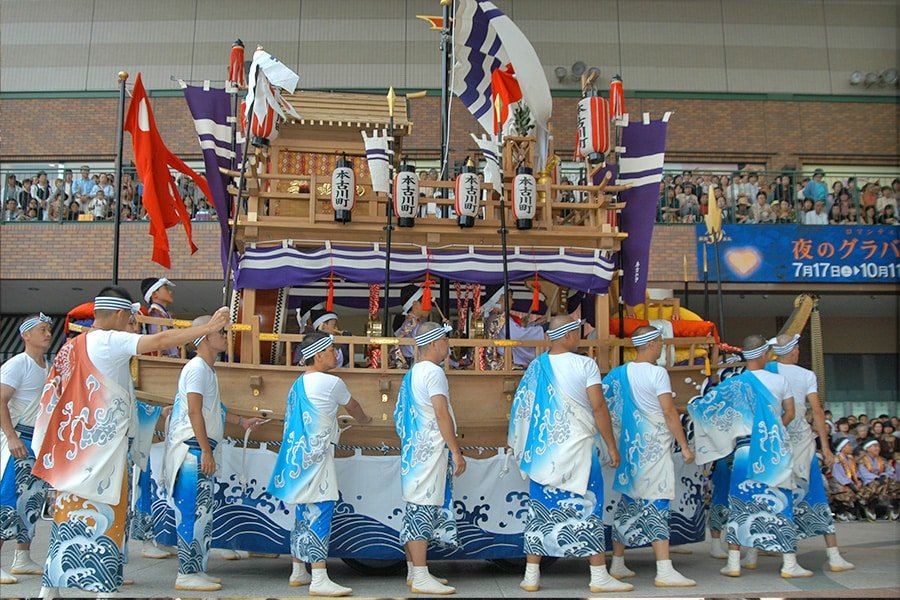
- Elaborate float processions featuring the kasaboko, which are intricately designed and decorated structures representing the artistic and historical pride of each neighborhood.
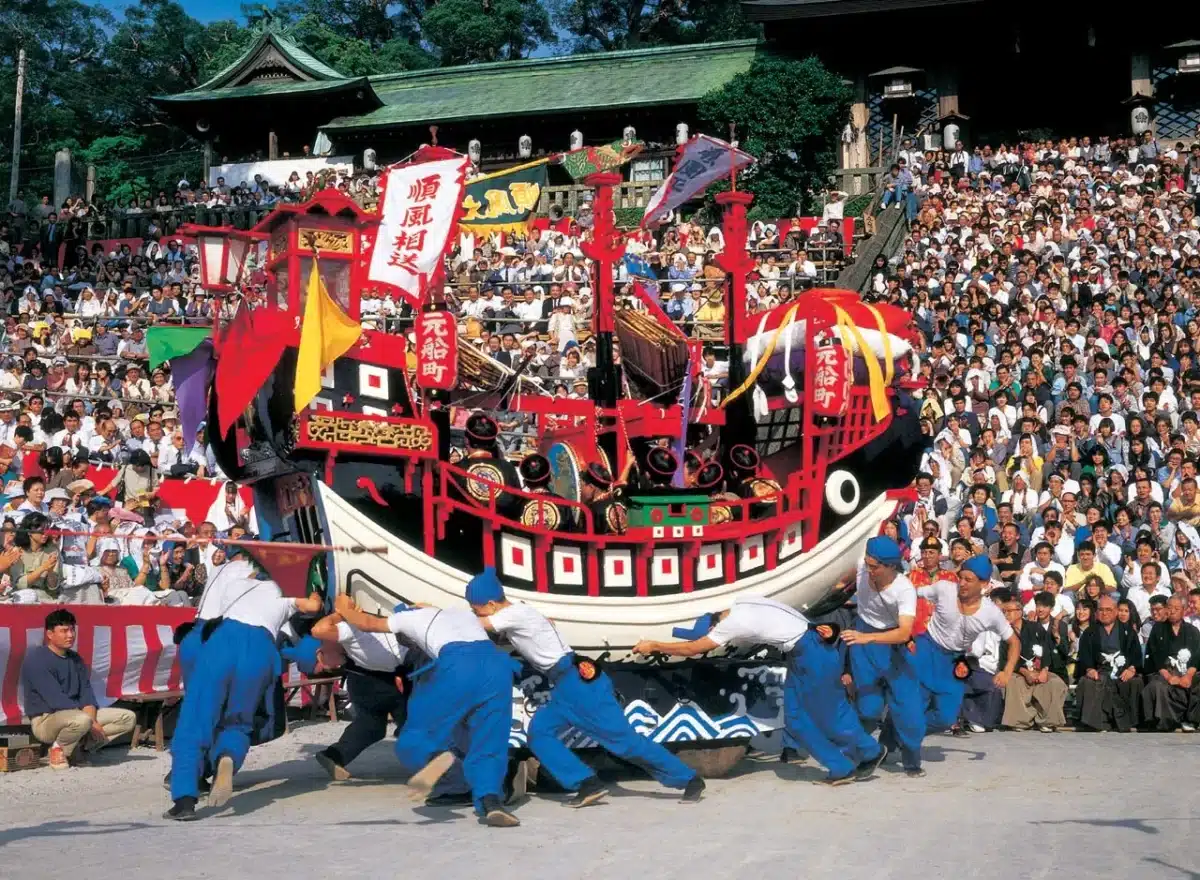
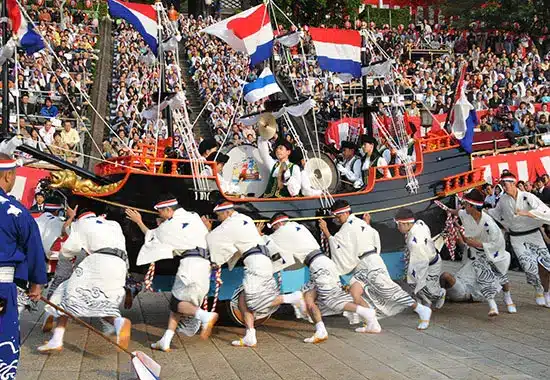
- Captivating displays of cultural fusion, including Dutch-style ship floats and traditional samurai-inspired performances that reflect Nagasaki’s rich international trade past.
- The immersive street rounds known as niwasaki-mawari, where troupes perform spontaneous, rhythmic dances in front of local shops and private residences throughout the city.
Why Attend
This festival is an essential experience for those seeking a deeper, more authentic connection to Japanese cultural history. It is ideal for travelers, photographers, and anthropologists who appreciate the intersection of spiritual asceticism and communal heritage, providing a striking visual narrative of resilience and celebration. Attending allows one to witness a rare, non-commercialized ceremony where the focus remains entirely on sincerity, prayer, and the preservation of ancient traditions that have defined local life for hundreds of years.
Furthermore, participating as a respectful observer provides the unique benefit of engaging with the vibrant, celebratory atmosphere of this historic port city. Unlike bustling tourist festivals, this event offers a profound space to reflect on the nature of community sacrifice and the enduring power of faith. It is a journey that rewards those interested in the profound depth of human endeavor, leaving guests with a renewed sense of respect for the customs that maintain the spiritual equilibrium of the Nagasaki community.
Date & Duration
- Event Date: October 7th – October 9th, 2026.
- Event Duration: Three days of continuous ritual activities, shrine dedications, and city-wide street performances.
Visiting this event? Don’t miss out on these amazing activities and local experiences while you’re here.
Ticket Information
- How Tickets Are Sold: Tickets for the four main designated stages (Suwa Shrine, Otabisho, Yasaka Shrine, and Chuo Koen) are sold via phone or online reservation systems starting between June and August.
- Admission Type: Open public access is available throughout the city for street-side viewing, while the four main stages require reserved seats.
- Ticket Pricing: Free Admission for all street-level performances; paid stage seats typically range from $30 to $240 depending on the venue and seat category.
- Special Seating Options: Reserved viewing stands are available at the four primary festival venues, which offer the best vantage points for the dedication dances.
- VIP Options: No formal VIP tiers exist; however, reserved box seats at the four main stages act as the premium viewing experience.
Venue / Location
- City and Country: Nagasaki, Japan.
- Venue Name: Centered at Suwa Shrine, with performances across Otabisho, Yasaka Shrine, and Chuo Koen.
- Google Maps Address: Suwa Shrine, Nagasaki, Kaminishiyamamachi 18-15, Japan.
Contact Information
- Official Website: https://nagasaki-kunchi.com
Accommodation Options
Nagasaki offers a wide array of lodging, ranging from historic inns located in the charming hillsides to modern hotels near the main transit hubs. Staying in the central city allows visitors to be within easy reach of the primary parade routes, ensuring you are always close to the rhythmic pulse of the festival.
Given the immense popularity of the festival during the three-day period, it is highly recommended to secure your accommodation well in advance of October. Many visitors prefer staying near the main tram lines, which provide the most convenient access to all four festival venues and ensure you can navigate the city’s hilly landscape with ease.
Getting There
- Nearest Airport: Nagasaki Airport, which provides convenient shuttle bus access to the city center.
- Nearest Train/Metro Station: JR Nagasaki Station is the primary rail gateway, with excellent connectivity to the Shinkansen network.
- Bus Routes or Public Transport Options: The Nagasaki Electric Tramway is the most reliable and festival-friendly way to navigate between the four main venues.
- Parking Availability: Limited public parking is available near the city center; public transport is highly recommended due to festival crowds.
- Directions by Car: Travelers arriving by car should aim for parking facilities on the outskirts of the central district to avoid restricted traffic zones.
Dining Recommendations
Breakfast Recommendations:
- Traditional Japanese morning sets featuring fresh local fish and steamed rice.
- Warm and hearty miso soup served at local neighborhood eateries near the shrines.
- Freshly baked pastries and coffee at artisanal cafes in the city’s historic districts.
Lunch Recommendations:
- Famous Nagasaki Chanpon noodles, a rich and savory dish celebrated as a regional specialty.
- Crispy Sara Udon, served with a variety of seafood and mountain vegetable toppings.
- Quick and delicious festival snacks available at the many street stalls lining the parade routes.
Dinner Recommendations:
- High-quality Kaiseki dining highlighting the fresh seafood of the East China Sea.
- Grilled skewers and local delicacies at a cozy Izakaya in the city center.
- Authentic Dutch-influenced fusion dishes that reflect Nagasaki’s unique culinary heritage.
Local Specialties to Try:
- Castella cake, a sponge cake with origins in 16th-century Portuguese trade.
- Premium sake brewed by traditional methods using the pristine water of the local mountains.
- Freshly caught white prawns from the nearby coastal waters.
What is this event?
The Nagasaki Kunchi Festival is the annual autumn grand festival of Suwa Shrine, held to honor the city’s patron deity. It is a spectacular three-day celebration characterized by unique dance offerings and diverse cultural influences.
The festival serves as a vibrant display of Nagasaki’s history, incorporating traditional Japanese, Chinese, and Dutch elements. It is a deeply cherished local tradition that unites the community in gratitude and festive celebration.
Why is it popular?
The festival’s popularity stems from its raw authenticity and the high-energy, dynamic nature of its performances. It offers a rare, immersive look at a festival that has remained largely unchanged for four centuries.
Visitors are drawn to the iconic Dragon Dance and the chance to witness the entire city come alive with music and community pride. It is a UNESCO-recognized folk gem that captures the resilient and open spirit of Nagasaki.
Tips before you go
- Purchase comfortable walking shoes, as the city’s hilly streets require significant movement between different viewing spots.
- Carry a portable thermos to stay hydrated and refreshed while waiting for the parades to reach your location.
- Keep a digital or paper copy of the festival route map, which is typically available at the main train station tourist center.
- Be mindful of local etiquette and refrain from blocking the path of the performers or the procession.
- Check the weather forecast, although the festival proceeds regardless of the conditions.
Tips for First-Time Visitors
- Plan your itinerary around the main stage performances, but remember that the spontaneous street rounds are often the most memorable parts of the festival.
- Utilize the local tram system, as it is the most efficient way to hop between the various shrines and park venues.
- Arrive early at your chosen viewing spot, as the best free locations along the streets fill up quickly with enthusiastic locals.
- Respect the neighborhood spirit by observing the performances quietly and cheering along with the locals when appropriate.
- Engage with the friendly local community members who are always eager to share the history of their specific float or dance troupe.
- Balance your time between the structured stage shows and the wandering street performances to get the full, comprehensive festival experience.
Attendee Experiences
- The sight of the massive dragon weaving through the narrow city streets to the sound of thunderous drums was an absolutely electrifying experience.
- I was amazed by how the entire city participates in the festival, with performances happening in front of shops and homes at every turn.
- The cultural blend of Japanese, Chinese, and Dutch traditions is so uniquely Nagasaki, making this unlike any other festival I have visited in Japan.
Video
Location
FAQ
What is the spiritual significance of the Kunchi dedication dances?
The dances serve as a formal offering to the guardian deity of Suwa Shrine, intended to ensure the health, safety, and continued prosperity of the city. By presenting these elaborate performances, the neighborhood groups demonstrate their devotion and express their gratitude for the blessings received throughout the year.
Can tourists watch the performances without a paid seat?
Yes, the festival is entirely free to enjoy from the streets. You can follow the parade routes and catch the spontaneous performances known as niwasaki-mawari, which occur throughout the city, offering an excellent and authentic view of the dancers and floats in action.
What are the must-see performances for a first-time visitor?
The Dragon Dance is widely considered the highlight of the festival, known for its sheer scale and energy. Additionally, the ornate boat floats, representing historical trade ships, provide a stunning visual narrative of Nagasaki's long-standing connection to international commerce and culture.
How should I prepare for the weather in Nagasaki in October?
October in Nagasaki is generally mild and pleasant, but the weather can be variable due to the city’s coastal location. It is advisable to dress in comfortable layers, wear breathable clothing for walking, and carry a light rain jacket or umbrella just in case of sudden autumn showers.
Where can I find the most updated schedule for the neighborhood performances?
The official Nagasaki Kunchi English website is the most reliable source for the detailed schedule of the different towns and their performance times at the four main venues. For the street-side niwasaki-mawari rounds, pick up the updated performance maps at the Nagasaki Station tourist information center upon your arrival.

Leave a Reply