
Overview
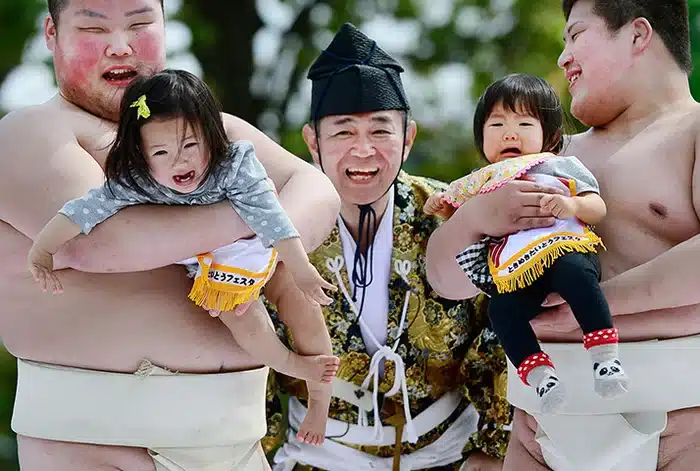
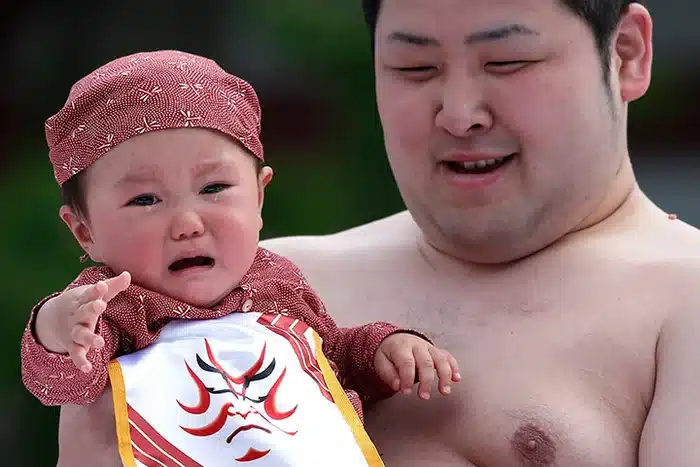
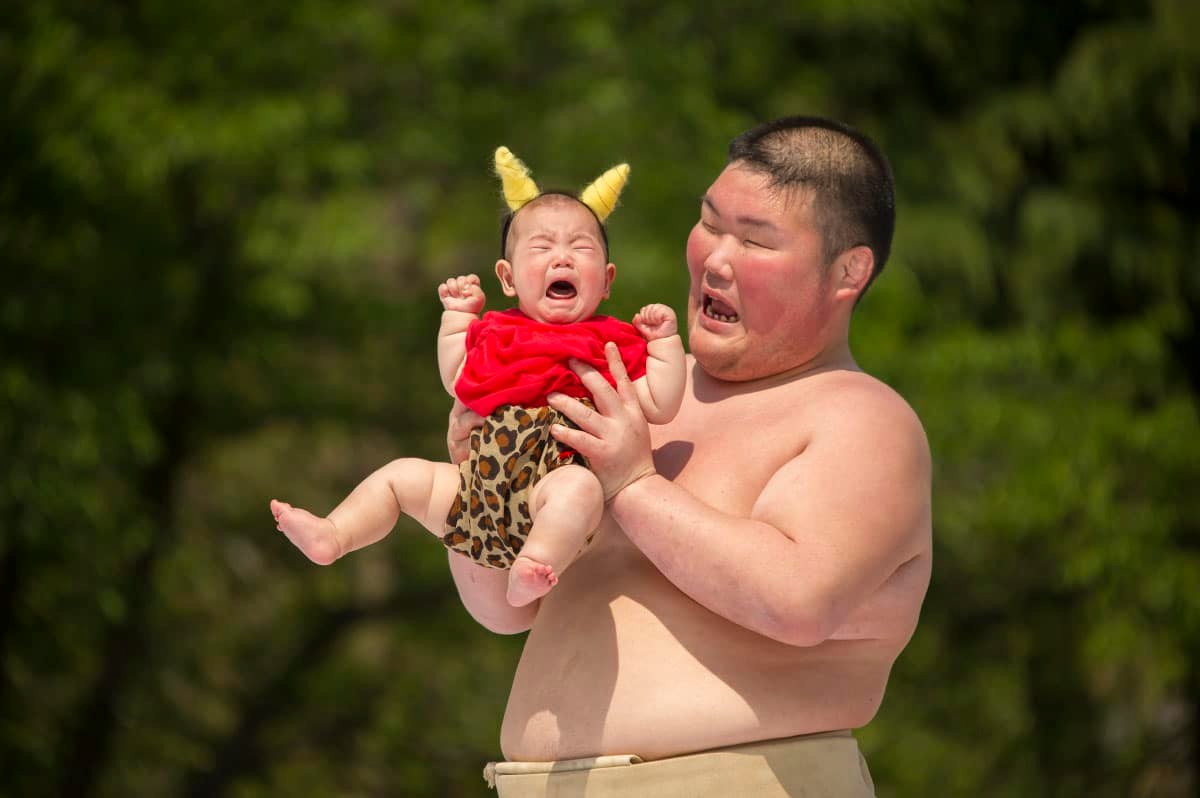
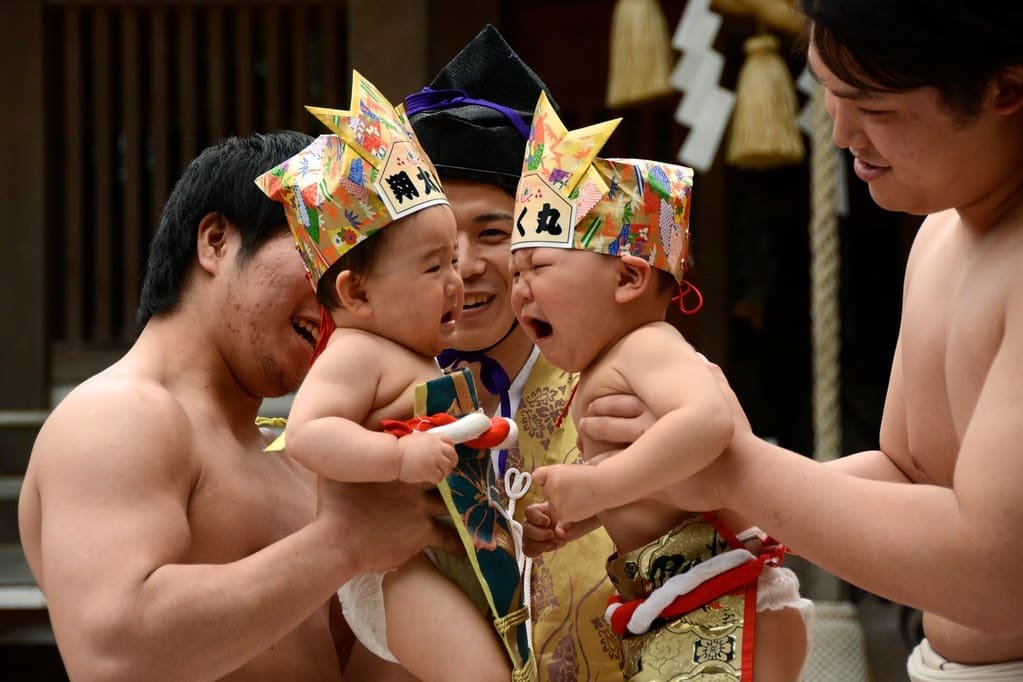
The Nakizumo Crying Baby Festival stands as one of Japan’s most endearing and culturally fascinating annual traditions, held within the sacred precincts of the historic Sensoji Temple in Tokyo. Dating back over four centuries, this joyful ritual brings together parents and infants for a lighthearted competition where sumo wrestlers hold crying babies in their arms. According to traditional Japanese folklore, a baby’s sudden and hearty cry is believed to ward off evil spirits, promote vigorous health, and ensure a bright, prosperous future for the child.
The temple grounds transform into a vibrant and festive gathering space filled with the cheerful cheers of spectators, the booming sounds of traditional drums, and the gentle encouragement of attending sumo referees. Wrestlers don their ceremonial garments and gently cradle the infants, attempting to coax a powerful wail using playful gestures, funny faces, and traditional ritual masks. Every moment of the festival captures a wonderful blend of spiritual devotion, parental hope, and heartwarming community celebration in the heart of Tokyo.
As the matches unfold beneath the historic temple architecture, attendees are treated to an unforgettable cultural spectacle that highlights Japan’s deep appreciation for youth, health, and auspicious beginnings. Whether you are a family traveling with little ones or a cultural explorer seeking unique traditional customs, the Nakizumo festival offers a delightful and joyous window into local heritage.
Enjoy Your Event Stress-Free with Japan Travelo
Do you know? Planning events, festivals, concerts, and cultural experiences in Japan can be overwhelming. Japan Travelo brings everything together in one place, helping you manage your itinerary, transport, and accommodation with ease—so you can enjoy Japan without the stress of planning.
Event Highlights
- Witness the charming spectacle of sumo wrestlers gently holding infants in the sacred courtyard of historic Sensoji Temple.
- Observe the lighthearted competition where the first baby to cry loudly is traditionally declared the winner of the round.
- Experience the lively festival atmosphere accompanied by traditional musical beats, colorful banners, and cheering crowds.
- Explore the magnificent grounds of Tokyo’s oldest temple while participating in a centuries-old blessing ritual for infants.
Why Attend
This unique festival is exceptionally suited for families, cultural enthusiasts, and travelers eager to experience a joyful and lesser-seen side of traditional Japanese community life. Attending live allows you to immerse yourself in the warm, uplifting energy of the event, celebrating ancient customs that wish health and longevity for the youngest generation.
Visitors gain delightful insights into Japanese folk beliefs, as every facet of the ritual combines solemn temple tradition with playful communal cheer. It represents an essential destination for anyone wishing to witness the heartwarming intersection of sumo culture and family traditions in modern Tokyo.
Date & Duration:
- Event Date: Late April 2027 (Dates TBD)
- Event Duration: 1 day special cultural festival period
Visiting this event? Don’t miss out on these amazing activities and local experiences while you’re here.
Ticket Information:
- How Tickets Are Sold: General attendance for spectators to view the festival grounds is open to the public without requiring formal advance ticket purchases.
- Admission Type: General temple access grants visitors open entry to the public viewing zones established around the festival performance area.
- Ticket Pricing: Free Admission
- Special Seating Options: Open-air standing viewing areas and designated spectator zones are arranged around the main temple courtyard for optimal observation.
- VIP Options: Standard general open entry applies to all attending visitors without separate VIP tier reservations required for the temple festival grounds.
Venue / Location:
- City and Country: Tokyo, Japan
- Venue Name: Sensoji Temple
- Google Maps Address: 2 Chome-3-1 Asakusa, Taito City, Tokyo 111-0032, Japan
Contact Information:
- Phone Number: 03-3842-0181
- Website: https://en.japantravel.com/tokyo/nakizumo-crying-baby-festival/57856
Accommodation Options
Tokyo provides an extensive selection of high-quality lodging choices, ranging from luxurious urban hotels situated in central districts to convenient business accommodations positioned adjacent to major transportation hubs. Securing lodgings within the historic Asakusa district guarantees seamless transit connectivity to Sensoji Temple while placing you within walking distance of traditional shopping streets and scenic river views.
For visitors seeking a deeply immersive cultural itinerary, traditional ryokan inns located near the temple neighborhood offer classic tatami rooms and authentic hospitality. Making reservations well in advance remains highly recommended, as spring festival events consistently attract numerous domestic and international visitors, frequently resulting in limited room availability across prime central locations.
Getting There:
- Nearest Airport: Haneda Airport, positioned approximately 25 kilometers away from the Asakusa district with direct train connections.
- Nearest Train/Metro Station: Asakusa Station serves as the closest transit hub, served by multiple subway and train lines just a short walking distance from the temple gates.
- Bus Routes or Public Transport Options: Regional bus services operating throughout Taito City provide convenient secondary transit connections directly to the vicinity of Sensoji Temple.
- Parking Availability: Public vehicle parking capacity near the temple complex remains extremely limited, prompting local transit authorities to strongly advise utilizing the comprehensive city rail infrastructure.
- Directions by Car: The venue is reachable via metropolitan roadways, with motorists advised to utilize local municipal navigation routes for the most direct access to Asakusa parking facilities.
Dining Recommendations
Breakfast Recommendations:
- Traditional morning coffee houses located throughout Asakusa serving classic Japanese breakfast sets featuring grilled fish and steamed rice.
- Comprehensive hotel buffet spreads offering a diverse selection of nourishing continental and authentic local culinary choices.
- Established artisan bakery outlets positioned near Asakusa Station providing convenient pastries and hot beverages for an efficient morning departure.
Lunch Recommendations:
- Renowned tempura specialty establishments celebrated for preparing golden, crispy seafood and vegetable dishes along historic Asakusa streets.
- Inviting neighborhood noodle shops situated within comfortable walking distance of the temple complex offering traditional soba and udon.
- Bustling regional dining spots offering varied midday lunch sets featuring wholesome, flavor-packed seasonal dishes.
Dinner Recommendations:
- Celebrated local eateries specializing in traditional Asakusa culinary specialties and regional comfort foods.
- Sophisticated dining venues located within central Tokyo offering refined modern gastronomy.
- Traditional grill houses expertly preparing premium cuts of locally sourced cuisine.
Local Specialties to Try:
- Ningyooyaki, traditional small baked cakes filled with sweet red bean paste shaped into iconic Tokyo figures and symbols.
- Monjayaki, a savory pan-fried batter specialty unique to the broader Tokyo region.
- Edomae-style sushi, featuring exceptionally fresh seafood prepared according to traditional Tokyo culinary heritage.
What is this event?
The Nakizumo Crying Baby Festival is an official traditional cultural event held annually at Sensoji Temple where sumo wrestlers hold infants in a ritual competition of crying. It serves as a vital community celebration where ancient folkloric beliefs regarding child health and protection are joyfully enacted.
This historic event functions as an extraordinary platform for families to participate in blessings that invoke strength and ward off misfortune for their little ones. Deeply anchored in traditional Japanese customs, the festival strictly preserves time-honored practices passed down across generations.
Why is it popular?
The festival enjoys immense international renown because it charmingly combines the formidable presence of professional sumo wrestlers with the innocence and humor of crying babies. Observers travel from various regions to witness this heartwarming and unusual cultural spectacle.
Its widespread appeal is further sustained by the captivating festive atmosphere surrounding Sensoji Temple during spring celebrations, including traditional street vendors and lively crowds. The unmatched joyful energy generated inside the temple courtyard establishes the event as a treasured cultural landmark.
Tips before you go
- Confirm the exact schedule and timing of the festival activities in advance through official contact channels, as daily event programs can vary.
- Select breathable, lightweight clothing, as the temple courtyard atmosphere can become quite warm during peak spring daytime hours.
- Plan an early arrival to secure a clear viewing position around the temple performance area before festival crowds gather.
- Familiarize yourself beforehand with respectful temple etiquette, such as maintaining consideration for participating families and young children.
- Carry essential personal hydration items to maintain comfort while attending outdoor temple ceremonies during the spring season.
Tips for First-Time Visitors
- Allocate ample time to stroll leisurely around the iconic grounds of Sensoji Temple and the vibrant Nakamise shopping street before the festival commences.
- Observe the ritual proceedings with careful attention, as these moments offer a fascinating glimpse into traditional Japanese family blessings and community customs.
- Maintain deep respect for the sacred sanctity of the temple grounds by refraining from blocking ceremonial pathways or disturbing participants.
- Explore the surrounding Asakusa neighborhood historical sites to enrich your itinerary and maximize your cultural exploration of the district.
- Utilize the available informational guides provided by temple staff or event organizers to deepen your knowledge of the history behind the Nakizumo festival.
Attendee Experiences
- Hearing the chorus of babies crying while the crowd cheered created an irresistibly joyful and heartwarming atmosphere unlike any other event.
- Witnessing gentle sumo wrestlers trying to make infants smile and cry with funny expressions was an absolute highlight of my trip to Tokyo.
- You can feel the profound warmth, community spirit, and parental love filling every corner of the temple courtyard throughout the celebration.
Video
Location
FAQ
What is the underlying cultural meaning behind the Nakizumo crying ritual?
The Nakizumo ritual is rooted in the traditional Japanese belief that a baby's loud cry wards off malevolent spirits and promotes healthy physical growth. According to local folklore, babies who cry heartily are blessed with strong vitality and protection from illness throughout their childhood.
Are spectators permitted to capture photographs of the babies and wrestlers?
Personal photography is generally permitted from designated spectator areas provided you avoid using disruptive flash equipment and respect the privacy of participating families. Visitors must always remain mindful of the event coordinators and refrain from blocking pathways during the ceremonies.
Is there a formal dress code enforced for attending events at Sensoji Temple?
There is no rigid or mandatory dress code enforced for visitors, though neat, modest, and comfortable casual attire is strongly recommended for temple grounds. Dressing respectfully honors the sacred religious environment of the historic Buddhist temple.
How long does the Nakizumo festival program typically last?
The special festival proceedings usually span a focused portion of the day, with scheduled rounds of infant lifting and blessings organized according to traditional temple programs. Attendees are advised to arrive early to experience the complete sequence of events.
Are English-language informational resources available for international visitors?
While the festival is conducted in a traditional Japanese temple context, basic informational materials or event coordinators can provide guidance for international guests. The highly visual and heartwarming nature of the event ensures that visitors can effortlessly appreciate the celebration regardless of language barriers.

Leave a Reply