

-
September 26, 2026
Event date:
-
September 27, 2026
Event end:
What to expect in 2026
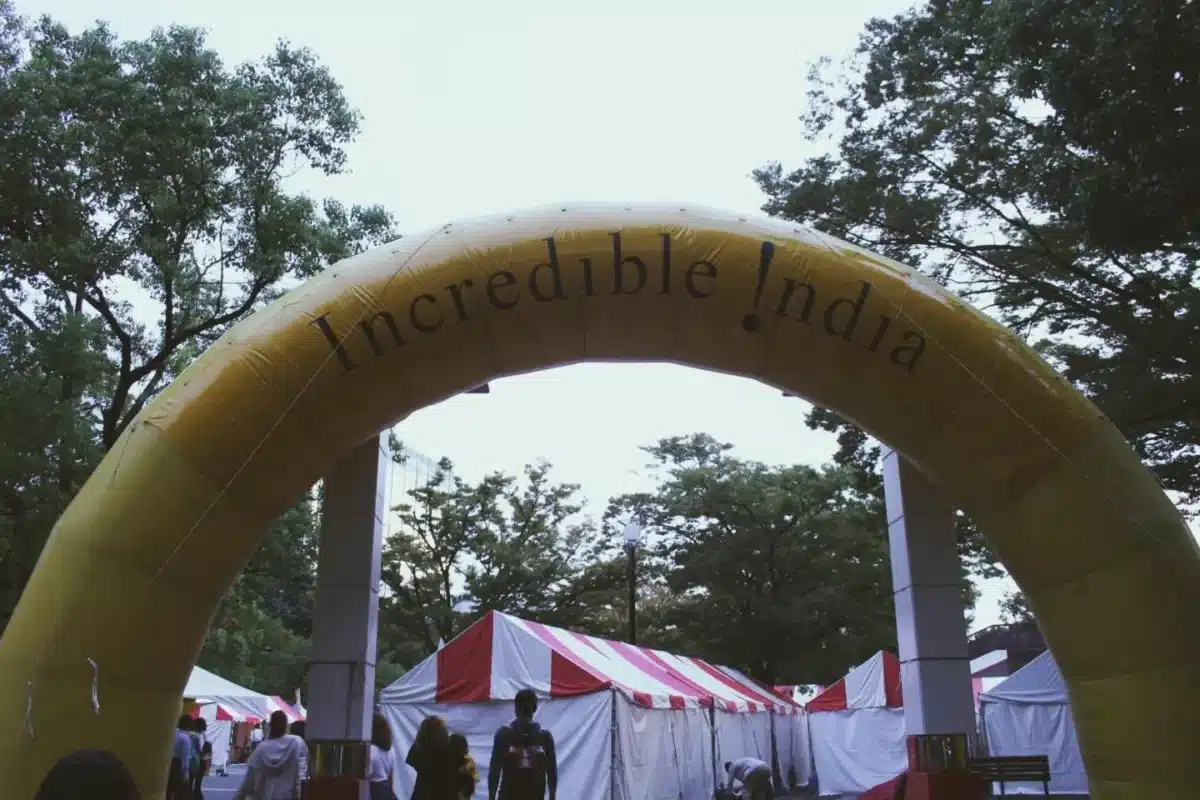
Namaste India Festival 2026 will bring Indian food, dance, music, culture, shopping and community activities to Yoyogi Park in central Tokyo. The 31st edition is presented as a cultural exchange event connecting India and Japan and is designed to introduce visitors to different aspects of Indian culture in an open-air festival environment.
The festival will be held at Yoyogi Park’s Event Plaza and Outdoor Stage, creating a large outdoor setting for cultural performances, food vendors, Indian goods and information booths. Admission is free, making the festival accessible to visitors who want to experience Indian culture without purchasing an entrance ticket.
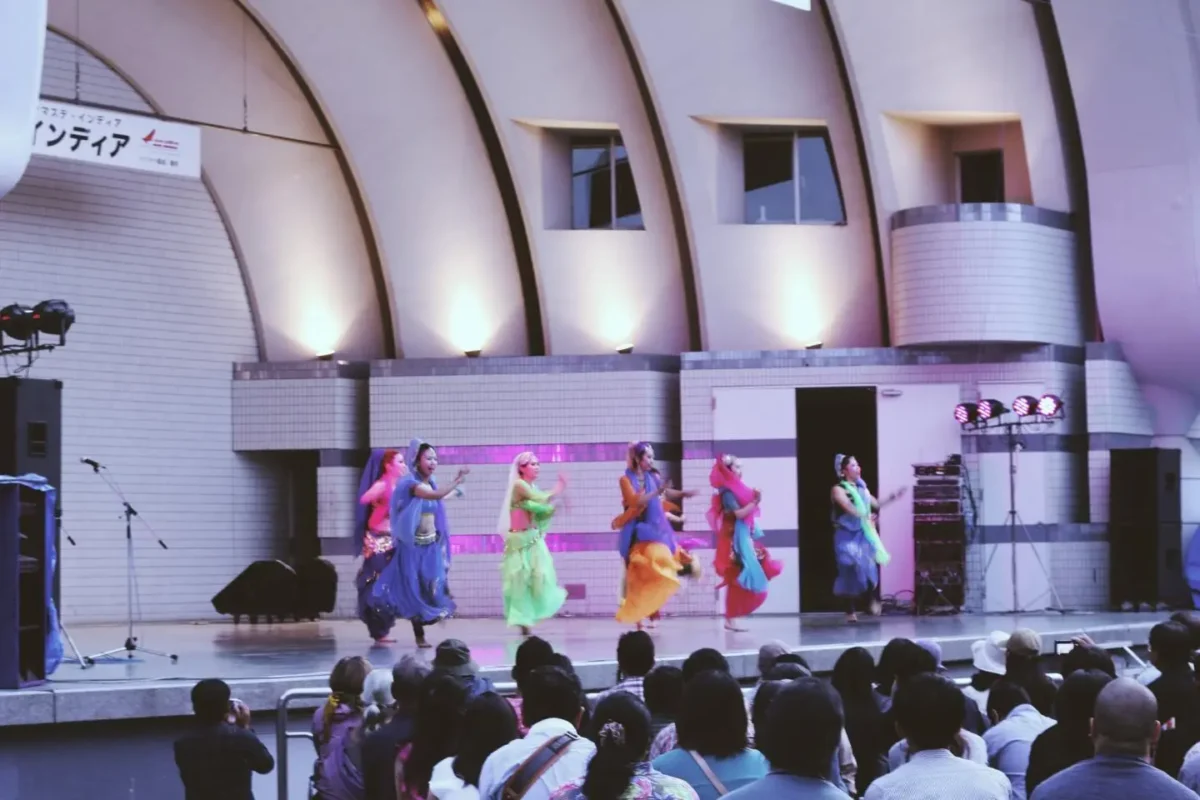
The 2026 programme is expected to combine traditional Indian performing arts with contemporary entertainment. Visitors can see Indian classical dance, Bollywood-style dance, music and other stage performances while exploring food stalls and shops.
Enjoy Your Event Stress-Free with Japan Travelo
Do you know? Planning events, festivals, concerts, and cultural experiences in Japan can be overwhelming. Japan Travelo brings everything together in one place, helping you manage your itinerary, transport, and accommodation with ease—so you can enjoy Japan without the stress of planning.
One of the announced cultural highlights is an Odissi Dance Group led by Gauri Shankar Dash, dispatched by the Indian Council for Cultural Relations (ICCR). The appearance adds an international cultural-exchange element to the stage programme.
Beyond performances, the festival creates opportunities to discover Indian cuisine, products, tourism information and organisations connected with India. The atmosphere is informal and suitable for visitors who want to spend several hours eating, watching performances and browsing the festival area.
Event dates
Saturday, September 26 and Sunday, September 27, 2026
The festival will operate from 10:00 AM to 8:00 PM on Saturday and 10:00 AM to 7:30 PM on Sunday. The dates and operating hours are listed by Yoyogi Park and current local event information.
The two-day format allows visitors to choose between a full festival visit, a shorter afternoon visit or multiple visits to experience different performances and food vendors.
Saturday has the longer operating period, while Sunday finishes earlier. Visitors interested in seeing particular performers should check the latest official programme because detailed stage schedules may be updated by the organisers.
The event is scheduled as an outdoor festival, so visitors should check the official website for any weather-related announcements before travelling.
Visiting this event? Don’t miss out on these amazing activities and local experiences while you’re here.
Venues & festival locations
The principal location is Yoyogi Park Event Plaza, one of Tokyo’s best-known outdoor event areas. The festival also uses the Yoyogi Park Outdoor Stage for its performance programme.
The festival area brings together several types of activities:
- Event Plaza: main area for food, shopping, cultural booths and festival activities.
- Outdoor Stage: Indian classical dance, music, Bollywood dance and other live performances.
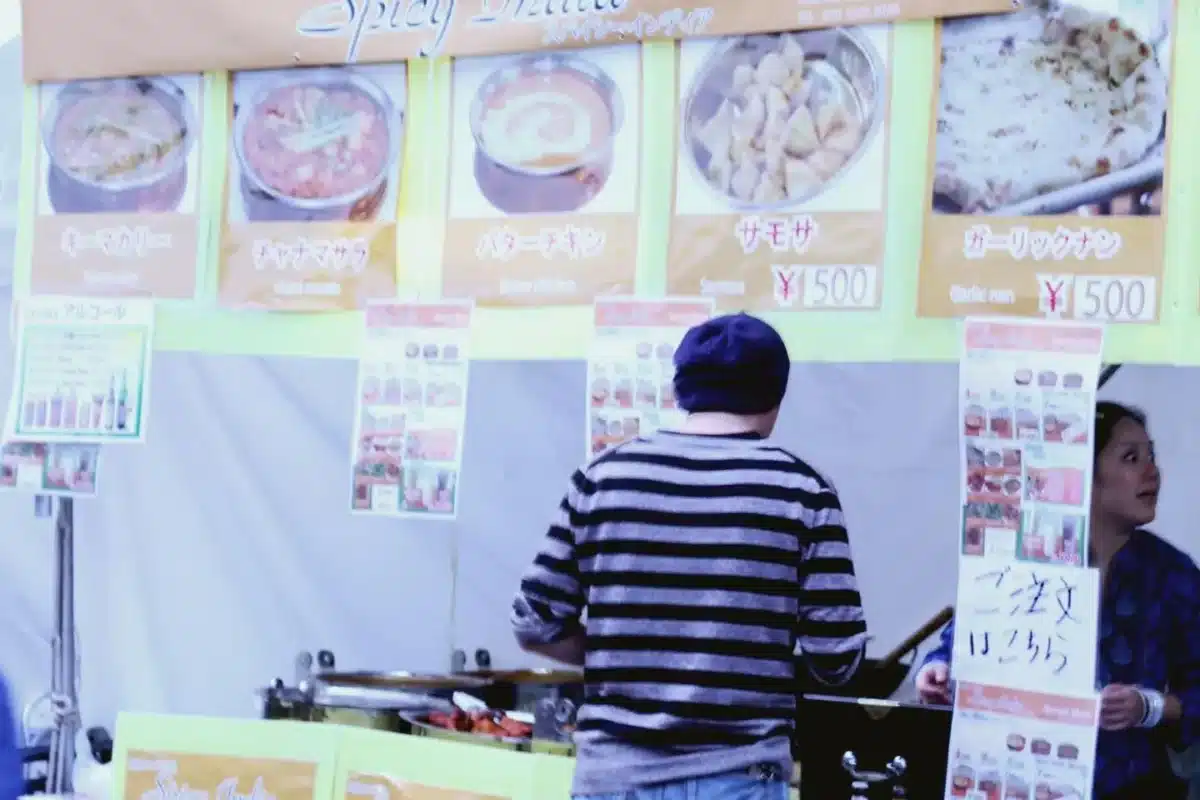
- Food vendor area: Indian dishes, snacks, sweets and drinks from participating vendors.
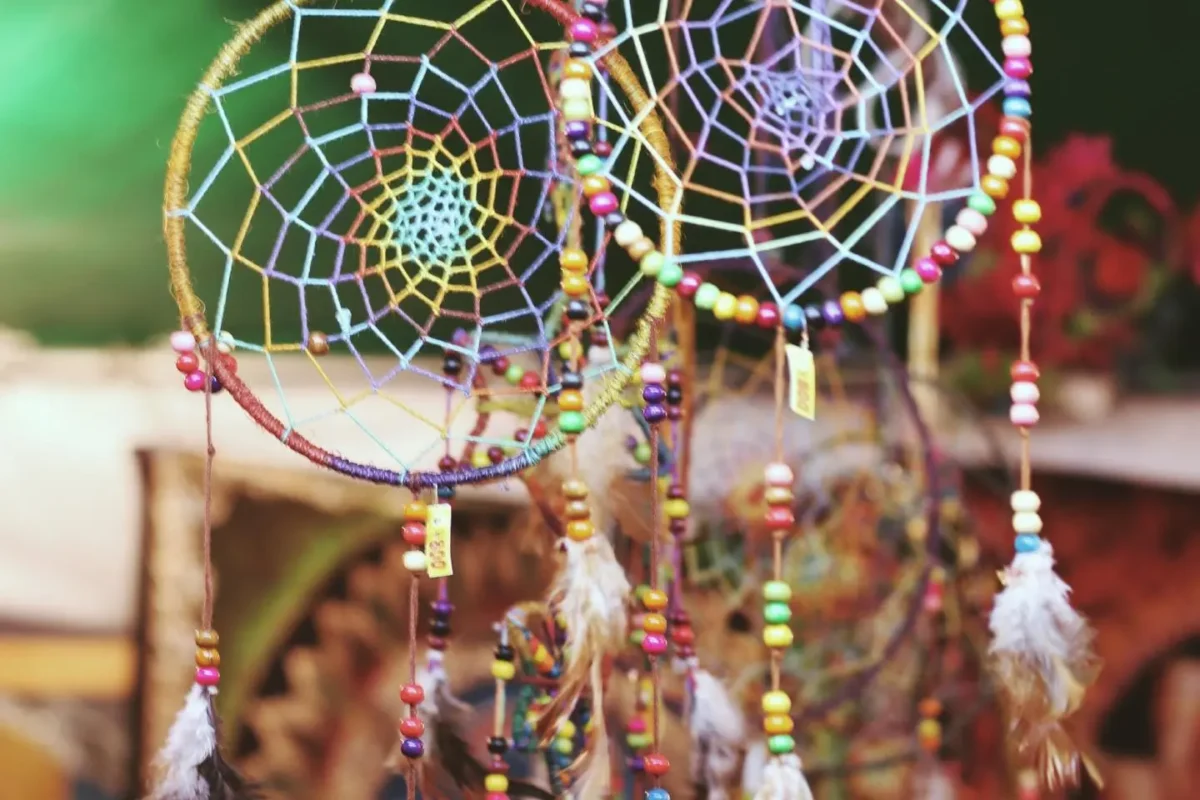
- Indian goods area: products, handicrafts, clothing, accessories and other Indian-related merchandise.
- Cultural information booths: organisations, NPOs and India-related groups introducing their activities.
- Tourism and information booths: opportunities to learn about destinations, culture and travel in India.
Yoyogi Park is centrally located between Shibuya and Harajuku, making the festival easy to combine with other Tokyo attractions.
The park’s official September event schedule confirms the Event Plaza and Outdoor Stage as the locations for Namaste India 2026.
Full cultural programme
The cultural programme focuses on presenting different forms of Indian culture to a Japanese and international audience.
Stage entertainment is expected to include:
- Indian classical dance
- Odissi dance
- Bollywood dance
- Indian music
- Traditional and regional performance styles
- Contemporary Indian stage entertainment
- Guest performances
- Cultural demonstrations
- Special appearances
The festival also extends beyond the stage. Visitors can learn about Indian culture through participating organisations, cultural groups and NPOs.
The food and shopping areas are an important part of the overall programme. Rather than simply functioning as refreshments, the stalls introduce visitors to different regional flavours, ingredients, products and Indian lifestyle items.
The 2026 event is also expected to provide a meeting point for the Indian community in Japan, Japanese visitors interested in India and international visitors looking for an introduction to Indian culture in Tokyo.
The official 2026 programme currently highlights the Odissi Dance Group led by Gauri Shankar Dash as one of the notable stage attractions.
Featured traditions & performances
Indian classical dance is one of the festival’s key cultural elements. The 2026 programme includes an Odissi Dance Group led by Gauri Shankar Dash, with the group being dispatched by India’s ICCR.
Odissi is one of India’s major classical dance traditions and is known for expressive movement, sculptural poses, rhythmic footwork and storytelling through gesture and facial expression.
Visitors can also expect Bollywood dance, which provides a more contemporary and highly energetic contrast to classical performance traditions.
Indian music is another major component of the festival. Performances may introduce audiences to different musical traditions, instruments and vocal styles, depending on the participating artists.
The combination of classical dance, Bollywood entertainment and music allows the festival to present Indian culture through both traditional and contemporary forms.
For first-time visitors, the stage area is an effective way to experience several different Indian performance traditions without travelling outside Tokyo.
Historical & heritage highlights
Namaste India Festival has developed as a cultural-exchange event connecting India and Japan. Its purpose extends beyond food and entertainment by providing a public platform for cultural understanding and interaction.
The festival’s cultural programme provides an introduction to India’s diverse heritage through dance, music, cuisine, crafts, products and community organisations.
Classical dance is particularly important because traditions such as Odissi preserve centuries-old approaches to movement, rhythm and storytelling. Presenting these forms in Tokyo gives visitors an opportunity to experience an aspect of Indian heritage within a contemporary Japanese city.
Indian cuisine also represents an important heritage element. Regional cooking traditions vary considerably across India, and festival food stalls can introduce visitors to dishes that are not always represented by a single style of Indian restaurant.
The presence of India-related organisations and NPOs further expands the festival’s cultural scope, giving visitors opportunities to learn about connections between the two countries.
Events & activities schedule
The festival runs throughout the day, with activities centred on the Event Plaza and Outdoor Stage.
Saturday programme
The first festival day runs from 10:00 AM to 8:00 PM. Visitors can arrive in the morning to explore food and shopping stalls before spending time at the outdoor stage.
The day can include:
- Opening festival activities
- Indian classical dance
- Odissi performances
- Bollywood dance
- Indian music
- Cultural presentations
- Food stalls
- Shopping
- Organisation and information booths
- Special stage appearances
Sunday programme
The second day runs from 10:00 AM to 7:30 PM. The programme continues with performances, food, shopping and cultural activities before the festival closes in the evening.
The detailed stage timetable should be checked through the official festival website because the organiser may update performer order, performance times and individual activities.
Ticket types & entry options
General admission: Free
Namaste India Festival 2026 does not require an entrance ticket. Current event information confirms free admission for the festival at Yoyogi Park.
Visitors can enter the festival area and watch the public performances without purchasing a general admission pass.
Food, drinks and merchandise are purchased separately from individual participating vendors. A current local event listing also identifies the festival as free admission, with food and other purchases handled separately.
There is no need to convert an admission price into dollars because the general festival entrance is free.
Visitors should nevertheless budget for meals, drinks, shopping and any optional activities they choose to enjoy inside the festival.
Guided tours & cultural experiences
Namaste India is primarily a self-guided cultural festival rather than a conventional guided-tour attraction. Visitors can move between the food, shopping, cultural and performance areas at their own pace.
The cultural booths provide opportunities to learn about India through organisations and groups involved in India-Japan exchange. These areas can be particularly useful for visitors who want more context than a stage performance alone can provide.
The festival also offers an informal way to discover Indian culture through food. Visitors can compare dishes, snacks and drinks from different vendors while speaking with stall operators.
Shopping stalls provide another cultural experience, with Indian products and goods displayed alongside the festival’s food and entertainment.
Visitors interested in a deeper experience can combine the festival with independent visits to Indian restaurants, cultural centres or shops elsewhere in Tokyo.
Special ceremonies & celebrations
The festival’s stage programme forms the central celebratory element, bringing Indian dance and music into a public Tokyo park.
Classical Indian dance performances provide a formal cultural component, while Bollywood dance and music performances create a more contemporary festival atmosphere.
The appearance of the Odissi Dance Group led by Gauri Shankar Dash is particularly significant within the 2026 programme because the group is being dispatched by the Indian Council for Cultural Relations.
The festival also functions as a celebration of India-Japan cultural connections, with Indian-related organisations, NPOs, food vendors and cultural participants gathering in the same public space.
Because the festival is free and open to the public, visitors can join the celebration casually without registering for a formal ceremony.
Festival rules
Visitors should follow normal Yoyogi Park regulations and any instructions issued by the Namaste India organisers.
Important visitor considerations include:
- Follow organiser and venue staff instructions.
- Keep pedestrian routes clear.
- Dispose of rubbish appropriately.
- Respect performers and cultural displays.
- Follow food vendor hygiene instructions.
- Avoid blocking other visitors’ views during performances.
- Keep valuables secure in crowded areas.
- Check weather conditions before visiting.
- Follow any temporary restrictions or crowd-control measures.
- Respect the park environment and surrounding facilities.
The event is held outdoors, so weather conditions may affect the programme. Visitors should check the official event website for the latest information before travelling.
How to get there
Yoyogi Park is located in the Shibuya area of Tokyo and is accessible from several major railway and subway stations.
For visitors coming by JR railway, Harajuku Station is one of the most convenient options. From the station, visitors can walk toward Yoyogi Park and the Event Plaza.
Meiji-jingumae Station on the Tokyo Metro Fukutoshin and Chiyoda lines is another convenient option. The station provides easy access to the Harajuku side of the park.
Visitors can also reach the surrounding area from Shibuya, although the walk is longer.
The festival’s Event Plaza is within the main Yoyogi Park event area, so visitors should follow the park signs toward the Event Plaza and Outdoor Stage rather than heading toward unrelated areas of the park.
Public transport & parking
Public transportation is the most practical way to reach Namaste India Festival because Yoyogi Park is centrally located and well served by Tokyo’s railway and subway network.
Useful stations include:
- Harajuku Station: JR Yamanote Line
- Meiji-jingumae Station: Tokyo Metro Chiyoda and Fukutoshin lines
- Yoyogi-Koen Station: Tokyo Metro Chiyoda Line
- Shibuya Station: JR, Tokyo Metro and private railway connections
A current local event guide estimates that the Event Plaza can be reached in roughly 10 minutes on foot from Harajuku Station or Meiji-jingumae Station.
Parking directly beside the festival is not the preferred option. Yoyogi Park is surrounded by busy central Tokyo streets, and festival activity can make driving less convenient.
Visitors arriving by car should use a suitable paid parking facility in the surrounding area and walk to the festival. Public transportation is generally easier for visitors coming from other parts of Tokyo.
Accommodation areas
The best accommodation areas depend on whether visitors want to prioritise the festival or explore wider Tokyo.
Shibuya is a convenient choice for visitors who want nightlife, restaurants, shopping and easy access to Yoyogi Park. It is also a major transport hub.
Harajuku is particularly convenient for festival visitors because it is close to Yoyogi Park and offers easy access to Takeshita Street, Omotesando and Meiji Shrine.
Shinjuku offers a very large selection of hotels and excellent railway connections. It is slightly farther from the festival but convenient for exploring Tokyo.
Omotesando and Aoyama provide a more upscale urban setting with restaurants, shopping and cafés while remaining close to the park.
Yoyogi and Yoyogi-Uehara can provide a quieter base while keeping visitors within easy reach of the festival area.
Visitors attending both festival days may find it convenient to stay within the Shibuya, Harajuku or Yoyogi areas so they can return to their accommodation easily after the evening programme.
Food & traditional specialties
Food is one of the main attractions of Namaste India Festival. The festival brings Indian food vendors together in Yoyogi Park, allowing visitors to sample different dishes without travelling between separate restaurants.
Likely festival food categories include:
- Biryani
- Curry dishes
- Tandoori specialties
- Naan
- Samosas
- Indian snacks
- Vegetarian dishes
- Indian sweets
- Chai
- Indian soft drinks and beverages
Biryani and chai are among the foods specifically highlighted in current local information about the festival, with popular stalls potentially attracting queues during busy periods.
The food area is useful for visitors who want to compare different regional styles. Indian cuisine varies significantly from north to south and from region to region, so visitors should not assume that every stall represents the same culinary tradition.
Vegetarian visitors can also find a range of plant-based Indian dishes, although ingredients should always be confirmed directly with individual vendors if dietary restrictions are important.
Accessibility
Yoyogi Park is a major public park in central Tokyo and the festival takes place in an open outdoor event area.
Visitors with mobility requirements should consider the outdoor nature of the event when planning their visit. Festival areas can become crowded, particularly around popular food stalls and the main stage.
Useful planning considerations include:
- Arrive earlier for easier movement through busy areas.
- Allow additional time to travel from the station.
- Check the latest park and event accessibility information.
- Ask event staff for assistance when needed.
- Consider quieter periods if crowds are a concern.
- Check individual food stalls for seating arrangements.
- Be aware that some surfaces in the park may differ from paved urban streets.
Because the detailed 2026 site layout can change, visitors with specific accessibility requirements should confirm the latest arrangements with the organiser before attending.
Best cultural experiences
Watch the Indian classical dance programme
Classical Indian dance provides one of the strongest cultural experiences at the festival. The 2026 programme’s Odissi Dance Group appearance offers visitors the opportunity to see a recognised Indian classical tradition presented in Tokyo.
Experience Bollywood dance
Bollywood performances provide a lively contemporary contrast to classical traditions and are often among the most energetic stage experiences.
Explore the food stalls
Trying several dishes rather than eating one large meal allows visitors to experience more of the variety represented at the festival.
Visit the cultural booths
The organisation and NPO booths can provide information about India-Japan exchange and other India-related activities.
Browse Indian goods
Shopping stalls provide opportunities to discover Indian clothing, accessories, crafts, products and other goods.
Spend time at the outdoor stage
Rather than arriving only for one performance, visitors can stay near the stage and experience different performance styles throughout the day.
Visit both days
The two-day format makes it possible to experience more of the festival without trying to see everything in one visit. Visitors can use one day for performances and another for food, shopping and cultural exploration.
Previous year’s highlights
Previous editions have established Namaste India as a major Indian cultural gathering in Tokyo. The festival has consistently combined food, cultural presentations, Indian goods, dance and music in Yoyogi Park.
The 2025 festival was also held at Yoyogi Park and featured Indian cultural performances, food and festival stalls. Images and reports from the previous edition show the event’s large outdoor setting and active performance atmosphere.
The continuing combination of classical Indian dance, contemporary dance, music, food and shopping gives the festival a broad appeal beyond visitors already familiar with Indian culture.
The 2026 edition expands this cultural presentation with the announced Odissi Dance Group led by Gauri Shankar Dash, dispatched through the Indian Council for Cultural Relations.
The festival’s continuing presence in Yoyogi Park also makes it part of Tokyo’s wider programme of international cultural festivals, where different communities present food, traditions, music and arts to the city’s residents and visitors.
Official tickets
Namaste India Festival 2026 has free admission, so visitors do not need to purchase an entrance ticket to access the main festival area.
Food, drinks and merchandise are purchased separately from individual vendors.
For the latest programme, participating performers, stall information and any changes to the festival arrangements, visitors should use the official Namaste India website.
http://www.indofestival.com/
The current 2026 event information confirms the festival will be held at Yoyogi Park Event Plaza and Outdoor Stage on September 26–27, with free admission.
Video
Location
FAQ
What is the primary purpose of the Namaste India Festival?
The festival aims to celebrate and promote Indian culture in Japan while strengthening friendly bilateral ties between the two nations through shared arts, food, and traditions. It provides an immersive platform for local communities to experience authentic South Asian heritage firsthand over a vibrant weekend.
Where is the festival physically hosted every year?
The event takes place at the expansive Yoyogi Park Event Area located in the heart of Shibuya-ku, Tokyo. This central location easily accommodates tens of thousands of visitors across its sprawling open-air plazas and walking paths.
Are there activities suitable for families and children?
The event offers a highly family-friendly atmosphere with interactive workshops, colorful dance shows, and engaging cultural displays suitable for all age groups. Children can enjoy visual spectacles, rhythmic music performances, and trying out safe cultural arts like Henna tattoos.
Do visitors need any prior experience to join yoga or dance workshops?
All scheduled wellness sessions, meditation classes, and dance workshops are designed to welcome absolute beginners and curious learners. Instructors provide gentle guidance ensuring that everyone can participate comfortably regardless of their previous skill level.
What kinds of items are typically available for purchase at the market stalls?
The vibrant bazaar features dozens of independent vendors offering traditional clothing, handmade jewelry, aromatic spices, and unique souvenirs. Attendees can also browse fine arts, religious sculptures, holistic wellness goods, and specialty home decorations.

Leave a Reply