
Overview
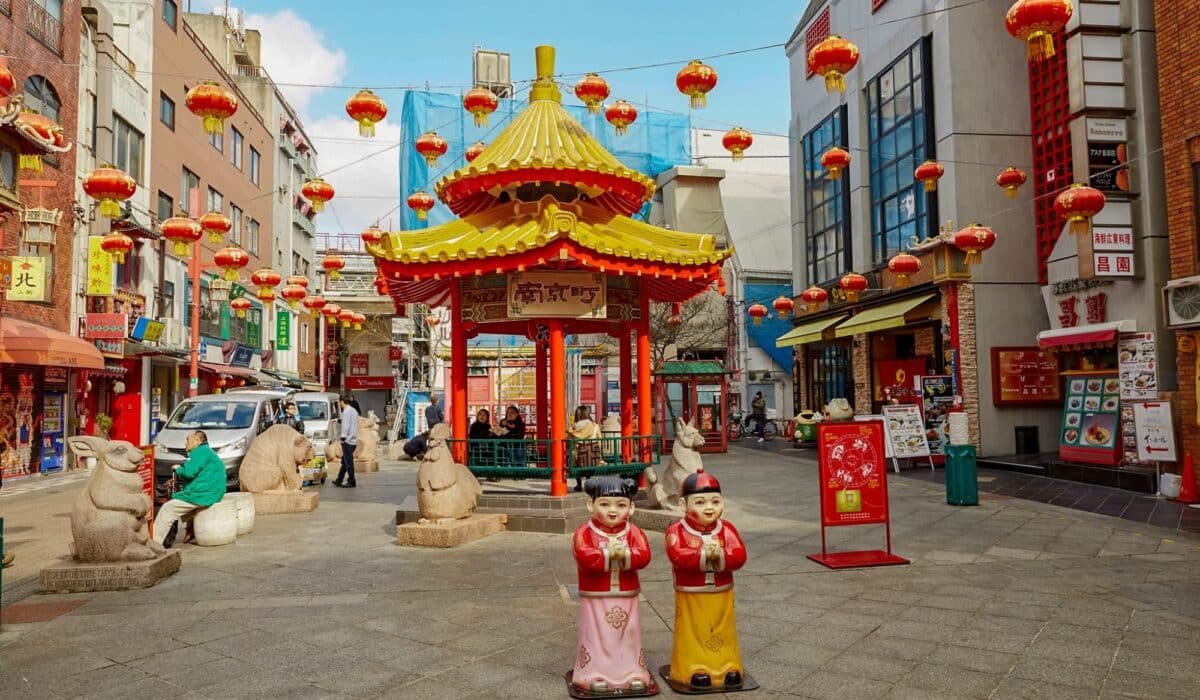
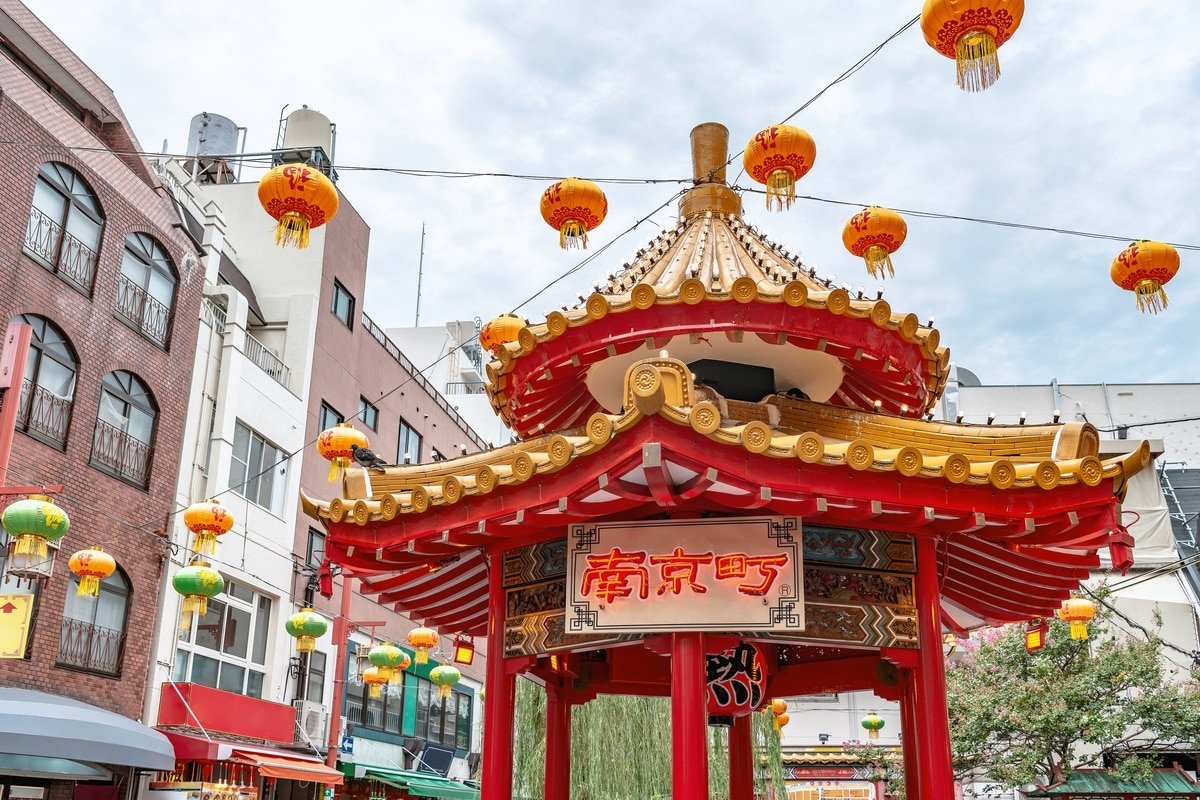
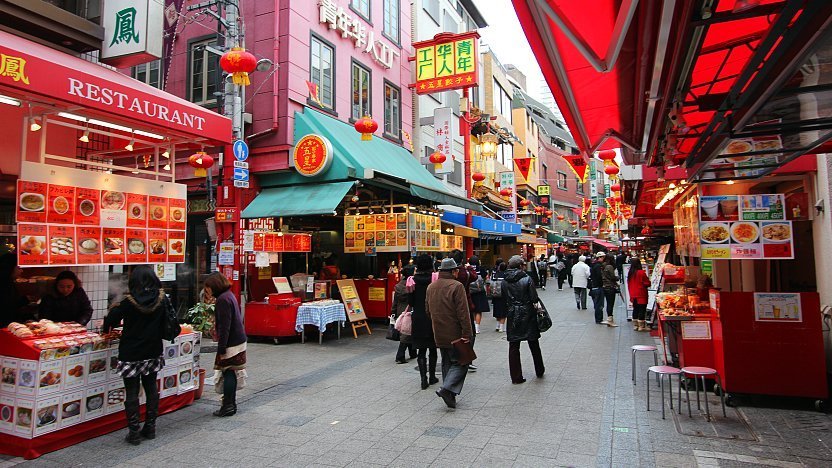
The Nankinmachi Spring Festival is a magnificent and culturally rich annual celebration hosted in the heart of Kobe Chinatown, one of Japan’s three most prominent Chinatowns. Established as a vibrant hub of international commerce and heritage since the late nineteenth century, Nankinmachi transforms into an electrifying theater of color and sound to welcome the lunar new year and the arrival of spring. Thousands of glowing red lanterns sway overhead, casting a warm, festive illumination across the historic stone-paved streets and magnificent architectural gates that define this unique urban enclave.
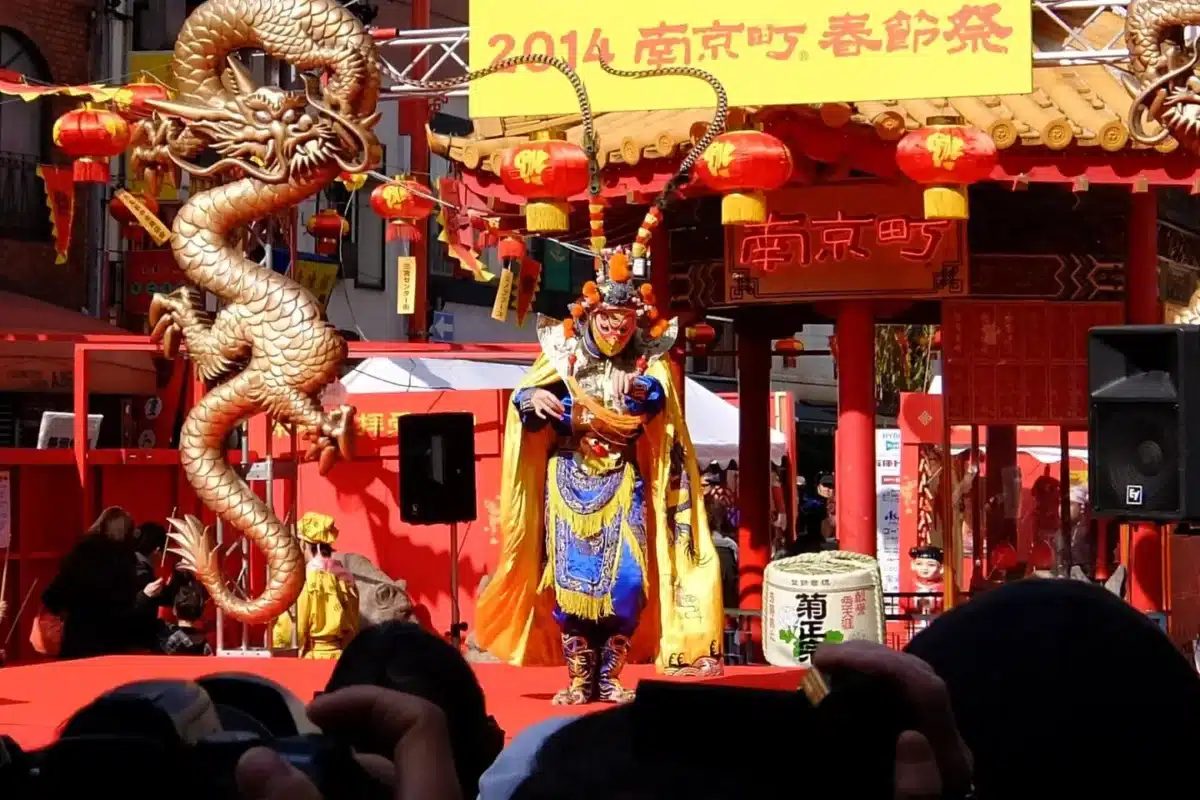
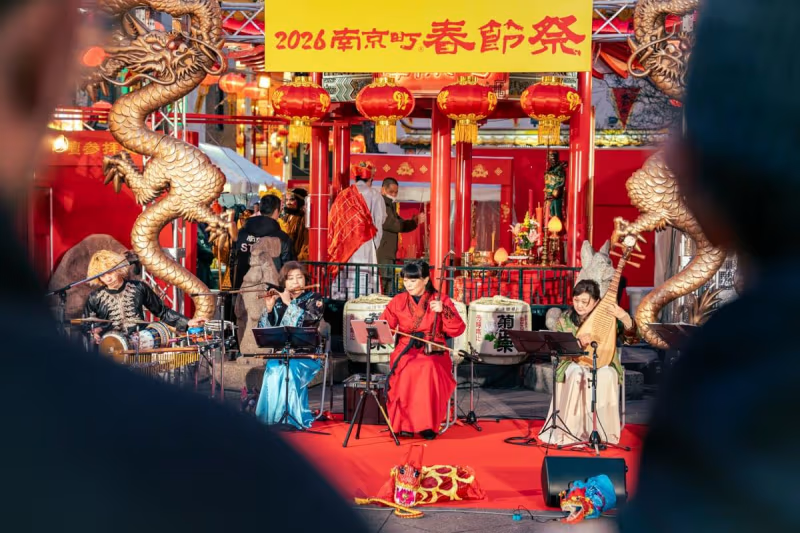
This grand tradition serves as a powerful bridge connecting overseas Chinese heritage with Japanese hospitality, offering an immersive sensory journey deeply rooted in centuries-old customs. Throughout the festival duration, the district pulses with infectious energy as traditional performers awaken the streets with rhythmic drumming, clashing cymbals, and the dynamic choreography of iconic lion and dragon dances. These time-honored rituals are performed to ward off malevolent spirits, invoke auspicious blessings, and usher in an era of prosperity, good health, and communal harmony for all residents and visitors.
Beyond the mesmerizing visual spectacle, the festival acts as an exceptional culinary pilgrimage where the rich aromas of sizzling street delicacies fill the winter air. Visitors from across the globe gather within the central plaza, surrounded by ornate pavilions and zodiac sculptures, to partake in festive lotteries, cultural demonstrations, and exclusive dining experiences. It stands as an unforgettable testament to cultural resilience and festive joy, providing an open, welcoming environment that captivates every traveler who walks through its historic gates.
Enjoy Your Event Stress-Free with Japan Travelo
Do you know? Planning events, festivals, concerts, and cultural experiences in Japan can be overwhelming. Japan Travelo brings everything together in one place, helping you manage your itinerary, transport, and accommodation with ease—so you can enjoy Japan without the stress of planning.
Event Highlights
- Witness the breathtaking choreography of traditional Chinese lion dances and magnificent dragon parades weaving dynamically through the festive, lantern-lit streets.
- Experience authentic cultural demonstrations, including master-level tai chi performances and traditional face-changing arts that mesmerize audiences of all ages.
- Participate in the popular festival lottery event, offering attendees an exciting opportunity to win special prizes and commemorative local items.
- Indulge in an expansive culinary wonderland featuring exclusive seasonal menus, handcrafted dim sum, and savory street delicacies offered by over one hundred local vendors.
Why Attend
This festival is an absolute must-visit for culture enthusiasts, family travelers, and passionate foodies seeking a vibrant, authentic celebration of Asian heritage without leaving Japan. It offers a rare, immersive environment where the historic charm of Kobe intertwines seamlessly with the festive pageantry of the lunar new year, creating an atmosphere that is both deeply engaging and endlessly entertaining.
Attending the Nankinmachi Spring Festival provides the distinct benefit of experiencing a nationally recognized intangible folk cultural asset in an open, highly accessible public setting. The combination of world-class street cuisine, captivating stage arts, and the welcoming warmth of the local merchant community ensures a deeply rewarding day trip that leaves visitors with lasting memories of joy and cultural discovery.
Date & Duration
- Event Date: Mid to Late February 2027
- Event Duration: The festival typically spans a festive multi-day schedule over a long weekend, featuring core performances and daily celebrations from morning through the early evening hours.
Visiting this event? Don’t miss out on these amazing activities and local experiences while you’re here.
Ticket Information
- How Tickets Are Sold: This is a public community festival; admission to the streets, plaza, and open-air performances requires no advance tickets or registration.
- Admission Type: Free Admission for all visitors exploring the district and viewing the main cultural programs.
- Ticket Pricing: Free Admission.
- Special Seating Options: There is no formal seating arrangement; spectators view the street parades and stage performances from standing areas within the public square and thoroughfares.
- VIP Options: No VIP tiers, exclusive viewing platforms, or reserved ticket packages are offered for this community-centered cultural celebration.
Venue / Location
- City and Country: Kobe, Hyogo Prefecture, Japan.
- Venue Name: Nankinmachi (Kobe Chinatown).
- Google Maps Address: 1 Chome-3-18 Sakaemachidori, Chuo Ward, Kobe, Hyogo 650-0023, Japan.
Contact Information
- Phone Number: +81 78-332-2896
- Official Website: www.nankinmachi.or.jp
Accommodation Options:
Kobe offers an exceptional array of lodging facilities located within immediate walking distance of the Chinatown district, ranging from sleek, contemporary business hotels to cozy urban inns. Staying close to the Nankinmachi area ensures rapid access to the festival grounds, allowing visitors to arrive early and fully immerse themselves in the morning festivities before the peak crowds assemble.
Alternatively, travelers desiring sweeping waterfront views and high-end luxury can select premier hotels situated around the Meriken Park and Harborland districts, located just a short tram or taxi ride away. These upscale accommodations provide a sophisticated home base for exploring both the vibrant culinary heritage of Chinatown and the broader scenic attractions of coastal Hyogo Prefecture.
Getting There
- Nearest Airport: Osaka Itami Airport (ITM) is approximately 40 minutes away via direct airport limousine bus to Kobe-Sannomiya, while Kansai International Airport (KIX) is accessible via high-speed ferry or express train.
- Nearest Train/Metro Station: Motomachi Station (JR Kobe Line and Hanshin Main Line) or Sannomiya Station.
- Bus Routes or Public Transport Options: Extensive municipal bus networks and subway lines connect all major urban transit nodes in Kobe directly to the Motomachi shopping district adjacent to Chinatown.
- Parking Availability: Dedicated public parking within Nankinmachi is nonexistent; visitors should utilize commercial parking structures located throughout downtown Kobe or rely entirely on efficient public rail transit.
- Directions by Car: Accessible via the Hanshin Expressway; take the Kyobashi or Maya exit from central Osaka or Kobe and follow local surface streets toward the Motomachi commercial sector.
Dining Recommendations
Breakfast Recommendations:
- Bakeries near Motomachi Station offering freshly baked European-style pastries and rich artisanal coffee.
- Traditional Japanese kissaten coffee houses serving classic morning toast sets and soothing green tea.
- Local convenience stores stocked with warm onigiri and bakery items for a quick, energizing start to the morning.
Lunch Recommendations:
- Specialty street food stalls across Nankinmachi serving piping-hot pork buns, juicy soup dumplings, and pan-fried shengjianbao.
- Casual sit-down Chinese restaurants within the district offering authentic regional lunch plates and savory noodle soups.
- Vibrant dim sum parlors featuring freshly steamed har gow and shumai served in traditional bamboo baskets.
Dinner Recommendations:
- Premier dining establishments along the central arcade offering exquisite Peking duck and multi-course Sichuan banquets.
- Local eateries specializing in Kobe beef-infused Chinese dishes, combining world-famous local Wagyu with traditional wok-frying techniques.
- Cozy neighborhood noodle shops serving rich, flavorful bowls of wonton noodles and stir-fried delicacies.
Local Specialties to Try:
- Nankinmachi Pork Buns, featuring fluffy, slightly sweet dough encasing a rich, savory pork filling.
- Pan-Fried Soup Dumplings, celebrated for their crispy golden bottoms and scalding hot, flavorful broth hidden inside.
- Tapioca fruit teas and sweet sesame rice balls dusted with crushed peanuts for a delightful traditional dessert.
What is this event?
The Nankinmachi Spring Festival is an annual celebration of the lunar new year held within Kobe’s historic Chinatown district. It brings together traditional Chinese performing arts and vibrant street decorations to welcome the spring season.
The event features colorful dragon dances, lion performances, and cultural rituals designed to cleanse the community and invite good fortune. It serves as a joyful expression of cultural exchange and enduring heritage in an urban Japanese setting.
Why is it popular?
The festival achieves widespread acclaim because it delivers an authentic, high-energy cultural spectacle set within one of Japan’s most famous and picturesque Chinatowns. Visitors are irresistibly drawn to the intoxicating blend of aromatic street foods and thrilling theatrical performances.
It remains a beloved winter tradition due to its welcoming, community-driven atmosphere and the unique opportunity it provides to experience traditional festivities up close. The dazzling red lanterns and joyful crowds create an unforgettable sensory experience.
Tips before you go
- Wear comfortable, durable footwear, as you will be standing and navigating dense pedestrian crowds along paved stone walkways.
- Dress in warm layers suitable for late winter weather in coastal Kobe, as outdoor festival activities can become chilly in the evening.
- Carry sufficient Japanese Yen in cash, as the vast majority of street food vendors and small souvenir shops do not accept credit cards.
- Pack a supply of pocket tissues or wet wipes, as enjoying juicy street snacks on the go can easily lead to sticky fingers.
- Arrive shortly before the morning opening hours if you wish to photograph the decorated gates and empty streets before the main crowds arrive.
Tips for First-Time Visitors
- Familiarize yourself with the layout of the main intersecting streets and central square to easily locate restrooms and major performance stages.
- Maintain heightened awareness of your personal belongings and bags, as the narrow, bustling alleys frequently experience heavy pedestrian congestion.
- Show respect to performers and participants during traditional rituals by keeping pathways clear and following instructions from security staff.
- Sample a wide variety of smaller street food portions from different stalls rather than committing to a single large meal.
- Combine your Chinatown exploration with a leisurely stroll to nearby Meriken Park or Motomachi shopping street to maximize your sightseeing itinerary.
- Check the daily performance schedule posted at the main entrances upon arrival so you do not miss the scheduled dragon dances.
Attendee Experiences
- Watching the magnificent dragon dance weave through the tightly packed red lanterns was an absolute visual masterpiece.
- The sheer variety of steaming, delicious street food made every corner an exciting new culinary discovery.
- The energetic beats of the traditional drums created an infectious, joyful atmosphere that warmed up the cold February afternoon.
Video
Location
FAQ
What is the best time of day to visit the Nankinmachi Spring Festival to avoid extreme crowding?
Visiting during the late morning right around the opening hours provides a calmer environment with fewer crowds and better photo opportunities. As the afternoon progresses closer to the main parade and performance times, the pedestrian thoroughfares experience significantly heavier foot traffic.
Are there any entry fees required to access the Nankinmachi festival area?
Access to the public streets, historic gates, and open-air performances within Nankinmachi is entirely free of charge for all visitors. You only need to budget funds if you intend to purchase street food, dine at restaurants, or participate in the festival lottery.
Is the festival venue easily accessible for visitors using wheelchairs or strollers?
The main thoroughfares of Nankinmachi are flat, paved, and fully open to pedestrian traffic, making them generally accessible for wheelchairs and strollers. However, because the alleyways become extremely packed with visitors during peak festival hours, navigating through the crowds can require patience.
Are English-language guides or information materials available during the event?
Major tourist information boards and bilingual maps are available around the district and at nearby transit stations to help international visitors navigate the festival grounds. Additionally, many local shop vendors are accustomed to assisting foreign travelers and communicating in basic English.
What happens if inclement weather occurs during the scheduled festival dates?
Most core street performances and food stalls operate rain or shine, though severe weather conditions may occasionally prompt adjustments to outdoor schedules. Checking official local tourism updates on the morning of your visit is recommended if questionable weather is forecasted.

Leave a Reply