
-
November 23, 2026
Event date:
-
December 5, 2026
Event end:
Story, Fishing Village & Psychological Drama
Set against the rugged and unforgiving backdrop of an isolated coastal fishing community on the east coast of England, Benjamin Britten’s masterpiece plunges audiences into a tense world of suspicion. The narrative follows Peter Grimes, an abrasive and lonely fisherman who finds himself ostracized by superstitious villagers after his first apprentice dies under mysterious circumstances. Though legally cleared of direct wrongdoing, Grimes remains an outcast, branded as dangerous and unpredictable by a community that fears anyone who dares to live differently.
The plot deepens as Grimes takes on a second apprentice, hoping to clear his name and earn enough wealth to marry Ellen Orford, the local schoolmistress who shows him compassion. However, the relentless hostility of the townspeople, fueled by gossip and mob mentality, drives the tragic protagonist closer to the edge of madness. When the second boy also meets a tragic end during a sudden storm, the villagers mobilize into a vengeful mob, hunting down Grimes across the desolate landscape.
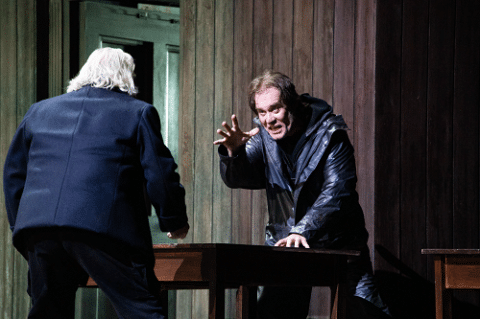
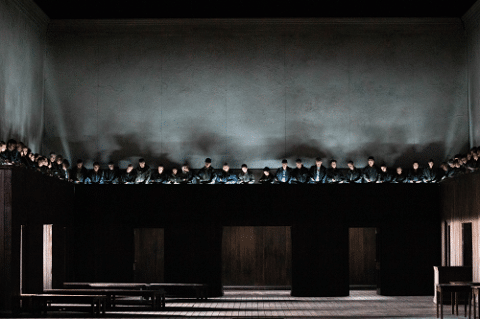
Robert Carsen’s acclaimed production strips away traditional pastoral clichés to focus intensely on the raw, claustrophobic psychology of group dynamics versus the isolated individual. The stage design amplifies the suffocating atmosphere of a society turning on its own members when fear takes root. Themes of poverty, collective cruelty, and emotional alienation resonate with startling modern relevance throughout the unfolding tragedy.
Enjoy Your Event Stress-Free with Japan Travelo
Do you know? Planning events, festivals, concerts, and cultural experiences in Japan can be overwhelming. Japan Travelo brings everything together in one place, helping you manage your itinerary, transport, and accommodation with ease—so you can enjoy Japan without the stress of planning.
The dramatic tension builds relentlessly across the acts, culminating in an emotionally devastating conclusion that questions where true culpability lies within the community. Britten’s narrative structure brilliantly exposes how ordinary citizens can transform into merciless persecutors under the influence of collective hysteria. It stands as one of the most powerful psychological explorations ever realized on the lyric stage.
- Unfolds a tense psychological narrative set within an isolated, suspicious English coastal fishing village
- Explores the tragic ostracization of an independent fisherman accused by a hostile community
- Examines the destructive power of group psychology, mob mentality, and collective persecution
- Features themes of poverty, social alienation, child vulnerability, and individual despair
- Follows the desperate attempts of the protagonist to seek redemption through hard work and love
- Builds intense dramatic momentum leading to a haunting and emotionally devastating conclusion
- Highlights the psychological conflict between non-conformist individuals and conservative societies
- Brought to life through a globally acclaimed modern staging first premiered at La Scala in Milan
Schedule
- Event Date: November 23 through December 5, 2026
- Event Duration: Approximately 3 hours including standard intermissions for dramatic opera productions
Visiting this event? Don’t miss out on these amazing activities and local experiences while you’re here.
Benjamin Britten’s Music & Operatic Style
Benjamin Britten’s musical score for “Peter Grimes” is an absolute masterpiece of twentieth-century opera composition, blending symphonic grandeur with stark emotional intimacy. The orchestral interludes, famously depicting the shifting moods of the sea, storms, and dawn, function almost as dramatic characters in their own right. These instrumental movements capture both the breathtaking beauty and the terrifying destructive power of the natural world surrounding the village.
The vocal writing breaks away from traditional melodic formulas, utilizing jagged recitatives, soaring lyrical outbursts, and complex polyphonic choral counterpoint. Britten captures the inner psychological turmoil of Grimes and the collective voice of the townspeople through startlingly original harmonic progressions. Every sonic texture is meticulously crafted to mirror the damp, salty air and the psychological claustrophobia of the narrative.
Conductor Kazushi Ono draws out the immense dynamic range of the score, ensuring that every subtle orchestral whisper and thunderous climax lands with maximum impact. The interaction between the soloists and the massive choral forces creates an overwhelming wall of sound that envelops the listener. Britten’s ability to unify symphonic form with theatrical urgency remains a pinnacle of modern musical dramaturgy.
Listening to the score inside the acoustics of the Opera Palace reveals the genius of an orchestrator who understood how to weaponize sound for psychological effect. The music shifts fluidly from tender, heartbreaking vocal lines to abrasive, dissonant outbursts that reflect social chaos. It is a score that continues to challenge performers and captivate global audiences with its sheer artistic force.
- Showcases Benjamin Britten’s revolutionary twentieth-century operatic writing style and brilliant orchestration
- Features legendary symphonic sea interludes that vividly evoke coastal storms, dawns, and isolation
- Utilizes jagged vocal lines, expressive recitatives, and haunting lyrical melodies to portray inner turmoil
- Employs complex polyphonic choral writing to represent the oppressive voice of the village mob
- Balances moments of exquisite, fragile beauty with terrifying, dissonant expressions of psychological chaos
- Conducted with masterful authority by Kazushi Ono to maximize dramatic tension and instrumental color
- Highlights the seamless fusion of symphonic composition with intense theatrical narrative progression
- Stands as a cornerstone of modern British lyric theatre and international operatic repertoire
Ticket Prices
- How Tickets Are Sold: Available online through the official New National Theatre box office, major Japanese ticket agents, and telephone booking lines
- Admission Type: Reserved hall seating with strict age restrictions prohibiting preschool-aged children from entering the auditorium
- Ticket Pricing: Ranging from a minimum of $13 to a maximum of $210 based on seating tiers and performance dates
- Special Seating Options: Tiered balcony configurations, side boxes, and accessible wheelchair spaces designed for optimal stage visibility
- VIP Options: Premium orchestra center sections offering the closest immersion to the main stage and conductor podium
Kazushi Ono’s Direction & Musical Interpretation
- Led by eminent Japanese maestro Kazushi Ono, bringing deep international experience to Britten’s complex score
- Interprets the musical architecture with careful attention to psychological subtext and symphonic pacing
- Inspires the Tokyo Philharmonic Orchestra to deliver searing, emotionally charged instrumental execution
- Collaborates closely with vocal soloists to balance textual clarity with massive orchestral dynamics
- Enhances the atmospheric tension of sea interludes through precise tempo control and dynamic shaping
- Highlights the symphonic integration of the chorus as a primary narrative force within the production
- Bridges modern musical sensibilities with traditional theatrical structures for maximum dramatic resonance
Getting to the Venue
- City and Country: Tokyo, Japan
- Venue Name: New National Theatre, Opera Palace
- Google Maps Address: New National Theatre, 1-1-1 Honmachi, Shibuya City, Tokyo 151-0071, Japan
Peter Grimes, Ellen Orford & Key Characters
The title role of Peter Grimes stands as one of the most demanding and psychologically complex tenor parts in the entire operatic canon. World-renowned tenor Brandon Jovanovich tackles this monumental character, bringing depth, vulnerability, and terrifying volatility to the lonely fisherman. His performance lays bare a man caught between heroic yearnings and self-destructive impulses, generating profound empathy despite his flaws.
Sally Matthews portrays Ellen Orford, the resilient schoolmistress who offers steadfast moral support and compassion to Grimes against the wishes of the town. Her luminous soprano voice conveys both maternal warmth and heartbreaking sorrow as she watches her efforts to save Grimes unravel. Ellen serves as the moral conscience of the opera, attempting to bridge the chasm between the outcast and society.
Jordan Shanahan steps into the role of Captain Bulstrode, a retired sea captain who represents a rare voice of reason and pragmatic wisdom within the village. Other vital figures like Auntie, the tavern proprietress, and the local authorities add rich social texture to the drama. Each character is etched with sharp psychological realism, avoiding simple hero-and-villain archetypes in favor of complex human behavior.
The interaction among these figures drives the plot forward through a succession of tense public confrontations and private emotional confessions. The ensemble cast delivers nuanced performances that make the community’s collective paranoia feel terrifyingly believable and close to home. It is a masterclass in operatic character development and vocal acting.
- Features world-renowned tenor Brandon Jovanovich in the monumental, emotionally taxing title role
- Portrays Peter Grimes as a complex, volatile figure balancing vulnerability with defensive hostility
- Highlights Sally Matthews as Ellen Orford, providing moral strength, compassion, and luminous vocal artistry
- Incorporates Jordan Shanahan as Captain Bulstrode, offering a rare voice of pragmatic wisdom and reason
- Populates the village with rich supporting archetypes including tavern owners, rectors, and local magistrates
- Avoids simplistic moral binaries by developing deeply flawed, realistic psychological character profiles
- Emphasizes intense interpersonal conflicts, unspoken secrets, and public accusations across scenes
- Demands extraordinary dramatic stamina and vocal flexibility from every principal cast member
Event Information
- Email: boxoffice@nntt.jac.go.jp
- Phone Number: +81 3-5352-9999
- Website: https://t.pia.jp/pia/event/event.do?eventBundleCd=b2669308
New National Theatre Production & Dramatic Atmosphere
- Presents Robert Carsen’s acclaimed staging originally created for Milan’s prestigious Teatro alla Scala
- Utilizes striking, minimalist set and costume designs by Gideon Davey to emphasize emotional isolation
- Incorporates atmospheric lighting by Peter Van Praet to shift between stark coastal realism and psychological dread
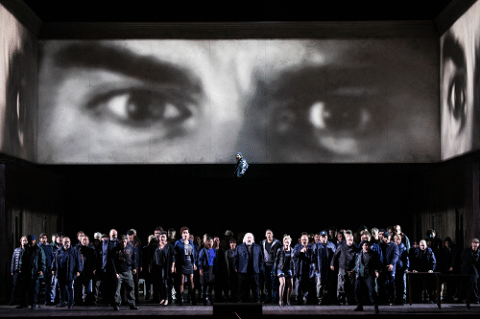
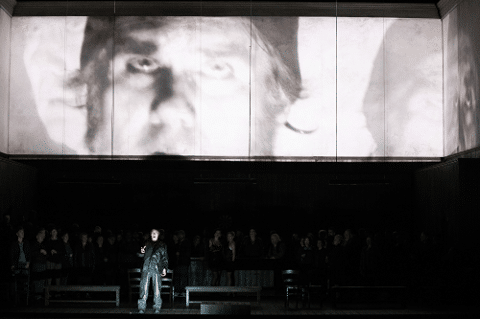
- Features innovative video design by Will Duke that enhances the oppressive presence of the sea
- Integrates dynamic choreography by Rebecca Howell to direct the fluid movements of the angry mob
- Features professional chorus work by the New National Theatre Chorus acting as the central antagonist mob
- Includes important content advisory notices regarding intense theatrical lighting effects and dramatic mature themes
Location
FAQ
What are the primary themes explored in Benjamin-Britten's psychological masterpiece?
The opera explores the destructive nature of mob mentality, social isolation, and the persecution of non-conformist individuals. It examines how fear and suspicion can corrupt an entire community when dealing with someone who does not fit social norms.
Why is the opera considered a significant milestone in twentieth-century music?
It revolutionized British opera by proving that English-language works could achieve major international acclaim and commercial success. Britten's innovative use of symphonic sea interludes and psychological vocal writing set a new standard for modern lyric theatre.
Are children or preschool-aged patrons permitted to attend this production?
Children under school age are strictly prohibited from entering the auditorium during performances to preserve a focused environment. Additionally, the production contains mature dramatic themes, intense lighting effects, and content warnings regarding child tragedy.
How should international audience members arrange for tickets and entry?
Visitors can purchase tickets online through the official New National Theatre reservation portal or authorized ticket agents. Advance booking is strongly recommended due to high global demand for performances featuring this star-studded international cast.
What special staging elements are utilized in Robert Carsen's direction?
The production features minimalist, highly symbolic set configurations designed to magnify the psychological isolation of the protagonist. It also incorporates stark lighting shifts and immersive video projections to simulate the overwhelming presence of the ocean.
What role does the chorus play in driving the dramatic action forward?
The chorus represents the townspeople who function collectively as the primary antagonist confronting the protagonist. Their synchronized vocal power and mob movements embody the terrifying escalation of social hysteria and collective guilt.

Leave a Reply