
-
January 10, 2027
Event date:
-
January 11, 2027
Event end:
Overview
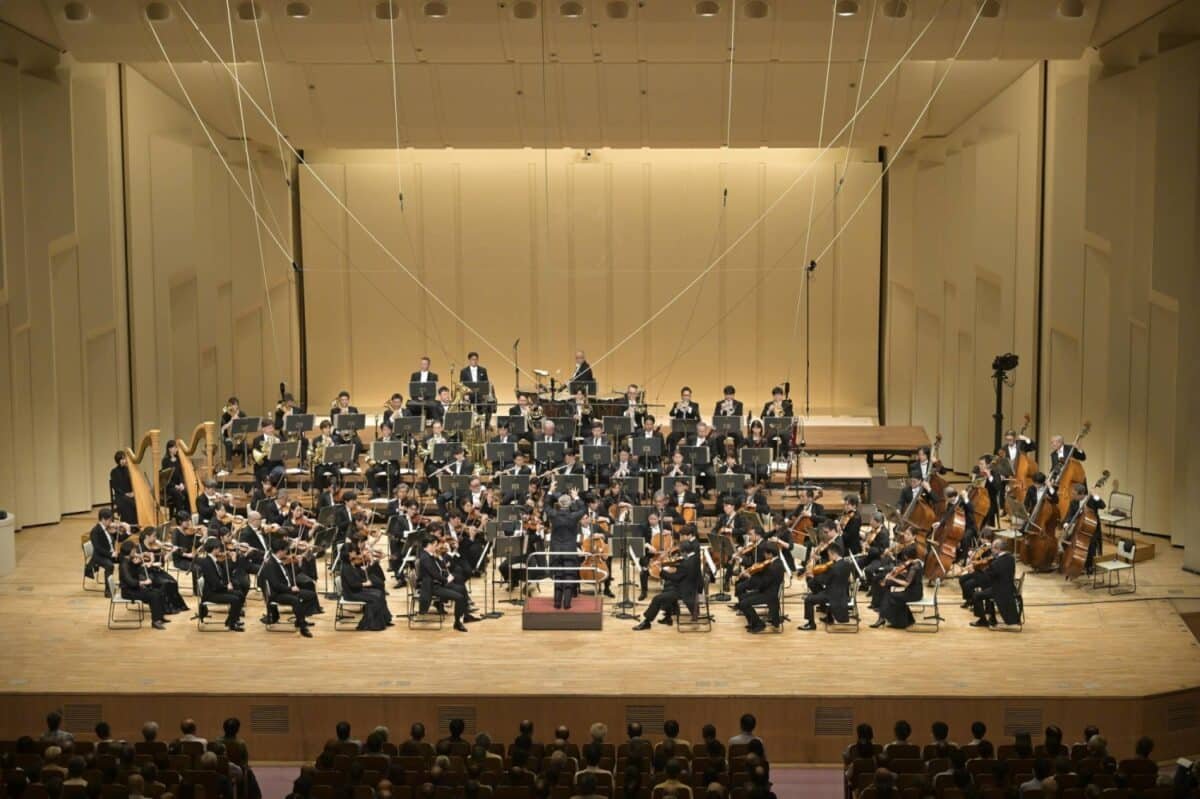
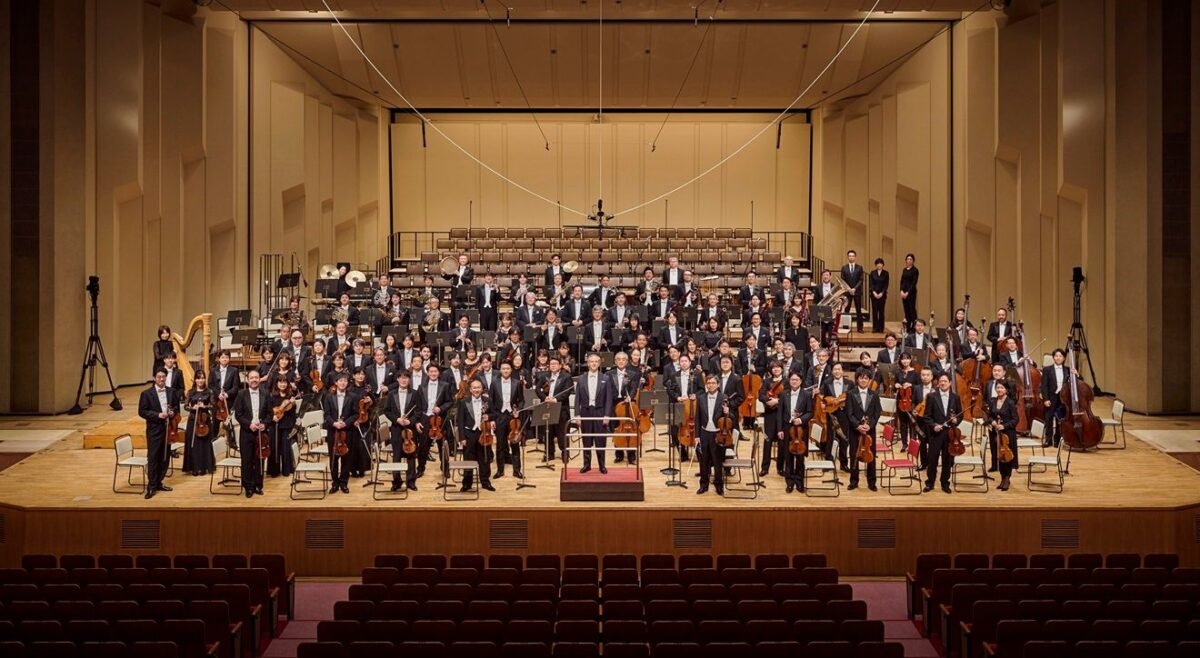
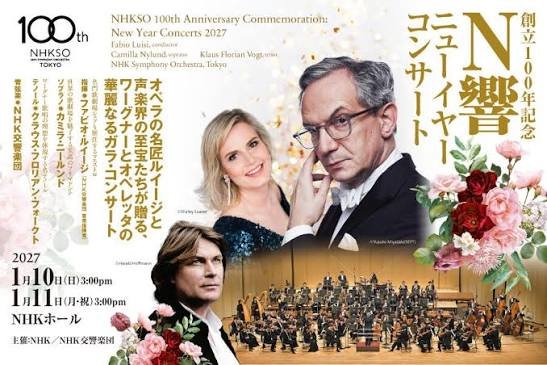
The NHK Symphony Orchestra New Year Concert 2027 is a special classical music event taking place at NHK Hall in Tokyo on 10 and 11 January 2027. The concerts form part of the orchestra’s 100th-anniversary commemorations, making this year’s New Year programme particularly significant in the history of Japan’s leading symphony orchestra.
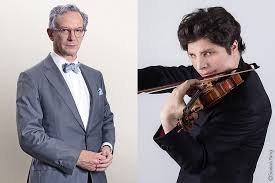
Conducted by Fabio Luisi, the programme moves beyond the traditional Japanese New Year concert format and focuses on dramatic and celebratory music from Wagner, Johann Strauss II, Franz Lehár and Emmerich Kálmán. Two internationally acclaimed singers, Camilla Nylund and Klaus Florian Vogt, join the orchestra for the vocal selections.
Both performances begin at 3:00 PM, making the concert suitable for visitors who want to combine an afternoon of classical music with sightseeing, shopping or dinner in central Tokyo.
Enjoy Your Event Stress-Free with Japan Travelo
Do you know? Planning events, festivals, concerts, and cultural experiences in Japan can be overwhelming. Japan Travelo brings everything together in one place, helping you manage your itinerary, transport, and accommodation with ease—so you can enjoy Japan without the stress of planning.
What Makes This Event Special
The most important feature of the 2027 concert is its connection to the NHK Symphony Orchestra’s centenary. The orchestra was founded in 1926 and is celebrating its 100th anniversary during the 2026–27 season. The New Year concerts therefore serve as an important musical opening to its second century.
The programme also gives the event a distinctive character. Rather than concentrating exclusively on orchestral waltzes, the concert combines Wagner’s powerful operatic writing with lighter and more celebratory operetta selections from Strauss, Lehár and Kálmán.
For international classical-music visitors, it is an opportunity to hear one of Japan’s most prominent orchestras performing a European repertoire under an internationally experienced conductor, while experiencing a major Japanese concert tradition in Tokyo.
Lineup / Featured Artists
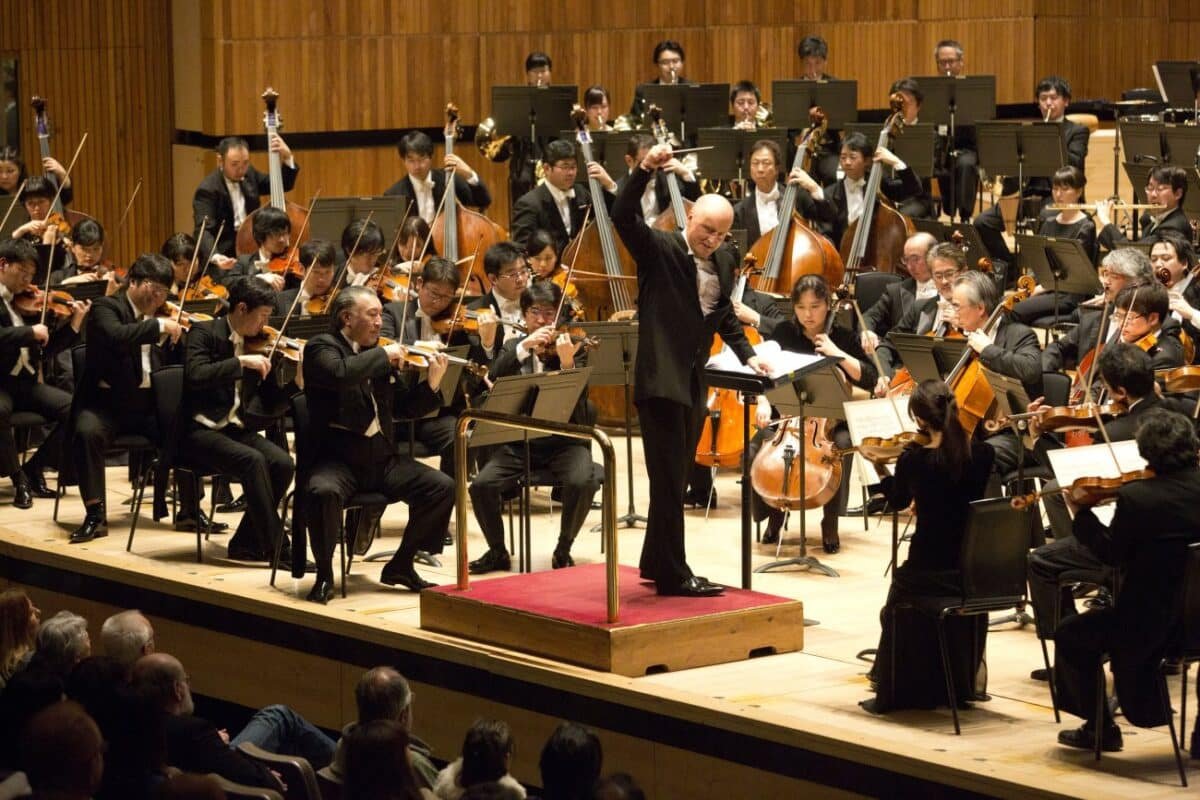
The NHK Symphony Orchestra performs under the direction of Fabio Luisi, who serves as conductor for the New Year concerts. Luisi is particularly associated with opera and large-scale symphonic repertoire, making him a natural fit for a programme containing extensive Wagner excerpts.
German-Finnish soprano Camilla Nylund appears as the soprano soloist. Her selections include Elisabeth’s celebrated aria from Tannhäuser, as well as music from Die Walküre, Tristan und Isolde, Die Fledermaus and Die lustige Witwe.
German tenor Klaus Florian Vogt joins her for several Wagner and operetta selections, including Siegmund’s Winterstürme from Die Walküre, the Grail Narration from Lohengrin and music from Tristan und Isolde.
Event Experience
The concert takes place in the formal surroundings of NHK Hall, creating a very different atmosphere from Tokyo’s large contemporary music festivals. The focus is on the orchestra, singers and conductor, with the audience seated throughout the performance.
The programme lasts approximately two hours including a 20-minute intermission, according to the official Japanese event information. This gives visitors enough time to enjoy the concert without making it difficult to plan other activities around the performance.
The combination of Wagnerian opera excerpts and Viennese-style operetta gives the concert a varied character. The dramatic intensity of Rienzi, Die Walküre and Tristan und Isolde is balanced by lighter works such as the Die Fledermaus overture and Emperor Waltz.
Date & Schedule
The Tokyo New Year Concert is scheduled for:
Sunday, 10 January 2027
Monday, 11 January 2027
Both performances begin at:
Doors: 2:00 PM
Concert: 3:00 PM
The programme is approximately two hours including a 20-minute intermission.
There is also an Osaka performance of the anniversary New Year Concert on 7 January 2027, but the Tokyo edition takes place at NHK Hall on 10 and 11 January.
Visiting this event? Don’t miss out on these amazing activities and local experiences while you’re here.
Programme
The concert opens with the overture to Wagner’s Rienzi before moving into several of Wagner’s best-known vocal scenes.
The Wagner programme includes selections from Die Walküre, Lohengrin, Tannhäuser and Tristan und Isolde. These include Siegmund’s Winterstürme, Du bist der Lenz, the Grail Narration from Lohengrin, Elisabeth’s Dich, teure Halle and the famous love duet from Tristan und Isolde.
The second part introduces music from the operetta tradition, including Johann Strauss II’s Die Fledermaus, Lehár’s Das Land des Lächelns and Die lustige Witwe, and Kálmán’s Gräfin Mariza. The concert concludes with Strauss II’s Emperor Waltz, Op. 437, followed by another selection from Das Land des Lächelns.
Location & Venue
The concerts are held at NHK Hall, one of Tokyo’s best-known major concert venues. The hall is located in Jinnan, Shibuya, close to Yoyogi Park and the cultural and commercial districts of Shibuya and Harajuku.
NHK Hall is particularly familiar to Japanese audiences because of its long association with NHK’s broadcasting and major musical performances.
Its location makes it easy to combine the concert with a visit to Shibuya, Harajuku, Omotesando or Yoyogi Park. Visitors staying in central Tokyo can reach the venue using the city’s extensive railway and subway network.
Event History
The NHK Symphony Orchestra traces its origins to 1926, and the 2026–27 season marks its 100th anniversary. Over the course of its history, the orchestra has developed into one of Japan’s most important professional orchestras and performs around 120 concerts each year across Japan.
Its concerts are also closely connected with broadcasting. Performances are presented through NHK television and FM radio, while selected activities and performances are introduced internationally through NHK’s international services and the orchestra’s official YouTube channel.
The 2027 New Year concerts are therefore not simply another annual performance. They are part of a larger centenary programme marking the transition of the orchestra into its second century.
Getting to the Event
NHK Hall is located in Shibuya, an area with excellent public transportation connections. Visitors can travel to the surrounding Shibuya, Harajuku or Yoyogi-Koen area and continue on foot to the hall.
For international visitors arriving at Tokyo Station, Shinjuku Station or Haneda Airport, using Tokyo’s rail and subway network is generally more practical than travelling by car.
Because the concert begins at 3:00 PM, arriving in the area earlier allows time for lunch and a relaxed walk through Shibuya or Yoyogi Park before entering the venue.
Where to Stay Nearby
Shibuya is the most convenient area for visitors who want to stay close to NHK Hall. It offers a very large selection of hotels, restaurants, shopping and nightlife, while also providing excellent rail connections to other parts of Tokyo.
Harajuku and Omotesando are also attractive choices, particularly for visitors who want to stay near fashion, shopping and cafés. Shinjuku provides an even wider range of accommodation and entertainment and is only a short journey away.
For visitors attending the concert as part of a longer Japan trip, staying near a major railway station can be more useful than choosing accommodation immediately beside the hall.
Things to Do Before or After the Event
The concert’s Shibuya location makes it easy to build a full day around the performance.
Visitors can explore Yoyogi Park and Meiji Jingu, walk through Harajuku and Omotesando, or visit the famous Shibuya Scramble area before heading to NHK Hall.
After the concert, Shibuya provides extensive choices for dinner and evening entertainment. Visitors staying longer in Tokyo can also continue to nearby Shinjuku, Ebisu or Roppongi.
January is also a suitable time to explore Tokyo’s traditional New Year atmosphere, although many of the city’s major New Year shrine visits will already have taken place by the time of the concert.
Restaurants & Dining Nearby
Shibuya and Harajuku offer an enormous variety of restaurants within easy reach of NHK Hall.
Visitors can choose from Japanese favourites such as sushi, ramen, soba, tempura and yakitori, while the area also has international restaurants, cafés and modern Japanese dining.
For a 3:00 PM concert, an early lunch is a practical option. Visitors attending the evening after the performance can then explore Shibuya’s extensive restaurant scene without needing to travel far from the venue.
Ticket Information
Tickets for the Tokyo New Year Concert are divided into five seating categories:
S: ¥15,000
A: ¥12,000
B: ¥9,500
C: ¥7,500
D: ¥6,000
Youth tickets for visitors 29 years old and younger are available at half the standard price:
S: ¥7,500
A: ¥6,000
B: ¥4,750
C: ¥3,750
D: ¥3,000.
General ticket sales opened on 6 September 2026 at 10:00 AM, while subscriber presales began on 1 September. The official event page currently lists the Tokyo performances as available through NHK Symphony Orchestra ticketing and other authorised ticket agents.
Subscribers receive a 10% discount on the standard ticket prices, subject to the orchestra’s subscriber conditions. Wheelchair seating is handled through the N-Kyo Guide.
Tips Before You Go
This is a formal classical concert, so visitors should plan to arrive with enough time to find their seats before the 3:00 PM start. Doors are scheduled to open at 2:00 PM.
Pre-school children are not permitted to enter the concert hall, so families travelling with young children should take this restriction into account.
The programme, conductor and soloists are officially announced but remain subject to change without notice. Visitors should therefore check the official concert information shortly before travelling.
January can be cold in Tokyo, particularly in the morning and evening. A warm coat is recommended for travelling around the city, although the concert itself takes place indoors.
Official Event Information
Event: NHKSO 100th Anniversary Commemoration: New Year Concerts 2027
Dates: 10–11 January 2027
Location: Tokyo, Japan
Venue: NHK Hall
Doors: 2:00 PM
Concert: 3:00 PM
Duration: Approximately 2 hours including a 20-minute intermission
Conductor: Fabio Luisi
Soprano: Camilla Nylund
Tenor: Klaus Florian Vogt
Orchestra: NHK Symphony Orchestra
Main Repertoire: Wagner, Johann Strauss II, Lehár and Kálmán
Occasion: NHK Symphony Orchestra 100th anniversary
The official event information is available through the NHK Symphony Orchestra official website.
Video
Location
FAQ
When is the NHK Symphony Orchestra New Year Concert 2027?
The Tokyo performances take place on 10 and 11 January 2027 at NHK Hall. Both concerts begin at 3:00 PM, with doors opening at 2:00 PM.
Where is the NHK Symphony Orchestra New Year Concert held?
The concert is held at NHK Hall in Jinnan, Shibuya, Tokyo. Its central location makes it convenient to combine the performance with visits to Shibuya, Harajuku, Yoyogi Park and other nearby attractions.
Who is conducting the 2027 New Year Concert?
The concert is conducted by Fabio Luisi, who leads the NHK Symphony Orchestra through a programme dominated by Wagner alongside operetta selections by Strauss II, Lehár and Kálmán.
Who are the guest singers?
The featured singers are Camilla Nylund, soprano, and Klaus Florian Vogt, tenor. Both perform several major vocal excerpts from Wagner, while also appearing in selections from the operetta repertoire.
What music will be performed?
The programme includes Wagner's Rienzi, Die Walküre, Lohengrin, Tannhäuser and Tristan und Isolde. The second part includes music from Die Fledermaus, Das Land des Lächelns, Die lustige Witwe and Gräfin Mariza, as well as Johann Strauss II's Emperor Waltz.
How long is the concert?
The official Japanese event information states that the performance lasts approximately two hours, including a 20-minute intermission. This makes it relatively easy to fit the concert into a wider Tokyo sightseeing itinerary.

Leave a Reply