
Yoichi Samurai Procession
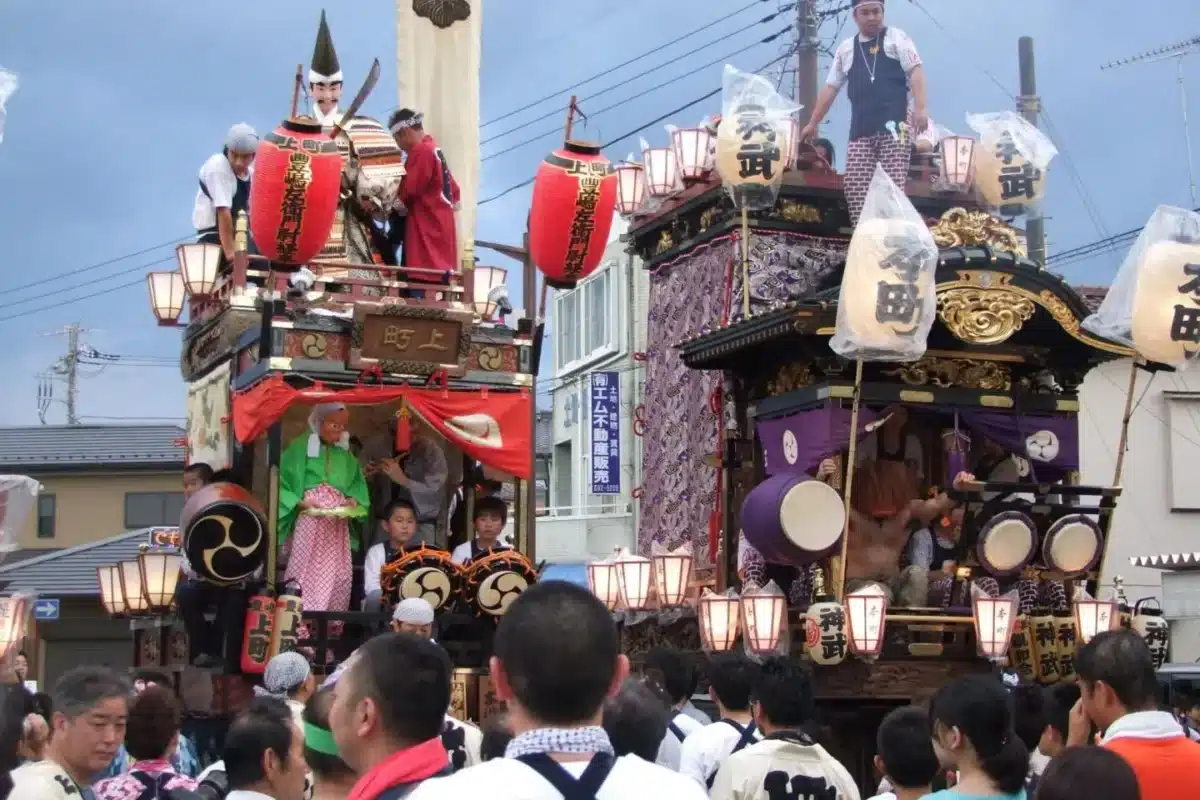
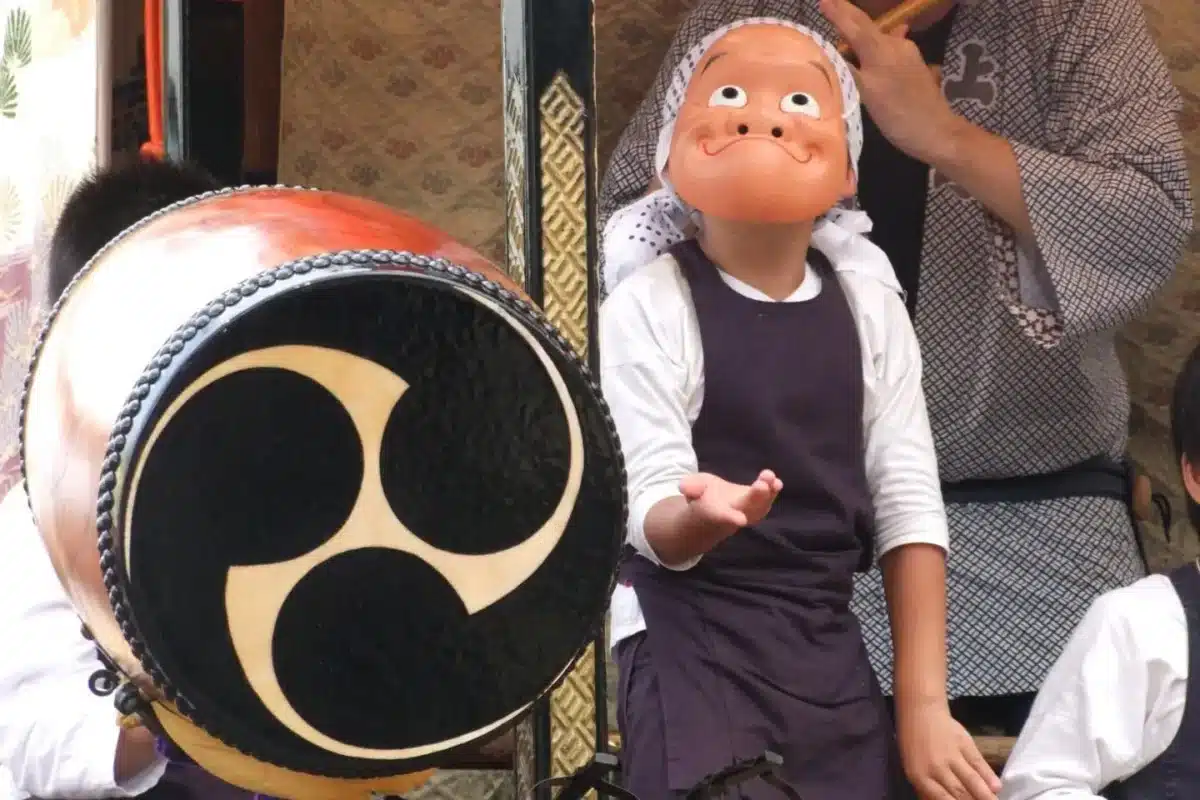
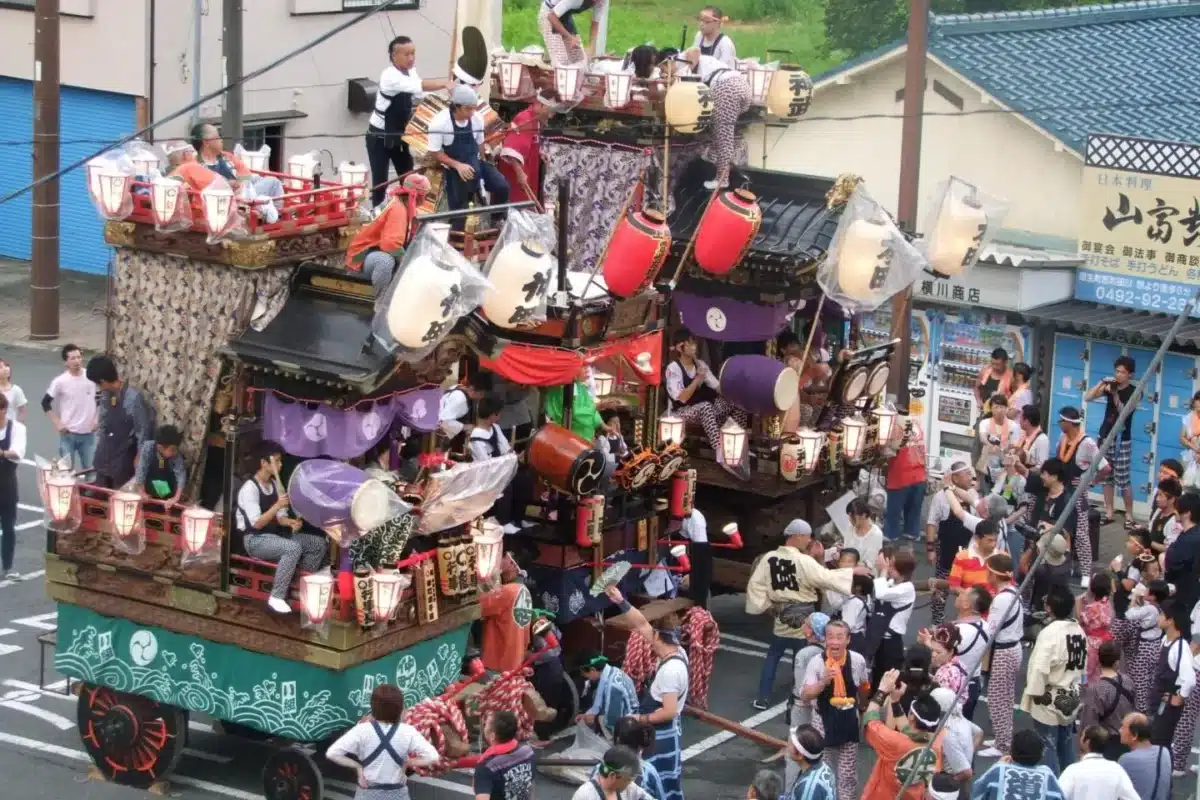
The Ogose Summer Festival (Ogose Matsuri) is highlighted by a collection of six different traditional-style floats, called dashi. Each dashi houses costumed dancers and musicians playing local folk music on traditional flutes, drums, and hand bells, who perform as teams of people pull the dashi around the town by long ropes. The dashi are very ornamental and beautiful, covered with rich colors, lanterns, and sometimes even statues.
As the floats move around town, if two of them meet at a crossroads, they have a musical “battle” against each other called hikkawase, in which the teams of musicians and dancers try to avoid making the first mistake. If they do, their team has to pull them to the side to allow the victorious float to pass through.
Each of the six floats comes from a different town, whose people are the performers and pullers for their own float. The six towns represented are Honcho, Nakacho, Kamicho, Arajukucho, Kawaracho and Kuroiwacho.
Enjoy Your Event Stress-Free with Japan Travelo
Do you know? Planning events, festivals, concerts, and cultural experiences in Japan can be overwhelming. Japan Travelo brings everything together in one place, helping you manage your itinerary, transport, and accommodation with ease—so you can enjoy Japan without the stress of planning.
- Six distinct dashi floats representing Honcho, Nakacho, Kamicho, Arajukucho, Kawaracho and Kuroiwacho
- Intricate ornamental woodwork, rich colors, decorative lanterns, and traditional statues on every float
- Energetic teams of local residents pulling heavy carts using thick ropes through town streets
- Costumed dancers and musicians performing inside the float platforms during transit
- Engaging musical face-offs known as hikkawase occurring when floats cross paths at intersections
- Spectacular nighttime alignment of all six floats side-by-side near the Ogose Town Hall
- A dazzling overhead fireworks display capping off the grand finale festivities
- Continuous musical accompaniment blending flutes, drums, and traditional hand bells
When to Attend
- Event Date: Late July 2027 (Dates TBD)
- Event Duration: Multi-day community summer celebration featuring daytime processions and evening grand finales
Visiting this event? Don’t miss out on these amazing activities and local experiences while you’re here.
Festival History & Nasu no Yoichi Legend
Ahhh, summer! It’s a season for the simple joys in life: sun, swimming, picnics, and excessive amounts of chocolate chip-cookie dough ice cream. Along that line of thinking, one of the best ways to celebrate the warm weather is to check out the annual summer festival held in the town of Ogose, in Saitama.
Never heard of it? Of course not – and that’s part of what makes it special. The small town of Ogose doesn’t attract many visitors from out of town, and as a result their summer festival feels like it hasn’t changed much in many, many decades. It will charm you with the purity and simplicity of small-town life. And on top of that, it’s a lot of fun.
- Preservation of centuries-old rural community traditions across Saitama Prefecture
- Deep-rooted local pride maintained by neighborhood associations through generations
- Celebration of seasonal rhythms marking the height of the summer agricultural period
- Intimate community bonds fostering a welcoming environment for all attendees
- Historic continuity reflecting the timeless appeal of traditional Japanese town life
- Passing down of musical and performance skills from elders to younger community members
Admission Details
- How Tickets Are Sold: No tickets or advance purchases are required, as public viewing areas are fully open access.
- Admission Type: Free Admission
- Ticket Pricing: Free Admission (minimum $0.00 to maximum $0.00 range)
- Special Seating Options: General standing room along the public streets and town avenues is available to all visitors on a first-come, first-served basis.
- VIP Options: There are no specialized VIP enclosures or exclusive ticket packages offered for this traditional street-side cultural festival.
Downtown Otawara Festival Atmosphere
The festival transforms the downtown streets into a vibrant pedestrian haven where community life takes center stage. Historic storefronts and modern shops alike are adorned with festive banners and paper lanterns. The complete closure of vehicle traffic allows crowds to wander freely and absorb the sights and sounds of the celebration.
Friendly interactions between locals and travelers define the warm, inviting tone of the weekend. The glowing lanterns cast a soft, nostalgic light over the packed avenues as night falls, creating a picturesque scene. This unique ambiance leaves a lasting impression on everyone fortunate enough to experience it.
Where to Go
- City and Country: Ogose, Saitama Prefecture, Japan
- Venue Name: Ogose Town Areas (Beginning at Ogose Station and surrounding streets)
- Google Maps Address: Ogose Station, Ogose, Iruma District, Saitama 350-0416, Japan
Mikoshi Procession & Traditional Ceremonies
Sacred portable shrines, known as mikoshi, are paraded through the town streets by devoted carriers. These solemn yet spirited ceremonies invoke local deities to bless the community with peace, health, and prosperity for the coming year. The rhythmic chanting of the bearers echoes off shopfronts as the sacred processions wind their way through neighborhoods.
Traditional purification rites and offerings are conducted by local priests at designated resting points along the route. These rituals underscore the deep spiritual foundation of the festival, blending sacred reverence with community celebration. Spectators often bow respectfully as the shrines pass by, participating in the shared spiritual observance.
- Consecrated portable shrines carried aloft by dedicated neighborhood teams
- Rhythmic chanting and synchronized steps of the shrine bearers
- Spiritual blessings offered for community well-being and agricultural prosperity
- Ceremonial purification rites performed by local shrine attendants
- Sacred offerings presented at designated resting halts throughout the town
- Respectful participation by local residents and visiting spectators
- Deep connection to centuries-old Shinto heritage and local belief systems
Contact & Information
- Email: keizai@town.ogose.saitama.jp
- Phone Number: +81 49-292-3121
- Website: https://en.japantravel.com/saitama/ogose-summer-festival/14358
Yoichi Dance & Street Performances
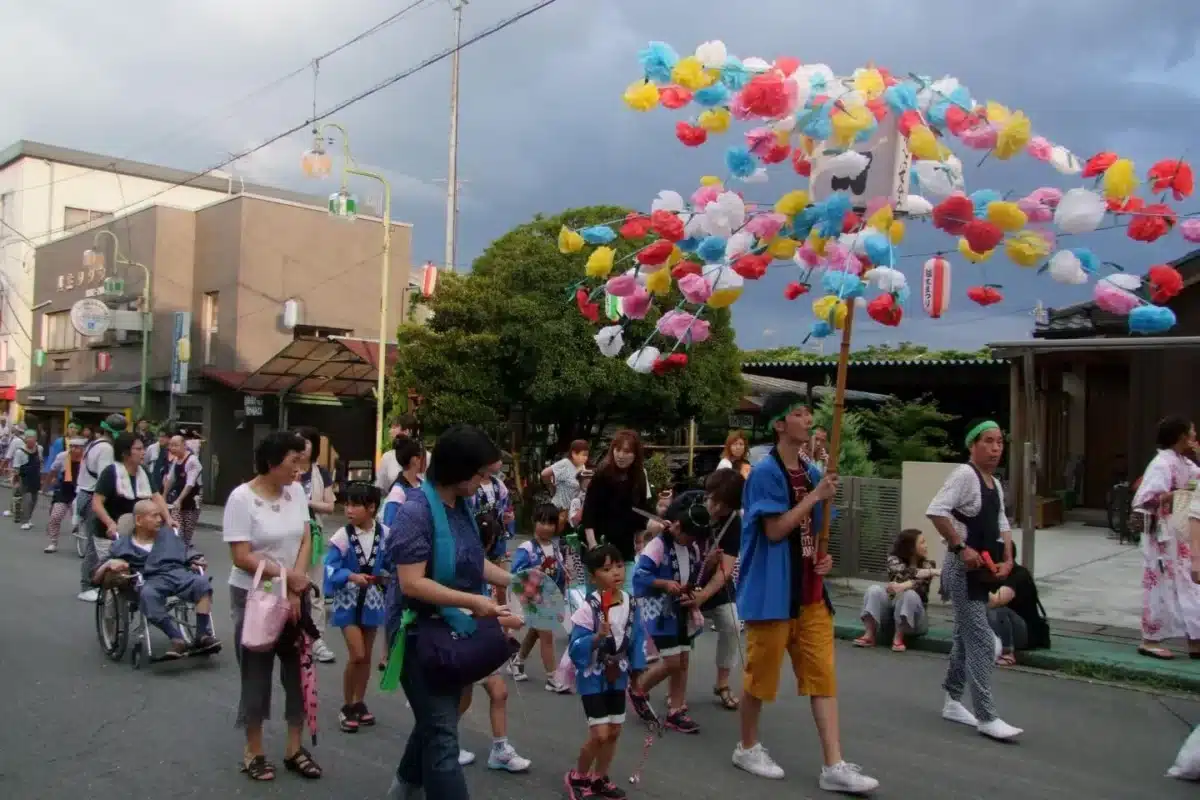
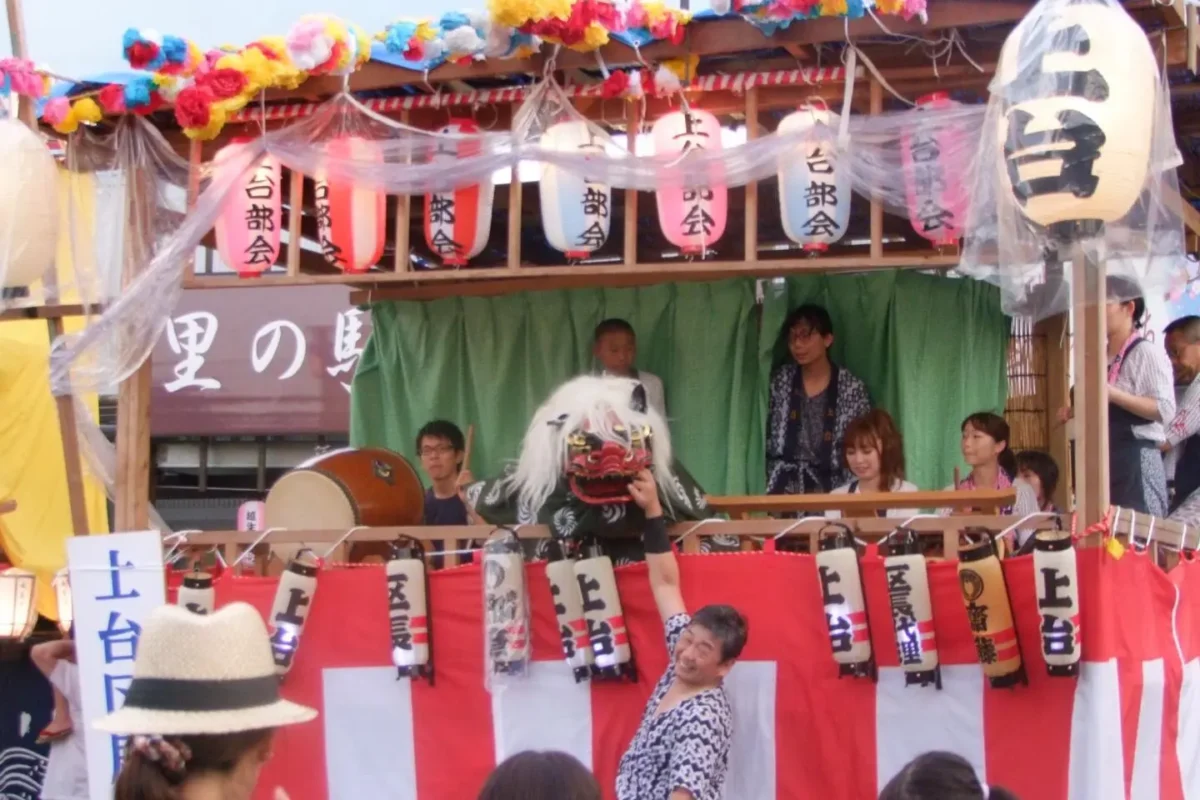
Of course, as with any other festivals held throughout Japan, the Ogose Summer Festival is a lively event filled with food vendors, games for children, and lots of people walking around wearing their beautiful yukata (summer kimono). There is music and dancing, stages set up for various performers, and lots of fun to be had.
The Ogose Summer festival is held throughout the town of Ogose beginning at Ogose Station, which is on the Tobu Ogose Line (a branch of the Tobu Tojo Line connecting at Sakado Station) and the JR Hachiko Line. It is held in late July.
Performers execute graceful choreography that reflects regional folklore and seasonal motifs. The open-air stages and street corners become focal points for artistic expression, drawing enthusiastic applause from neighbors and travelers alike. These rhythmic displays add immense energy and color to the warm summer evenings.
- Vibrant yukata-clad participants adding traditional elegance to the streetscape
- Open-air performance stages featuring local musical acts and cultural routines
- Graceful folk dance presentations highlighting regional artistic heritage
- Rhythmic accompaniment from traditional percussion instruments setting the tempo
- Interactive dance segments encouraging audience participation and community bonding
- Colorful costumes and decorative accessories worn by troupe members
- Energetic street performances creating a lively carnival atmosphere across town
Samurai Costumes, Child Warriors & Festival Participants
Participants of all ages don period-inspired attire, adding a rich historical dimension to the modern summer celebration. Children and youth take on active roles within the processions, wearing traditional uniforms and carrying ceremonial props. This generational involvement ensures that cultural knowledge and festival pride remain vibrant and enduring.
- Youth and children taking active roles in traditional festival processions
- Period-inspired costumes and ceremonial accessories worn by community members
- Intergenerational mentorship preserving historical knowledge and performance skills
- Meticulously maintained attire reflecting local historical aesthetics
- Proud participation by families representing their respective neighborhood districts
- Authentic footwear, headwear, and sashes completing the traditional look
- Shared community responsibility for maintaining historical presentation standards
Festival Music, Dancing & Entertainment
The soundscape of Ogose during the festival is defined by the resonant beat of taiko drums, the clear notes of bamboo flutes, and the chiming of hand bells. These acoustic elements create an immersive auditory experience that draws visitors deeper into the festivities. Musicians practice for months to achieve the flawless synchronization required during lively street performances.
As evening descends, the musical tempo quickens, matching the excitement of the crowds gathered around the illumination sources. Dance troupes invite onlookers to join in relaxed circle dances, breaking down barriers between performers and spectators. This inclusive entertainment style defines the welcoming spirit of the small-town summer gathering.
- Resonant taiko drumming echoing through the downtown streets
- Melodic bamboo flute tunes accompanying the dance routines
- Chiming hand bells adding crisp highlights to the musical arrangements
- Open public circle dances welcoming both residents and visitors to join
- Months of dedicated musical rehearsal by local town associations
- High-energy evening performances accelerating as the grand finale approaches
- Seamless integration of sound, movement, and community celebration
Local Food, Street Stalls & Shopping
Rows of traditional festival stalls, known as yatai, line the streets offering an array of savory street foods and sweet treats. Visitors can sample classic Japanese festival favorites while strolling between viewing spots and enjoying the lively atmosphere. The enticing aromas of grilling food mingle with the laughter of families and children playing games.
Local shopkeepers also open their doors to welcome the influx of summer visitors, offering regional specialties and souvenirs. The bustling market atmosphere provides a wonderful opportunity to experience local commerce and hospitality. It is an essential component of the complete Japanese summer festival experience.
Best Viewing Areas, Photography & Visitor Tips
Finding the ideal spot to watch the processions and float battles enhances the overall festival experience. Strategic vantage points near intersections provide the best views of the exciting musical hikkawase encounters between rival dashi teams. Arriving early ensures a comfortable position along the main parade route before the crowds peak.
Photographers will find endless opportunities to capture vibrant colors, authentic costumes, and dynamic nighttime illumination. Visitors are encouraged to respect local customs, keep pathways clear for participants, and utilize public transportation arriving via Ogose Station for a smooth journey.
Location
FAQ
What is the primary highlight of the Ogose Summer Festival?
The event is primarily highlighted by six traditional dashi floats representing different local towns. These ornate structures feature costumed musicians and dancers who engage in musical battles called hikkawase when meeting at street intersections.
Where is the festival located and how do I get there?
The festival takes place throughout the town of Ogose in Saitama Prefecture, centered around the downtown shopping areas. Visitors typically arrive via Ogose Station, which connects directly through the Tobu Ogose Line and the JR Hachiko Line.
Are there any admission fees required to attend the festival?
No admission fees, tickets, or registration processes are required to enter the festival area or watch the performances. It is an entirely free public celebration open to all residents, families, and travelers from out of town.
What happens during the grand finale at night?
All six traditional floats converge near the Ogose Town Hall to line up side-by-side for a simultaneous performance. This magnificent spectacle is immediately followed by a vibrant fireworks display lighting up the night sky.
What kind of food and refreshments can visitors expect to find?
Numerous traditional food stalls line the pedestrianized streets offering classic Japanese festival snacks like yakitori, yakisoba, and sweets. Local shops also open their doors to provide regional specialties and refreshing chilled beverages for attendees.
Can visitors participate in the dancing and festivities?
Yes, spectators are warmly invited to join in the public circle dances and enjoy the lively community atmosphere. The open-air setup encourages friendly interaction and active engagement between locals and visiting guests.
What should visitors keep in mind regarding photography and etiquette?
Visitors should maintain clear pathways for float pullers and performers while capturing photos of the colorful costumes and lanterns. Respectful behavior around sacred mikoshi shrines and early arrival for prime viewing spots are highly recommended.

Leave a Reply