
Overview
The Ohara Hadaka ‘Naked Man’ Festival stands as one of the most exhilarating, wildly energetic, and culturally fascinating autumn traditions in the Chiba Prefecture of Japan. Celebrated annually as a vibrant display of communal fervor and ancient maritime blessing rituals, this historic event transforms the coastal town of Isumi into an electrifying stage of spirited competition. Centered around heavy, ornate portable shrines known as mikoshi, the festival showcases the raw strength, endurance, and deep-rooted devotion of local participants as they pray for bountiful harvests and rich ocean catches.
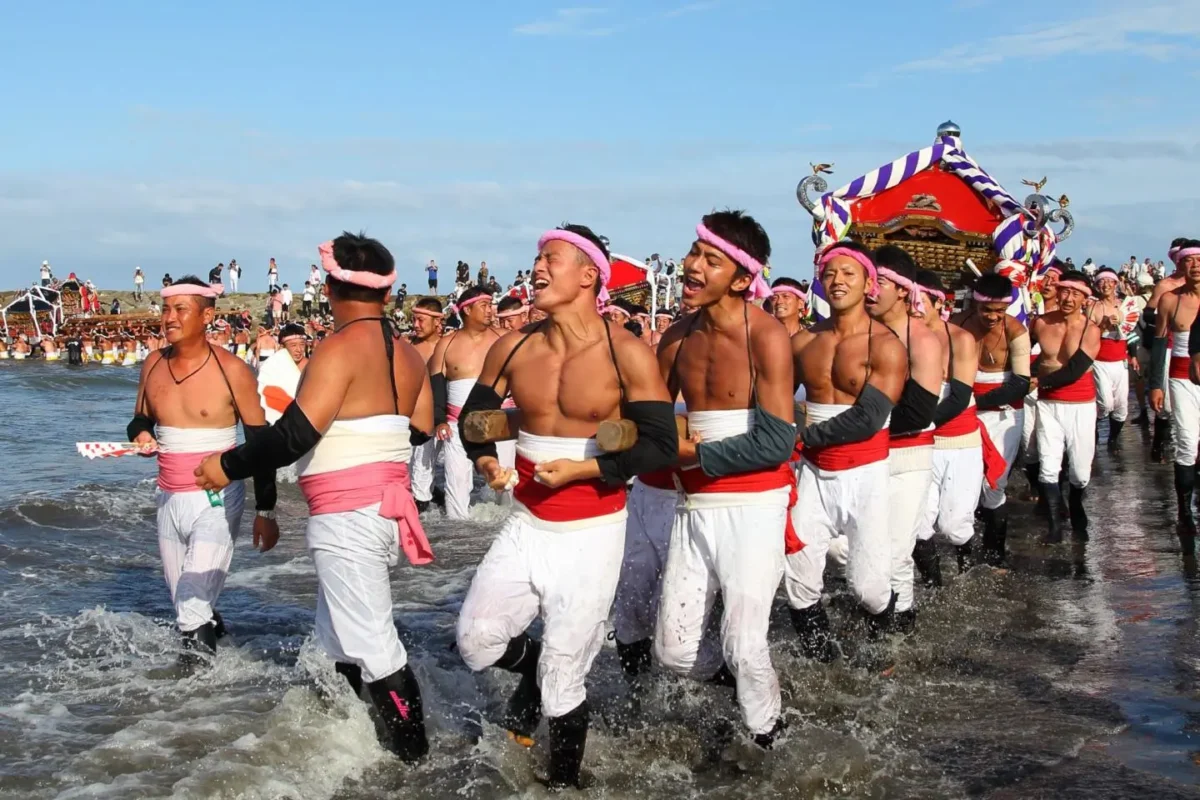
Throughout the multi-day celebration, hundreds of participants clad traditionally in loincloths shoulder the heavy mikoshi, charging with unstoppable momentum through streets, open squares, and even directly into the coastal waters. The crashing of waves blends seamlessly with the thunderous roars of the crowd, the rhythmic beating of traditional drums, and the continuous chanting of festival participants. This dynamic interplay between land and sea creates an intense, unforgettable sensory experience that captivates spectators from across the globe and honors centuries of coastal heritage.
The festival’s origins stretch back hundreds of years, evolving from sacred Shinto purification rites into a magnificent unification of regional pride and community bonding. Affectionately known as one of the region’s most boisterous celebrations, the event highlights the incredible coordination, physical stamina, and camaraderie required to maneuver the heavy shrines through dense, cheering crowds. Whether witnessing the breathtaking beach encounters or the energetic evening processions, visitors are treated to an authentic and exhilarating immersion into traditional Boso peninsula culture.
Enjoy Your Event Stress-Free with Japan Travelo
Do you know? Planning events, festivals, concerts, and cultural experiences in Japan can be overwhelming. Japan Travelo brings everything together in one place, helping you manage your itinerary, transport, and accommodation with ease—so you can enjoy Japan without the stress of planning.
Event Highlights
- The thrilling beach gathering where rival teams charge into the ocean waters carrying their heavy mikoshi shrines aloft.
- The dramatic nocturnal processions illuminated by lanterns and bonfires along the bustling streets of Ohara.
- The thunderous sound of traditional Japanese festival music featuring resonant taiko drums and echoing flutes.
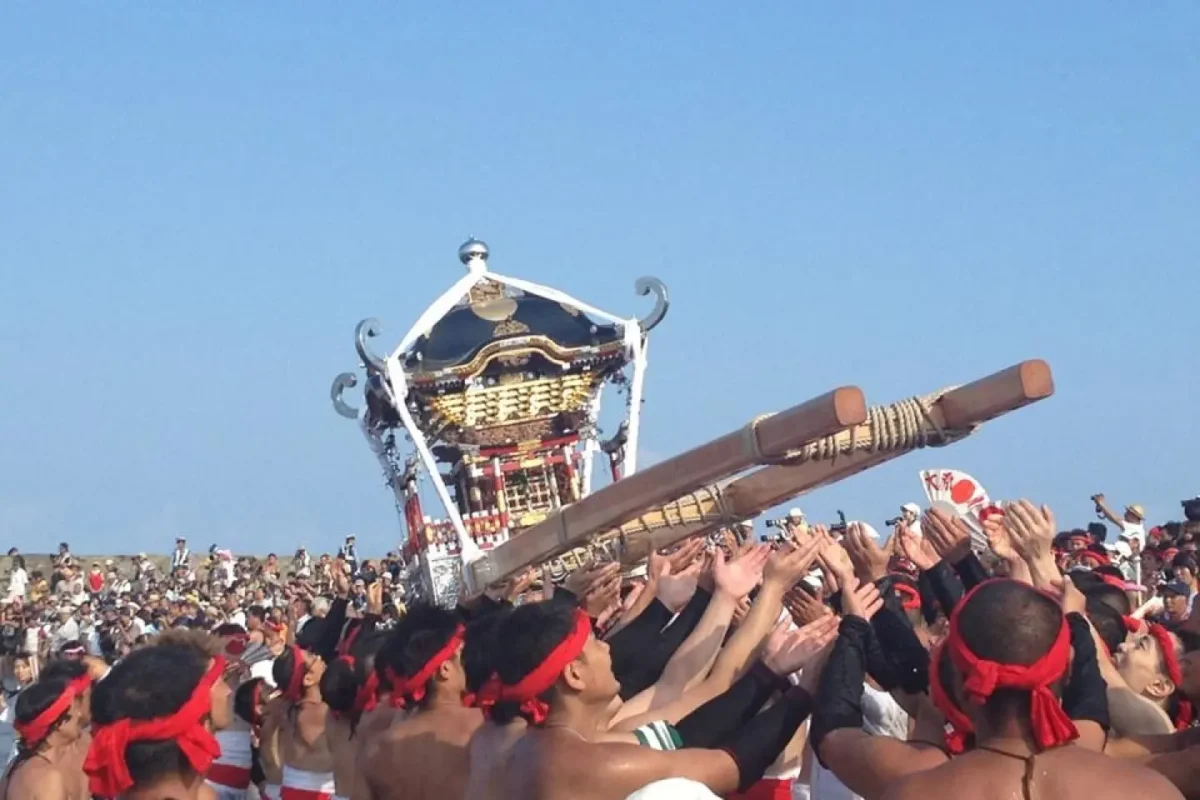
- The iconic communal displays of strength and unity as participants lift and clash the sacred shrines in spirited competition.
Why Attend
This exceptional event is ideally suited for culturally curious travelers, photography enthusiasts, and visitors eager to witness authentic Japanese traditions far removed from typical tourist circuits. It offers a rare opportunity to experience a high-energy community celebration where ancient maritime customs remain a vibrant, living part of everyday local life. Attending allows guests to feel the incredible pulse of Chiba’s autumn festivities and appreciate the profound dedication of local residents to preserving their unique coastal heritage.
Beyond the sheer visual and auditory spectacle, the festival provides a unique window into the deep-seated spiritual bonds uniting coastal neighborhood districts. The combination of intense physical exertion, crashing coastal tides, and festive camaraderie creates an inspiring environment. Visitors leave with a lasting appreciation for Japanese folkloric celebrations and the unmatched, thunderous energy of traditional community festivals.
Date & Duration
- Event Date: Late September 2026 (Dates TBD)
- Event Duration: Two immersive days of continuous cultural processions and coastal rituals
Visiting this event? Don’t miss out on these amazing activities and local experiences while you’re here.
Ticket Information
- How Tickets Are Sold: Public viewing of the outdoor street parades, beach encounters, and general festival grounds is entirely free and accessible to all attendees.
- Admission Type: General admission applies universally to all open-air viewing areas along the parade routes, streets, and coastal venues.
- Ticket Pricing: Free Admission.
- Special Seating Options: Limited spectator viewing areas are occasionally established near major focal points such as Ohara Port for optimized observation.
- VIP Options: None available, as the festival is fundamentally a community-led cultural celebration open equally to all spectators.
Venue / Location
- City and Country: Isumi, Japan
- Venue Name: Ohara Port and surrounding coastal districts across Isumi
- Google Maps Address: Ohara, Isumi-shi, Chiba, Japan
Contact Information
- Phone Number: 0470-62-1111
- Website: https://en.japantravel.com/chiba/ohara-hadaka-naked-man-festival/61385
Accommodation Options:
Accommodation choices across Isumi and the surrounding Boso region feature cozy coastal minshukus, traditional Japanese ryokans, and comfortable local hotels located near major transportation links. Securing reservations well in advance is highly recommended because rooms fill up exceptionally fast during the peak autumn festival dates.
Staying closer to the main transit hubs allows travelers to enjoy seamless rail connections and easy access to the various coastal celebration zones and Ohara Port. These welcoming lodgings provide a comfortable sanctuary for visitors looking to explore both the nocturnal shrine illuminations and daytime beach processions.
Getting There:
- Nearest Airport: Narita International Airport or Haneda Airport, located approximately ninety to one hundred twenty minutes away via express train and regional highway connections.
- Nearest Train/Metro Station: Ohara Station, serving as the central railway hub along the vital Isumi Railway and Kiotto Line network.
- Bus Routes or Public Transport Options: Local bus services and regional transit links connect the central station directly to Ohara Port and major festival viewing grounds.
- Parking Availability: Designated public parking areas are established throughout the port and city districts, though availability remains extremely limited during peak parade hours.
- Directions by Car: Accessible via regional roadways and coastal highway links leading directly toward the port districts of Isumi in Chiba Prefecture.
Dining Recommendations
Breakfast Recommendations:
- Charming local cafes situated near Ohara Station offering comforting Japanese breakfast sets and hot coffee.
- Traditional neighborhood bakeries providing freshly baked artisanal pastries and light morning snacks.
- Established local eateries featuring hearty morning meals incorporating both Western favorites and regional specialties.
Lunch Recommendations:
- Coastal seafood eateries near Ohara Port renowned for serving exceptionally fresh sashimi and seasonal catches from the Pacific.
- Bustling festival food stalls offering delicious grilled yakisoba, savory takoyaki, and seasonal street delicacies.
- Cozy downtown restaurants featuring comforting noodle dishes and satisfying local set meals.
Dinner Recommendations:
- Authentic local izakayas delivering a lively evening atmosphere with small plates and regional beverages.
- Specialized seafood dining spots focusing on fresh local fish, grilled delicacies, and seasonal hot dishes.
- Family-friendly restaurants located throughout the city center offering satisfying comfort foods.
Local Specialties to Try:
- Isumi spiny lobster, a prized regional delicacy harvested fresh from local coastal waters during the autumn season.
- Fresh Pacific bonito and local sashimi bowls served with seasoned regional rice.
- Local Chiba Prefecture peanut confectioneries and artisanal coastal snacks.
What is this event?
The Ohara Hadaka Festival stands as a magnificent traditional autumn celebration held annually in Chiba, Japan, uniquely centered around the grand parading and ocean immersion of heavy portable shrines. It brilliantly combines ancient maritime prayers, resonant festival music, and vibrant community spirit to unite residents in jubilation.
This annual cultural gathering serves as an essential regional tradition wherein teams of participants hoist heavy mikoshi shrines into the sea to pray for bountiful harvests and safe voyages. The festival features dynamic street processions, athletic lifting competitions, and powerful coastal rituals showcasing rich local heritage.
Why is it popular?
The festival is universally beloved for its massive, wonderfully unique naked man tradition where participants brave the surf carrying heavy shrines that effortlessly captivate spectators. It fosters a remarkably powerful sense of community solidarity and contagious excitement rarely found in modern urban celebrations.
Visitors journey from far and wide to witness the high-energy beach encounters and savor the distinct coastal culinary delights characteristic of the Boso region. It represents a truly rare and cherished opportunity to experience authentic, centuries-old traditions within a welcoming environment.
Tips before you go
- Wear comfortable, supportive walking shoes as the extensive festival spans coastal sand and multiple urban streets requiring significant movement.
- Carry a portable electric fan or a cooling wet towel to comfortably manage the warm autumn weather during daytime coastal processions.
- Stay properly hydrated throughout the day by purchasing refreshing beverages from the numerous street stalls or nearby convenience stores.
- Arrive early along the coastal paths and Ohara Port to secure an optimal vantage point for watching the magnificent mikoshi beach entries.
- Respect cherished local customs at all times and attentively follow the helpful instructions provided by festival staff during bustling street events.
Tips for First-Time Visitors
- Listen closely to the synchronized chants of the participants to anticipate the thrilling movements and sudden charges of the shrine teams.
- Research the varying daily schedules and coastal gathering spots in advance to ensure you never miss the key beach immersion performances.
- Sample renowned local seafood delicacies at reputable portside restaurants to fully appreciate the region’s coastal culinary identity.
- Prepare yourself mentally for large, enthusiastic crowds, particularly during the major unified gatherings at Ohara Port and local shrines.
- Modest cash preparation is recommended, as select traditional street vendors and smaller food stalls may not accept electronic card payments.
- Dedicate time to observe the intricate craftsmanship and traditional attire worn by each participating neighborhood team.
Attendee Experiences
- Witnessing hundreds of men carrying heavy shrines directly into the crashing ocean waves was an absolutely breathtaking and unforgettable experience.
- The thunderous cheering of the crowd combined with the splashing water creates an intense wave of energy that you can feel all around you.
- The festival felt wonderfully authentic, deeply welcoming, and stands out as the undisputed highlight of my entire cultural journey to Chiba.
Video
Location
FAQ
What is the deep cultural significance of the mikoshi immersion during the festival?
The heavy portable shrines are carried into the sea as a sacred ritual act designed to purify the deities, appease ocean spirits, and pray for abundant catches and rich agricultural harvests. Throughout the festival, the synchronized charging of these sacred structures symbolizes the strength, unity, and spiritual devotion of the participating coastal communities.
Can international tourists actively participate in the lively festival processions?
While the core teams responsible for carrying the heavy shrines are strictly organized by dedicated local neighborhood members, visitors are enthusiastically welcomed to watch, cheer, and walk alongside the processions on public streets and beaches. Many international travelers discover that the jubilant atmosphere makes them feel thoroughly integrated into the celebration simply through enthusiastic observation and cheering.
How can visitors easily navigate to the main festival grounds directly from the railway station?
The primary festival venues near Ohara Port and surrounding viewing areas are accessible from the central Ohara Station via local transport links and walking routes. Travelers can easily follow directional event signage or listen for the resounding beats of festival drums to guide their way toward the coastal celebrations.
What major ceremonial events take place specifically during the multi-day celebration?
The schedule features remarkable highlights including early morning shrine processions, dynamic street clashes, and the climactic beach gatherings where multiple teams converge near the coastline. Each day offers unique spectacles spread across the different neighborhoods of Isumi City.
Are there any specific behavioral traditions or etiquette rules that visitors should carefully observe?
It remains vital to observe the dynamic street processions strictly from designated spectator zones and consistently avoid crossing into the immediate path of the moving shrine teams. Because the heavy structures require immense physical control and momentum, respecting all spatial barriers and staff directions ensures a safe and enjoyable experience for everyone.

Leave a Reply