
-
November 7, 2026
Event date:
-
November 7, 2026
Event end:
What to expect in 2026
Ohitaki Fire Festival at Kifune Shrine is a traditional Shinto fire ceremony held at Kifune Shrine in the mountains north of Kyoto. Taking place on November 7th, 2026, the festival combines religious observance, sacred fire, seasonal traditions and prayers for protection and good fortune. It offers visitors an opportunity to experience a quieter side of Kyoto’s cultural heritage away from the city’s major commercial festivals.
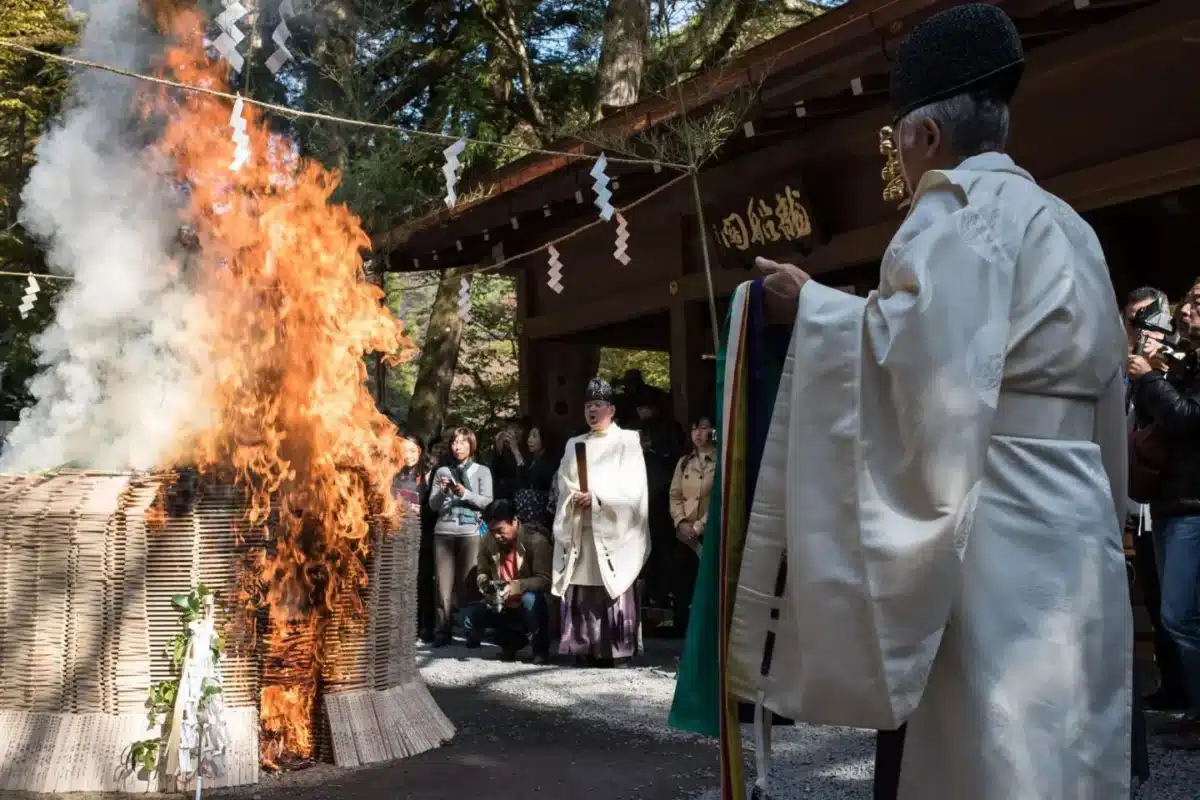
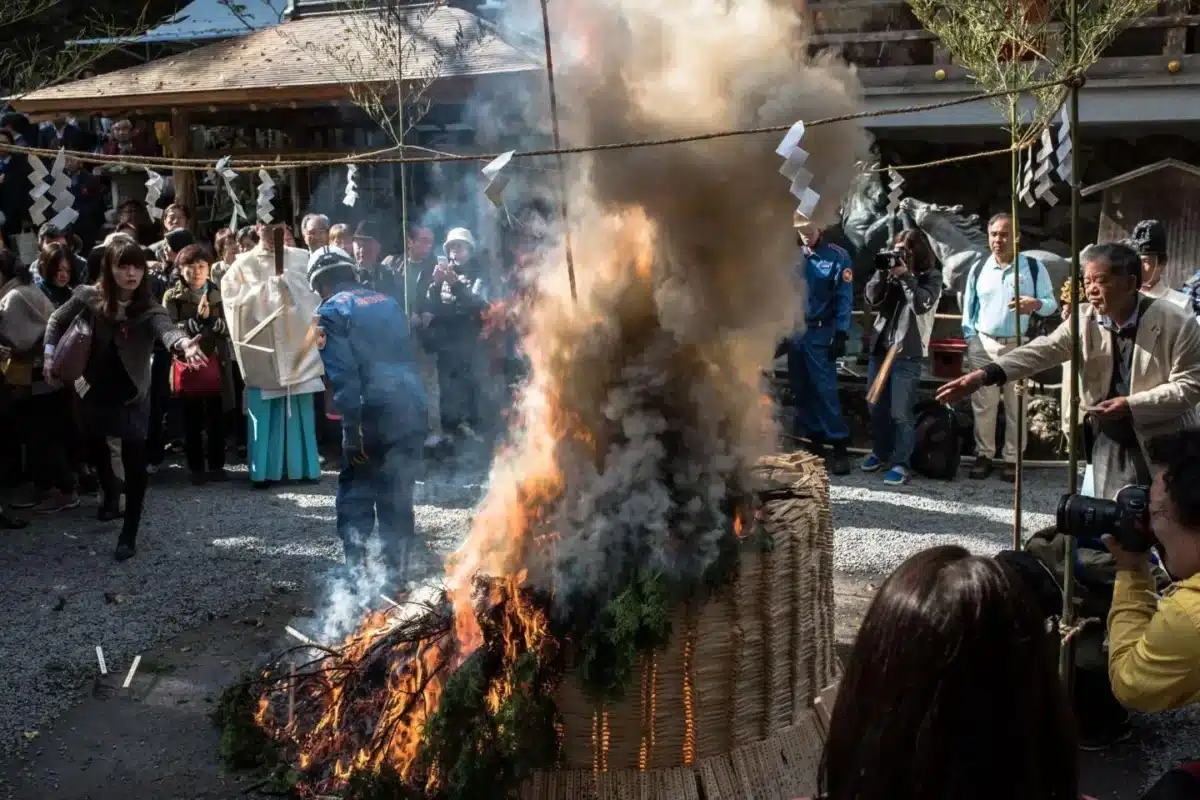
The central feature is the Ohitaki ceremony, during which sacred wooden prayer sticks are burned in a ritual fire. The flames are regarded as a means of carrying prayers toward the divine realm while helping to purify and protect those who participate. Visitors can observe the ceremony and experience the atmosphere of Kifune Shrine during the late-autumn season.
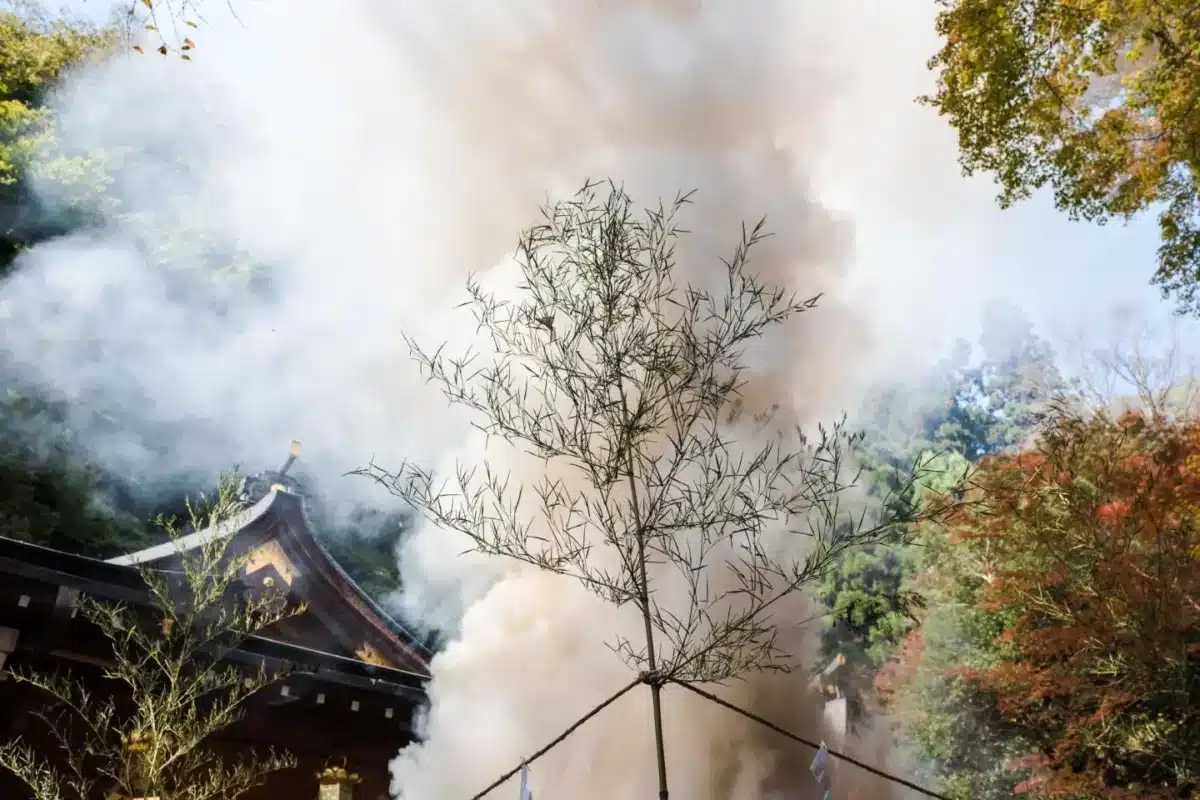
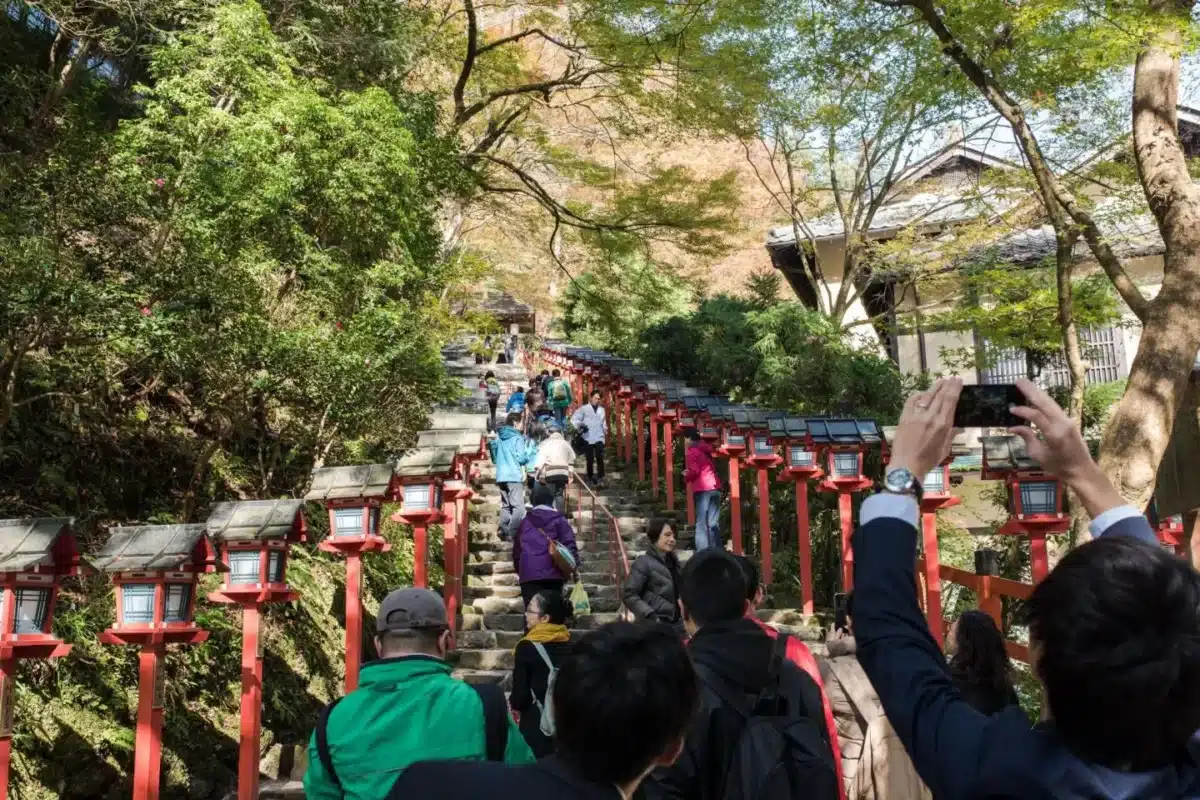
Kifune Shrine is particularly atmospheric in November. The shrine is surrounded by forested mountains, and the approach to the shrine is known for its stone steps and distinctive lanterns. Autumn foliage can add another visual element to the visit, although the exact appearance of the leaves varies from year to year.
Enjoy Your Event Stress-Free with Japan Travelo
Do you know? Planning events, festivals, concerts, and cultural experiences in Japan can be overwhelming. Japan Travelo brings everything together in one place, helping you manage your itinerary, transport, and accommodation with ease—so you can enjoy Japan without the stress of planning.
The festival is primarily a religious and cultural event rather than a large public entertainment festival. Visitors should therefore expect ceremonies, shrine traditions and quiet observation rather than stages, concerts, commercial stalls or a large food market.
The Ohitaki Fire Festival provides an especially interesting opportunity for travelers who want to understand the relationship between Japanese Shinto practices, agriculture, seasonal change and traditional prayers for wellbeing.
Event dates
Ohitaki Fire Festival at Kifune Shrine is scheduled for:
- Date: November 7th, 2026
- Day: Saturday
- Location: Kifune Shrine, Kyoto, Japan
- Season: Late autumn
- Festival type: Shinto religious and cultural ceremony
The event takes place as part of Kifune Shrine’s annual traditional calendar. Visitors should allow additional time around the ceremony because Kifune is located in a mountainous area north of central Kyoto.
Ceremony times can be different from ordinary shrine opening and visiting hours, so travelers should confirm the final schedule with Kifune Shrine before making a special journey for the festival.
Visiting this event? Don’t miss out on these amazing activities and local experiences while you’re here.
Venues & festival locations
The principal venue is Kifune Shrine, a historic Shinto shrine associated with the Kifune area of northern Kyoto.
The shrine is located along the Kifune River in a forested mountain valley. Its setting is one of the major attractions of attending the festival, particularly in autumn when the surrounding landscape can display seasonal colors.
The festival activity is centered on the shrine grounds and its sacred spaces rather than a collection of separate festival venues.
Main venue
Kifune Shrine
180 Kurama Kibunecho, Sakyo Ward, Kyoto, Japan
The shrine complex includes several important areas, including the approach leading toward the main sanctuary. The traditional architecture, forest setting and stone lanterns create a very different environment from central Kyoto’s busy streets.
Because the ceremony is a religious observance, visitors should follow instructions from shrine staff regarding where they may stand, walk or take photographs.
Full cultural programme
The cultural programme of Ohitaki is focused on Shinto ritual rather than a conventional stage programme.
The central ceremony involves the sacred burning of wooden prayer sticks. These may carry written prayers or wishes and are placed into the ceremonial fire according to shrine customs.
The fire represents purification and spiritual protection. The ritual is connected with the traditional practice of giving thanks and praying for wellbeing, while also reflecting older Japanese agricultural and seasonal customs.
Visitors can expect elements such as:
- Shinto purification and ceremonial preparations
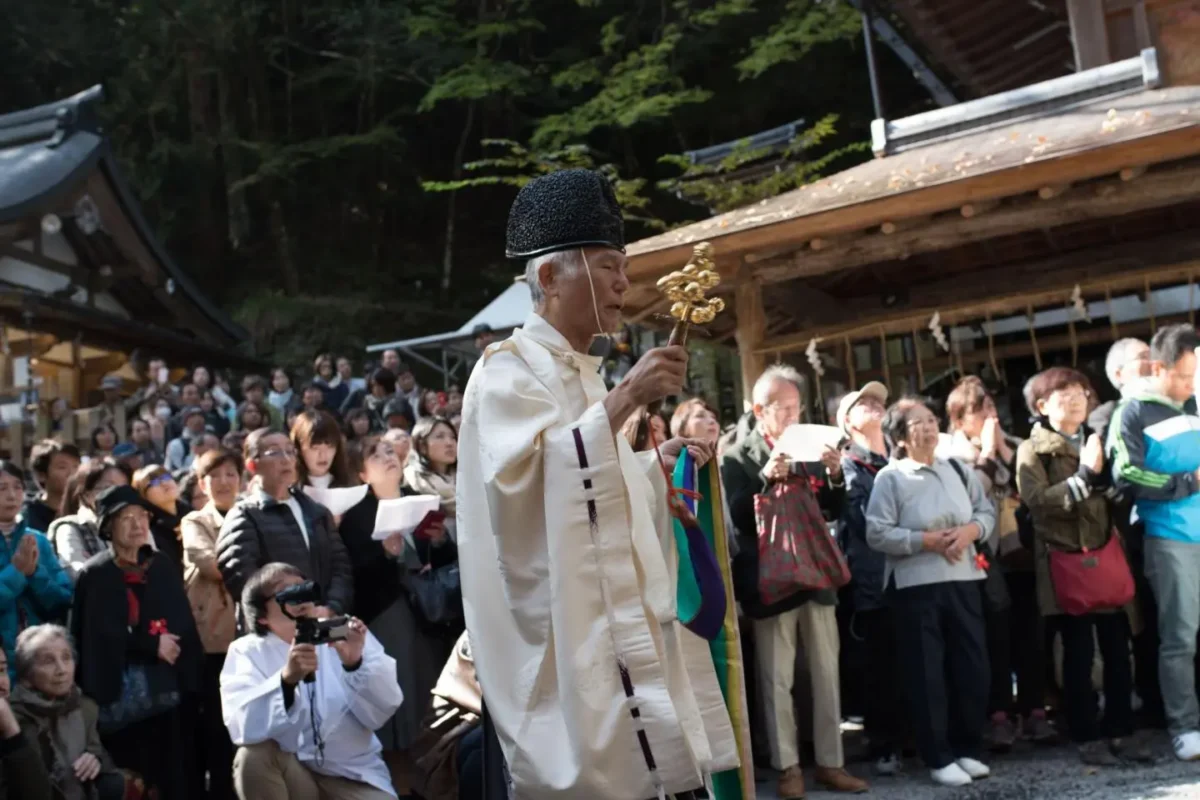
- Ritual prayers conducted by shrine priests
- Burning of sacred prayer sticks
- Offerings and formal shrine observances
- Seasonal prayers for health and protection
- Traditional Shinto atmosphere and shrine architecture
- Observation of Japanese religious customs
The experience is best approached as a cultural and spiritual ceremony. Travelers should avoid treating the ritual as a theatrical performance and should observe quietly.
Featured traditions & performances
One of the most important aspects of the festival is the traditional Ohitaki fire ritual itself.
Ohitaki refers to a sacred fire ceremony in which wooden prayer sticks are burned. The ritual reflects the importance of fire in Japanese religious traditions and its symbolic connection with purification.
Kifune Shrine has a long history of ceremonies connected with prayers, nature and the seasonal cycle. The shrine is particularly associated with water-related beliefs, making the contrast between the shrine’s water traditions and the ceremonial fire especially interesting from a cultural perspective.
Traditional Shinto priests conduct the formal religious portions of the ceremony. Visitors may be able to observe the ritual preparations, prayers and burning of the wooden sticks depending on the arrangements and access permitted on the day.
The forest environment, shrine architecture and autumn setting also form an important part of the cultural experience.
Historical & heritage highlights
Kifune Shrine is one of Kyoto’s historic religious sites and has long been associated with the sacred Kifune area and its mountain environment.
The shrine is traditionally connected with the worship of Takaokami no Kami, a deity associated with water. This connection reflects the historical importance of water to agriculture, communities and everyday life in Japan.
Kifune’s location in a wooded valley is also central to its identity. Rather than being an isolated architectural monument, the shrine forms part of a wider cultural landscape involving mountains, forests and the Kifune River.
For visitors attending Ohitaki, the historical experience extends beyond the fire ceremony itself. The journey through the mountain landscape and the approach to the shrine provide context for understanding why the site developed as a place of worship.
The festival therefore offers an opportunity to combine religious heritage with Kyoto’s autumn scenery.
Events & activities schedule
The detailed 2026 ceremony timetable should be confirmed with Kifune Shrine before the event.
A typical visit can include several stages:
- Arrival at Kifune Shrine: Visitors make their way through the traditional shrine approach and surrounding forest.
- Festival preparations: Shrine personnel prepare the ceremonial area and materials used during the ritual.
- Shinto ceremony: Priests conduct formal prayers and religious observances.
- Ohitaki fire ritual: Sacred wooden prayer sticks are burned in the ceremonial fire.
- Observation and shrine visit: Visitors can experience the shrine grounds and surrounding cultural landscape.
- Post-ceremony visit: Travelers can continue exploring the Kifune area and nearby traditional establishments.
The exact sequence and visitor access can change according to shrine arrangements. Visitors should not assume that every part of the ceremony will be open for unrestricted participation.
Ticket types & entry options
Ohitaki Fire Festival is fundamentally a shrine ceremony rather than a ticketed commercial festival.
There is generally no conventional festival admission ticket comparable to those used for concerts or large cultural events. Visitors can attend the shrine and observe the publicly accessible aspects of the ceremony subject to shrine rules and crowd management.
Potential costs associated with a visit may instead relate to optional shrine services, offerings, transportation or purchases made independently around the Kifune area.
Because the 2026 festival is a religious ceremony, travelers should not expect a standard package containing general admission, reserved seating or festival passes.
Visitors interested in making a formal offering or participating in a shrine service should confirm the applicable arrangements directly with Kifune Shrine.
Guided tours & cultural experiences
There is no requirement to book a guided tour simply to visit Kifune Shrine for the festival.
Independent travelers can experience the shrine, surrounding forest and festival atmosphere on their own. However, a knowledgeable guide can add useful historical context, particularly for visitors unfamiliar with Shinto terminology and Japanese religious customs.
A cultural visit can include:
- Learning about Shinto shrine etiquette
- Understanding the significance of sacred fire
- Exploring Kifune Shrine’s connection with water
- Learning about traditional Japanese seasonal festivals
- Viewing the surrounding mountain landscape
- Visiting nearby cultural and dining establishments
Travelers using a private or organized tour should confirm whether the festival ceremony itself is included in the itinerary. Tour operators may also have their own meeting points and transportation arrangements.
Special ceremonies & celebrations
The Ohitaki ceremony is the defining special observance of the event.
The sacred fire provides the focal point for prayers and purification. The burning of wooden prayer sticks represents an important part of the traditional ceremony and gives the festival its distinctive character.
The event also reflects the seasonal transition into late autumn. At Kifune, this creates a particularly atmospheric combination of religious tradition, mountain scenery and changing foliage.
Visitors should remember that the ceremony is not primarily designed as a tourist performance. Its religious purpose remains central, and respectful observation is an important part of the experience.
Photography may be possible in some areas, but visitors should follow any restrictions announced by shrine staff.
Festival rules
As Ohitaki is held at an active Shinto shrine, normal shrine etiquette applies throughout the visit.
Visitors should:
- Follow instructions from shrine staff and priests.
- Keep voices low during ceremonies.
- Avoid entering restricted or sacred areas.
- Follow any photography restrictions.
- Avoid blocking ceremonial pathways.
- Dress appropriately for a religious site and cool mountain weather.
- Dispose of waste properly.
- Avoid touching religious objects unless permission is given.
- Respect worshippers participating in prayers.
- Follow fire-safety instructions around the ceremonial area.
The fire is a sacred ritual element and should not be treated as an ordinary public bonfire. Visitors should remain behind any designated boundaries and allow shrine personnel to manage the ceremony.
How to get there
Kifune Shrine is in northern Kyoto, in the mountainous Sakyo Ward area.
From central Kyoto, travelers generally use a combination of train and local transportation to reach the Kifune area.
One commonly used route involves traveling toward Demachiyanagi Station and then taking the Eizan Railway toward Kibuneguchi Station. From there, visitors can continue toward Kifune by local bus or taxi before walking the remaining distance to the shrine.
The final approach includes a walk through the scenic Kifune area, making comfortable footwear particularly useful.
Visitors traveling during November should also allow extra time because autumn foliage season can increase demand for transportation in northern Kyoto.
Public transport & parking
Public transportation is the most practical option for most festival visitors.
Train and local transport
The Eizan Railway provides access toward Kibuneguchi Station. From the station, local buses and taxis can be used to continue toward Kifune.
Because the shrine is in a mountain valley, the final section of the journey is not comparable to visiting a shrine immediately beside a central Kyoto train station.
Bus and taxi
Local buses operate toward the Kifune area, although schedules and frequency can vary. Taxis provide another option, particularly for travelers carrying luggage or visiting as a small group.
Parking
Parking in the immediate shrine area is limited compared with major urban attractions. Festival visitors should not assume that convenient parking will be available on November 7th.
Public transport is preferable, especially during the autumn sightseeing season.
Accommodation areas
Visitors attending the festival can stay in central Kyoto and make a day trip to Kifune, or choose accommodation in areas closer to northern Kyoto.
Central Kyoto
Staying around Kyoto Station provides convenient connections for travelers arriving by Shinkansen and offers a wide range of hotels and restaurants.
Downtown Kyoto
The Kawaramachi, Gion and Sanjo areas are convenient for combining the festival with other Kyoto attractions.
Northeastern Kyoto
Staying closer to the Sakyo Ward area can reduce travel time toward Kifune and make it easier to explore other northern Kyoto attractions.
Kibune and surrounding mountain areas
Accommodation in the Kifune area provides a more traditional and scenic experience, although availability can be limited and prices can be higher during autumn.
Travelers visiting during peak foliage season should reserve accommodation well in advance.
Food & traditional specialties
Food is not the primary focus of Ohitaki Fire Festival, but the Kifune area is known for traditional Japanese dining, particularly establishments associated with the river and mountain setting.
Kifune is famous for seasonal cuisine and traditional Japanese dining experiences. Depending on the season and restaurant, visitors may encounter dishes featuring local vegetables, tofu, fish and other Japanese ingredients.
The wider Kyoto region also offers many traditional specialties that can be enjoyed before or after visiting the shrine.
Popular Kyoto foods include:
- Kyoto-style seasonal vegetables
- Yudofu, or hot tofu
- Soba noodles
- Traditional Japanese sweets
- Pickled vegetables
- Matcha-based desserts
- Seasonal kaiseki cuisine
Because November is an important autumn travel period, reservations may be advisable for restaurants in popular tourist areas.
Accessibility
Kifune Shrine’s mountain setting means that accessibility can be more challenging than at many centrally located Kyoto attractions.
The approach includes uneven surfaces, stone steps and sloping areas. Autumn weather can also make paths damp or slippery.
Visitors with mobility requirements should plan the journey carefully and confirm current accessibility arrangements before traveling.
The combination of train, bus, walking and mountainous terrain can also make the journey more demanding for visitors who cannot comfortably walk for extended periods.
Visitors requiring assistance should contact the shrine or local transportation providers before the festival to understand the available options.
Best cultural experiences
The strongest cultural experiences at Ohitaki Fire Festival come from observing the ceremony and understanding the traditions behind it.
Watch the sacred fire ceremony
The Ohitaki ritual is the central experience. Observe the burning of prayer sticks and the formal Shinto ceremony conducted by shrine priests.
Explore Kifune Shrine
Allow time to see the shrine complex rather than arriving immediately before the ceremony and leaving afterward.
Experience the autumn landscape
November can provide a beautiful seasonal setting around Kifune. The surrounding forest and mountain valley are an important part of the experience.
Learn about water worship
Kifune Shrine’s historic connection with water provides valuable context for understanding the site’s religious importance.
Observe shrine etiquette
Taking part respectfully in the atmosphere of the shrine can be as meaningful as photographing the ceremony.
Explore the Kifune area
Traditional restaurants, forest scenery and the Kifune River make the surrounding area worth exploring before or after the festival.
Previous year’s highlights
Previous editions of Ohitaki Fire Festival have centered on the same essential tradition: a sacred fire ceremony at Kifune Shrine involving the burning of prayer sticks and Shinto prayers.
The event’s appeal comes from its authenticity and intimate scale rather than from large-scale entertainment.
Visitors have the opportunity to see a traditional religious ceremony taking place within one of Kyoto’s distinctive mountain shrine environments. The combination of fire, autumn scenery, shrine architecture and formal Shinto observances creates a memorable cultural setting.
The surrounding Kifune area also provides additional opportunities for seasonal sightseeing. Travelers visiting in November may combine the festival with autumn foliage viewing and visits to other northern Kyoto attractions.
The exact programme and visitor arrangements can vary from year to year, so the 2026 ceremony should be checked against the shrine’s latest official information.
Official tickets
Ohitaki Fire Festival is not generally operated as a conventional ticketed festival. Visitors should therefore look for official shrine information rather than third-party festival tickets.
For official information about Kifune Shrine, ceremonies and visitor arrangements, consult:
https://kifunejinja.jp/
The Japan Travel event page also provides background information about the festival:
https://en.japantravel.com/kyoto/ohitaki-fire-festival-kifune-shrine/32835
Before traveling on November 7th, 2026, visitors should confirm the final ceremony schedule, access arrangements and any special instructions directly with the shrine.
Location
FAQ
What is the primary spiritual purpose of the Ohitaki Fire Festival held at Kifune Shrine?
The festival harnesses the sacred power of a massive bonfire to cleanse participants of impurities, negative karma, and spiritual defilements. It acts as an essential autumn purification rite to reset the spirit before the arrival of winter.
Are visitors permitted to participate actively in the fire burning ritual?
Attendees can write their personal wishes and names onto wooden goma prayer sticks provided by the shrine. Toward the conclusion of the ceremony, participants are invited to help cast these sticks into the blazing pyre.
Is there any admission fee required to enter the shrine grounds for this event?
General admission to Kifune Shrine and the outdoor festival grounds is entirely free for all members of the public. Visitors only incur costs if they choose to purchase dedicated wooden prayer sticks or make monetary offerings.
What is the best way to travel to Kifune Shrine from central Kyoto using public transport?
Travelers can take the Eizan Dentetsu train from Demachiyanagi Station to Kibuneguchi Station, followed by a short local bus or a scenic walk up the valley. Direct buses from Kyoto Station are also available for those preferring a direct route.
What should visitors wear to ensure a comfortable experience in the mountain valley?
Dressing in warm, multi-layered winter clothing, including thermal base layers, a heavy jacket, and sturdy walking shoes, is essential. Mountain temperatures drop swiftly, and standing outdoors during the fire ritual requires protection against the cold chill.

Leave a Reply