
Overview
The Oni Fest on Mt. Yoshino is a magnificent and culturally fascinating winter festival held annually at the historic UNESCO-listed Kinpusenji Temple in Nara’s scenic Yoshino District. This grand traditional event offers a uniquely heartwarming twist on the nationwide Setsubun celebrations, welcoming the arrival of spring by transforming fearsome demons into benevolent protectors rather than driving them away. Set against the majestic mountain backdrop and historic temple architecture, the festival transforms the sacred grounds into a vibrant center of ancient Shugendo rituals, community devotion, and joyous festivity.
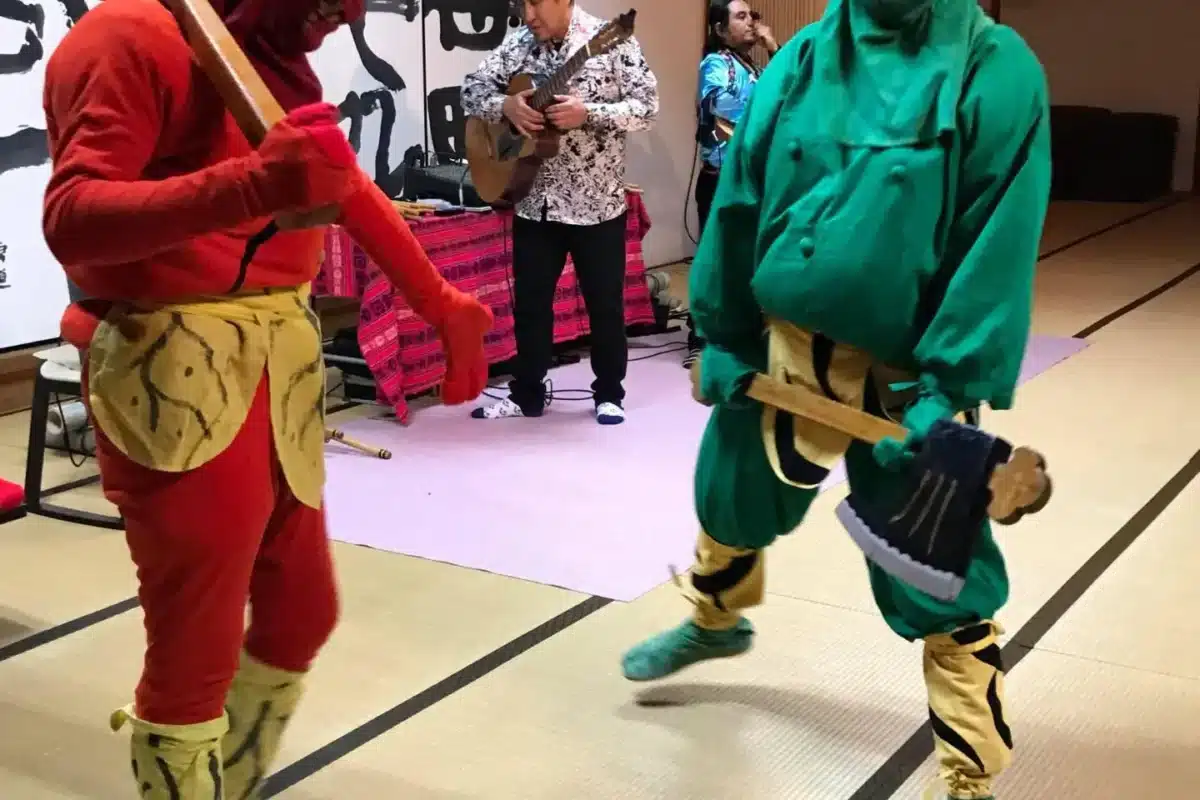
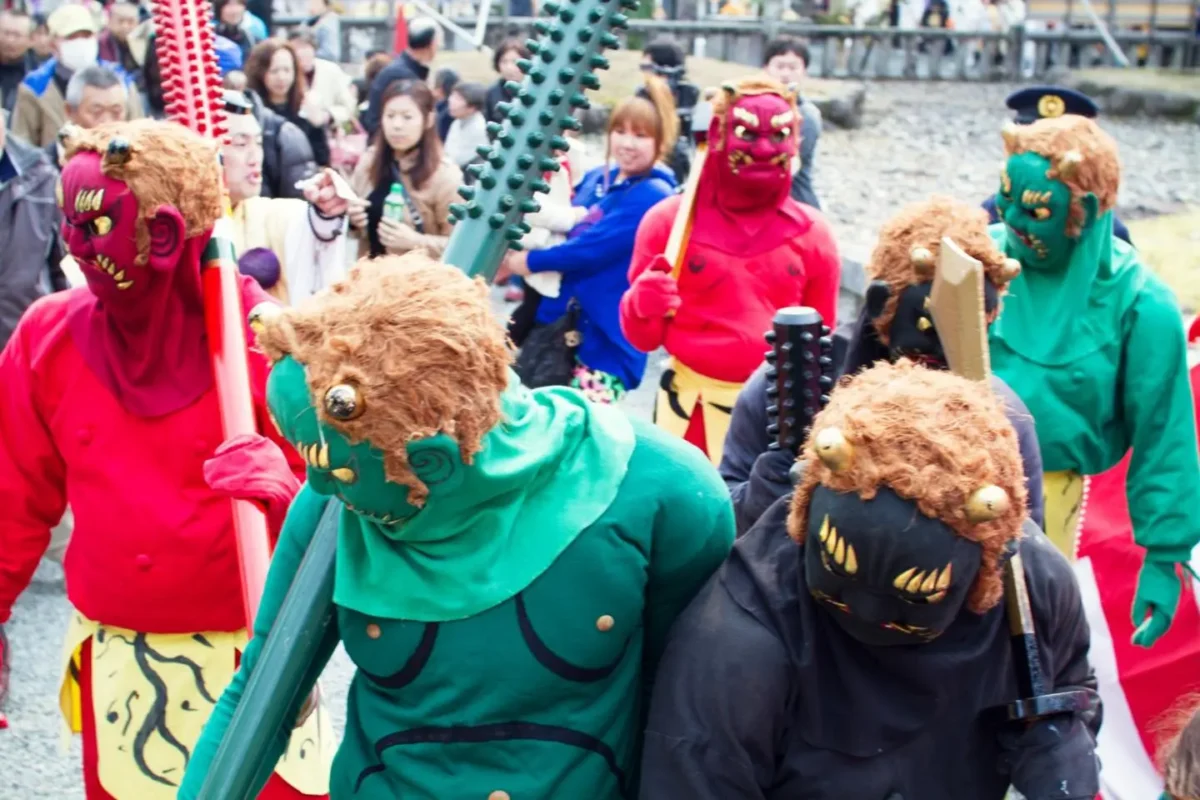
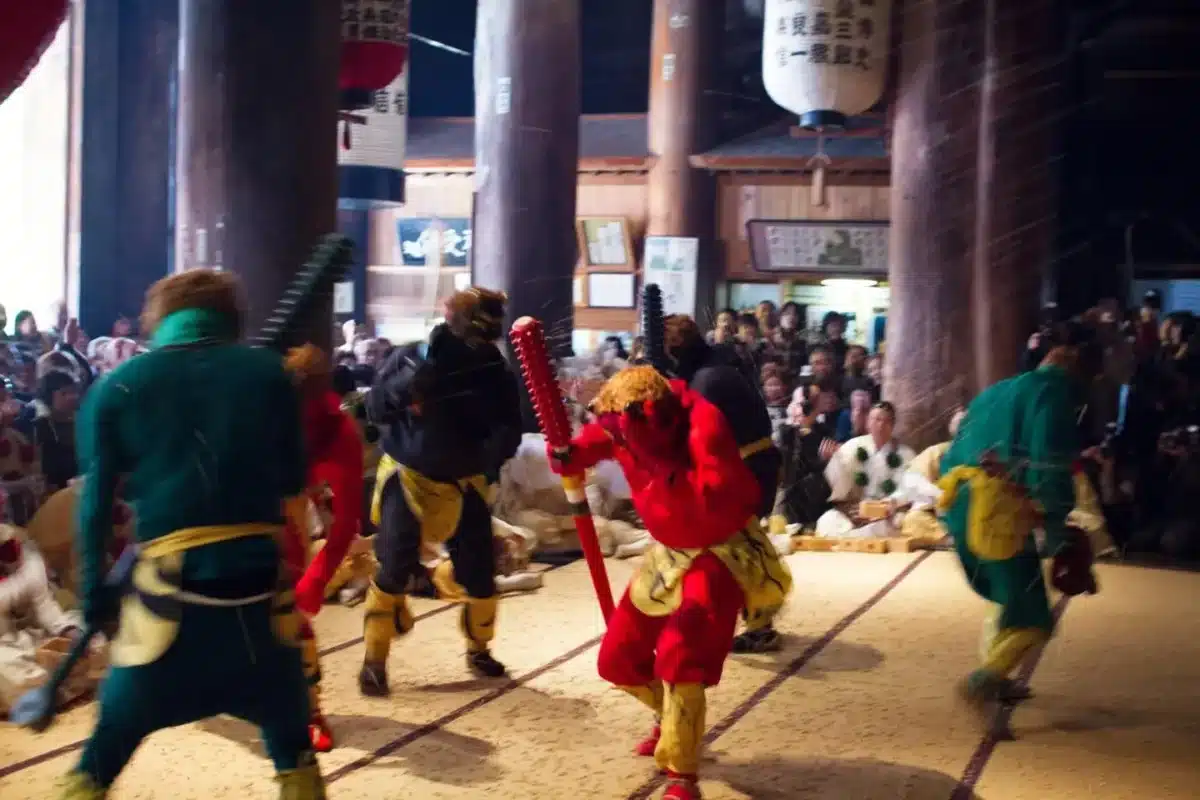
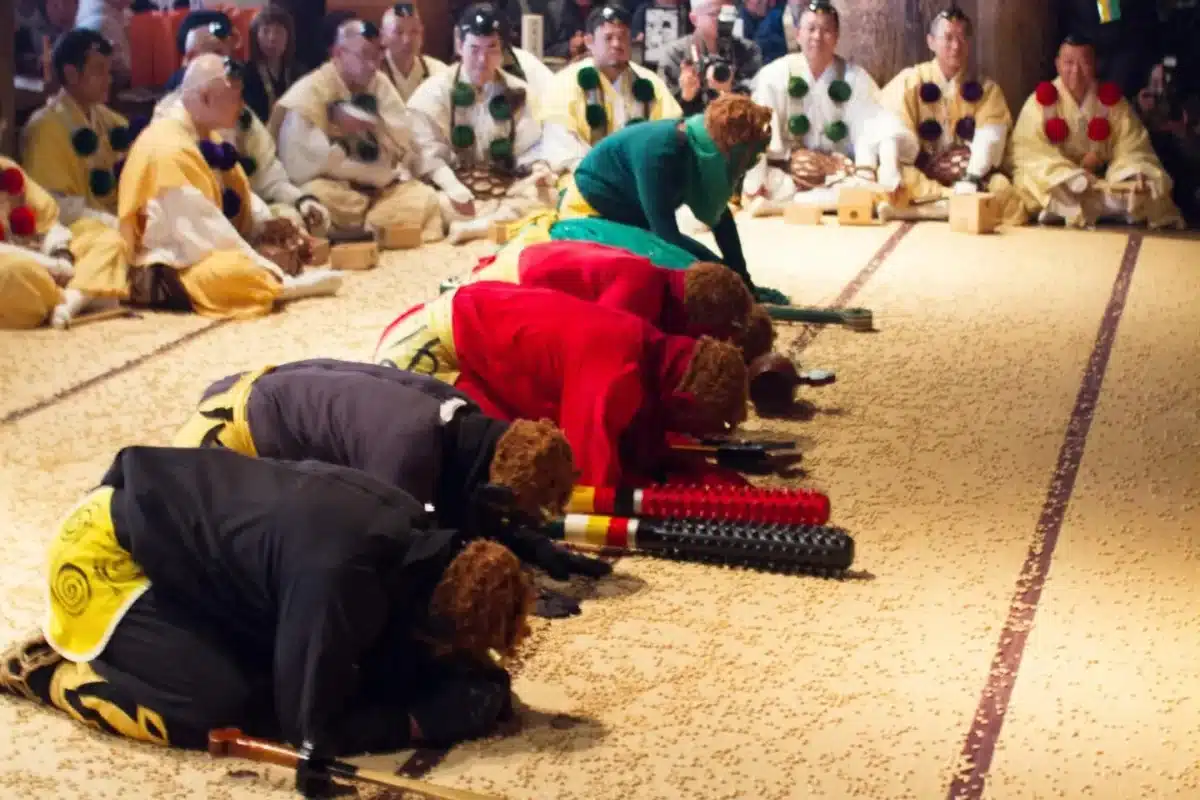
The centerpiece of the celebration is the legendary Demon Taming Ceremony and vibrant demon dance performances. Unlike traditional temples across Japan, Kinpusenji Temple welcomes spirits with the traditional chant “Bring fortune within, demons come in,” symbolizing inner spiritual transformation and enlightenment. Visitors can witness costumed red and blue demons participating in sacred fire rituals, energetic taiko drum performances, and lively evening processions along the mountain paths while interacting with local residents and travelers.
Beyond the thrilling ceremonies, the festival offers a unique cultural window into the ancient mountain asceticism founded over thirteen centuries ago. Visitors can explore the magnificent temple halls, enjoy special local culinary treats at community pop-ups, and experience the warm mountain hospitality of traditional ryokan inns nestled on the slopes. It stands out as one of Kansai’s most enchanting winter traditions, uniting deep spiritual heritage with an atmosphere of communal joy.
Enjoy Your Event Stress-Free with Japan Travelo
Do you know? Planning events, festivals, concerts, and cultural experiences in Japan can be overwhelming. Japan Travelo brings everything together in one place, helping you manage your itinerary, transport, and accommodation with ease—so you can enjoy Japan without the stress of planning.
Event Highlights
- Witness the unique Demon Taming Ceremony at Kinpusenji Temple, where reformed demons participate in sacred rituals and celebratory dances.
- Experience the dramatic Shinto fire ceremony and powerful taiko drum performances echoing across the sacred mountain grounds.
- Enjoy lively evening street parades featuring costumed demons interacting cheerfully with festival-goers and local residents.
- Explore the UNESCO-listed temple precincts of Mt. Yoshino while engaging with centuries-old Shugendo traditions and mountain history.
Why Attend
This event is ideal for international cultural travelers, photography enthusiasts, and visitors seeking an authentic, deeply meaningful immersion into traditional Japanese winter customs. Attending offers a rare opportunity to experience a legendary Setsubun variation that cannot be witnessed anywhere else, highlighting themes of compassion, inner renewal, and spiritual harmony. The striking visual contrast of colorful demons dancing around blazing bonfires creates an unforgettable memory.
Furthermore, attending the festival allows travelers to experience the peaceful beauty of Mt. Yoshino during its quietest and most atmospheric season. Whether you are eager to capture dynamic cultural photographs or simply want to partake in a joyful community celebration, the festival provides a rewarding and uplifting journey.
Date & Duration:
- Event Date: Mid Jan – Early February 2027 (Dates TBD)
- Event Duration: The festive celebrations span multiple days of special cultural exhibitions, local food events, and main temple rituals.
Visiting this event? Don’t miss out on these amazing activities and local experiences while you’re here.
Ticket Information:
- How Tickets Are Sold: This is an open-air public temple festival conducted freely across the expansive grounds of Kinpusenji Temple, requiring no advance tickets for general attendance.
- Admission Type: Free Admission.
- Ticket Pricing: Free Admission.
- Special Seating Options: There are no reserved seating arrangements for general spectators as the event is designed for open public viewing around the temple courtyards.
- VIP Options: There are no VIP ticketing tiers or exclusive viewing packages available for this community temple event.
Venue / Location:
- City and Country: Yoshino, Nara, Japan
- Venue Name: Kinpusenji Temple / Yoshinoyama Area
- Google Maps Address: 2498 Yoshinoyama, Yoshino, Yoshino District, Nara 639-3115, Japan
Contact Information:
- Email: info@yoshino-kankou.jp
- Phone Number: 0746-34-2522
- Official Website: www.yoshino-kankou.jp
Accommodation Options
Mt. Yoshino offers a wonderful selection of traditional ryokan inns and guesthouses, many of which provide special seasonal accommodation plans for festival visitors. Staying overnight on the mountain allows you to experience the tranquil evening atmosphere and enjoy traditional multi-course dinners featuring local mountain delicacies.
Because winter accommodations on Mt. Yoshino can fill up quickly with cultural tourists attending the festival, booking your preferred lodging well in advance is highly recommended. Choosing an inn in this historic district provides an ideal base for exploring both the temple ceremonies and the surrounding scenic trails.
Getting There
- Nearest Airport: Kansai International Airport, situated approximately forty-five miles away from the Yoshino region.
- Nearest Train/Metro Station: Yoshino Station on the Kintetsu Yoshino Line, accessible directly via express trains from Osaka-Abenobashi Station.
- Bus Routes or Public Transport Options: Local shuttle buses and ropeway services connect Yoshino Station directly to the mountain temple venues during the festival period.
- Parking Availability: Public parking spaces are available on Mt. Yoshino, though utilizing convenient public rail transit is strongly advised during major event days.
- Directions by Car: Accessible via regional highways and scenic mountain roadways leading directly through the Yoshino District toward the mountain town.
Dining Recommendations
- Breakfast Recommendations:
- Traditional multi-course Japanese breakfasts served at your mountainside ryokan inn.
- Cozy local cafes near Yoshino Station offering comforting morning coffee and tea sets.
- Historic tea houses providing warm morning snacks and traditional sweets.
- Lunch Recommendations:
- Local specialty shops serving Kaki-no-ha sushi, a regional delicacy of rice and fish wrapped in persimmon leaves.
- Traditional mountain noodle houses offering steaming bowls of hot kitsune and tempura udon.
- Cozy neighborhood restaurants serving hearty duck meat dishes and local set meals.
- Dinner Recommendations:
- Exquisite Kaiseki dinners at local ryokans showcasing seasonal mountain vegetables and fresh river fish.
- Traditional dining establishments in the town center offering comforting hot pot dishes.
- Local eateries featuring regional delicacies like sweet kuzu mochi desserts.
- Local Specialties to Try:
- Kaki-no-ha sushi, savory pressed sushi wrapped in fragrant persimmon leaves.
- Kuzu mochi, a smooth and chewy traditional confectionery made from arrowroot flour.
- Warm roasted soybeans and comforting regional winter soups served during festival gatherings.
What is this event?
The Oni Fest on Mt. Yoshino is a renowned annual winter festival held at the historic Kinpusenji Temple in Nara Prefecture. It celebrates the traditional seasonal transition of Setsubun with a unique twist that welcomes and transforms demons rather than expelling them.
This grand celebration features dramatic fire rituals, sacred chanting, and lively street parades starring costumed demon characters. It serves to promote spiritual renewal, compassion, and community harmony at the start of the year.
Why is it popular?
The festival achieves widespread renown because of its unique and heartwarming philosophy of welcoming demons with the blessing “Bring fortune within, demons come in.” The striking visual artistry of the rituals and the stunning mountain setting draw cultural enthusiasts from across the country.
It is also celebrated for its deep historical roots in Shugendo mountain asceticism and its welcoming, festive community atmosphere. This rare blend of sacred heritage and joyful public performance makes it an absolute favorite winter destination.
Tips before you go
- Arrive early in the day to secure a comfortable viewing spot for the main temple ceremonies and fire rituals.
- Wear warm winter layers, thermal clothing, and sturdy walking shoes, as mountain temperatures can be quite cold in January and February.
- Carry a compact camera or smartphone with extra battery power to capture the vibrant costumes and evening bonfire scenes.
- Respect all temple structures, monks, and participating performers while observing the sacred rituals.
- Check local train timetables in advance to ensure smooth travel connections between Osaka and Yoshino Station.
Tips for First-Time Visitors
- Plan your railway journey in advance using the Kintetsu Line from Osaka-Abenobashi Station for a direct and seamless trip to Yoshino.
- Take time to explore the majestic Zao-do Hall at Kinpusenji Temple, housing towering statues of fierce guardian deities.
- Familiarize yourself with the schedule of events so you can experience both daytime temple rituals and evening celebrations.
- Consider booking an overnight stay at a local ryokan to fully immerse yourself in the mountain hospitality and winter atmosphere.
- Keep small cash handy for purchasing local street foods, souvenirs, and regional delicacies from festival vendors.
- Enjoy the friendly guidance of local volunteers and tourism staff who warmly welcome international visitors to the mountain.
Attendee Experiences
- Witnessing the powerful fire ritual and watching the friendly demons dance around the bonfire was an unforgettable cultural experience.
- The serene spiritual energy of Mt. Yoshino combined with the joyful festival atmosphere made the journey deeply rewarding.
- Tasting the local persimmon-leaf sushi and exploring the historic temple halls added a wonderful flavor to our winter trip.
Location
FAQ
What is the unique philosophy behind the greeting used at Oni Fest?
Unlike standard Setsubun celebrations across Japan that chant "Devils out," Kinpusenji Temple welcomes spirits with "Bring fortune within, demons come in." This reflects the compassionate teachings of Shugendo, focusing on the spiritual transformation of troubled souls toward enlightenment.
Is admission required to enter the Kinpusenji Temple festival area?
Access to the temple grounds and general public viewing spaces for the Oni Fest events is entirely free for everyone. Visitors can freely explore the precinct and observe the ceremonies without purchasing tickets.
What are the origins of the demon traditions on Mt. Yoshino?
According to legend, the mountain's founder En no Gyoja subdued unruly mountain spirits centuries ago, teaching them the path of righteousness so they could become loyal protectors. This foundational myth is reenacted annually through the festival's rituals and dances.
Are there special food and drink events associated with the festival?
Local cafes, restaurants, and temple booths frequently host special seasonal offerings, including regional delicacies like Kaki-no-ha sushi and sweet kuzu mochi. Some neighborhood venues also organize festive gatherings and live musical entertainment for visitors.
How cold is the weather on Mt. Yoshino during January and February?
Winter temperatures on Mt. Yoshino can drop significantly, especially in the evenings after the sun goes down. Visitors are strongly advised to dress in warm winter coats, scarves, gloves, and layered clothing to stay comfortable during outdoor events.

Leave a Reply