
-
October 18, 2026
Event date:
-
November 21, 2026
Event end:
Story & Four-Act Structure
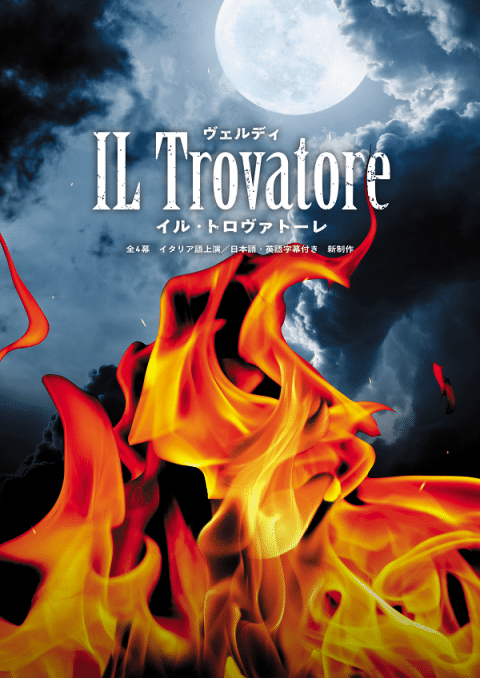
Verdi’s masterpiece unfolds through a powerful four-act structure set against the backdrop of fifteenth-century Spain, blending political rivalry with deeply personal vendettas. The narrative plunges audiences into a world where noble court intrigues collide with dark gypsy curses, driving characters toward an inevitable, devastating climax. Each act systematically strips away layers of deception, exposing the terrifying truth behind family ties and ancient grievances.
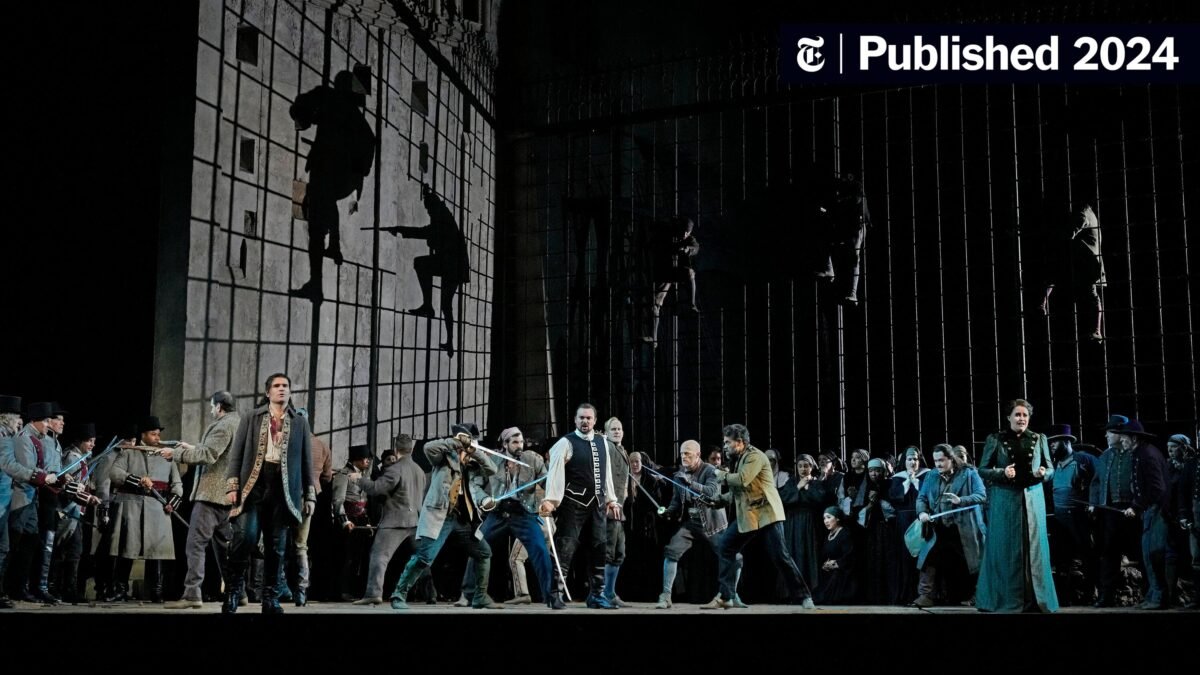
The structure begins with the duel in Act 1 at the Aljafería Palace, establishing the dangerous love triangle between Count Luna, Manrico, and Leonora. Act 2 shifts to the mountains of Biscay and a monastery courtyard, revealing Azucena’s haunting memories and her burning desire for vengeance. Act 3 moves to the military camp and castle chapel, escalating the conflict as capture and impending execution loom over Manrico.
- Structured into four distinct, fast-paced acts moving from courtly romance to prison despair
- Opens in Act 1 with a midnight duel and courtly competition at the Aljafería Palace gardens
- Transitions in Act 2 to the Biscay mountains where Azucena recounts her mother’s horrific execution
- Elevates military and emotional tension in Act 3 around enemy camps and fortress chapels
- Concludes in Act 4 with the heartbreaking prison scenes and the final revelation of identity
- Utilizes concise libretto pacing by Salvatore Cammarano to maintain relentless dramatic momentum
- Explores themes of fatalism, mistaken identity, and inescapable generational curses
- Balances grand public spectacles with intensely private, claustrophobic emotional confrontations
Event Schedule
- Event Dates: October 18, November 8, and November 21, 2026
- Event Duration: Approximately 3 hours, including standard intermissions between the four acts
Visiting this event? Don’t miss out on these amazing activities and local experiences while you’re here.
Leonora, Manrico, Count Luna & Azucena
The central quartet of characters in Il Trovatore represents one of the most vocally demanding and psychologically complex groups in all of opera. Leonora, caught between her devotion to the troubadour Manrico and the oppressive romantic pursuit of Count Luna, embodies pure, self-sacrificing love. Her musical lines demand soaring soprano agility mixed with profound tragic weight as she navigates her impossible choices.
Enjoy Your Event Stress-Free with Japan Travelo
Do you know? Planning events, festivals, concerts, and cultural experiences in Japan can be overwhelming. Japan Travelo brings everything together in one place, helping you manage your itinerary, transport, and accommodation with ease—so you can enjoy Japan without the stress of planning.
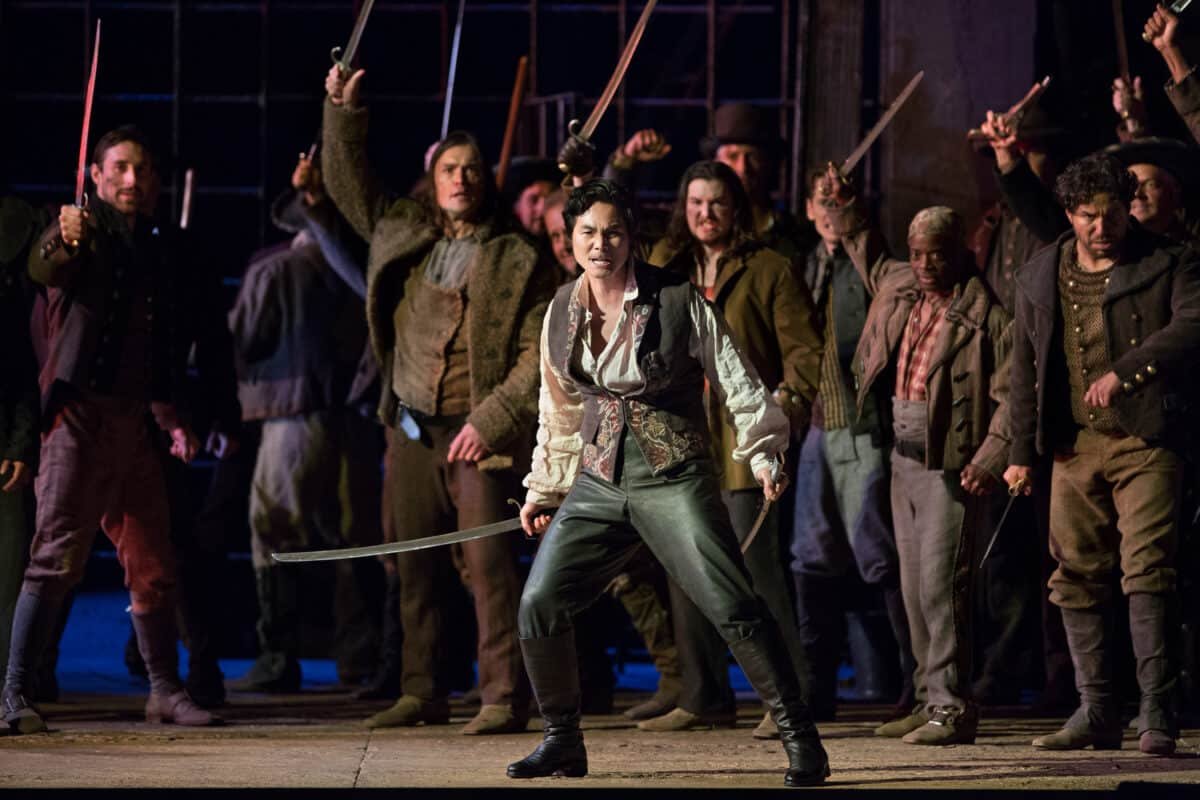
Manrico, the heroic troubadour with a mysterious past, balances fierce warrior bravery with tender, poetic devotion to both his lover and his adoptive mother. His tenor role requires explosive vocal power and legendary high notes that capture the fierce pride of a man fighting doomed odds. Opposite him, Count Luna serves as a dark, obsessive foil driven by unrequited passion and aristocratic arrogance.
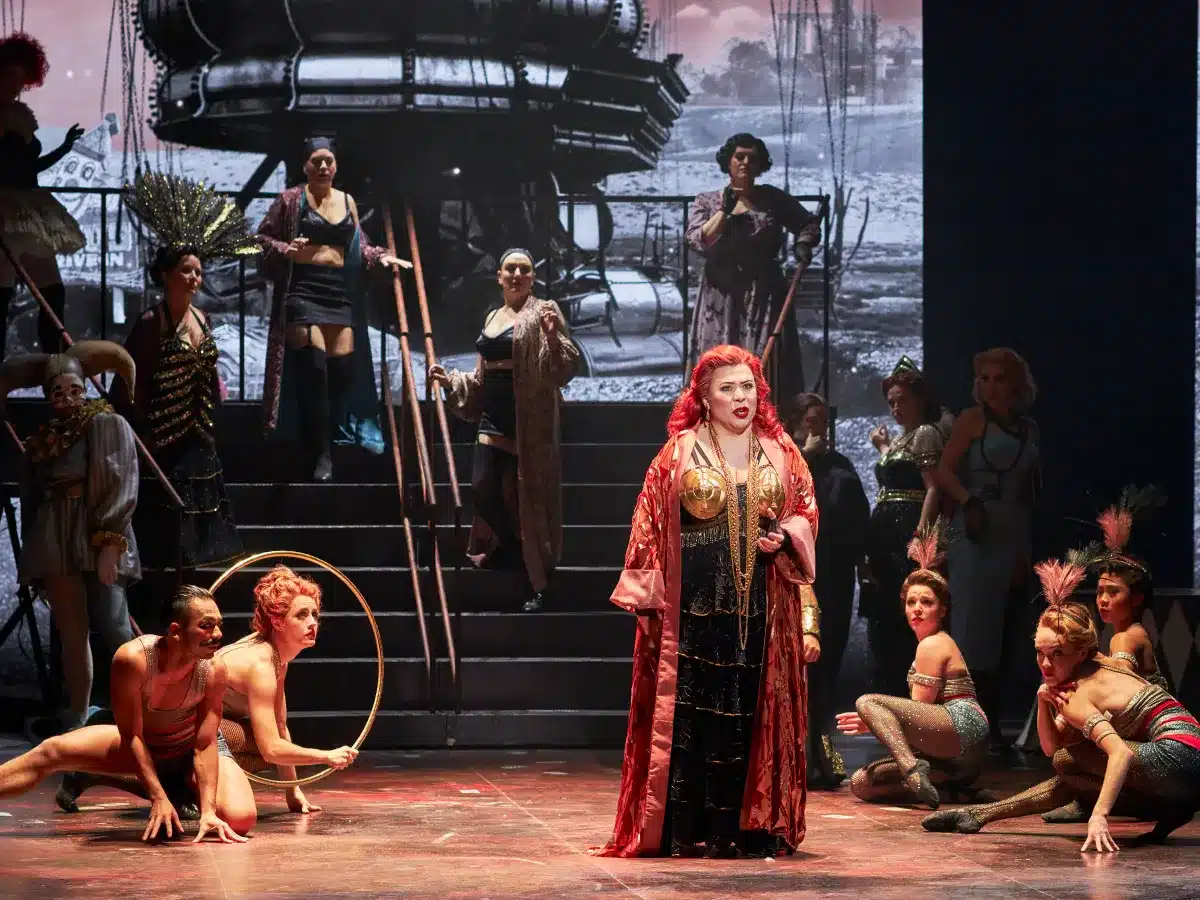
Azucena anchors the entire emotional core of the drama as a gypsy woman trapped between fierce maternal love and consuming thirst for revenge. Her psychological torment is etched into every phrase she sings, requiring a dramatic mezzo-soprano voice of immense warmth and terrifying fury. The interplay between her blinding obsession and the surrounding political conflicts creates a suffocating atmosphere of doom.
As performed by an elite cast including Hiroaki Fueda, Yasuko Sato, and Kasumi Shimizu, these characters come alive with terrifying emotional authenticity. Each performer brings deep vocal mastery to roles that require absolute physical and psychological stamina on stage. Their interactions form a web of human desire and ancestral fury that refuses to offer easy resolutions.
- Features Leonora as the tragic heroine torn between two powerful, opposing suitors
- Portrays Manrico as the passionate troubadour possessing supreme vocal strength and loyalty
- Defines Count Luna through dark aristocratic obsession, jealousy, and unyielding authority
- Centers Azucena as the psychologically fractured gypsy consumed by maternal vengeance and trauma
- Demands extraordinary vocal ranges, stamina, and dramatic acting from every lead singer
- Explores complex power dynamics where love becomes a weapon and a source of destruction
- Showcases stellar performances by leading Japanese opera artists across regional stages
- Highlights the tragic inevitability of characters bound together by blood secrets
Ticket Prices
- How Tickets Are Sold: Sold online through major national box offices, regional cultural center counters, and authorized Japanese ticketing agencies
- Admission Type: Reserved seating across multiple venue tiers with strict entry policies for late arrivals and young children
- Ticket Pricing: Ranging from a minimum of $40 to a maximum of $150 depending on the selected performance city and seat category
- Special Seating Options: Standard hall seating blocks featuring prime center-orchestra views and accessible wheelchair spaces
- VIP Options: Premium front-row boxes offering closest proximity to the stage and enhanced acoustic resonance
Love, Revenge, Fate & Family Secrets
At the very heart of Verdi’s enduring masterpiece lies a relentless exploration of how past hatred stains present love with blood and sorrow. The narrative demonstrates that no individual can escape the sins of their ancestors, as old vendettas actively sabotage new romantic beginnings. Love is never a simple emotion in this universe; it is consistently twisted by jealousy, societal pressure, and historical trauma.
Revenge acts as an invisible clock ticking down throughout the production, personified by Azucena’s lifelong mission to avenge her mother’s brutal execution. This single-minded obsession blinds characters to reason, turning well-intentioned actions into catalysts for absolute catastrophe. The psychological weight of this vengeance demonstrates how hatred perpetuates itself across generations without mercy.
Fate operates as an unyielding force in the opera, pulling characters toward tragic ends despite their desperate attempts to rewrite their own futures. Mistaken identities and hidden lineages form a web of irony where heroes unknowingly fight family members and seal their own dooms. This fatalistic worldview gives the opera its uniquely dark, electric theatrical atmosphere.
Family secrets serve as the detonator for the entire plot, proving that buried truths will always rise to the surface with devastating consequences. The final revelation regarding Manrico’s true identity shatters Count Luna’s world precisely when victory seems complete. Through these timeless motifs, the opera transcends its nineteenth-century origins to speak directly to universal human vulnerabilities.
Getting to the Venue
- City and Country: Tokyo, Ishikawa, and Osaka, Japan
- Venue Name: Tokyo Metropolitan Theatre Concert Hall, Kanazawa Opera House, and Hirakata City Cultural Arts Center
- Google Maps Address: Tokyo Metropolitan Theatre, 1-8-1 Nishiikebukuro, Toshima City, Tokyo 171-0021, Japan
Giuseppe Verdi’s Music & Famous Arias
Giuseppe Verdi’s score for Il Trovatore stands as a crowning achievement of his middle compositional period, celebrated for its raw passion and unforgettable melodies. The orchestration throbs with an urgent, visceral energy that mirrors the fiery passions and bloody conflicts driving the narrative forward. Every musical phrase is meticulously crafted to amplify the psychological turbulence and emotional desperation of the characters.
The opera is legendary for housing some of the most challenging and celebrated arias in the entire vocal canon, testing the limits of human expression. Tenor showpieces like Di quella pira demand fearless high notes and martial vigor, while soprano lyrical solos capture sublime heartbreaking beauty. These musical highlights have cemented the opera’s status as a permanent fixture in global repertoire.
Conductors Jun Iisaka and Yu Kumakura approach this monumental score with rigorous attention to dynamic contrast and dramatic timing. They guide regional orchestras like the Orchestra Ensemble Kanazawa and Osaka Philharmonic Orchestra to deliver blistering, emotionally charged renditions. The music never merely accompanies the action; it drives the psychological narrative relentlessly forward.
Listening to Verdi’s rich harmonic textures in major concert halls offers an overwhelming sensory experience that explains the work’s century-spanning popularity. The seamless blend of melancholic folk elements with grand operatic thunder creates a sonic landscape of unmatched theatrical power. It remains a testament to Verdi’s supreme genius for musical storytelling.
- Composed during Verdi’s golden middle period, showcasing peak melodic and dramatic invention
- Features iconic tenor masterworks like Di quella pira requiring explosive vocal power
- Incorporates sweeping soprano arias that express profound sorrow, loyalty, and romantic devotion
- Utilizes pulsing, rhythm-driven orchestrations to mirror the urgency of war and vengeance
- Highlights expert conducting interpretations by Jun Iisaka and Yu Kumakura across cities
- Performed by premier regional ensembles including the Osaka Philharmonic Orchestra
- Balances intimate chamber-like vocal moments with thunderous full-orchestra climaxes
- Maintains a permanent place in global opera history due to its relentless emotional impact
“Anvil Chorus” & Choral Highlights
- Features the legendary Blacksmiths’ Chorus, universally known as the Anvil Chorus, in a thrilling display of rhythmic energy
- Showcases the synchronized clanging of metal anvils blending seamlessly with robust, driving operatic choir vocals
- Captures the rugged, gritty daily atmosphere of the gypsy camp through powerful, resonant male voices
- Highlights exceptional regional vocal ensembles including the Kanazawa Opera Chorus and Hirakata City Opera Chorus
- Demonstrates Verdi’s genius for writing instantly recognizable, foot-tapping melodies with profound dramatic underlying tension
- Intersperses massive choral outbursts with delicate, haunting prayer sequences that elevate the overall dramatic scope
- Provides breathtaking acoustic moments as large companies of singers fill concert halls with immense wall-of-sound harmonies
- Serves as an iconic touchstone of classical music culture that captivates newcomers and veterans alike
Event Information
- Email: support@opera-production.jp
- Phone Number: +81 3-5391-2111
- Website: https://t.pia.jp/pia/event/event.do?eventBundleCd=b2668221
Misaki Takagishi’s Direction & Psychological Drama
Misaki Takagishi approaches this classic tragedy with a visionary directorial lens that prioritizes the delicate, intricate portrayal of inner psychology. Rather than relying solely on traditional spectacle, her staging dives deep into the warped motivations, traumas, and obsessions of each individual. Every movement on stage is calculated to reflect the crushing internal weights carried by characters like Azucena and Count Luna.
The production treats the physical spaces of castles, camps, and prisons as external manifestations of the characters’ internal mental traps. Through subtle lighting, minimalist yet evocative set pieces, and precise blocking, Takagishi exposes the raw nerve endings of Verdi’s narrative. This psychological focus transforms familiar operatic tropes into a deeply contemporary, relatable exploration of human destructiveness.
Actors are guided to deliver layered performances that eschew caricature in favor of vulnerable, complex emotional truths. The staging emphasizes how unspoken fears and generational trauma dictate adult actions, turning every confrontation into a high-stakes psychological duel. This modern sensibility breathes fresh life into the historical plot without losing its romantic grandeur.
- Directed by Misaki Takagishi with a primary focus on intricate psychological realism and inner turmoil
- Translates historical conflicts into relatable studies of trauma, obsession, and destructive family dynamics
- Uses nuanced lighting and minimalist spatial design to reflect the mental states of the characters
- Directs performers to avoid traditional operatic cliches in favor of grounded, raw emotional delivery
- Highlights the subtle power struggles and unspoken tensions lurking beneath grand musical numbers
- Shapes the four-act progression as an inevitable descent into psychological isolation and despair
- Collaborates closely with conductors and designers to unify musical cadence with visual staging
Jun Iisaka & Yu Kumakura’s Conducting
Jun Iisaka brings decades of seasoned podium experience and deep stylistic versatility to his conducting of the Ishikawa and Osaka performances. His baton work is characterized by structural clarity, deep respect for vocal phrasing, and an ability to draw rich, textured colors from regional orchestras. He anchors the grand dramatic arcs with steady authority, ensuring the complex musical forces remain perfectly synchronized.
Nationwide Co-Production & Modern Opera Experience
- Structured as an ambitious nationwide co-production bringing world-class opera to Tokyo, Ishikawa, and Osaka
- Bridges metropolitan cultural hubs with regional arts centers to foster a unified national classical community
- Integrates top-tier national talent with dedicated regional orchestras, choruses, and technical theater staff
- Elevates the standard for modern Japanese opera production through high-end design and psychological staging
- Provides accessible cultural enrichment by touring a major Verdi masterpiece across multiple prefectures
- Encourages cross-regional collaboration among performers, planners, and institutional stakeholders
- Showcases the vibrant health and high professional caliber of contemporary Japanese classical performance arts
- Delivers a seamless, premium theatrical experience from initial ticket booking to the final curtain call
Location
FAQ
What makes the narrative structure of this particular production stand out for modern audiences?
The production utilizes a focused four-act progression that strips away conventional padding to highlight intense psychological realism. Director Misaki Takagishi emphasizes the raw trauma and obsessions driving the characters, making their historical conflicts feel urgent and deeply human today.
Can audience members expect traditional staging or a completely modernized contemporary interpretation?
The staging bridges timeless operatic grandeur with minimalist spatial designs that reflect the mental traps of the characters. It honors Verdi's original nineteenth-century setting while prioritizing nuanced emotional acting over rigid theatrical cliches.
How do the regional musical collaborations shape each performance across different cities?
Each city features distinct, high-caliber regional ensembles such as the Osaka Philharmonic Orchestra and local opera choruses. This decentralization allows local audiences to experience world-class talent paired with unique acoustic interpretations under expert conducting leadership.
Are there specific advisory warnings regarding the dramatic themes depicted in the opera?
The narrative deals heavily with dark themes including historical executions, family revenge, and violent political rivalry. Prospective attendees should anticipate intense emotional confrontations and tragic outcomes characteristic of Verdi's finest dramatic masterpieces.
What should patrons know about arriving at the venues for these scheduled dates?
Venues enforce strict arrival guidelines and late-entry restrictions to protect the pristine acoustic environment of the concert halls. Attendees are strongly encouraged to check specific local transit routes and arrive well before the curtain rises.
How does the inclusion of the famous choral highlights impact the overall pacing?
Massive choral set pieces like the iconic Anvil Chorus inject bursts of raw, rhythmic energy that punctuate the tense dramatic narrative. These sweeping ensemble moments provide a thrilling sonic contrast to the intimate, psychologically heavy solo arias.

Leave a Reply