
-
January 3, 2027
Event date:
-
January 3, 2027
Event end:
What to expect in 2027
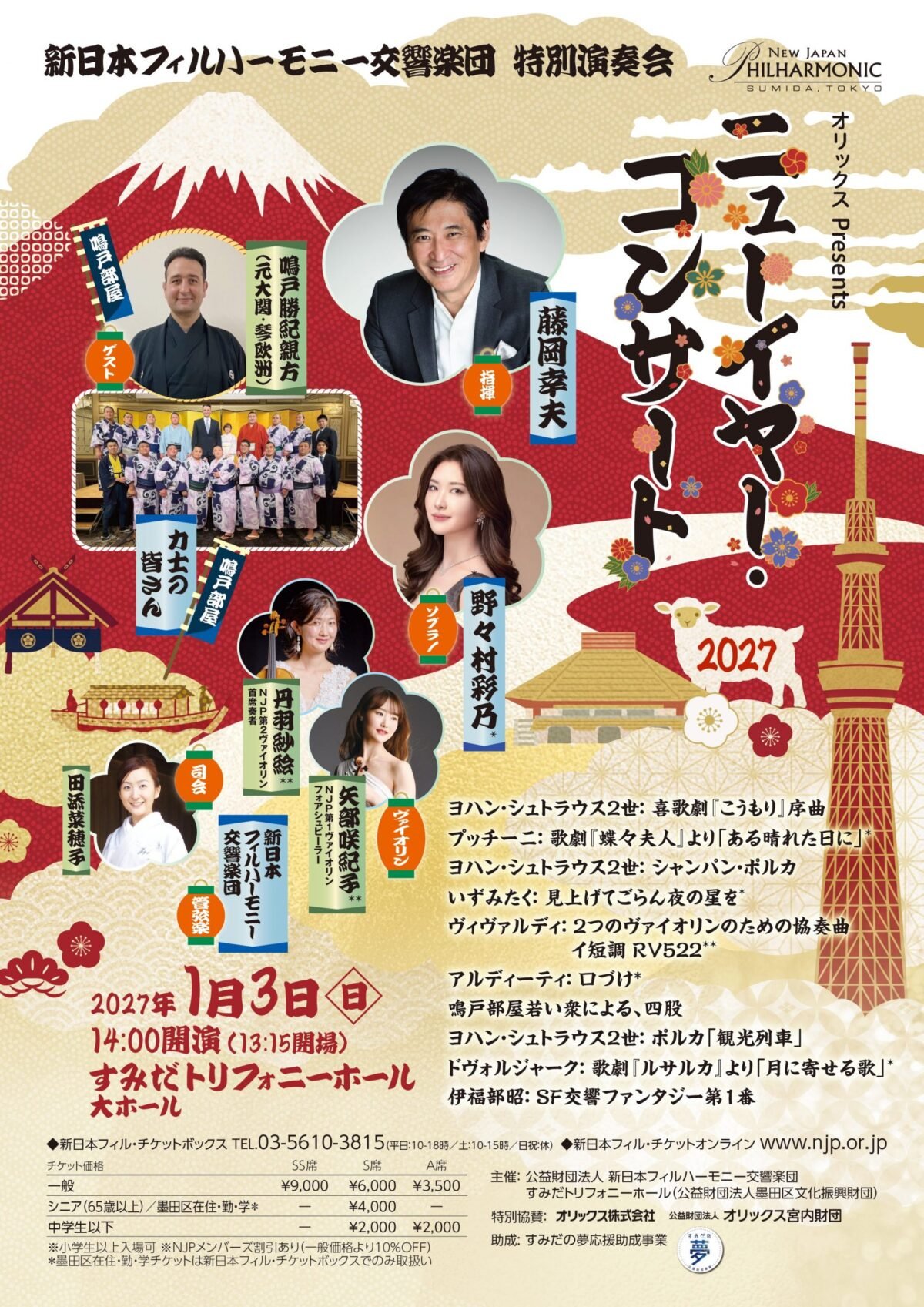
Orix Presents New Year Concert 2027 will welcome the new year with a festive classical programme performed by the New Japan Philharmonic at Sumida Triphony Hall in Tokyo. The concert combines familiar orchestral favourites, opera arias, violin repertoire, Japanese popular music, traditional sumo culture and a presentation by wrestlers from Naruto Stable.
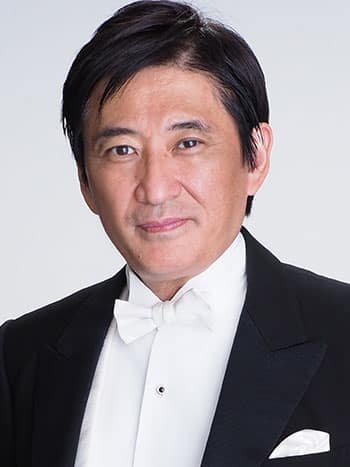
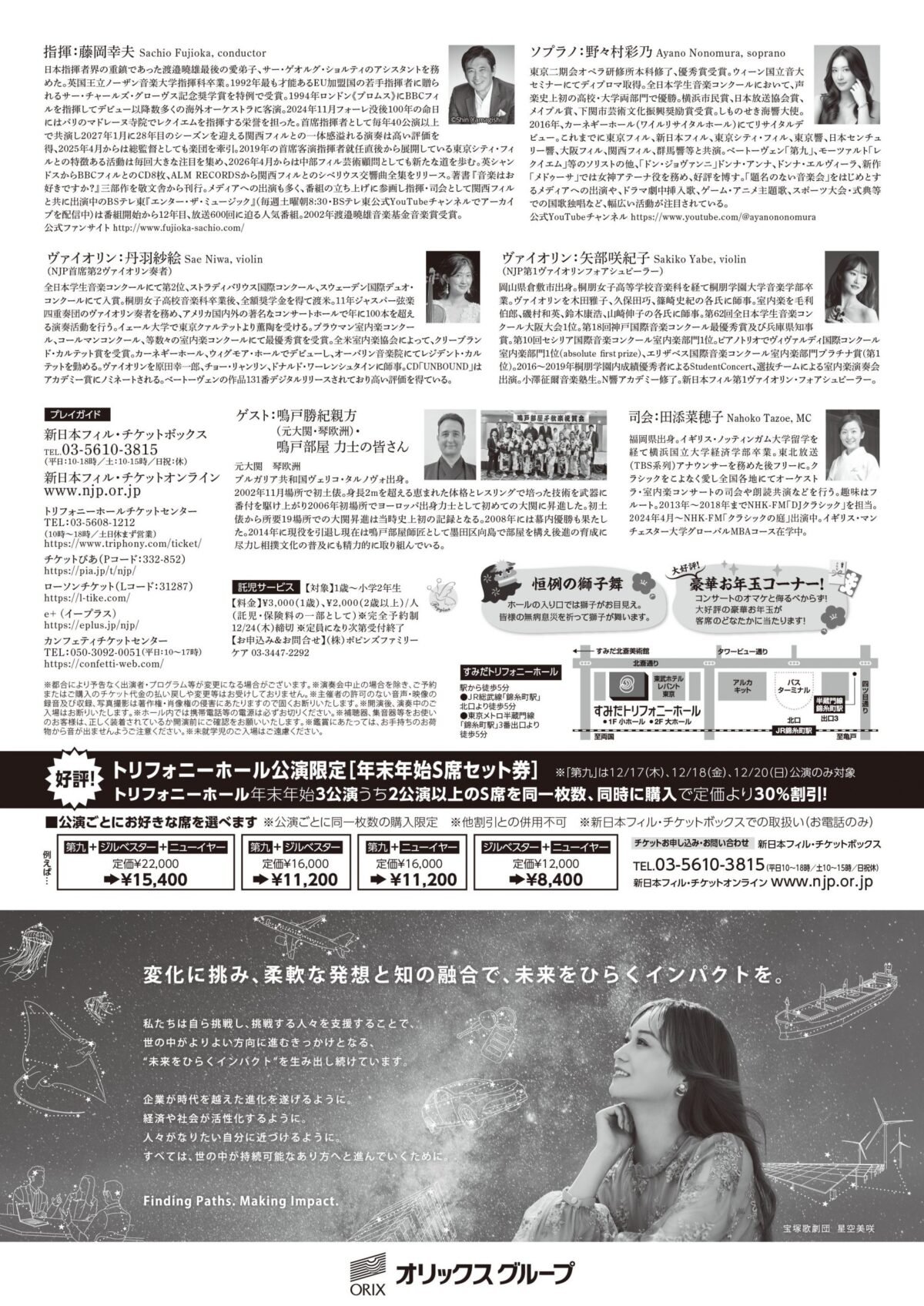
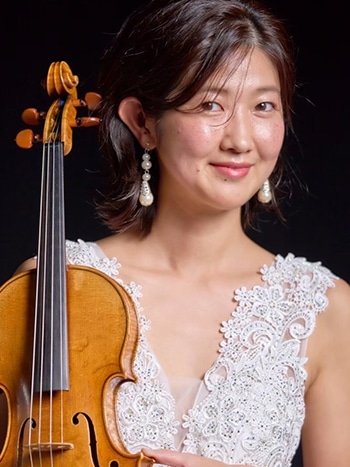
The concert is conducted by Sachio Fujioka, with soprano Ayano Nonomura, violinists Sae Niwa and Sakiko Yabe, Naruto Stable master Katsunori Naruto, Naruto Stable wrestlers and MC Nahoko Tazoe joining the New Japan Philharmonic. The programme moves between Johann Strauss II, Puccini, Vivaldi, Dvořák, Isao Tomita and Japanese composer Takashi Izumi, giving the event a distinctly Japanese New Year character.
Rather than being a formal symphonic concert consisting entirely of traditional repertoire, the event is designed as an accessible New Year celebration. Audiences can expect lively polkas and orchestral pieces, operatic singing, a double-violin concerto, a sumo-related stage appearance and a dramatic orchestral finale.
Enjoy Your Event Stress-Free with Japan Travelo
Do you know? Planning events, festivals, concerts, and cultural experiences in Japan can be overwhelming. Japan Travelo brings everything together in one place, helping you manage your itinerary, transport, and accommodation with ease—so you can enjoy Japan without the stress of planning.
Classical New Year atmosphere
The opening works by Johann Strauss II immediately establish the festive character of the concert. The programme begins with the overture to Die Fledermaus and continues with the Champagne Polka, creating the celebratory atmosphere traditionally associated with New Year concerts.
Opera and vocal highlights
Ayano Nonomura will perform Puccini’s famous aria “Un bel dì, vedremo” from Madama Butterfly, Arditti’s Il bacio, and Dvořák’s “Song to the Moon” from Rusalka. These works provide some of the concert’s most prominent vocal moments.
Japanese cultural elements
The appearance of wrestlers from Naruto Stable adds a distinctly local element. The programme includes shiko, the characteristic leg-stomping exercise performed by sumo wrestlers, while the stablemaster is former Ōzeki Kotoōshū, Katsunori Naruto.
Event dates
Sunday, January 3, 2027
Start time: 14:00
Doors: 13:15
The performance is an afternoon matinee at Sumida Triphony Hall Large Hall. The official New Japan Philharmonic page lists the performance as a special concert and confirms the opening time and doors-open time.
The afternoon schedule makes the concert particularly convenient for visitors spending the New Year period in Tokyo. Guests can attend the complete performance and still have the evening available for dining, sightseeing around Sumida and Asakusa, or visiting Tokyo attractions.
The event is also specifically marked as allowing elementary school students, making it suitable for families with school-age children.
Visiting this event? Don’t miss out on these amazing activities and local experiences while you’re here.
Venue & festival site
The concert takes place at Sumida Triphony Hall Large Hall, one of Tokyo’s major dedicated classical-music venues.
Sumida Triphony Hall Large Hall
1-2-3 Kinshi, Sumida-ku, Tokyo 130-0013, Japan
The hall has 1,801 seats and was designed primarily for acoustic music. Its shoe-box configuration is intended to provide strong direct sound and an intimate relationship between the orchestra and audience. The large hall contains 1,040 seats on the first floor, 233 on the second floor and 528 on the third floor.
The hall’s open-stage design is particularly appropriate for orchestral performances. It has approximately two seconds of reverberation when full, helping create the full acoustic character expected from a major symphony concert.
Main concert environment
Unlike an outdoor New Year festival, this is a fully seated indoor concert. There are no separate festival grounds, food zones or outdoor performance stages. The audience experience is centered on the large concert hall, with the lobby and surrounding Kinshi area providing additional places to eat and spend time before or after the performance.
Sumida location
The venue is in Kinshicho, eastern Tokyo, close to Kinshi Park and within convenient reach of Asakusa, Tokyo Skytree, Ryogoku and central Tokyo. Its location makes it easy to combine the concert with a wider Tokyo New Year itinerary.
Full lineup
The complete confirmed 2027 lineup includes the New Japan Philharmonic and several featured artists and cultural guests.
New Japan Philharmonic
The New Japan Philharmonic is the principal orchestra for the concert. The ensemble performs the complete orchestral programme under conductor Sachio Fujioka.
Sachio Fujioka
Fujioka serves as conductor for the 2027 New Year Concert. He also conducted the previous New Year edition, making him a continuing musical presence in the concert series.
Ayano Nonomura
Nonomura appears as the featured soprano. Her programme includes three major vocal works spanning Puccini, Arditti and Dvořák.
Sae Niwa
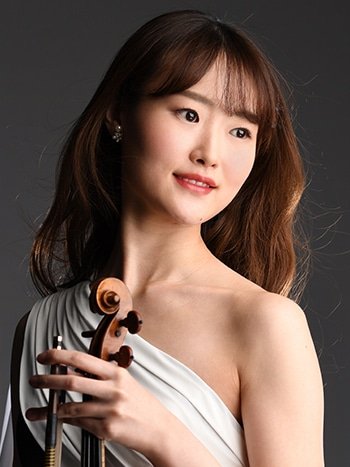
Sae Niwa performs violin in Vivaldi’s Concerto for Two Violins in A minor. She joined the New Japan Philharmonic in 2025 and is one of the orchestra musicians featured as a soloist in the recurring New Year Concert format.
Sakiko Yabe
Sakiko Yabe joins Niwa for the Vivaldi double-violin concerto. Yabe joined the orchestra in 2024 and is also featured as an orchestra-member soloist.
Naruto Stable
Katsunori Naruto, former Ōzeki Kotoōshū, appears as stablemaster, together with wrestlers from Naruto Stable. Their participation connects the concert to Sumida’s strong relationship with traditional Japanese culture and sumo.
Nahoko Tazoe
Nahoko Tazoe serves as MC, helping connect the different musical and cultural sections of the programme for the audience.
Headliners & featured artists
The main musical leadership comes from conductor Sachio Fujioka and the New Japan Philharmonic, while Ayano Nonomura provides the principal vocal role.
Sachio Fujioka
Fujioka leads the orchestra through a programme that requires considerable stylistic variety, moving from Strauss polkas to opera, Vivaldi, Japanese popular music and Isao Tomita’s orchestral fantasy.
Ayano Nonomura
Nonomura’s soprano programme is one of the central features of the concert. Her three selections include Puccini’s “Un bel dì, vedremo,” Arditti’s Il bacio and Dvořák’s “Song to the Moon.”
Sae Niwa and Sakiko Yabe
The two violinists are featured together in Vivaldi’s Concerto for Two Violins in A minor. The work provides a more intimate instrumental section within the larger orchestral programme.
Naruto Stable
The appearance by Naruto Stable wrestlers gives the New Year Concert an element that goes beyond Western classical music. The shiko presentation provides an opportunity to experience an aspect of sumo culture within a major concert setting.
Stages & performance areas
The event is concentrated in the Large Hall of Sumida Triphony Hall.
Main orchestra stage
The main stage accommodates the New Japan Philharmonic for the orchestral programme. Its open-stage design allows the audience to see the orchestra directly rather than through a conventional proscenium arrangement.
Soloist performance area
The soprano and violin soloists perform from the principal stage alongside the orchestra. The Vivaldi concerto provides a dedicated instrumental feature for Sae Niwa and Sakiko Yabe.
Cultural presentation area
The sumo segment involving Naruto Stable is incorporated into the main concert programme rather than operating as a separate outdoor event.
Audience and lobby areas
The hall’s foyer provides the primary gathering space before the performance and during any interval. Visitors should expect a formal concert environment rather than the multiple-stage layout associated with a music festival.
Stage-by-stage schedule
Because this is a single-hall concert, the programme follows one continuous main-stage sequence rather than separate stages.
Opening orchestral section
The concert begins with Johann Strauss II’s overture to Die Fledermaus, followed by the Champagne Polka. These energetic works establish the celebratory New Year atmosphere.
Japanese song and opera section
Takashi Izumi’s “Miagete Goran Yoru no Hoshi wo” follows, before Puccini’s “Un bel dì, vedremo” introduces the first major soprano feature.
Instrumental concerto
Vivaldi’s Concerto for Two Violins in A minor features Sae Niwa and Sakiko Yabe as the two violin soloists.
Vocal and cultural section
Arditti’s Il bacio is followed by the shiko presentation by young wrestlers from Naruto Stable.
Final orchestral section
The second half of the programme includes Strauss II’s Tour Train Polka, Dvořák’s “Song to the Moon” and Isao Tomita’s SF Symphony Fantasy No. 1, providing a large-scale orchestral conclusion.
Set times
The official schedule confirms a 14:00 start and 13:15 opening time.
The organizer has not published a detailed minute-by-minute running order or individual start times for every work.
Opening: 13:15
Concert start: 14:00
Programme: One main concert presentation featuring orchestral works, opera arias, concerto repertoire and the sumo segment.
Finale: The concert concludes with Isao Tomita’s SF Symphony Fantasy No. 1.
Visitors should arrive before the concert begins because the organizer states that late entry after the performance has started will not be permitted.
Ticket types
The 2027 ticket prices are already published by the New Japan Philharmonic. The following amounts are approximate USD conversions using approximately ¥158 per US$1.
SS Seat
Approximately $57.
This is the highest standard seating category for the concert.
S Seat General
Approximately $38.
This is the principal standard seating category and is available to the general public.
A Seat General
Approximately $22.
This provides a lower-priced standard seating option while retaining a reserved seat in the main hall.
S Seat Senior or Sumida Ward discount
Approximately $25.
This reduced S-seat price applies to people aged 65 or older and eligible people who live, work or study in Sumida Ward.
Junior high school students and younger
Approximately $13 for S or A seating.
The official listing confirms that elementary school students are permitted to attend.
All prices above are approximate USD conversions of the official 2027 prices and may vary slightly depending on the exchange rate used by a bank or card provider.
VIP & premium options
The event does not advertise a conventional VIP package with backstage access, hospitality lounges or meet-and-greet benefits.
Premium seating
The closest equivalent to premium access is the SS seating category, which is the highest-priced standard seat offered for the concert.
NJP Member’s Card
New Japan Philharmonic Member’s Card holders can receive a 10% discount on the ticket purchase. The official concert page states that the discount is available through the New Japan Philharmonic Ticket Box or Ticket Online.
Special access
There is currently no confirmed 2027 VIP hospitality package, backstage tour or artist reception associated with this concert. Visitors should rely on official announcements for any additional experiences.
Event rules
The concert follows standard concert-hall rules, with several event-specific conditions.
Photography
Photography is permitted only during the curtain call after all songs have been completed. Audience members must remain seated and use a smartphone or mobile phone camera. Flash, selfie sticks and tripods are prohibited.
Recording
Audio and video recording during the performance is prohibited.
Mobile phones
Mobile phones should be switched off during the performance.
Late entry
The organizer states that visitors will not be allowed to enter after the performance has started, so arriving before the 14:00 start is important.
Ticket changes
The official conditions state that refunds, changes and cancellations are generally not accepted after reservation or purchase, except if the concert itself is cancelled.
Programme changes
Performers and programme items may change without notice.
How to get there
Sumida Triphony Hall is particularly easy to reach by rail.
From Kinshicho Station
The hall is approximately five minutes on foot from the north exit of JR Kinshicho Station. Visitors using Tokyo Metro can use Kinshicho Station on the Hanzomon Line and Exit 3, also approximately five minutes from the hall.
From Tokyo Station
The venue’s official access information indicates that Kinshicho can be reached from Tokyo Station in approximately nine minutes by rail, depending on the service used.
From Shinjuku
The journey from Shinjuku to Kinshicho is approximately 17 minutes according to the venue’s access information.
From Tokyo Skytree
Kinshicho is close to Tokyo Skytree, making it possible to combine the concert with sightseeing in the Skytree and Sumida area.
From Haneda Airport
Visitors arriving through Haneda can connect with Tokyo’s rail network and continue to Kinshicho. Because the event is held during the busy New Year travel period, allowing extra time is advisable.
Public transport & parking
Public transportation is the most practical way to reach the concert.
JR
JR Sobu Line services stop at Kinshicho Station, with the hall approximately five minutes away on foot.
Tokyo Metro
The Tokyo Metro Hanzomon Line serves Kinshicho Station. Exit 3 is the recommended exit for the hall.
Bus
Toei buses also serve the Kinshicho area, with the hall approximately five minutes from the bus stop.
Parking
Sumida Triphony Hall does not operate its own dedicated visitor parking lot. The hall recommends nearby general parking, including the Arca Towers large parking facility. Parking is independently operated and does not receive a hall discount.
Because New Year travel can be busy and parking availability can be limited, rail travel is generally more convenient.
Accommodation areas
Visitors coming from outside Tokyo can choose from several convenient districts.
Kinshicho
This is the most convenient area for the concert because it places visitors close to the venue, JR and Metro connections, restaurants and shopping.
Sumida
Staying elsewhere in Sumida provides easy access to the hall while keeping visitors close to Tokyo Skytree, local shopping streets and traditional neighborhoods.
Asakusa
Asakusa is a strong choice for visitors interested in temples, traditional Tokyo streets and the Sumida River. It is also relatively close to the concert venue.
Ryogoku
Ryogoku is particularly appropriate for visitors interested in sumo culture. Its location also makes it convenient for exploring eastern Tokyo.
Tokyo Station and Ginza
Visitors who want a more central base can stay around Tokyo Station or Ginza and travel to Kinshicho by rail.
Food & drink
The Kinshicho area offers a wide range of restaurants and cafés before and after the concert.
Japanese dining
Visitors can find sushi, soba, ramen, tempura, yakitori, tonkatsu and other Japanese dishes around Kinshicho Station.
Sumida specialties
Because the event takes place in a neighborhood closely associated with sumo and traditional Tokyo culture, visitors can also look for chanko-nabe and other dishes associated with sumo restaurants.
Quick pre-concert meals
Restaurants and cafés around Kinshicho Station are convenient for an early lunch before entering the hall. Since the concert begins at 14:00 and doors open at 13:15, visitors should allow enough time to finish their meal and reach their seats before the performance.
After the concert
The area around Kinshicho remains convenient for dinner and drinks after the performance, while Asakusa and Ryogoku offer additional choices for an evening itinerary.
Accessibility
Sumida Triphony Hall provides dedicated accessibility facilities.
Wheelchair seating
The Large Hall has wheelchair-accessible seating. The venue’s seating information identifies capacity for four wheelchair positions. Visitors requiring wheelchair seating should contact the event organizer or hall in advance.
Accessible restrooms
The hall provides two wheelchair-accessible restrooms in the Large Hall area.
Wheelchair rental
Wheelchairs can be provided by the hall, with visitors advised to contact the service department before attending.
Elevator access
The venue’s access instructions identify an elevator providing access to the Large Hall level.
Visitors with specific accessibility requirements should make arrangements before the concert, especially because New Year performances can attract large audiences.
Best days to attend
This is a single-performance New Year Concert rather than a multi-day festival, so there is only one scheduled performance to attend.
Best for classical music
The strongest reason to attend is the combination of the New Japan Philharmonic with Strauss, Puccini, Vivaldi, Dvořák and Tomita.
Best for opera
Ayano Nonomura’s performances of Puccini, Arditti and Dvořák provide the main vocal focus.
Best for Japanese culture
The appearance of Naruto Stable wrestlers makes this concert especially distinctive compared with a conventional Western classical programme.
Best for families
Elementary school students are explicitly permitted, and junior high school students and younger have a dedicated reduced-price ticket category.
Best for a Tokyo New Year itinerary
The afternoon start allows visitors to combine the performance with Sumida, Asakusa, Ryogoku or Tokyo Skytree before or after the concert.
Previous year’s highlights
The 2026 edition followed a similar format, combining the New Japan Philharmonic with conductor Sachio Fujioka, soprano Miku Yasukawa, percussionist Mana Koshino, the Mukojima Bokutei Association geisha performers and MC Nahoko Tazoe.
The programme included Strauss II’s Die Fledermaus overture, Thunder and Lightning Polka, Handel’s “Lascia ch’io pianga,” Gounod’s “Je veux vivre,” Mayuzumi’s Xylophone Concerto, Strauss II’s Tour Train Polka, Puccini’s “Mi chiamano Mimi,” the Annen-Polka, Voices of Spring and The Blue Danube.
The previous edition also demonstrated the concert’s distinctive combination of orchestral music and traditional Tokyo culture. The appearance of Mukojima Bokutei Association geisha performers added a local cultural element to the Strauss repertoire.
The 2027 edition changes the guest lineup while maintaining the same broad philosophy. Ayano Nonomura replaces the previous soprano feature, while Sae Niwa and Sakiko Yabe are highlighted as violin soloists. Naruto Stable brings sumo culture into the programme, and the final orchestral work shifts toward Isao Tomita’s SF Symphony Fantasy No. 1.
Official tickets
Tickets for Orix Presents New Year Concert 2027 are available through the New Japan Philharmonic ticket system and listed ticket agencies.
Official New Japan Philharmonic page
https://www.njp.or.jp/en/concerts/270103
Official ticket system
The New Japan Philharmonic’s online ticket service is the primary official booking route. The 2027 page currently identifies priority sales for members and general public sales, with the general sale beginning after the member presales.
Ticket agencies
The official listing also identifies Ticket Pia, Lawson Ticket, eplus and Confetti as authorized sales channels.
Ticket release phases
The published 2027 schedule includes:
- Regular and patronage members: priority sale from August 22, 2026
- My Plan members: priority sale from August 25, 2026
- General public: sale from August 29, 2026
The official page currently indicates priority sales are underway.
Official ticket prices in USD
- SS Seat: approximately $57
- S Seat General: approximately $38
- A Seat General: approximately $22
- S Seat Senior / eligible Sumida Ward discount: approximately $25
- Junior high school students and younger S/A Seat: approximately $13
These USD figures are approximate conversions of the official 2027 ticket prices and are provided for international visitors; the amount charged by the ticket provider will be in Japanese currency and may vary in USD according to the payment provider’s exchange rate.
Location
FAQ
What is the musical theme of the New Year concert?
The festive afternoon program features a vibrant collection of Viennese waltzes, beloved opera arias, orchestral showpieces, and special guest collaborations. It is designed to offer a joyful and uplifting start to the classical music calendar for the new year.
Who performs as the featured orchestra for this event?
The concert is brought to life by the renowned New Japan Philharmonic under the expert baton of a celebrated guest conductor. Members of the orchestra also step forward during special segments to perform intimate instrumental solos.
Are there special guest performers joining the program?
The event traditionally incorporates unique cultural guest acts, including professional vocal soloists and traditional performers such as sumo wrestlers from a local stable. These special elements add a distinct Tokyo charm to the classical concert experience.
How can international visitors purchase admission tickets?
Overseas attendees can secure seats ahead of time through online ticket reservation platforms or by contacting authorized ticketing agencies in Japan. Advance booking is strongly recommended due to high demand for holiday season orchestral performances.
What venue hosts this annual celebration?
The performance takes place inside the acoustically acclaimed Sumida Triphony Hall located in the Sumida ward of Tokyo. The venue provides a warm vineyard-style environment that ensures exceptional sound quality from every seat.
Is there a dress code for attending the concert?
Most audience members choose neat smart-casual attire or traditional seasonal clothing appropriate for a formal afternoon hall performance. Comfort is encouraged, though dressing up enhances the celebratory atmosphere of the holiday outing.
Are children permitted to attend the afternoon performance?
While classical music lovers of all ages are welcome, guests should check specific venue age restrictions or preschooler policies before booking tickets. Patrons bringing younger family members should ensure they remain quiet and attentive during the music blocks.

Leave a Reply