
-
January 29, 2027
Event date:
-
January 31, 2027
Event end:
What to expect
OSAKA INTERNATIONAL ART, abbreviated as OIA, is an international art fair set against the backdrop of Osaka, a city striving toward cultural co-creation. The fair aims to generate a virtuous cycle in the wider art ecosystem and, with art as the medium, to foster new exchange between culture and commerce. It is organized by Osaka Prefecture, Osaka City and the Osaka Culture and Arts Project Executive Committee, with production and operation by H2O Retailing Corporation.
What to expect is a fair that re-curates the past and opens the next era. The concept for the upcoming edition is PAST to POST, which approaches Osaka’s past not as an object of nostalgia but as a creative resource for imagining what comes next. Tracing Osaka’s history as a port city shaped by trade and the exchange of knowledge, through the transformations of modernization and the cultural flourishing of the Greater Osaka era, the project explores the circulation of culture that has continuously shaped the city. Crossing the boundaries of contemporary art, antiquities, craft, design, architecture, music and food, PAST to POST presents Osaka not simply as a city that has inherited and preserved culture but as one that has continually generated, transformed and circulated it.
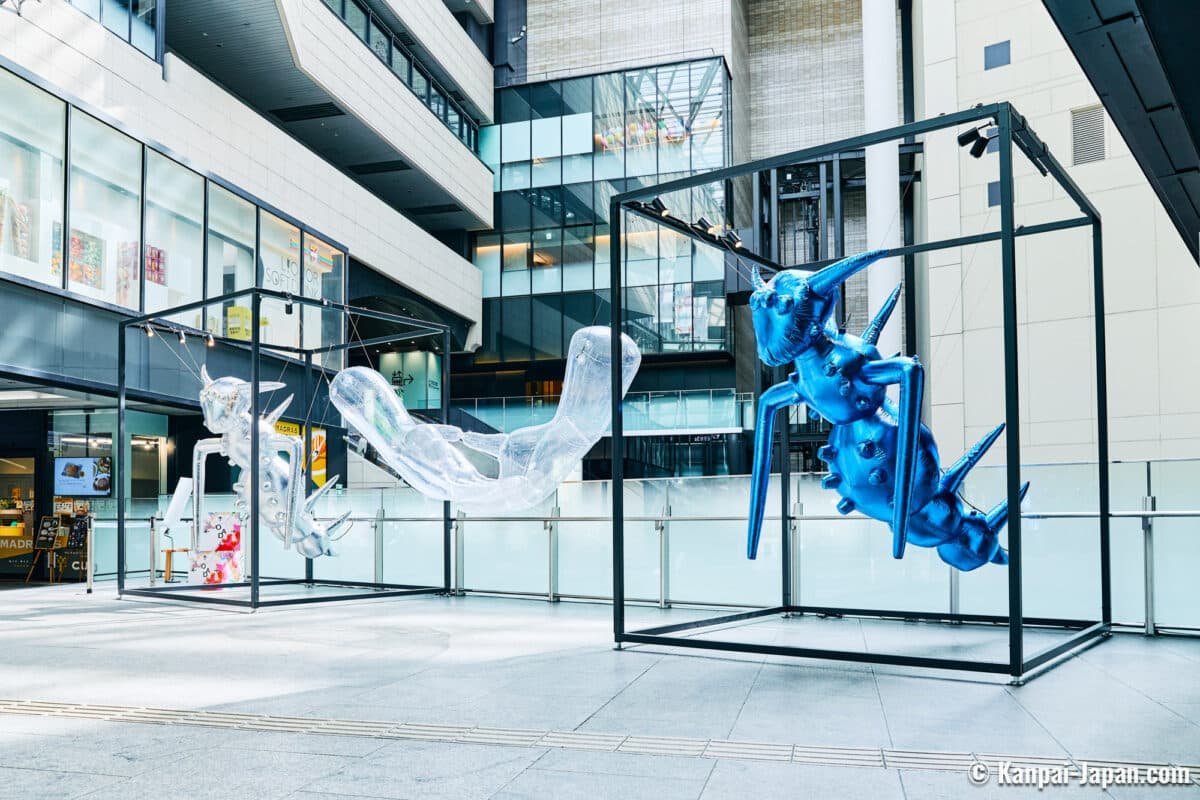
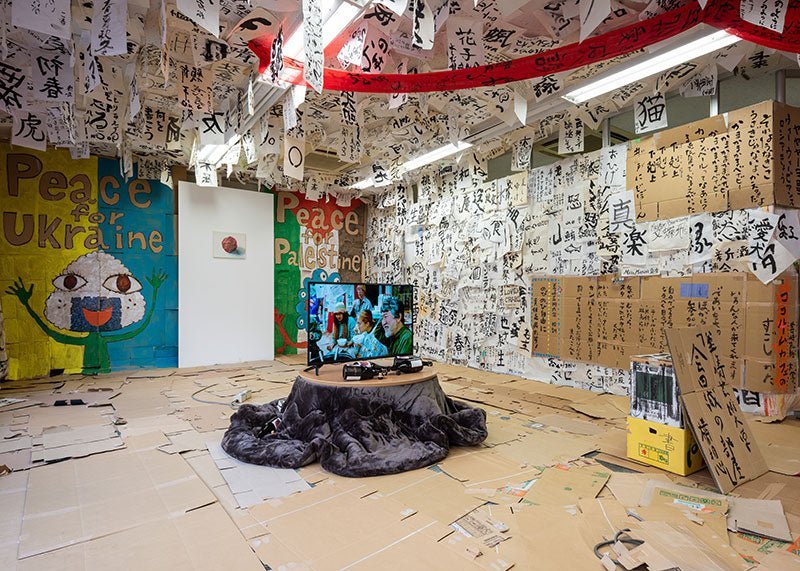
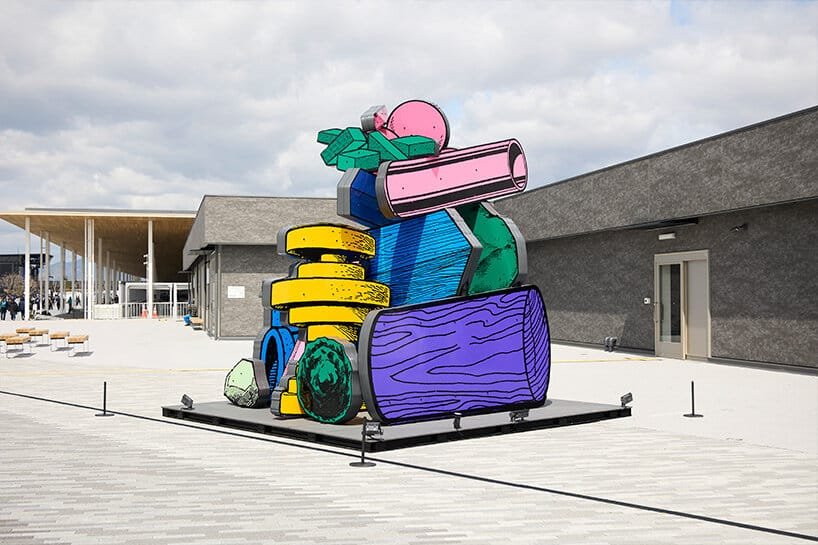
The fair brings together a wide range of artworks from contemporary and modern to traditional, crafts and digital collectives, created in collaboration with embassies and consulates from various countries. In its most recent edition at Osaka-jo Hall near Osaka Castle, the fair brought together over 120 galleries from around the world representing artists from Panama, Mongolia, Serbia, Cuba, China, India, France and beyond, as a satellite event of Expo 2025. For the upcoming edition, the fair moves to the more central and professional venue of Grand Cube Osaka, marking its evolution into a major international hub for culture and tourism. The atmosphere is invite-only for VIP View, followed by public days that welcome collectors, curators and art enthusiasts to discover works from established and emerging galleries.
Enjoy Your Event Stress-Free with Japan Travelo
Do you know? Planning events, festivals, concerts, and cultural experiences in Japan can be overwhelming. Japan Travelo brings everything together in one place, helping you manage your itinerary, transport, and accommodation with ease—so you can enjoy Japan without the stress of planning.
Event dates
Public Days: January 29th (Friday) – January 31st (Sunday), 2027
VIP View: January 28th (Thursday), 2027, invitation-only preview
Visiting this event? Don’t miss out on these amazing activities and local experiences while you’re here.
Venue & exhibition site
Venue Name: Osaka Prefectural International Convention Center, known as Grand Cube Osaka
Venue Details: Event Hall, 5-3-51 Nakanoshima, Kita-ku, Osaka City, Osaka 530-0005, Japan
Venue Overview: Grand Cube Osaka is a major convention center in the heart of Osaka, located on Nakanoshima island between the Dojima and Tosabori rivers. The center has a capacity of 2,754 people in its main hall and offers extensive exhibition space in its Event Hall, which is used for international conferences, concerts and art fairs. The venue is located in the cultural and business district of Nakanoshima, within walking distance of the National Museum of Art Osaka and Nakanoshima Museum of Art Osaka.
Site Layout: The fair occupies the Event Hall with clearly delineated booths for exhibitors, special exhibition areas, talk spaces, VIP lounges and hospitality areas. The layout is designed for comfortable viewing of diverse media including painting, sculpture, photography, ceramics, antiquities and digital art.
Organizer: Osaka Prefecture, Osaka City, Osaka Cultural and Artistic Project Executive Committee
Production and Operation: H2O Retailing Co., Ltd.
Contact Office: OSAKA INTERNATIONAL ART Office, email info@osaka-international-art.com, official website https://osaka-international-art.com/
Full exhibition programme
Main Gallery Booths Section: The core program presents exhibitors from Japan and abroad, including commercial galleries, contemporary art spaces, craft galleries and antiquities dealers. Exhibitors range from emerging galleries to established international galleries presenting works across multiple price points and media.
PAST to POST Concept Exhibition: A curated special section exploring Osaka’s cultural circulation, featuring works that bridge historical and contemporary practices. This section includes contemporary art, antiquities, craft, design, architecture, music and food-related artistic practices, presenting Osaka as a platform where inherited memories and emerging practices meet.
Embassy and Consulate Collaboration Zone: Created in collaboration with embassies and consulates from various countries, this zone brings together international artists and cultural presentations, emphasizing Osaka’s role as a port city shaped by trade and exchange.
Digital and New Media Section: Showcasing digital collectives and new media art, reflecting the fair’s interest in crossing boundaries between traditional and contemporary forms.
Craft and Antiquities Focus: A dedicated area highlighting Japanese craft traditions, ceramics, lacquerware and antiques alongside contemporary interpretations, demonstrating continuity and transformation of cultural forms.
Special Projects: Site-specific installations and performances activating the convention center space beyond booth presentations.
Featured artists & designers
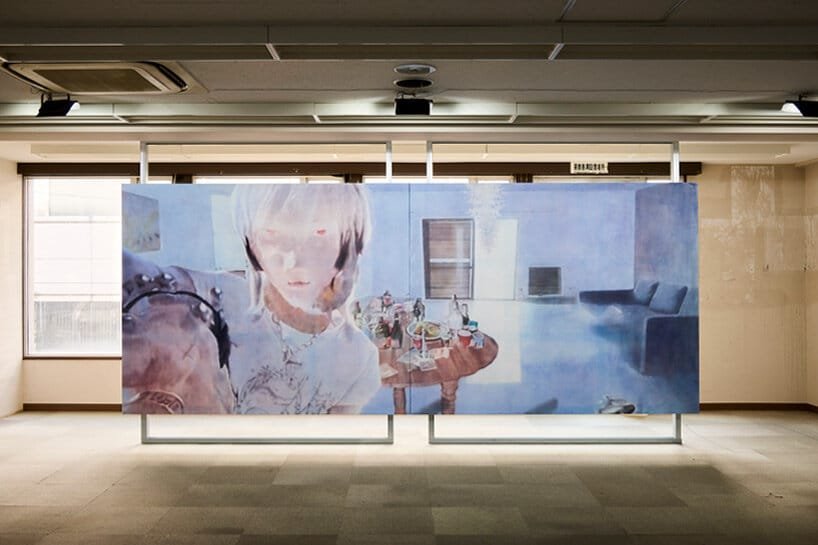
Exhibiting Artists Overview: The fair features artists represented by participating galleries rather than a single curated artist list. Recent editions have included artists such as GUWEIZ, an artist who brings stories to life with over 1 million followers on social media, working in illustration and contemporary painting.
International Representation: In the previous edition at Osaka-jo Hall, artists from diverse regions were represented, including artists from Thailand such as those represented by Gallery VER, which was established as an artist-led initiative to foster collective ideas and energize contemporary art perception. Gallery VER presented artists including Takerng Pattanopas, Pattara Chanruechachai, Disorn Duangdao and Thavika Savangwongsakul.
Japanese Contemporary Artists: Galleries from Osaka and Kansai region showcase emerging artists from the area, alongside established Japanese contemporary artists. The fair serves as a platform to introduce yet-to-be-discovered talent from Osaka and across Asia.
Craft and Antiquities Artists: Traditional craft artists including ceramicists, textile artists and lacquerware makers, as well as antique dealers presenting historical Japanese art, contribute to the PAST to POST dialogue.
Digital Collective Artists: Emerging digital collectives exploring new media, interactive installations and technology-driven art practices.
Galleries & exhibitors
Exhibitor Profile: Osaka International Art brings together over 120 galleries from around the world in its expanded format, with a strong focus on Asia-Pacific, Europe and Japan. The fair is now accepting exhibitor applications, with guidelines available for download from the official website.
Types of Exhibitors: Contemporary art galleries, modern art galleries, craft galleries, antiquities and oriental art dealers, design galleries, and galleries specializing in digital art. The fair welcomes both established galleries with long exhibition histories and young galleries showcasing emerging talent.
Notable Exhibitor Categories from Previous Edition: Galleries such as Gallery VER from Thailand, Curado Art Space, kuon, Gallery nyoze, monade contemporary, Kouichi Fine Arts, Tezukayama Gallery, and many others representing Japan, Korea, China, Southeast Asia and Europe.
Embassy Collaborations: Exhibitors are often supported by embassy cultural sections, providing additional international representation and cultural programming.
Application Process: Interested galleries download exhibitor guidelines from the official website and submit applications accordingly. The executive committee reviews applications to ensure quality and diversity across contemporary, modern, traditional, crafts and digital categories.
Exhibition halls & sections
Event Hall Main Floor: The primary exhibition space at Grand Cube Osaka Event Hall hosts gallery booths arranged with wide aisles for comfortable viewing. The hall accommodates diverse media including large-scale paintings, sculpture and installation.
PAST to POST Curated Section: A specially designed area within the main hall that presents the conceptual framework of re-editing the past and connecting to the post era, featuring thematic displays that cross contemporary art, antiquities, craft, design and architecture.
VIP Lounge and Hospitality Area: Dedicated lounge for VIP View invitation holders, providing private viewing environment, catering and meeting spaces for collectors and curators.
Talk and Symposium Space: Area for artist talks, panel discussions and cultural programs exploring Osaka’s cultural circulation and the future of art ecosystem.
Digital and Media Zone: Section equipped with appropriate technology for displaying video art, digital installations and interactive works.
Craft and Food Experience Area: Reflecting the concept’s inclusion of food as cultural expression, a zone for experiencing culinary culture alongside visual art, demonstrating how Osaka circulates culture through multiple sensory channels.
Talks, workshops & special events
VIP View Preview: Invitation-only preview providing first access to gallery presentations for collectors, curators, museum directors, advisors and press, fostering direct dialogue between galleries and collectors.
Artist Talks and Panel Discussions: Programs exploring the fair’s concept of cultural circulation, with artists and curators discussing how Osaka’s history as a port city shaped by trade influences contemporary practice.
Embassy Cultural Programs: Special events organized in collaboration with embassies and consulates, presenting international cultural perspectives and fostering exchange between culture and commerce.
Craft Demonstrations: Live demonstrations by traditional craft artists, showing techniques of ceramics, lacquerware and textile production, bridging past and present practices.
Collector Tours: Guided tours for VIP collectors, providing insights into gallery presentations and highlighting emerging talent from Osaka and Asia.
Educational Programs: Workshops and lectures aimed at general public, students and emerging artists, contributing to creation of new culture that advances mutual understanding and inclusion through power of art.
Ticket types
Pricing is based on previous editions at Osaka-jo Hall and similar art fairs in Osaka, converted to USD. Official pricing for the upcoming edition will be announced via official website.
General Admission – One Day: $23. Admits one person for one day during public fair period. This pricing is based on typical art fair tickets in Osaka, which were previously $23 for adults.
Student Admission – University and College: $20. Discounted admission for university students with valid student ID, based on previous Osaka art fair pricing of $20 for students.
Exhibition Passport Type: $23. Some editions have used passport-style tickets allowing access to multiple related events, previously priced at $23 for adults.
Exhibition and Art Fair Set Pass: $40. Combined ticket offering access to related exhibitions and art fair, previously priced at $40 for adults and university students, providing best value for visitors wanting to experience multiple venues.
Art Fair Ticket for Specific Days: $23 per day, with some variations for weekend versus weekday.
VIP View Ticket: Invitation-only, not for public sale. Access granted to invited collectors, curators, press and institutional partners. No public pricing.
Children and Youth: Children under elementary school age typically free with accompanying adult. Elementary and junior high school students may receive free or heavily discounted admission with guardian.
Group Discounts: Group rates for 20 or more visitors typically offer $3 to $5 discount per person off general admission, with advance booking required.
Advance Purchase: Advance tickets offer approximately $3 discount off same-day pricing, available via official website ticketing page.
VIP & collector access
VIP View Invitation: The VIP View is invitation-only, held on the day before public opening. Invitations are extended to major collectors, museum directors, curators, advisors, press and cultural leaders from Japan and abroad.
Collector Benefits: VIP guests receive priority access to gallery booths, private meeting spaces, catalogue, and hospitality including catering and lounge access. The fair aims to foster new exchange between culture and commerce, providing environment for serious collecting.
Embassy and Consulate VIP Programs: Special VIP programs organized in collaboration with embassies and consulates, offering cultural exchange opportunities for international collectors.
Private Tours: Executive committee and production team arrange private guided tours for top collectors, highlighting key gallery presentations and emerging talent.
Networking Events: Evening receptions and dinners for VIP guests, facilitating connections between Osaka’s business community and international art world, contributing to virtuous cycle in wider art ecosystem.
Hotel and Concierge Services: Official partner hotels provide concierge services and shuttle to venue for VIP guests, with many located in Nakanoshima and Umeda areas.
Event rules
Admission Policy: Tickets valid for one day only unless specified as set pass. VIP View access requires invitation card and valid ID. Children must be accompanied by guardian.
Photography Rules: Photography for personal use may be permitted in some areas but restricted at individual booths at gallery discretion. No flash photography, tripods or commercial photography without press accreditation. Respect gallery requests regarding photography of specific artworks.
Bag and Security Check: Large bags, backpacks and umbrellas may be required to be stored in cloakroom. Security screening at entrance. Outside food and drink not permitted inside exhibition hall.
Art Handling: Do not touch artworks unless explicitly permitted. Maintain distance from works and follow gallery staff instructions.
Ticket Resale: Tickets non-transferable and non-refundable. Resale prohibited. Invitation cards for VIP View are personal and cannot be transferred.
Behavior: Respectful viewing, no loud conversations or phone calls inside hall. Mobile phones set to silent mode. Smoking prohibited inside venue.
Age Policy: Fair suitable for all ages, but parents responsible for supervising children to ensure artworks are not touched or damaged.
How to get there
Address: 5-3-51 Nakanoshima, Kita-ku, Osaka City, Osaka 530-0005, Japan. Located on Nakanoshima island in central Osaka.
By Train – Keihan Line: Take Keihan Nakanoshima Line to Nakanoshima Station, directly connected to Grand Cube Osaka via underground passage, approximately one minute walk.
By Train – JR and Metro: Take JR Tozai Line to Shin-Fukushima Station, or Osaka Metro Yotsubashi Line to Higobashi Station, or Midosuji Line to Yodoyabashi Station, each approximately 10 minutes walk to venue.
From Osaka Station and Umeda: From JR Osaka Station or Umeda area, take taxi or subway, approximately 10 minutes, cost $7 to $10. Direct bus services also available.
From Kansai International Airport: Take Nankai Airport Express to Namba, transfer to Metro Yotsubashi Line to Higobashi, total journey approximately 60 to 70 minutes.
From Itami Airport: Take airport bus to Osaka Station, then transfer to train or taxi to Nakanoshima.
Walking from Cultural District: The venue is within walking distance of National Museum of Art Osaka and Nakanoshima Museum of Art, making it convenient to combine visits.
Public transport & parking
Public Transport Recommended: Due to limited parking in central Nakanoshima and heavy traffic, public transport via Keihan Nakanoshima Line is strongly recommended. Direct connection from station to venue provides barrier-free access.
Day Pass Options: Osaka Metro and City Bus day passes available for approximately $5.50, providing unlimited travel on subway and bus, ideal for combining fair visit with other cultural venues in Osaka.
Parking: Grand Cube Osaka has limited paid parking available, fee approximately $2.50 per 30 minutes, maximum $15 per day. Spaces fill quickly during major events. Nearby commercial parking available at Nakanoshima and Umeda areas.
Taxi and Ride Share: Taxi from central Osaka such as Namba or Shinsaibashi costs approximately $10 to $15. Ride share services operate in Osaka and are convenient for evening returns.
Accessibility Transport: All stations serving venue have elevators and escalators. Keihan Nakanoshima Station offers step-free access directly into Grand Cube Osaka basement level. Low-floor buses operate on routes serving Nakanoshima.
Accommodation areas
Nakanoshima and Kitahama: Hotels within walking distance of venue including Rihga Royal Hotel Osaka and boutique business hotels, rates from $100 to $250 per night. Ideal for exhibitors and collectors seeking proximity.
Umeda and Osaka Station Area: Major hotel cluster with wide range of accommodation from $80 to $400 per night, including Hilton Osaka, InterContinental Osaka and budget business hotels, with direct train access to Nakanoshima via JR and Metro.
Shinsaibashi and Namba: Vibrant commercial and entertainment areas with hotels from $70 to $300 per night, offering shopping, dining and nightlife alongside fair visits.
Osaka Castle and OBP Area: Hotels near Osaka-jo Hall, previous fair venue, still convenient for cultural tourism, rates from $80 to $200 per night.
Booking Advice: Accommodation should be booked well in advance as the fair coincides with winter cultural season and business travel peak in Osaka. Official partner hotels may offer shuttle services and concierge support for collectors.
Food & refreshments
Inside Venue: Grand Cube Osaka Event Hall offers cafe counters and food stalls during fair, providing light meals, coffee and refreshments for visitors and exhibitors. VIP Lounge offers catering for invitation holders.
Nakanoshima Dining: The Nakanoshima area is known for its refined dining, with restaurants along the river offering Japanese, French and Italian cuisine, average lunch prices from $10 to $30. Many restaurants provide views of Dojima River.
Nearby Commercial Facilities: Nakanoshima and Umeda areas have extensive dining options within shopping complexes, offering ramen, sushi, okonomiyaki and international cuisine.
Osaka Food Culture: As part of PAST to POST concept including food, the fair encourages exploration of Osaka’s culinary culture, known as Japan’s kitchen, with street food in Dotonbori and traditional kaiseki in Kitashinchi.
Convenience: Convenience stores and vending machines available throughout venue and surrounding area. Food and drink not permitted inside exhibition hall except in designated lounge areas.
Accessibility
Venue Accessibility: Grand Cube Osaka is fully barrier-free with level entrances, elevators to all floors, accessible restrooms and wide aisles suitable for wheelchair users. The venue has capacity of 2,754 and complies with accessibility standards.
Wheelchair Services: Wheelchairs available for loan at venue entrance free of charge. All gallery booths accessible via wide aisles.
Visitors with Disabilities: Discounted admission and free companion entry typically offered for visitors holding disability certificate. Guide dogs and service dogs permitted inside venue.
Visual and Hearing Support: Staff assistance available for visitors with visual or hearing impairments. Large-print guides and written materials available.
Family Access: Stroller access permitted throughout venue. Nursing room available.
Language Support: Multilingual staff and information materials in Japanese and English. Most galleries have English-speaking staff during fair period.
Direct Station Connection: Keihan Nakanoshima Station offers step-free access directly into Grand Cube Osaka, eliminating need to navigate outdoor streets for visitors with mobility needs.
Must-see exhibitions
PAST to POST Curated Section: The conceptual heart of the fair, presenting Osaka not as city that has merely preserved culture but as one that has continually generated, transformed and circulated it across time. This section brings together contemporary art, antiquities, craft, design, architecture, music and food.
Embassy Collaboration Presentations: International galleries and cultural presentations supported by embassies and consulates, offering diverse perspectives from countries including Thailand, Panama, Mongolia, Serbia, Cuba, China, India and France.
Contemporary Japanese Galleries: Booths from Osaka and Kansai region showcasing emerging artists from the area, providing insight into current trends in Japanese contemporary art and the Kansai art scene.
Craft and Antiquities Area: Traditional Japanese crafts, ceramics and oriental art that connect historical techniques with contemporary practices, embodying the theme of re-editing the past.
Digital and New Media Zone: Emerging digital collectives and technology-driven works that represent the next era of artistic expression.
Gallery VER and International Galleries: Artist-led initiatives from Southeast Asia and beyond, presenting collective streams of ideas and energizing contemporary art perception.
Previous year’s highlights
Venue at Osaka-jo Hall: The previous edition was held at Osaka-jo Hall located steps from iconic Osaka Castle, opening doors to global art world as satellite event of Expo 2025. The venue provided historic backdrop for contemporary art.
Scale and International Reach: Over 120 galleries from around world participated, representing artists from Panama, Mongolia, Serbia, Cuba, China, India, France and beyond, marking first-ever large-scale art fair in Osaka aiming to become international hub for culture and tourism.
Invite-Only VIP Preview: As an invite-only three-day art fair organized by Osaka Prefecture, Osaka City and executive committee, the fair emphasized quality and curated exchange over sheer scale, fostering deeper connections between galleries and collectors.
Collaboration with Expo 2025: As part of Osaka-Kansai Expo cultural programming, the fair contributed to wider cultural ecosystem, with exhibition passport and art fair tickets offering access to related events.
Emerging Talent Focus: The fair highlighted emerging artists from Kansai area, with private sector launching bigger projects such as Kansai Art Annual at Shinsaibashi Parco and Life in Art Osaka Artscapes modeled after Tokyo Artscapes, indicating growing momentum for Osaka’s art scene.
Community and Business Link: Organized with production by H2O Retailing Corporation, the fair demonstrated successful public-private partnership linking culture with business, aiming to create virtuous cycle in art ecosystem.
Official tickets
Purchase Method: Tickets available via official website at https://osaka-international-art.com/ through online ticketing page at https://osaka-international-art.com/tickets/index.html. Advance purchase recommended.
On-Site Sales: General admission tickets available at venue entrance during fair period, subject to availability. Cash and credit cards accepted.
Ticket Types: General admission one day, student admission, exhibition passport, exhibition and art fair set pass, VIP View invitation-only. Advance tickets offer discount off same-day pricing.
Contact Information: Email info@osaka-international-art.com for inquiries regarding ticketing, exhibitor applications and press accreditation. Official website provides updated exhibitor list, program details and visitor information.
Exhibitor Applications: Now accepting exhibitor applications for upcoming edition. Interested galleries should download exhibitor guidelines from official website link and submit application accordingly.
Group and Student Verification: Students must present valid ID at entrance. Disability certificates must be presented for discounted admission where applicable.
Location
FAQ
What is the concept behind PAST to POST and what kind of art will I see?
PAST to POST approaches Osaka's past not as nostalgia but as creative resource for imagining what comes next, tracing Osaka's history as port city shaped by trade and exchange. You will see works crossing boundaries of contemporary art, antiquities, craft, design, architecture, music and food. The fair presents Osaka as a city that has continually generated, transformed and circulated culture, with exhibitions ranging from contemporary galleries to traditional craft and digital collectives.
How does Osaka International Art differ from other art fairs in Japan?
Osaka International Art is organized by Osaka Prefecture, Osaka City and the Osaka Culture and Arts Project Executive Committee as an international art fair aiming to foster exchange between culture and commerce. It is distinguished by its collaboration with embassies and consulates, its focus on Osaka's unique history of cultural circulation, and its integration of contemporary, modern, traditional, craft and digital art. Unlike purely commercial fairs, it aims to generate a virtuous cycle in wider art ecosystem with public-private partnership including H2O Retailing Corporation.
Is the VIP View open to the public and how can I get an invitation?
The VIP View is invitation-only and not open to general public ticket sales. Invitations are extended to major collectors, museum directors, curators, advisors, press and cultural leaders from Japan and abroad. If you are a serious collector or art professional, you may contact the OSAKA INTERNATIONAL ART Office via email to inquire about eligibility and provide your professional background. General public can attend during public days with standard admission tickets.
What facilities are available at Grand Cube Osaka and how accessible is the venue?
Grand Cube Osaka Event Hall is fully barrier-free with level entrances, elevators, accessible restrooms and wide aisles suitable for wheelchair users, with capacity of 2,754 people. It is directly connected to Keihan Nakanoshima Station via underground passage, providing step-free access from train to venue. Wheelchairs are available for loan, guide dogs are permitted, and multilingual staff provide assistance. The venue is located on Nakanoshima island near National Museum of Art Osaka and offers cafe counters and VIP lounge catering during fair.
How can I combine a visit to the fair with other cultural activities in Osaka?
The venue is located in central Nakanoshima, within walking distance of National Museum of Art Osaka and Nakanoshima Museum of Art, allowing easy combination of art visits. The fair's concept encourages exploring Osaka's food culture and historic sites such as Osaka Castle, which was near previous venue Osaka-jo Hall. The area around Nakanoshima offers refined dining along the river, while nearby Umeda, Shinsaibashi and Namba provide shopping and entertainment. Public transport day passes allow unlimited travel to combine fair with other Osaka cultural districts.

Leave a Reply