
-
November 14, 2026
Event date:
-
November 15, 2026
Event end:
What to expect in 2026
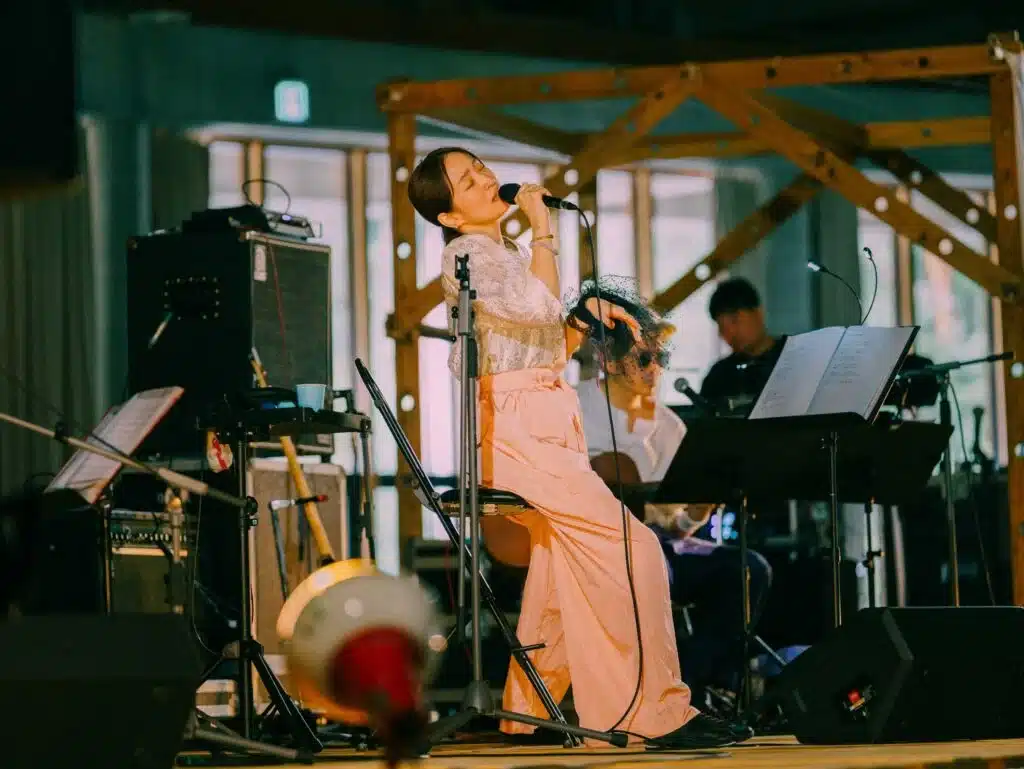
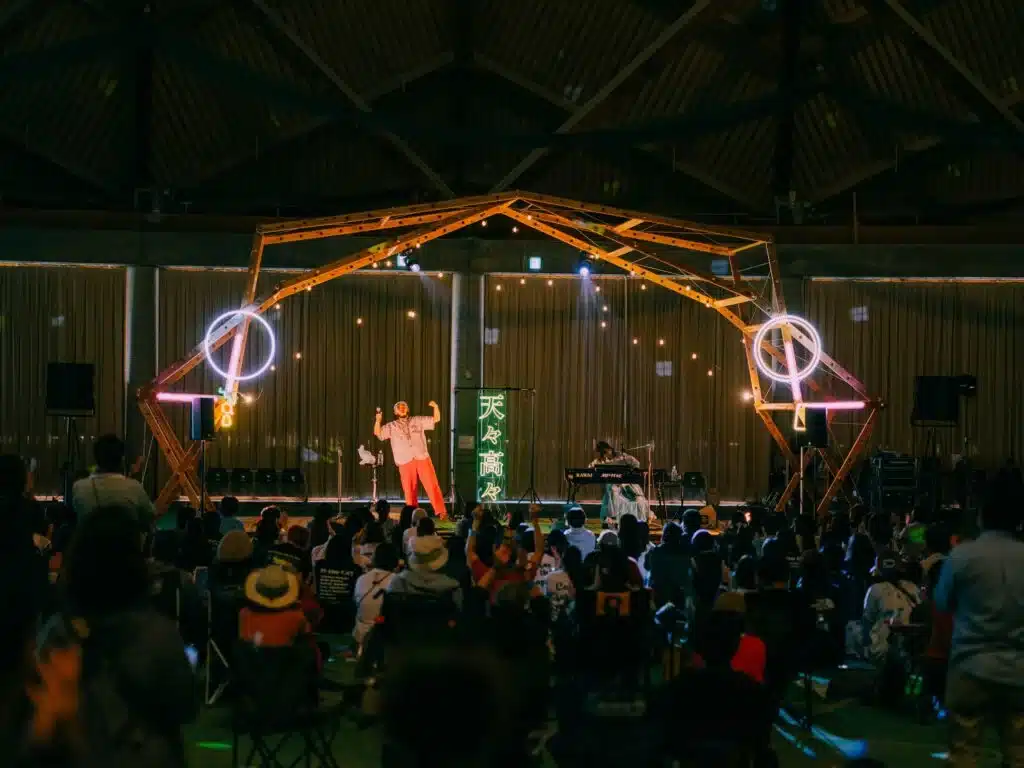
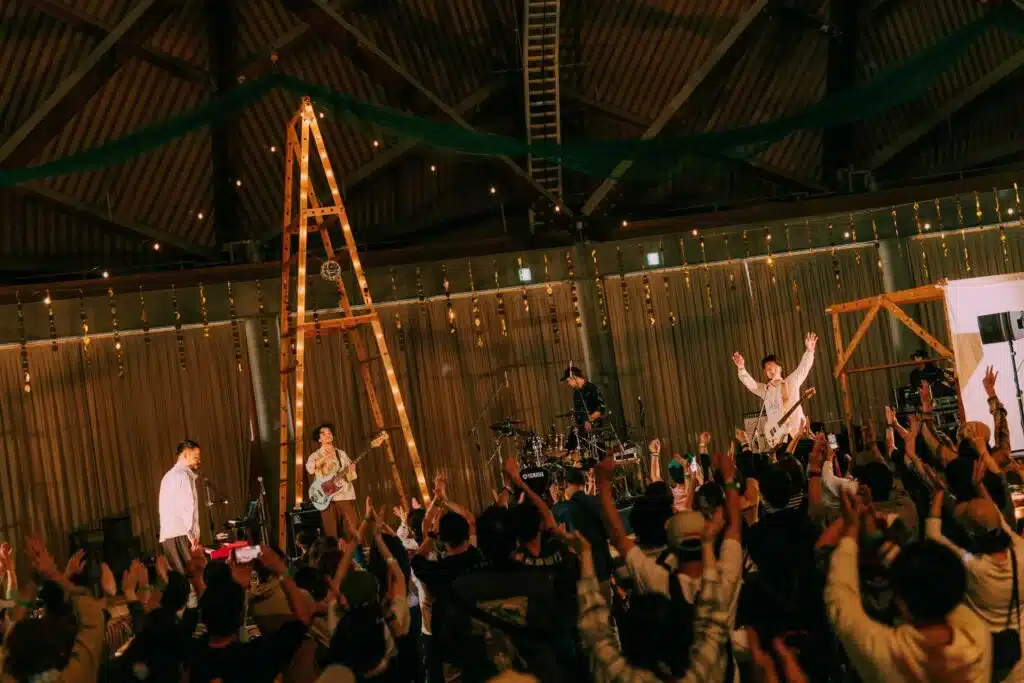
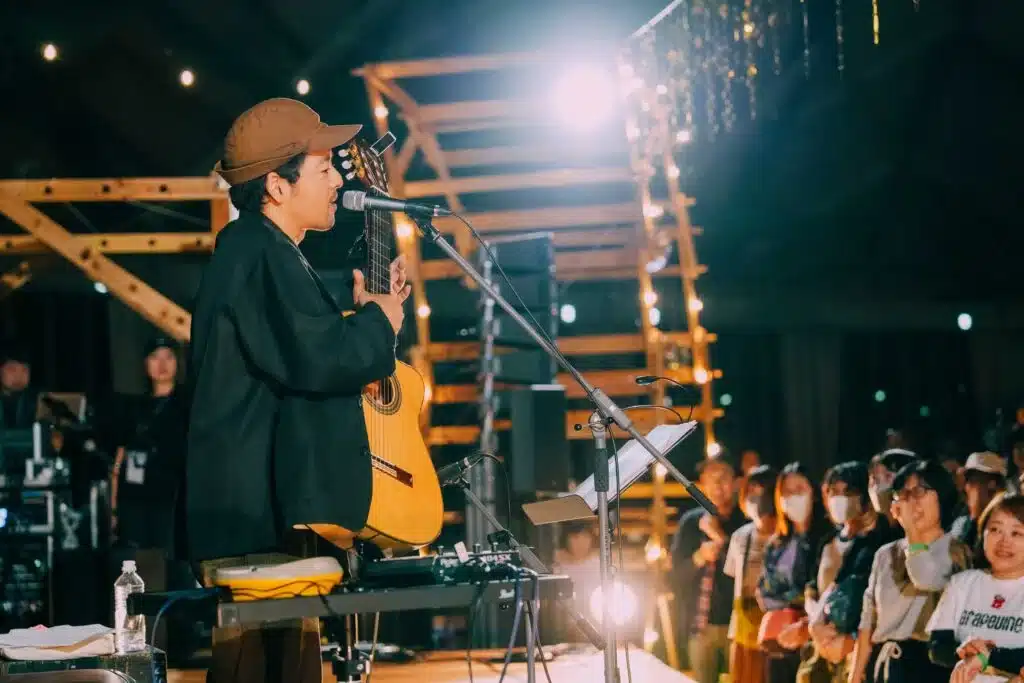
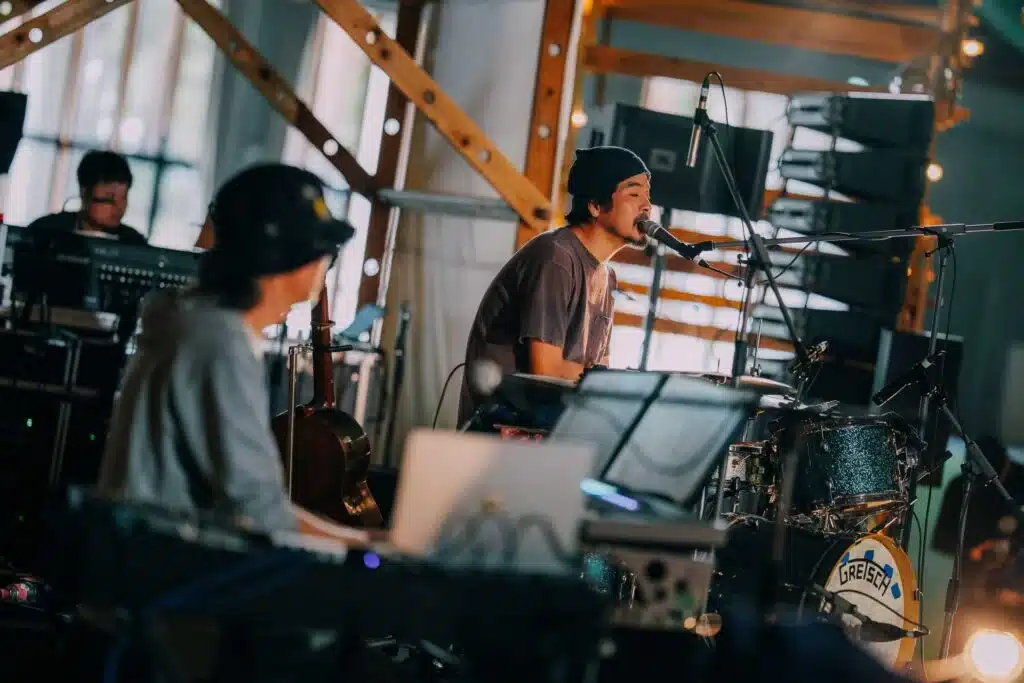
Overhead Festival 2026 is a two-day, all-ages, all-weather music festival taking place at I-Net Yamabiko Dome in Shinshu Sky Park, Matsumoto, Nagano. The festival combines Japanese live music with a relaxed outdoor-park atmosphere, food and market areas, family-friendly facilities and two indoor performance stages.
The 2026 edition is the second edition of Overhead Festival and features a broad lineup that moves between alternative rock, singer-songwriter music, soul, pop, dance and hip-hop influences. Confirmed performers include Sunny Day Service, ACO, Strange Reitaro, Hui Ishizaki, Salyu, Ohashi Trio with Gok Kikuchi of Bialystocks, ETSU & CHIHARU from TRF, Afro, Ai Higuchi, Naohisa Hayase, Tententaka and Nichiro.
One of the defining characteristics of Overhead Festival is its all-weather concept. The main performances take place inside Yamabiko Dome, meaning visitors can continue enjoying live music even if outdoor weather conditions are poor. The surrounding Shinshu Sky Park also gives the festival a spacious setting with grass areas, open views and the nearby airport.
Enjoy Your Event Stress-Free with Japan Travelo
Do you know? Planning events, festivals, concerts, and cultural experiences in Japan can be overwhelming. Japan Travelo brings everything together in one place, helping you manage your itinerary, transport, and accommodation with ease—so you can enjoy Japan without the stress of planning.
Music and atmosphere
The festival is designed around live performances rather than a large-scale commercial festival format. Its programming brings established Japanese artists together with singer-songwriters, musicians, performers and emerging collaborations.
Two-day experience
Visitors can purchase either a one-day ticket or a two-day pass. The two-day option allows audiences to experience both artist groups and spend more time exploring the market and surrounding park.
Family-friendly festival
Middle-school students and younger children can enter free when accompanied by an adult, subject to the stated limit of two children per adult. Small children may also attend with strollers.
Indoor festival setting
Both stages are located inside Yamabiko Dome and performances alternate between them. This means visitors do not need to make long walks between stages, and the sound from the performances can be heard throughout the dome.
Event dates
November 14, 2026 – November 15, 2026
Doors open: 11:00
Live performances begin: 12:00
Expected finish: Around 19:00
The official festival information confirms a two-day programme with the same general daily schedule across the weekend.
The festival takes place during late autumn in Matsumoto, so visitors should prepare for cold conditions even though the main performances are indoors. The organizer specifically advises attendees to bring suitable cold-weather clothing for November conditions.
Visiting this event? Don’t miss out on these amazing activities and local experiences while you’re here.
Venue & festival site
The main venue is I-Net Yamabiko Dome within Shinshu Sky Park in Matsumoto, Nagano Prefecture.
I-Net Yamabiko Dome
Shinshu Sky Park, 9036-4 East of the Airport, Matsumoto City, Nagano, Japan
The venue is located beside Shinshu Matsumoto Airport and is approximately a six-minute walk from the airport according to the official Matsumoto tourism information.
Yamabiko Dome is a large covered sports and events facility that provides Overhead Festival with an unusual combination of an indoor concert environment and a large surrounding public park.
Yamabiko Dome
The dome contains the festival’s two music stages. Because the stages are located within the same building, visitors can move between performances without dealing with long outdoor transfers.
Shinshu Sky Park
The surrounding park provides additional open space for visitors, markets and festival-related activities. The park setting also gives Overhead Festival a different atmosphere from an urban indoor music festival.
Market area
The festival includes a market and food-vendor area. The organizer has also opened applications for vendors, indicating that food, shopping and local businesses form an important part of the wider festival experience.
Full lineup
The confirmed 2026 lineup includes artists performing across the two festival days.
November 14 lineup
- Sunny Day Service
- ACO
- Strange Reitaro
- Hui Ishizaki
- ETSU & CHIHARU from TRF
- Nichiro
November 15 lineup
- Ohashi Trio with Gok Kikuchi of Bialystocks
- Salyu
- Afro
- Ai Higuchi
- Tententaka
- Naohisa Hayase
The official festival has confirmed the day-by-day distribution of these performers. The organizer has also indicated that further artist announcements were planned, so visitors should check the final official lineup before attending.
Sunny Day Service
Sunny Day Service is one of the established Japanese rock acts appearing at the festival and forms part of the first day’s lineup.
ACO
ACO brings a distinctive singer-songwriter and alternative-pop presence to the first day.
Strange Reitaro
Strange Reitaro has performed across Japanese festivals and live venues for many years and is known for his solo work as well as his previous group activities.
Ohashi Trio with Gok Kikuchi
The festival has specifically announced a special duo configuration of Ohashi Trio with Gok Kikuchi from Bialystocks. Ohashi Trio combines vocals, instruments and songwriting, while Kikuchi contributes to the special live arrangement.
Salyu
Salyu is one of the prominent vocal artists appearing on the second day.
Ai Higuchi
Ai Higuchi brings piano-led singer-songwriter music to the festival. Her work combines songwriting with a strong vocal and instrumental identity.
Headliners & featured artists
Overhead Festival does not use the same large-scale headliner hierarchy found at some major commercial festivals. Instead, its programme distributes established artists across the two days.
Sunny Day Service
Sunny Day Service is one of the most recognizable names in the first-day lineup, giving the opening day a strong Japanese rock presence.
ACO
ACO adds an alternative and soulful character to the first day’s programme, complementing the rock-oriented performances around her.
Strange Reitaro
Strange Reitaro’s extensive live experience makes his performance one of the notable singer-songwriter appearances. His repertoire covers original music, acoustic performances and collaborations.
Ohashi Trio with Gok Kikuchi
The special duo arrangement is one of the distinctive bookings of the second day. Ohashi Trio is known for songwriting, arranging and multi-instrumental performance, while Kikuchi is associated with Bialystocks.
Salyu
Salyu brings an established Japanese vocal presence to Day 2 and adds another dimension to the festival’s varied programme.
ETSU & CHIHARU from TRF
The TRF-associated dance performers provide a different performance style from the singer-songwriter and band performances elsewhere on the lineup. ETSU and CHIHARU have long careers in dance, choreography and stage performance.
Stages & performance areas
Overhead Festival has two stages inside Yamabiko Dome.
Main Stage
The principal performance area hosts the festival’s larger artist performances. Established bands and solo performers use the stage throughout the day.
Second Stage
The second stage allows the festival to maintain a continuous music programme while another artist is performing on the main stage.
Alternating performances
The two stages operate alternately rather than requiring visitors to travel between distant parts of the festival grounds. The official Q&A specifically states that both stages are inside Yamabiko Dome and that there is little need for significant movement between them.
Festival market
Outside the performance areas, the market and food section gives visitors an opportunity to take a break from the music, browse vendors and enjoy local food.
Park surroundings
Shinshu Sky Park provides open areas around the dome, giving visitors space to relax outside the main performance environment.
Stage-by-stage schedule
The final detailed timetable has not yet been published. The festival has confirmed the artist day allocations, but the individual stage order and exact performance times are to be announced.
Day 1
The first day’s confirmed artists are Sunny Day Service, ACO, Strange Reitaro, Hui Ishizaki, ETSU & CHIHARU from TRF and Nichiro.
The programme is expected to alternate between the two indoor stages, allowing audiences to move between performances with minimal walking.
Day 2
The second day features Ohashi Trio with Gok Kikuchi, Salyu, Afro, Ai Higuchi, Tententaka and Naohisa Hayase.
This day offers a particularly strong concentration of singer-songwriter, piano-led, alternative and collaborative performances.
Final timetable
The organizer has stated that the timetable would be released after the complete artist lineup was announced. Visitors should therefore use the official festival timetable once published rather than relying on estimated performance order.
Set times
The official daily festival schedule confirms that doors open at 11:00, performances begin at 12:00 and the programme is expected to finish around 19:00.
Individual artist set times are not yet confirmed in the published information.
Festival opening
11:00
Live music begins
12:00
Expected daily conclusion
Around 19:00
Because the two stages alternate performances, visitors will be able to move between artists without major stage-to-stage travel.
The final timetable should identify which stage each performer uses, individual set lengths, breaks and the closing performance for each day.
Ticket types
The 2026 ticket structure includes two-day passes, one-day tickets and student/child options. The official prices converted to approximate USD are as follows.
Two-day general pass
Approximately $76.
The standard general two-day pass provides admission across both festival days.
One-day adult ticket
Approximately $44.
This allows entry for one festival day.
High school student ticket
Approximately $19.
This is the dedicated student category for high school students.
Middle school students and younger
$0.
Children in this age group are admitted free when accompanied by a parent or guardian, with up to two children per adult according to the festival’s rules.
Early-bird two-day pass
Approximately $63.
Earlier advance-sale phases offered reduced two-day passes before the regular general-sale price. Some early tickets also included the official festival towel. These early offers were limited and are not necessarily still available.
VIP & premium options
Overhead Festival does not currently advertise a conventional VIP ticket programme with private lounges, backstage access or dedicated premium hospitality.
General festival access
The standard ticket provides access to the festival and its two stages.
Early-bird benefits
The earliest two-day advance ticket included an official Overhead Festival towel as a promotional benefit. This was attached to a limited early-sales phase rather than a permanent VIP category.
Premium seating
There are no assigned premium seats. The festival’s official Q&A states that there are no designated seats for stage viewing. Visitors are encouraged to bring leisure sheets or outdoor chairs and enjoy the performances in the available audience areas.
Family-friendly access
The free admission policy for middle-school students and younger makes the standard festival experience accessible to families without requiring a separate children’s premium package.
Event rules
The festival has detailed rules covering weather, admission, photography, food, alcohol, belongings and environmental protection.
Weather policy
The event is planned to proceed in rain except in cases such as severe storms or natural disasters. If the festival is postponed or cancelled because of weather or disaster, the organizer will provide information about refunds.
Wristbands
Tickets are exchanged for wristbands at the entrance. Wristbands must remain securely attached. A lost wristband cannot be used for re-entry.
Re-entry
After exchanging the ticket for a wristband, visitors may leave and re-enter the festival.
Photography and recording
Photography and recording of artists during performances are prohibited unless the organizer specifically permits them. Unauthorized recording may result in data deletion, equipment confiscation or removal from the venue.
Drones
Drones are strictly prohibited.
Large equipment
Tents, tarps, large coolers and barbecue equipment are not permitted inside Yamabiko Dome. Glass bottles, cans and fireworks are also prohibited.
Pets
Pets cannot enter Yamabiko Dome, except assistance dogs.
Alcohol
Alcohol will not be sold to minors or people who are driving.
How to get there
Overhead Festival is unusually convenient for air travelers because Yamabiko Dome is located beside Shinshu Matsumoto Airport.
From Shinshu Matsumoto Airport
The venue is approximately a six-to-ten-minute walk from the airport. This is one of the simplest ways for visitors arriving from outside the region to reach the festival.
From Matsumoto Station
A taxi from JR Matsumoto Station takes approximately 30 minutes, depending on traffic.
From Shiojiri Station
A taxi from JR Shiojiri Station takes approximately 15 minutes.
From Murai Station
A taxi from JR Murai Station takes approximately 10 minutes.
From Hirooka Station
A taxi from JR Hirooka Station takes approximately 10 minutes.
Airport-based itinerary
Visitors arriving at Matsumoto Airport can combine the festival with accommodation in Matsumoto and travel directly to the dome on foot.
Public transport & parking
The festival provides several transportation options.
Free shuttle bus
A free shuttle bus operates from Matsumoto Bus Terminal to the festival. The organizer has stated that detailed operating information is provided through its official social channels.
Airport shuttle
A direct airport shuttle is available, while the Alpico Airport-Imai bus route also stops near Yamabiko Dome.
Local bus
The Airport-Imai Line stops at the Yamabiko Dome stop, from which the venue is approximately five minutes on foot.
Free parking
Designated parking areas are opened free of charge for festival visitors. The organizer warns that unauthorized parking and illegal parking are prohibited.
Visitors should use only the designated festival parking facilities and follow staff instructions.
Shuttle connection
The official Q&A states that the shuttle-bus boarding area is approximately three minutes on foot from Yamabiko Dome.
Accommodation areas
Matsumoto is the most practical base for visitors attending the festival for one or both days.
Matsumoto Station
The station area offers the largest concentration of hotels, restaurants, convenience stores and transport connections. It is also the departure point for the festival shuttle bus.
Central Matsumoto
Staying in the city centre makes it easy to combine the festival with Matsumoto Castle, shopping streets, cafés and local restaurants.
Matsumoto Airport area
Airport-area accommodation can be useful for visitors flying into Shinshu Matsumoto Airport, particularly if they want to minimize transfers on festival morning.
Shiojiri
Shiojiri provides another option for visitors arriving by rail or traveling through the southern part of Nagano Prefecture.
Asama Onsen
Visitors staying longer can choose traditional accommodation around Asama Onsen and combine the festival with a Japanese hot-spring experience.
One important rule is that camping, sleeping in vehicles and overnight stays inside Shinshu Sky Park are prohibited.
Food & drink
Food and market vendors are part of the Overhead Festival experience. The organizer has specifically invited vendors to participate, creating a festival environment that combines music with food and shopping.
Festival food
Visitors can expect a selection of Japanese festival and casual foods from participating vendors, with the final 2026 shop list to be confirmed by the organizer.
Local Nagano food
Matsumoto and the wider Nagano region are known for Shinshu soba, oyaki, apples, local vegetables, miso-based dishes and regional beverages.
Food inside the dome
Food purchased from festival market vendors may be consumed in designated eating areas inside the dome. Visitors may not freely eat food purchased elsewhere throughout the venue.
Drinks
Water and tea may be brought into the dome for hydration if they are in containers with lids. Glass bottles and cans are prohibited.
Alcohol
Alcohol is available subject to festival rules, but it will not be sold to minors or people who are driving.
Waste policy
There are no general rubbish bins throughout the park or dome. Visitors are expected to take their own rubbish home, while rubbish from market purchases is collected by the relevant vendor.
Accessibility
The festival is designed for a broad age range and takes place primarily inside a large dome, making it more weather-protected than an open-air music festival.
Families
Small children can attend with strollers, and middle-school students and younger are admitted free when accompanied by an adult within the stated family limit.
Indoor stages
Both stages are inside the dome, reducing the need for long outdoor transfers between performances.
Mobility planning
Visitors with mobility requirements should contact the organizers before attending to confirm accessible routes, seating arrangements and restroom facilities.
Weather
Although the performances are indoors, the route through the park, parking areas and shuttle connections can still be exposed to cold or wet weather. Warm clothing and suitable footwear are recommended.
Best days to attend
The best day depends largely on which performers visitors want to see.
November 14
The first day includes Sunny Day Service, ACO, Strange Reitaro, Hui Ishizaki, ETSU & CHIHARU from TRF and Nichiro. It offers a strong combination of Japanese rock, alternative singer-songwriter music and dance performance.
November 15
The second day features Ohashi Trio with Gok Kikuchi, Salyu, Afro, Ai Higuchi, Tententaka and Naohisa Hayase. The programme has a strong emphasis on singer-songwriters, vocal performances and collaborative projects.
For the full festival experience
The two-day pass provides the broadest experience because the lineup is divided between two distinct daily programmes.
For families
Either day can work for families because the festival is designed as an all-ages event and middle-school students and younger can enter free with an accompanying adult under the stated conditions.
For first-time visitors
A two-day stay also gives visitors more time to explore the market, surrounding park and different performances without trying to fit everything into a single day.
Previous year’s highlights
Overhead Festival launched in 2025, making the 2026 edition only its second edition. The first festival established the event’s identity around Yamabiko Dome and Shinshu Sky Park, emphasizing music, open park surroundings and a relaxed community atmosphere.
The 2025 event used Yamabiko Dome beside Shinshu Matsumoto Airport, highlighting the unusual location where audiences could enjoy music with the airport and open park environment nearby.
Two-stage concept
The two-stage approach continued into 2026. The stages are positioned inside Yamabiko Dome, allowing performances to alternate while keeping stage changes simple for visitors.
Community atmosphere
The festival’s concept emphasizes stepping away from everyday routines and enjoying music in an open environment. The organizer also works with local organizations, including Matsumoto Yamaga, demonstrating its connection with the wider Matsumoto community.
Growing lineup
The 2026 edition expanded the programme with a broader collection of established artists and newer collaborations. The special Ohashi Trio with Gok Kikuchi configuration and the addition of ETSU & CHIHARU from TRF demonstrate the festival’s interest in varied performance styles.
Official tickets
Tickets are sold through the official Overhead Festival ticket information and authorized Japanese ticket platforms.
Two-day pass
The regular 2026 two-day price is approximately $76. Earlier advance-sale phases offered lower prices of approximately $63 and approximately $76 depending on the release stage.
One-day adult ticket
Approximately $44.
High school ticket
Approximately $19.
Middle school and younger
$0 when accompanied by an adult, with up to two eligible children per adult.
Official ticket channels
The official festival ticket page identifies Ticket Pia and eplus as the principal ticket platforms.
Official website
https://overheadfes.com/
Official ticket information
https://overheadfes.com/tickets/
Because ticket availability and promotional phases can change, visitors should check the official ticket page before purchasing.
Video
Location
FAQ
What is the core artistic vision of the festival?
The event is designed to fuse traditional classical performance with cutting-edge electronic soundscapes and modern multimedia art. It creates an experimental platform where historic heritage meets future-forward auditory exploration.
Where are the primary festival events hosted?
Performances and exhibitions take place primarily within the Kyoto Prefectural Culture and Arts Centre located in Kyoto. The venue provides flexible indoor halls and scenic garden spaces tailored for multidisciplinary arts.
How can international visitors secure admission credentials?
Overseas attendees can purchase passes ahead of time through the official festival website or via authorized international ticketing partners. Early booking is strongly encouraged due to limited capacity for specialized indoor workshop sessions.
What type of cultural elements are integrated into the lineup?
The festival traditionally incorporates classical Japanese performing arts, historic acoustic tributes, and collaborative demonstrations honoring regional heritage. These elements ensure a rich connection to Kyoto's deep artistic history.
Are there options for attendees with accessibility needs?
Venues across the festival grounds feature wheelchair-friendly ramps, elevator access, and designated seating allocations for guests with mobility requirements. Visitors should coordinate specific support requests with the box office prior to arrival.
What kind of weather should travelers expect in Kyoto during November?
Late autumn in Kyoto brings crisp daytime temperatures and cooler evenings that typically call for warm jackets or layers. Checking local forecasts helps visitors remain comfortable while moving between indoor venues and outdoor installations.
How do local residents and international visitors interact at the event?
The festival fosters an inclusive, community-driven environment where global travelers and local culture enthusiasts share spaces and workshops. This open exchange creates a uniquely welcoming atmosphere of mutual creative appreciation.

Leave a Reply