
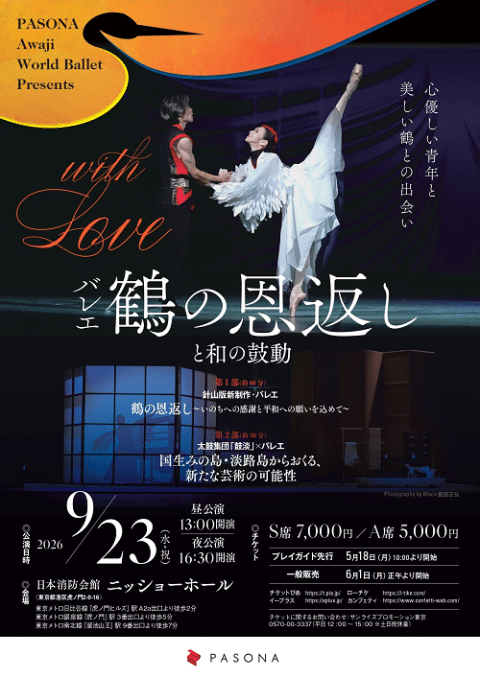
-
September 23, 2026
Event date:
-
September 23, 2026
Event end:
“The Crane’s Return” Story & Traditional Japanese Folklore
The narrative foundation of this production is rooted deeply in one of Japan’s most beloved and enduring folktales, Tsuru no Ongaeshi, commonly known as The Crane’s Return. In this timeless legend, a kind-hearted human rescues a trapped crane, which later transforms into a grateful maiden to weave magnificent, magical cloth from her own feathers. The story explores themes of profound gratitude, self-sacrifice, and the delicate, fragile boundaries that exist between the human world and nature. By adapting this narrative into a contemporary ballet framework, the performance breathes fresh theatrical life into ancient cultural heritage.
The emotional arc of the crane maiden mirrors universal human struggles regarding loyalty, temptation, and the consequences of breaking sacred trust for material gain. As the choreography unfolds, the tragedy and beauty of the original fable are articulated through fluid physical movements, expressive footwork, and dramatic spatial compositions. The crane’s selfless acts of devotion resonate strongly with modern viewers, reminding them of the purity found in unconditional love and kindness. This artistic translation bridges historical folklore with contemporary dance idioms, making ancient moral lessons accessible and moving for diverse audiences.
Traditional Japanese folklore often relies on metaphor and poetic symbolism to explain the inexplicable forces of nature and human emotion. In this staging, the crane serves as an emblem of grace, ecological harmony, and the quiet dignity of keeping promises under duress. The narrative progression carefully builds tension from the initial rescue scene to the heartbreaking climax of departure, holding the audience spellbound. Every gesture and musical cue emphasizes the spiritual weight of the fable, transforming a simple bedtime story into a grand theatrical tragedy.
Enjoy Your Event Stress-Free with Japan Travelo
Do you know? Planning events, festivals, concerts, and cultural experiences in Japan can be overwhelming. Japan Travelo brings everything together in one place, helping you manage your itinerary, transport, and accommodation with ease—so you can enjoy Japan without the stress of planning.
- Faithful adaptation of the cherished Japanese folktale Tsuru no Ongaeshi into modern stage choreography
- Exploration of profound themes including selflessness, gratitude, and the sanctity of keeping promises
- Dramatic portrayal of the crane maiden weaving magical cloth through delicate physical movements
- Universal narrative warnings against curiosity-driven betrayal and the dangers of greed
- Symbolic representation of ecological harmony and the deep spiritual connection between humans and nature
- Emotional escalation leading from a tender rescue scene to a poignant, heartbreaking farewell
- Seamless fusion of traditional storytelling tropes with avant-garde theatrical interpretation
- Cross-cultural accessibility achieved through the emotional clarity of classical ballet expression
Event Schedule
- Event Date: September 23, 2026 (Wednesday/Holiday)
- Event Duration: Approximately 2 hours including intermission breaks between the first and second acts
Visiting this event? Don’t miss out on these amazing activities and local experiences while you’re here.
PASONA Awaji World Ballet & Featured Performers
- Star-studded principal cast featuring acclaimed Japanese ballet talents including Taro Kurachi
- Artistic contributions from international company members bringing diverse global perspectives to the stage
- Exceptional technical proficiency displayed across demanding classical and contemporary choreography
- Engaging ensemble synergy developed through continuous artistic residency programs on Awaji Island
- Masterful execution of complex partnering, lifts, and synchronized spatial formations
- Inspiring regional revitalization mission bringing Awaji-crafted cultural arts directly to Tokyo audiences
- Dedicated dedication to preserving and reinterpreting traditional Japanese narratives through modern dance
Themes of Gratitude, Life & Peace
- Central philosophical focus on expressing deep gratitude for the gift of life and human kindness
- Poignant artistic prayers for global peace and harmony woven into the emotional fabric of Act One
- Exploration of karmic interconnectedness and the heavy spiritual toll of breaking sacred pacts
- Celebration of the healing power of art in bridging regional communities and national divides
- Reflection on the transient beauty of existence symbolized by the fragile life of the crane
- Promotion of empathy, compassion, and mutual understanding through powerful non-verbal storytelling
- Uplifting artistic messaging designed to leave audiences feeling spiritually renewed and inspired
Ticket Prices
- How Tickets Are Sold: Available through authorized Japanese ticket agencies like ePlus, Ticket Pia, and official promoter booking lines
- Admission Type: Reserved seating entry requiring a valid digital pass or physical ticket for admission to the hall
- Ticket Pricing: Ranges from a minimum of $34.00 to a maximum of $67.00 depending on seat tier selection and ticket categories
- Special Seating Options: Designated main floor S-seat and upper tier A-seat sections offering clear sightlines toward the performance stage
- VIP Options: Premium reserved seat bundles paired with priority entry lanes and commemorative event documentation materials
Japanese Taiko Drumming & Traditional Arts
The sonic landscape of the production is dramatically enriched through a powerful collaboration with the renowned taiko drumming ensemble Kotan. Traditional Japanese taiko adds a visceral, earth-shaking dimension to the performance, contrasting sharply and beautifully with the ethereal lightness of classical ballet. The thunderous resonance of the large wooden drums reverberates through the chest of every spectator, heightening the emotional stakes of key narrative moments. This musical partnership creates a striking dialogue between Western European dance traditions and traditional Japanese acoustic arts.
Taiko rhythms do not merely serve as background accompaniment; they function as an active narrative force that dictates the tempo and intensity of the choreography. The drummers execute complex polyrhythms with synchronized athletic precision, demanding immense physical stamina and deep artistic synchronization with the dancers on stage. This dynamic interplay between the kinetic energy of the dancers and the explosive power of the drums generates a magnetic theatrical tension. It highlights how diverse artistic disciplines can merge organically to create something entirely fresh and emotionally resonant.
The cultural weight of taiko drumming brings a distinct spiritual gravity to the performance, recalling festival traditions and sacred rituals performed at ancient shrines. The sound evokes pounding rain, rustling wind, and the relentless heartbeat of nature, aligning perfectly with the ecological themes of the crane narrative. Musicians and dancers rehearse rigorously to ensure that every drum strike aligns flawlessly with the breathing and movement phrases of the choreography. This meticulous attention to detail results in a cohesive, multi-sensory masterpiece that captivates both eye and ear.
- Thrilling live musical collaboration featuring the celebrated taiko drumming group Kotan
- Visceral acoustic resonance providing a powerful structural counterpoint to classical ballet music
- Dynamic polyrhythmic compositions driving the emotional momentum and dramatic tension of scenes
- Integration of sacred Japanese festival drumming traditions into a contemporary theatrical format
- Athletic precision and physical synchronization between percussionists and moving ballet dancers
- Evocation of natural environmental sounds like thunder, wind, and heartbeats through percussion
- Deepening of cultural authenticity and spiritual atmosphere across both acts of the show
Getting to the Venue
- City and Country: Tokyo, Japan
- Venue Name: Nissho Hall
- Google Maps Address: 2 Chome-9-16 Toranomon, Minato City, Tokyo 105-0001, Japan
Ballet Choreography & Artistic Direction
- Visionary direction and choreography helmed by internationally acclaimed ballerina Aimi Hariyama
- Elegant integration of classical Western ballet techniques with traditional Japanese storytelling motifs
- Fluid spatial staging that maximizes the intimate acoustic and visual environment of Nissho Hall
- Dynamic choreographic contrast between the light, avian grace of the crane and grounded earth rhythms
- Meticulously synchronized ensemble routines highlighting technical precision and emotional vulnerability
- Expressive solo variations designed to showcase the refined artistry of principal guest performers
- Innovative use of body lines and minimalist stage properties to evoke vast natural landscapes
Ballet, Japanese Culture & Contemporary Stage Art
The intersection of classical European ballet and traditional Japanese culture represents an exciting frontier in contemporary performing arts innovation. By pairing pointe shoes and tutus with taiko rhythms and folklore, the production redefines what a modern dance collaboration can achieve. This cross-cultural dialogue honors the historical roots of both traditions while stripping away rigid formal boundaries to discover new emotional territories. It is a testament to the versatility of dance as a truly universal medium of human expression.
Awaji Island serves as an inspiring incubator for this cultural synthesis, fostering artistic projects that celebrate regional heritage on national and international stages. The Pasona Awaji World Ballet utilizes its unique platform to revitalize local creative industries while exporting high-caliber artistic productions to major urban centers like Tokyo. This cultural exchange enriches the metropolitan arts scene with fresh perspectives rooted in island folklore and natural appreciation. Audiences benefit from witnessing a vibrant regional initiative blossom into a sophisticated national attraction.
As contemporary stage art continues to evolve, works that thoughtfully blend diverse cultural elements will undoubtedly pave the way for future creative collaborations. The success of this Tokyo presentation proves that audiences crave authentic, emotionally resonant storytelling that respects tradition while embracing modern innovation. Through careful curation, master choreography, and passionate performances, the production leaves a lasting imprint on the landscape of Japanese performing arts. It stands as a brilliant reminder of art’s capacity to unite, heal, and transform.
Event Information
- Email: awajiballet@pasonagroup.co.jp
- Phone Number: +81 50-3816-3651
- Website: https://t.pia.jp/pia/event/event.do?eventBundleCd=b2667407
Location
FAQ
What is the primary narrative inspiration behind the performance?
The production adapts the beloved traditional Japanese folktale Tsuru no Ongaeshi, exploring themes of gratitude and sacrifice. It follows a rescued crane that transforms into a maiden to weave magical cloth from her feathers. This classic legend is reimagined through contemporary ballet and taiko percussion to resonate with modern audiences.
How do ballet and taiko drumming merge on stage?
Classical ballet dancers provide graceful visual storytelling that contrasts with the thunderous, earthy rhythms of live taiko drums. The percussion acts as a dynamic narrative force rather than simple background music, dictating emotional intensity and tempo. This collaboration creates a striking dialogue between Western dance traditions and Japanese acoustic arts.
Who are the key creative forces leading the production?
The show is directed, choreographed, and performed by the internationally acclaimed ballerina Aimi Hariyama. She is joined by principal dancer Taro Kurachi, the Pasona Awaji World Ballet ensemble, and taiko group Kotan. Together, these artists bring exceptional technical skill and deep cultural reverence to the Tokyo stage.
What can audiences expect from the two-part event structure?
Part One presents the original full-length narrative ballet adaptation of The Crane's Return with theatrical staging. Part Two features a special collaborative performance highlighting the synergy between the ballet company and taiko drummers. This structured progression offers a comprehensive and emotionally rewarding artistic journey for every attendee.
Why is Awaji Island significant to the performing arts company?
Awaji Island serves as the creative incubator and home base for the Pasona Awaji World Ballet ensemble. The company uses its platform to foster regional cultural revitalization while developing innovative cross-cultural dance works. Bringing this production to Tokyo allows the island's unique artistic vision to reach a broader national audience.
What venue rules apply regarding ticket purchases and attendance?
All ticket sales are final, with changes and refunds unavailable except in the case of official event cancellations. Children under school age are not permitted inside the auditorium to ensure an undisturbed viewing atmosphere. Patrons requiring accessible seating should contact the organizers in advance to arrange proper accommodations.

Leave a Reply