
Overview
The Reikanji Temple Camellia Event is an exclusive, highly anticipated spring opening that unveils one of Kyoto’s most secluded historical sanctuaries. Established in 1654 by Tarimiya, the princess of Emperor Gomizunoo, Reikanji operates as a prominent Amamonzeki temple—a distinguished imperial nunnery where generations of royal princesses served as chief vestals. Because the sacred precinct remains completely restricted to the public throughout the majority of the year, this brief seasonal opening provides a rare cultural window into imperial Zen monastic life.
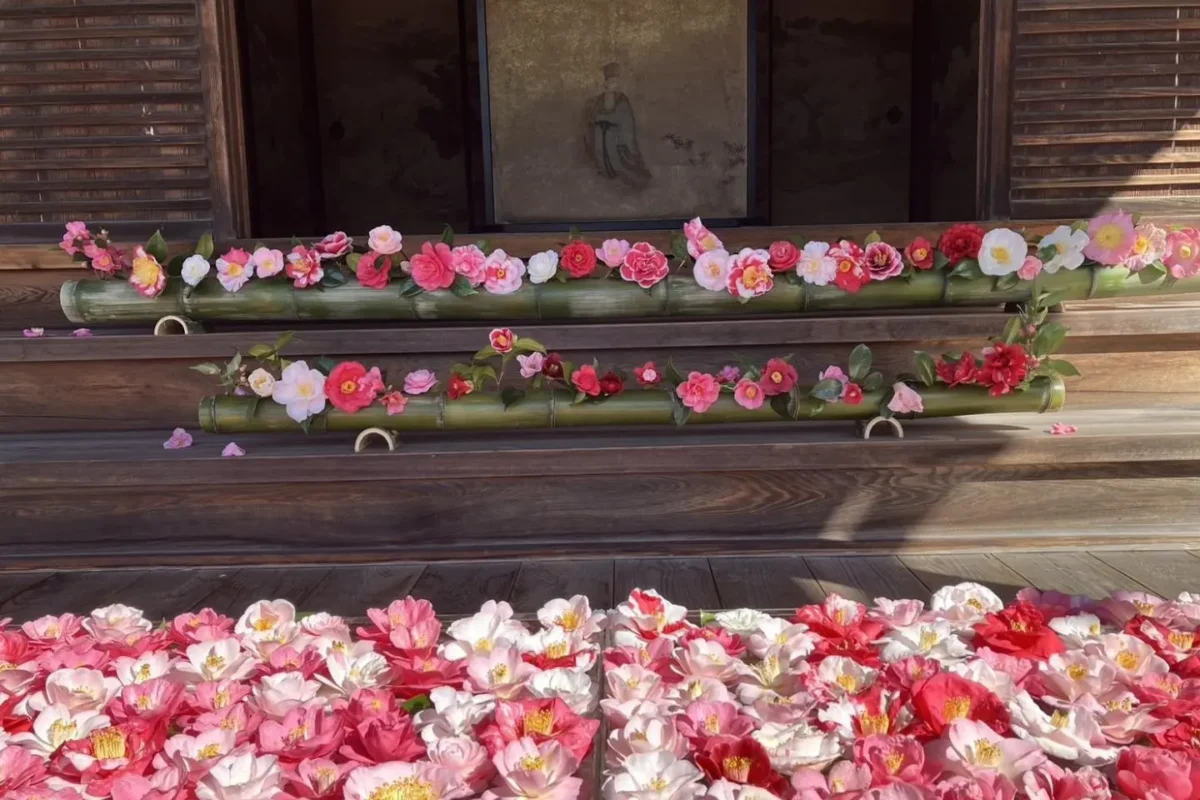
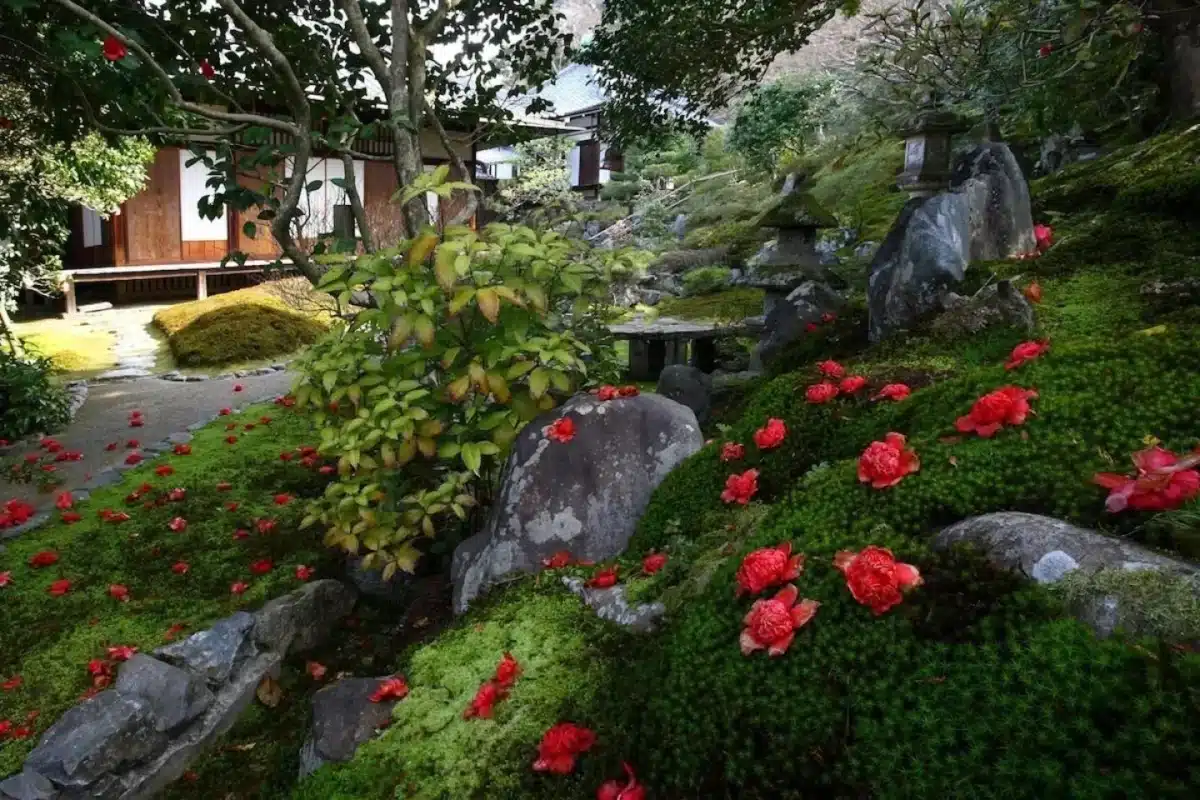
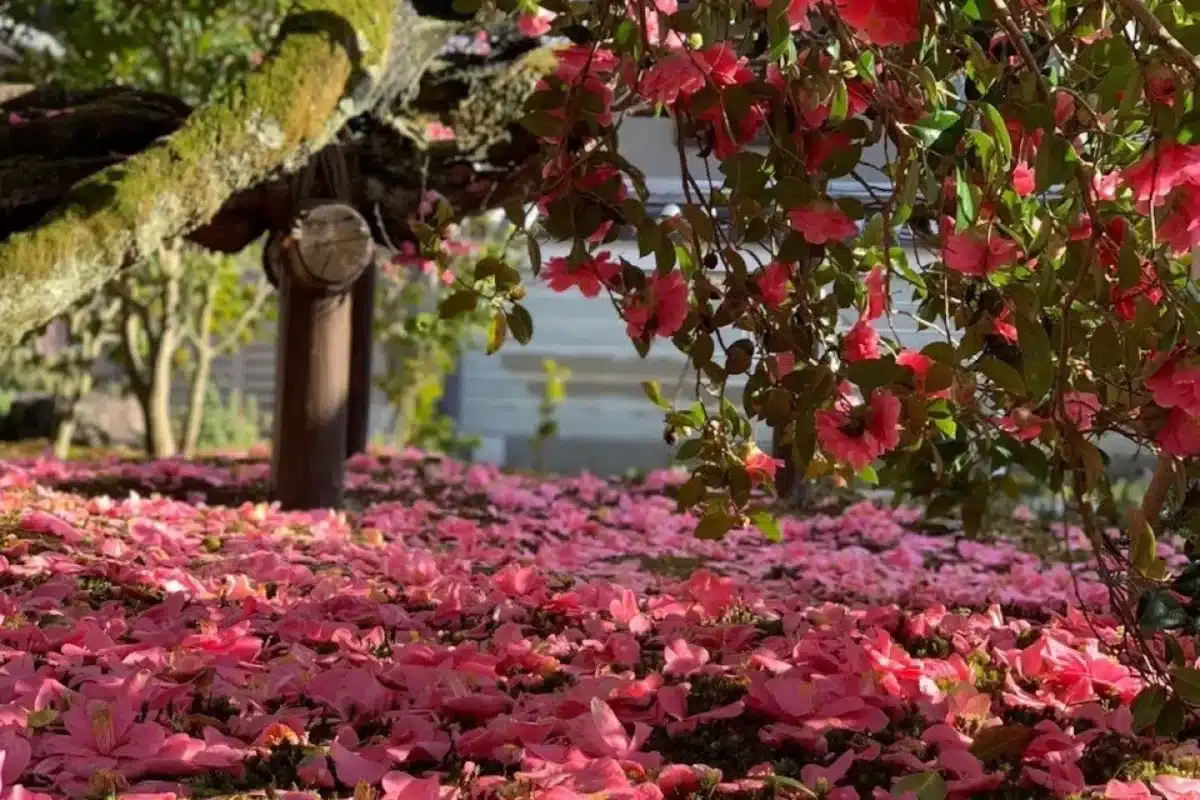
During this mid-spring awakening, the meticulously groomed moss gardens and stone courtyards burst into a brilliant tapestry of floral color. The grounds are home to over one hundred distinct varieties of heirloom camellias, including rare specimens like the Chiri, Shirabotan, and Maizuru camellias. The crowning botanical feature is the ancient Nikko Camellia, a spectacular, centuries-old tree officially designated as a natural monument by Kyoto City, which produces clusters of deeply saturated, elegant crimson blossoms.
Beyond the breathtaking horticultural displays, the event allows visitors rare entry into the temple’s private drawing rooms and sacred halls. Inside, guests can view pristine Kano-style screen paintings, historic royal artifacts, and beautifully preserved calligraphy panels passed down through imperial lineages. The combination of vibrant blossoms falling gracefully onto velvet-green moss and the preserved architectural heritage creates an atmosphere of deep, meditative serenity.
Enjoy Your Event Stress-Free with Japan Travelo
Do you know? Planning events, festivals, concerts, and cultural experiences in Japan can be overwhelming. Japan Travelo brings everything together in one place, helping you manage your itinerary, transport, and accommodation with ease—so you can enjoy Japan without the stress of planning.
Event Highlights
- Nikko Camellia Monument: A majestic, centuries-old historic tree designated as a natural monument that anchors the formal garden with its iconic crimson blooms.
- Imperial Artifact Gallery: Rare public displays of classic Kano-style screen paintings and royal heritage treasures inside the inner drawing chambers.
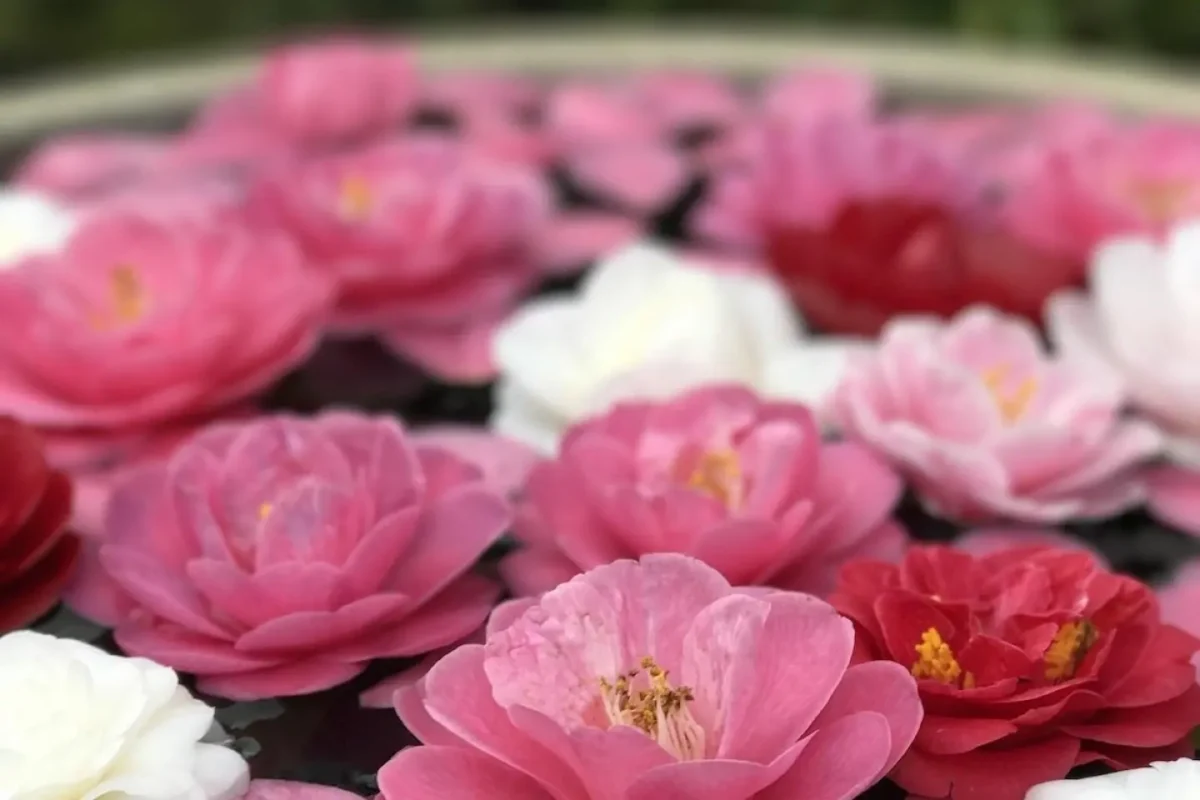
- Tsukubai Flower Arrangements: Traditional stone water basins scattered throughout the mossy grounds filled with artfully arranged, floating fresh camellia heads.
- Rare Botanical Cultivars: A sprawling living collection featuring over one hundred diverse camellia strains showcasing a gradient of shapes from pristine white to deep pink stripes.
Why Attend
This limited-time spring opening grants access to an otherwise forbidden sacred compound, making it a critical itinerary stop for travelers seeking exclusive cultural experiences. It provides an escape from the sprawling crowds at major tourist hubs, offering a peaceful space to appreciate Kyoto’s botanical mastery.
The event is ideal for botanical enthusiasts, historians, traditional art collectors, and mindful travelers who appreciate intimate Japanese garden designs. Attendees benefit from witnessing rare flora alongside imperial architecture while being located right near key cultural paths for an optimal day of sightseeing.
Date & Duration
- Event Date: Mid March – Mid-April 2027
- Event Duration: Approximately 2 hours
Visiting this event? Don’t miss out on these amazing activities and local experiences while you’re here.
Ticket Information
- How Tickets Are Sold: General admission is purchased on-site at the temple front entrance gate upon arrival, with no prior online booking required for independent travelers.
- Admission Type: Paid entry tickets are required for all standard adults and students, while infants are granted free entry.
- Ticket Pricing: Standard adult entry is fixed at approximately 6 dollars, student entry costs 3 dollars, and infant entry is completely free.
- Special Seating Options: There are no formal benches or reserved seating arrangements, as the layout follows a continuous flowing path through the gardens.
- VIP Options: There are no premium upgrades or private VIP passes available, ensuring all entering patrons share the exact same access to the paths and open chambers.
Venue / Location
- City and Country: Kyoto, Japan
- Venue Name: Reikanji Temple
- Google Maps Address: 12 Shishigatani Goshonodancho, Sakyo Ward, Kyoto, 606-8422, Japan
Contact Information
- Email: inquiry@reikanji-kyoto.jp
- Phone Number: +81 75-771-4040
- Official Website: https://en.japantravel.com/kyoto/reikanji-temple-camellia-event/70551
Accommodation Options:
The neighborhood immediately surrounding the temple consists of quiet residential zones and historic lanes, making traditional vacation rentals and quaint wooden machiya townhouses the premium choice. Lodging locally along the base of the Higashiyama mountains places you directly within walking distance of rustic morning paths and small community tea houses. These local options fill quickly due to the highly seasonal nature of the spring flower blossom periods.
For large-scale accommodations, the nearby Sanjo and Kawaramachi districts host a major selection of boutique luxury properties, global hotel chains, and premium business hotels. Staying in these downtown hubs grants direct access to the municipal subway lines, major retail markets, and comprehensive culinary streets. Excellent municipal bus lines and well-placed taxi stands make traveling from these central neighborhoods out to the quiet eastern foothills exceptionally easy.
Getting There
- Nearest Airport: Osaka Itami Airport is located roughly 55 kilometers away, while Kansai International Airport sits approximately 100 kilometers from the destination.
- Nearest Train/Metro Station: Keage Station on the Kyoto Tozai Subway Line serves as the closest underground rail link.
- Bus Routes or Public Transport Options: Kyoto City Bus routes 5 or 17 run regularly from Kyoto Station directly to the Ginkakuji-michi stop.
- Parking Availability: There is no dedicated guest vehicle parking directly on the temple grounds, so visitors must utilize small paid neighborhood lots nearby.
- Directions by Car: Drivers must follow the main Kawaramachi Street northbound before routing eastward onto Marutamachi Street and following local lanes up toward the Philosopher’s Path.
Dining Recommendations
Breakfast Recommendations:
- Philosopher’s Path Café: Serves warm matcha lattes alongside toasted thick-cut Japanese milk bread.
- Sakyo Bakery: Features freshly baked red bean buns and hot drip coffee tailored for early morning walkers.
- Ginkakuji Tea House: Offers savory rice porridge sets served with regional pickled vegetables and green tea.
Lunch Recommendations:
- Omen Ginkakuji: Renowned for thick, handmade udon noodles accompanied by seasonal tempura and fresh dipping broths.
- Shishigatani Soba: Specializes in chilled buckwheat noodles served with wild mountain herbs harvested from the local hills.
- Monzeki Kitchen: A cozy neighborhood diner providing classic bento boxes filled with grilled salmon and sweet egg omelets.
Dinner Recommendations:
- Nanzenji Hyotei: A historic establishment serving exquisite, traditional multi-course kaiseki dinners near the temple area.
- Sakyo Izakaya: Features charcoal-roasted chicken skewers paired with locally brewed Kyoto sake variants.
- Higashiyama Grill: Offers modern fusion dining options featuring premium local beef steaks and roasted seasonal roots.
Local Specialties to Try:
- Yudofu: Silken tofu simmered gently in a kelp broth, highlighting the pure water quality of the Kyoto region.
- Yatsuhashi: Sweet, thin cinnamon-flavored rice dough sheets wrapped carefully around smooth sweet bean paste fillings.
- Tsukemono: Assorted crisp, locally grown Kyoto vegetables preserved using historical fermentation styles.
What is this event?
The Reikanji Temple Camellia Event is a special spring opening that permits travelers to step inside a historic imperial nunnery. The exhibition functions as a seasonal showcase highlighting over one hundred ancient camellia species planted across pristine moss gardens.
The gathering serves as an educational and cultural display where ancient screen art and botanical preservation can be observed simultaneously. It operates as a peaceful community event celebrating the deep connection between Zen architecture and changing natural seasons.
Why is it popular?
The event is popular because it provides exclusive entry to a highly restricted imperial site that remains entirely closed throughout most of the year. It gives travelers an intimate look at rare flora, including a famous natural monument tree that cannot be seen anywhere else.
Its location right alongside the historic Philosopher’s Path makes it an attractive stop during the peak spring travel season. The visual allure of fallen red blossoms contrasting against manicured green moss beds makes it highly favored by photographers.
Tips before you go
- Carry ample physical yen coins and bills because the front gate entrance does not accept international credit cards or electronic apps.
- Plan your visit for the early morning hours to view the gardens in tranquil conditions before the midday transit buses arrive.
- Verify the current year bloom status through regional tourism boards since spring temperatures heavily dictate when the camellias peak.
- Wear shoes that are exceptionally easy to slip on and off because you must remove footwear before entering the wooden drawing chambers.
- Bring a warm pair of thick socks to keep your feet insulated while walking over the cold wood surfaces inside the main halls.
Tips for First-Time Visitors
- Dress in Modest Attire: Select clothing that covers your shoulders and knees out of respect for the active sacred monastic architecture.
- Walk Mindfully on Moss Paths: Stick strictly to the designated stone stepping paths to avoid damaging the fragile, ancient green moss beds lining the garden.
- Coordinate with Cherry Blossom Walks: Combine your temple visit with a stroll along the connecting Philosopher’s Path to experience cherry blossoms and camellias together.
- Obey Interior Photography Bans: Refrain from using cameras or phones inside the main altar halls where the historic screen art is displayed.
- Utilize Public City Buses: Depend on the reliable municipal bus network rather than renting a car, as local mountain roads are very narrow.
- Maintain Quiet Inside Precincts: Speak in low tones to respect the serene, meditative environment that the residents maintain.
Attendee Experiences
- Stepping into this quiet garden felt like discovering a completely hidden side of old Kyoto.
- The sight of the vibrant red camellias resting on the thick green moss was absolutely breathtaking.
- Viewing the ancient imperial screen paintings without any crowds around was an unforgettable cultural moment.
Video
Location
FAQ
What should I do if it begins to rain during my garden visit?
Visitors can easily step out of the rain by retreating into the covered wooden temple verandas and inner drawing rooms. Watching the raindrops fall onto the moss garden from the shelter of the imperial architecture provides a very peaceful experience. Guests are required to leave wet umbrellas in the designated stands provided at the main gate before approaching the structures.
Are there public restrooms available on the temple grounds?
Yes, basic restroom facilities are accessible for visitors near the entrance gate area of the temple grounds. Because this is a compact and historic monastic site, guests are encouraged to use these facilities upon arrival before exploring the inner garden loops. There are no additional restroom facilities once you enter the delicate wooden historical buildings.
Can I take photos and use a tripod on the walking paths?
Handheld photography is fully permitted throughout the outdoor garden trails, but the use of tripods or monopods is strictly banned. The garden paths are narrow and require careful footwork, so tripods present a significant safety hazard to other walking guests. Camera flashes are also prohibited inside the historic halls to prevent light damage to the ancient paintings.
Is the festival path accessible for strollers or wheelchairs?
The temple layout features traditional stone steps, narrow dirt paths, and raised wooden door sills that present significant barriers for wheeled devices. It is highly difficult to navigate strollers or wheelchairs through the rustic terrain without lifting them repeatedly. Visitors with mobility challenges may find navigating the exterior stone stairs particularly demanding.
Do I need to make a reservation to see the ice displays?
Independent travelers and small family groups do not need any advanced reservations to enter the temple during the spring opening weeks. You simply purchase your entry ticket directly at the front gate on the day of your visit. Only large commercial tour groups bringing charter buses must contact the administration ahead of time to coordinate arrivals.

Leave a Reply