
Overview
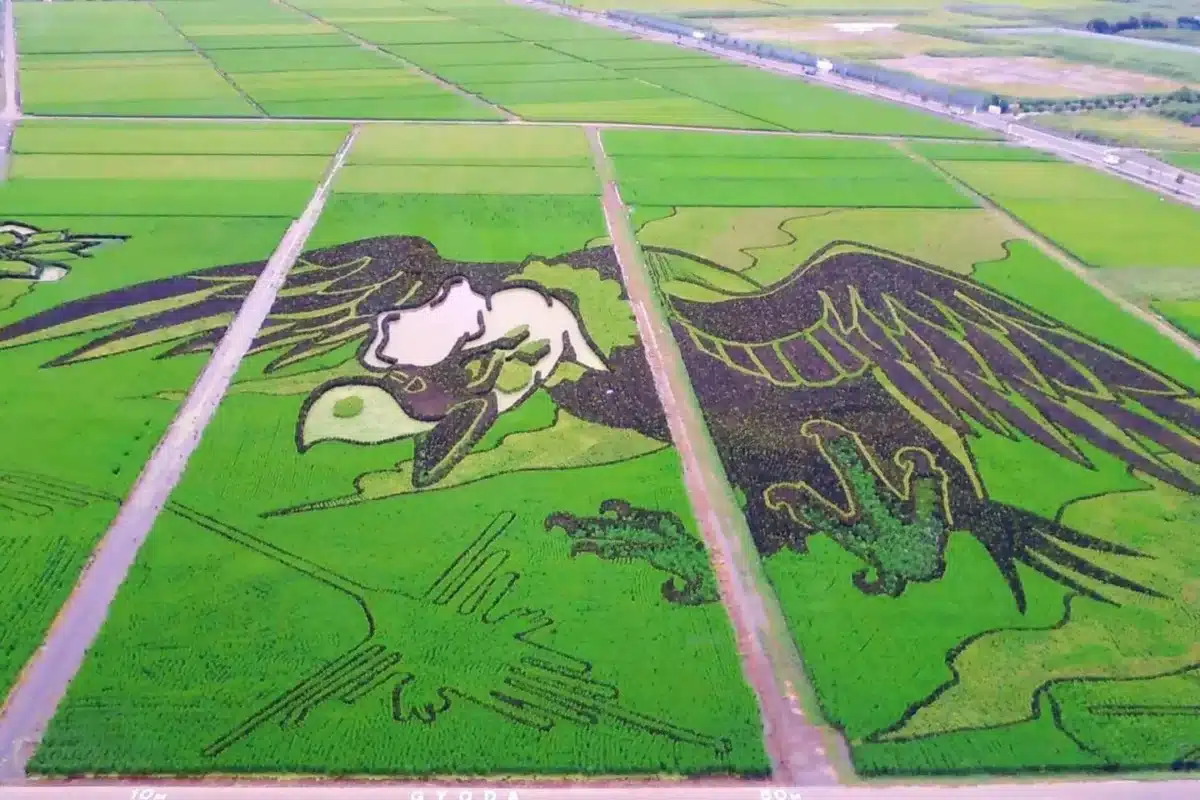
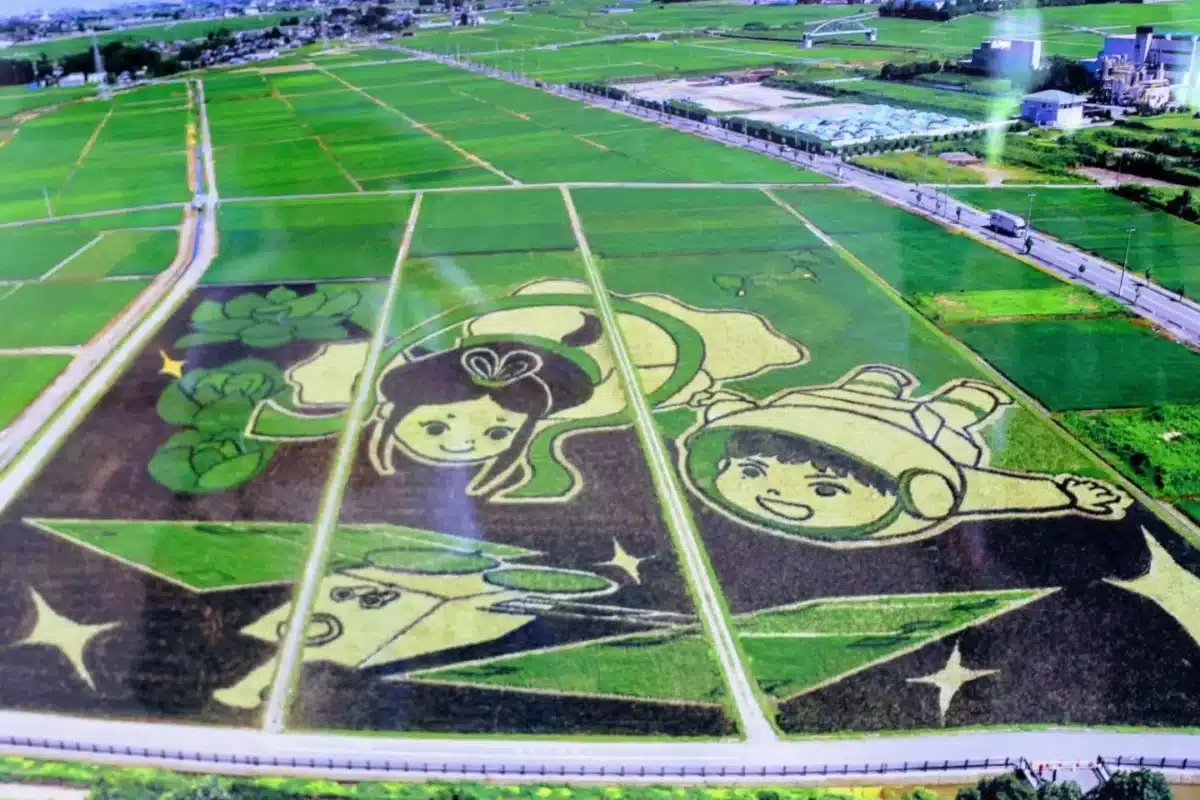
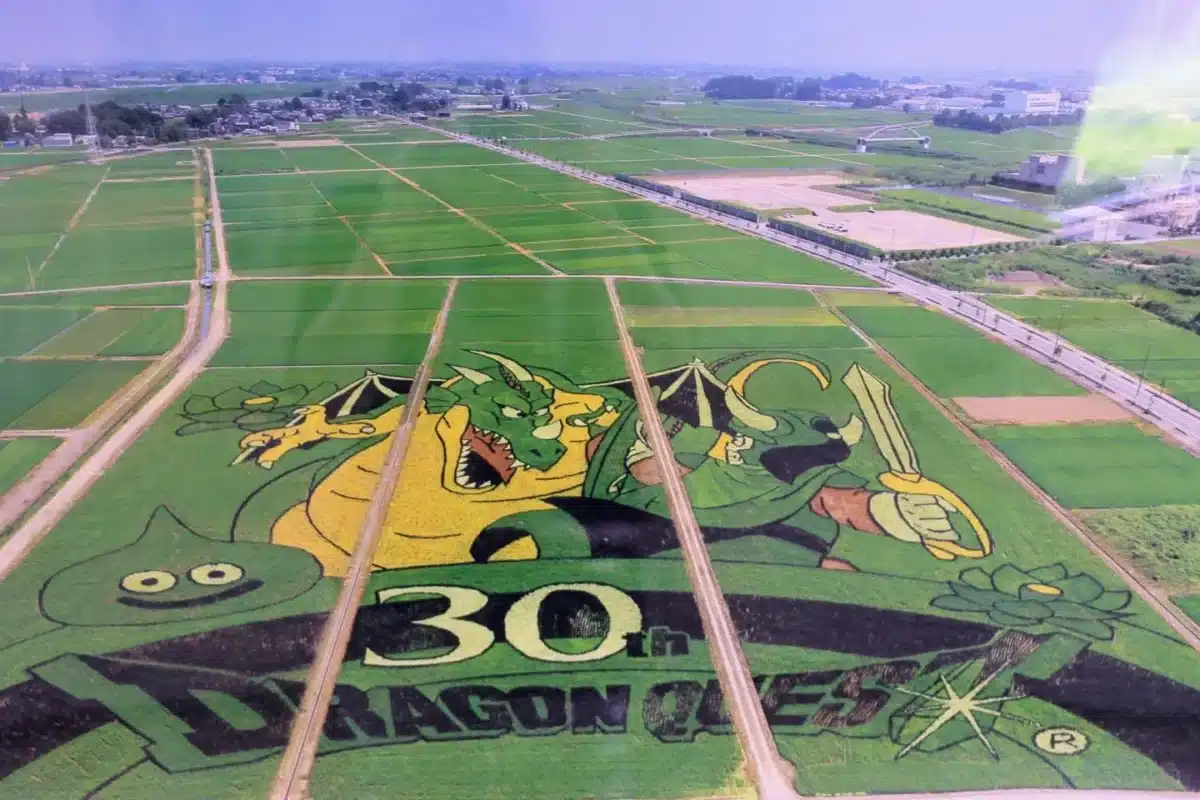
The Rice Field Art in Gyoda stands as an extraordinary and world-renowned agricultural masterpiece, capturing the imagination of visitors from across the globe in Saitama Prefecture. Tracing its impressive legacy back through decades of community dedication, this grand living installation earned official recognition from Guinness World Records as the world’s largest rice paddy art. Hosted annually at the scenic Kodai Hasu No Sato park, the gigantic canvas transforms vast rural fields into breathtaking visual artworks using various strains of colorful rice plants meticulously cultivated by local residents and volunteers.
The overarching theme for the magnificent 2026 exhibition features a vibrant and playful collaboration with the globally beloved video game Minecraft, bringing iconic pixelated characters and iconic architectural motifs to life across the sprawling agricultural landscape. Visitors ascending the fifty-meter observation tower at the Ancient Lotus Hall are treated to a stunning panoramic vista of the massive artwork in its entirety. The carefully chosen shades of green, gold, white, and purple rice foliage blend together seamlessly to recreate stunning digital imagery under the summer and autumn sun.
Surrounding the expansive paddy canvas, the serene park grounds offer tranquil walking paths and breathtaking natural scenery that celebrate the agricultural heritage of Gyoda City. It serves as an unforgettable destination where traditional farming techniques converge with modern pop culture, delivering a uniquely delightful experience for every traveler.
Enjoy Your Event Stress-Free with Japan Travelo
Do you know? Planning events, festivals, concerts, and cultural experiences in Japan can be overwhelming. Japan Travelo brings everything together in one place, helping you manage your itinerary, transport, and accommodation with ease—so you can enjoy Japan without the stress of planning.
Event Highlights
- Marvel at the breathtaking world-record-sized rice paddy art featuring an imaginative Minecraft design created entirely with colorful living rice plants.
- Ascend the fifty-meter observation deck at the Ancient Lotus Hall for a magnificent bird’s-eye view of the massive agricultural canvas.
- Stroll through the tranquil pathways of Kodai Hasu No Sato park and admire the vibrant seasonal flora surrounding the exhibition grounds.
- Witness firsthand a remarkable community tradition where local artistry and agricultural teamwork merge into a living masterpiece.
Why Attend
This extraordinary seasonal attraction is exceptionally ideal for families, photography enthusiasts, and travelers seeking a uniquely creative cultural outing just north of Tokyo. Attendees benefit from the rare opportunity to witness a Guinness World Record-winning living art installation that changes its vibrant hues throughout the growing season.
The peaceful park environment provides a wonderful outdoor excursion for visitors eager to explore rural Saitama, enjoy panoramic tower views, and appreciate innovative modern artistry. Whether you are an avid fan of gaming culture or simply captivated by creative landscape designs, the remarkable scale of the artwork guarantees a memorable visit.
Date & Duration
- Event Date: Early July – Early October 2026
- Event Duration: Several immersive months of vibrant seasonal displays, changing plant colors, and panoramic viewing opportunities
Visiting this event? Don’t miss out on these amazing activities and local experiences while you’re here.
Ticket Information
- How Tickets Are Sold: General admission tickets for the observation tower are purchased on-site at the Ancient Lotus Hall entrance.
- Admission Type: General admission to the park grounds is free, while a modest fee is required to access the elevated observation deck, which offers the best views of the artwork.
- Ticket Pricing: Free Admission
- Special Seating Options: The observation deck features expansive viewing windows and multi-level platforms designed for optimal photography and panoramic sightseeing.
- VIP Options: No exclusive VIP tier tickets are required, as standard admission provides full access to the prime viewing levels.
Venue / Location
- City and Country: Gyoda, Saitama, Japan
- Venue Name: Kodai Hasu No Sato (Ancient Lotus Park)
- Google Maps Address: 2375-1 Kobari, Gyoda, Saitama 361-0024, Japan
Contact Information
- Phone Number: 048-556-1111
- Website: https://en.japantravel.com/saitama/rice-field-art-59457/59456
Accommodation Options
Securing lodging in central Gyoda or the surrounding Kumagaya and Saitama station districts places travelers within convenient reach of the park while offering excellent modern comfort. A wide range of accommodations is readily available, from comfortable business hotels to welcoming regional tourist lodgings.
Staying near major transit hubs ensures effortless travel not only to the rice field art exhibition but also to wider cultural landmarks across the prefecture. Booking your accommodations in advance is recommended during peak summer weekends due to popularity among regional day-trippers.
Getting There
- Nearest Airport: Haneda Airport or Narita International Airport serve as major international gateways, offering direct rail connections into Saitama Prefecture.
- Nearest Train/Metro Station: JR Gyoda Station or Chichibu Railway Gyoda City Station provide convenient transit access into the city.
- Bus Routes or Public Transport Options: Municipal loop buses operate frequent scheduled routes from Gyoda Station directly to the Kodai Hasu No Sato bus stop right outside the park.
- Parking Availability: Designated parking lots are available on-site at the park for visitors arriving by car during the operating season.
- Directions by Car: Motorists approaching the venue can navigate via major regional expressways and local surface streets marked toward the Ancient Lotus Park.
Dining Recommendations
Breakfast Recommendations:
- Pleasant hotel cafes in nearby urban centers offer freshly baked pastries, gourmet coffees, and delightful morning breakfast spreads.
- Traditional local bakeries provide quick and delicious freshly prepared breads and hot beverages.
- Classic Japanese breakfast options featuring grilled fish, rice, and savory soup are available at neighborhood diners.
Lunch Recommendations:
- Vibrant station-area dining complexes feature an extensive selection of regional specialties, local noodle dishes, and satisfying lunch menus.
- Nearby local restaurants offer delicious regional delicacies such as Gyoda’s famous fried jelly-filled or savory local treats.
- Cozy local cafes serve midday meals and refreshing beverages in relaxed, welcoming settings.
Dinner Recommendations:
- Traditional izakayas located near Gyoda Station provide relaxed settings for evening dining and refreshing drinks.
- Local dining establishments present wonderful selections of regional comfort foods crafted by expert chefs.
- Charming neighborhood eateries offer hearty meals featuring authentic local ingredients and seasonal flavors.
Local Specialties to Try:
- Authentic local regional noodles and traditional Saitama culinary specialties stand out as a beloved favorite.
- Delicious regional snacks and artisanal sweets provide a wonderful flavor of local craftsmanship.
- Refreshing Japanese summer beverages and chilled treats offer a delightful snack while exploring the park grounds.
What is this event?
The Rice Field Art in Gyoda is an annual summer and autumn exhibition held at the Kodai Hasu No Sato park in Saitama Prefecture. Recognized by Guinness World Records as the world’s largest rice paddy art, it uses colorful strains of rice plants as a living canvas.
The event features massive, intricate designs—such as this year’s Minecraft collaboration—crafted across nearly three hectares of agricultural land. It provides an extraordinary cultural environment for visitors to witness innovative landscape art from high above.
Why is this popular?
This exhibition enjoys immense popularity because it showcases breathtaking, large-scale visual artistry created entirely through natural agriculture and community collaboration. The stunning level of detail in the living portraits captures the fascination of gamers, art lovers, and travelers alike.
It also attracts visitors eager to enjoy panoramic views from the observation tower and explore the serene lotus park surroundings. The unique blend of rural tradition and popular culture makes it a standout seasonal attraction.
Tips before you go
- Wear comfortable walking footwear suitable for exploring the expansive park grounds and paths around the lotus ponds.
- Bring weather-appropriate gear and sun protection, as the park features wide open outdoor areas exposed to sunlight.
- Carry cash in Japanese yen for observation tower admission fees and purchases at local park vending areas.
- Arrive during morning hours to enjoy clearer skies and more comfortable weather for photography from the observation deck.
- Prepare your camera devices to capture the incredible scale and vivid color contrast of the rice field artwork.
Tips for First-Time Visitors
- Take time to visit the indoor museum exhibits on the lower floor of the Ancient Lotus Hall to learn more about local history and agriculture.
- Check the bus timetables for the local loop bus service beforehand to ensure a smooth return journey to the train station.
- Explore the surrounding lotus ponds, which bloom brilliantly during the early summer season before the peak rice art viewing period.
- Follow all park guidelines and staff instructions regarding observation tower access and viewing areas.
- Engage with local informational guides to learn which rice varieties create each distinct color within the massive artwork.
Attendee Experiences
- Seeing the intricate pixelated Minecraft design perfectly translated into massive living rice fields was an absolute marvel of creativity.
- The panoramic view from the observation tower offered an incredible perspective of the world-record-sized canvas stretching across the landscape.
- Strolling through the peaceful lotus park after viewing the artwork provided a wonderfully relaxing and refreshing day trip.
Video
Location
FAQ
What makes the Gyoda Rice Field Art internationally famous?
The installation was officially certified by Guinness World Records in 2015 as the world's largest rice paddy art, measuring nearly three hectares in total size. Its massive scale and remarkable artistic detail continue to draw global attention every year.
How are the colorful images formed in the rice fields?
Local farmers and volunteers plant multiple distinct varieties of rice plants—including green, purple, yellow, and white strains—following a precise digital grid design. As the plants grow taller throughout the summer, the contrasting foliage naturally reveals the complete image.
Where is the best vantage point to view the rice field artwork?
Because of the massive scale of the installation, the artwork can only be fully appreciated from above. Visitors can access the observation deck located fifty meters high inside the Ancient Lotus Hall at the edge of the park.
How do visitors travel to the park using public transportation?
Travelers can take the train to JR Gyoda Station or Chichibu Railway Gyoda City Station, then board the local city circulation bus directly to the Kodai Hasu No Sato stop. The bus ride takes approximately twenty minutes from the station.
Can visitors participate in planting the rice artwork?
Yes, local organizers frequently host public rice-planting events in mid-June where volunteers can join in planting the seedlings. Participants often receive commemorative items or certificates for helping bring the seasonal masterpiece to life.

Leave a Reply