




-
August 14, 2026
Event date:
-
August 15, 2026
Event end:
Overview
The Rising Sun Rock Festival 2026 in EZO stands as one of Japan’s most iconic outdoor music events, held annually against the stunning backdrop of Ishikari, Hokkaido. The sprawling venue at Tarukawa Wharf transforms into a vibrant pop-up town, where music lovers gather to enjoy a diverse lineup of rock, indie, and alternative artists from both Japan and abroad. It represents a massive celebration of the local domestic music scene, drawing tens of thousands of fans into the open wilderness for a weekend of pure sonic energy.
What sets this festival apart is its immersive camping culture and the profound sense of community fostered by the natural beauty of the Hokkaido landscape. Attendees can choose between various camping zones, each offering a different way to experience the festival’s rain or shine spirit. From local food stalls serving fresh regional delicacies to multiple stages scattered across the massive site, the event offers more than just a concert series. It is a full-sensory retreat that celebrates the harmony between creative music culture and the great outdoors.
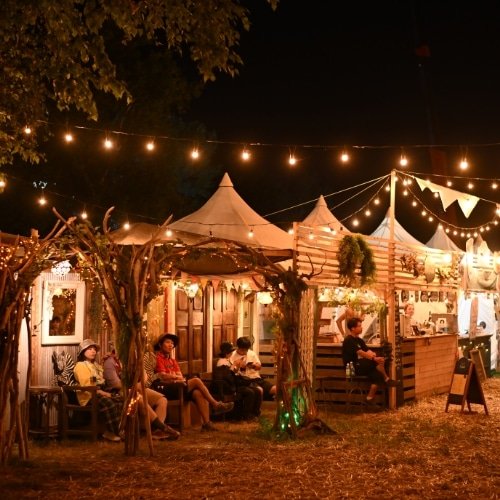
The multi-stage layout accommodates everything from thunderous stadium rock to intimate, stripped-back acoustic performances under the stars. Because the entire site is constructed from scratch each year on an expansive plot of land near the port, it delivers a unique sense of scale and freedom that traditional indoor venues cannot match. As day turns to night, the festival grounds light up, creating a surreal and magical environment where the boundaries between performers and fans completely dissolve.
Enjoy Your Event Stress-Free with Japan Travelo
Do you know? Planning events, festivals, concerts, and cultural experiences in Japan can be overwhelming. Japan Travelo brings everything together in one place, helping you manage your itinerary, transport, and accommodation with ease—so you can enjoy Japan without the stress of planning.
Event Highlights
- Massive Multi-Stage Layout featuring independent performance areas showcasing the absolute best of mainstream Japanese rock, breakthrough indie acts, and experimental artists.
- Immersive Camping Culture with designated zones like Heaven’s, Happiness, and Forest sites that allow fans to set up tents directly on the festival grounds.
- Hokkaido Culinary Village featuring an extensive selection of local food vendors and regional restaurants serving fresh seafood, local ramen, and seasonal specialties.
- Iconic All-Night Finale that closes out the entire event on the final day, creating an unforgettable communal experience for thousands of dedicated music fans.
Why Attend
Attending this gathering offers a rare opportunity to witness Japan’s premier music subcultures uniting in a pristine natural environment. It is the perfect escape for music enthusiasts, avid campers, and food lovers who want to experience a raw, energetic side of Japanese youth and independent culture. The sheer size of the outdoor venue promotes an unparalleled atmosphere of freedom and camaraderie that is impossible to replicate in urban environments.
The main benefit of making the journey is the legendary closing performance, which features top-tier acts playing continuously straight into the early hours of Sunday morning. Watching your favorite bands perform live as the dark sky transitions into a coastal morning creates lifelong memories with fellow travelers. It provides a comprehensive cultural retreat where great live music, wilderness camping, and world-class regional cuisine effortlessly blend into a single weekend.
Date & Duration
- Event Date: August 14 to August 15, 2026
- Event Duration: Two days, with the second day featuring continuous music until sunrise on August 16
Visiting this event? Don’t miss out on these amazing activities and local experiences while you’re here.
Ticket Information
- How Tickets Are Sold: Tickets are available through official digital lottery applications on the event website and authorized domestic ticketing agencies.
- Admission Type: General admission with options for single-day access or multi-day passes that grant entry to the entire site.
- Ticket Pricing: Entry rates start at 96 USD for a single-day ticket and go up to approximately 300 USD for a full multi-day pass with specialized camping zone access.
- Special Seating Options: The entire event is an open-air standing and camping festival with no designated stadium seats or tiered grandstands.
- VIP Options: Upgraded ticket bundles include premium auto-camping privileges and larger designated campsite perimeters for enhanced comfort.
Venue / Location
- City and Country: Ishikari, Japan
- Venue Name: Tarukawa Wharf Outdoor Special Stage at Ishikari Bay New Port
- Google Maps Address: 2 Chome-725-1 Shinkominami, Ishikari, Hokkaido 061-3244, Japan
Contact Information
- Email: info@wess.co.jp
- Phone Number: +81-11-614-9999
- Official Website: https://rsr.wess.co.jp/2026/
- Social Media Links:
- https://x.com/rsrfes_official/
- https://www.instagram.com/rsrfes/
- https://www.facebook.com/rsrfes
- http://line.me/ti/p/%40rsrfes
- https://www.youtube.com/user/RSRFESofficial
- https://radiko.jp/r_seasons/10009040
Getting There
- Nearest Airport: New Chitose Airport is located approximately 65 kilometers away from the festival grounds.
- Nearest Train/Metro Station: Asabu Subway Station on the Namboku Line and JR Sapporo Station serve as the main transit hubs.
- Bus Routes or Public Transport Options: Dedicated festival shuttle buses run continuously between central Sapporo stations and the venue entrance throughout both days.
- Parking Availability: Massive open-air parking lots are situated adjacent to the festival site for personal vehicle storage.
- Directions by Car: Accessible from central Sapporo via the Sasson Expressway taking the Sapporo-Kita or Tarukawa interchange exits toward Route 337.
What is this event?
This event is Japan’s foundational all-night outdoor rock festival, established originally in 1999 to bring massive music subcultures into nature. It serves as an expansive two-day celebration that brings together dozens of top-tier Japanese bands, indie artists, and thousands of passionate fans.
The entire festival grounds are built temporarily alongside a coastal shipping wharf, incorporating massive stages, food markets, and interactive art installations. It functions as a fully operational pop-up community focused entirely on live music, outdoor survival, and collective cultural appreciation.
Why is it popular?
The festival is immensely popular because it pioneers the authentic rock-and-camp lifestyle within the breathtaking, vast landscapes of the Hokkaido prefecture. It offers a distinct escape from the stifling heat of urban summer festivals by utilizing open coastal fields and cooler evening breezes.
Its legendary status is solidified by the iconic final morning tradition where the closing band plays through the darkness of night. Watching the sun rise over the ocean while the final chords echo across the fields provides an emotional, unifying experience that draws fans back year after year.
Tips before you go
- Pack versatile clothing layers because temperatures drop significantly near the ocean during the midnight and early morning hours.
- Bring durable, waterproof footwear as moving between the far-reaching stages requires walking long distances across dirt, grass, and gravel plains.
- Prepare portable power banks to keep mobile devices charged since electrical outlets are unavailable in the standard camping zones.
- Carry a lightweight rain poncho because the outdoor performances proceed as scheduled regardless of wet weather or sudden downpours.
- Keep plenty of cash coins on hand for quick transactions at the local food stalls and automatic beverage vending stations.
Attendee Experiences
- Watching the sunrise on Sunday morning while the last band was still playing on stage completely changed how I experience live music.
- The food stalls here are just as incredible as the artists and camping next to the ocean with friends was unforgettable.
- Getting between the stages is a massive workout but the absolute energy of the crowd makes every single step worth it.
Video
Location
FAQ
What happens if it rains heavily during the outdoor performances?
The festival operates under a strict rain or shine policy, meaning all musical performances and camping activities will continue during wet weather. Stage schedules are only altered or paused in the extreme event of severe natural typhoons or dangerous lightning storms that threaten public safety. Attendees are highly encouraged to bring appropriate personal rain gear like ponchos and waterproof boots since umbrellas are banned near the stages.
Are there options to buy food and drinks inside the venue grounds?
The event features a massive dedicated culinary village that hosts dozens of independent food vendors from across the northern island. Visitors can purchase everything from hot bowls of regional ramen and grilled seafood to local craft beers and non-alcoholic beverages. These stalls remain open deep into the night to ensure that campers and late-night music fans have continuous access to refreshments.
Can I leave the festival site and return later in the day?
Re-entry is fully permitted for all attendees holding valid wristbands that correspond to their specific day or weekend ticket type. You must ensure your wristband remains securely fastened to your arm at all times to pass through the main security checkpoints. Security personnel will scan your credentials each time you exit and re-enter the main perimeter gates.
Is electronic payment widely accepted across the festival stalls?
While the official merchandise booths and select major vendors accept digital smart cards and mobile payments, many independent food stalls rely on traditional currency. The vast layout and remote coastal location can occasionally cause cellular network congestion, disrupting electronic transaction terminals. It is highly recommended to carry physical cash to ensure seamless transactions throughout the weekend.
Are there showers or bathing facilities available for campers?
The festival grounds do not feature permanent indoor plumbing or running hot shower stalls within the standard tent camping sectors. Temporary water stations and mobile restroom facilities are distributed evenly across the venue for basic hygiene needs. Many long-term campers utilize the daily shuttle buses to visit public hot springs and bathhouses located in the nearby city areas.

Leave a Reply