
Traditional Crafts & Textile Culture
Ryogoku has long maintained a rich heritage connected to textile manufacturing and artisan goods. Stalls along the avenues display unique clothing pieces, hats, and fine handmade creations.
Visitors can discover one-of-a-kind items reflecting skilled craftsmanship that are rarely found in standard commercial shops. This market element highlights the diverse industrial roots that complement the local sports history.
Children’s Activities & Hands-On Workshops
Children and families find endless amusement through interactive games, creative booths, and engaging community workshops. These special activities are designed to introduce younger generations to traditional Japanese arts in a fun environment.
Enjoy Your Event Stress-Free with Japan Travelo
Do you know? Planning events, festivals, concerts, and cultural experiences in Japan can be overwhelming. Japan Travelo brings everything together in one place, helping you manage your itinerary, transport, and accommodation with ease—so you can enjoy Japan without the stress of planning.
Stamp rally booklets guide young explorers through various checkpoints across the neighborhood to collect keepsakes. The welcoming atmosphere ensures that kids remain thoroughly entertained throughout the multi-venue celebration.
- Interactive stamp rally card collection games spanning multiple district checkpoints
- Traditional toy-making and paper craft sessions guided by local instructors
- Family-friendly games hosted by neighborhood association booths
- Playful entertainment zones tailored specifically for toddler and youth participation
- Educational craft displays illustrating traditional manufacturing techniques
When & How Long
- Event Date: Late April 2027 (Dates TBD)
- Event Duration: Two-day weekend community celebration spanning daytime hours
Visiting this event? Don’t miss out on these amazing activities and local experiences while you’re here.
Local Performances & Stage Entertainment
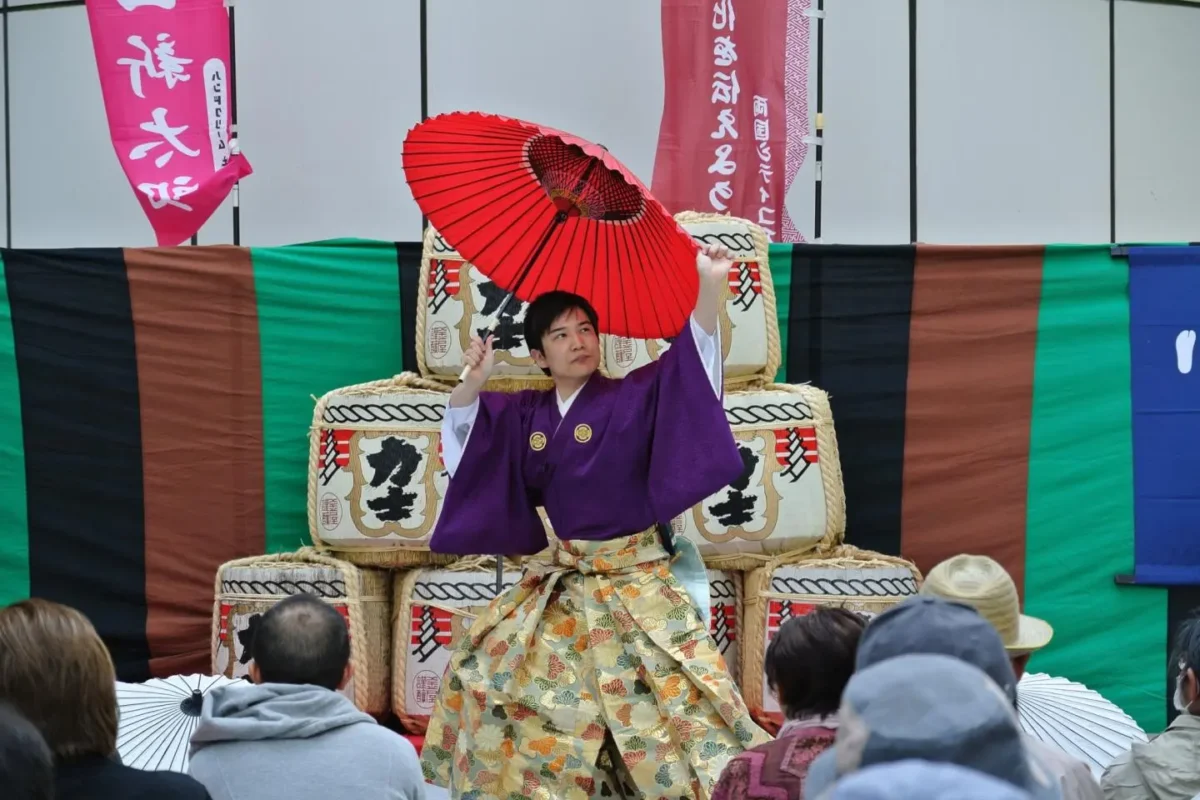
Another area of the festival is along the main street next to the JR Station where there were many stands selling chankonabe as well as businesses giving away prizes and a stage with different performances including taiko drumming and a beautiful kimono dressed singer.
Crowds gather around the open-air stages to enjoy a continuous lineup of vibrant cultural showcases. The lively musical numbers and artistic presentations create an infectious, celebratory energy across the neighborhood.
- Rhythmic traditional taiko drum performances filling the street with powerful sound
- Solo vocal acts featuring accomplished singers dressed in elegant formal kimonos
- Community dance ensembles showcasing classic regional choreography
- Open-air street performance spaces accessible to all casual passersby
- Dynamic cultural displays celebrating local arts and neighborhood history
Shopping & Local Products
- Handmade artisan clothing, everyday apparel, and custom fashion accessories
- Specialized craft stalls offering unique neighborhood souvenirs and mementos
- Commemorative festival merchandise celebrating local culture and mascot themes
- Specialty food products, packaged snacks, and regional specialty items
- Everyday household items showcasing exceptional local manufacturing skill
- Unique vintage goods and antique collectibles displayed by boutique merchants
Entry & Tickets
- How Tickets Sold: No tickets, advance registration, or entry bookings are required to access the festival grounds.
- Admission Type: Free Admission
- Ticket Pricing: Free Admission (Minimum price range: $0.00 USD, Maximum price range: $0.00 USD)
- Special Seating Options: Open public seating areas and unreserved viewing benches are available around the performance stages.
- VIP Options: No VIP ticket tiers, exclusive fast-track entries, or reserved luxury seating packages are offered.
Local Community & Cultural Events
Next to the temple is another stage with dancers, magicians and even jugglers that you can sit down and watch for a while and you can still easily enjoy it without knowing Japanese. There are a few other sights as well so it’s worth getting a program so you can see where all the sights are.
The neighborhood comes together in a magnificent display of grassroots organization and civic pride. Residents and local merchants collaborate seamlessly to deliver an unforgettable weekend of shared heritage.
- Secondary entertainment stages featuring versatile illusionists, dancers, and skilled jugglers
- Accessible cultural programming that easily transcends language barriers for foreign visitors
- Official festival program distribution points guiding guests to hidden neighborhood attractions
- Community-run booths fostering direct connection between residents and travelers
- Collaborative local parades and historical exhibition zones
Where It Takes Place
- City and Country: Tokyo, Japan
- Venue Name: Ryogoku Kokugikan
- Google Maps Address: 1 Chome-3-28 Yokoami, Sumida City, Tokyo 130-0015, Japan
Visitor Etiquette & What to Bring
Wear comfortable walking shoes since navigating between the stadium, street markets, and temple grounds requires extensive walking across varied terrain. Bringing cash currency is essential, as many smaller food and craft stalls do not accept electronic cards.
- Pack sufficient physical cash for purchasing food bowls and market souvenirs
- Wear flexible, comfortable footwear suitable for exploring multiple venue sites
- Respect sacred temple boundaries, quiet prayer zones, and garden monuments
- Carry a portable trash bag to manage personal waste responsibly on-site
- Keep track of festival map guides to locate all hidden event stages
- Dress in light layers appropriate for fluctuating spring outdoor temperatures
Best Time to Visit & Nearby Ryogoku Attractions
Arriving earlier in the morning helps visitors beat the peak afternoon rush and secure shorter lines for the popular chanko hotpot tasting stations. Early entry also allows ample time to thoroughly explore the expansive Kokugikan arena floor before crowds peak.
Beyond the festival grounds, the surrounding district offers world-class cultural institutions like historical museums, riverside walking paths along the Sumida River, and traditional sumo stables. Combining the festival with local sightseeing makes for a complete Tokyo cultural experience.
Event Contact Details
- Phone Number: 03-3626-9974
- Website: kokugikan-st.com
Ryogoku’s Sumo Culture & Heritage
Ryogoku is an area in the Tokyo district of Sumida that is most famous for being home to the Kokugikan Sumo Stadium and the amazing Edo-Tokyo Museum. At the end of April/early May each year it is time for the Ryogoku community to celebrate with a great street festival with so much to see and take in.
The neighborhood serves as the historic and spiritual heartland of professional sumo wrestling in Japan. Visitors can deeply immerse themselves in a culture where training stables, monuments, and wrestling heritage shape everyday street life.
2027 Festival Highlights
The festival is spread over a few different sights close to the JR Ryogoku Station and it is worth exploring them all. The Kokugikan Stadium is open to the public and you can even get all the way down to the area where the sumo ring is.
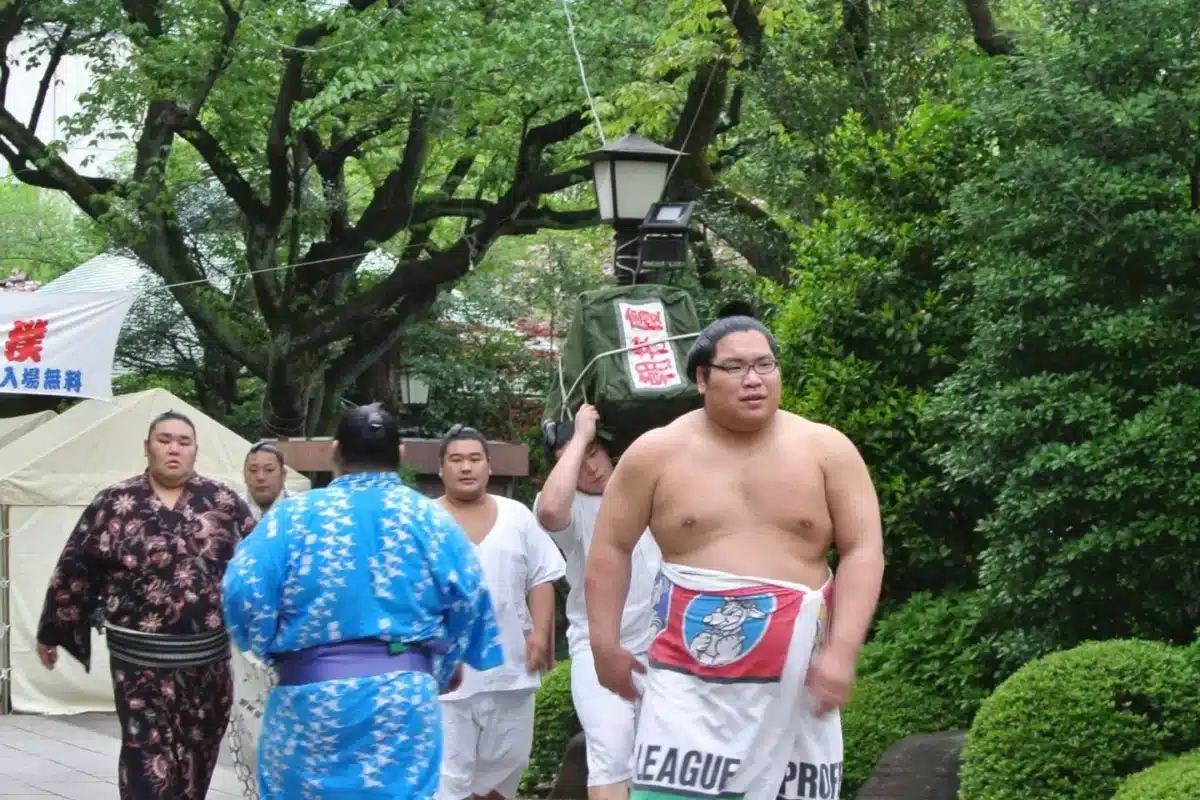
If you have never been into the stadium or have not got the money to sit ringside at a sumo tournament, then this is a great opportunity not to be missed. You can also see and hug the sumo mascots as they waddle around the stadium or buy some chankonabe (a type of hotpot that sumos eat everyday) dished out by sumos.
- Free public access to step directly onto the legendary arena floor of the Ryogoku Kokugikan
- Interactive meet-and-greets and photo opportunities with friendly wandering sumo mascot characters
- Authentic chankonabe hotpot servings prepared and doled out by actual wrestling personnel
- Live open-air stage performances featuring traditional taiko drumming and musical acts
- Neighborhood business exhibition booths distributing special prizes and promotional items
- Multi-venue exploration linking the stadium, local streets, and historic temple grounds
Chanko Food Experience
- Traditional chankonabe hotpot servings packed with nutritious vegetables, meats, and rich broths
- Culinary stalls organized as a collaborative community museum of regional stew recipes
- Affordable tasting portions priced at around five hundred yen per bowl for easy sampling
- Direct serving experience handled by individuals closely linked to the sumo community
- Diverse flavor variations offered by multiple competing local food vendors
- Hearty portions providing an authentic taste of daily wrestler nutrition
Ekoin Temple Activities & Cultural Experiences
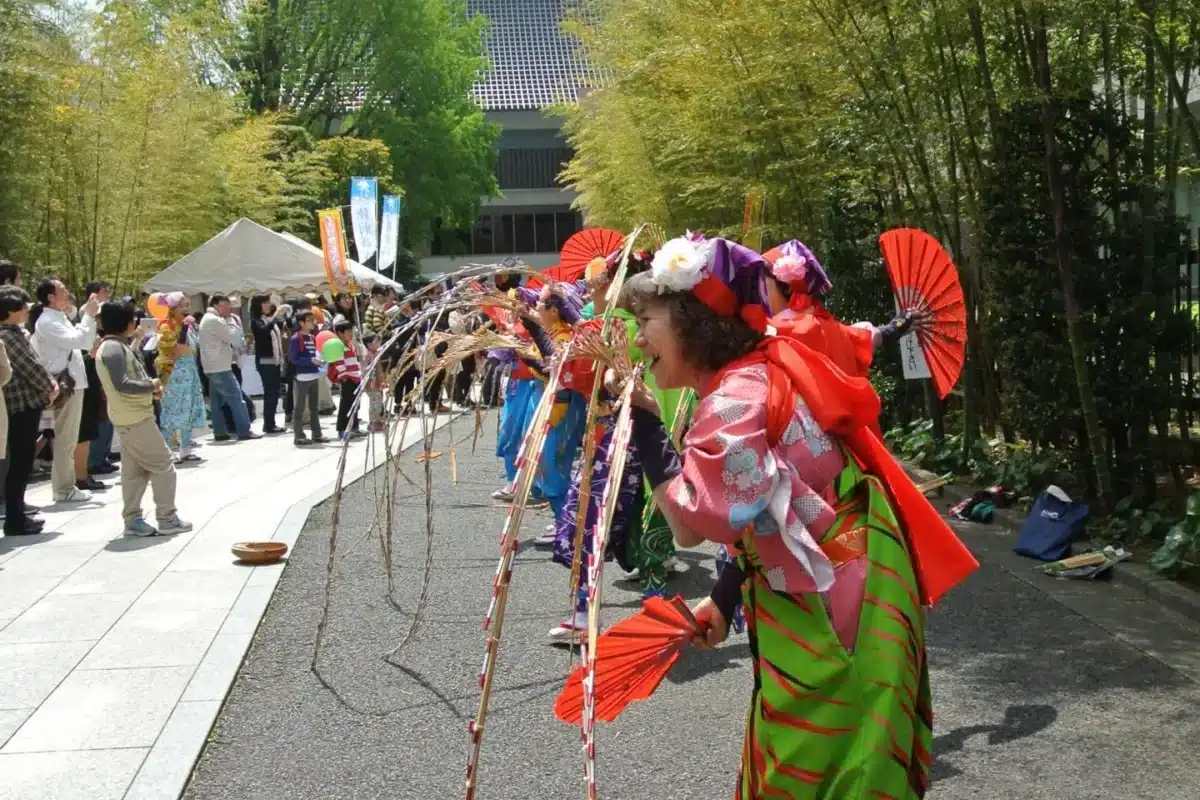
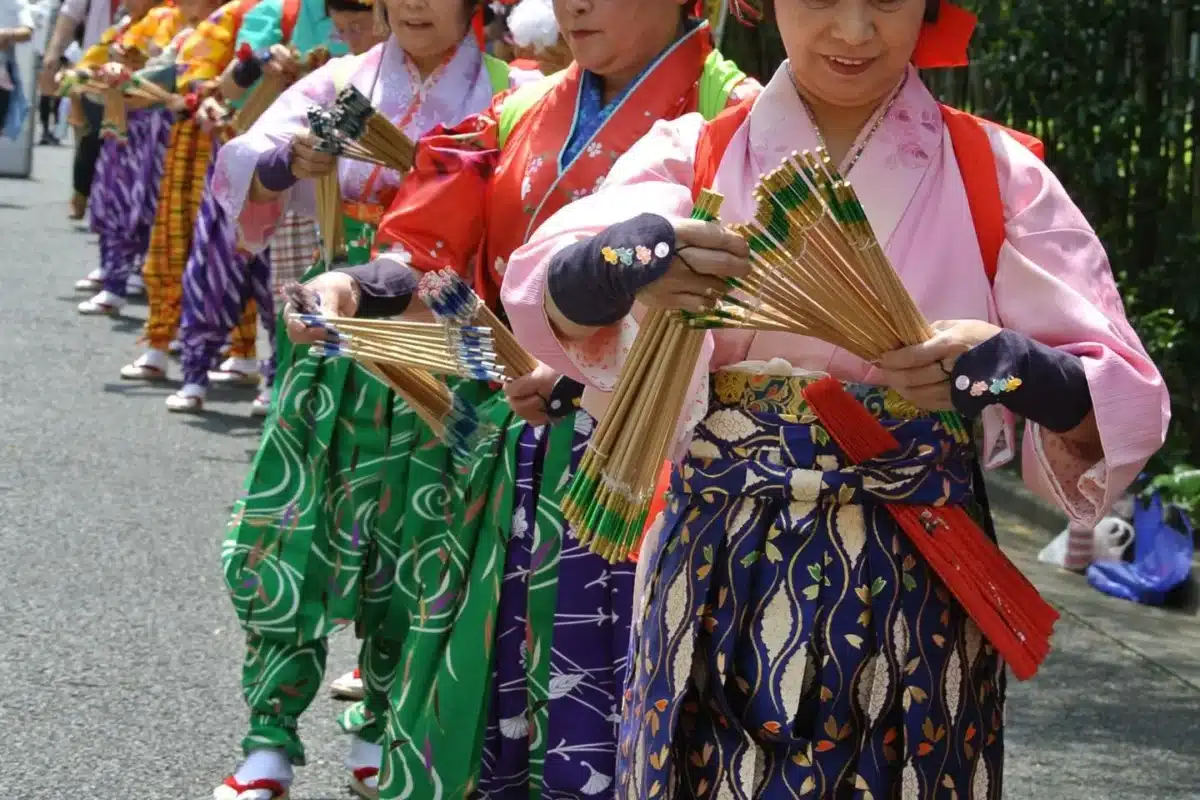
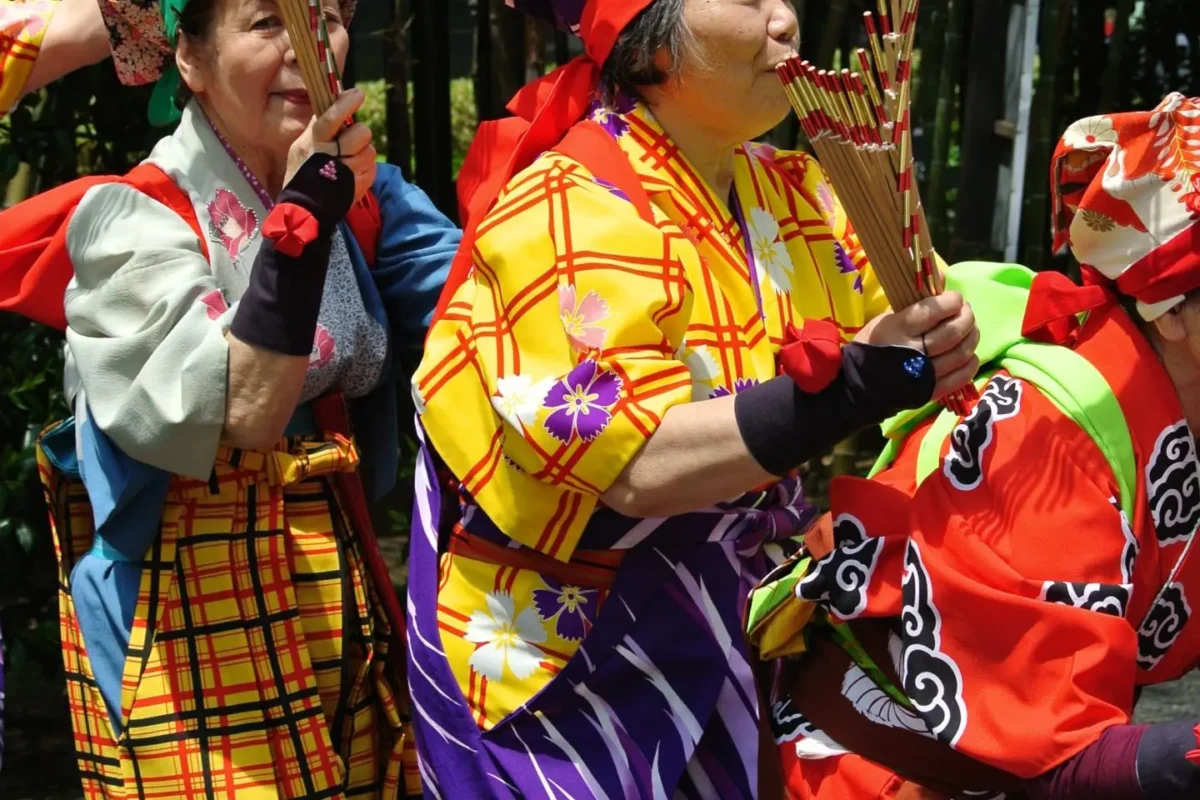
At the end of this street is the Ekoin Temple which had more performers including a group of older ladies in colourful costumes that were doing tricks with these sticks that are tied together and they make all different shapes with them. You can also go into the temple and watch the monks performing service with drumming and chanting.
If you have never been part of a tea ceremony you can also participate in one here. Whilst in the temple grounds make sure to explore the grounds and see if you can spot the monuments to children and pets.
- Traditional Buddhist temple prayer services accompanied by ritual drumming and chanting
- Authentic Japanese tea ceremony participation hosted within peaceful temple spaces
- Folk performance displays featuring colorful costume routines and stick manipulation arts
- Historic monument exploration honoring pets and children within the temple gardens
- Cultural exhibition areas highlighting religious heritage and local history
Festival Venues & Event Areas
The celebration spans multiple distinct hubs across the district, including the grand stadium arena, the main commercial avenue near the station, and the historic temple grounds. Each location offers an entirely unique atmosphere, encouraging visitors to wander and uncover hidden cultural gems.
Food, Markets & Street Atmosphere
Street food vendors line the bustling corridors, filling the air with the savory aromas of simmering hotpots and grilled delicacies. The lively crowd flows smoothly between market stalls and performance plazas under bright spring skies.
Bustling commercial displays and cheerful vendor calls create an electric matsuri mood throughout the entire neighborhood. Exploring the open-air bazaars provides an authentic taste of everyday community life in Tokyo.
- Dozens of food stalls offering diverse regional snacks and festival favorites
- Open-air market avenues lined with vibrant banners and festive decorations
- Bustling crowds of families, sports fans, and international travelers
- Aromatic chankonabe stew stations drawing long lines of eager food lovers
- Friendly merchant interactions showcasing neighborhood hospitality
- Lively pedestrian pathways connecting all major festival sub-venues
Family-Friendly Experience
- Safe pedestrian-oriented street zones closed off from heavy vehicle traffic
- Whimsical mascot interactions designed to delight children and families alike
- Engaging stage acts featuring magic and juggling suitable for all ages
- Interactive games and activity booths tailored for younger festival guests
- Relaxed temple garden areas providing calm resting spaces for parents
- Broad culinary selections appealing to picky eaters and adventurous foodies
Video
Location
FAQ
Is admission to the Ryogoku Kokugikan stadium free during the event?
Visitors can enter the main arena floor and explore the venue without paying any admission charge. This rare open-door policy offers an affordable way to experience the legendary home of professional sumo.
Can foreign travelers easily navigate the festival without speaking Japanese?
Most outdoor performances, food stalls, and street spectacles rely on visual arts and music that transcend language barriers. Friendly local volunteers and information booths are also available nearby to assist international guests.
Where is the festival located relative to public transit?
The main activities are situated just a short one-minute walk away from the JR Ryogoku Station. Clear pedestrian routes guide visitors directly from the train platforms to the stadium and temple areas.
What kind of food can visitors expect to sample?
The event is widely celebrated for its famous chankonabe hotpot dishes served by community vendors. Numerous other traditional festival snacks, street foods, and sweet treats are also available across the market lanes.
Are there indoor spaces available if the weather turns bad?
Guests can easily step inside the massive indoor stadium or the historic temple buildings to seek shelter. These large covered structures provide comfortable environments to continue enjoying the festivities during sudden weather shifts.

Leave a Reply