
Overview
In the middle of summer, people flock to Saitama’s Sakado City for one of the biggest yosakoi festivals around.
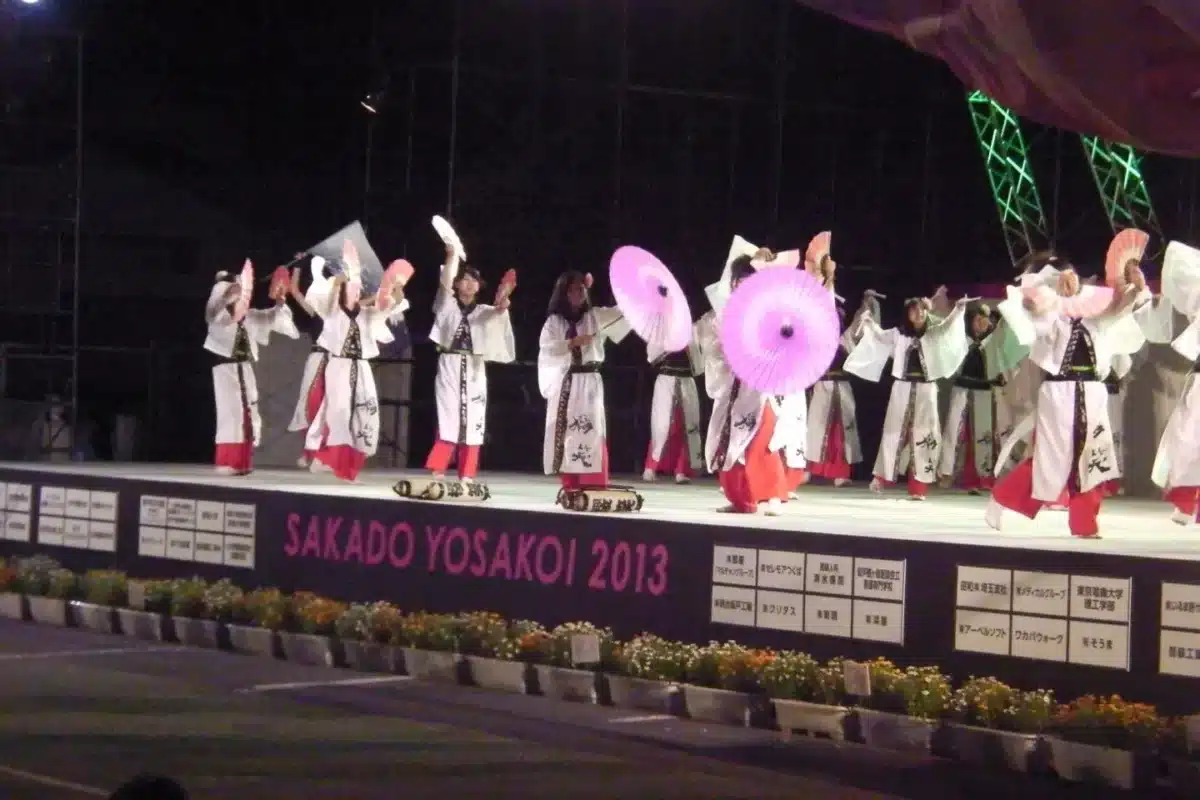
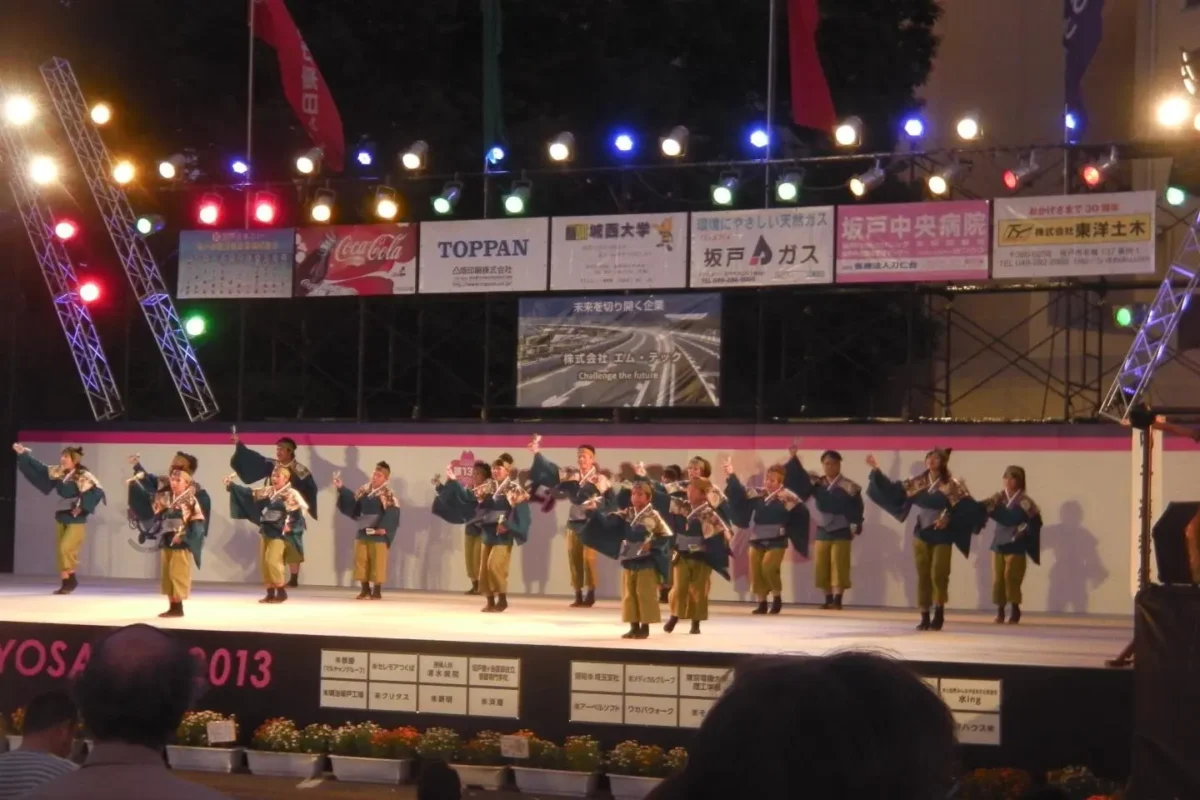
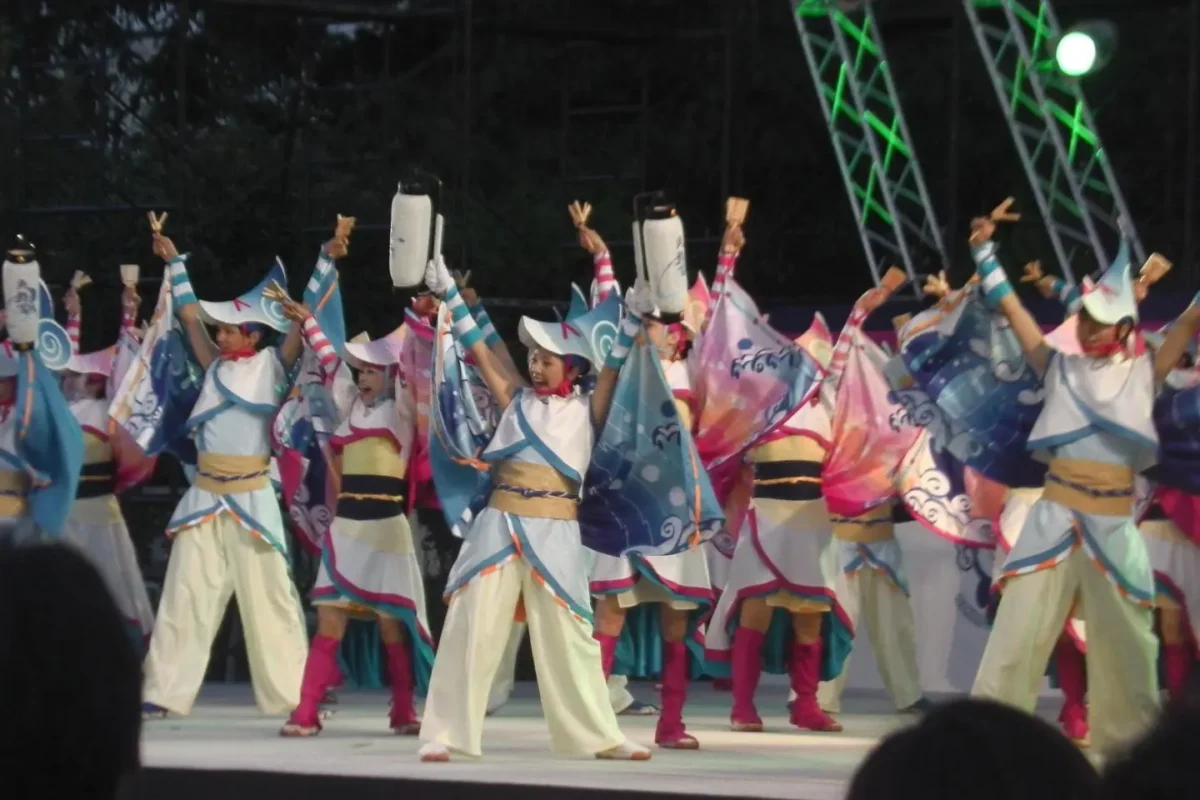
Yosakoi is a type of dance festival in which teams from all over come to perform. Dressed in elaborate costumes and immaculately choreographed, the teams take to the streets to perform in a kind of high energy, musical parade. Some groups add flag bearers, taiko drummers, and elaborate props to their performances. At some of the largest yosakoi festivals (like this one, which has over 5,000 dancers), there is also a stage set up for each team to make a feature performance in hopes of being selected as the best. Yosakoi festivals began in 1954 in Kochi Prefecture.
The Sakado Yosakoi Festival, which was started in the year 2001 to mark the 25th anniversary of Sakado’s achieving city status, is a very big event. An estimated 250,000 people take to the streets to watch the festivities. The street route of the festival is very long, running along a series of streets essentially going from Sakado Station to Kita-Sakado Station. In the center of the two is the hub of the festival, centered around an enormous performance stage. Grab a seat here to watch the best of all the performers as they make their way through the festival.
Enjoy Your Event Stress-Free with Japan Travelo
Do you know? Planning events, festivals, concerts, and cultural experiences in Japan can be overwhelming. Japan Travelo brings everything together in one place, helping you manage your itinerary, transport, and accommodation with ease—so you can enjoy Japan without the stress of planning.
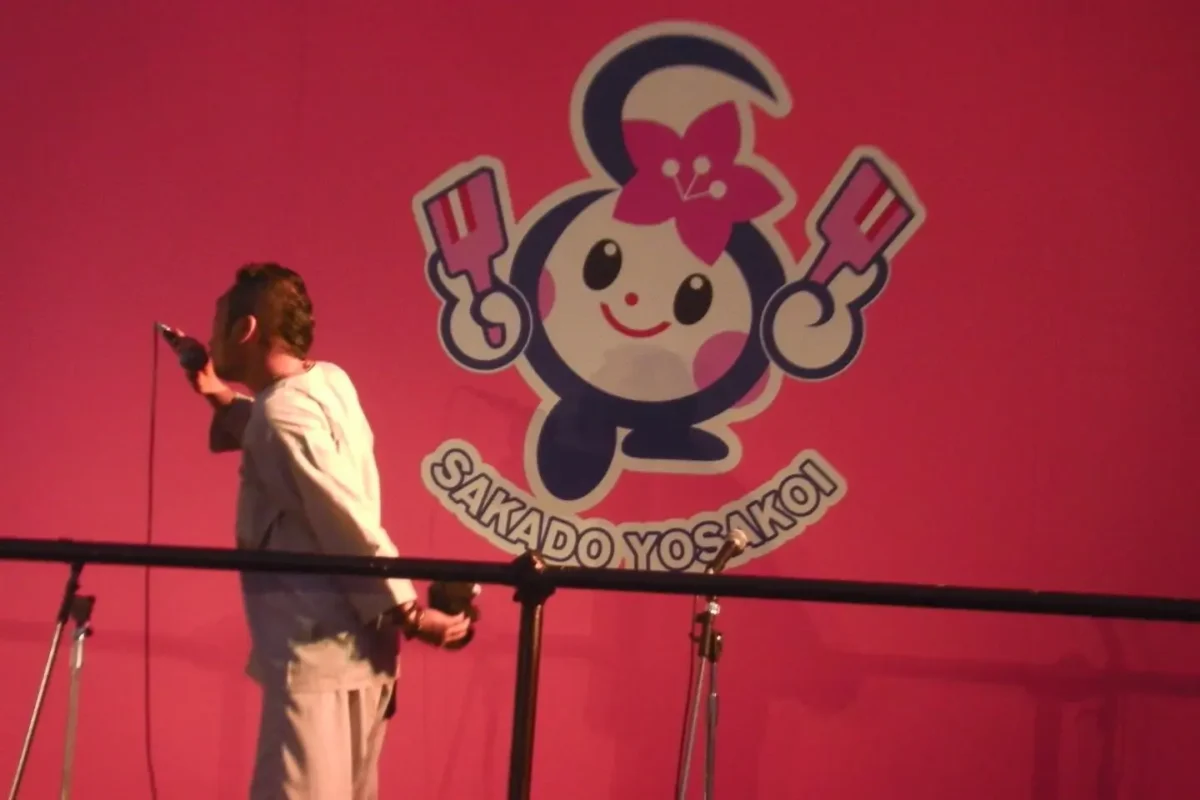
The stage area is filled with what you would expect of a Japanese festival: lots and lots of food stands, games for the children, and some assorted local crafts and products for sale. The festival mascot also walks around, posing for pictures.
Unlike many other yosakoi festivals which end in the evening, Sakado Yosakoi goes until late at night. Trucks armed with huge spotlights roll in front of each dance team as they make their way down the dark streets, providing a unique atmosphere. The nighttime dancing is not to be missed.
It is easy to see that the Sakado Yosakoi Festival is important to this city of 100,000 people. Visitors would do well to take the opportunity to explore the many local shops, restaurants and bars in the area.
The Sakado Yosakoi Festival is free to attend. It is held along a long route of streets that run between Kita Sakado Station (Tobu Tojo Line) and Sakado Station (Tobu Tojo and Tobu Ogose Lines). The best way to access it is to choose either of those stations as a starting point, and simply follow the crowds.
sakadoyosakoi.com/index.html
049-283-1331
Overview
What it is: The Sakado Yosakoi Festival is one of the largest yosakoi dance festivals in the Kanto region, drawing over 5,000 dancers in 80-plus teams and approximately 250,000 spectators to the streets of Sakado City, Saitama Prefecture. It is a city-wide celebration where the street itself becomes the stage.
The atmosphere: The festival blends high-energy contemporary choreography with traditional Japanese festival spirit. The route is lined with food villages, craft stalls, and family game areas, while the main stage area serves as the competitive and ceremonial heart of the event. The mascot and local sponsors add a deeply community-driven feel.
Why it stands out: Unlike many yosakoi festivals that conclude at dusk, Sakado continues into the night. Light trucks equipped with massive spotlights lead each team after dark, creating dramatic, illuminated parades that are considered the signature experience of this festival.
Who it is for: Families, photographers, dance enthusiasts, and cultural travelers. The free, open-street format makes it accessible for all ages, with plenty of seating, standing, and casual viewing spots along the long route between Sakado and Kita-Sakado Stations.
Cultural Significance & Origins
Origins of Yosakoi: Yosakoi was born in Kochi Prefecture in 1954 as a modern, energetic interpretation of traditional Awa Odori, created to revitalize the local economy after the war. The only fixed rules are to dance with naruko clappers and include a phrase from the local folk song Yosakoi Bushi, leaving everything else open to creativity.
Sakado’s milestone: The Sakado Yosakoi Festival was founded as part of the Sakado Citizen’s Festival to commemorate the 25th anniversary of Sakado achieving city status. What began as a civic anniversary event has grown into one of the foremost yosakoi festivals in Japan due to steadily increasing attendance.
Community identity: For a city of about 100,000 residents, an event that brings 250,000 visitors is a major source of pride and economic activity. Local businesses, schools, volunteer groups, and cultural associations all participate, and the festival is now a key pillar of Sakado’s cultural calendar.
Kanto’s yosakoi hub: While Kochi remains the birthplace, Sakado has become the definitive yosakoi gathering place for Greater Tokyo. Until recently there were two editions per year, a summer and an autumn edition, each with its own organizing group, which underlines how central the dance form has become to local identity.
Traditions, Rituals & Customs
The Naruko: Every dancer carries naruko, small wooden clappers that produce a sharp, rhythmic click. Originally used to scare birds from rice fields, they are now the soul of yosakoi and must be incorporated into every performance.
Team structure: Each team, called a rentai, consists of dancers, musicians playing live or recorded yosakoi music, flag bearers waving massive fisherman-style flags known as hata, and often taiko drummers. Costumes and music are newly designed each year and kept secret until debut.
Odoori and stage judging: Teams perform in two formats. The nagashi or street parade sees teams dancing progressively along the route, while the stage performance is a fixed-spot show where teams are judged for creativity, synchronization, costume, and energy. Trophies and civic awards are presented on the main stage.
Final So-odori: The festival traditionally closes with a mass dance where spectators, volunteers, and dancers join together in a simple, easy-to-follow yosakoi routine. This ritual of inclusion symbolizes unity and marks the end of the formal competition.
What to Expect at the Festival
Scale and energy: Expect non-stop movement from morning until night. More than 80 teams rotate through four major venues, with drumbeats, chants, and naruko echoing across Sun Road. Crowds are dense but orderly, with families sitting on blue tarps along the curb.
Sound and spectacle: Performances are high volume and high color. Teams use original music mixing rock, samba, hip-hop, and traditional minyo. Flag teams create wind and visual drama, while some groups incorporate lifts, formation changes, and theatrical props.
Festival village life: Between dances you will find the classic Japanese matsuri environment. The food stall villages offer everything from yakisoba to local Saitama specialties, children’s games like shateki shooting galleries and yo-yo fishing, and booths selling local crafts and agricultural products.
Night transformation: After sunset, the mood shifts. The spotlight trucks illuminate the dancers against the dark street, costumes glitter under artificial light, and the music feels even more powerful. This late-night element is rare among yosakoi festivals and is widely considered unmissable.
Date & Schedule
Event timing: Mid October 2027 (Dates TBD)
Typical daily schedule based on previous editions:
Morning block: Venue opening and team registration around 10:00 AM, with opening ceremony at Sun Road and Bunka Kaikan main stage
Daytime parades: Street parades and stage shows run continuously from approximately 10:30 AM to 5:00 PM, with teams performing in 15-minute rotations across all venues
Evening and night session: Judging finals, award ceremony, and illuminated night parades continue from approximately 5:30 PM to 7:30 PM, with some years extending until 8:00 PM
Festival format note: Before the pandemic the festival was held over two days. Recent editions, including 2025 and 2026, have been consolidated into a single full-day event on a Sunday, using the combined venues of both the former summer and autumn festivals. Final schedule and team numbers are released on the official website closer to the event.
Visiting this event? Don’t miss out on these amazing activities and local experiences while you’re here.
Main Events & Programme
Sun Road Nagashi Parade: This is the main artery of the festival. Teams parade from near Sakado Station toward Kita-Sakado Station, dancing along the closed-off Sun Road. This is the best place to see close-up costume detail and interaction with the crowd.
Bunka Kaikan Main Stage: Located in the parking lot of the Sakado City Culture Center, this is the competitive hub. It features a large stage with bench seating, professional lighting and sound, and judging panels. Approximately 25 food stalls, toilets, and rest areas are located here.
Library and Times Parking Venues: Two additional venues provide more intimate viewing. The library parking lot hosts the Saka-Guru Fes food stall village, while Times Sakado Station North Exit parking lot hosts continuous dance showcases and is closest to the station.
Mascot and community stage: Between competitive sets, the Sakado city mascot, local school bands, and sponsor groups perform. Dance and photography contests are often held alongside the festival, encouraging visitors to submit their best shots.
Grand finale: The final hour features announcement of awards, a performance by the grand champion team, and the all-participant So-odori where anyone can join the dance.
Traditional Costume, Arts & Performance Design
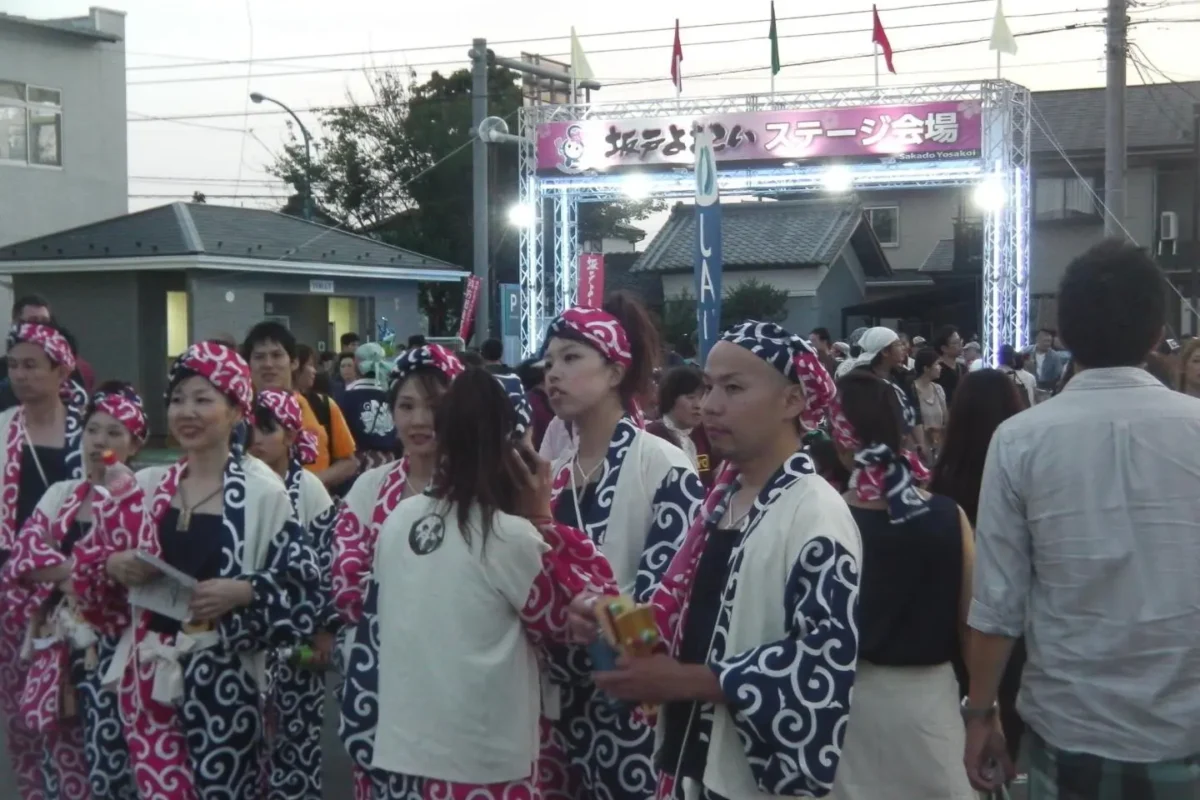
Costume philosophy: Yosakoi costumes are entirely freeform, which is what makes each team unique. Sakado teams are known for bold use of color, blending Edo-period motifs like happi coats and obi with modern streetwear, anime influences, and regional textiles. A single costume can cost over 150 USD to produce, and many teams commission new designs annually.
Flag art: Large flags, up to 5 meters long, are hand-painted with the team’s name, crest, and dynamic calligraphy. Flag bearers train separately as their performance requires strength and precise timing to create waves and synchronized flourishes behind the dancers.
Craft integration: Local craft vendors at the festival village sell naruko in various colors and woods, tenugui hand towels printed with yosakoi patterns, and handmade hair ornaments used by dancers. Some teams also sell their own team towels and fans as memorabilia.
Hair and makeup: Dancers often use elaborate hair, dramatic makeup, and face paint inspired by kabuki and festival traditions, designed to be visible from a distance and under stage lights.
Traditional Food & Local Specialties
Festival stall food: Expect classic matsuri foods prepared fresh at the stall villages. Previous editions have featured around 25 stalls at Bunka Kaikan alone, plus food trucks along Sun Road.
Must-try items:
Yakisoba and okonomiyaki: Savory grilled noodles and cabbage pancakes cooked on large iron plates
Karaage and croquettes: Saitama is known for high-quality chicken karaage, often served in large cups for walking
Dango and taiyaki: Sweet rice dumplings and fish-shaped custard cakes, popular with families
Local Saitama produce: Grilled miso dengaku with local vegetables and Sayama tea, a famous tea from southwestern Saitama, served iced
Price range: Based on previous editions, most stall items range from 3 USD to 8 USD, with larger combo meals and craft drinks from 8 USD to 12 USD.
Location & Festival Areas
City context: Sakado City lies in central Saitama Prefecture, about 45 minutes from central Tokyo by Tobu Tojo Line. It is a compact, walkable city centered around Sakado Station.
Festival geography: The festival occupies a long linear route between Sakado Station and Kita-Sakado Station. The four official areas are:
Sun Road: The central shopping street and primary parade route, closest to the North Exit of Sakado Station. This is where food trucks and standing crowds are densest.
Central Library Parking Lot: Mid-route, transformed into a food stall village with shaded eating areas.
Times Sakado Station North Exit Parking: Immediate station access venue for quick viewing upon arrival.
Bunka Kaikan Parking Lot: The largest venue, about a 15 to 20 minute walk from Sakado Station, with main stage, seating, and full facilities.
Getting to the Festival
By train: The most reliable method. Take the Tobu Tojo Line from Ikebukuro to Sakado Station or Kita-Sakado Station. Express trains take about 40 to 45 minutes. From Ikebukuro, fare is approximately 5 USD to 7 USD one way based on previous pricing. Both Sakado and Kita-Sakado are on the same line, so you can start at one end and walk to the other.
By car: Access via Kan-etsu Expressway to Sakado Interchange, then local roads. Note that the festival area has extensive traffic restrictions, and parking near the venues is extremely limited. Coin parking lots on the parallel road to the east near Eigenji fill early and the area becomes very congested. Public transport is strongly recommended.
On foot within festival: The route between the two stations is about 1.2 kilometers. Wear comfortable shoes. Follow the crowds and festival banners; volunteers in happi coats provide directions at every major intersection.
Accessibility: Sun Road is flat and paved, suitable for strollers and wheelchairs. The Bunka Kaikan venue offers benches and some accessible seating, but arrives early for best spots.
Where to Stay Nearby
In Sakado: Business hotels near Sakado Station such as Sakado Station Hotel and local ryokan guesthouses offer rates from 45 USD to 90 USD per night based on previous seasons. These sell out quickly during festival weekend.
Kawagoe: Ten minutes by train, Kawagoe offers a wider range of hotels and a historic warehouse district for sightseeing. Hotel rates range from 60 USD to 130 USD per night.
Central Saitama and Tokyo: Staying near Ikebukuro or central Kawagoe gives you direct Tobu Tojo Line access without needing to transfer. This is a good option if you plan to combine the festival with Tokyo sightseeing.
Booking tip: Book at least two months in advance. Many visitors make a day trip from Tokyo, so staying in Tokyo and traveling in the morning is the most common approach.
What Visitors Can Participate In
Join the So-odori: The final mass dance is open to everyone. No experience needed. Volunteers teach the simple steps on the spot, and you can participate in regular clothes.
Vote and cheer: Some venues provide audience voting cards or allow cheering to influence special audience choice awards. Bringing a small towel to wave and learning basic kake-goe shouts like So-re and Soiya enhances the experience.
Workshops: In some years, pre-festival naruko making workshops and short yosakoi lessons are held at the culture center. These are usually free and announced on the official site.
Photo and video: Photography is allowed from public areas. Teams welcome photos, but avoid using flash during night parades as it can distract dancers. A photography contest is often held, with winning entries displayed at the city hall.
Things to Do Before or After the Festival
Sakado Xien Ten Gong: The largest Taoist temple in Japan, located in Sakado, featuring colorful architecture and serene gardens. A 10-minute bus ride from the festival area.
Meiji Chocolate Factory: A nearby factory in Sakado offers free tours where you can see chocolate production and sample products. Reservation required.
Cafe Chocotea and local cafes: Sakado has a growing cafe scene, including shops offering 3D latte art, popular with families between festival blocks.
Kawagoe day trip: Known as Little Edo, Kawagoe retains its Edo-period storehouse streets, sweet potato snacks, and Hikawa Shrine. Easily combined with the festival due to direct train connection.
Strawberry picking: If extending your stay into winter or spring, Sakado farms offer strawberry picking with play areas for children.
Local Food & Restaurants
Around Sakado Station: The streets near the North and South exits are lined with ramen shops, yakitori izakaya, and family restaurants. Many offer special festival bento boxes during the event.
Saka-Guru Fes: The food stall village curated by Sakado gourmet groups showcases local restaurants serving signature dishes in festival format, allowing you to sample several local shops in one place.
Izakaya and bars: After the night parade ends, local izakaya become lively gathering spots for dancers and spectators. Try Saitama craft beer and local sake. Budget 10 USD to 25 USD per person for dinner and drinks at a casual izakaya.
Family-friendly options: Chain restaurants, bakeries, and convenience stores along Sun Road provide quick, affordable options for families with children.
Ticket Information & Access
Admission: The Sakado Yosakoi Festival is free to attend. No ticket is required to watch street parades or stage shows. This includes all four main venues.
Seating: General viewing is standing or sitting on the curb or on provided benches at Bunka Kaikan. There is no paid reserved seating based on previous editions. Early arrival is recommended for front-row bench seats at the main stage, especially for the evening finals.
Cost to participate: For dancers, team registration fees are handled by teams themselves and typically range from 20 USD to 50 USD per dancer for costume and logistics. For visitors, only food, drinks, and crafts require payment.
Access notes: The venues are outdoors. In case of heavy rain, portions may be delayed or moved under cover. Check the official website for weather updates. The cost information from 2025 and 2026 editions confirms no admission fee.
Official Event Information
Event name: Sakado Yosakoi Festival 2027 – Japan
Organizer: Sakado Yosakoi Executive Committee, Sakado City Culture and Tourism Division
Contact phone: 049-283-1331
Official website text: sakadoyosakoi.com/index.html and summer edition site www.sakado-yosakoi.com
Venues: Sun Road, Sakado City Central Library parking lot, Times Sakado Station North Exit parking lot, Sakado City Culture Center Bunka Kaikan parking lot, Saitama
Access: Between Kita Sakado Station (Tobu Tojo Line) and Sakado Station (Tobu Tojo and Tobu Ogose Lines)
Additional information: The festival mascot, food stall village, and children’s games are located primarily at Bunka Kaikan. Times and team counts are announced in September each year on the official site.
Video
Location
FAQ
What makes Sakado Yosakoi different from other yosakoi festivals in Japan?
Sakado Yosakoi is one of the largest in the Kanto region with over 5,000 dancers and a uniquely long parade route stretching between two stations. Unlike most festivals that end in the evening, Sakado continues into the night with spotlight trucks leading the dancers, creating a dramatic illuminated parade. It also combines two formerly separate summer and autumn festivals into one massive city-wide event.
Can I take photos and videos of the dancers?
Yes, photography and videography from public viewing areas are generally allowed and encouraged, and many teams pose for photos after performing. You should avoid using flash during night parades and do not enter the street or stage areas. The festival often runs an official photo contest, and you can submit your best shots via the official website for a chance to be exhibited at city hall.
Is the festival suitable for children and elderly visitors?
The festival is very family friendly, with children's games, mascot appearances, food stalls, and flat paved viewing areas along Sun Road. Benches are available at the Bunka Kaikan main stage, and there are toilets and rest areas at each major venue. For elderly visitors or those with strollers, arriving early and starting at the Times parking venue near Sakado Station minimizes walking.
Do I need to understand Japanese to enjoy the festival?
No Japanese is needed to enjoy the high-energy dance, music, and visual spectacle, as the performance is universal. Basic English signage and volunteer guides are present at major intersections during recent editions, and food stalls use picture menus. Learning a few cheers like Soiya and clapping with naruko will help you feel more involved in the crowd.
What should I bring and wear to the festival?
Wear comfortable walking shoes and light layers, as you will be walking between venues and standing for long periods. Bring a hat, sunscreen, and water for daytime, and a light jacket for the cooler night session. A small blue tarp or foldable stool is useful for sitting along Sun Road, and cash in small denominations is recommended as most food stalls do not accept cards.

Leave a Reply