


-
July 18, 2026
Event date:
-
August 29, 2026
Event end:
Overview
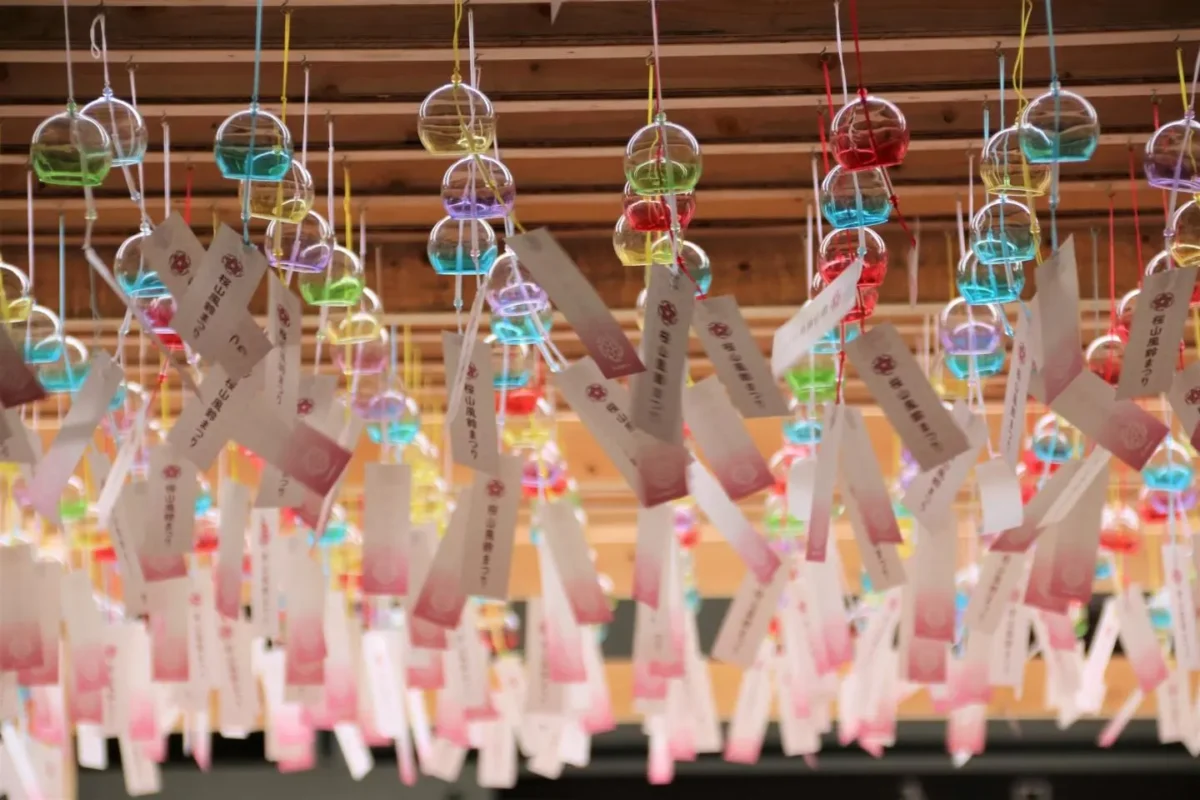
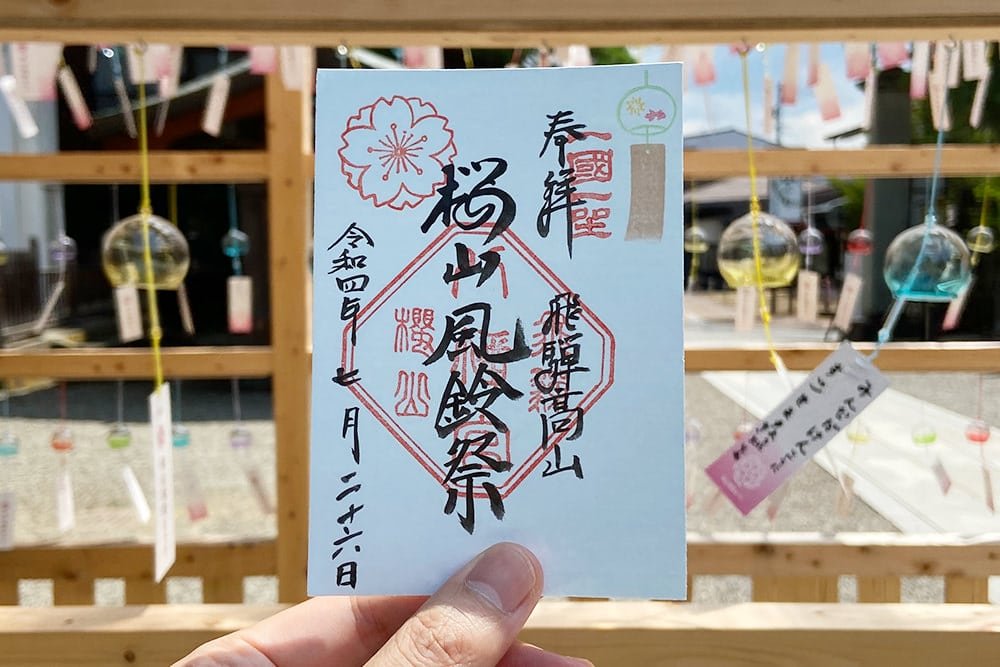
The Sakurayama Wind Chime Festival, held at the historic Sakurayama Hachimangu Shrine in Takayama, Japan, stands as a premier celebration of Japanese summer traditions. As the oldest shrine in the city, this sacred site provides an evocative backdrop for the event, where approximately 2,000 colorful glass wind chimes are meticulously hung throughout the ema hall and surrounding grounds. When the gentle summer breeze sweeps through the cedar-lined paths, the resulting melodic, tinkling symphony creates a serene and immersive atmosphere that captures the very essence of the season.
Visitors are invited to partake in a deeply personal cultural experience that extends beyond simple observation. The festival features a beautifully decorated temizuya—a traditional water purification pavilion—adorned with vibrant, fresh seasonal flowers, offering a tranquil space for spiritual reflection. Guests have the unique opportunity to dedicate their own wind chimes with heartfelt wishes, effectively becoming a permanent part of the festival’s living tapestry. Furthermore, artisan-led workshops allow participants to engage in the creative process, painting their own original wind chimes to serve as lasting mementos of their time in Hida-Takayama.
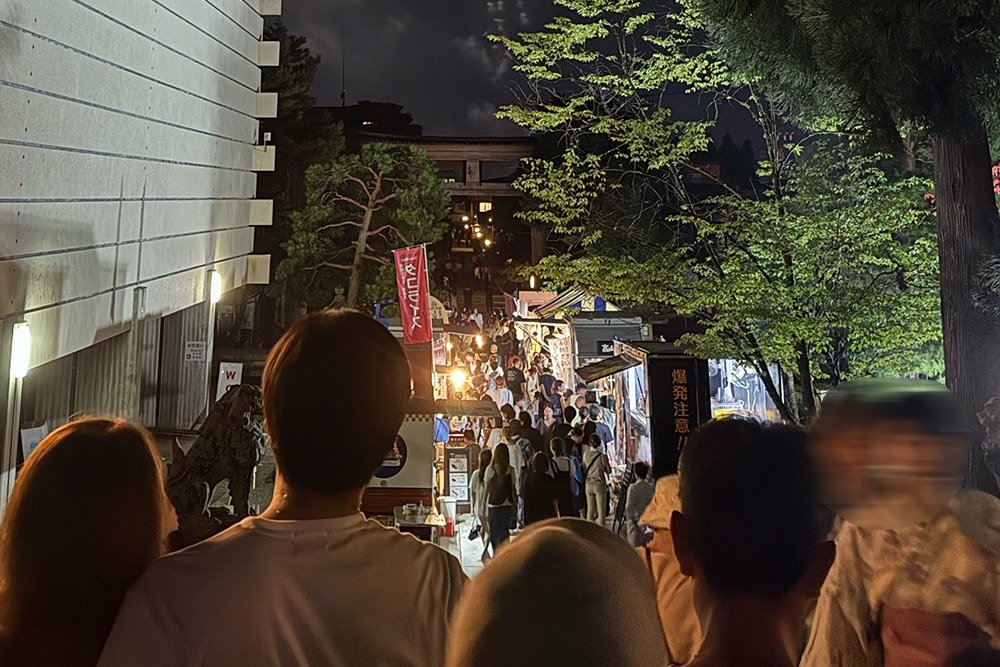
The festival experience reaches its zenith on select Saturday evenings, when the shrine grounds are transformed by atmospheric lantern illuminations. During these enchanting nights, the golden glow of lanterns combined with the gentle sounds of the wind chimes invites guests into a world that feels timeless and magical. With the addition of traditional food stalls and performances, the Sakurayama Wind Chime Festival offers an authentic, multi-sensory encounter that celebrates the harmony between nature, history, and communal joy in the heart of the Japanese Alps.
Enjoy Your Event Stress-Free with Japan Travelo
Do you know? Planning events, festivals, concerts, and cultural experiences in Japan can be overwhelming. Japan Travelo brings everything together in one place, helping you manage your itinerary, transport, and accommodation with ease—so you can enjoy Japan without the stress of planning.
Event Highlights
- Stunning display of roughly 2,000 vibrant glass wind chimes suspended within the historic ema hall.
- Hands-on wind chime painting workshops where visitors can craft their own personalized souvenir.
- Specially decorated temizuya basin featuring elegant, seasonal floral arrangements for a perfect photographic moment.
- Magical evening illumination events on select Saturdays, featuring warm lantern light, traditional court music, and local food stalls.
Why Attend
This festival is an essential experience for those seeking to immerse themselves in the authentic rhythms of a Japanese summer. It is ideal for cultural enthusiasts, families, and solo travelers who value serene environments and wish to connect with traditional Japanese rituals in one of the country’s most historic settings. Attending provides a rare chance to engage directly with local craft culture through the painting workshops and the wish-dedication ceremony, offering a deeper, more meaningful connection to the Hida region than a standard sightseeing visit.
Beyond the cultural engagement, the festival is a sanctuary for those looking to escape the modern pace of life. The combination of the cedar-scented air, the cooling sounds of the chimes, and the visual beauty of the floral displays creates a restorative environment that appeals to photographers, mindfulness seekers, and anyone looking for a quiet moment of beauty. Whether you are wandering the grounds during the peaceful daylight hours or experiencing the nocturnal charm of the lantern-lit evenings, the festival promises a memorable journey into the heart of Takayama’s enduring heritage.
Date & Duration
- Event Date: July 18th to August 29th, 2026.
- Event Duration: Daily access during shrine hours; special evening illuminations occur from 18:00 to 20:30 on selected Saturdays.
Visiting this event? Don’t miss out on these amazing activities and local experiences while you’re here.
Ticket Information
- How Tickets Are Sold: General shrine access is unrestricted; workshop participation is managed on-site.
- Admission Type: Open public access for the festival grounds.
- Ticket Pricing: Free Admission (workshops available for a nominal fee, approximately $4.00).
- Special Seating Options: No formal seating; guests explore the open-air grounds at their leisure.
- VIP Options: No formal VIP tiers; the festival emphasizes an inclusive, communal experience for all visitors.
Venue / Location
- City and Country: Takayama, Japan.
- Venue Name: Sakurayama Hachimangu Shrine.
- Google Maps Address: 178 Sakuramachi, Takayama, Gifu 506-0858, Japan.
Contact Information
- Phone Number: +81 577-32-0240.
- Official Website: https://hida-natsu.jp/.
Accommodation Options:
Takayama offers a diverse array of lodging experiences, ranging from high-end traditional ryokans—where guests can experience quintessential Japanese hospitality—to conveniently located modern business hotels. Staying near the Old Town or within walking distance of the shrine allows guests to easily navigate the city’s historic sites, markets, and the festival venue without the need for extensive public transit.
For travelers seeking a more authentic immersion, the area surrounding the shrine and the nearby Miyagawa River is dotted with charming guesthouses and boutique inns. Because the summer season is a peak time for local festivals, travelers are strongly encouraged to secure their accommodations well in advance to ensure they are situated within reach of the festival’s serene morning and evening activities.
Getting There
- Nearest Airport: Chubu Centrair International Airport, located approximately 200 kilometers from the venue.
- Nearest Train/Metro Station: JR Takayama Station, a major transit hub for the region.
- Bus Routes or Public Transport Options: The Hachimangu-mae bus stop is conveniently located just steps from the shrine entrance.
- Parking Availability: Public parking facilities are available in the immediate vicinity of the shrine for those traveling by private vehicle.
- Directions by Car: Accessible via the Chubu-Jukan Expressway, following local signage toward the city center and the historical district.
Dining Recommendations
Breakfast Recommendations:
- Miyagawa Morning Market street stalls for fresh local fruit, homemade jams, and regional snacks.
- Traditional kissaten cafes in the old town offering local Hida milk and artisanal toasted breads.
- Local establishments near the station providing hearty Japanese-style set breakfasts.
Lunch Recommendations:
- Specialty restaurants in the Sanmachi district serving premium Hida beef dishes.
- Noodle houses specializing in hand-kneaded soba or udon, featuring crisp, fresh mountain vegetables.
- Casual eateries near the shrine offering traditional bento-style meals perfect for a light afternoon break.
Dinner Recommendations:
- Atmospheric izakayas in the city center featuring an extensive menu of seasonal small plates and sake.
- Upscale dining rooms focusing on traditional Hida kaiseki, incorporating local mountain produce and freshwater fish.
- Open-air food stalls present during Saturday evening events, offering festival classics like yakisoba and grilled skewers.
Local Specialties to Try:
- Hida Beef, renowned for its melt-in-the-mouth texture and exceptional marbling.
- Wild mountain vegetables, or sansai, harvested from the lush forests surrounding Takayama.
- Local Sake, crafted in the historic breweries of Takayama using pristine alpine water.
What is this event?
The Sakurayama Wind Chime Festival is a profound cultural celebration held at the historic Sakurayama Hachimangu Shrine in Takayama, Japan. It centers around the display of thousands of colorful glass wind chimes, creating a beautiful and melodic atmosphere that defines the Japanese summer experience.
Beyond the visual and auditory spectacle, the event invites guests to engage with local traditions through interactive workshops and meditative rituals. It serves as a peaceful sanctuary where the community and visitors unite to celebrate history and seasonal beauty.
Why is it popular?
The festival’s immense popularity stems from its ability to perfectly encapsulate the nostalgic, serene, and magical spirit of a traditional Japanese summer. The unique sensory environment, featuring the constant, cooling chiming of thousands of bells, provides a soothing retreat that is deeply cherished by both residents and tourists.
Additionally, the festival’s blend of interactive, family-friendly activities—such as wind chime painting and wish-dedicating—makes it highly accessible and memorable. The Saturday night illuminations add an extra layer of charm, offering a visually stunning, dreamlike experience that is perfect for social media photography and deep cultural appreciation.
Tips before you go
- Check the official event calendar to coordinate your visit with the Saturday evening lantern illumination dates.
- Bring comfortable walking shoes to navigate the gravel pathways of the shrine grounds with ease.
- Carry a small amount of local currency, as it is helpful for purchasing workshop tickets or local food stall treats.
- Visit during the early morning hours to enjoy the shrine in its most quiet, contemplative state before crowds arrive.
- Respect the sacred nature of the shrine grounds by maintaining a quiet demeanor and following local etiquette signs.
Tips for First-Time Visitors
- Dedicate at least two hours to your visit; this allows ample time to stroll the cedar-lined paths, appreciate the wind chimes, and visit the adjacent festival floats hall.
- Do not miss the Yatai Kaikan located next door, where you can view the ornate, life-sized floats used in Takayama’s famous autumn festivals.
- Participate in the wind chime painting workshop early in your trip to take home a personalized piece of art that represents your time in the city.
- Stay hydrated and carry a towel during the humid summer days; the Hida region can be quite warm, and comfort is key to enjoying your exploration.
- Engage with the local vendors and staff, as they are often eager to share stories about the shrine’s history and the meaning behind the festival traditions.
- Plan your walk to include the Higashiyama Walking Trail after leaving the shrine to explore the hidden temples and serene residential areas that define Takayama’s character.
Attendee Experiences
- Walking through the shrine with the constant sound of thousands of chimes ringing in the breeze was an incredibly tranquil and memorable experience.
- I really enjoyed the hands-on workshop where I painted my own wind chime, making it feel like I left a small piece of my own story at the shrine.
- The Saturday night illumination was truly magical, as the lantern light made the entire shrine look like it belonged in a fairy tale.
Video
Location
FAQ
What is the cultural significance of wind chimes in this setting?
Wind chimes have long been utilized in Japanese culture to denote the arrival of the summer season and are believed to possess the power to ward off malevolent spirits while bringing health. In the context of the shrine, their melodic tinkling provides a sensory experience that encourages mindfulness and highlights the beauty of the surrounding natural landscape.
Can I participate in the painting workshop on-site?
Yes, visitors are encouraged to participate in wind chime painting workshops, which offer a delightful way to interact with local craft traditions. These sessions provide all necessary materials, allowing guests to paint their own designs onto glass chimes to take home as unique, handmade souvenirs of their trip.
Are the evening illumination events different from the daytime?
The evening illuminations transform the shrine into a completely different sensory environment, characterized by the warm, atmospheric glow of hundreds of paper lanterns. This shift in lighting, often accompanied by traditional court music and food stalls, creates a festive, nostalgic ambiance that is distinct from the quiet, contemplative nature of the daytime visit.
How much time should I allocate for a thorough visit?
It is recommended to set aside between one and two hours to fully explore the shrine grounds, admire the wind chime displays, and visit the nearby festival floats exhibition hall. This duration ensures you have sufficient time to participate in rituals or workshops without feeling rushed, allowing for a relaxed and immersive experience.
Is there a specific dress code or etiquette to follow?
While there is no strict dress code, visitors are encouraged to dress modestly out of respect for the sacred nature of the shrine grounds. It is also important to maintain a quiet and respectful demeanor, avoid flash photography during rituals, and follow any specific instructions provided by shrine staff to ensure a harmonious environment for all guests.

Leave a Reply